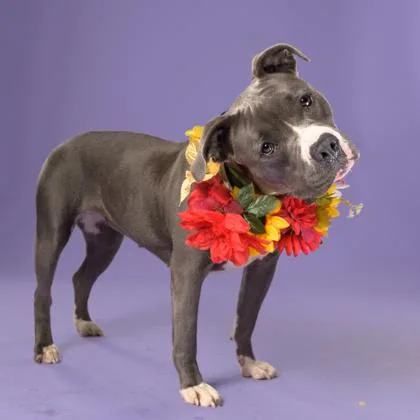
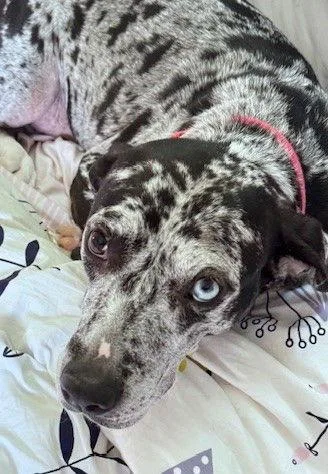
Curly-Coated Retriever Dogs for Adoption in Atlanta, GA

Your guide to finding and caring for a Curly-Coated Retriever in Atlanta

A Curly-Coated Retriever suits Atlanta best in a neighborhood with room to roam, like Cascade Heights, where the hills roll and the lots are spacious. Curlies are tall, athletic retrievers that need real exercise every day, and most love water. They're often reserved with strangers, so a quiet street usually works better than a crowded patio. If you're thinking of adopting one in Atlanta, plan on a fenced yard or a firm daily routine, and expect a thoughtful dog that matures slowly.

15109 dogs similar to Curly-Coated Retriever available in Atlanta and nationwide

Bring home a Curly-Coated Retriever

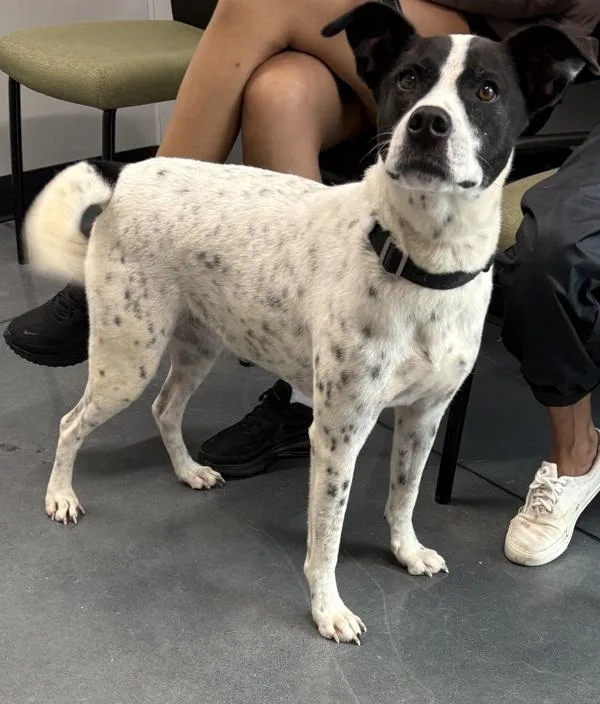
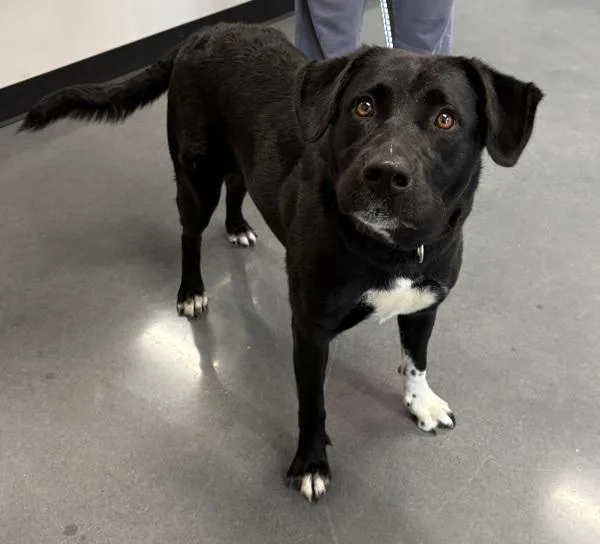
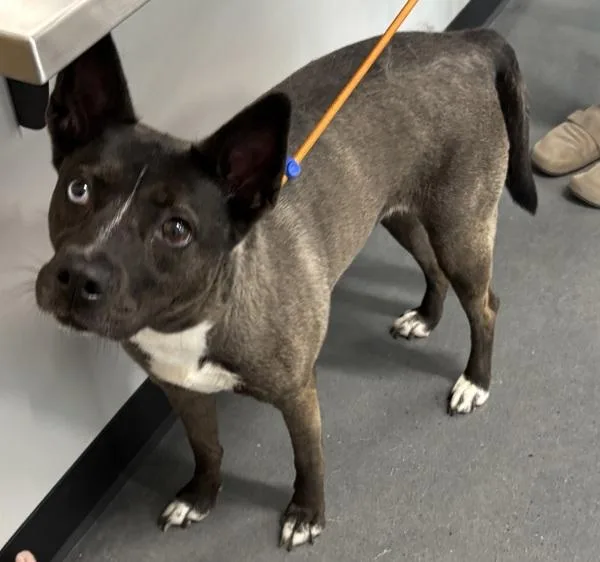
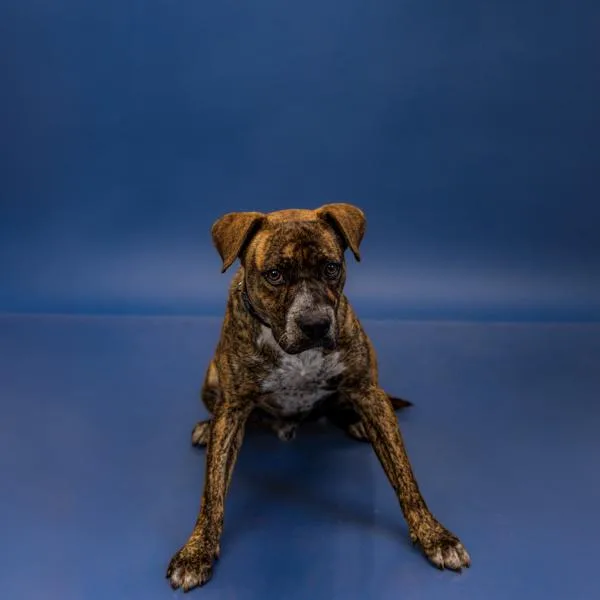
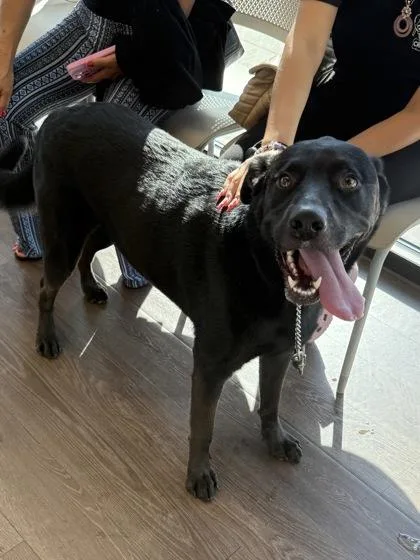
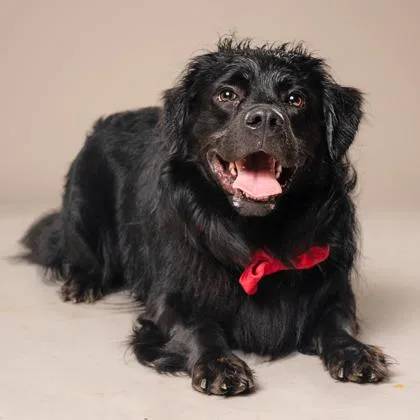
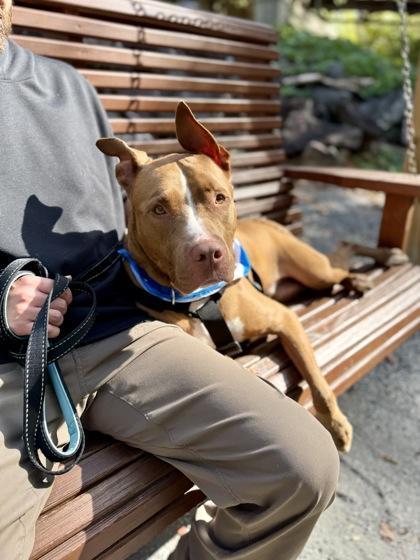
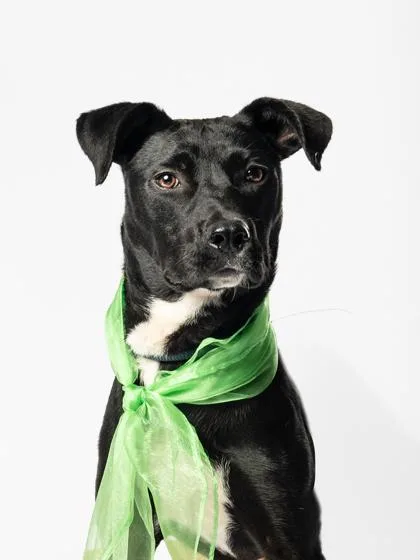
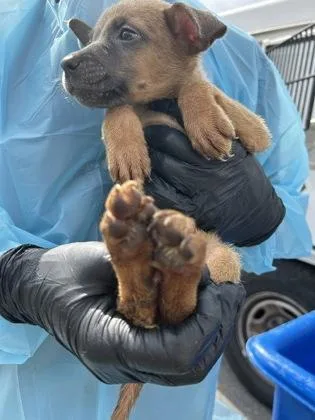
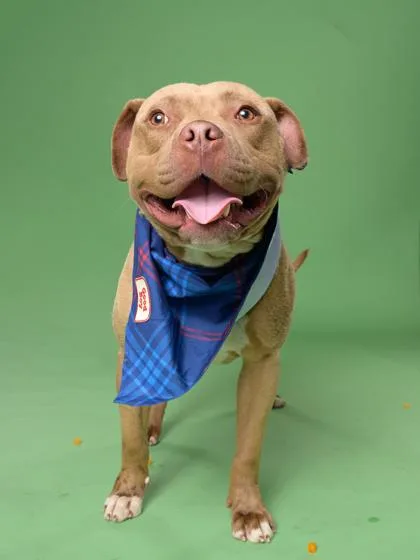
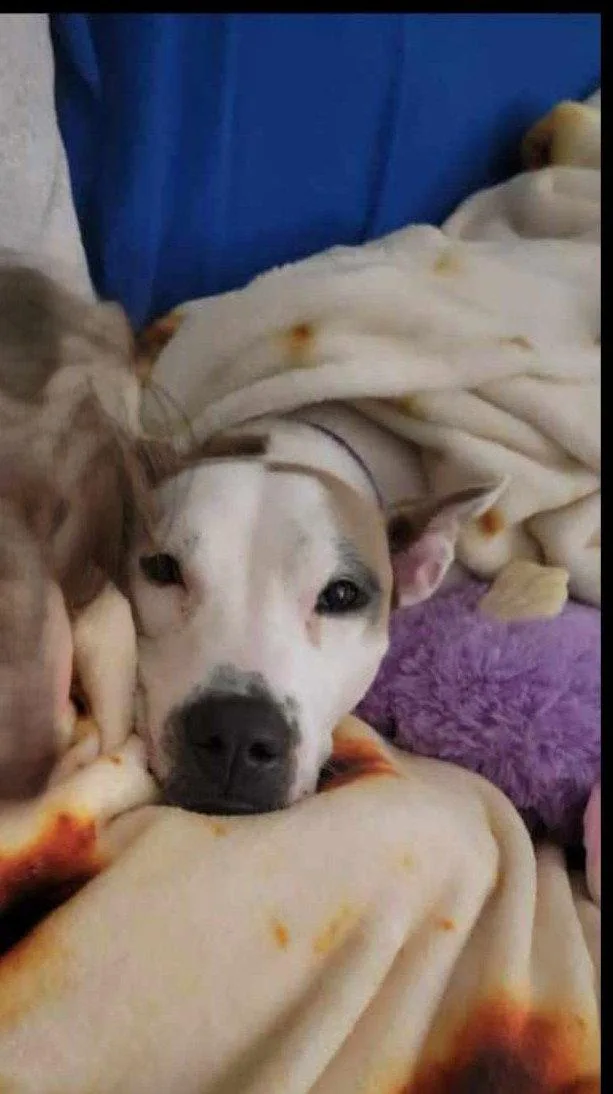
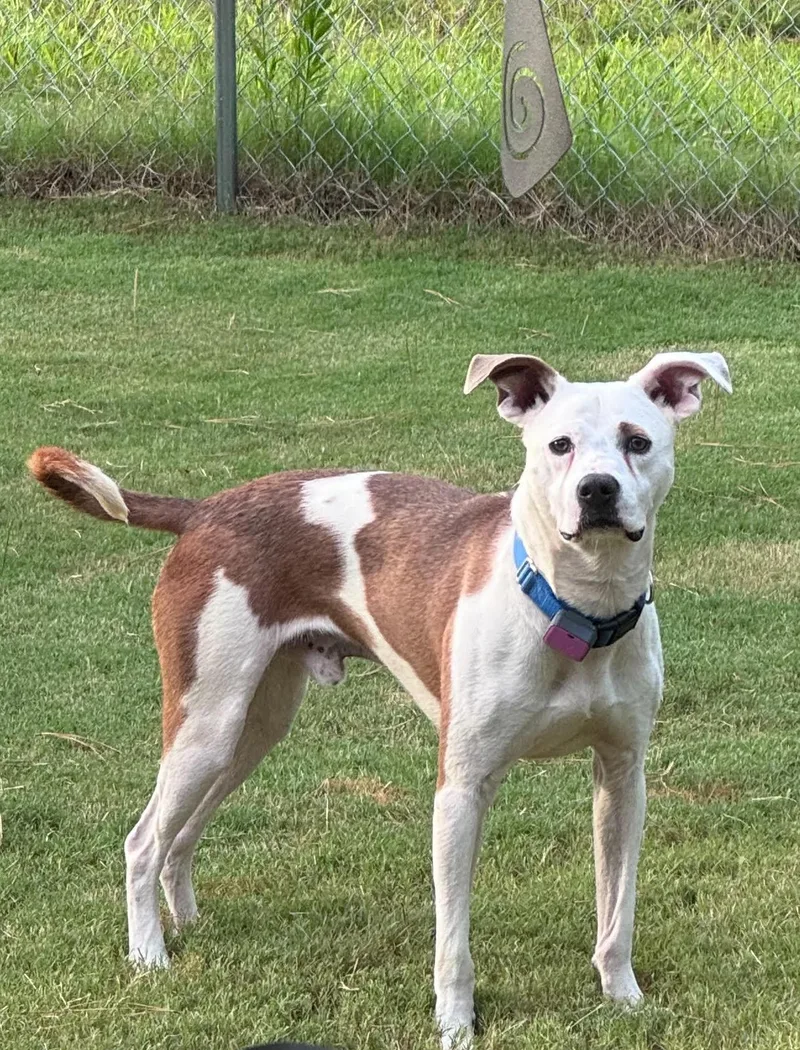
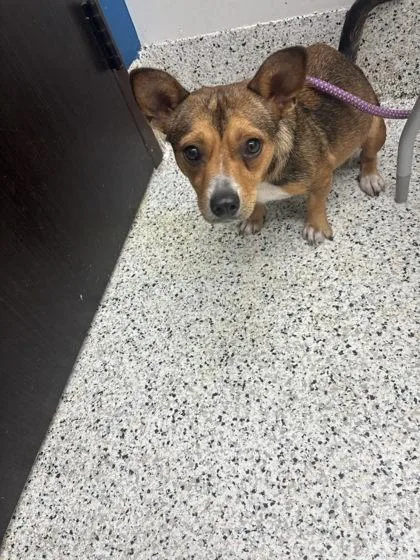
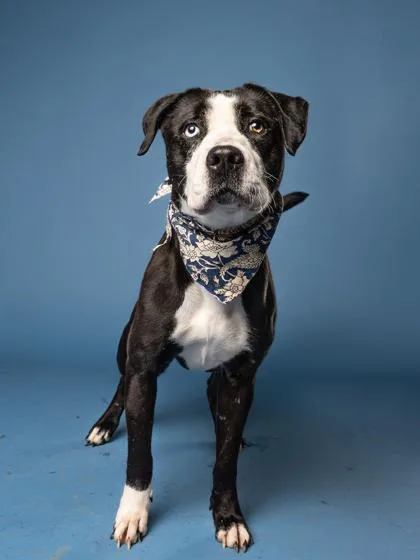
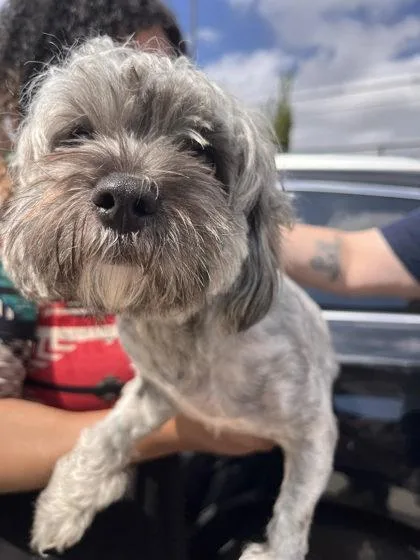
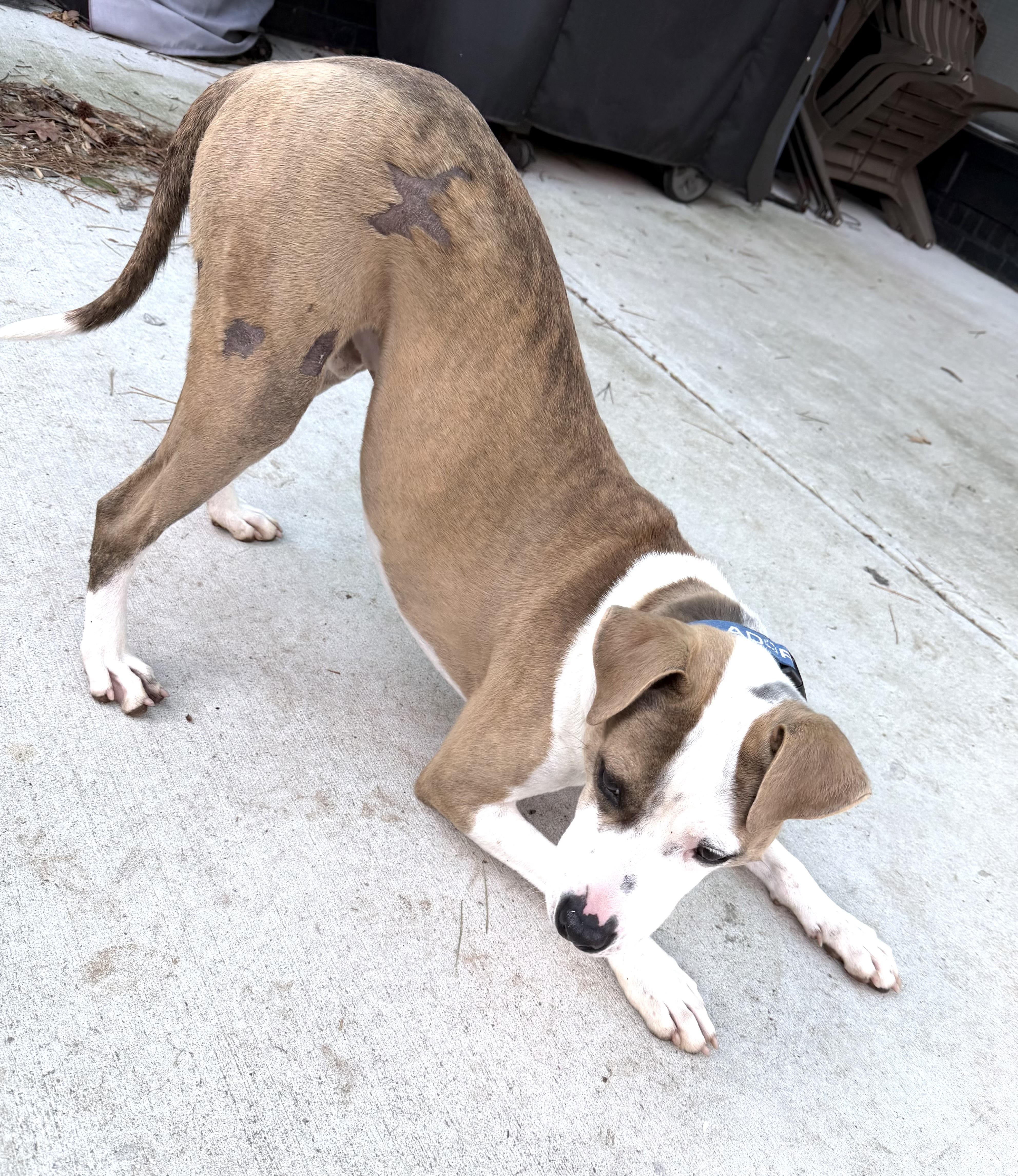
Curly-Coated Retrievers and Similar Breeds Available for Adoption Near Atlanta

About the Curly-Coated Retriever breed

The Curly-Coated Retriever is one of the oldest retriever breeds, shown in England by around 1860 and developed for long days retrieving waterfowl and upland birds. It's the tallest of the retrievers, usually 23 to 27 inches and 60 to 95 pounds, with tight, crisp curls over the body and a smooth face and front legs. Curlies come in solid black or liver.

Many Curlies are more reserved with strangers and more independent than Labs or Goldens. They're often affectionate and gentle with family, mature slowly, and stay playful for years. The low-to-moderate shedding and wash-and-wear curls are easy to manage, but the exercise and training needs are not small. Dogs vary, so spend time with the dog before deciding.

Weight
60–95 lbs
Height
23–27 in
Lifespan
10–12 yrs
Temperament
Confident, Intelligent, Independent
Group
Sporting
Shedding
Low to Moderate

Owning a Curly-Coated Retriever in Atlanta

Having a Curly-Coated Retriever in Atlanta

Curlies pair a working retriever's stamina with a more self-possessed personality. In Atlanta, that means planning daily exercise around heat and storms, and giving a slow-maturing, somewhat reserved dog time to get used to new sights and sounds.

Temperament

Curlies tend to be devoted and gentle at home but politely aloof with strangers, so busy Atlanta sidewalks and crowded patios may take gradual practice. They're smart and independent, and may tire of repetitive drills. Early socialization and reward-based training help. Many stay puppyish for two or three years, and each dog differs.

Exercise Needs

Plan on vigorous daily exercise: long walks, running, swimming or retrieving games. Atlanta requires leashes in parks and on the BeltLine, so a fenced yard or an off-leash dog park suits fetch better. Add scent games or training classes for mental work, since a bored Curly will invent its own entertainment.

Health Considerations

Curlies can face hip and elbow dysplasia, exercise-induced collapse, glycogen storage disease type IIIa, a form of progressive retinal atrophy, heart disease and coat loss. Bloat is a risk in deep-chested dogs. Atlanta's warm, humid summers make heat caution important, so ask a veterinarian about screening at the first checkup.

Living Space

A Curly does best with a securely fenced yard, and a house with one fits Atlanta life well. Apartment living is possible for a committed owner, but the dog's size and sweeping tail need room, and long stretches of barking can become a neighbor complaint. Curlies prefer living indoors with the family.

What it costs to own a Curly-Coated Retriever in Atlanta

ExpenseTypical costPer year
Food$55 to $110 per month$660 to $1,320
Pet insurance$65 to $130 per month$780 to $1,560
Routine vet care$250 to $500 per year$250 to $500
Other*$490 to $1,290 per year$490 to $1,290
Estimated yearly total (after year one)$2,180 to $4,670

Other costs are estimates and vary with size, age and health.

* Flea, tick and heartworm prevention, a dental cleaning allowance, the pet license, toys and bedding, and light at-home coat care with occasional trims.

Adopt a Curly-Coated Retriever in Atlanta.

Now that you know more, let’s find you a new best friend. These rescues and shelters below have dogs available in and near Atlanta.

Frequently Asked Questions

Yes. Atlanta has no breed ban, so a Curly is as welcome as any other dog. Fulton County requires a license and rabies vaccination, and off your property the leash can be no longer than six feet. Barking for 10 minutes or longer can draw fines, so daily exercise and training matter for this energetic breed.

Yes, for a committed owner. A Curly needs vigorous daily exercise, and its size and sweeping tail need room, so a fenced yard is easier. In an apartment, plan long walks, off-leash dog park time and training that builds calm habits, since neighbors within earshot can complain about prolonged barking. Confirm any weight limit before you lease.

Piedmont Park's off-leash area has about three acres and a separate enclosure for dogs over 30 pounds, which suits a Curly. The BeltLine's Eastside Trail is good for leashed walks. Off-leash parks allow no more than three dogs per owner and no puppies under 16 weeks, and dogs can't swim in park lakes.

Yes, with adjustments. Exercise before sunrise or after sunset, since nights stay warm and humid, carry water, and rest in air conditioning midday. Watch for heavy panting, stumbling or collapse, which needs prompt veterinary care. Curlies prone to exercise-induced collapse need extra caution, and a parked car is never a safe place.

Probably not. MARTA allows only service animals to ride unconfined, and other pets must travel in a secure, rigid carrier with a lock or latch. A Curly weighs roughly 60 to 95 pounds, which won't fit in a carrier, so plan on driving or walking.

Sometimes, on patios. Georgia rules let restaurants allow leashed dogs in outdoor dining areas reached from outside, but it's each restaurant's choice, and only service animals go indoors. Dogs must stay off furniture and can't be fed by diners. A Curly's size and reserve around strangers make a quiet corner spot best.

Less than many breeds. Skip brushing, which frizzes the curls; instead dampen the coat and work through it with your fingers about weekly, with occasional trims. Atlanta's humidity and steady rain mean rinsing mud and drying the ears after wet outings. Most owners handle this at home, which fits the light coat care counted in the Other costs.

Yes, Curly-Coated Retrievers shed, but usually less than most retrievers for much of the year. Many have one or two heavier seasonal sheds when the curls loosen and drop hair, and intact females may shed more after a heat cycle. Owners generally avoid brushing, which frizzes the curls, and instead dampen the coat and work loose hair out by hand.

Yes, Curly-Coated Retrievers are rare in the United States. They have been recognized by the American Kennel Club since 1924 yet rank among the least registered breeds, landing around 168th in recent popularity lists. That rarity means few appear in shelters, so adopters often check breed-specific rescues and set up alerts on adoption listings to hear when one becomes available.

Expect roughly $55 to $110 a month for food and $65 to $130 a month for pet insurance. Routine vet care runs about $250 to $500 a year, and other costs such as parasite prevention, dental care, licensing, supplies and light coat care add roughly $490 to $1,290 a year. Illness or emergencies cost extra.

Find Curly-Coated Retrievers in Nearby Cities

Expand your search to find Curly-Coated Retrievers available for adoption near Atlanta.