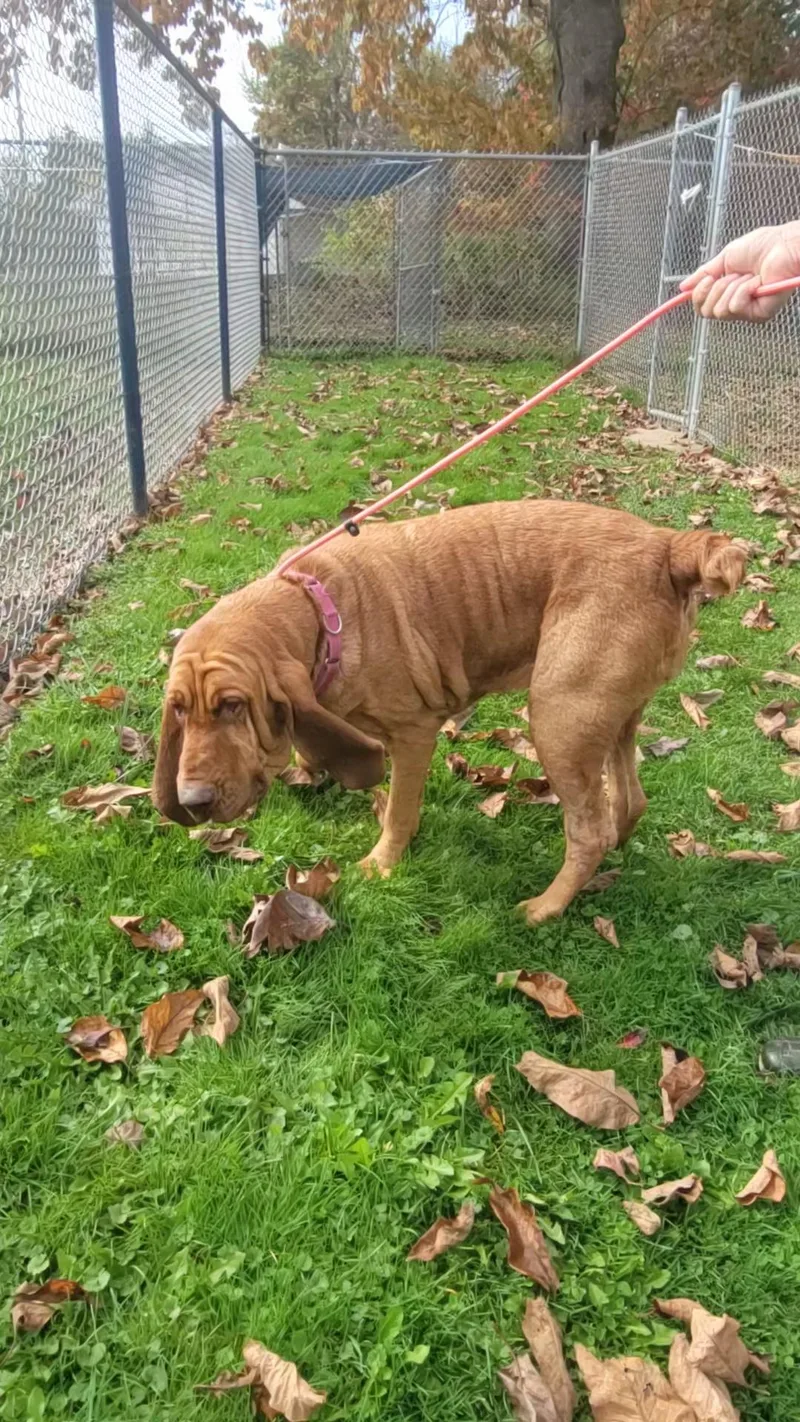
Bloodhound Dogs for Adoption in Tampa, FL

Your guide to finding and caring for a Bloodhound in Tampa

Bloodhounds suit Tampa's older single-family streets, where a fenced yard gives that nose a safe place to work. A Seminole Heights bungalow lot with a latched gate is a better match than a downtown tower, and the riverfront parks nearby offer plenty to sniff on a leashed walk. Expect a deep bay, plenty of drool, and a nose that will find any gap in the fence, so a solid gate latch is the first thing to check.

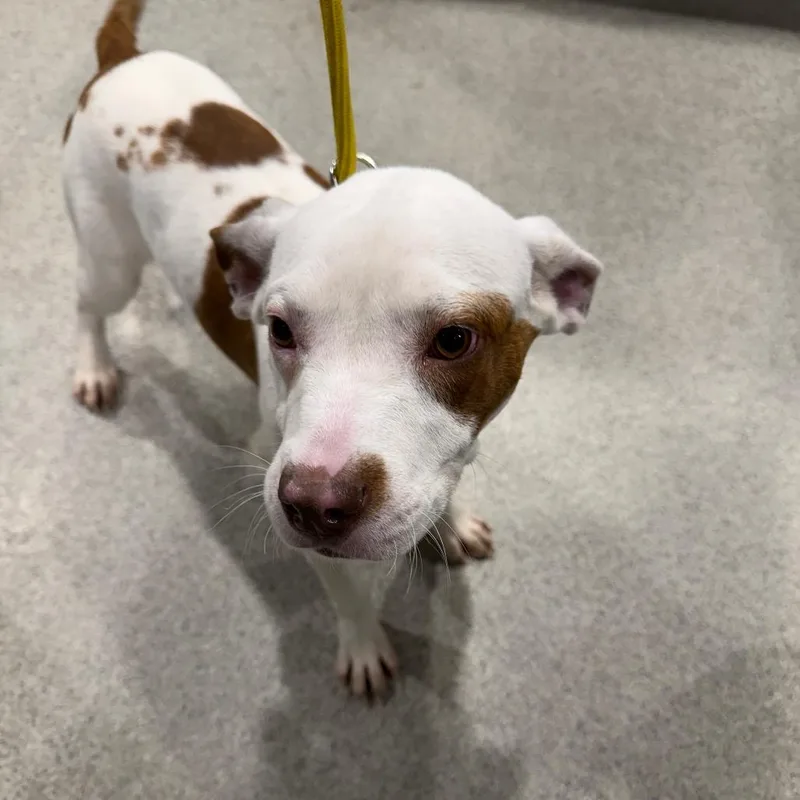
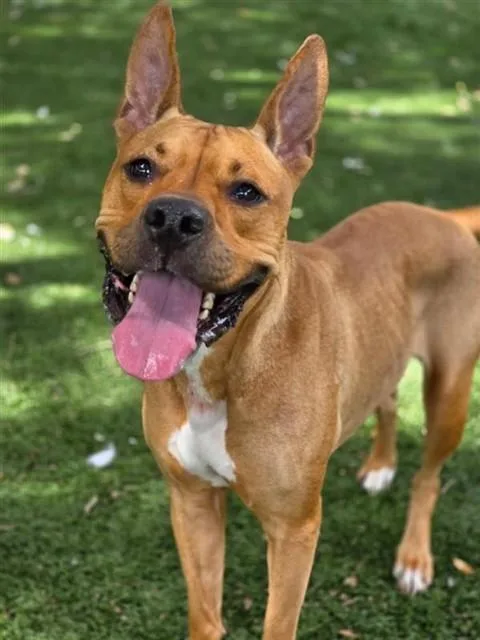
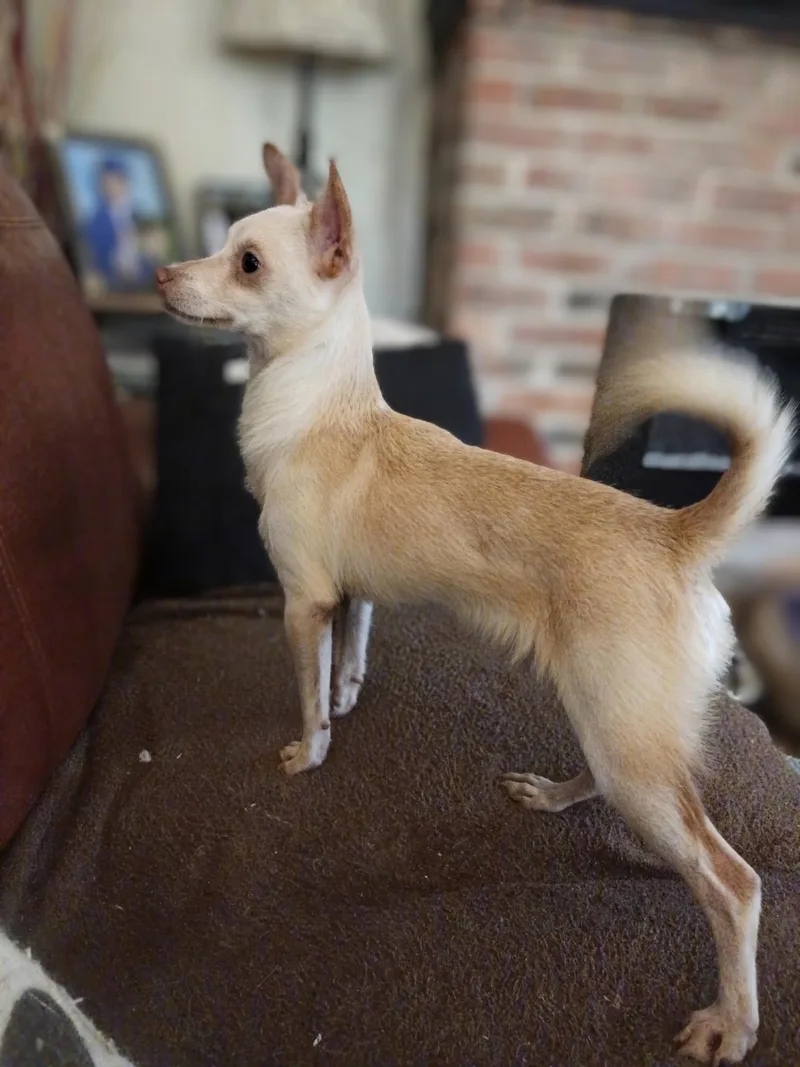
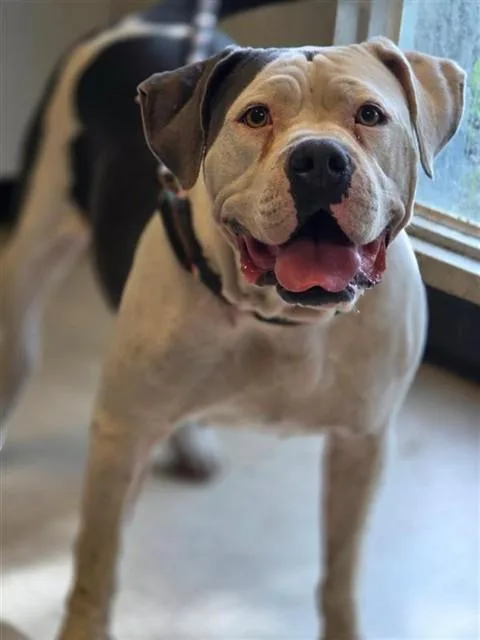
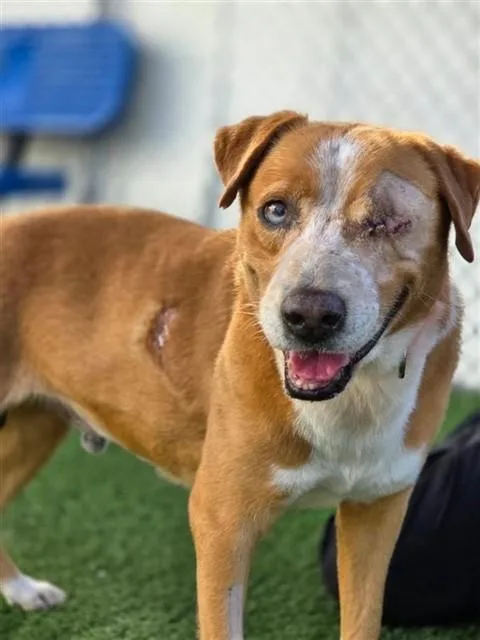
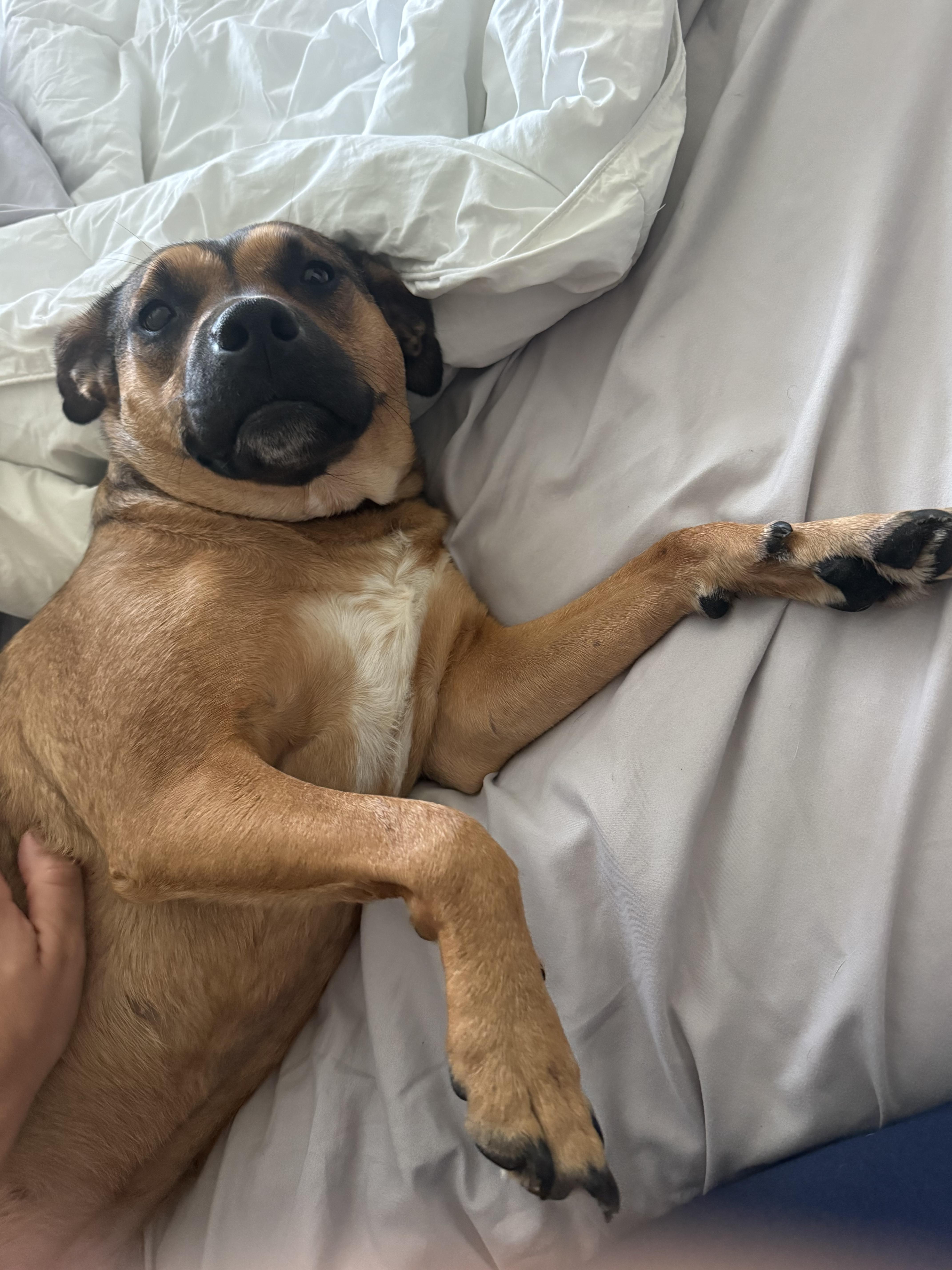
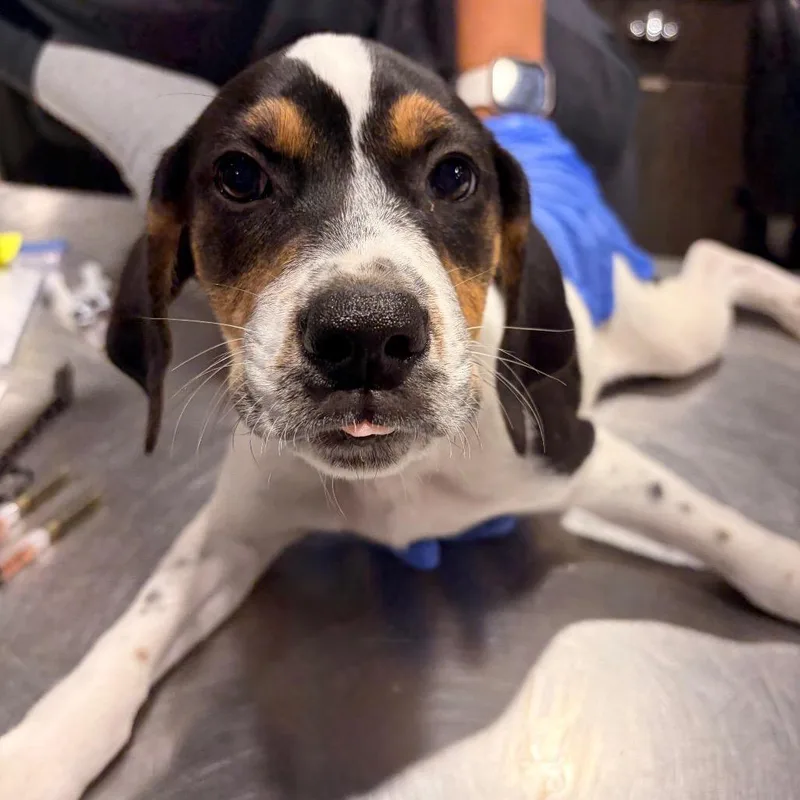
128 Bloodhounds available in Tampa and nationwide

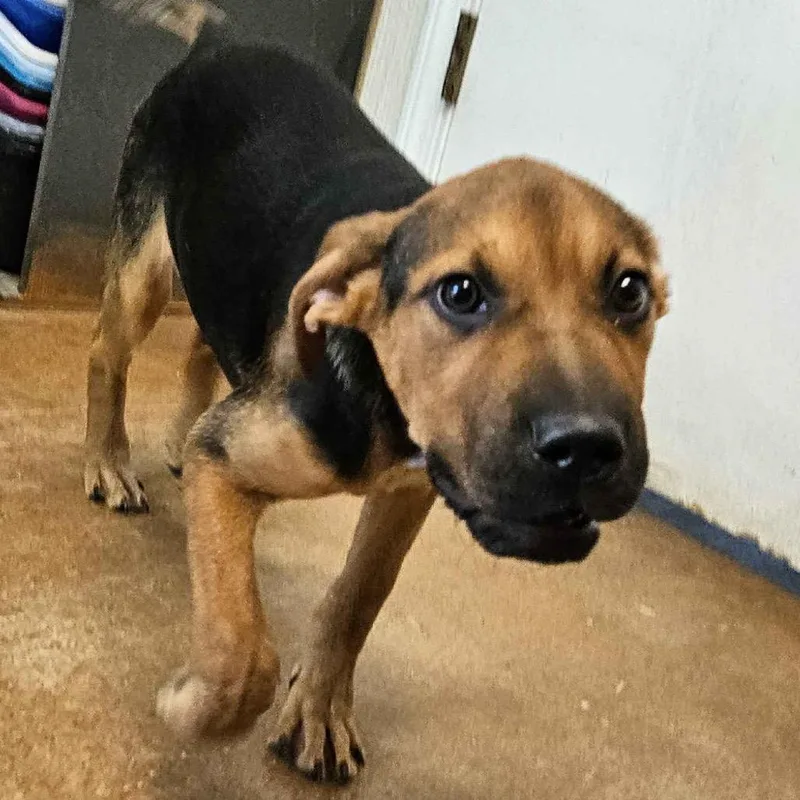
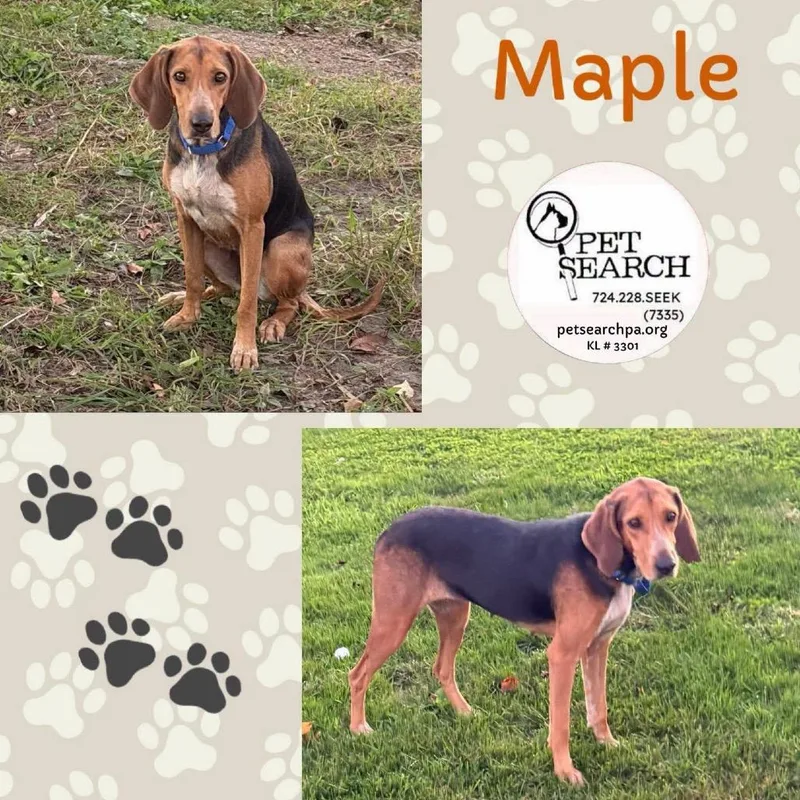
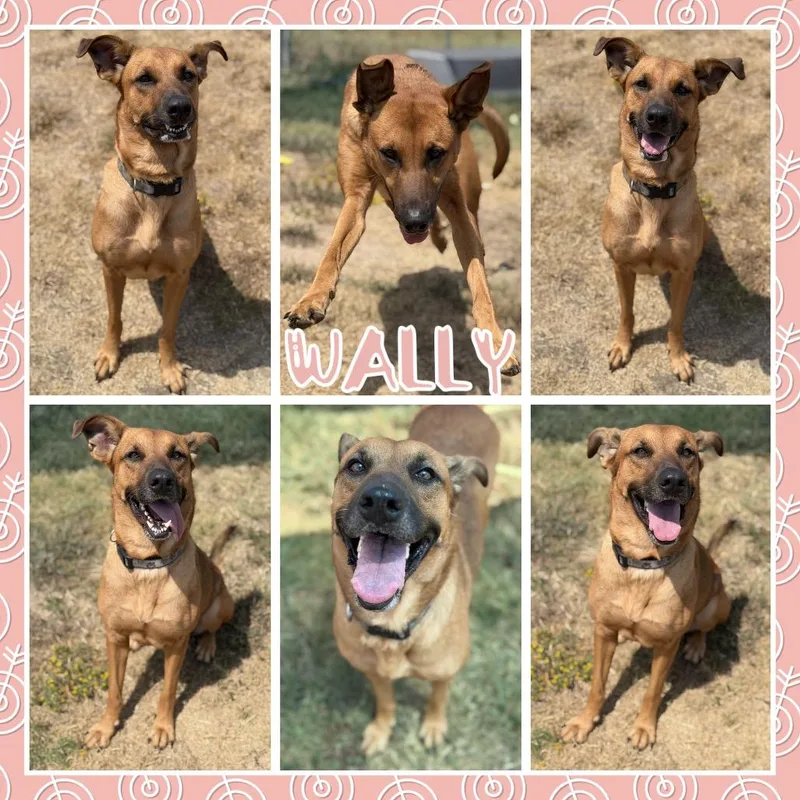
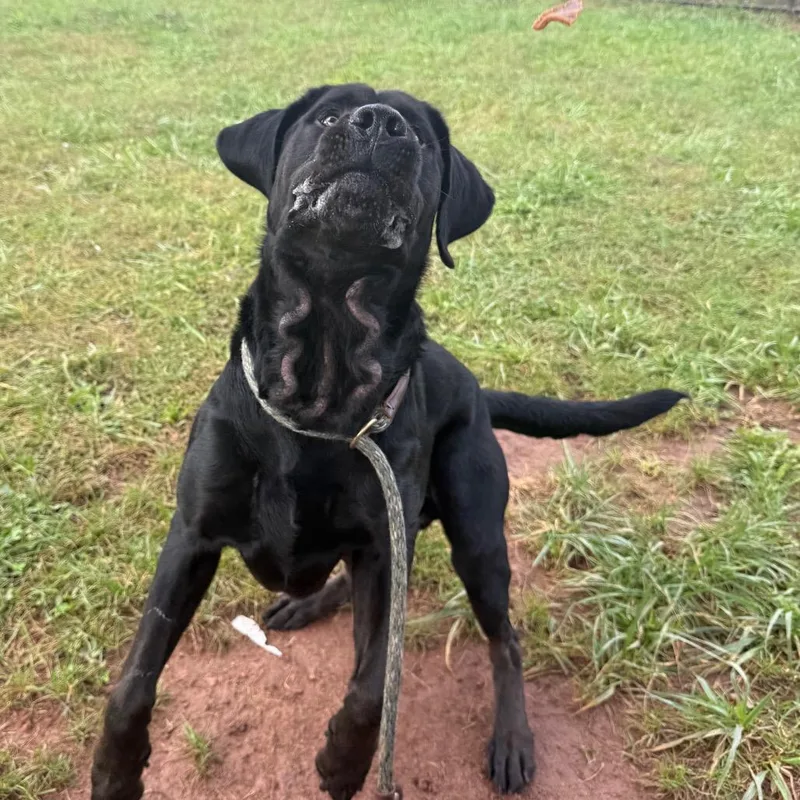
Meet a Bloodhound who needs you

While we don't have enough dogs near Tampa, keep in mind that many rescues may offer transport.

Bloodhounds Available for Adoption Near Tampa

About the Bloodhound breed

The Bloodhound is a large scent hound, typically 80 to 110 pounds, with loose wrinkled skin, long ears and drooping eyes. Its lineage traces to hounds kept at the Abbey of Saint-Hubert in Belgium, and the breed was refined in Britain. Police and search-and-rescue teams still use Bloodhounds to trail missing people.

At home, many Bloodhounds are gentle, affectionate and tolerant, but they are also strong, stubborn and messy. Drool, a booming bay and a short coat that sheds moderately come with the territory. In Tampa's humid climate, the folds and ears need regular cleaning and drying, and each dog varies in energy and confidence.

Weight
80–110 lbs
Height
23–27 in
Lifespan
9–12 yrs
Temperament
Gentle, Affectionate, Independent, Vocal
Group
Hound
Shedding
Moderate

Owning a Bloodhound in Tampa

Having a Bloodhound in Tampa

A Bloodhound's nose drives everything: how it walks, how it trains and how it handles an open gate. Size, stamina, loose skin and bloat risk shape daily care, and Tampa's heat and humidity add a few extra wrinkles to plan for.

Temperament

Bloodhounds are often gentle, sociable and patient with children and other dogs, yet stubborn once a scent grabs them. Reward-based training with plenty of food works best. Many bay loudly, which carries in Tampa's close-set bungalow streets and condo buildings. Each dog varies in confidence and tolerance.

Exercise Needs

Plan on long, slow sniffing walks every day, plus scent games or trailing classes. In Tampa's heat, walk early or late, when pavement is cooler. The Bayshore Boulevard sidewalk, about 4.5 miles of waterfront, suits a leashed hound with time to explore. Skip hard exercise around mealtimes to lower bloat risk.

Health Considerations

Bloat is the biggest risk, so learn its signs and talk with a veterinarian about feeding routines and preventive surgery. Eyelid problems, ear infections, skin-fold irritation and hip and elbow dysplasia are also common. Tampa's humidity can aggravate ears and folds, so clean and dry them often, keep the dog lean, and give heartworm prevention year-round.

Living Space

A Bloodhound fits best in a house with a securely fenced yard, like the single-family lots common in older Tampa neighborhoods. A fence at least six feet high also helps keep coyotes out. Apartments are possible only with dependable exercise and tolerant neighbors, since baying and drool are constant. Keep food well out of reach of a tall counter-surfer.

What it costs to own a Bloodhound in Tampa

ExpenseTypical costPer year
Adoption fee$130, one time$130 in year one
Food$55 to $110 per month$660 to $1,320
Pet insurance$65 to $130 per month$780 to $1,560
Routine vet care$250 to $500 per year$250 to $500
Other*$545 to $1,490 per year$545 to $1,490
Estimated yearly total (after year one)$2,235 to $4,870
First-year total (with adoption fee)$2,365 to $5,000

Adoption fee is the fee on Bloodhound listings in Tampa on GetBuddy today. Other costs are estimates and vary with size, age and health.

* The Hillsborough County dog registration tag ($20 a year for a spayed or neutered dog), dental cleanings, flea, tick and heartworm prevention, toys and sturdy bedding, basic coat care, and ear and skin fold cleaning supplies.

Adopt a Bloodhound in Tampa.

Now that you know more, let’s find you a new best friend. These rescues and shelters below currently have Bloodhounds available.

Frequently Asked Questions

Bloodhounds can handle a Tampa summer with careful planning. The city sees roughly 18 to 22 days at 90°F or above in each summer month, with humid, warm nights. Walk before sunrise or after sunset, provide shade and water, and keep the dog indoors in air conditioning midday. If it becomes weak or disoriented, cool it down and call a vet.

Yes. Florida law bars local rules based on breed, weight or size, so Tampa and Hillsborough County have no Bloodhound restrictions. Owners need a rabies vaccination and County registration by 4 months, and unattended tethering is banned, so a fenced yard matters. Landlords can still set their own limits, so read your lease first.

Curtis Hixon Waterfront Park has a 4,900-square-foot large-dog park near the Hillsborough River, closed 2 to 4 p.m. Tuesdays and Fridays. Davis Islands has a fenced dog park and a dog beach. Lettuce Lake Conservation Park has a 1.25-mile paved trail, but dogs aren't allowed on its boardwalk. Outside fenced areas, keep the leash on.

A Bloodhound can live in a Tampa apartment, but it's a hard fit. Baying and drool wear on neighbors, and a high-rise downtown or Channel District condo means long elevator trips for every bathroom break in humid summers. A ground-floor unit near the Riverwalk dog parks with daily long walks works better, and a house with a fenced yard works best.

A Bloodhound needs little coat grooming but steady fold and ear care. Brush weekly with a rubber mitt to catch loose hair, wipe facial wrinkles and dry them after humid days, and clean the ears weekly to head off infections. A bath every month or two is usually enough, and a professional groomer is rarely needed.

Sometimes, but only outdoors. Tampa allows dog-friendly patios, though each restaurant needs a city permit, so access depends on the venue. Dogs must stay leashed in the designated outdoor area, off the furniture, and can't walk through indoor dining rooms. A shady, quiet patio spot suits a drooling, vocal Bloodhound best, and hot afternoons are better skipped.

Not unless the dog is a service animal. HART buses and the TECO Line streetcar allow pets only in a secure, leak-proof carrier small enough for the rider's lap, and an 80-to-110-pound Bloodhound is far too big. Drivers can also refuse disruptive animals. Plan on car travel, with water and seat protection for drool.

A Bloodhound is a large scent hound in the AKC Hound Group, bred to follow the trail of people and animals over long distances. It is recognized by its loose, wrinkled skin, long ears, droopy eyes and black and tan, liver and tan or red coat. Many are gentle at home but stubborn and tireless on a scent.

We have 1 rescue with Bloodhounds available: Humane Society of Tampa Bay. You can see every rescue with Bloodhounds available in the list above these questions, or scroll to the top to see the Bloodhounds near Tampa.

Expect roughly $2,200 to $4,900 a year for a Bloodhound in Tampa, covering food, insurance, routine vet care and other costs. Food and insurance are the largest lines, and a big appetite pushes food toward the higher end. Emergency care for bloat or a skin infection isn't included, so a savings cushion helps.

Find Bloodhounds in Nearby Cities

Expand your search to find Bloodhounds available for adoption near Tampa.