Black Labrador Retriever Dogs for Adoption in Tampa, FL

Your guide to finding and caring for a Black Labrador Retriever in Tampa

Black Labs suit Tampa's bungalow streets, as long as they get a real workout every day. In Seminole Heights, a morning walk to Angus Goss or Giddens dog park and a fenced yard at home cover most of what a Lab wants. Al Lopez Park's paved lake loop is good for longer, steadier miles. A black coat soaks up the Florida sun, so plan outings for early morning. And most Labs don't like long days alone.

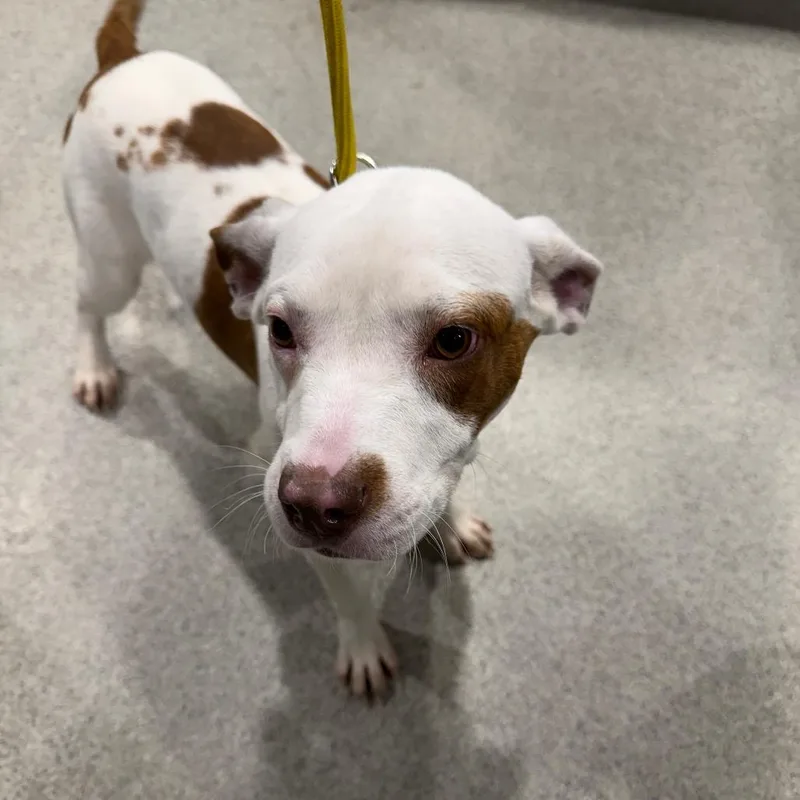
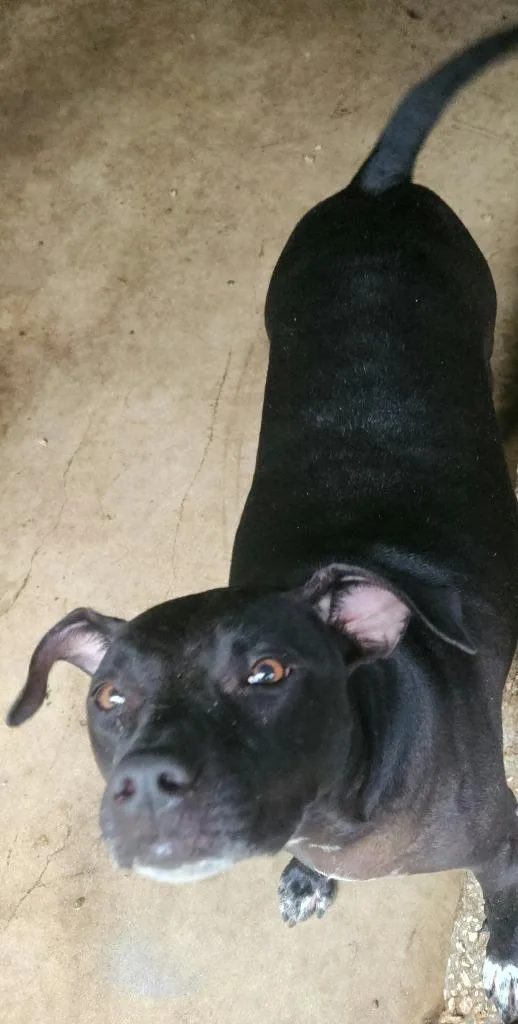
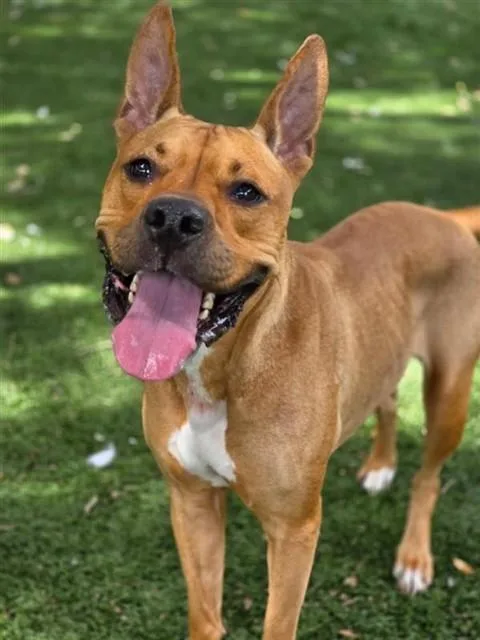
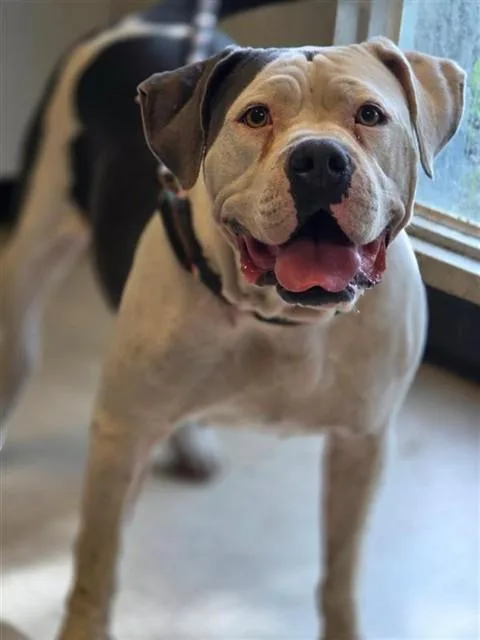
12 Black Labrador Retrievers available for adoption in Tampa

Find your Black Labrador Retriever

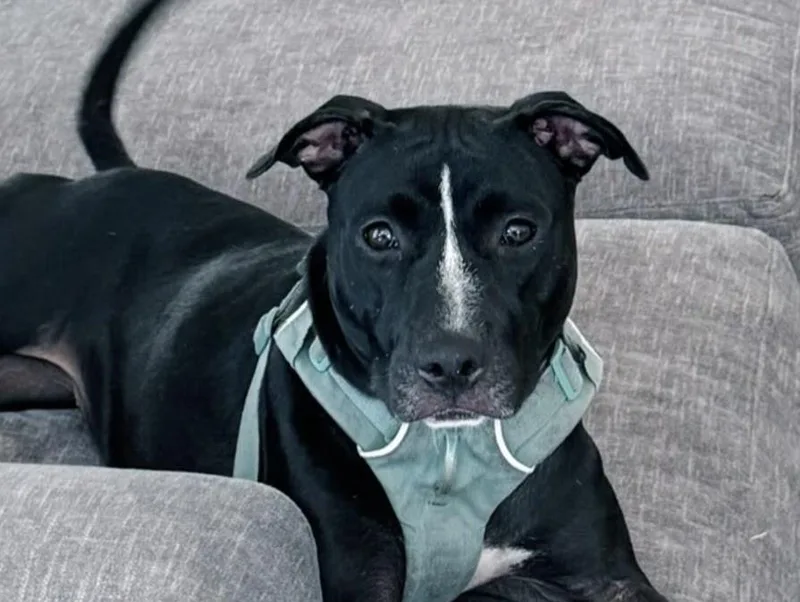
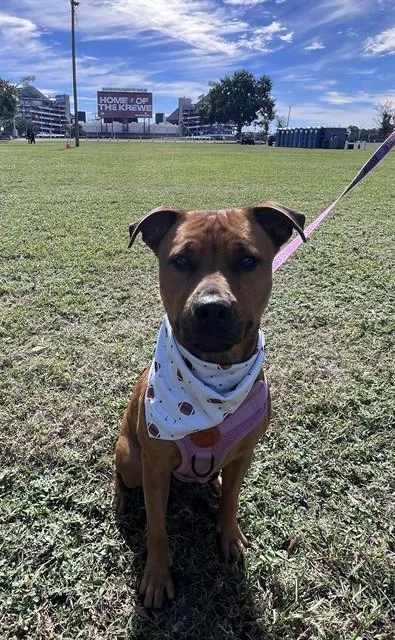
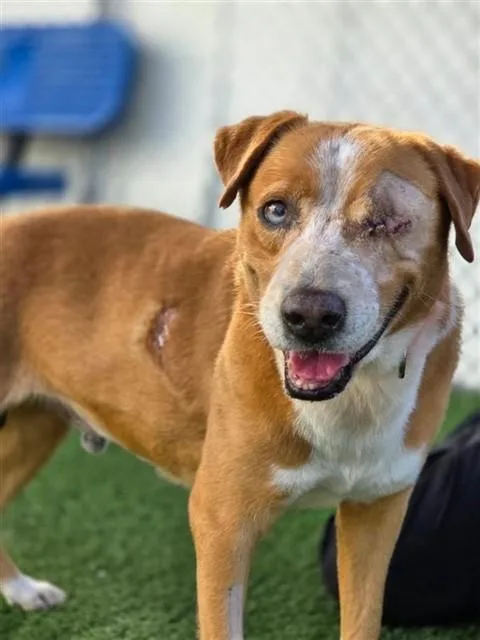
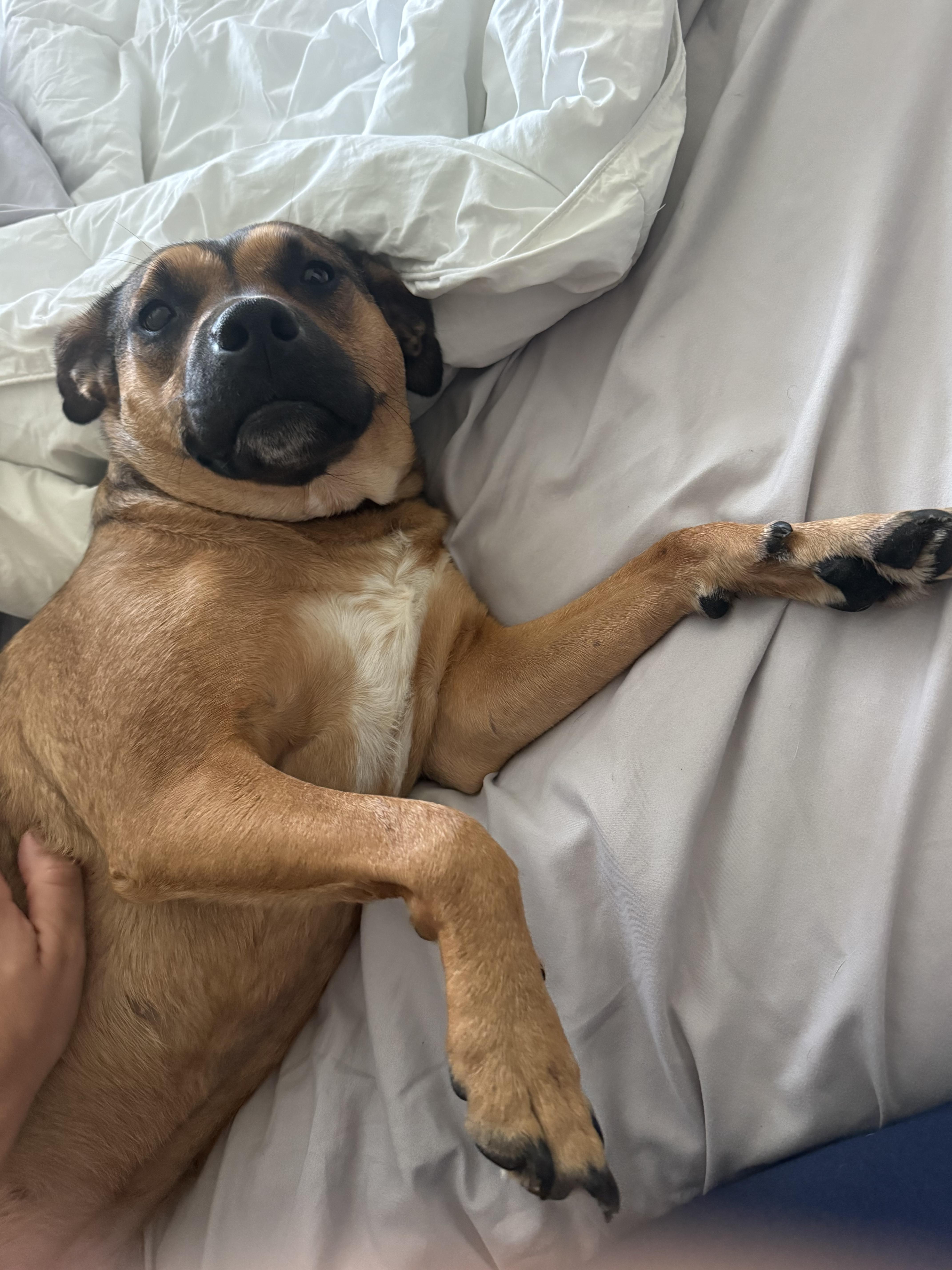
Black Labrador Retrievers Available for Adoption in Tampa

About the Black Labrador Retriever breed

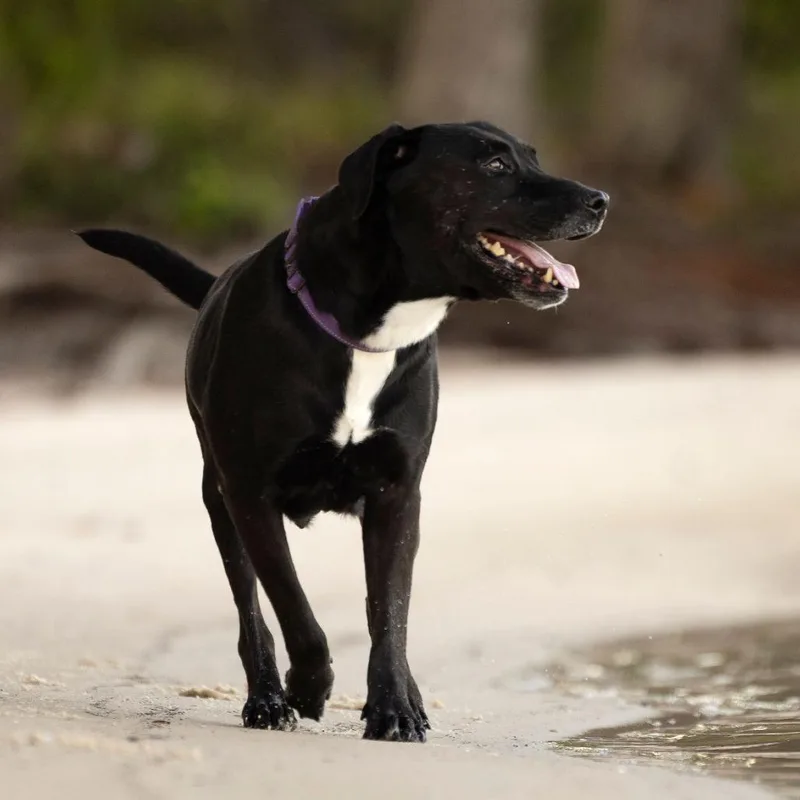
A black Lab is a Labrador Retriever in the breed's original color, not a separate breed. Labs descend from the St. John's water dogs of Newfoundland and were refined in Britain as gun dogs, which explains the dense, water-resistant double coat, the otter tail and the love of retrieving. Some have a small white spot on the chest.

Color doesn't set personality. Black Labs are usually friendly, food-motivated and eager to please, though energy varies from dog to dog, and field-bred dogs tend to be leaner and more driven. Expect a slow-maturing, bouncy adolescence, steady training, measured portions and plenty of brushing. In Tampa, that water-loving streak is best enjoyed with a sprinkler or kiddie pool, since alligators live in local lakes and rivers.

Weight
55–80 lbs
Height
21–25 in
Lifespan
10–14 yrs
Temperament
Friendly, Outgoing, Active
Group
Sporting
Shedding
Moderate to High

Owning a Black Labrador Retriever in Tampa

Having a Black Labrador Retriever in Tampa

Energy, appetite and shedding shape life with a black Lab more than coat color does. In Tampa, add heat management and a hurricane-season plan, and match each dog's age and drive to your routine rather than assuming every Lab is the same.

Temperament

Most black Labs are outgoing and affectionate, which suits Tampa's dog parks, patios and apartment hallways. Young dogs can be mouthy and boisterous, and some get anxious when thunder rolls in on summer afternoons. Reward-based training works well because Labs love food. A dog's history and socialization matter more than breed reputation.

Exercise Needs

A grown Lab needs vigorous daily exercise: brisk walks, fetch, scent games or a run. In Tampa, do the long outings early, since summer lows stay in the mid-70s. The Riverwalk, Bayshore Boulevard and fenced dog parks all work. Keep dogs back from lake and river banks, where alligators live.

Health Considerations

Labs can develop hip and elbow dysplasia, cruciate ligament tears, exercise-induced collapse, eye disease, ear infections and skin allergies. Obesity is common, so measure meals. In Tampa's humidity, watch for ear and skin trouble, and keep flea, tick and heartworm prevention going year-round. A veterinarian can check the hips and elbows.

Living Space

A black Lab can live happily in a Tampa condo or a bungalow when exercise needs are met. A fenced yard helps but doesn't replace walks. Dark coats absorb heat, so air conditioning, shade and fresh water matter. Expect shed hair and a sweeping tail that clears coffee tables.

What it costs to own a Black Labrador Retriever in Tampa

ExpenseTypical costPer year
Adoption fee$130 to $500, one time$130 to $500 in year one
Food$55 to $110 per month$660 to $1,320
Pet insurance$65 to $130 per month$780 to $1,560
Routine vet care$250 to $500 per year$250 to $500
Other*$595 to $1,490 per year$595 to $1,490
Estimated yearly total (after year one)$2,285 to $4,870
First-year total (with adoption fee)$2,415 to $5,370

Adoption fee is the range of fees on Black Labrador Retriever listings in Tampa on GetBuddy today. Other costs are estimates and vary with size, age and health.

* The $20 Hillsborough County registration tag for a spayed or neutered dog, a dental cleaning allowance, flea, tick and heartworm prevention, toys and bedding, and brushing and baths for heavy seasonal shedding.

Adopt a Black Labrador Retriever in Tampa.

Now that you know more, let’s find you a new best friend. These rescues and shelters below currently have Black Labrador Retrievers available.

Frequently Asked Questions

Yes, with care, though summer is the hardest season. Tampa averages about 94 days a year at 90°F or higher, and a dark coat absorbs that heat. Keep walks to dawn and late evening, provide water and air conditioning, and have an indoor plan for storm-anxious dogs when afternoon thunder starts.

Yes, if the lease allows a dog this size and you can commit to daily exercise. Downtown and Channel District towers sit near Riverwalk dog parks such as Curtis Hixon and Madison Street, which helps. Plan several walks a day, and give a Lab chew toys and training so boredom doesn't turn into chewing.

Angus Goss and Giddens dog parks in Seminole Heights, Al Lopez Park's paved lake loop and the 2.6-mile Riverwalk are all good picks. Bayshore Boulevard's sidewalk is a long leashed walk, and Lettuce Lake allows leashed dogs, though not on its boardwalk. Dog parks require licensed, tagged dogs. Stay back from water edges, where alligators live.

Yes. Tampa has no breed bans, and Florida law bars local rules based on breed, weight or size. Owners are responsible for the basics: rabies vaccination, County registration, a leash in public and humane outdoor housing. Dogs classified as dangerous after a bite or attack face stricter state rules, whatever the breed.

Sometimes, on patios only. Tampa lets restaurants seat dogs outdoors if they hold a city permit, so access is up to each venue. Dogs must be leashed, kept off chairs and tables, and can't walk through indoor areas to reach the patio. Bring water and a mat, and skip midday heat.

No, not unless the dog is a service animal. HART buses allow pets only in a secure, leak-proof carrier small enough to fit in a rider's lap, and the free TECO Line streetcar allows only small carriers. An adult Lab won't fit. Tampa has no subway, so plan on car trips or walks.

Mostly brushing, not haircuts. Brush a few times a week, and daily during heavy shedding, which can peak in spring and may continue much of the year in Tampa's warm climate. Bathe every month or two and dry the ears well in humid weather. Professional baths are optional and fall under the Other cost line.

It can be, if you're active, can walk at dawn in summer and have air conditioning. A hurricane plan is part of ownership: the County's pet-friendly shelters require a crate, a leash or carrier, and proof of rabies vaccination and registration, and pet space is limited. Labs that fear thunder or hate being alone need extra planning.

We have 5 rescues with Black Labrador Retrievers available, including Olive Branch Rescue, Maxx and Me Pet Rescue and Humane Society of Tampa Bay. You can see every rescue with Black Labrador Retrievers available in the list above these questions, or scroll to the top to see the Black Labrador Retrievers in Tampa.

A black Lab in Tampa typically costs about $2,285 to $4,870 a year. Food runs $55 to $110 a month, insurance $65 to $130 a month, routine vet care $250 to $500 a year, and other costs $595 to $1,490 a year. Dental work, parasite prevention and grooming fall in that last figure.