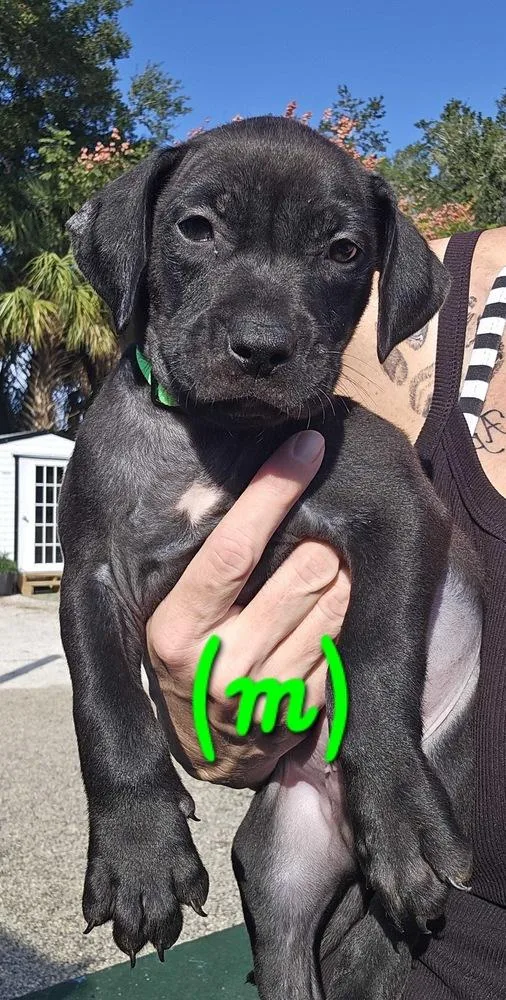
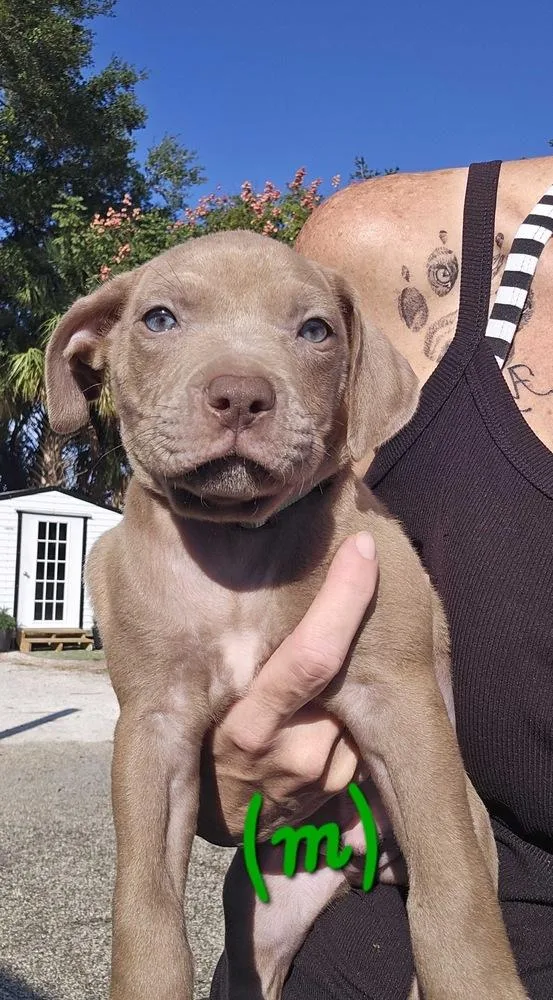
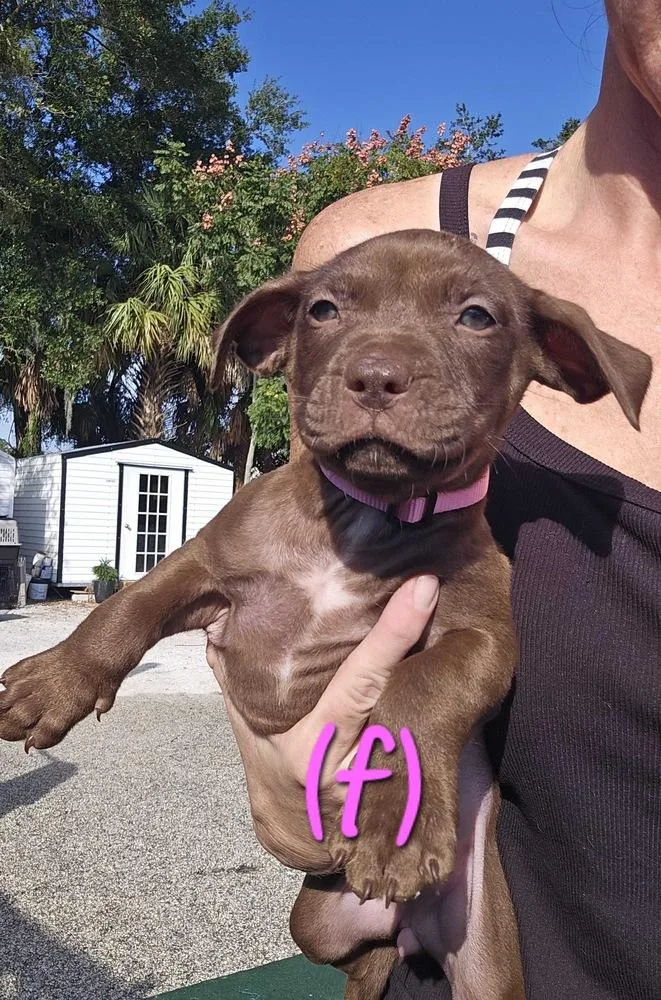
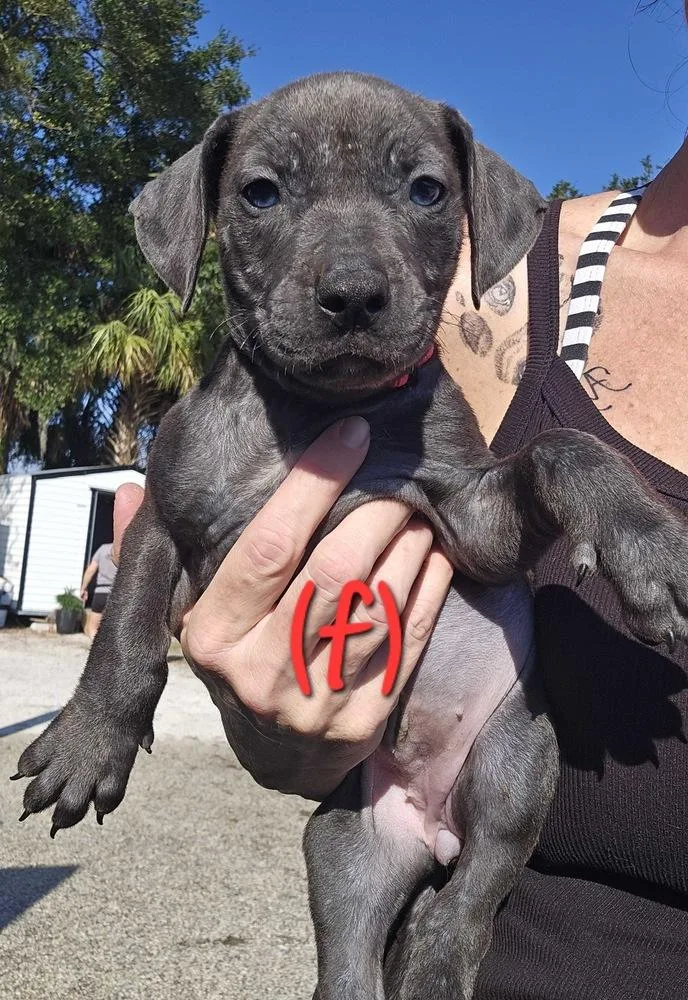
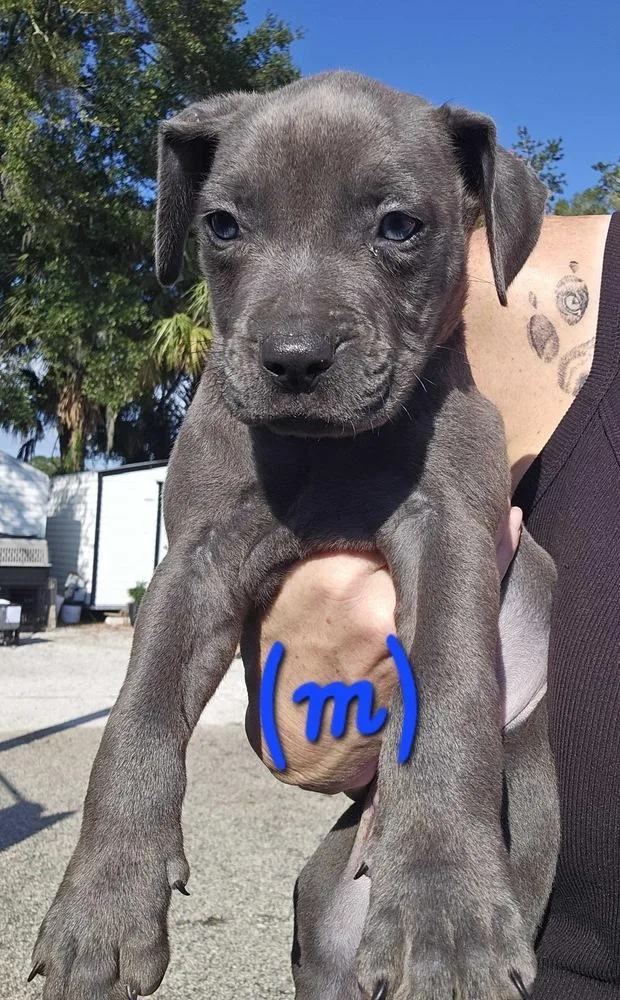
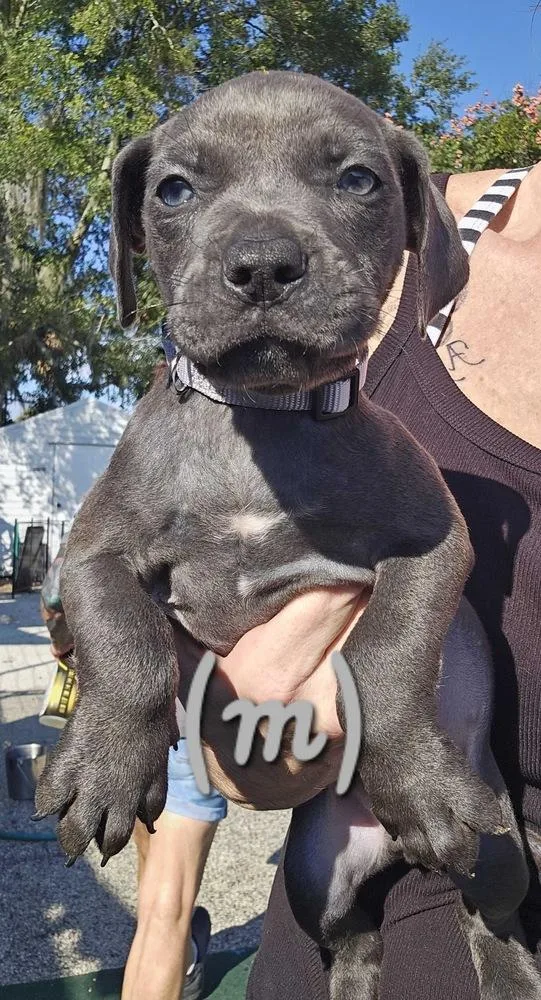
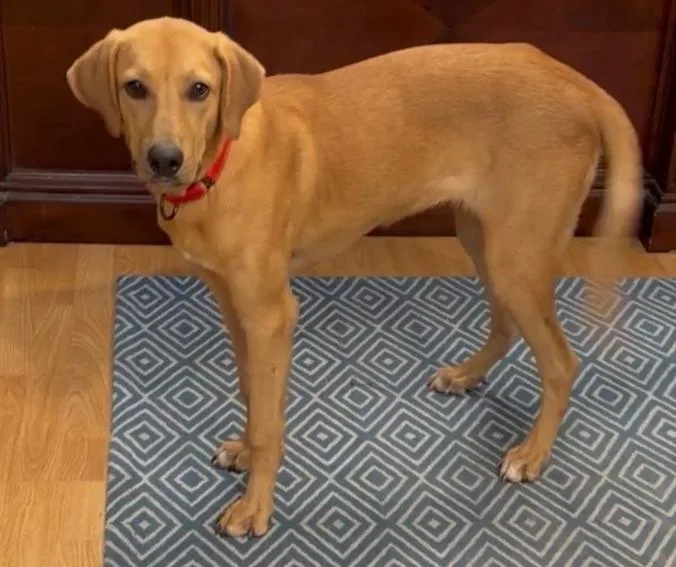
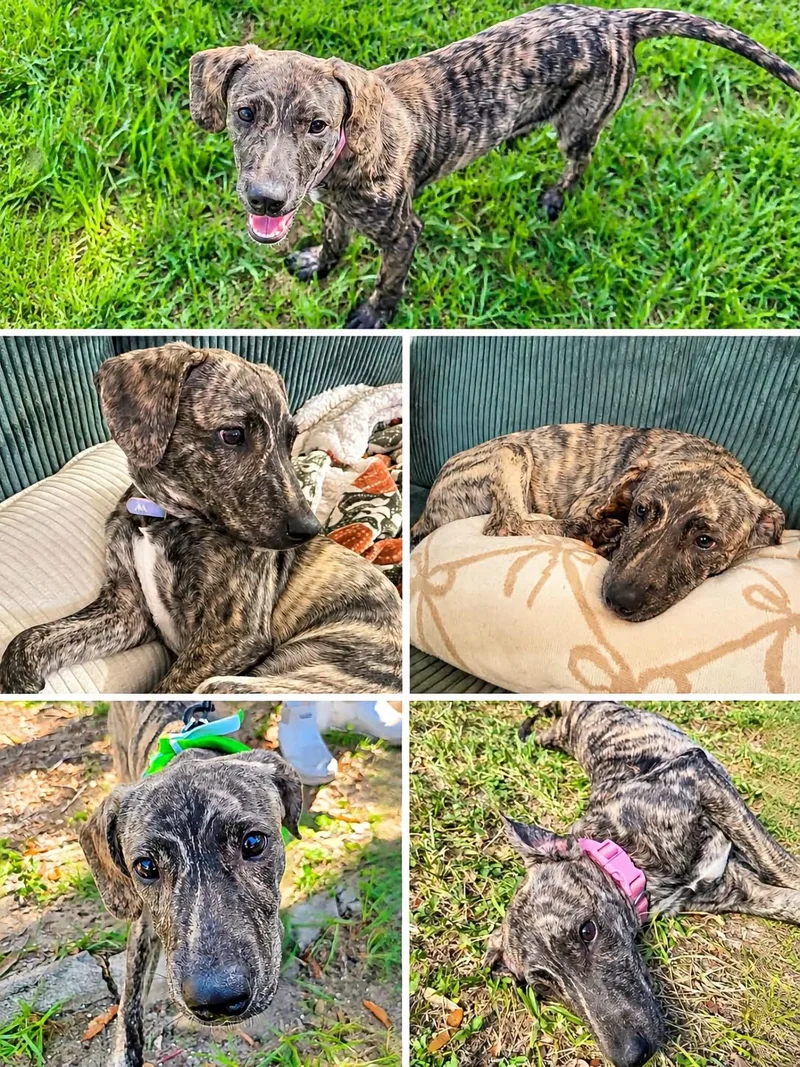
Labrador Retriever Dogs for Adoption in Palm Bay, FL

Your guide to finding and caring for a Labrador Retriever in Palm Bay

Labrador Retrievers suit Palm Bay's house-and-yard neighborhoods, as long as they get a real workout every day. Palm Bay is mostly single-family homes, so a fenced yard for fetch is realistic, and the large-dog section at Ken Greene Memorial Park on Riviera Drive NE gives a Lab room to run. The catch is water: many Labs will dive into any canal or ditch, and the city's old street grid is full of them. Leashed walks near the banks keep a keen swimmer out of trouble.

14205 Labrador Retrievers available in Palm Bay and nationwide

Fall for a Labrador Retriever

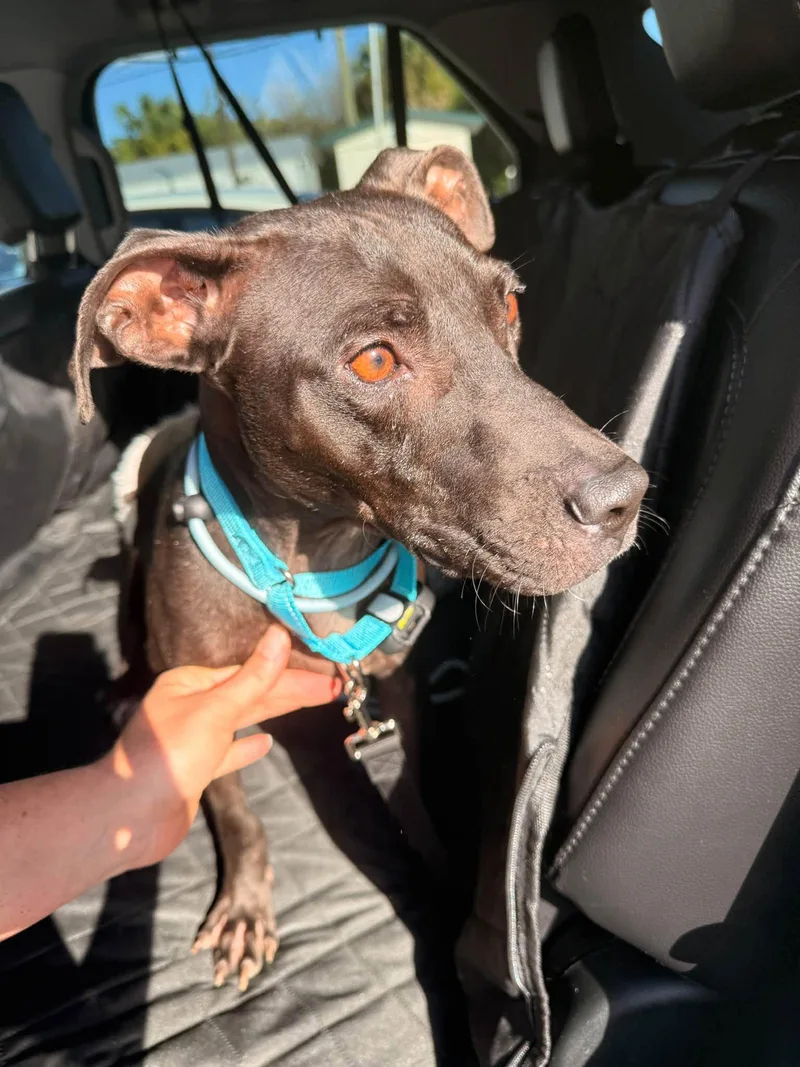
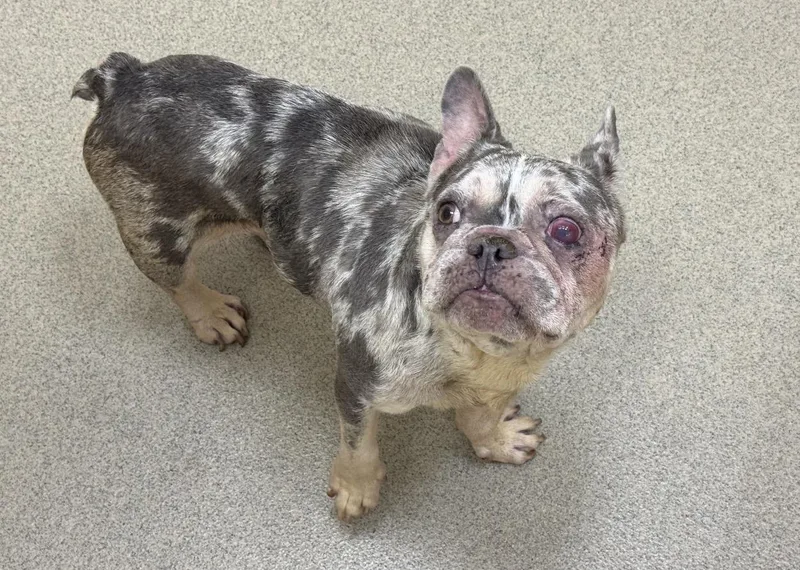
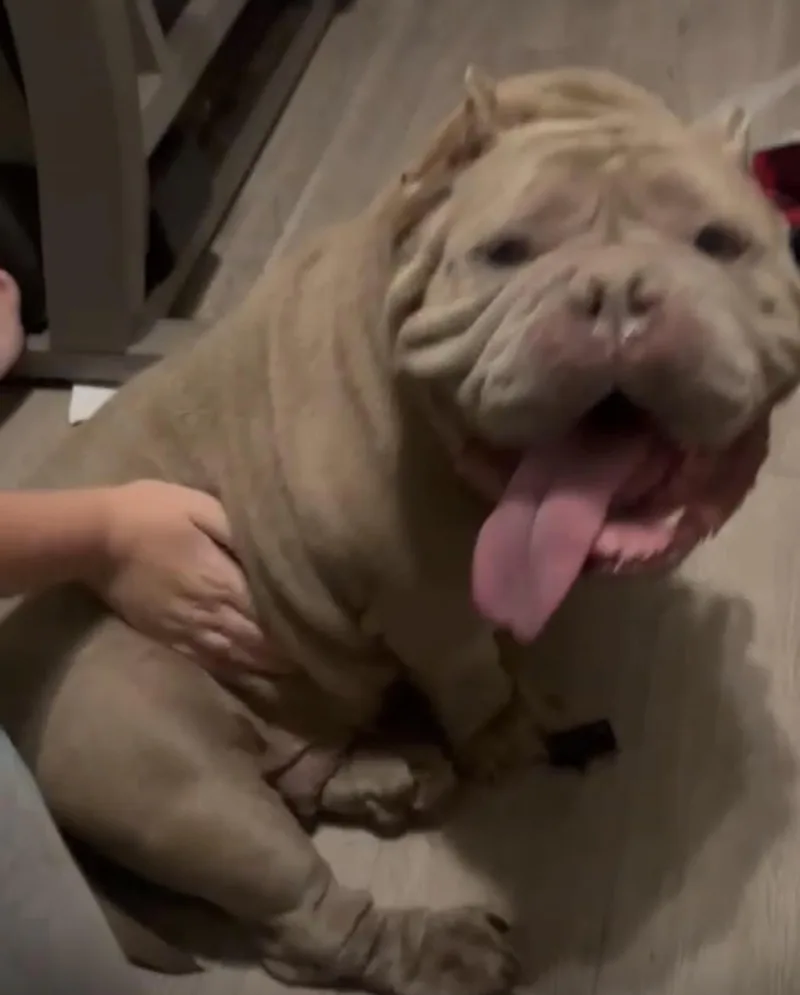
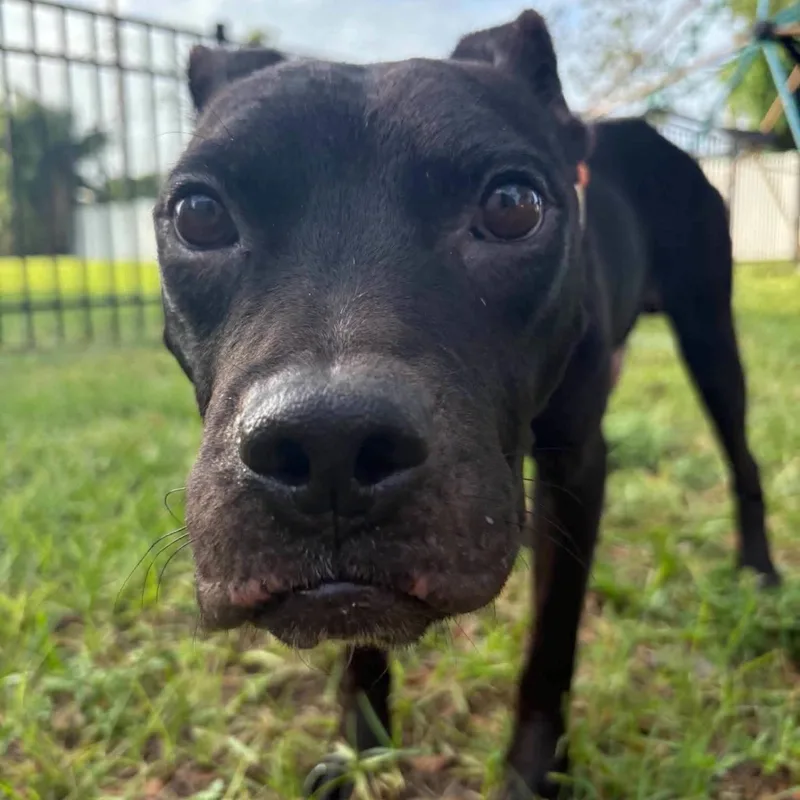
Labrador Retrievers Available for Adoption Near Palm Bay

About the Labrador Retriever breed

Labrador Retrievers trace back to the St. John's water dogs of Newfoundland, which British sportsmen refined into gun dogs for retrieving game from land and water. The result is a sturdy, medium-large dog with a dense, water-resistant double coat, a thick otter tail and webbed toes. Coats come in black, yellow and chocolate, and field-bred dogs tend to be leaner and more driven than show-bred ones.

Many Labs are sociable, eager to please and happiest around people, balls and water, which is why they're so common as family and assistance dogs. They also need daily exercise, steady training and careful portion control, and adolescence can stay bouncy until two or three years old. In Palm Bay's warm climate, that shedding double coat and love of water mean regular brushing and a rinse after muddy outings.

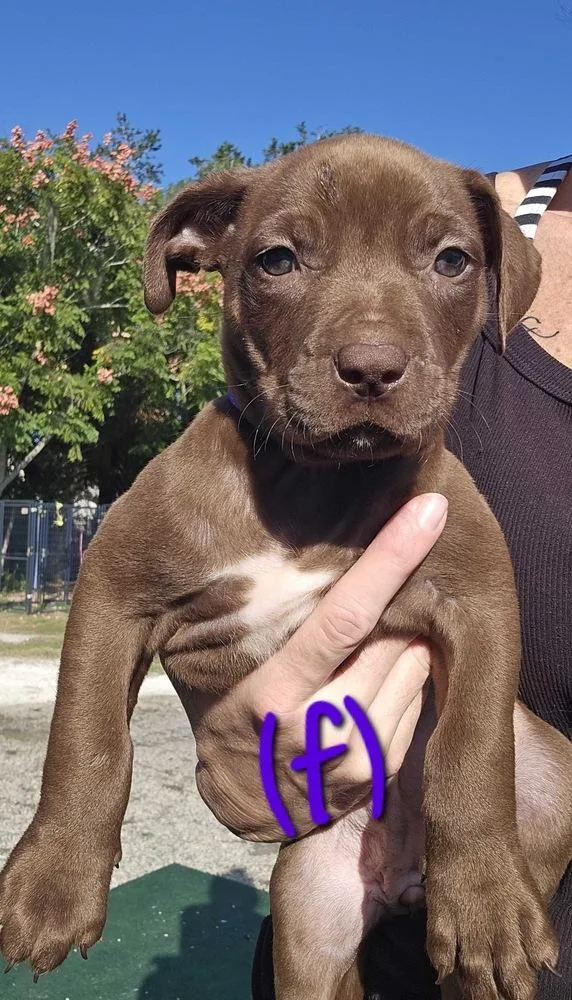
Weight
55–80 lbs
Height
21–25 in
Lifespan
10–14 yrs
Temperament
Friendly, Outgoing, Active
Group
Sporting
Shedding
Moderate to High

Owning a Labrador Retriever in Palm Bay

Having a Labrador Retriever in Palm Bay

Labs pair a people-loving nature with stamina, a big appetite and a coat that sheds. In Palm Bay, heat and humidity shape when and where that energy gets used, so a dog's age, build and energy level matter as much as the breed.

Temperament

Labs are usually friendly, outgoing and eager to please, though each dog varies with age, history and socialization. In Palm Bay, expect a Lab to greet neighbors and passing dogs with enthusiasm, so leash manners matter on sidewalks and in the fenced dog parks. Young Labs can be mouthy and bouncy around small children.

Exercise Needs

Most Labs need vigorous daily activity, such as fetch, brisk walks or swimming where it's safe. In Palm Bay, schedule it for early morning or after sunset, and use a fenced yard or the fenced dog parks. Field-bred dogs often need more, and seniors do better with gentler, steadier movement.

Health Considerations

Labs can develop hip and elbow dysplasia, cruciate injuries, ear infections and skin allergies, and many gain weight easily. Palm Bay's warm, humid weather adds heat stress and ear trouble to the list, so dry the ears after swims and keep your Lab lean. A veterinarian can check joints, weight and ears at the first visit.

Living Space

Yards are common in Palm Bay, which suits a Lab: a securely fenced yard makes daily fetch easy. Apartments can work if exercise is dependable. Plan on indoor living with air conditioning, since this big, double-coated dog shouldn't spend hot days outside, and expect plenty of shed hair.

What it costs to own a Labrador Retriever in Palm Bay

ExpenseTypical costPer year
Adoption fee$200, one time$200 in year one
Food$55 to $110 per month$660 to $1,320
Pet insurance$65 to $130 per month$780 to $1,560
Routine vet care$250 to $500 per year$250 to $500
Other*$585 to $1,466 per year$585 to $1,466
Estimated yearly total (after year one)$2,275 to $4,846
First-year total (with adoption fee)$2,475 to $5,046

Adoption fee is the fee on Labrador Retriever listings in Palm Bay on GetBuddy today. Other costs are estimates and vary with size, age and health.

* The Brevard County dog license ($10 a year if spayed or neutered, $16 if not), flea, tick and heartworm prevention, a dental cleaning allowance, toys and bedding, and brushing and baths for seasonal shedding.

Adopt a Labrador Retriever in Palm Bay.

Now that you know more, let’s find you a new best friend. These rescues and shelters below currently have Labrador Retrievers available.

Rescues in Palm Bay with Labrador Retrievers Available

Palm Bay has no city shelter, so adoptable dogs here come through the county's Animal Care Center and local rescue groups. Here are the rescues & shelters in the Palm Bay area where you can find Labrador Retrievers and other dogs available for adoption.

Frequently Asked Questions

Yes, most Labs handle Palm Bay summers with a few adjustments, but the heat is long and humid. About 100 days a year reach 90°F, and nights stay warm, so even dawn walks feel muggy. Shorten outings, bring water, keep the air conditioning on and watch for heavy panting. Overweight, senior and dark-coated Labs struggle first.

Yes, you can own a Lab in Palm Bay, and no known breed-specific rules apply. Dogs need a Brevard County license (currently $10 a year if spayed or neutered, $16 if not) and rabies vaccination by four months old, and the city limits homes to four dogs. Landlords and HOAs set their own limits, so confirm your lease first.

Ken Greene Memorial Park, at 550 Riviera Dr. NE, has fenced large-dog and small-dog areas, shade, agility obstacles and wash stations. Fred Poppe Regional Park, at 1951 Malabar Rd. NW, has a dog park plus a jogging trail for leashed walks. Skip Turkey Creek Sanctuary, which doesn't allow pets, and note that Palm Bay has no dog beach.

A Lab fits Palm Bay if you have a yard or a firm routine for daily exercise and can manage the heat. The city is car-oriented, so you'll drive to most dog parks, and summer walks shift to dawn or dusk. Hurricane season also means keeping a crate, supplies and records ready. A Lab that's home with its people often thrives here.

No. Space Coast Area Transit buses allow only service animals, so pet Labs can't ride, and Palm Bay has no rail system. The city is built around cars, so plan on driving to parks and vet visits. Use a crash-tested harness or a secured crate in the car, and never leave your dog in a parked car.

Some Palm Bay restaurants welcome dogs on outdoor patios, but it's up to each restaurant, and dogs aren't allowed in indoor dining rooms. Where a patio does allow dogs, Florida's outdoor-dining rules call for a leash, no chairs or tables, and no walking through indoor areas. A calm, well-exercised Lab makes the best patio guest.

A Lab needs weekly brushing most of the year and more often during heavy seasonal sheds, which a rubber curry brush or deshedding tool handles well. In Palm Bay's humidity, bathe after muddy outings and dry the ears to help prevent infections. Most owners groom at home; occasional professional baths fall within the Other costs in the cost table.

Most Labrador Retrievers live about 10 to 14 years. A large UK veterinary study found a median lifespan of 12 years, with chocolate Labs living about a year and a half less on average than black or yellow ones. Healthy weight, regular veterinary care and good dental and joint care all help, but no lifespan is guaranteed.

We have 1 rescue with Labrador Retrievers available: Riley's Rescue of Brevard Inc. You can see every rescue with Labrador Retrievers available in the list above these questions, or scroll to the top to see the Labrador Retrievers near Palm Bay.

A Lab in Palm Bay typically runs about $2,300 to $4,800 a year, covering food ($55 to $110 a month), insurance ($65 to $130 a month), routine vet care ($250 to $500 a year) and other costs ($585 to $1,466 a year). A spay or neuter, a crate and supplies are one-time extras.