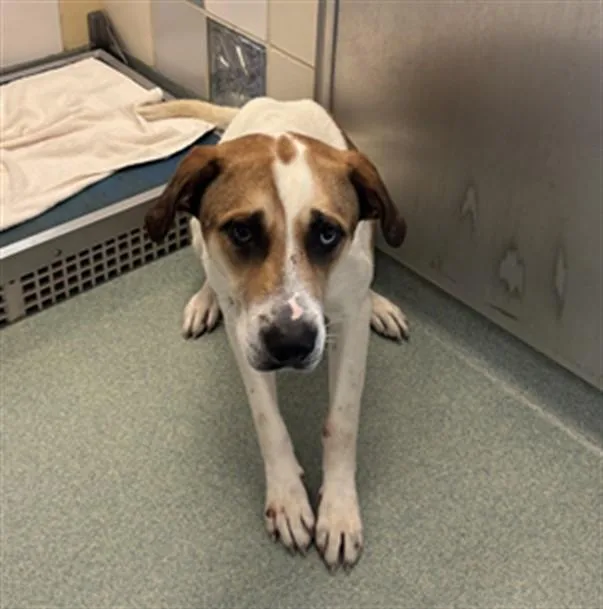
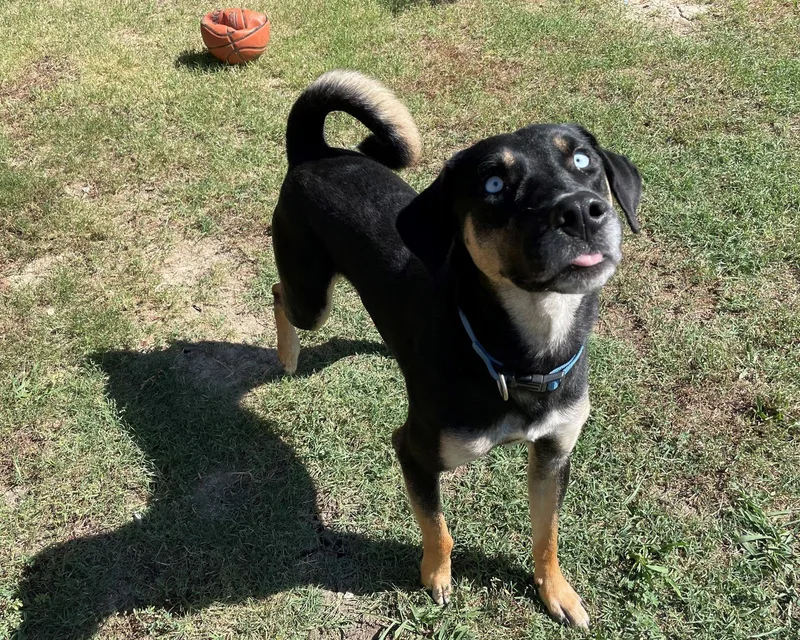
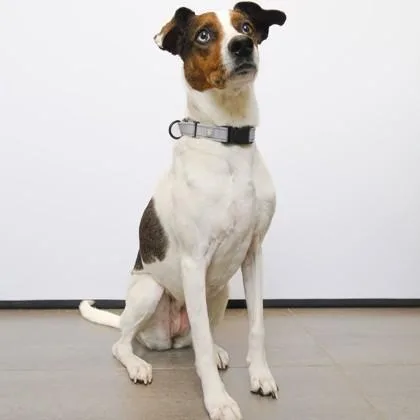
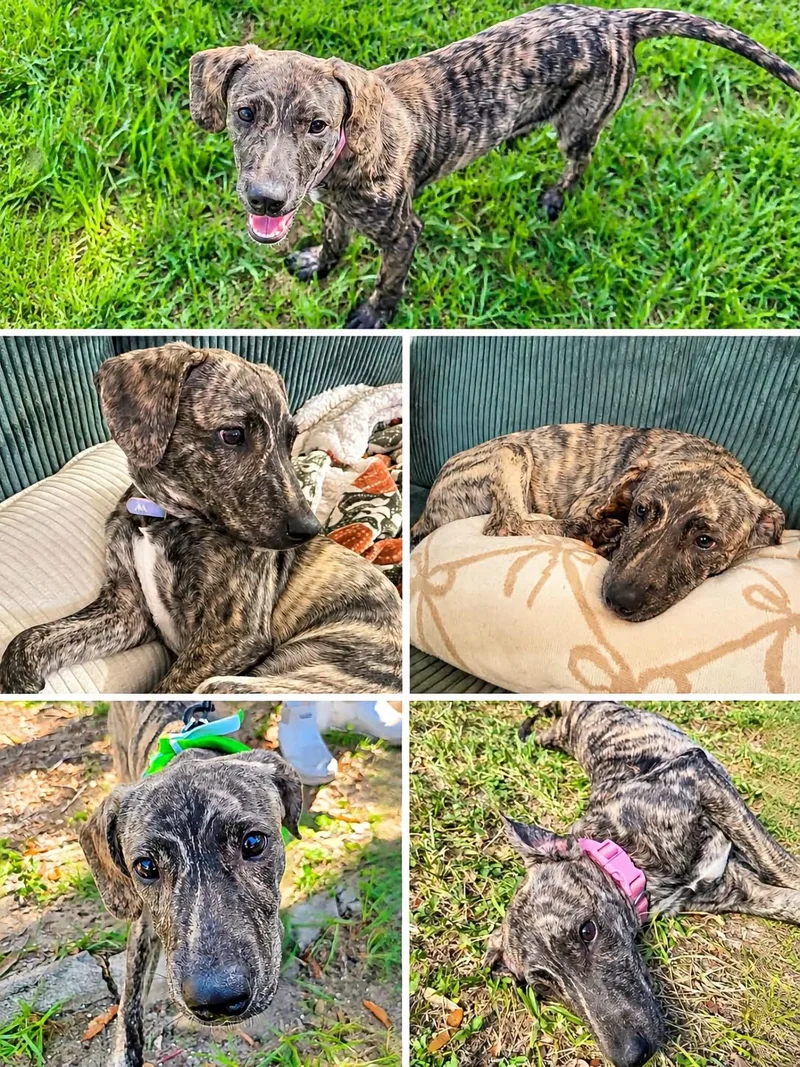
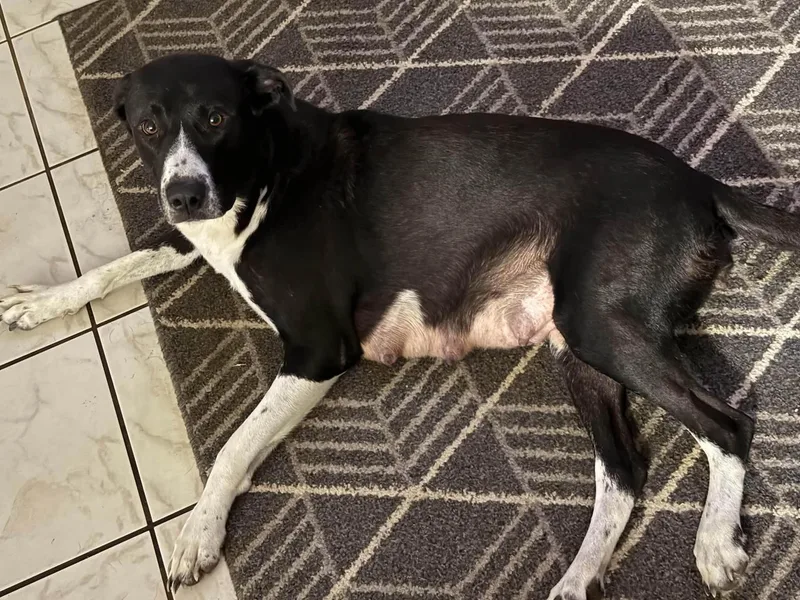
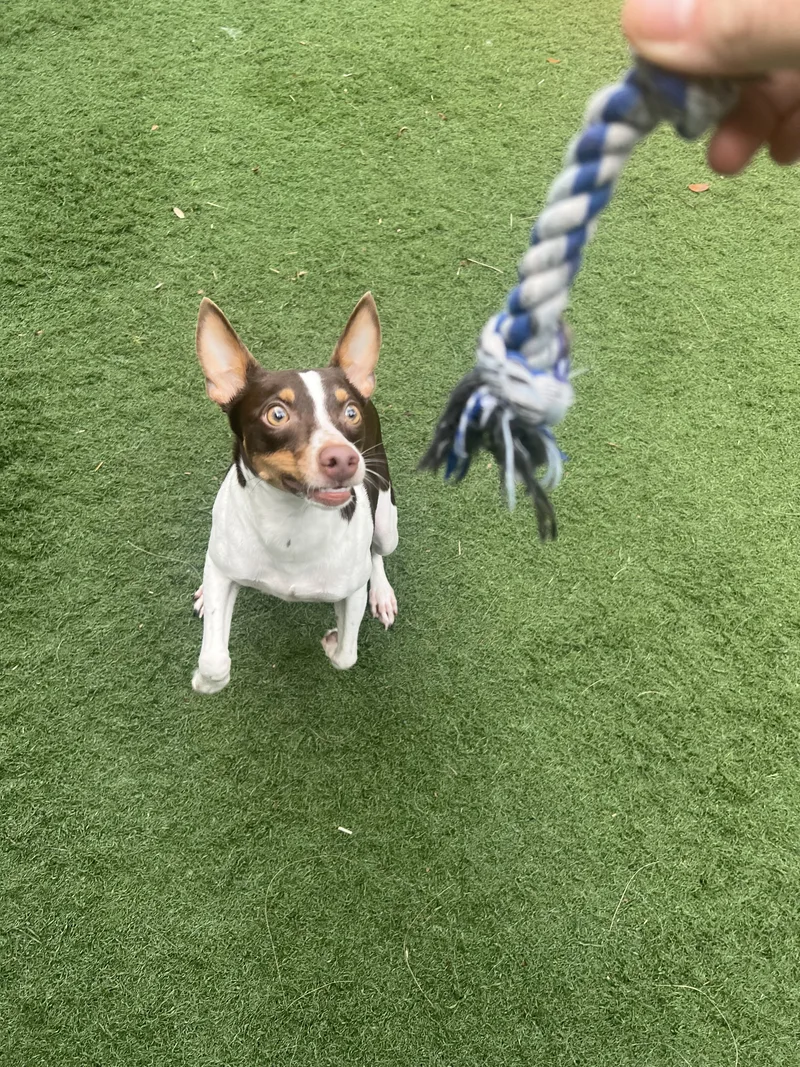
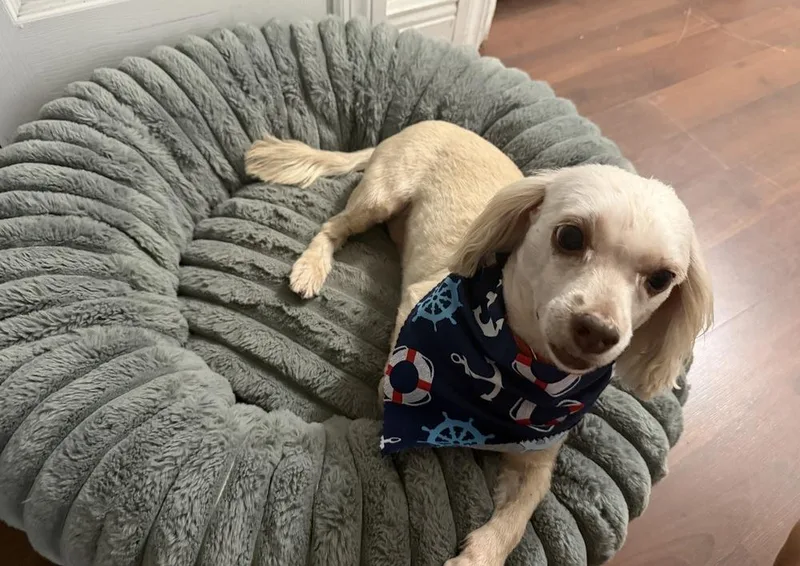
Catahoula Leopard Dogs for Adoption in Palm Bay, FL

Your guide to finding and caring for a Catahoula Leopard Dog in Palm Bay

Catahoula Leopard Dogs fit Palm Bay best in a house with a fenced yard. Most of the city is single-family homes, from the older lots near the Indian River to newer subdivisions along St. Johns Heritage Parkway, where young landscaping means little shade. A Catahoula will happily use the space, but it also needs a real daily outlet, like a run through the fenced dog park at Fred Poppe on Malabar Road. Watchful and athletic, it's a dog for people who are home and active.

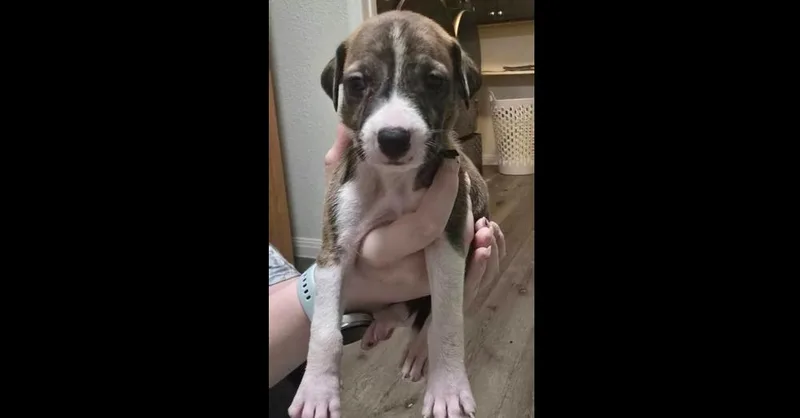
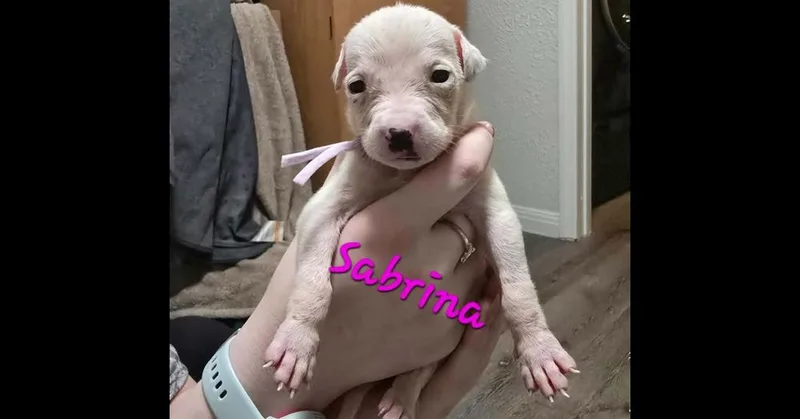
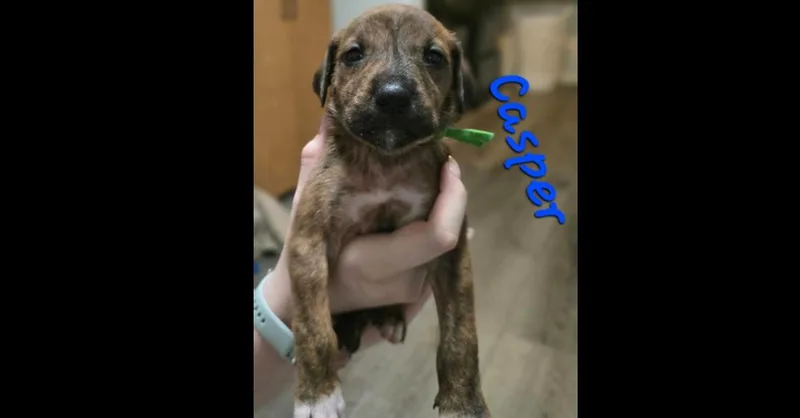
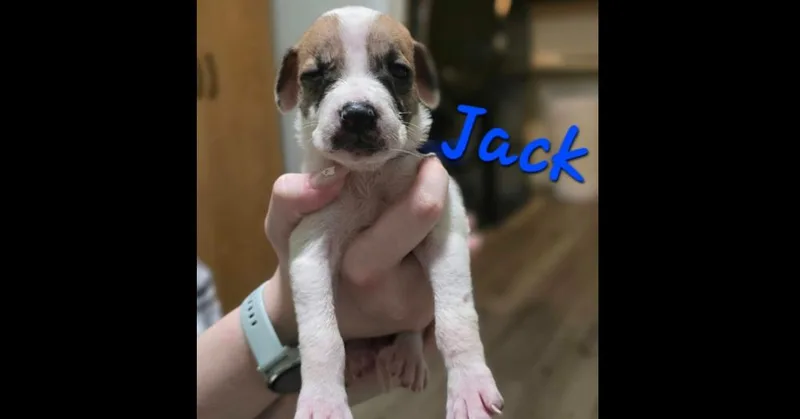
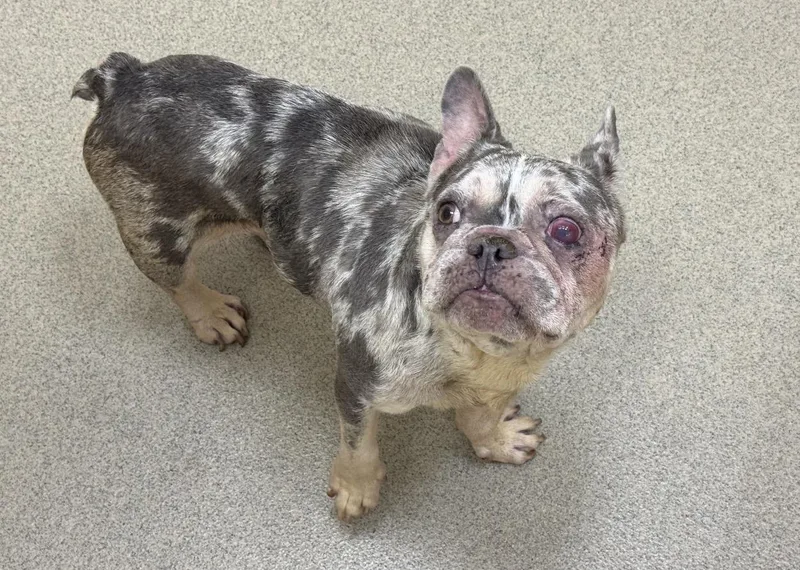
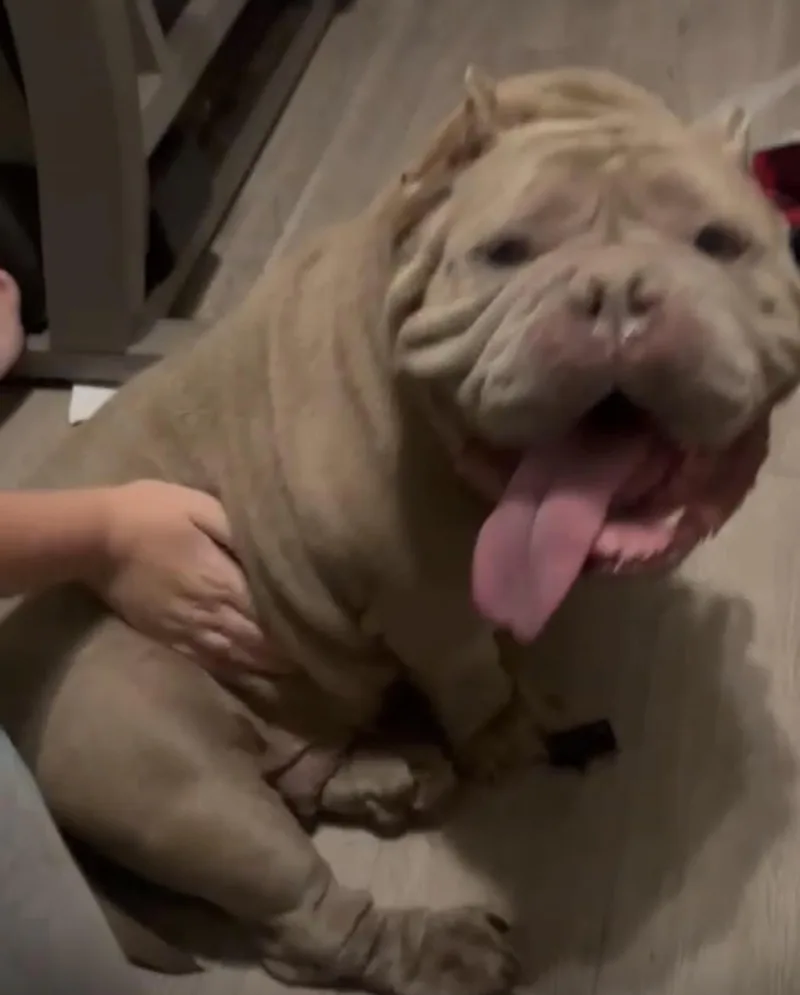
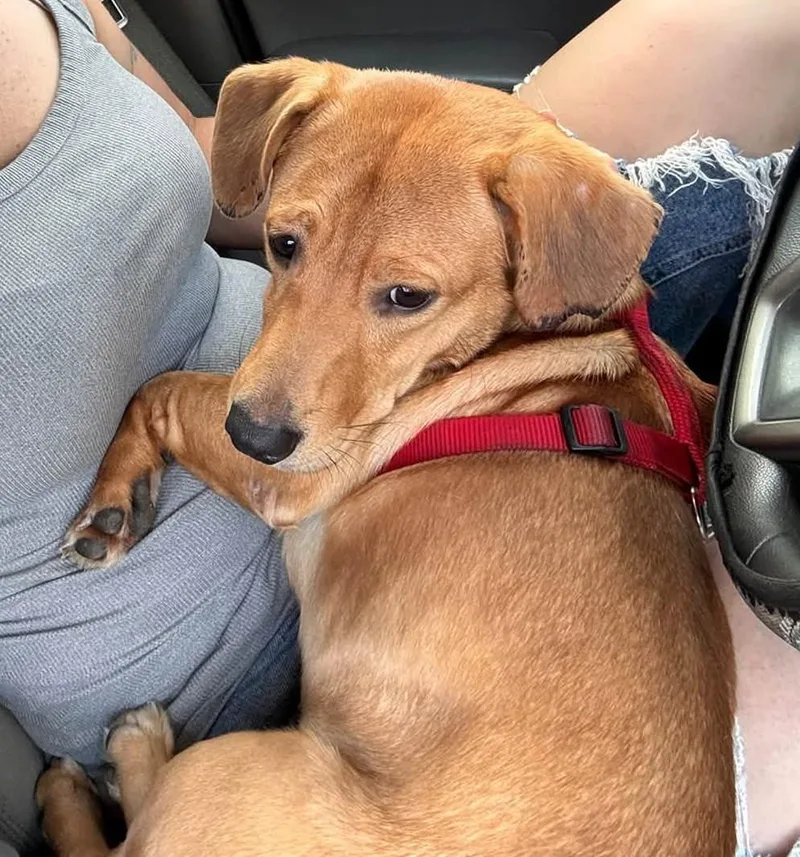
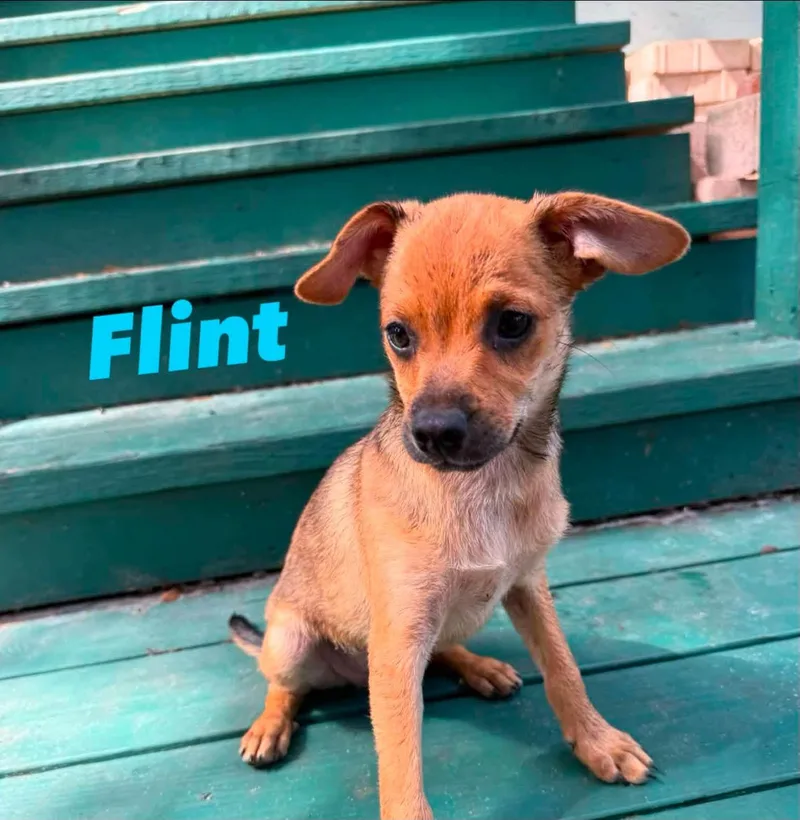
1572 Catahoula Leopard Dogs available in Palm Bay and nationwide

Give a Catahoula Leopard Dog a home

While we don't have enough dogs near Palm Bay, keep in mind that many rescues may offer transport.

Catahoula Leopard Dogs Available for Adoption Near Palm Bay

About the Catahoula Leopard Dog breed

Named for Catahoula Parish in Louisiana, the Catahoula was developed in Gulf South swamps and woods to find and hold feral hogs and to gather semi-wild cattle. Selection favored ability over looks, so size and build vary widely, usually from about 50 to 95 pounds. Coats range from merle "leopard" patterns to brindle and solid colors, and eyes may be blue, brown, amber or cracked.

Catahoulas tend to be intelligent, independent and deeply loyal, with a protective streak and a strong work drive. Many are wary of strangers, and some are choosy about other dogs or small animals. In Palm Bay, that means planning for secure fencing, vigorous daily exercise and early socialization. Many shelter dogs labeled Catahoula are mixes, so how a dog actually behaves matters more than the label.

Weight
50–95 lbs
Height
20–26 in
Lifespan
10–14 yrs
Temperament
Energetic, Independent, Protective
Group
Herding
Shedding
Moderate

Owning a Catahoula Leopard Dog in Palm Bay

Having a Catahoula Leopard Dog in Palm Bay

Catahoulas bring stamina, problem-solving and a watchful streak from their working roots. In Palm Bay, the bigger questions are fencing, heat management and whether you can give an athletic dog a daily job. Merle coloring also brings health checks worth knowing about.

Temperament

Catahoulas are often devoted to their own family but reserved with strangers, and many are confident and territorial. That suits a home with a fenced yard but calls for careful introductions to visitors and neighbors. Some are choosy with other dogs or chase small animals, so early socialization and consistent, reward-based training matter. Every dog differs.

Exercise Needs

Plan on vigorous daily exercise plus mental work like scent games or puzzle feeders. In Palm Bay, that means early-morning runs or fetch before the heat builds, or a session in a fenced dog park such as Ken Greene Memorial Park. A bored Catahoula may dig, chew or escape. Turkey Creek Sanctuary doesn't allow pets, so walk neighborhood streets instead.

Health Considerations

Deafness is a documented risk, especially in heavily white or double-merle dogs, which can also have eye defects. Hip dysplasia occurs too. A veterinarian can check hearing, eyes and hips after adoption. In Palm Bay's warm climate, year-round flea, tick and heartworm prevention is worth planning for, along with regular checkups.

Living Space

A fenced yard is ideal, and Palm Bay's single-family neighborhoods make that realistic. Fence height and secure latches matter for athletic jumpers and diggers, and an invisible fence is a poor substitute for a physical one. Apartment life works only with very reliable, vigorous daily exercise. Catahoulas do best living indoors with their family.

What it costs to own a Catahoula Leopard Dog in Palm Bay

ExpenseTypical costPer year
Adoption fee$250, one time$250 in year one
Food$55 to $110 per month$660 to $1,320
Pet insurance$55 to $110 per month$660 to $1,320
Routine vet care$250 to $500 per year$250 to $500
Other*$485 to $1,266 per year$485 to $1,266
Estimated yearly total (after year one)$2,055 to $4,406
First-year total (with adoption fee)$2,305 to $4,656

Adoption fee is the fee on Catahoula Leopard Dog listings in Palm Bay on GetBuddy today. Other costs are estimates and vary with size, age and health.

* The $10 or $16 Brevard County dog license, flea, tick and heartworm prevention, dental cleanings, toys and bedding, and basic brushing.

Adopt a Catahoula Leopard Dog in Palm Bay.

Now that you know more, let’s find you a new best friend. These rescues and shelters below currently have Catahoula Leopard Dogs available.

Rescues in Palm Bay with Catahoula Leopard Dogs Available

Palm Bay has no city shelter, but Brevard County's shelter and several local rescue groups list dogs for adoption. Here are the rescues & shelters in the Palm Bay area where you can find Catahoula Leopard Dogs and other dogs available for adoption.

Frequently Asked Questions

Yes, you can own a Catahoula Leopard Dog in Palm Bay. Florida law doesn't allow local dangerous-dog rules to be specific to breed, and no breed restriction is known here. Brevard County requires a license ($10 spayed or neutered, $16 unaltered), rabies vaccination from four months, and a dog under control, and the city limits homes to four dogs.

They can, with planning. Palm Bay's hot season is long and humid, and summer nights stay warm, so a Catahoula's short coat helps but doesn't solve the heat. Exercise at dawn, keep water and shade available, test pavement with the back of your hand, and keep the dog indoors during the hottest part of the day.

Ken Greene Memorial Park (550 Riviera Dr. NE) and Fred Poppe Regional Park (1951 Malabar Rd. NW) both have fenced dog parks, which suit a Catahoula that needs room to run. Because some Catahoulas are choosy with other dogs, watch how yours handles a busy park. Turkey Creek Sanctuary bans pets, so use neighborhood streets for leashed walks.

A Catahoula fits Palm Bay if you have a fenced yard, enjoy early-morning activity and can manage the long hot season. Single-family homes are common here, and the dog's watchful nature suits a home base. It's a harder match for tight apartment living or a household that's away all day, since bored Catahoulas dig, chew and escape.

No. Space Coast Area Transit buses allow only service animals, so pet dogs can't ride, even in carriers. Palm Bay is car-oriented and has no rail, so plan on driving your Catahoula to dog parks, the vet and other outings. A crate or secured harness keeps a large, energetic dog safe in the car.

Sometimes, on patios. Florida lets local governments allow leashed dogs in outdoor dining areas, and some Palm Bay restaurants welcome dogs outside, but it's up to each restaurant, and dining rooms are off-limits. Keep your Catahoula leashed and on the floor, not on chairs. Because many are wary of strangers, a quiet patio works best.

Very little. A Catahoula's short, smooth coat needs weekly brushing, a bit more during heavier shedding, and an occasional bath. Most owners can do it at home, so grooming adds at most about $100 a year if you use a groomer. In Palm Bay's heat and humidity, check the coat and ears for ticks and irritation after outdoor time.

A Catahoula Leopard Dog is a medium-to-large working breed from Louisiana, developed to hunt and bay feral hogs and to herd cattle. It is athletic and muscular, often with a merle coat and striking light or mismatched eyes. Catahoulas are typically intelligent, loyal, independent and energetic, and they need experienced handling, training and lots of activity.

We have 1 rescue with Catahoula Leopard Dogs available: Riley's Rescue of Brevard Inc. You can see every rescue with Catahoula Leopard Dogs available in the list above these questions, or scroll to the top to see the Catahoula Leopard Dogs near Palm Bay.

Expect roughly $2,050 to $4,400 a year for a Catahoula in Palm Bay, or about $170 to $370 a month. Food and insurance each run about $660 to $1,320 a year, routine vet care $250 to $500, and other costs $485 to $1,266. Emergencies and one-time setup costs like a sturdy fence or crate are extra.