Hound Dogs for Adoption in Miami, FL

Your guide to finding and caring for a Hound in Miami

Hounds suit the tree-lined streets of Coral Way and Shenandoah, where a slow, sniff-heavy evening walk is half the fun. Those older blocks give a scent hound plenty to read, and most hounds are friendly enough to greet every neighbor. They do have a voice, so a Brickell high-rise with thin walls takes more planning. Wherever you live in Miami, a hound that catches a scent will pull, so a sturdy leash and harness matter.

4629 Hounds available in Miami and nationwide

Your Hound mix is waiting

While we don't have enough dogs near Miami, keep in mind that many rescues may offer transport.

Hounds Available for Adoption Near Miami

About the Hound breed

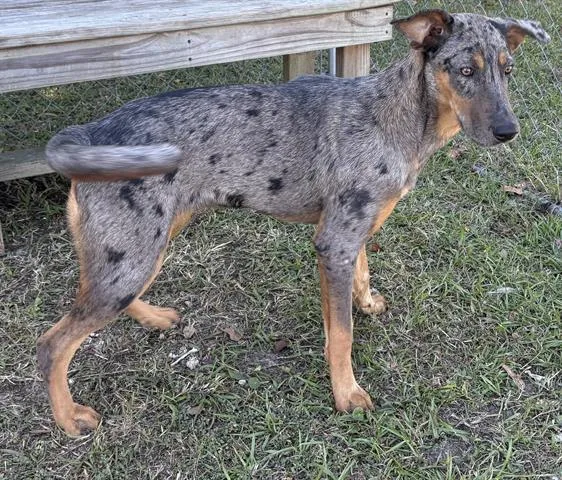
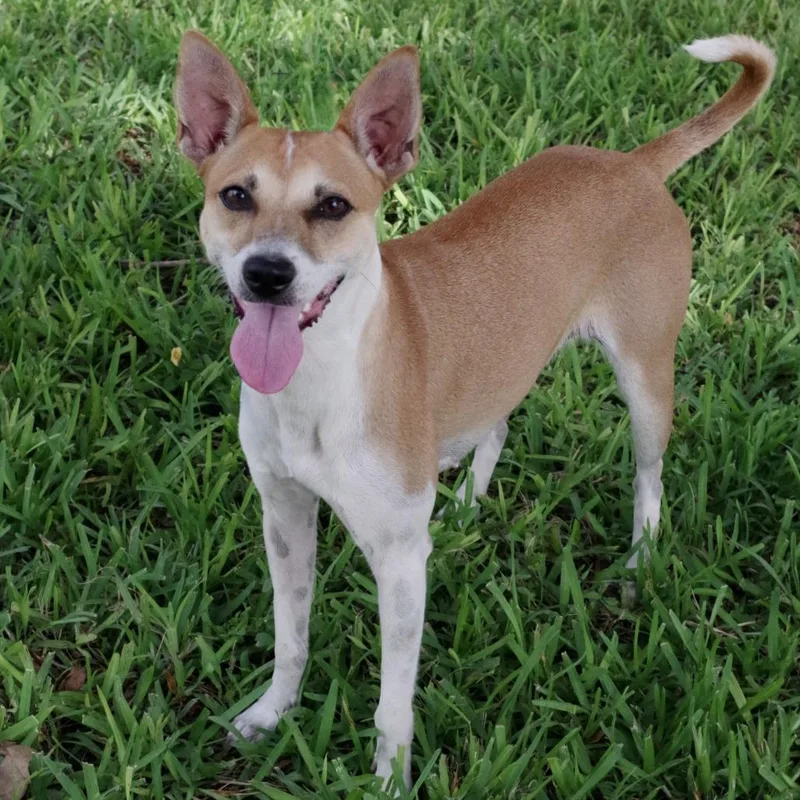
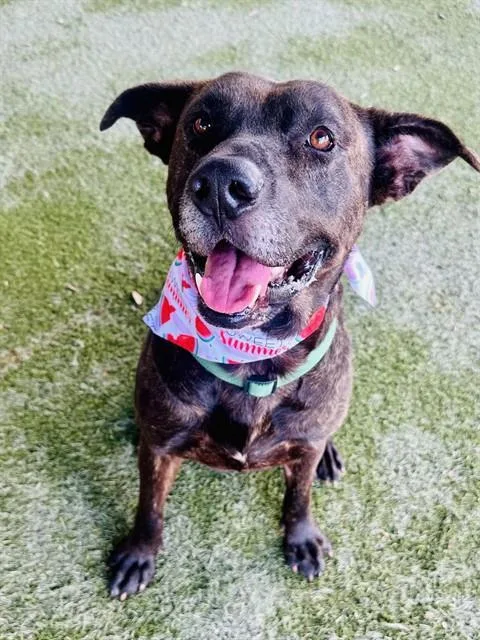
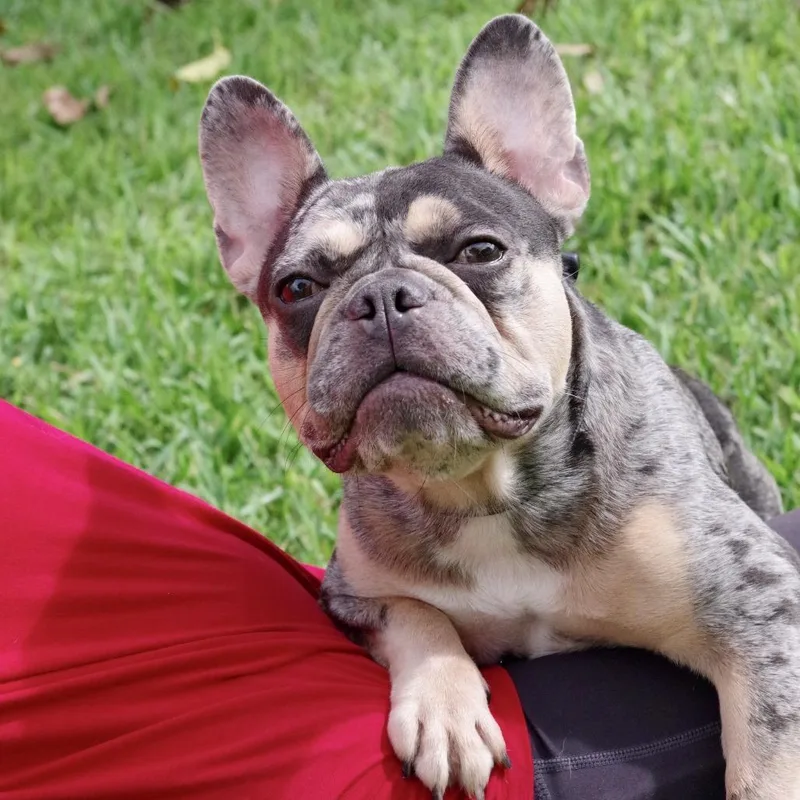
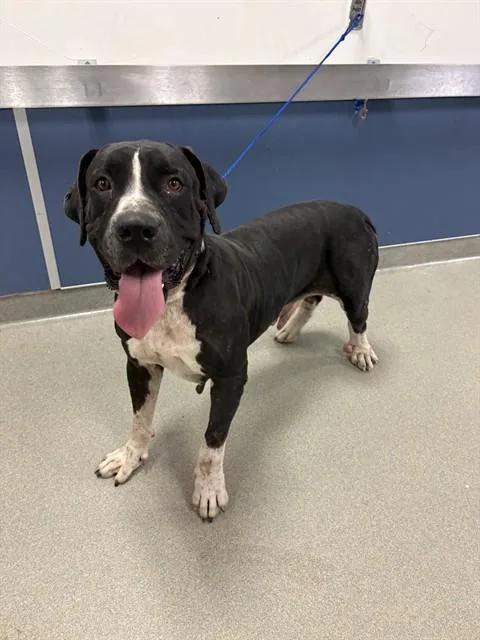
Hound isn't one breed but a label for a large family of hunting dogs. Most adoptable hounds are scent hound mixes with Beagle, Coonhound, Foxhound or Plott ancestry, with long ears, a short coat and a loud voice. Sighthound types like Greyhounds and Whippets turn up less often. Weight runs from about 20 to 70 pounds, so a hound in Miami might be a compact Beagle type or a leggy coonhound mix.

Most hounds are friendly and sociable, but the nose is in charge. On busy streets and bayfront paths, that means a leash outside fenced areas and a well-fitted harness. Short coats are easy to keep up in the heat, though long ears need regular checks in humid weather. Because ancestry varies so much, a dog's size, energy and howling habits matter more than the hound label.

Weight
20–70 lbs
Height
13–27 in
Lifespan
10–14 yrs
Temperament
Friendly, Independent, Vocal
Group
Hound
Shedding
Moderate

Owning a Hound in Miami

Having a Hound in Miami

Hound covers many breeds and mixes, so these cards describe what most adoptable hounds share: a strong nose, an independent streak and a voice. In Miami, the practical questions are heat, humidity and how much baying your home and neighbors can handle.

Temperament

Most hounds are gentle and sociable with people and other dogs, but they can be stubborn because they were bred to follow a trail on their own. Patient, food-based training works best. Baying or howling is common, which matters in Miami's apartment buildings, though some hounds stay surprisingly quiet.

Exercise Needs

Plan on daily walks long enough to sniff, ideally early in the morning or after dark when Miami's heat and humidity ease. Keep a hound leashed or inside a fenced dog area, since a strong scent can override recall. Food puzzles and scent games add indoor exercise on stormy afternoons.

Health Considerations

Long ears trap moisture, and Miami's humidity makes ear infections more likely, so check and dry them regularly. Many hounds gain weight easily, and larger ones can develop hip dysplasia. Ask your veterinarian about year-round flea, tick and heartworm prevention, and keep up regular checkups.

Living Space

Hounds can live in Miami apartments or houses if they get enough outdoor time. Baying carries through thin walls, so a solid building or a house often suits a vocal hound better. A fenced yard helps, since many hounds dig or follow a scent through gaps. Keep food and trash out of reach.

What it costs to own a Hound in Miami

ExpenseTypical costPer year
Food$35 to $70 per month$420 to $840
Pet insurance$45 to $85 per month$540 to $1,020
Routine vet care$225 to $450 per year$225 to $450
Other*$440 to $1,190 per year$440 to $1,190
Estimated yearly total (after year one)$1,625 to $3,500

Other costs are estimates and vary with size, age and health.

* The County dog license, flea, tick and heartworm prevention, a dental cleaning allowance, toys and bedding, and basic brushing and ear care.

Adopt a Hound in Miami.

Now that you know more, let’s find you a new best friend. These rescues and shelters below have dogs available in and near Miami.

Frequently Asked Questions

A Hound can be a good fit in Miami if you're comfortable with a vocal, nose-driven dog and the local heat. Plan walks for early morning or after dark, keep a leash on outside designated dog areas, and have a hurricane plan ready with ID tags, microchip registration and rabies records. Hounds vary, so match the dog's size and energy to your routine.

Short-coated Hounds can handle Miami's summer with care, but humidity is the challenge. Highs near 90 and warm nights mean walks belong at the edges of the day, with water along. Skip midday pavement, which can burn paws, keep older or heavier dogs indoors during heat advisories, and never leave a dog in a parked car.

Yes, many Hounds do well in Miami apartments if they get daily walks and mental work like food puzzles. The catch is noise: baying can carry through walls, and County rules cover frequent, long-lasting noise audible 100 feet away. A smaller, calmer mix in a solid building usually works better than a loud coonhound type.

Bayfront Park downtown has a waterfront dog park, and Woodside Park in The Roads has separate dog areas by size, useful for sorting a small Beagle mix from a big coonhound mix. Hobie Island Beach Park on the Rickenbacker Causeway is known as an off-leash dog beach. Elsewhere, keep your Hound leashed.

Only in a closed carrier. Miami-Dade Transit requires pets on Metrobus, Metrorail and Metromover to be in an enclosed carrier, and the City trolley has asked for the same, so a small Beagle-type Hound can ride but a 50-pound coonhound mix can't. Service animals are exempt. Metrorail is elevated, not a subway.

It depends on the restaurant, because patio policies vary. Florida law allows dogs only in outdoor dining areas, and only where a local ordinance and the restaurant's permit allow it, so don't assume every patio welcomes dogs. A Hound that bays or follows a scent mid-meal may also be happier at home.

Not often. Most Hounds have short, dense coats, so a weekly brush handles moderate shedding, with baths only when the dog gets muddy or smelly. In Miami's humidity, check and clean long ears weekly to head off infections. Basic grooming is a small part of the yearly Other costs, up to about $100.

Yes. Florida law bars local governments from regulating dogs by breed, so Miami can't ban Hounds, though private landlords and HOAs can set their own limits. Once the dog is four months old, you'll need a County dog license and rabies vaccine. A visible tag also matters for pet-friendly hurricane evacuation centers.

A hound dog is a hunting dog bred to track or chase game, either by following a scent or by sight and speed. Beagles, Coonhounds, Bloodhounds and Basset Hounds hunt by nose, while Greyhounds and Salukis are sighthounds. Shelters often label a dog hound when it shows scent hound traits, such as long ears, a strong nose and a baying voice.

A hound in Miami typically costs about $1,600 to $3,500 a year, before emergencies. That covers food at $35 to $70 a month, insurance at $45 to $85 a month, routine vet care at $225 to $450 a year, and other costs of $440 to $1,190 a year. Size and coat shift where a dog lands.