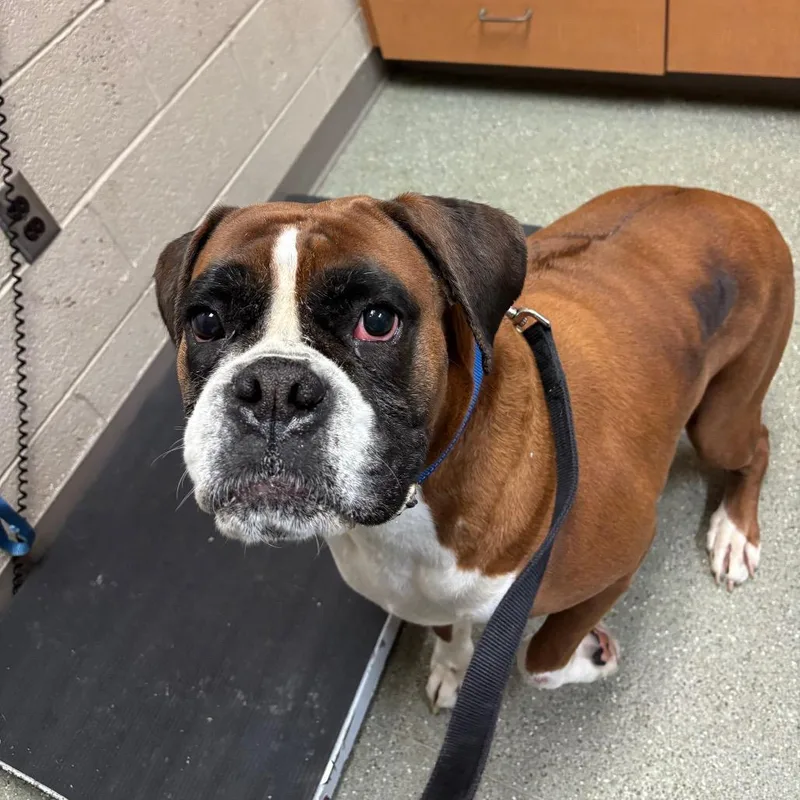
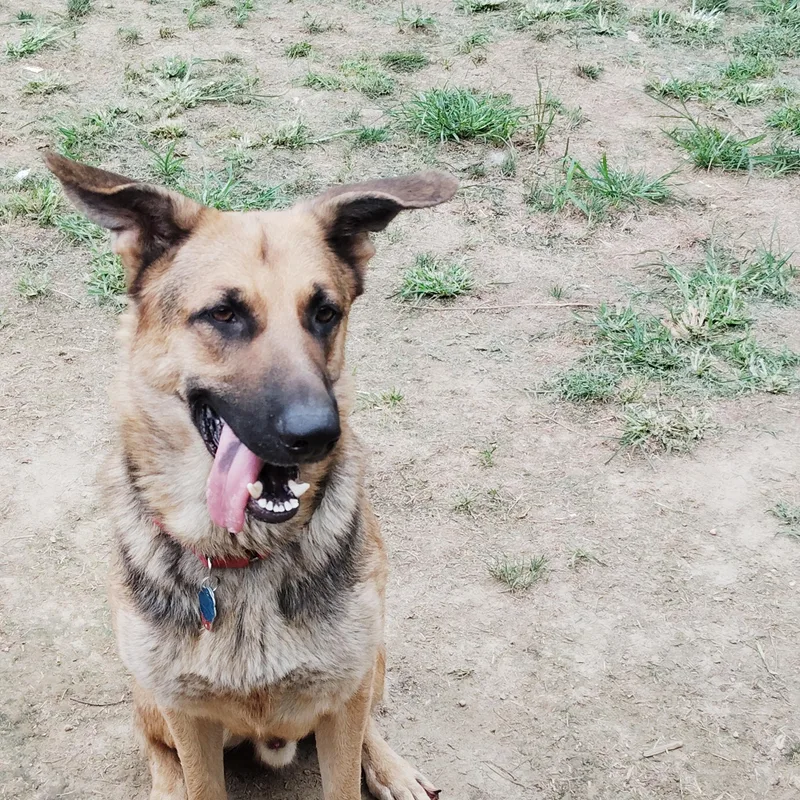
Retriever Dogs for Adoption in Wilmington, DE

Your guide to finding and caring for a Retriever in Wilmington

Retriever-type dogs fit Wilmington's neighborhoods well, provided they get a real run every day. Most are Lab or Golden mixes, friendly enough for a stroll through Union Park Gardens and sturdy enough for the leashed paths in Brandywine Park. They don't do well home alone all day, so a household with someone around helps. Expect plenty of shed hair on East Side rowhouse floors, and a dog who will likely greet every guest like an old friend.

882 Retrievers available in Wilmington and nationwide

Bring home a Retriever mix

Retrievers Available for Adoption Near Wilmington

About the Retriever breed

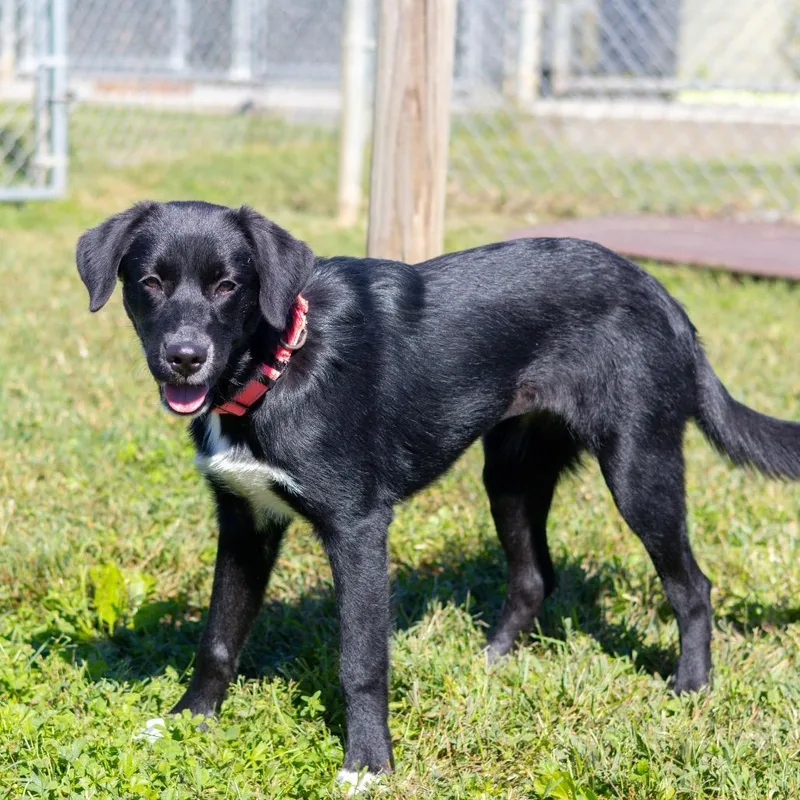
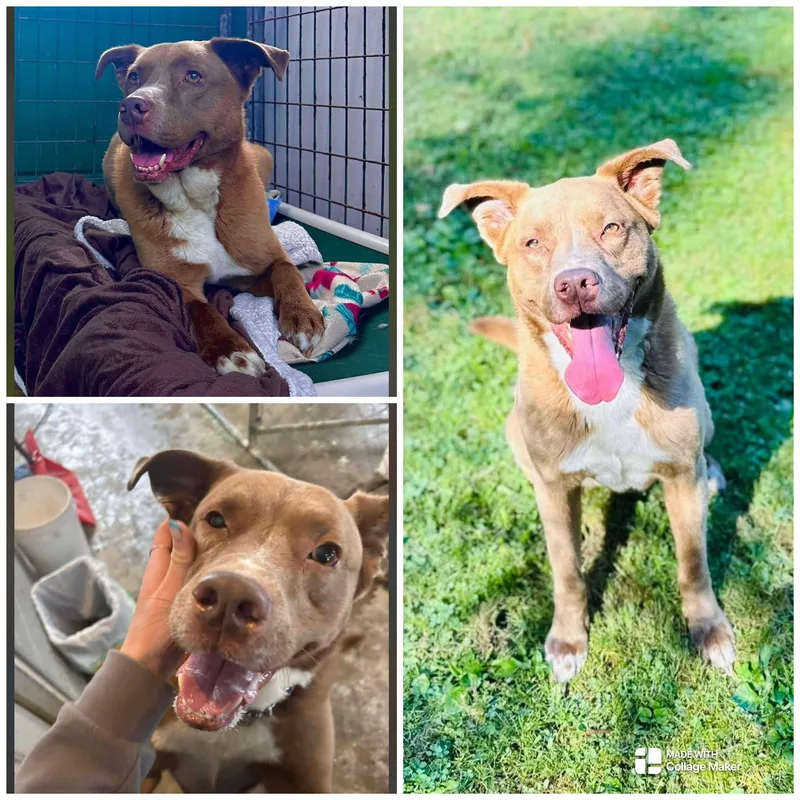
Retriever is a working type rather than one breed. The name covers dogs developed to find shot birds and carry them back to the hunter gently, and in Wilmington that most often means a Labrador or Golden Retriever mix, or a dog with that look and unknown ancestry. Chesapeake Bay, Flat-Coated and Curly-Coated Retrievers belong to the same family.

Most retriever-type dogs are medium to large, sturdy and food-motivated, with a water-resistant double coat that sheds a good deal. Many are sociable and eager to work with people, and a long, bouncy adolescence is common. Expect a dog who needs daily exercise, steady training and company, and who may carry your slippers around the house. How strongly each trait shows depends on the dog's mix and age.

Weight
50–80 lbs
Height
20–25 in
Lifespan
10–14 yrs
Temperament
Friendly, Outgoing, Active
Group
Sporting
Shedding
Moderate to High

Owning a Retriever in Wilmington

Having a Retriever in Wilmington

Retriever is a type, not a single breed, so these cards describe tendencies in most Lab- and Golden-style dogs: sociable, eager to fetch and carry, built for stamina and covered in a coat that sheds. Age and mix change how strongly each shows.

Temperament

Retriever-type dogs are usually friendly with family, visitors and other dogs, which helps on busy Wilmington sidewalks and in the off-leash areas at Rockford and Brandywine parks. Young dogs can be mouthy and exuberant around toddlers, and they often jump up. Reward-based training tends to work well because most love food and praise.

Exercise Needs

Most retriever-type dogs need an hour or more of vigorous activity daily: brisk walks, fetch, or longer leashed outings along the Brandywine. Retrieving games, scent work and short training sessions tire the mind as well as the body. Without enough outlet, many chew, dig or pester for attention. Seniors still benefit from gentler daily movement.

Health Considerations

Hip and elbow dysplasia, cruciate ligament tears, ear infections, skin allergies and weight gain are common across retriever breeds, and some carry inherited eye disease or higher cancer risk. Keeping a retriever lean protects its joints. Wilmington's humid summers can aggravate ears, so regular checkups and ear care are worth planning for.

Living Space

A retriever can live in a rowhouse or an apartment when exercise happens reliably, though a fenced yard makes play easier. These dogs want to be indoors with their people rather than left outside, and Delaware law limits unattended outdoor time in hazardous weather. Plan for shed hair, a sweeping tail and a dog who delivers every shoe.

What it costs to own a Retriever in Wilmington

ExpenseTypical costPer year
Food$55 to $110 per month$660 to $1,320
Pet insurance$55 to $110 per month$660 to $1,320
Routine vet care$250 to $500 per year$250 to $500
Other*$585 to $1,465 per year$585 to $1,465
Estimated yearly total (after year one)$2,155 to $4,605

Other costs are estimates and vary with size, age and health.

* Flea, tick and heartworm prevention, a dental cleaning allowance, the Delaware dog license, toys and bedding, and brushing and baths for a shedding coat.

Adopt a Retriever in Wilmington.

Now that you know more, let’s find you a new best friend. These rescues and shelters below have dogs available in and near Wilmington.

Rescues and Shelters in or near Wilmington

Shelters and rescues in Wilmington and just south in New Castle care for dogs of every size and mix. Here are the rescues & shelters in the Wilmington area with dogs available for adoption, worth asking whether a Retriever is coming in.

Frequently Asked Questions

Mostly no. DART First State buses don't allow pets, only service animals, so a retriever can't ride them. SEPTA Regional Rail from the Wilmington station requires pets to be in a carrier, which rules out most 50 to 80 pound retrievers. Plan on walking to nearby parks and driving for longer trips.

Yes, most can. Wilmington winters bring snow and hard freezes, but retriever-type dogs have water-resistant double coats and usually enjoy cold weather. Shorten walks for seniors and thin-coated dogs, wipe salt from paws, and watch for ice, which is harder on older joints than the cold itself. Dogs also shouldn't be left outside unattended in hazardous weather.

Rockford Park and Brandywine Park are the top picks, since both have off-leash areas for fetch. The Northern Delaware Greenway, about 10 miles of off-road trail linking Brandywine Park and other parks, suits longer leashed walks, and the Riverwalk suits shorter ones. Keep your retriever leashed until you reach an off-leash boundary, and pick up after it.

Yes. Wilmington has no known breed-specific rules, and Delaware law bars declaring a dog potentially dangerous based solely on breed. A license and rabies vaccination are required at 6 months. Delaware also treats tethering a dog for 9 or more consecutive hours as cruelty and bans tethering puppies under 4 months, so plan for a securely fenced space or indoor time.

Yes, if its exercise is reliable. Retrievers don't need a yard, but they need long daily walks and play, and bored dogs bark. Delaware's barking rule covers dogs that bark continuously for 15 minutes or intermittently for 30 minutes or more, so long days alone can cause trouble with neighbors. A ground-floor unit near a park makes routines easier.

It can be, for active people who are home often. Parks with off-leash areas, cold but manageable winters and rowhouse or apartment living all suit a friendly, sociable dog. Humid July days, shed hair and daily exercise are the trade-offs. Because Retriever is a type, size and energy vary from dog to dog, so match the dog's age and activity level to your routine.

Only on patios, and only where the restaurant allows it. Delaware law lets restaurants permit leashed dogs in outdoor seating, but it's the owner's choice, and pets other than service animals stay out of indoor dining. A big retriever needs a calm down-stay under the table, so practice at home before you go.

Plan on brushing two to three times a week, and daily in spring and fall when the double coat sheds heavily, plus an occasional bath. Wilmington's mud, humidity and salted winter sidewalks also mean wiping paws and drying ears after swims. Grooming supplies and baths fall within the yearly Other costs of roughly $585 to $1,465.

Most retriever-type dogs live about 10 to 14 years, with some reaching 15. Retriever is a type label rather than one breed, so mixes and different retriever breeds vary. Keeping a retriever lean, staying current on veterinary checkups all support a longer, more comfortable life.

Budget roughly $2,150 to $4,600 a year for a retriever in Wilmington: $55 to $110 a month for food, $55 to $110 a month for insurance, $250 to $500 for routine vet care, and $585 to $1,465 for other costs. Large dogs eat more and cost more to medicate, and the low end assumes a healthy dog with no emergencies.