Klee Kai Dogs for Adoption in Wilmington, DE

Your guide to finding and caring for a Klee Kai in Wilmington

Klee Kai are a good size for Wilmington's brick rowhouses and apartments, but they still have husky energy. A dog under 25 pounds is easy to carry up the stairs of an East Side rowhouse or a Trolley Square apartment, and the curving paths around Union Park Gardens make a good morning loop. Klee Kai are bright and chatty, and many are wary of strangers, so they do best with owners who like daily walks and training. Expect some husky-style talking in the hallway.

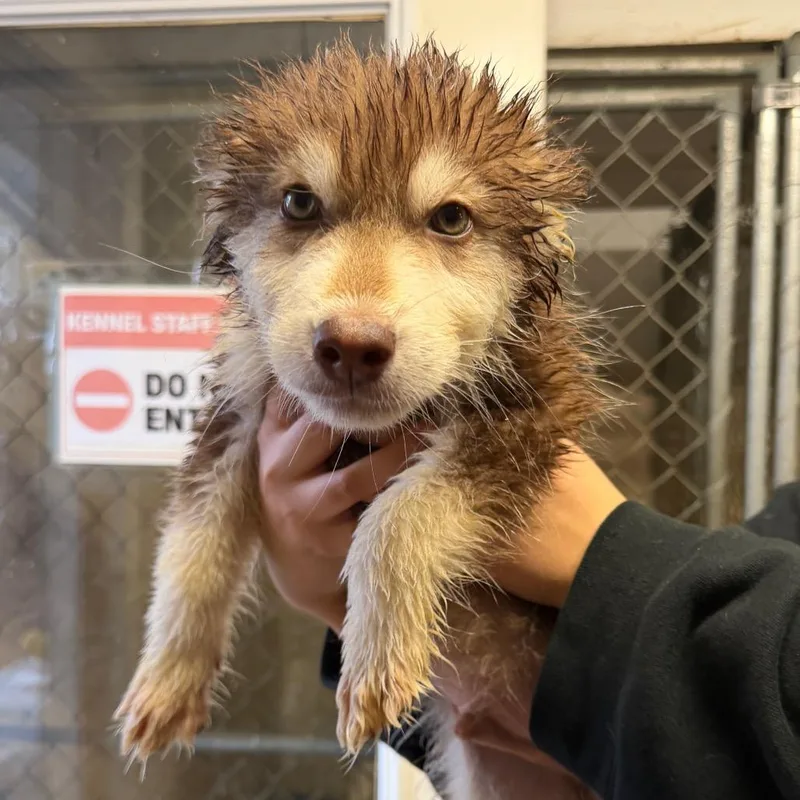
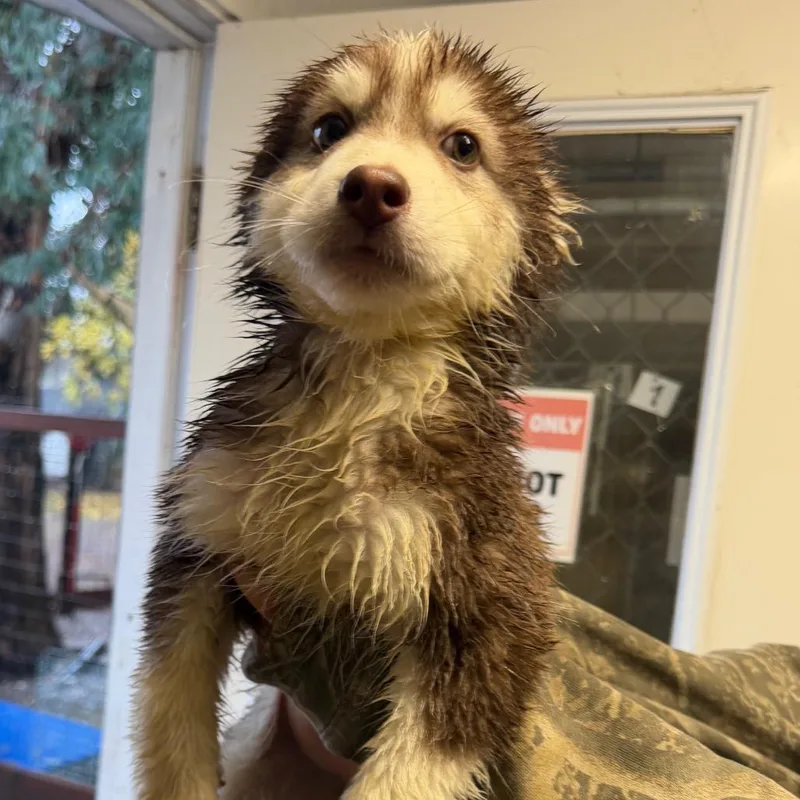
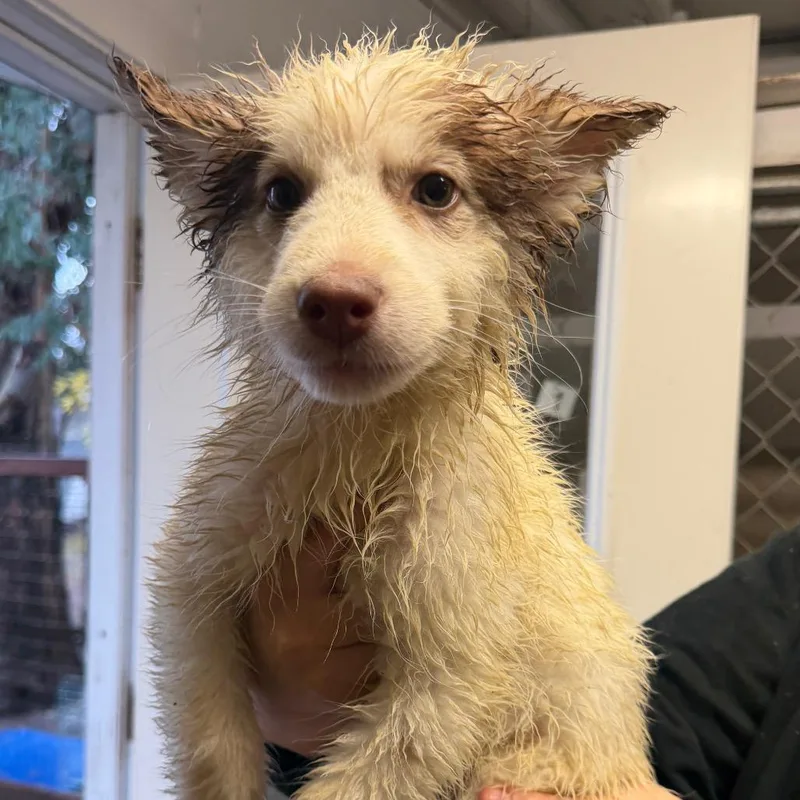
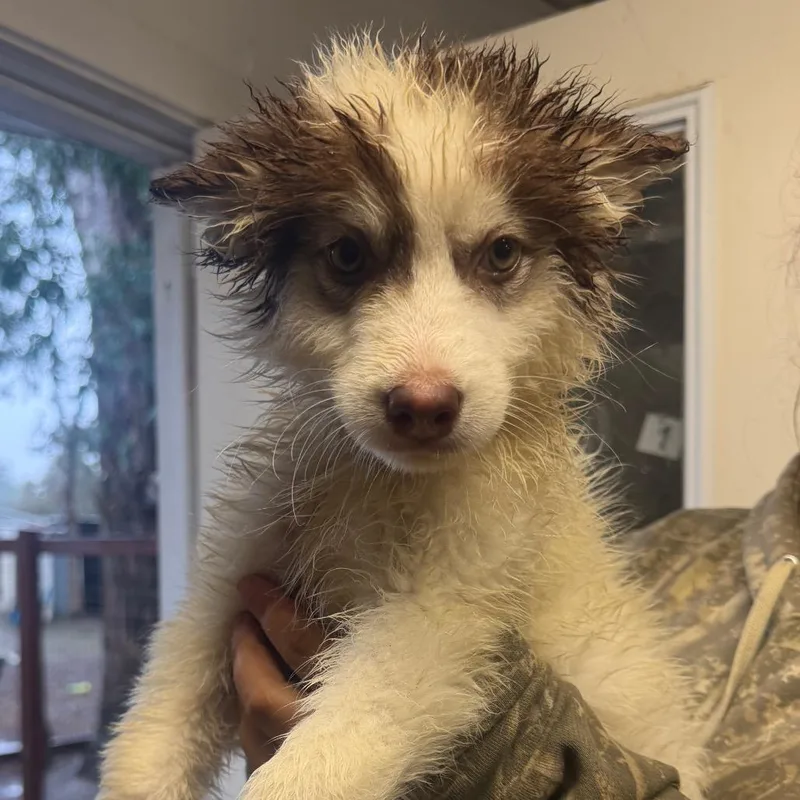
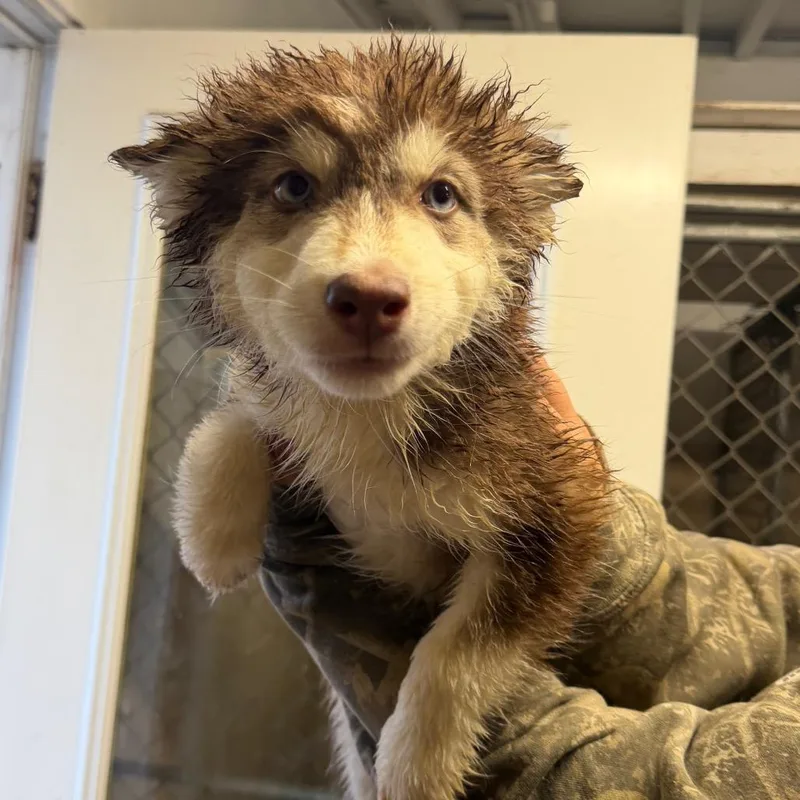
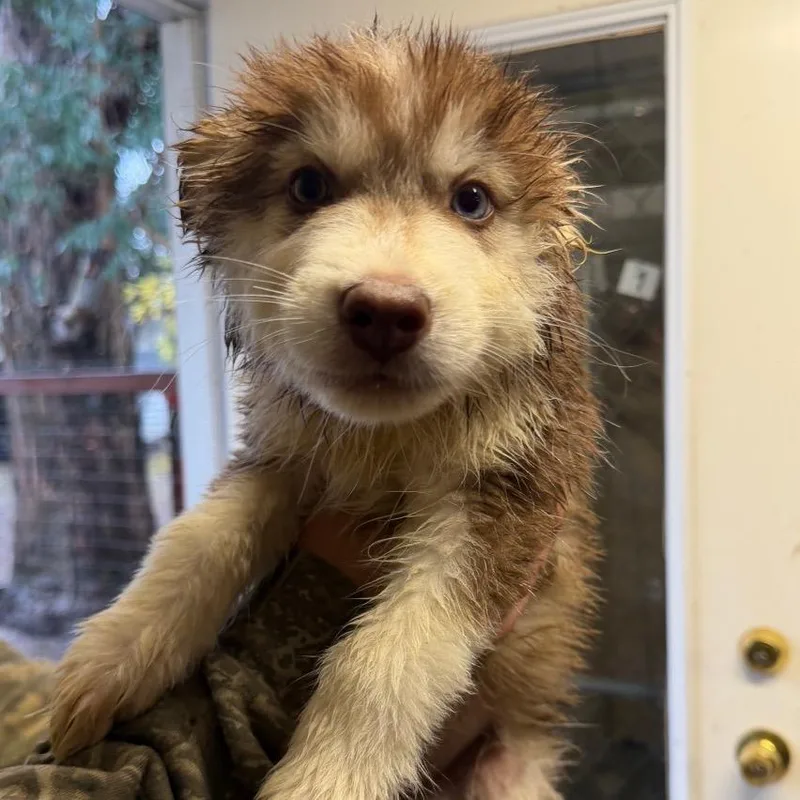
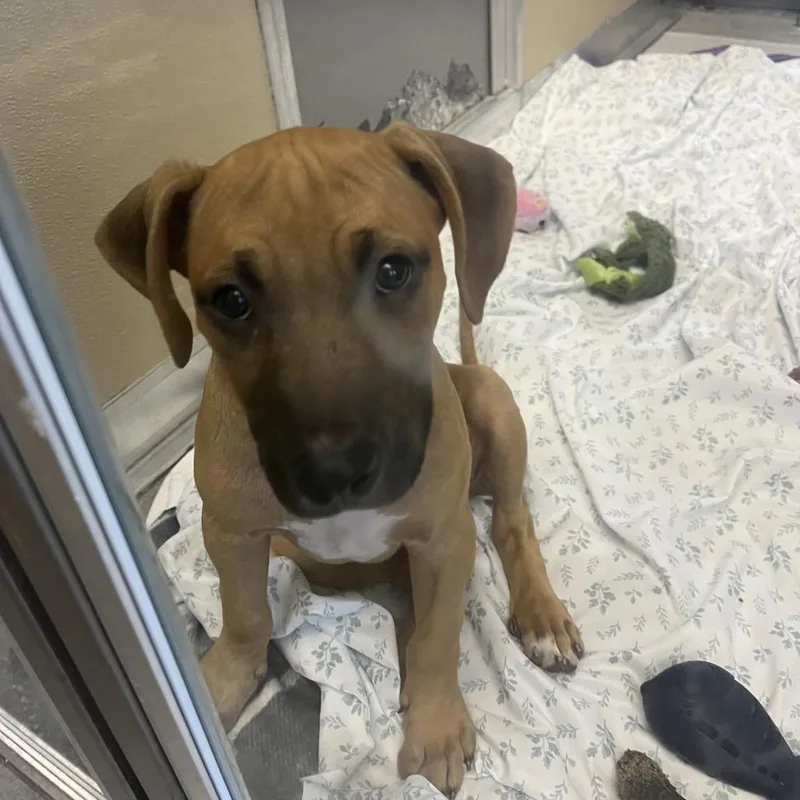
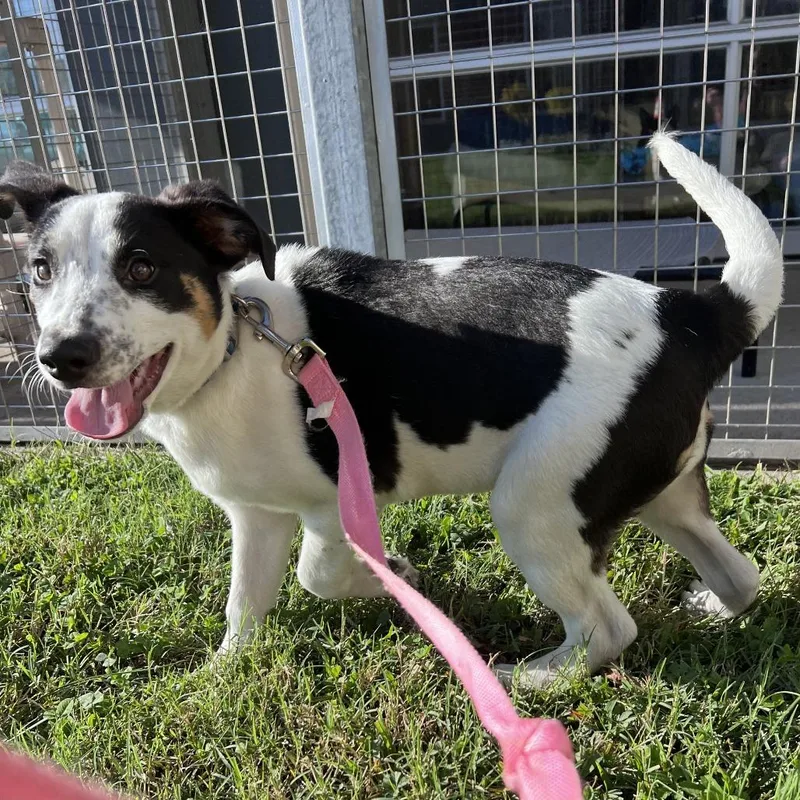
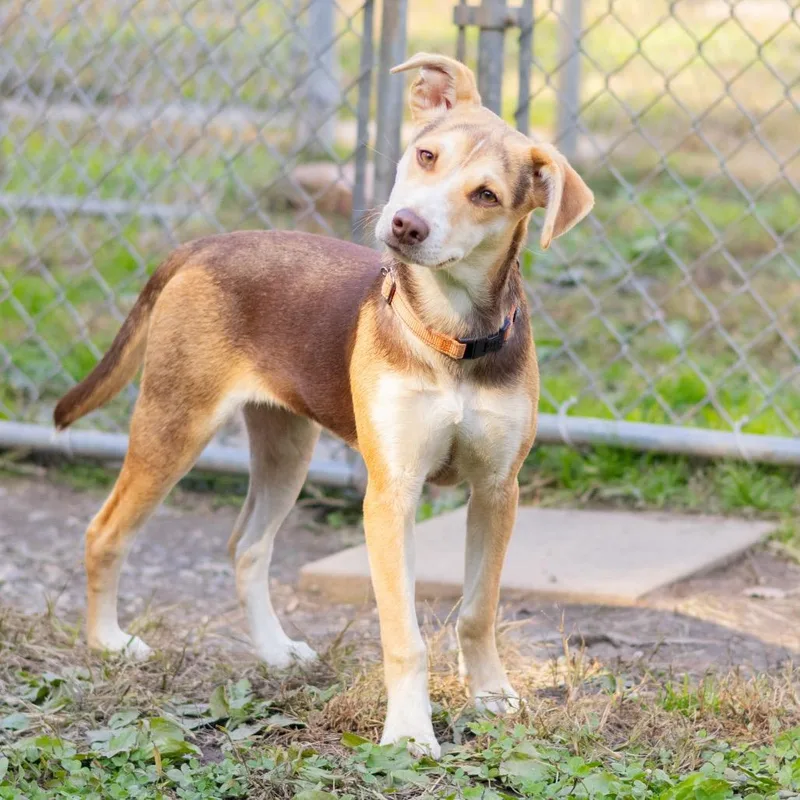
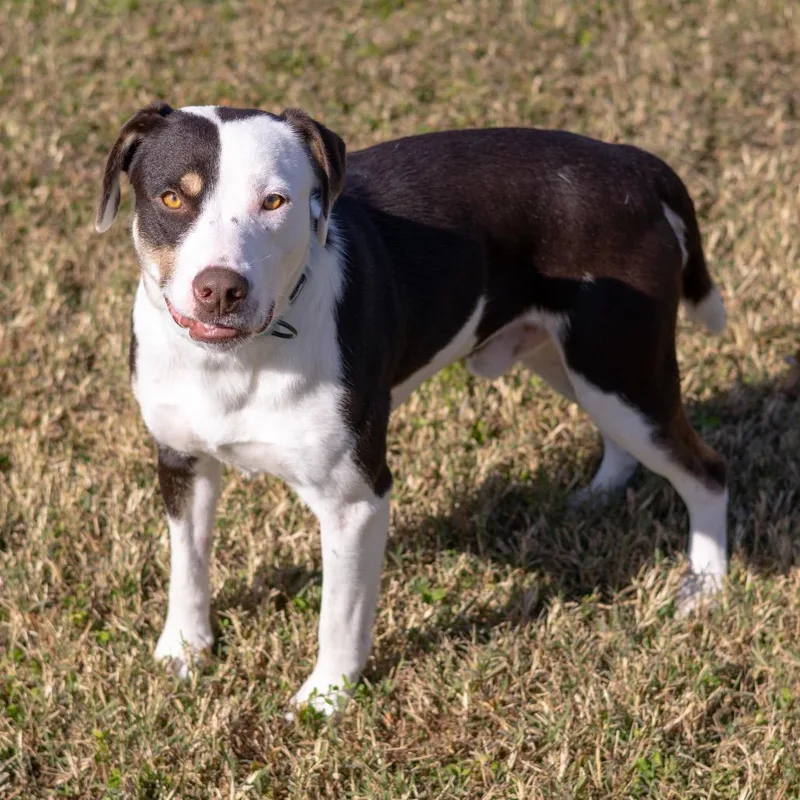
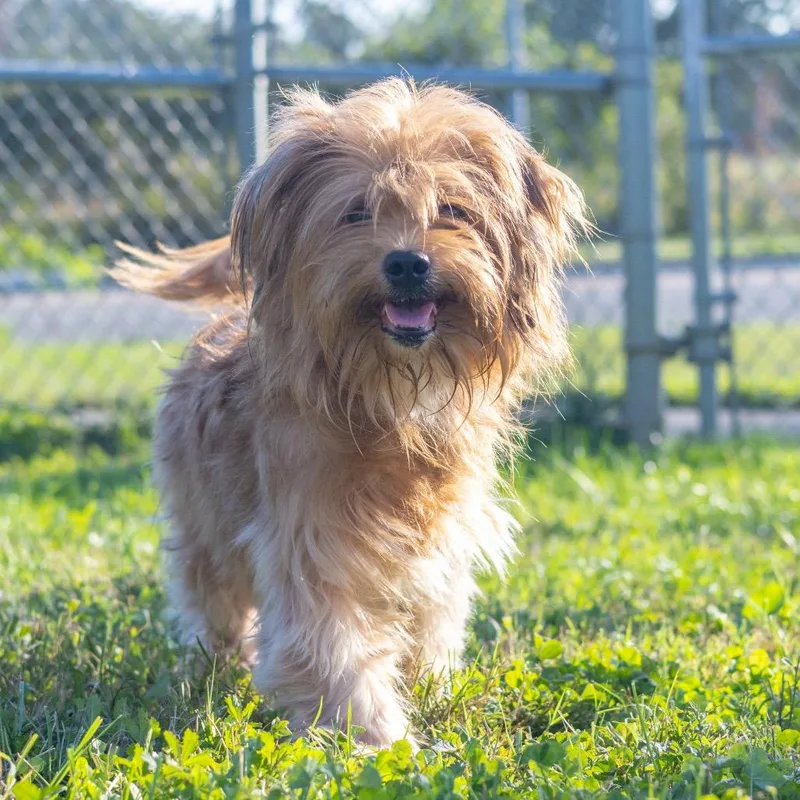
17 Klee Kais available in Wilmington and nationwide

Your Klee Kai is waiting

While we don't have enough dogs near Wilmington, keep in mind that many rescues may offer transport.

Klee Kais Available for Adoption Near Wilmington

About the Klee Kai breed

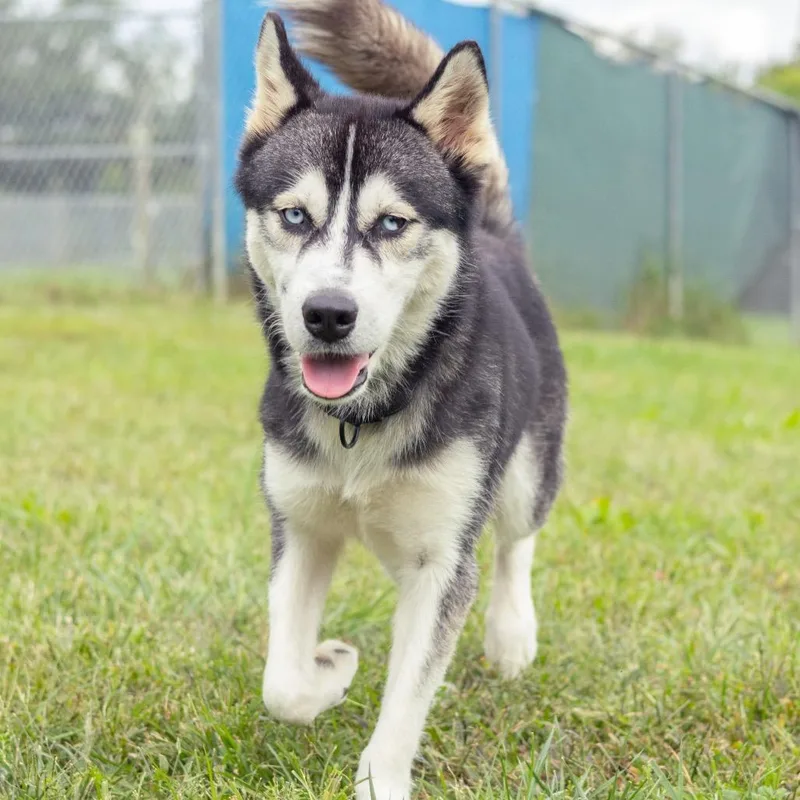
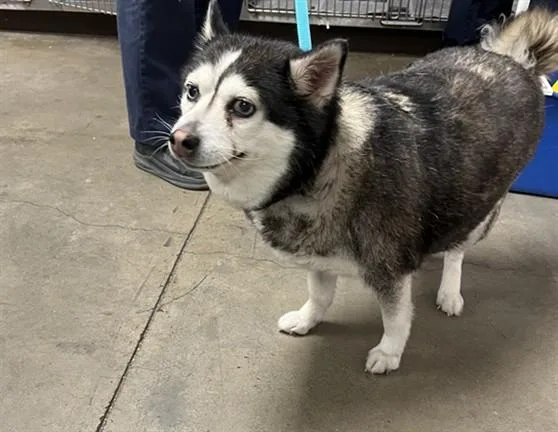
The Alaskan Klee Kai was developed in Alaska in the 1970s as a companion-sized take on the Alaskan Husky, with Siberian Husky, Schipperke and American Eskimo Dog added to bring the size down. It has a facial mask, erect ears, a curled tail and a double coat, and it comes in toy, miniature and standard sizes from roughly 6 to 22 pounds.

Unlike the outgoing Siberian, many Klee Kai are reserved with strangers while staying devoted and playful with their own people. They tend to be clever, vocal and quick to chase squirrels or other small animals. The double coat sheds moderately all year and heavily a couple of times a year. Early socialization, steady training and daily activity help them thrive, and they usually suit adult or older-child homes best. Dogs vary, so each dog's personality matters more than the label.

Weight
6–22 lbs
Height
12–17 in
Lifespan
12–16 yrs
Temperament
Alert, Curious, Intelligent, Energetic
Group
Miscellaneous
Shedding
Moderate to High

Owning a Klee Kai in Wilmington

Having a Klee Kai in Wilmington

In Wilmington, a Klee Kai's double coat, jumping skills and need for activity matter more than its miniature-husky looks. Winter suits the coat, humid July takes more care, and a small body works well in rowhouses and apartments, though a talkative dog needs thought in shared walls.

Temperament

Klee Kai are usually affectionate and playful with their family but cautious with strangers, and a dog that hasn't been socialized can turn fearful or snappy. Many howl and chatter, and small animals can set off chasing. On busy Wilmington sidewalks, calm, gradual exposure to new people and dogs helps a wary dog relax.

Exercise Needs

Plan on vigorous daily activity such as brisk walks and play, plus puzzle toys or trick training. A Klee Kai that bolts after squirrels is safest on a leash until its recall is reliable, even in a park. Long weekend outings and a few minutes of training each day help prevent digging, chewing and constant howling.

Health Considerations

Klee Kai are generally sturdy, but documented concerns include juvenile cataracts, liver disease, heart problems, thyroid issues, slipping kneecaps and factor VII deficiency, an inherited clotting disorder with a DNA test. A veterinarian can check eyes, knees and heart, and should know about any bleeding disorder before surgery. Delaware requires rabies vaccination from 6 months.

Living Space

A Klee Kai's small size suits Wilmington's rowhouses, apartments and smaller yards, as long as daily exercise happens. Howling may carry through thin walls, and a yard needs tall, dig-proof fencing because these dogs climb and jump well. Homes with cats, rabbits or other small pets need careful planning.

What it costs to own a Klee Kai in Wilmington

ExpenseTypical costPer year
Food$20 to $45 per month$240 to $540
Pet insurance$35 to $70 per month$420 to $840
Routine vet care$200 to $400 per year$200 to $400
Other*$485 to $1,265 per year$485 to $1,265
Estimated yearly total (after year one)$1,345 to $3,045

Other costs are estimates and vary with size, age and health.

* The $10 to $15 yearly Delaware dog license, flea, tick and heartworm prevention, a dental cleaning, toys and bedding, and brushing or occasional grooming for the double coat.

Adopt a Klee Kai in Wilmington.

Now that you know more, let’s find you a new best friend. These rescues and shelters below have dogs available in and near Wilmington.

Rescues and Shelters in or near Wilmington

Wilmington's animal welfare groups include city-area shelters and nonprofit rescues that take in dogs of every size and mix. Here are the rescues & shelters in the Wilmington area with dogs available for adoption, worth asking whether a Klee Kai is coming in.

Frequently Asked Questions

A Klee Kai can fit Wilmington well if you have time for daily exercise and training. Its small size works in rowhouses and apartments, winters suit its double coat, and the parks offer places to burn energy. It's wary of strangers and talkative, so it needs patient socialization on busy streets. Households away all day or with small pets may struggle.

Yes, Wilmington has no known breed-specific rules, and Delaware law bars declaring a dog potentially dangerous based solely on breed. The rules that apply are behavior-based: licensing, which is handled online through the state, rabies vaccination and leashing, plus limits on tethering a dog nine or more hours in 24.

Yes, Klee Kai generally handle Wilmington winters well because the double coat insulates them. Snow totals about 20 inches a year at the airport, mostly in January and February, so many dogs get to play in it. Keep outings short for toy-sized or senior dogs, avoid long stretches on icy pavement, and bring the dog indoors overnight.

Not on DART First State buses, which ask riders to leave pets at home except guide dogs. SEPTA Regional Rail trains from the Wilmington station require pets to ride in a carrier, which makes a toy or miniature Klee Kai the easier fit. Check SEPTA's current carrier size rules before traveling, and plan car or walking trips for larger dogs.

The Northern Delaware Greenway, a roughly 10-mile off-road trail linking Brandywine Park and other green spaces, is a strong pick for leashed walks. Rockford Park adds wooded paths and an off-leash area, and Brandywine Park has two. Because many Klee Kai bolt after squirrels, keep the leash on until the dog's recall is solid.

Yes, a Klee Kai can live in a Wilmington apartment if it gets daily exercise and enough mental work. The main issue is noise: howling and chatter can carry through walls, and Delaware treats barking, whining or howling as a violation after 15 continuous or 30 intermittent minutes. Puzzle toys and practicing alone time before a long workday help.

Only to outdoor seating, and only where the restaurant allows it. Delaware law lets restaurants permit leashed dogs on patios, but pets other than service animals stay out of indoor dining areas. Because many Klee Kai are wary of strangers and chatty, pick a quiet corner, bring water and a mat, and leave if the dog seems stressed.

Brushing a couple of times a week keeps a Klee Kai's double coat manageable, and daily brushing helps during the heavy sheds in spring and fall. Don't shave the coat, since it insulates against both cold and humid heat. Baths are occasional, and any professional grooming fits within the yearly Other costs shown on this page.

Alaskan Klee Kai come in three sizes: toy dogs stand up to 13 inches at the shoulder, miniatures over 13 to 15 inches, and standards over 15 to 17 inches. Weights typically run from under 10 pounds for toys to about 16 to 22 pounds for standards. Even within a litter, puppies can grow into different size varieties.

Expect roughly $1,350 to $3,050 a year for a Klee Kai in Wilmington, counting food at $20 to $45 a month, insurance at $35 to $70 a month, routine vet care at $200 to $400 a year and other costs at $485 to $1,265 a year. Emergencies and illness would be extra.