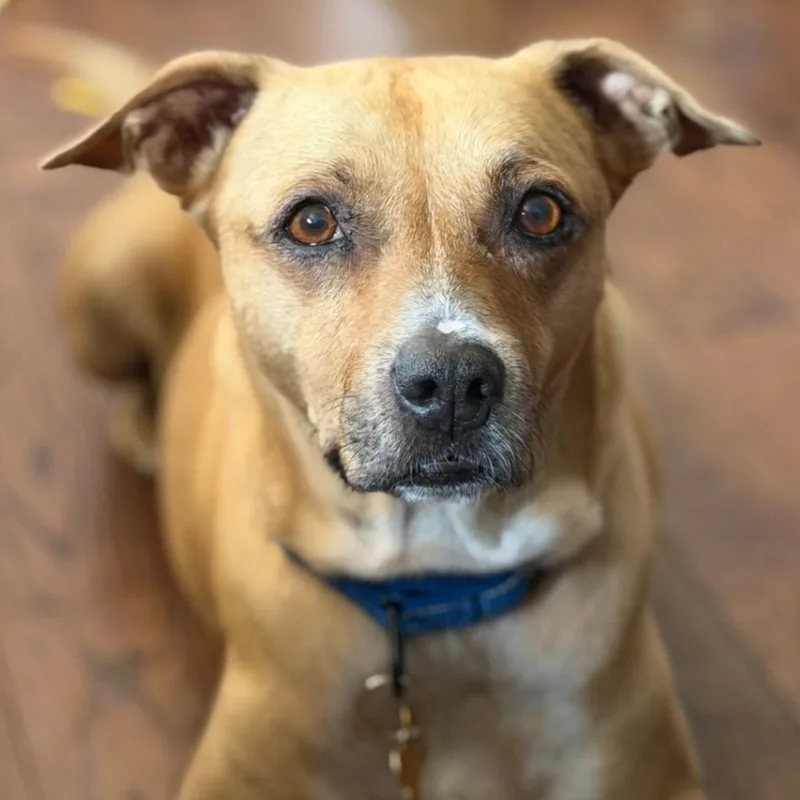
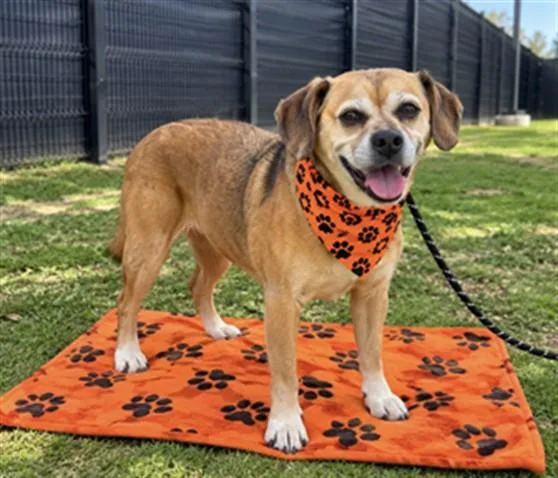
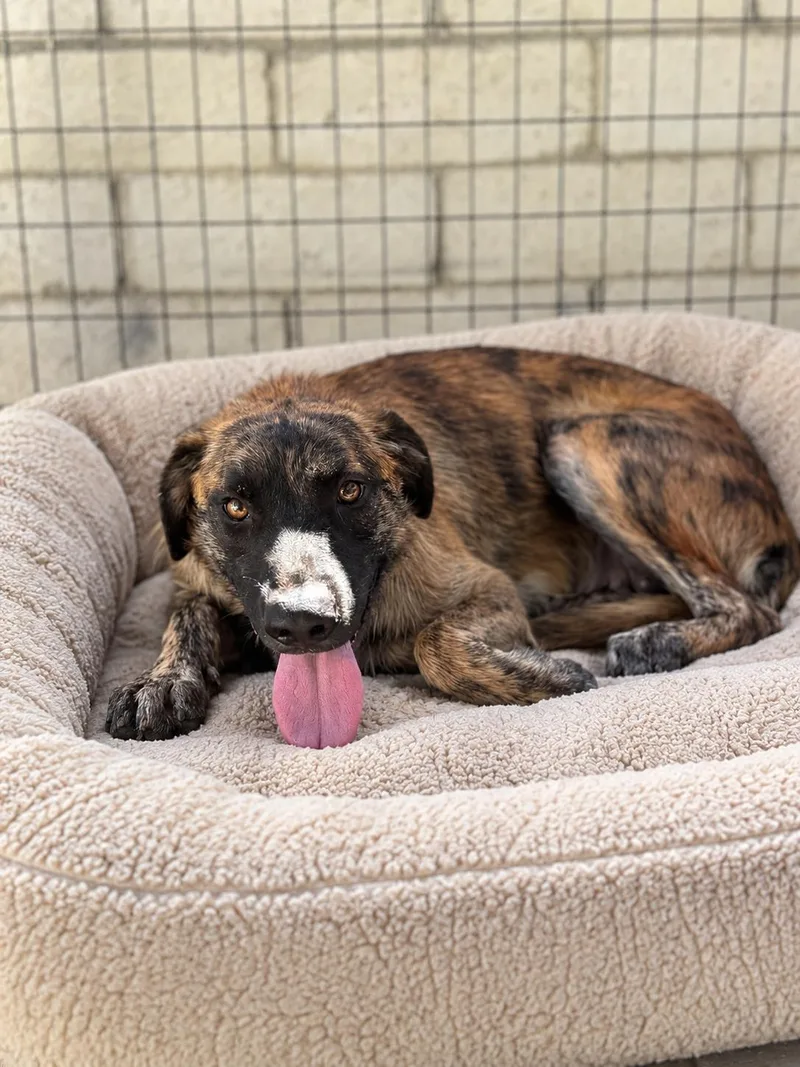
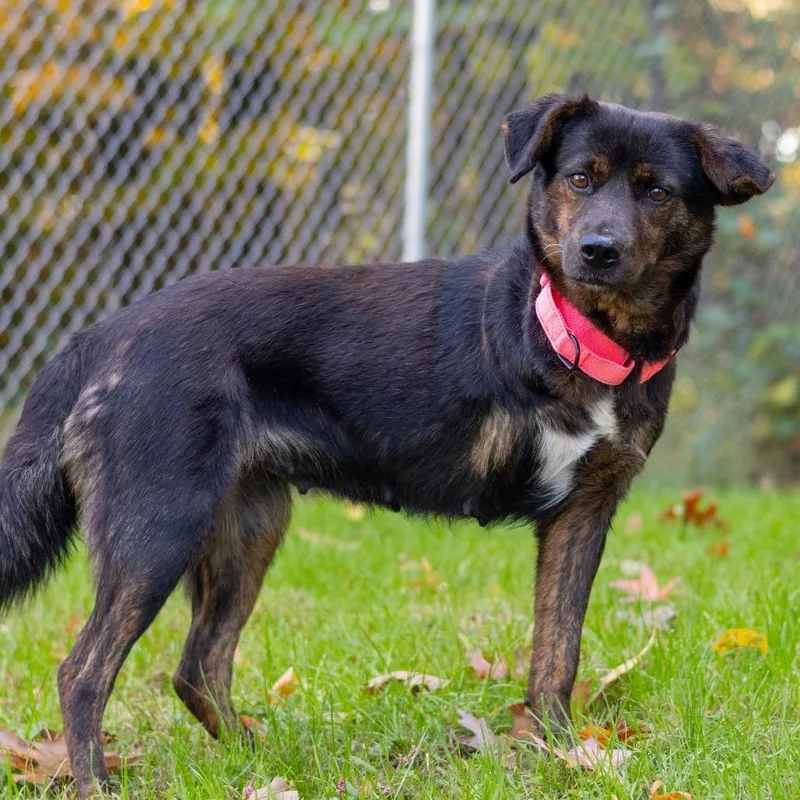
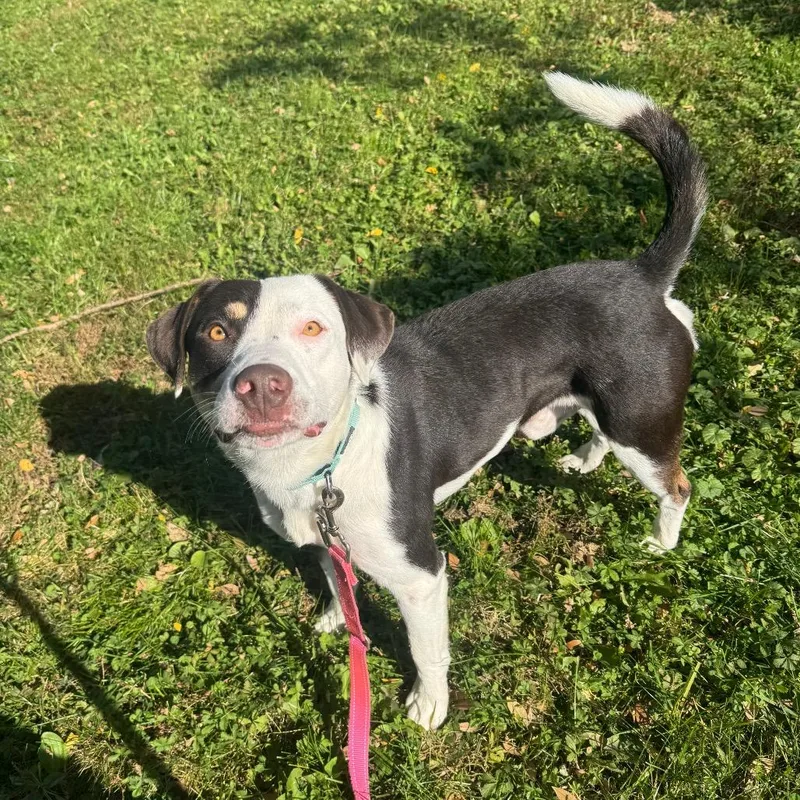
Hamiltonstovare Dogs for Adoption in Wilmington, DE

Your guide to finding and caring for a Hamiltonstovare in Wilmington

A Hamiltonstovare suits Wilmington best if you have time for long, nose-led walks. The curved streets around Union Park Gardens and the paths along Brandywine Park give a scent hound plenty to follow, and its short coat copes with the cold winters here. It's a friendly, medium-sized dog, but that nose runs the show, so a leash is the rule outside a fenced yard. The breed is rare, so watch the listings on this page.

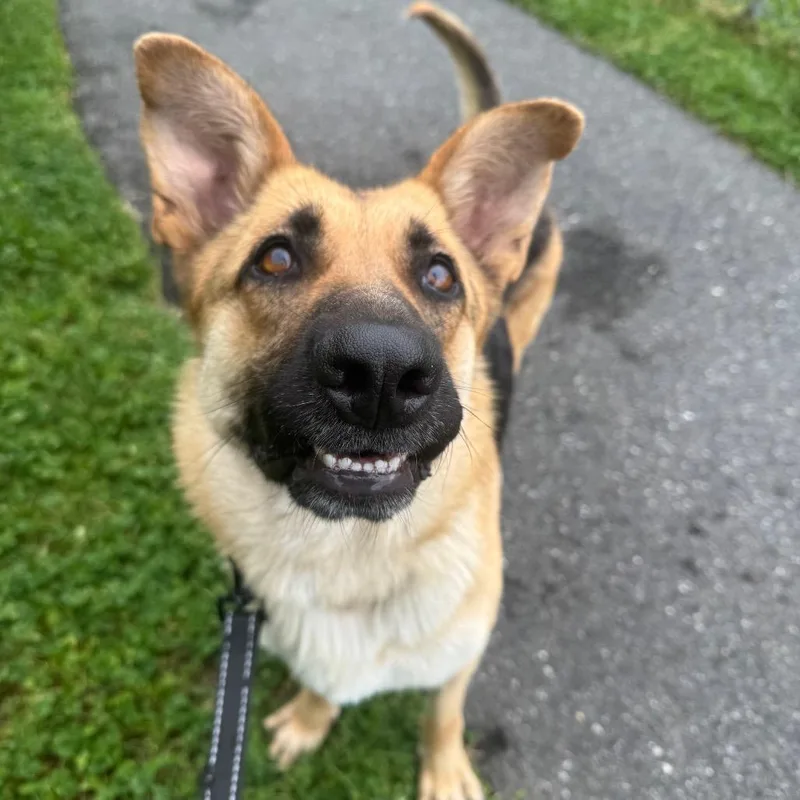
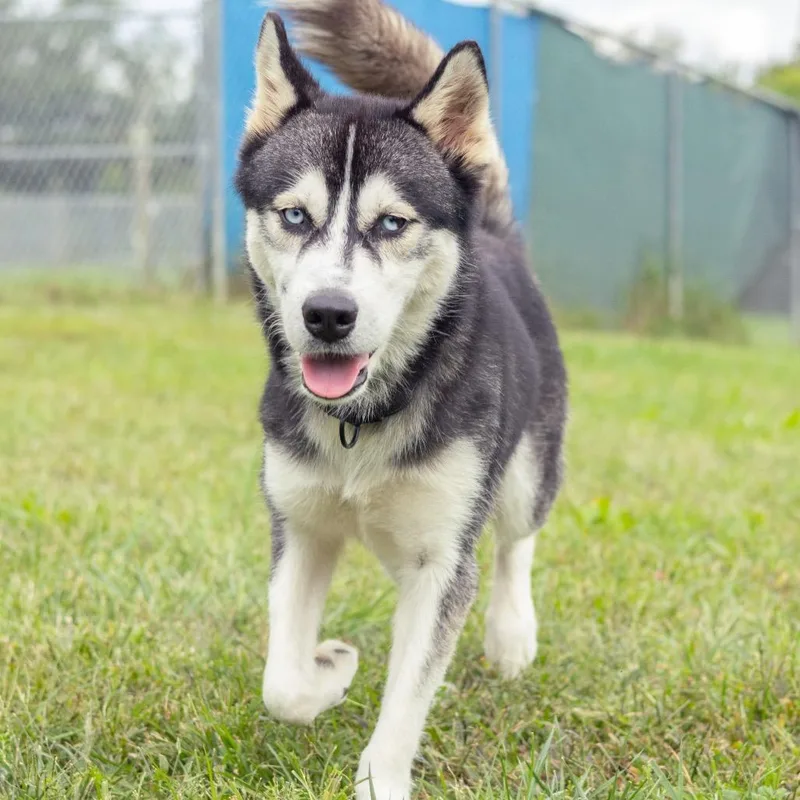
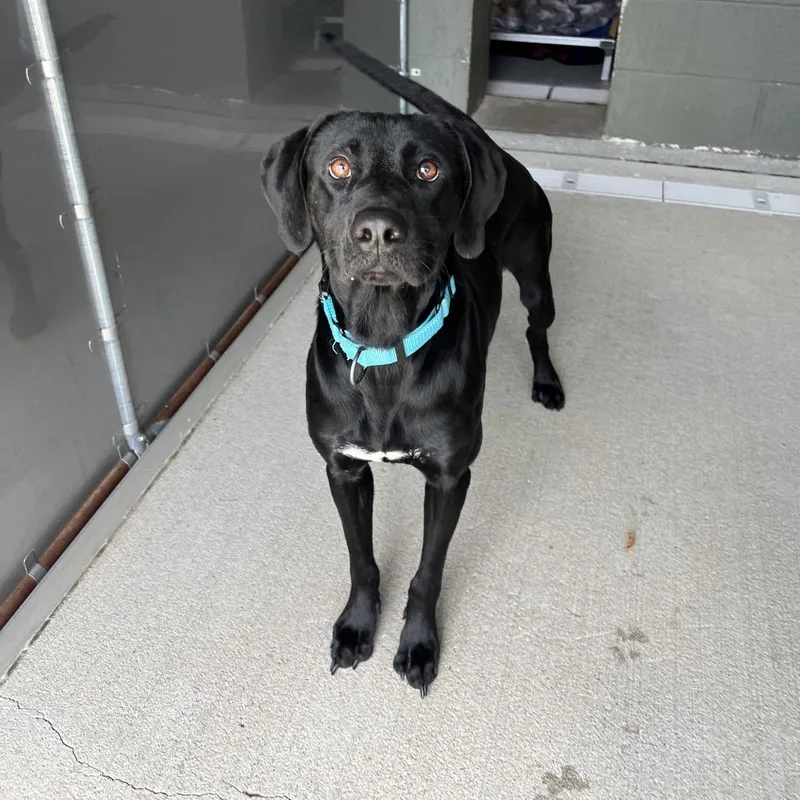
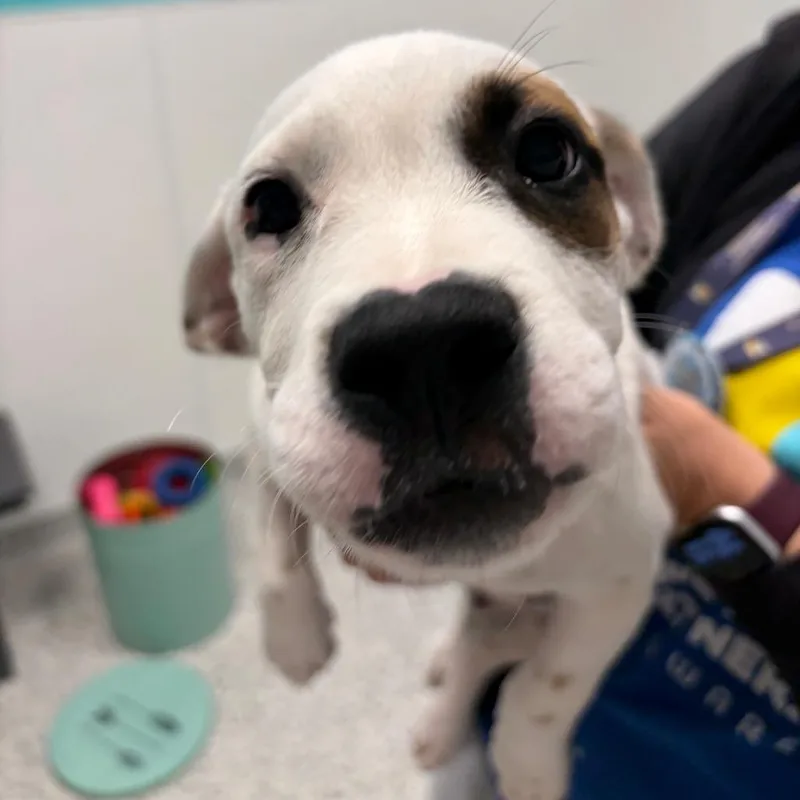
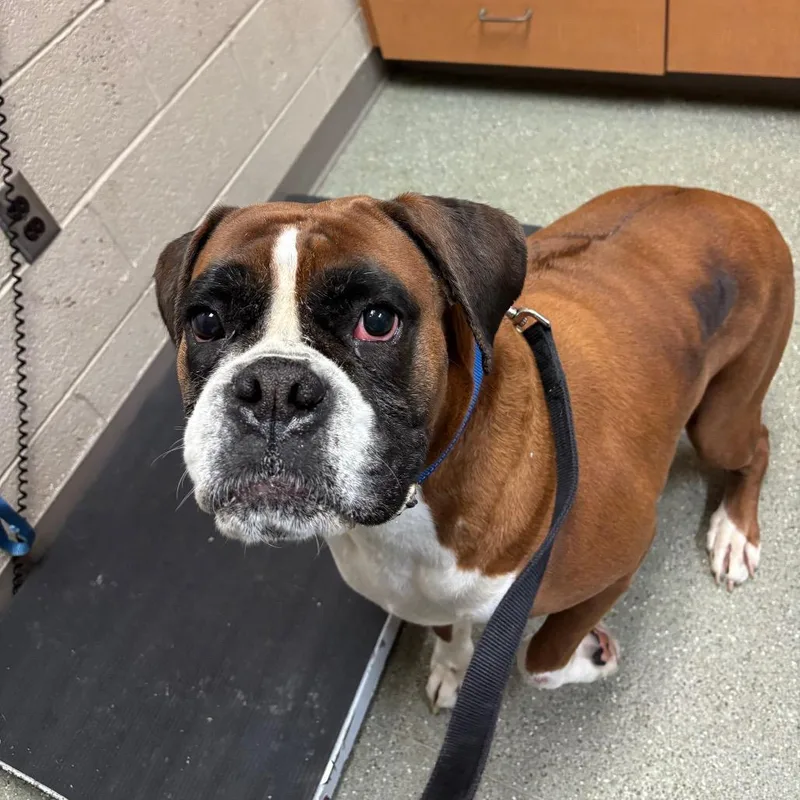
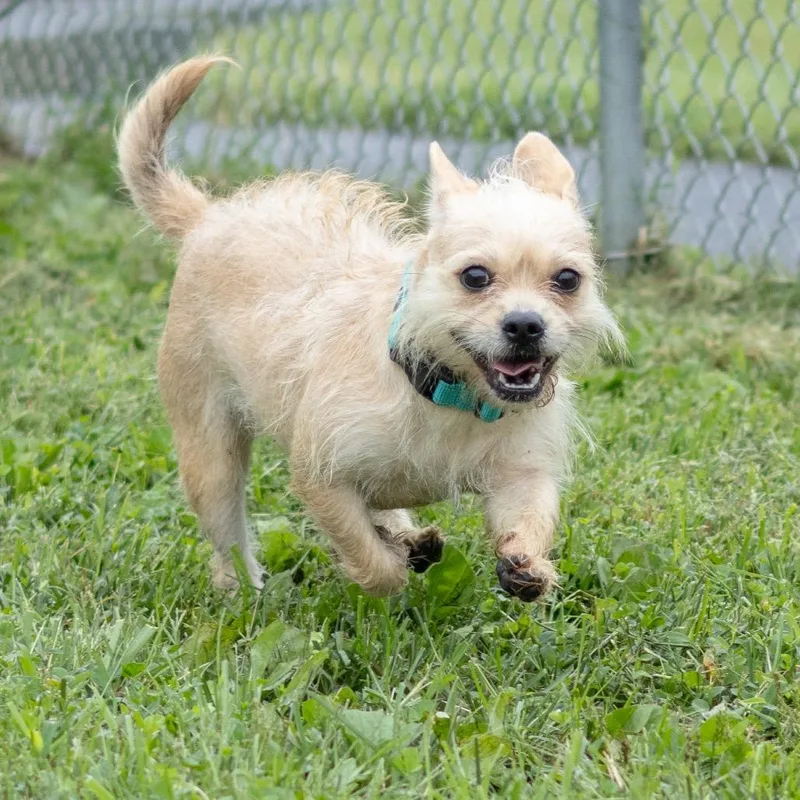
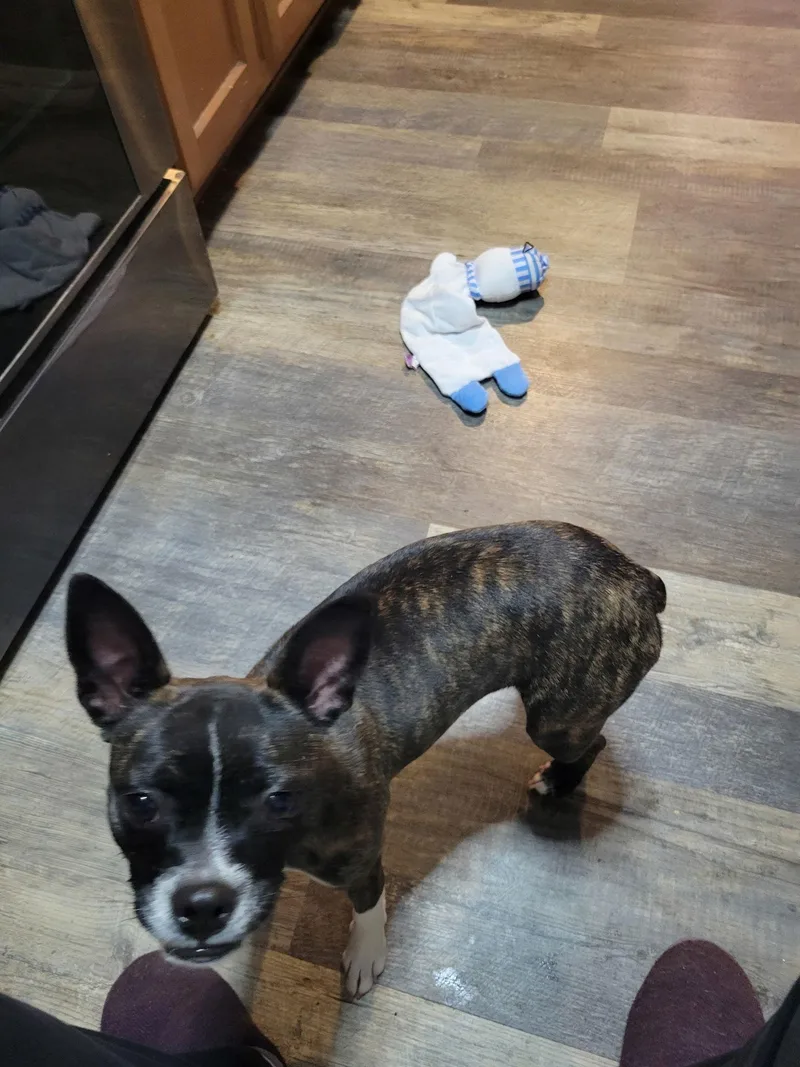
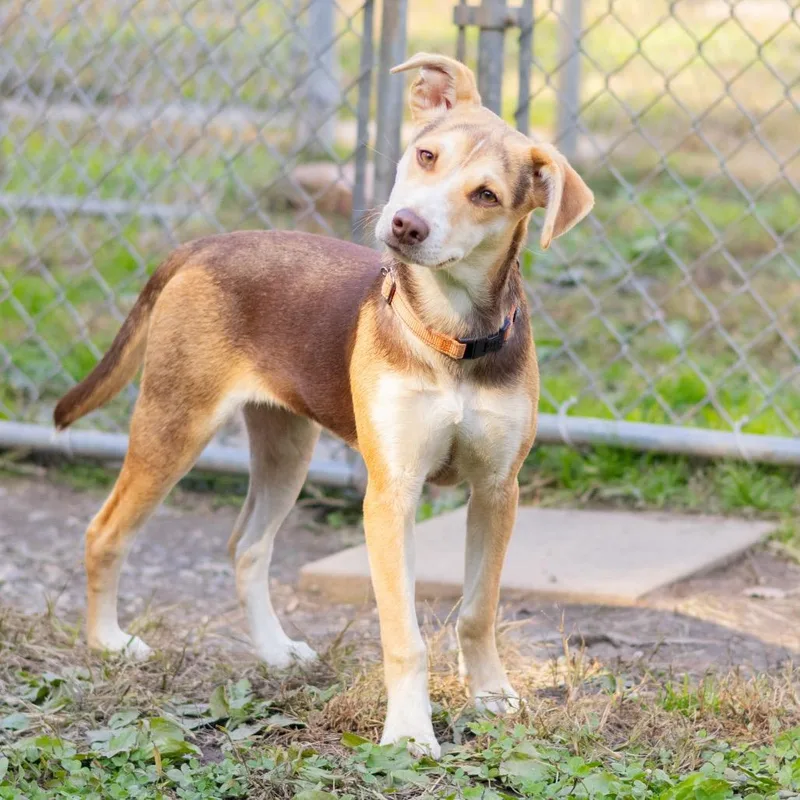
7955 dogs similar to Hamiltonstovare available in Wilmington and nationwide

Say hello to your Hamiltonstovare

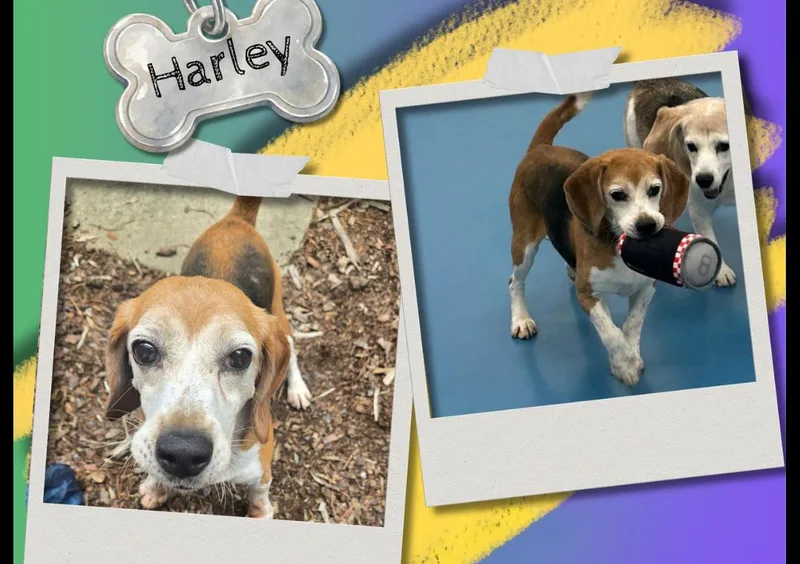
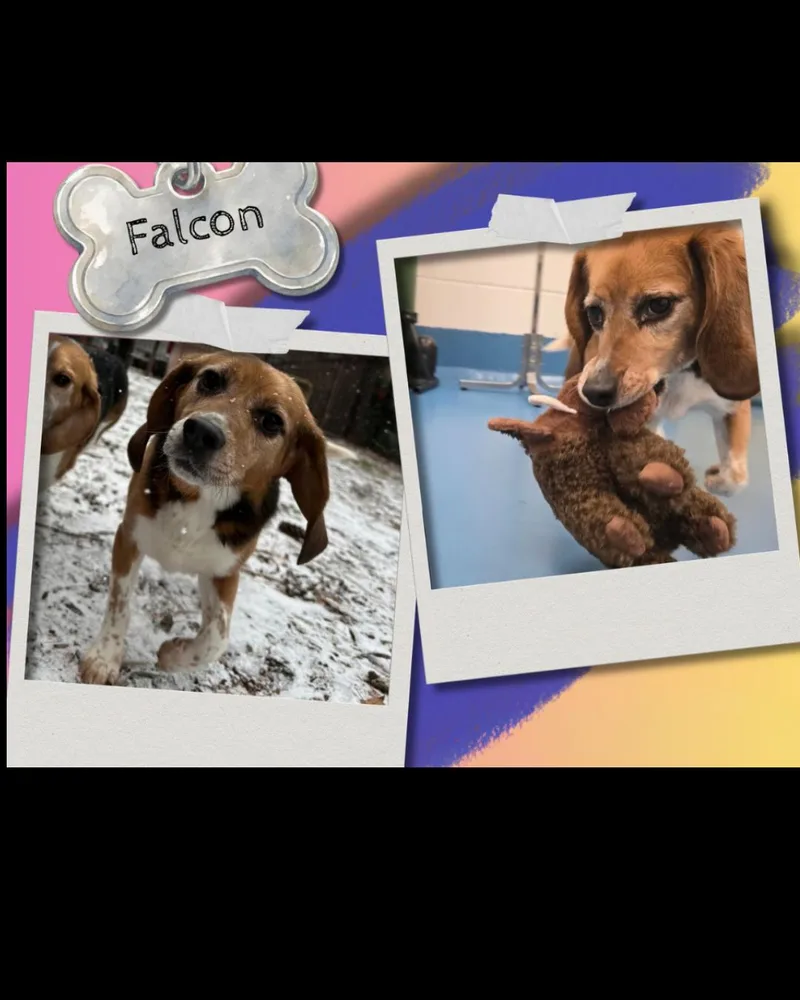
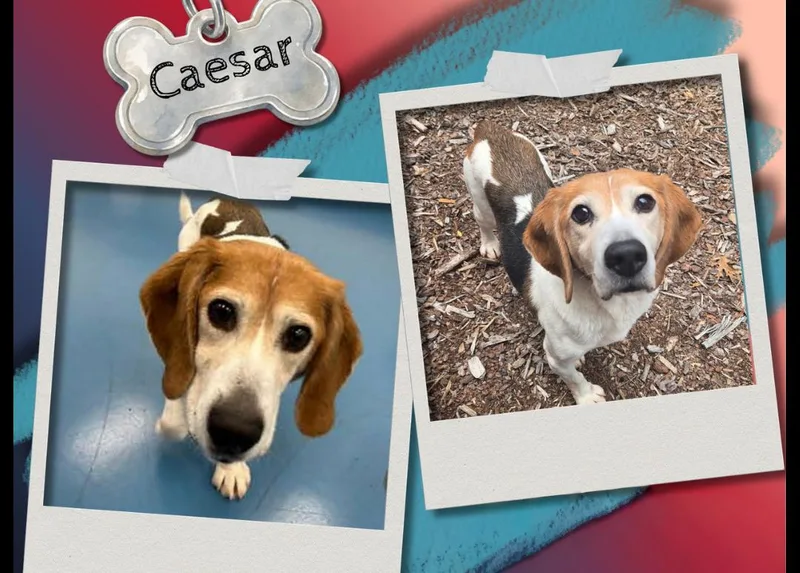
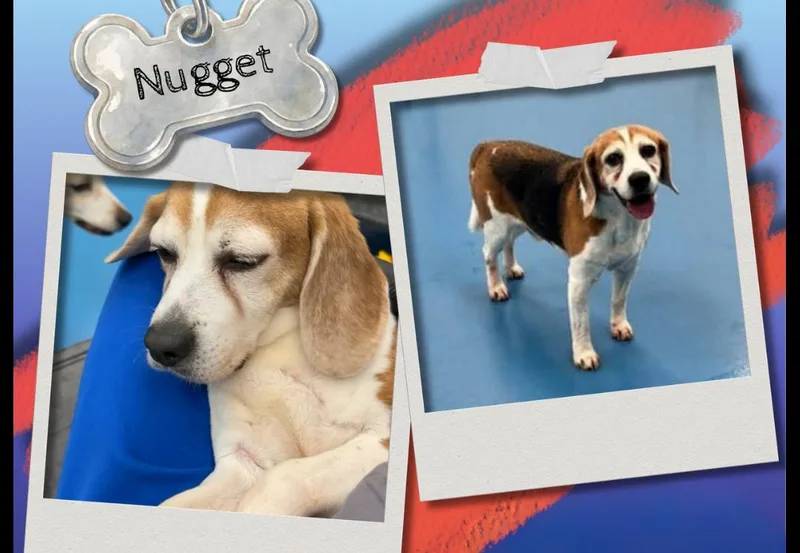
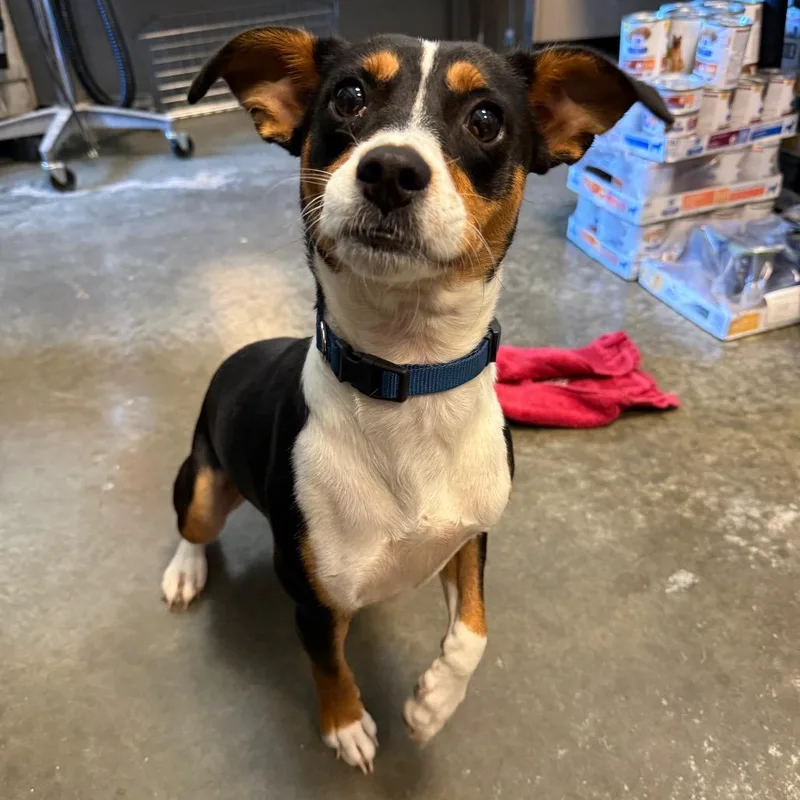
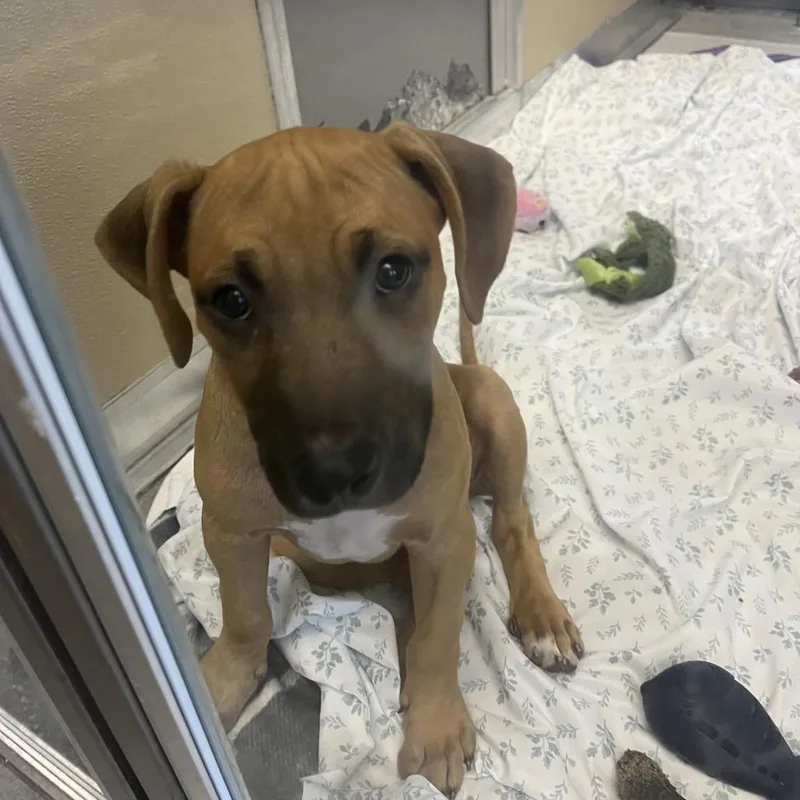
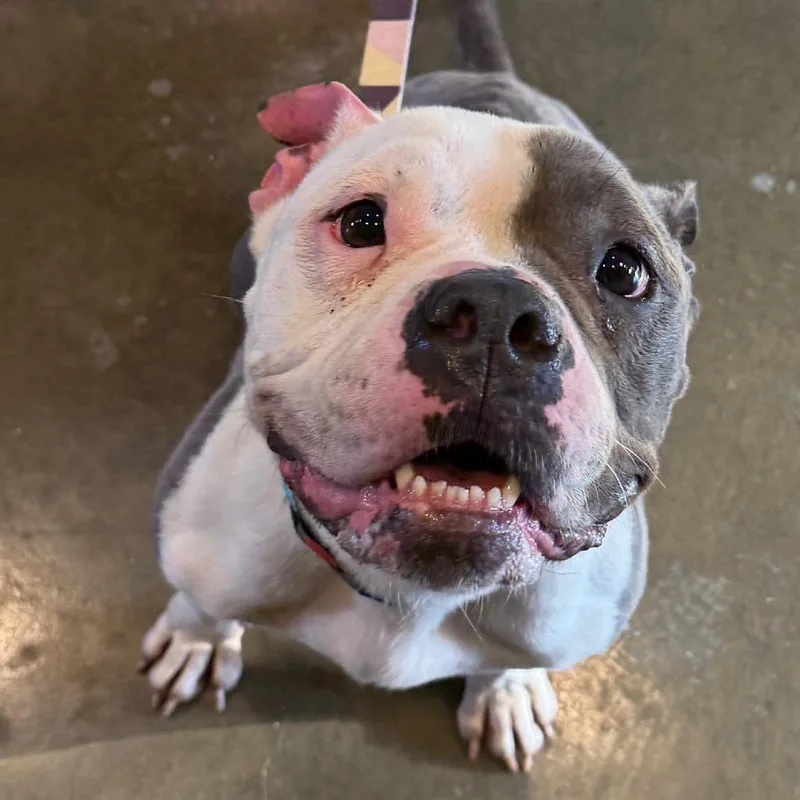
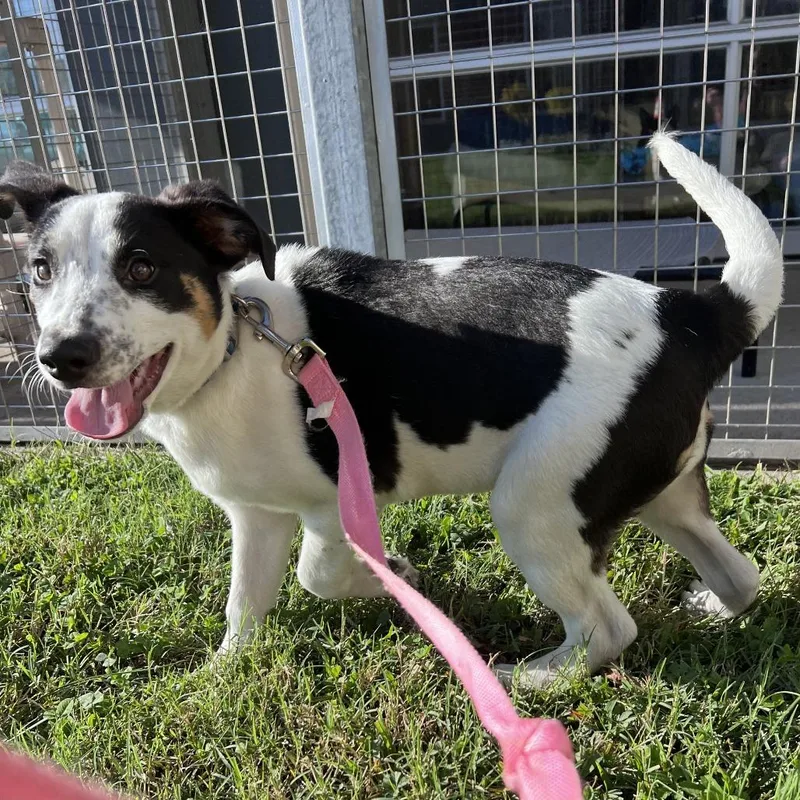
Hamiltonstovares and Similar Breeds Available for Adoption Near Wilmington

About the Hamiltonstovare breed

The Hamiltonstovare was created in Sweden by Count Adolf Hamilton, founder of the Swedish Kennel Club, and first shown in 1886. It was developed to trail hare and fox alone rather than in a pack, giving voice on the scent so hunters could follow. Medium-sized and athletic, it wears a close-lying coat in black, tan and white.

Many Hamiltonstovares are friendly and even-tempered with people and other dogs, though each dog varies. In Wilmington that sociable streak fits busy rowhouse blocks and park paths, but the nose still decides where the dog wants to go. Expect daily exercise, patient training and secure fencing. Outside Scandinavia the breed is uncommon, so similar hounds and nearby cities are worth browsing too.

Weight
50–60 lbs
Height
19–24 in
Lifespan
10–13 yrs
Temperament
Friendly, Energetic, Independent
Group
Hound
Shedding
Moderate

Owning a Hamiltonstovare in Wilmington

Having a Hamiltonstovare in Wilmington

Hamiltonstovares pair a calm home manner with the stamina of a hound bred to work alone. In Wilmington, the nose, the voice and the need for daily movement matter more than the dog's medium size or easy-care coat.

Temperament

Hamiltonstovares are typically friendly and even-tempered, and many enjoy other dogs, though every dog differs. They can be stubborn and easily distracted by scent, so short, rewarding training sessions work well. On busy Wilmington sidewalks, expect a dog that greets people happily. Small pets may trigger chasing, so introduce them carefully.

Exercise Needs

Plan on an hour or more of activity daily: brisk walks, jogging once mature, or hiking on a long line. Leashed paths like the Northern Delaware Greenway and the Riverwalk suit a scent hound well. Off-leash play belongs in fenced or designated areas, since a fresh trail can override recall. Scent games tire the mind too.

Health Considerations

The breed is generally considered sturdy, though little health data exists outside Scandinavia. Hip dysplasia occurs, and drop ears need regular checks for infection, especially after damp, rainy weeks. Keeping the dog lean protects its joints. Schedule routine wellness visits, and have a veterinarian check hips, ears and teeth after adoption.

Living Space

A house with a securely fenced yard suits most Hamiltonstovares, and Wilmington's rowhouses and apartments can work for an adult that gets long daily outings. Baying from boredom or long hours alone may carry through shared walls. The short coat handles cool weather, but this dog belongs indoors with the family.

What it costs to own a Hamiltonstovare in Wilmington

ExpenseTypical costPer year
Food$35 to $70 per month$420 to $840
Pet insurance$45 to $85 per month$540 to $1,020
Routine vet care$225 to $450 per year$225 to $450
Other*$435 to $1,165 per year$435 to $1,165
Estimated yearly total (after year one)$1,620 to $3,475

Other costs are estimates and vary with size, age and health.

* The Delaware dog license ($10 to $15 a year), a dental cleaning, flea, tick and heartworm prevention, toys and bedding, and occasional brushing and baths.

Adopt a Hamiltonstovare in Wilmington.

Now that you know more, let’s find you a new best friend. These rescues and shelters below have dogs available in and near Wilmington.

Rescues and Shelters in or near Wilmington

Wilmington and nearby New Castle have shelters and rescues that take in dogs of every breed, size and age. Here are the rescues & shelters in the Wilmington area with dogs available for adoption, worth asking whether a Hamiltonstovare is coming in.

Frequently Asked Questions

A Hamiltonstovare fits Wilmington well if you can offer daily long walks and secure fencing or leashed routes. Brandywine Park and Rockford Park give it room to explore, and the short coat suits cold winters. It's a harder fit for people away all day, since a bored hound may bay and wander by nose.

Yes, you can. Wilmington has no known breed-specific rules, and Delaware law doesn't allow a dog to be labeled potentially dangerous on breed alone. Beyond licensing and rabies shots, the rules most likely to affect a hound are the leash law, the limit of nine hours of tethering in 24, and the ban on tethering dogs under four months.

Yes, an adult Hamiltonstovare can live in a Wilmington apartment if it gets long daily outings and mental work like scent games. Ground-floor units or buildings near Brandywine Park make quick trips outside easier. Plan for noise, since a bored hound may bay, and confirm the lease's weight limit before applying.

Brandywine Park and Rockford Park hold Wilmington's three off-leash areas, while the Northern Delaware Greenway and the Riverwalk suit leashed walks. Because a Hamiltonstovare follows scent, keep the leash on until you reach the off-leash boundary, and make sure recall is solid. Dogs aren't allowed in Brandywine Park's playground, zoo or picnic areas.

Yes, most handle it well. Winter averages 26 to 41°F with about 90 freezing nights a year, and the breed's short double coat thickens in the cold. Dry paws after salted sidewalks, cut walks short on icy days, and keep the dog indoors, since Delaware law bars leaving a dog outside unattended in hazardous weather.

Not on buses. DART First State says riders leave their pets at home, with the exception of guide dogs. SEPTA's Wilmington/Newark Line trains require pets to be in a carrier, which is impractical for a 50 to 60 pound hound, so plan on walking or driving to the park.

Yes, on patios at restaurants that choose to allow dogs. A 2020 Delaware law lets businesses welcome leashed dogs in outdoor seating, but each place decides, and dogs other than service animals aren't allowed indoors. Bring water and a mat, and expect a food-scented patio to test a hound's focus.

Very little. The harsh, close-lying coat needs a weekly brush, a bit more when the winter undercoat sheds in spring and fall, plus occasional baths and regular ear checks. Most owners handle this at home, which keeps the Other costs of $435 to $1,165 a year modest, with professional baths optional.

Yes, Hamiltonstovares shed, though their short, close-lying coat makes care easy. Expect a moderate amount of hair year-round, with heavier shedding when the coat changes with the seasons. A weekly once-over with a rubber curry brush or hound glove removes most loose hair. They are not hypoallergenic, so people with dog allergies should spend time with one before adopting.

A Hamiltonstovare typically costs about $1,600 to $3,500 a year in Wilmington. That covers food at $35 to $70 a month, insurance at $45 to $85 a month, routine vet care at $225 to $450 a year, and other costs of $435 to $1,165 a year. Emergencies and training are extra.