Curly-Coated Retriever Dogs for Adoption in Wilmington, DE

Your guide to finding and caring for a Curly-Coated Retriever in Wilmington

Curly-Coated Retrievers fit Wilmington best with owners who'll walk them hard every day. A tall, water-loving retriever can burn off energy on the leashed paths of Brandywine Park, near Midtown Brandywine, or along the Riverwalk beside the Christina. They're more reserved with strangers than Labs or Goldens, so busy sidewalks take some practice. If you're picturing a calm rowhouse dog, keep in mind a Curly needs a job, a routine and plenty of room to swing that tail.

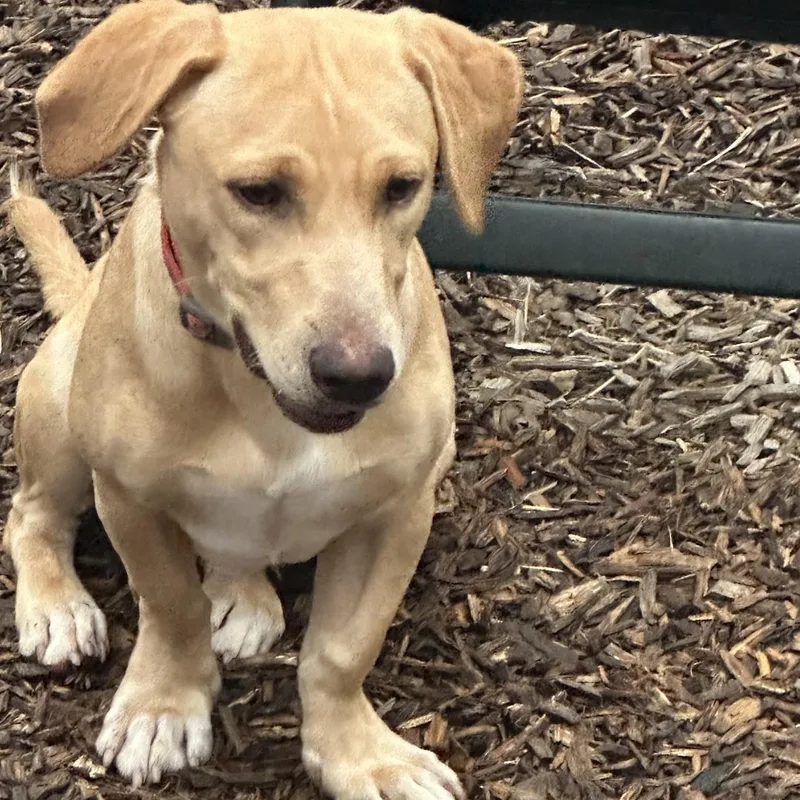
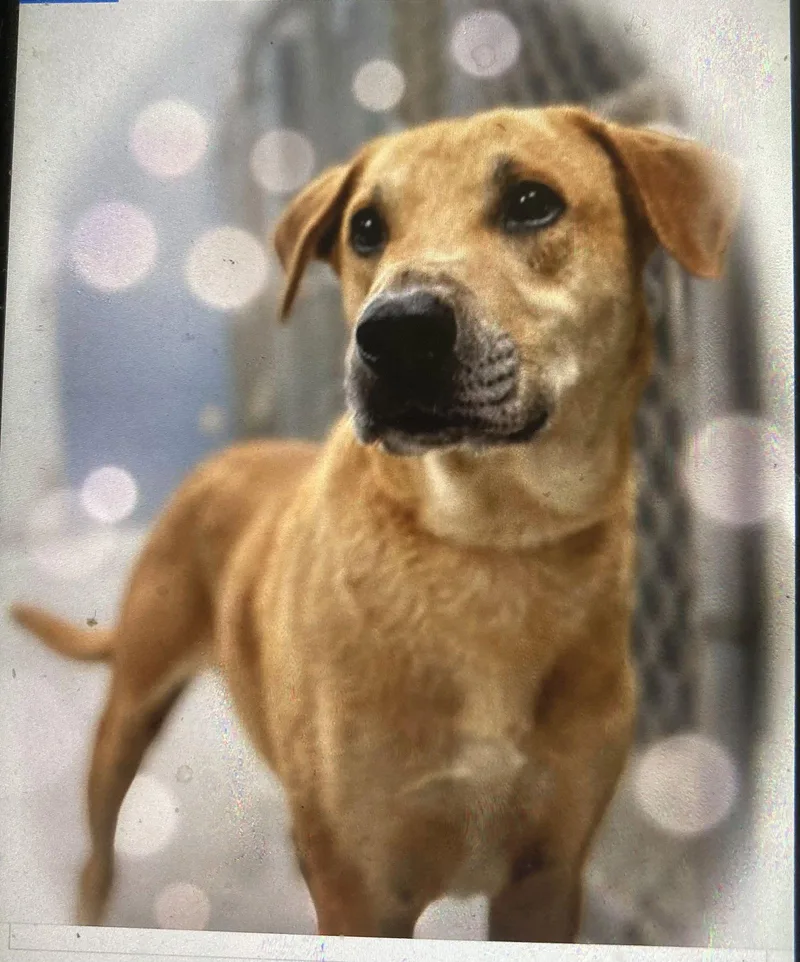
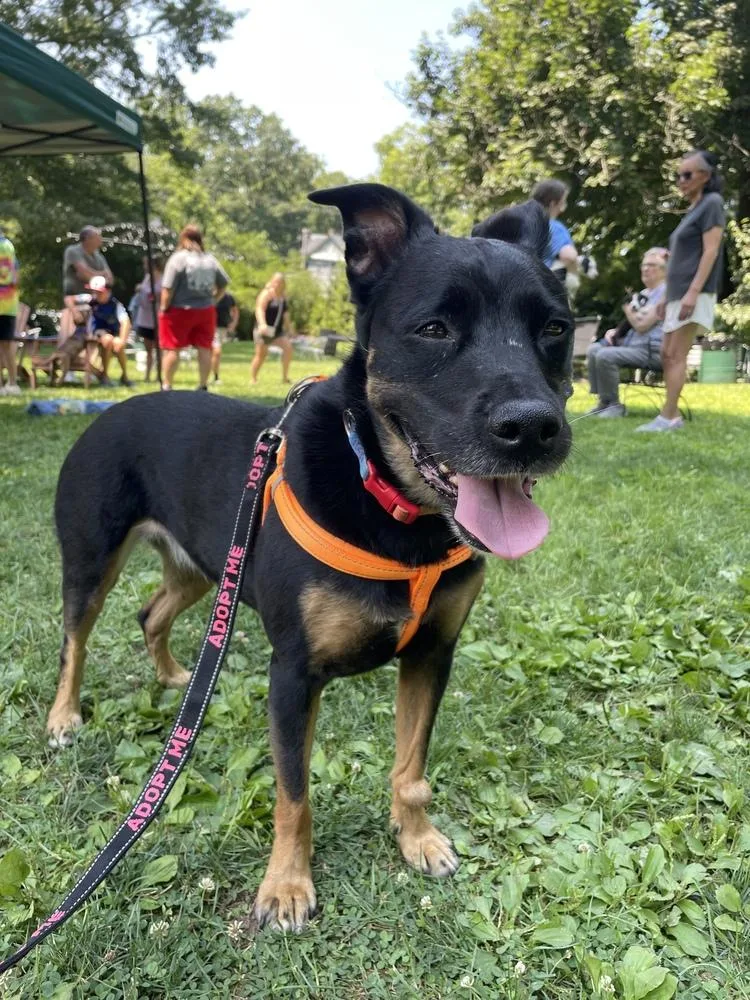
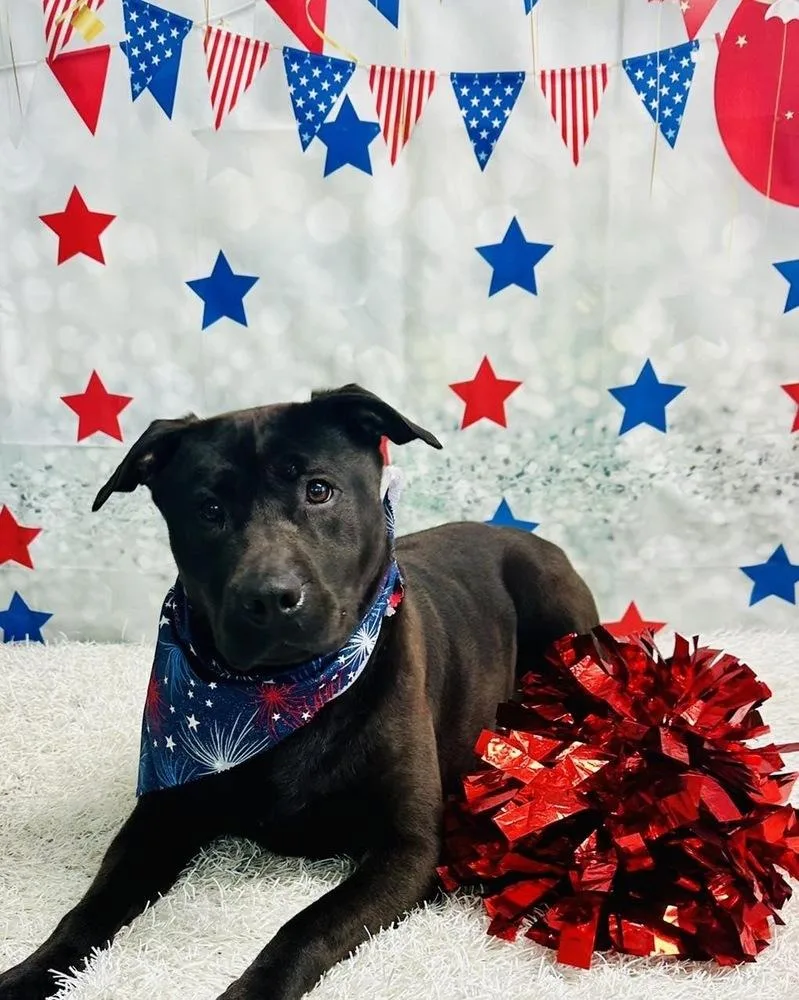
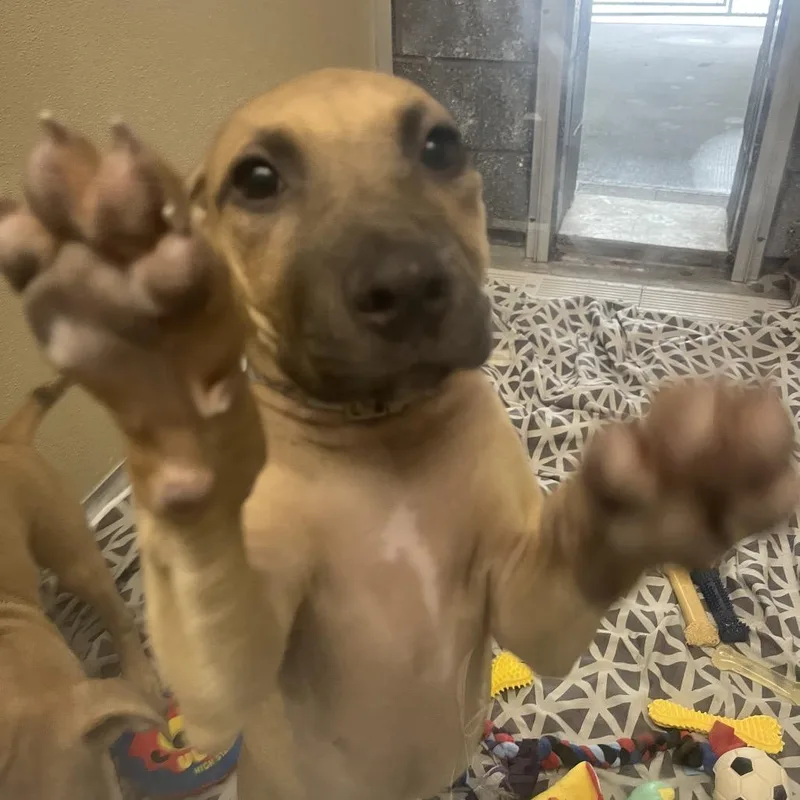
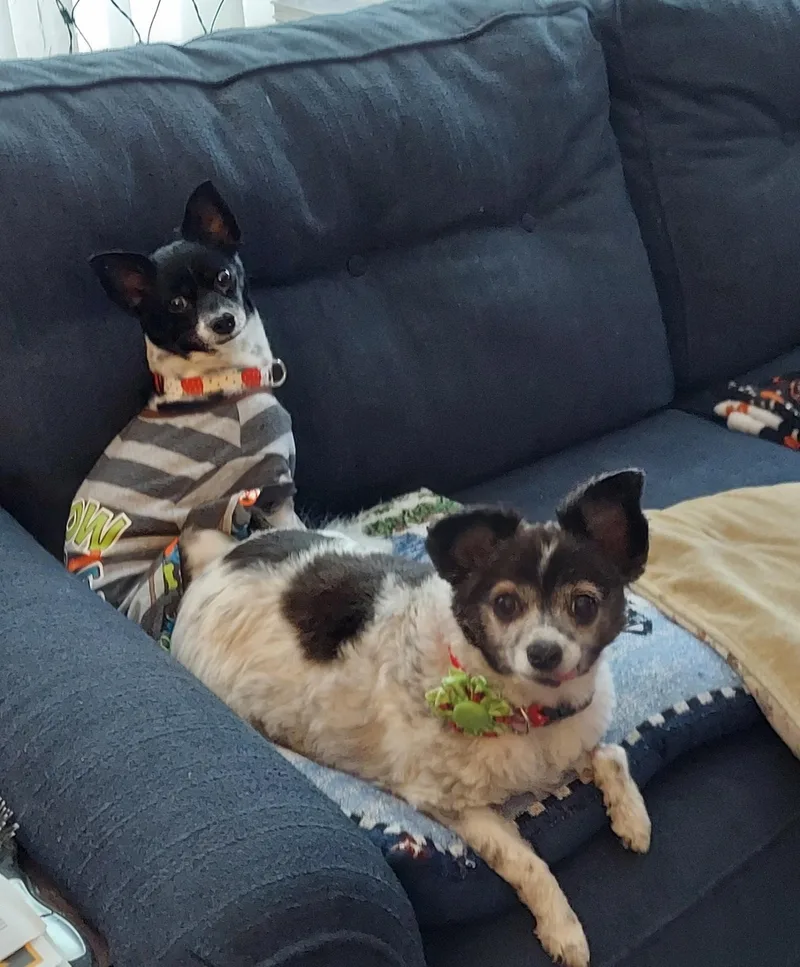
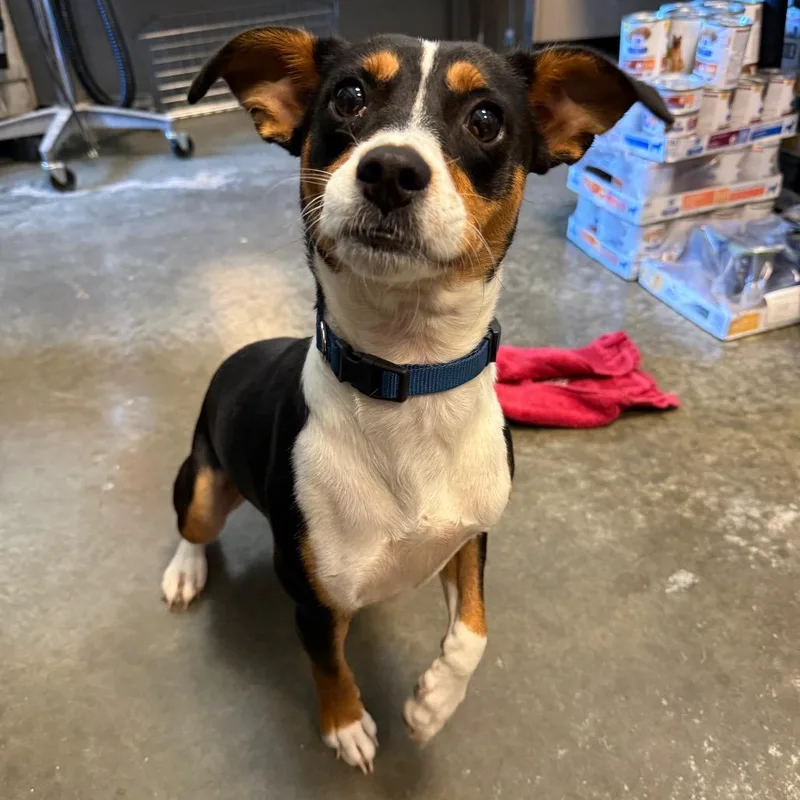
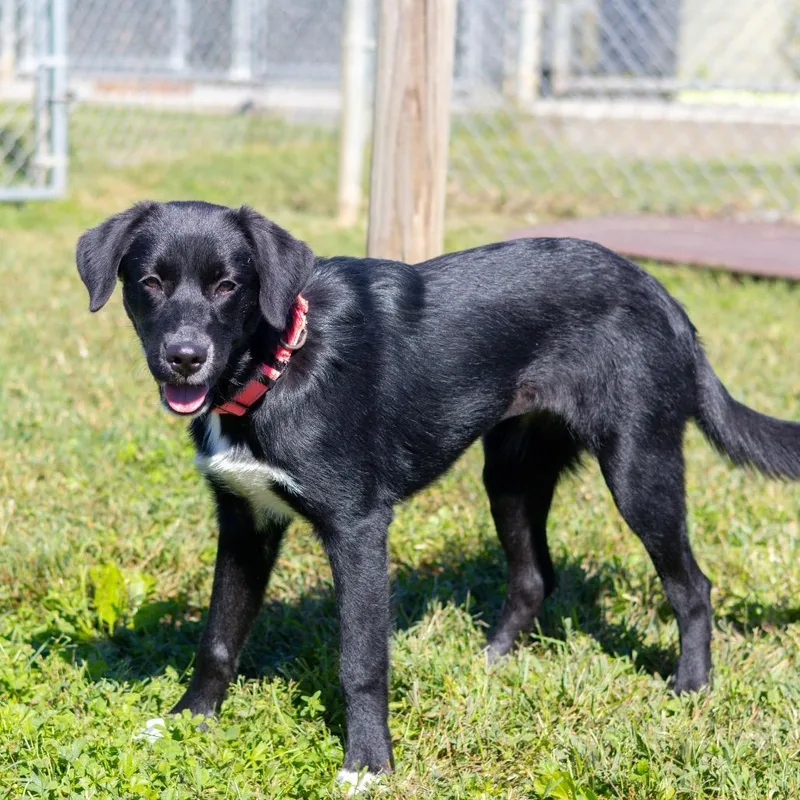
15109 dogs similar to Curly-Coated Retriever available in Wilmington and nationwide

Bring home a Curly-Coated Retriever

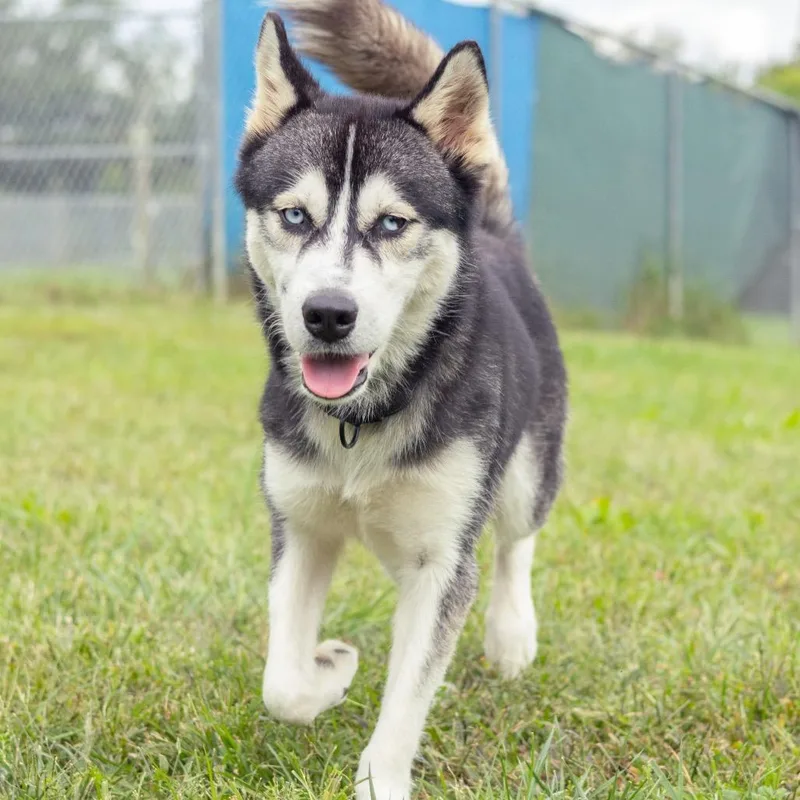
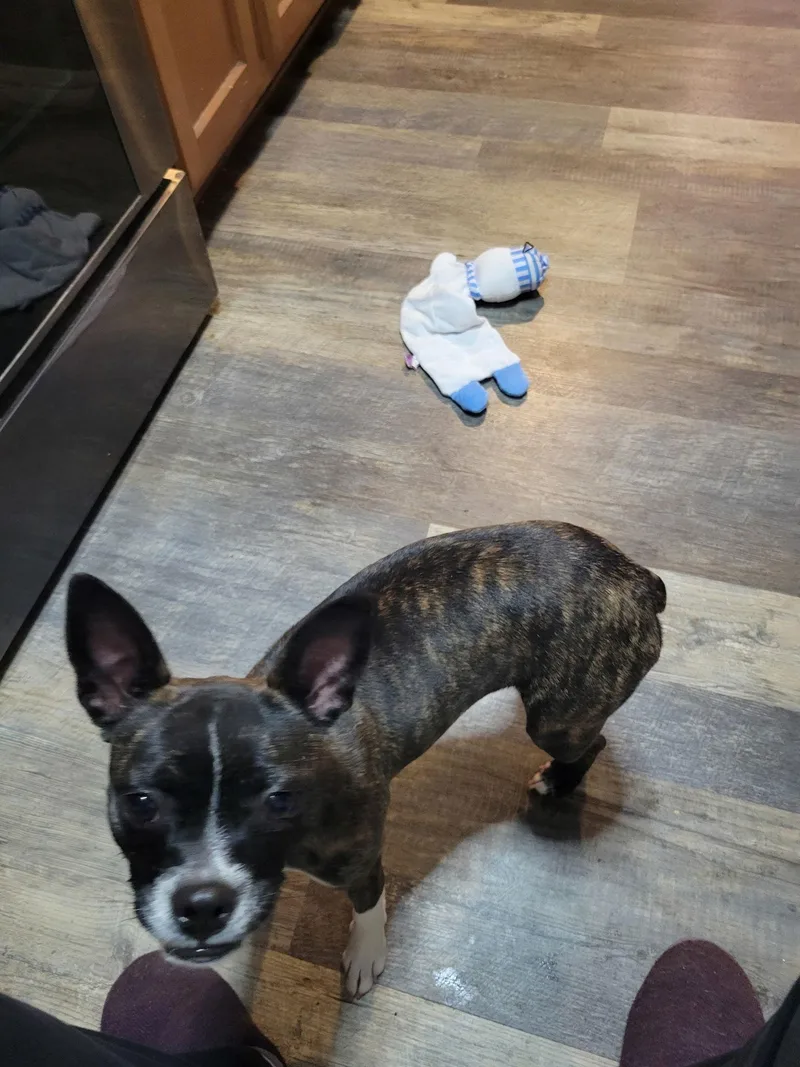
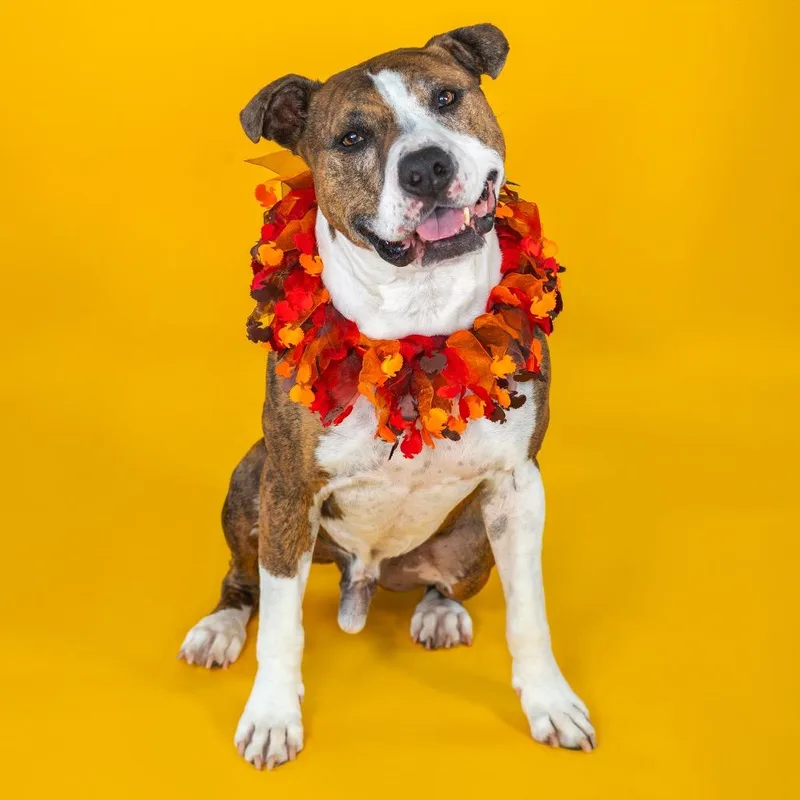
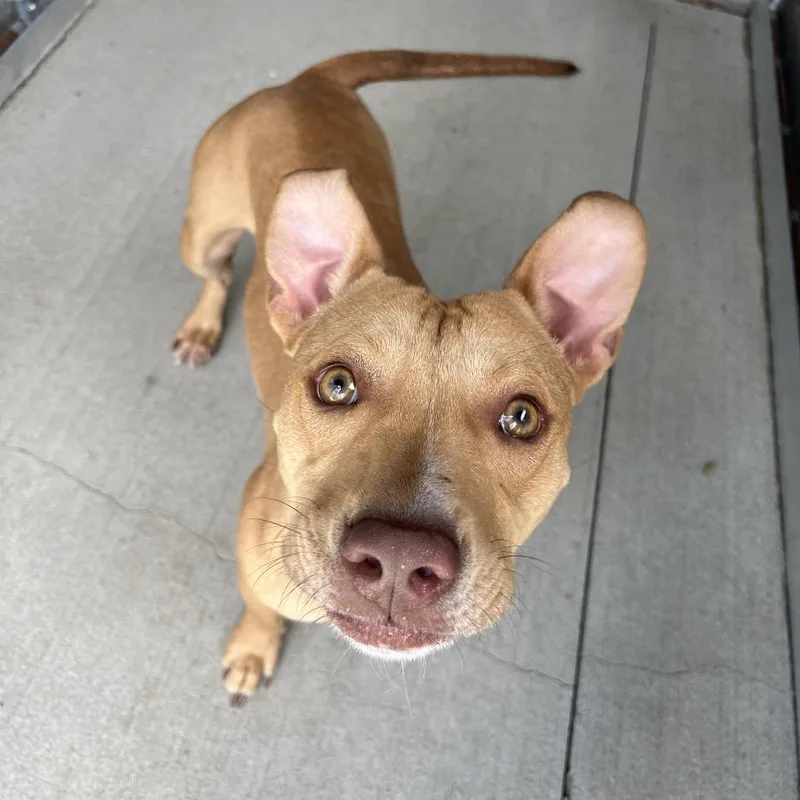
Curly-Coated Retrievers and Similar Breeds Available for Adoption Near Wilmington

About the Curly-Coated Retriever breed

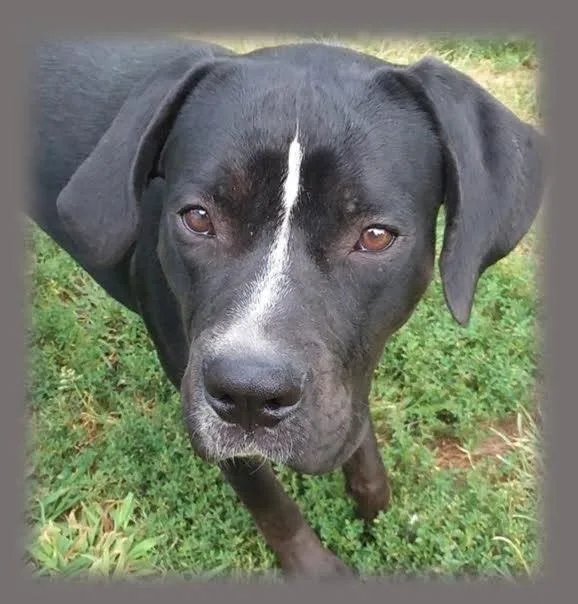
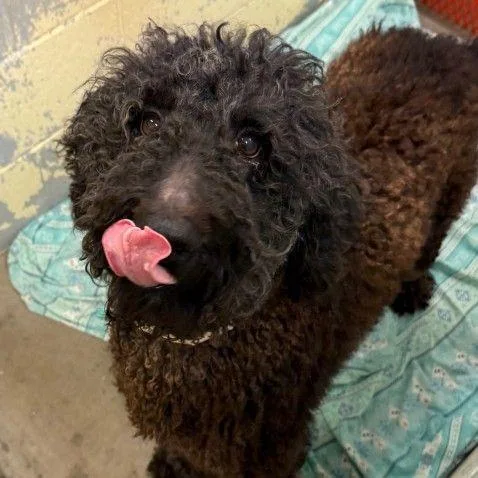
The Curly-Coated Retriever is one of the oldest retriever breeds, shown in England by around 1860 after gamekeepers developed it for waterfowl and upland birds. It's the tallest of the retrievers, usually 23 to 27 inches and 60 to 95 pounds, with a coat of tight, crisp curls that shed water and brambles. Curlies come in solid black or liver, and the face and front legs stay smooth.

Many Curlies are more independent and more reserved with strangers than Labs or Goldens, and they often stay playful for two or three years. With their families they tend to be affectionate and gentle. In Wilmington, that points to an active household that enjoys long outings, steady training and a dog that sometimes wants a say in the plan. The coat is dampened and finger-combed rather than brushed.

Weight
60–95 lbs
Height
23–27 in
Lifespan
10–12 yrs
Temperament
Confident, Intelligent, Independent
Group
Sporting
Shedding
Low to Moderate

Owning a Curly-Coated Retriever in Wilmington

Having a Curly-Coated Retriever in Wilmington

A Curly pairs a retriever's stamina with a more self-possessed outlook. In Wilmington, its tight, water-shedding coat, slow maturity and need for daily work matter more than looks, and they shape how well a dog fits your routine, your building and your walking options.

Temperament

Curlies are usually devoted to their own people and politely aloof with new faces, so crowded Wilmington sidewalks and visitors call for early, patient socialization. They're clever and independent, and may balk at repetitive drills. Reward-based training works best. Many stay puppyish for two or three years, and personalities vary from dog to dog.

Exercise Needs

Plan on vigorous daily exercise: long leashed walks, jogging, retrieving and swimming. Leashed paths in Brandywine Park, the Northern Delaware Greenway and the Riverwalk give you miles, and the three off-leash areas in Wilmington State Parks, two in Brandywine Park and one in Rockford Park, allow a run once a dog's recall is solid. Add scent games for the brain.

Health Considerations

Curlies can face hip and elbow dysplasia, exercise-induced collapse, glycogen storage disease type IIIa, inherited progressive retinal atrophy, heart disease and coat loss from follicular dysplasia. Deep-chested dogs are also at risk of bloat, so avoid hard exercise right around meals. Delaware requires a rabies vaccine from six months, and a veterinarian can advise on screening.

Living Space

A Curly does best with a securely fenced yard, though a committed apartment or rowhouse dweller can manage with enough daily exercise. Space matters less than routine. Expect a tall, 60-to-95-pound dog whose busy tail needs room indoors, and who wants to live with the family rather than in a kennel or outside.

What it costs to own a Curly-Coated Retriever in Wilmington

ExpenseTypical costPer year
Food$55 to $110 per month$660 to $1,320
Pet insurance$65 to $130 per month$780 to $1,560
Routine vet care$250 to $500 per year$250 to $500
Other*$485 to $1,265 per year$485 to $1,265
Estimated yearly total (after year one)$2,175 to $4,645

Other costs are estimates and vary with size, age and health.

* The Delaware dog license, flea, tick and heartworm prevention, a yearly dental cleaning allowance, toys and bedding, and light coat care with occasional trims.

Adopt a Curly-Coated Retriever in Wilmington.

Now that you know more, let’s find you a new best friend. These rescues and shelters below have dogs available in and near Wilmington.

Rescues and Shelters in or near Wilmington

Wilmington and nearby New Castle are home to shelters and rescues that take in dogs of all sizes and ages. Here are the rescues & shelters in the Wilmington area with dogs available for adoption, worth asking whether a Curly-Coated Retriever is coming in.

Frequently Asked Questions

Yes. Wilmington has no known breed-specific rules, so a Curly is treated like any other dog, and state law bars dangerous-dog findings based on breed alone. Delaware's barking rule applies, with a warning and then fines for continuous barking of 15 minutes or intermittent barking of 30. Tethering a dog nine hours or more in 24 is cruelty.

A Curly fits Wilmington if you're active, home often and happy with daily outings. The city's park and riverfront paths give plenty of outlets, but a Curly's reserve with strangers means busy sidewalks need patient practice. It's a harder fit for owners away long hours or wanting a low-effort dog, since bored Curlies tend to invent their own entertainment.

It can, if exercise is truly daily, but a 60-to-95-pound dog is a stretch for small units. Look for a building without weight limits, and teach settling early since noise carries through shared walls and Delaware has a barking rule. A pet deposit can't exceed one month's rent, so budget for it before you move in.

Brandywine Park and Rockford Park hold the city's three off-leash areas, a good outlet for a Curly with solid recall. For leashed miles, try the roughly 10-mile Northern Delaware Greenway or the 1.2-mile Riverwalk. The Jack A. Markell Trail and Russell Peterson refuge require leashes, partly to protect wildlife.

Yes. Curlies were bred for cold-water work, and the dense coat handles Wilmington's freezing nights well. Healthy adults can enjoy snowy walks, while puppies and seniors need shorter outings. Rinse or wipe road salt from paws and curls afterward, and watch for ice balls between the toes. Keep the dog inside when the weather turns hazardous.

Not easily. DART First State buses don't allow pets other than guide dogs, and SEPTA's Wilmington/Newark Line trains require pets to be in a carrier, which a tall Curly won't fit. Plan on driving to trailheads and vet visits, and make sure the dog is comfortable riding in a car.

Only to patios, and only where the restaurant allows it. Delaware's 2020 law lets restaurants welcome leashed dogs outdoors, but indoor dining stays off-limits except for service animals. A reserved Curly does best with a settled down-stay, so practice before you go and bring water and a mat. Policies vary by restaurant.

Less than the coat suggests. Dampen the curls and separate them with your fingers, because brushing frizzes them. Expect a heavier shed once or twice a year and a rinse after muddy trails or salty winter walks. Occasional trims fall within the yearly Other costs, up to about $100.

Yes, Curly-Coated Retrievers shed, but usually less than most retrievers for much of the year. Many have one or two heavier seasonal sheds when the curls loosen and drop hair, and intact females may shed more after a heat cycle. Owners generally avoid brushing, which frizzes the curls, and instead dampen the coat and work loose hair out by hand.

Budget roughly $2,175 to $4,645 a year for a Curly: $55 to $110 a month for food, $65 to $130 a month for insurance, $250 to $500 for routine vet care, and $485 to $1,265 for everything else. Delaware's dog license is $10 to $15 a year. Insurance and food are the biggest recurring items.