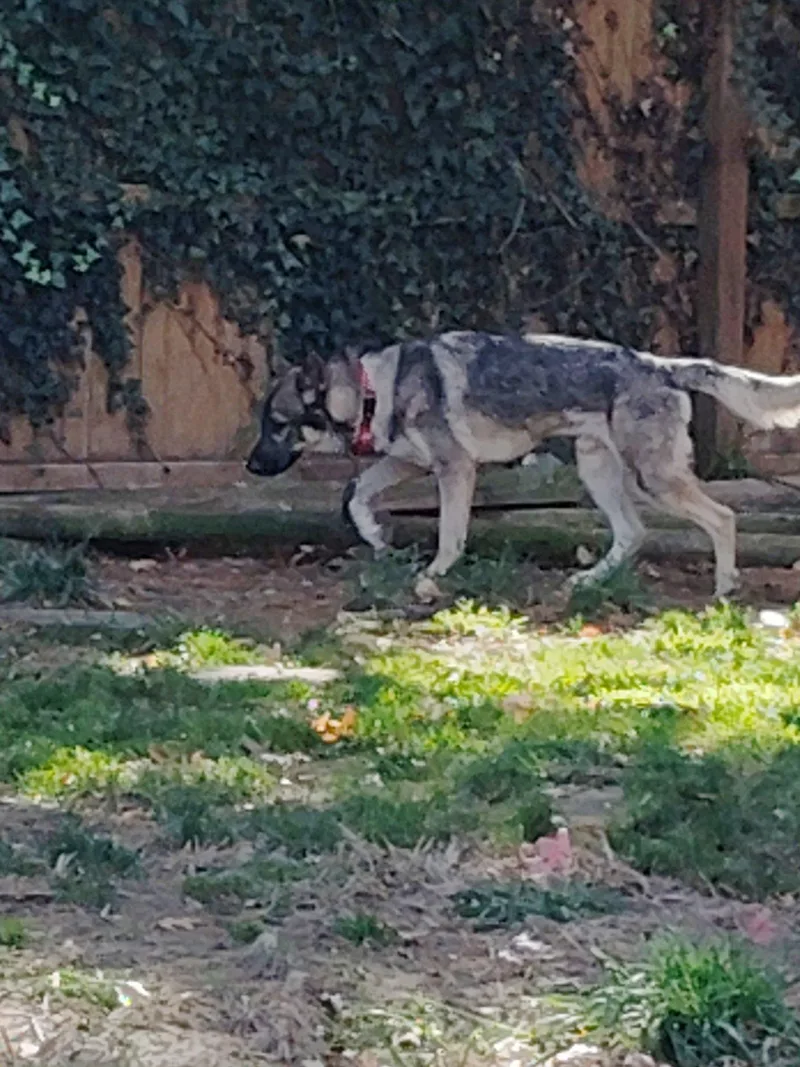
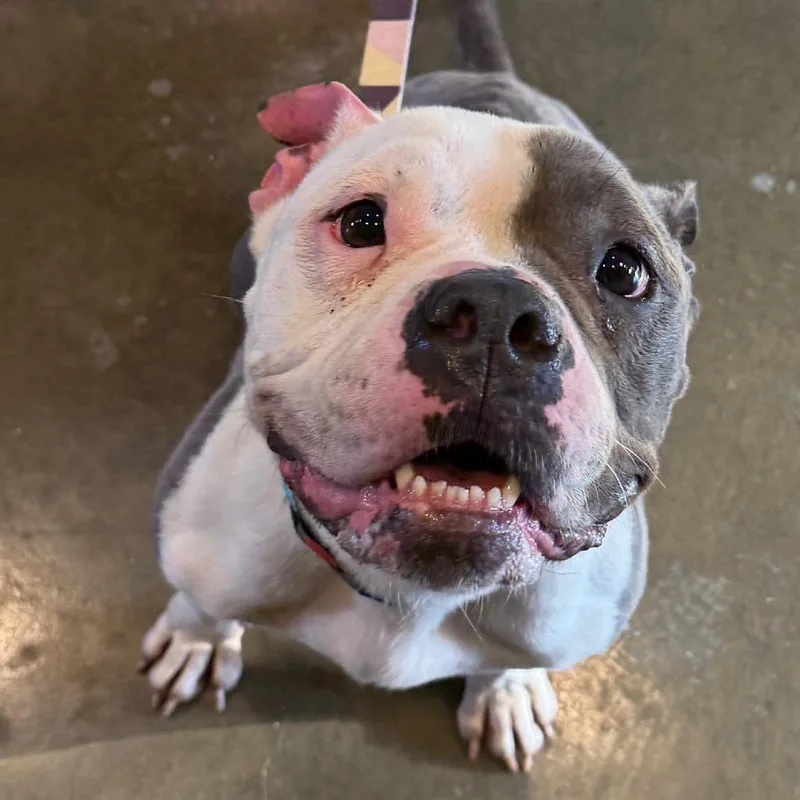
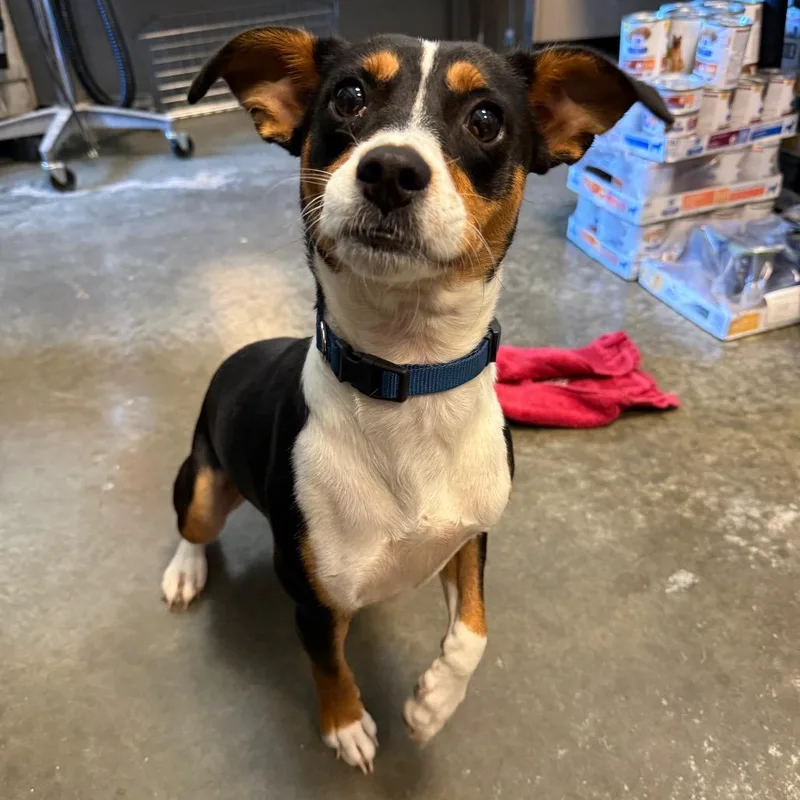
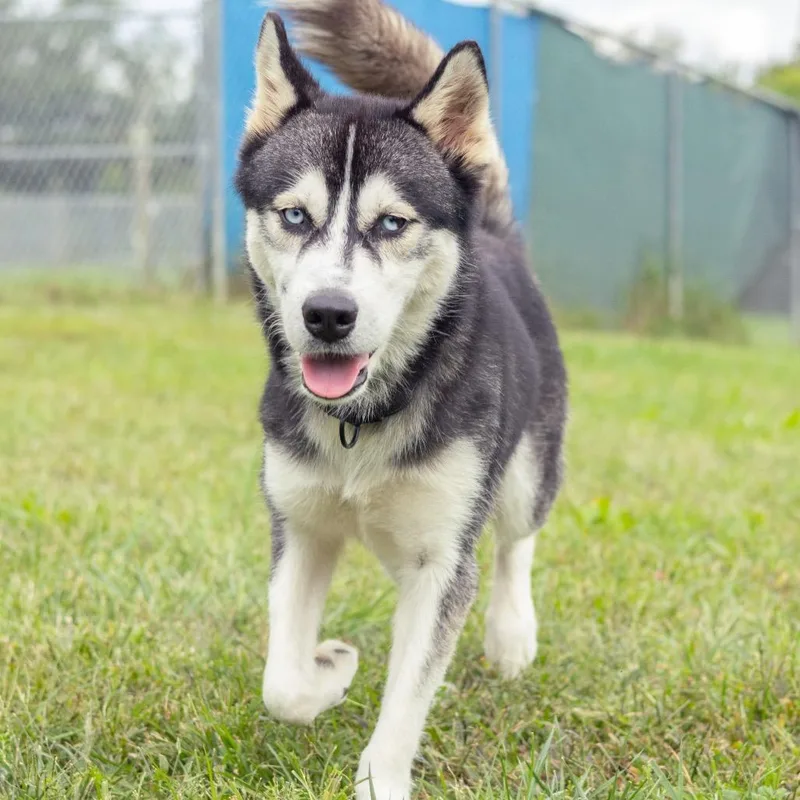
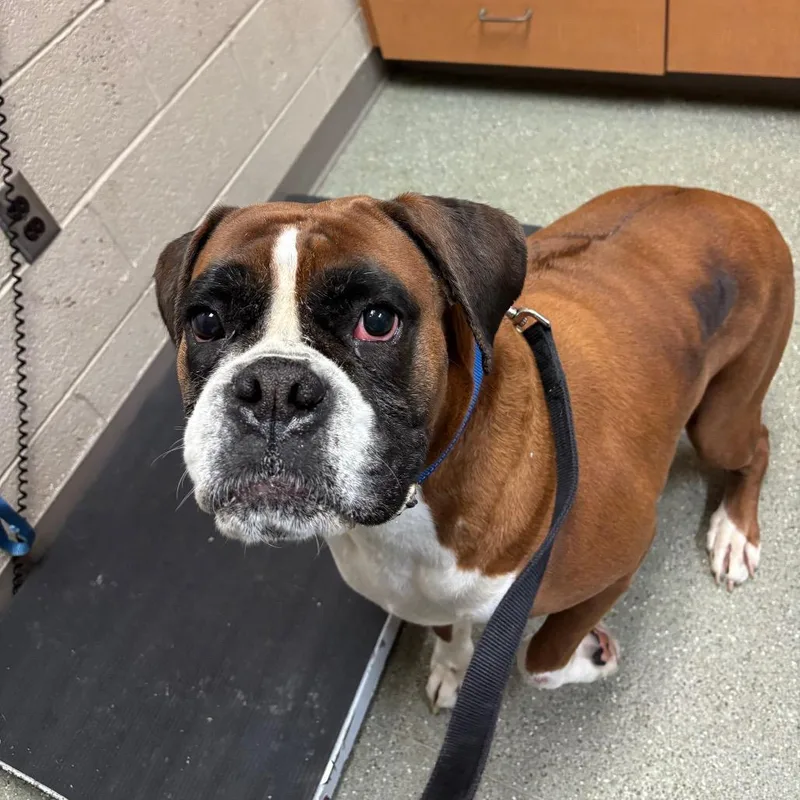
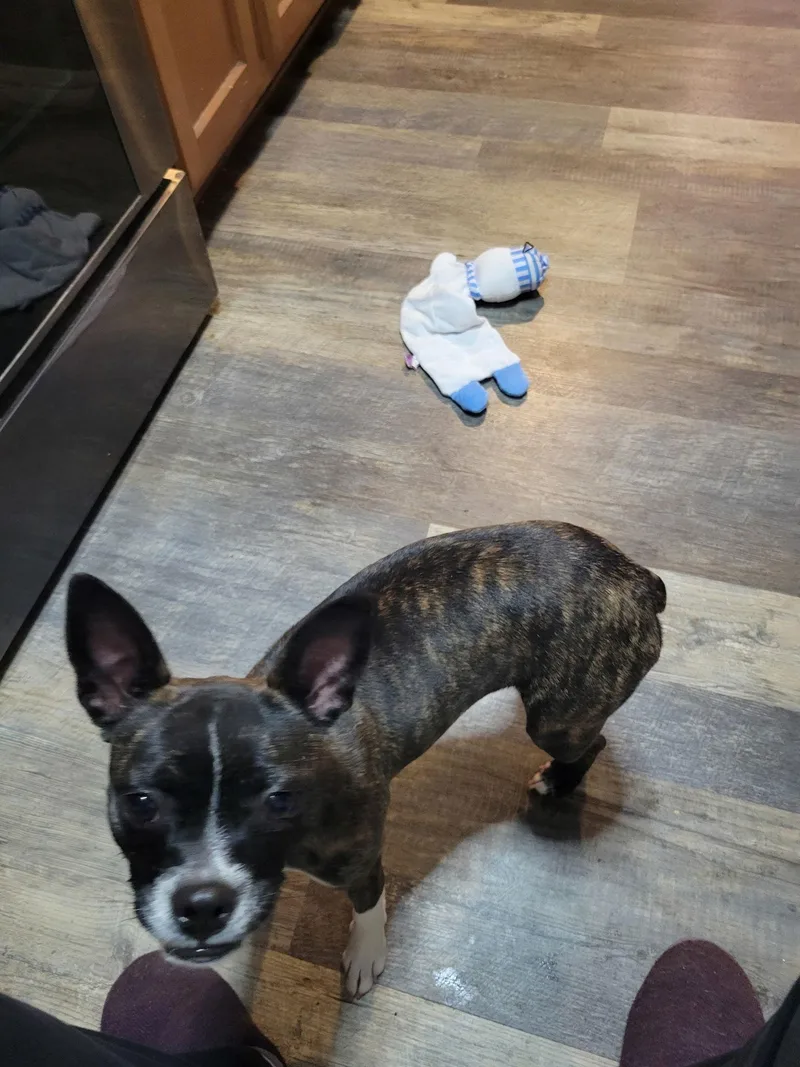
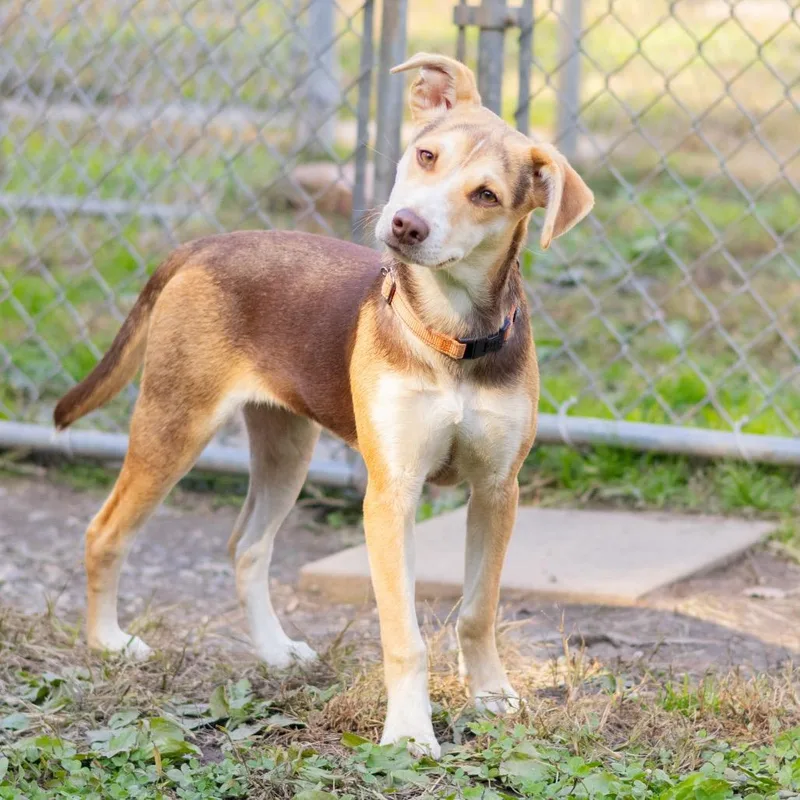
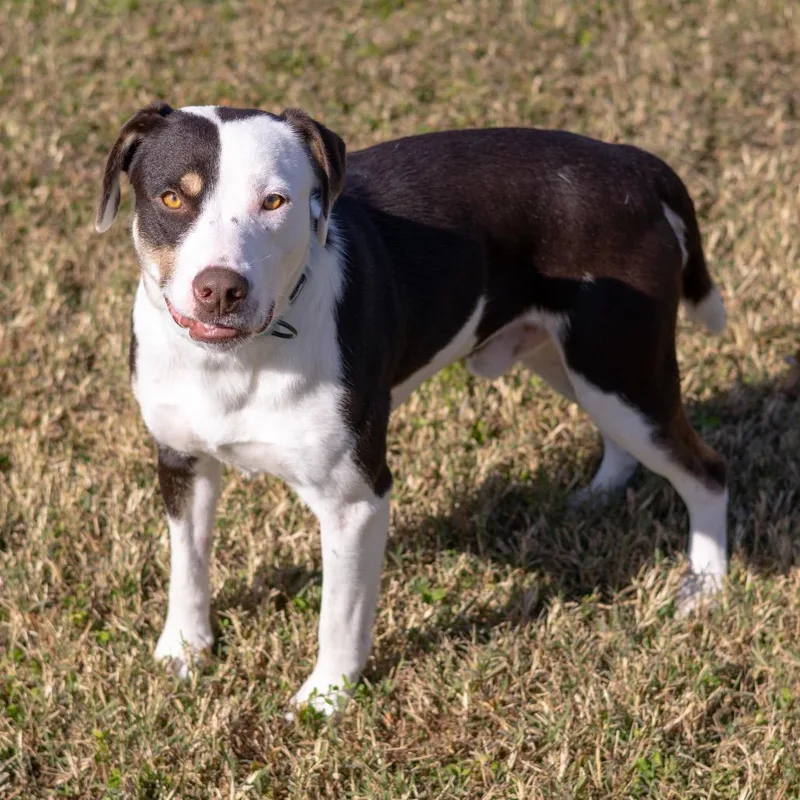
Black Labrador Retriever Dogs for Adoption in Wilmington, DE

Your guide to finding and caring for a Black Labrador Retriever in Wilmington

A black Lab suits Wilmington if you'll walk the dog along the Brandywine every day. Labs are friendly and sturdy, so a Union Park Gardens rowhouse or a Midtown Brandywine apartment can work when the dog gets steady exercise. Brandywine Park has off-leash areas for fetch, and the Riverwalk is good for leashed outings. Black Labs shed a lot, so expect hair on the couch, and keep a damp towel by the door after creek walks.

3029 Black Labrador Retrievers available in Wilmington and nationwide

Find your Black Labrador Retriever

Black Labrador Retrievers Available for Adoption Near Wilmington

About the Black Labrador Retriever breed

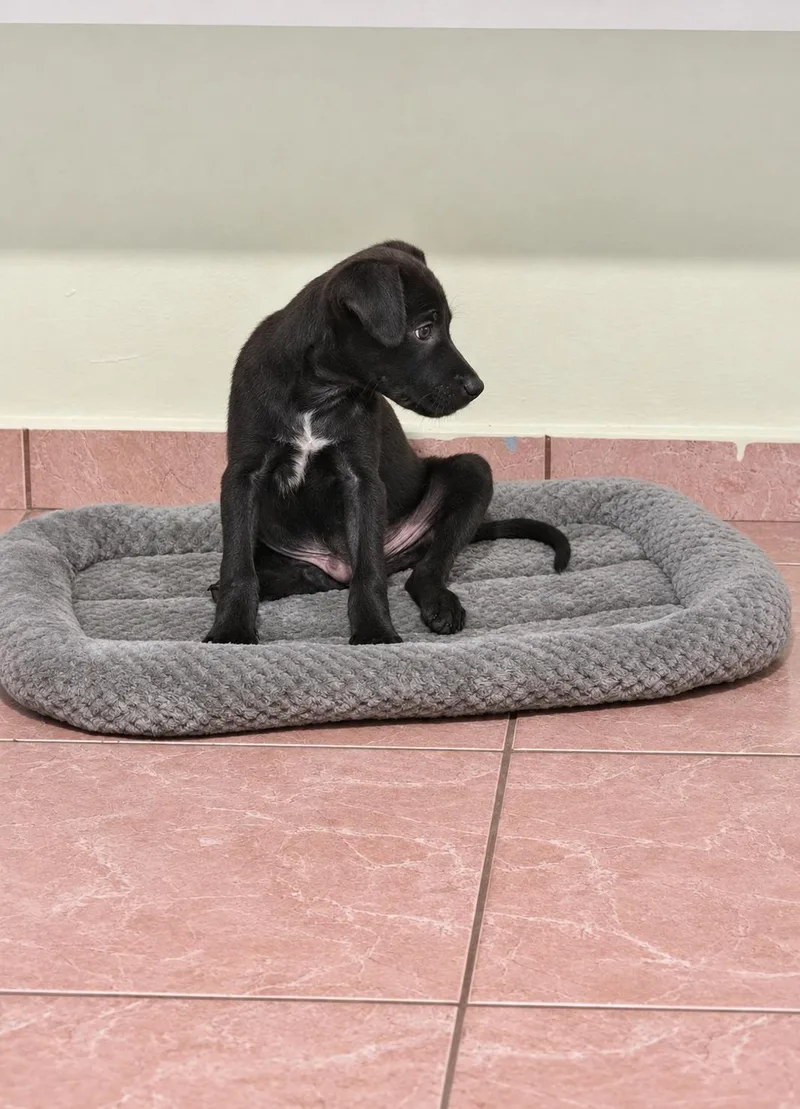
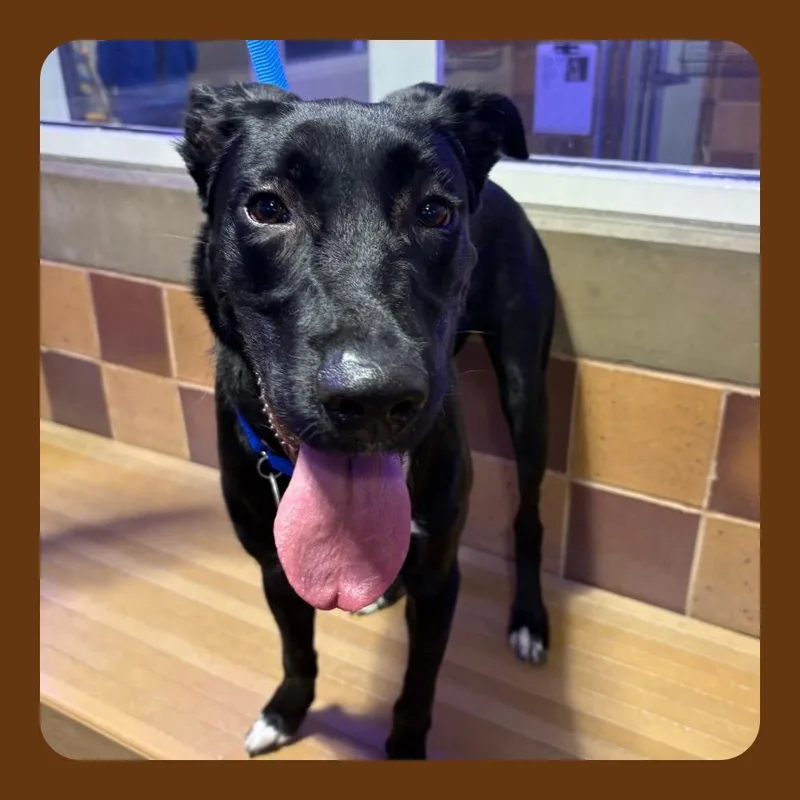
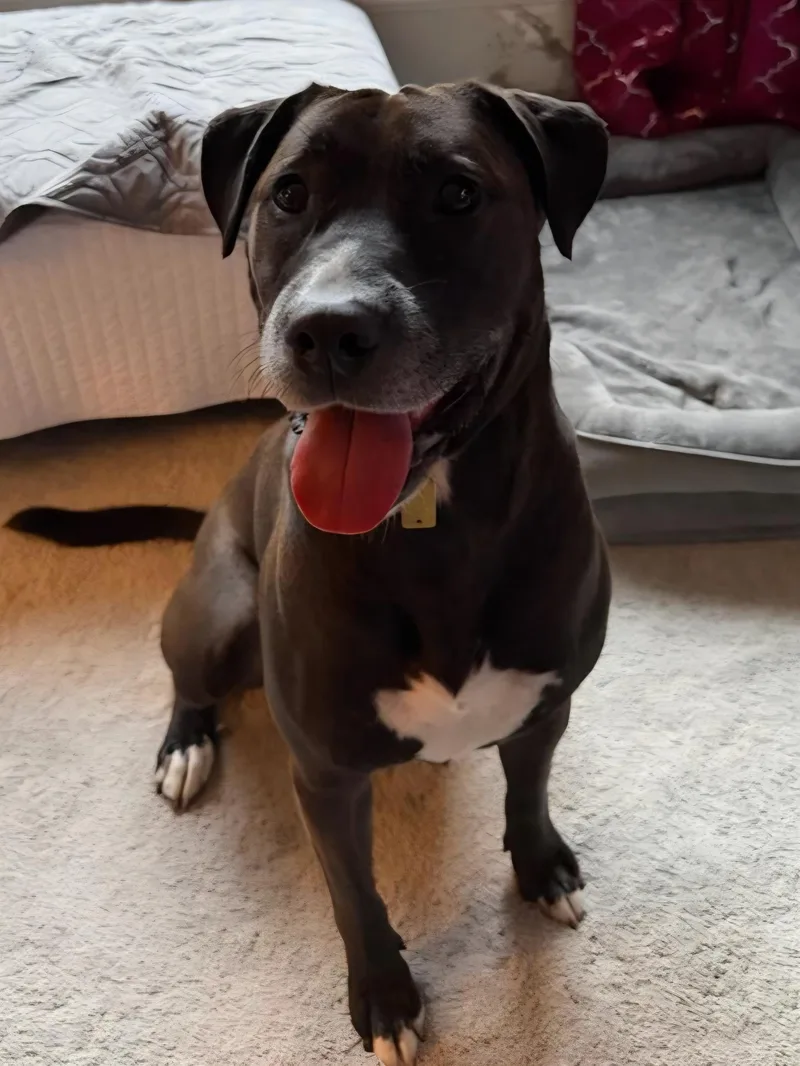
A black Lab is a Labrador Retriever in the breed's original color, not a separate breed. Labs descend from the St. John's water dogs of Newfoundland and were refined in Britain as gun dogs, which explains the dense water-resistant double coat, the thick otter tail and the love of retrieving. Some black Labs have a small white spot on the chest, and many gray around the muzzle as they age.

Color doesn't shape personality. Most Labs are friendly, food-motivated and eager to please, though field-bred dogs tend to be leaner and more driven than show-bred ones, and adolescence can last well into the second year. In Wilmington, that means planning for daily exercise, measured meals, steady training and a good brush through shedding seasons, whether you live near Brandywine Park or in an East Side rowhouse.

Weight
55–80 lbs
Height
21–25 in
Lifespan
10–14 yrs
Temperament
Friendly, Outgoing, Active
Group
Sporting
Shedding
Moderate to High

Owning a Black Labrador Retriever in Wilmington

Having a Black Labrador Retriever in Wilmington

Energy, appetite and heavy shedding shape life with a black Lab more than coat color does. In Wilmington, cold winters, humid July days and a leash-first park system all affect how you meet a Lab's daily exercise needs.

Temperament

Labs tend to be outgoing and affectionate with family, guests and other dogs, which helps on busy Wilmington sidewalks and in shared stairwells. Young dogs are often mouthy and boisterous, and food-driven training works well. Every dog differs, so judge the dog in front of you rather than the breed or the coat color.

Exercise Needs

Most grown black Labs need an hour or more of brisk activity daily. Brandywine Park has two off-leash areas and Rockford Park has one, and the Northern Delaware Greenway offers a long leashed route. Fetch, scent games and short training sessions keep a Lab from chewing or digging. Seniors still enjoy gentler outings.

Health Considerations

Labs can be prone to hip and elbow dysplasia, cruciate ligament tears, exercise-induced collapse, eye disease and ear infections, and obesity is common. Ask a veterinarian to check the hips and elbows early and to track weight at every visit. Delaware requires a rabies vaccine from six months, so schedule it with a wellness exam.

Living Space

A black Lab can live in a Wilmington rowhouse or apartment if walks happen daily, and a yard helps but doesn't replace them. Expect shed hair and a sweeping tail. Dark coats absorb heat, so provide shade and water on summer days, and never leave the dog outside unattended in extreme weather.

What it costs to own a Black Labrador Retriever in Wilmington

ExpenseTypical costPer year
Adoption fee$235 to $475, one time$235 to $475 in year one
Food$55 to $110 per month$660 to $1,320
Pet insurance$65 to $130 per month$780 to $1,560
Routine vet care$250 to $500 per year$250 to $500
Other*$585 to $1,465 per year$585 to $1,465
Estimated yearly total (after year one)$2,275 to $4,845
First-year total (with adoption fee)$2,510 to $5,320

Adoption fee is the range of fees on Black Labrador Retriever listings in Wilmington on GetBuddy today. Other costs are estimates and vary with size, age and health.

* The Delaware dog license ($10 to $15 a year), flea, tick and heartworm prevention, a dental cleaning allowance, toys and bedding, and brushing and baths for seasonal shedding.

Adopt a Black Labrador Retriever in Wilmington.

Now that you know more, let’s find you a new best friend. These rescues and shelters below currently have Black Labrador Retrievers available.

Rescues in Wilmington with Black Labrador Retrievers Available

Shelters and rescues in Wilmington and nearby New Castle list dogs for adoption here, and what's available changes often. Here are the rescues & shelters in the Wilmington area where you can find Black Labrador Retrievers and other dogs available for adoption.

Frequently Asked Questions

Yes, you can own a Black Labrador Retriever in Wilmington, and no breed-specific rules are known to apply. Delaware requires a dog license from six months old, with a rabies certificate as proof, plus a rabies vaccine. Dogs must be leashed outside designated off-leash areas. State law also bars calling a dog potentially dangerous based on breed alone.

Yes, a black Lab can live in a Wilmington apartment or rowhouse if it gets daily exercise. Boredom is a bigger risk than size: state law can treat barking, whining or howling for 15 minutes straight, or 30 minutes off and on, as a violation. Easy stairs help a heavy dog, and a steady walk routine and puzzle toys help even more.

Brandywine Park and Rockford Park are the best bets, since both have off-leash areas where dogs stay leashed until the boundary. The Northern Delaware Greenway and the Riverwalk suit longer leashed walks, and the Jack A. Markell Trail requires a leash. Water-loving Labs may also enjoy Lums Pond, nearby in New Castle County, which has an off-leash area with pond access.

Yes, Black Labrador Retrievers handle Wilmington winters well thanks to a dense, water-resistant double coat. The main concerns are ice, road salt and long stretches outdoors, since freezing nights are common. Wipe paws after walks, shorten outings in the coldest snaps, and remember that seniors and leaner field-bred dogs may feel the cold sooner.

Yes, you can bring your Black Labrador Retriever to restaurant patios in Wilmington if the restaurant allows dogs, since a 2020 Delaware law lets businesses choose. The dog must be leashed. Indoor dining is off-limits except for service animals, so plan on outdoor seating and bring a mat and water bowl for a big dog.

Mostly no. DART First State says its bus riders leave pets at home, with the exception of guide dogs. SEPTA Regional Rail trains serving the Wilmington station require pets to be in a carrier, which a full-grown Lab will far outgrow. Plan on car trips or walking, and check current rules before any trip.

A black Lab needs weekly brushing most of the year and daily brushing during the heavy spring and fall sheds. A bath every month or two keeps odor down, and winter walks call for wiping salt off paws. Most owners brush at home, so grooming stays a small part of the yearly Other costs on this page.

A Labrador Retriever is a large sporting dog developed to retrieve game for hunters, especially from water. Labs have a short, dense double coat, a thick otter tail and a broad head, and they come in black, yellow and chocolate. Many are friendly, food-motivated and eager to work, which makes them common family, guide and service dogs.

We have 1 rescue with Black Labrador Retrievers available: Humane Animal Partners. You can see every rescue with Black Labrador Retrievers available in the list above these questions, or scroll to the top to see the Black Labrador Retrievers near Wilmington.

Expect roughly $2,275 to $4,845 a year for a black Lab in Wilmington, covering food, insurance, routine vet care and other yearly costs. Food and insurance are the biggest pieces, and heavy shedding adds grooming supplies. Emergency care, boarding and training aren't included, so a savings cushion helps.