Bernese Mountain Dogs for Adoption in Wilmington, DE

Your guide to finding and caring for a Bernese Mountain Dog in Wilmington

Bernese Mountain Dogs fit Wilmington best in neighborhoods with shade and room to walk. A Berner in the Highlands can head to the wooded paths around Rockford Park, and the curved parkway and open spaces of Union Park Gardens make an easy evening loop. They're gentle and mellow indoors, but at 70 to 115 pounds they need space to stretch out and a cool spot for humid July afternoons. Expect daily walks and a lot of brushing.

131 Bernese Mountain Dogs available in Wilmington and nationwide

Adopt a Bernese Mountain Dog today

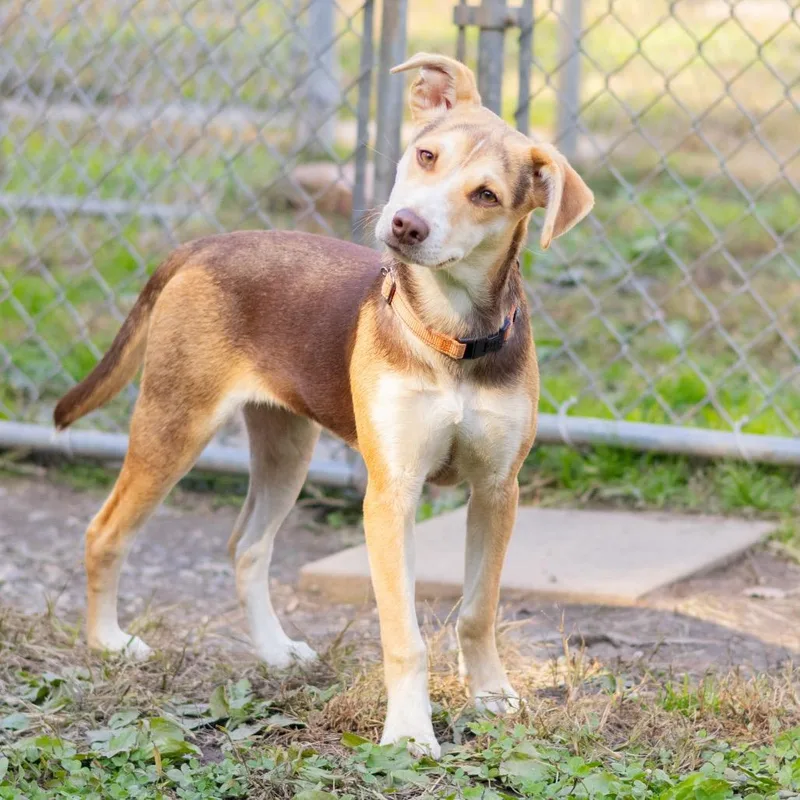
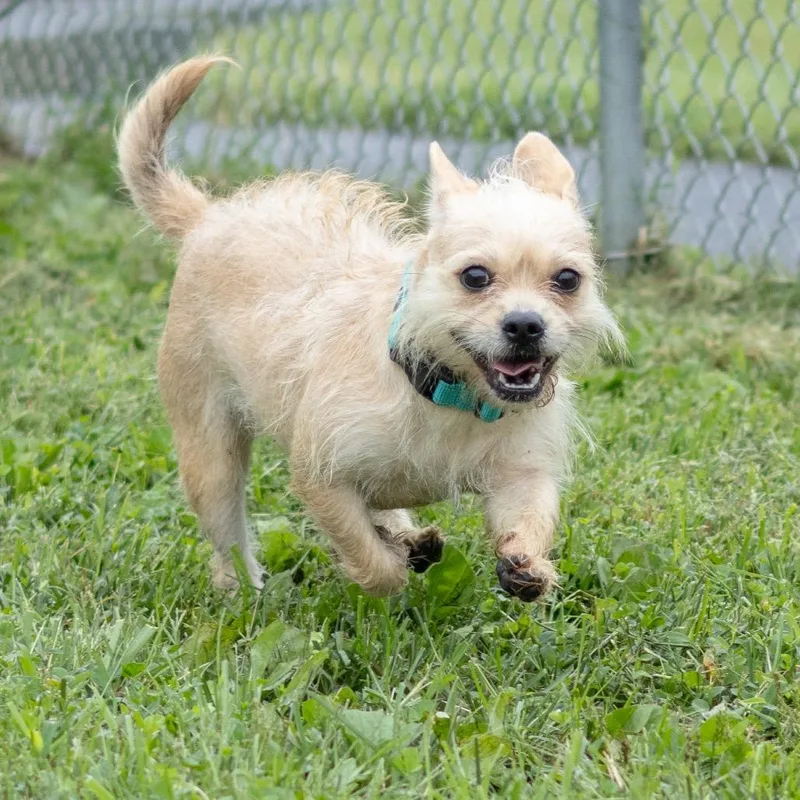
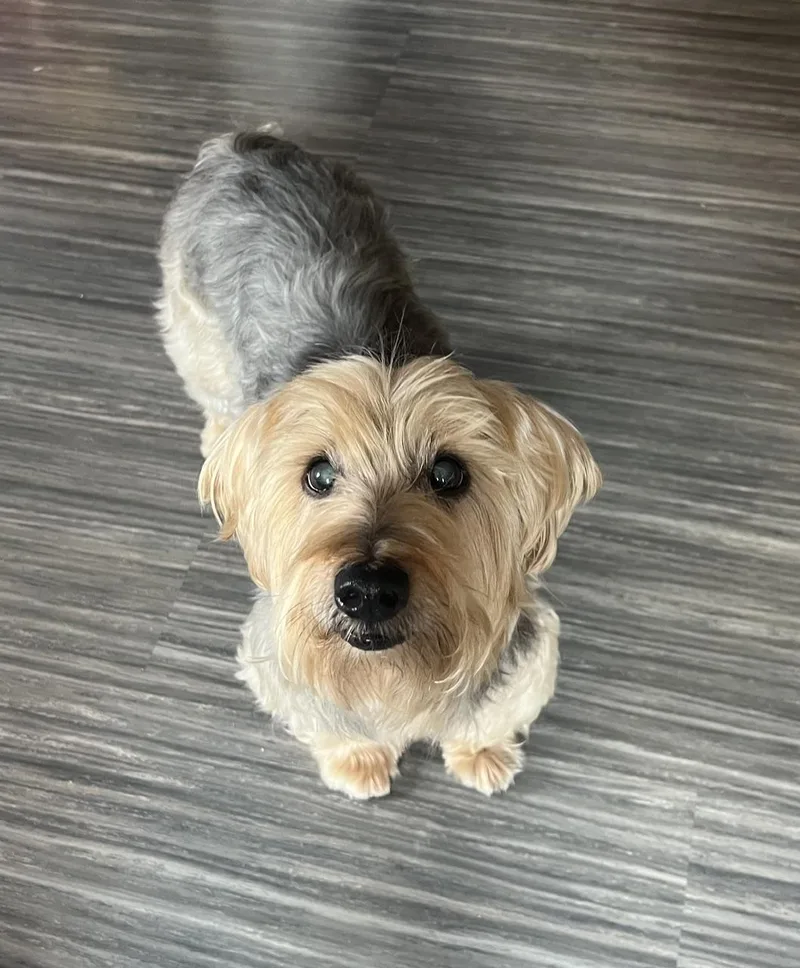
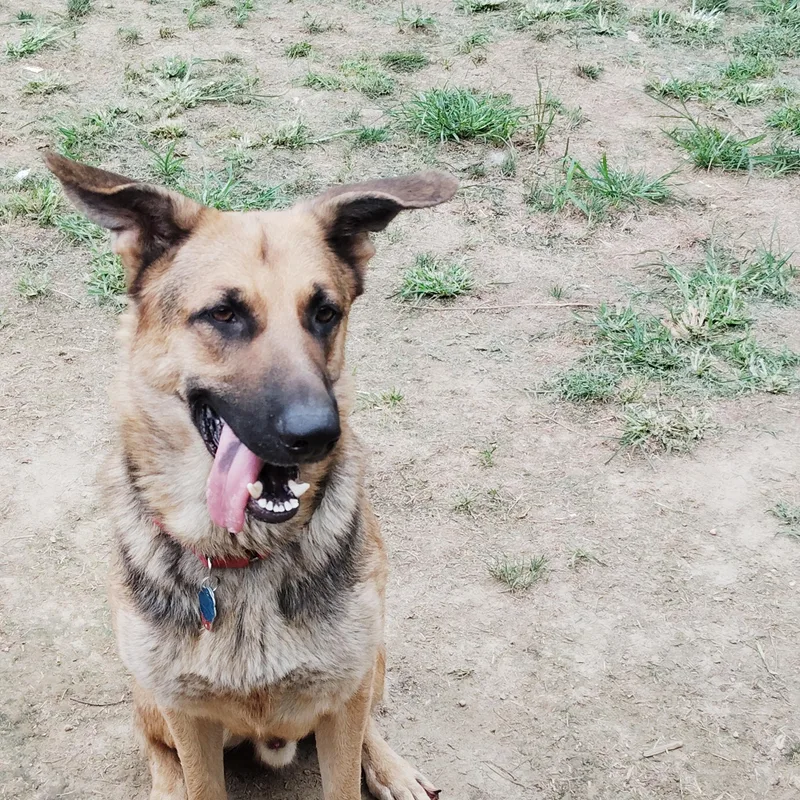
Bernese Mountain Dogs Available for Adoption Near Wilmington

About the Bernese Mountain Dog breed

Bernese Mountain Dogs come from the farms of Switzerland's canton of Bern, where they pulled carts of milk and cheese, drove cattle and watched over the farmyard. They're the only long-coated Swiss mountain dog, recognizable by a jet-black coat, rust markings, a white blaze and a white chest cross.

Berners tend to be gentle, affectionate and eager to please, though some are reserved with strangers. The thick coat handles Wilmington's cold winters well, but heavy shedding never really stops. Lifespans are shorter than average, often 7 to 10 years, largely because of cancer, so adopters should go in clear-eyed. Early training matters, since a pulling adult Berner is very hard to manage, and dogs vary, so each one's own history and personality count for more than the breed label.


Weight
70–115 lbs
Height
23–28 in
Lifespan
7–10 yrs
Temperament
Gentle, Affectionate, Calm
Group
Working
Shedding
High

Owning a Bernese Mountain Dog in Wilmington

Having a Bernese Mountain Dog in Wilmington

Berners are soft-natured giants whose thick coat, heat sensitivity and health risks shape daily care as much as personality does. In Wilmington, that means planning around humid summer days and cold, snowy winters, plus steady brushing and regular vet checkups.

Temperament

Berners are often gentle, patient and attached to their families, and many do well with respectful children. Some are reserved with strangers. On busy Wilmington sidewalks, practice calm greetings early, since a 100-pound dog that pulls or jumps is hard to handle. Every Berner differs, so watch how a dog behaves day to day.

Exercise Needs

Most Berners need one or two good walks a day plus some play, not marathon runs. Wilmington's park paths, like the wooded trails around Rockford Park, work well, and the city's off-leash areas in Brandywine and Rockford parks suit dogs with reliable recall. Save longer outings for cool mornings and evenings.

Health Considerations

Cancer, especially histiocytic sarcoma, is the biggest concern and shortens many Berners' lives. Hip and elbow dysplasia, kidney disease and bloat also occur. Keeping a Berner lean protects the joints, and regular checkups help catch problems early. Wilmington's humid summers also make tick and mosquito prevention worth planning with a veterinarian.

Living Space

Berners want room to stretch out, ideally with a secure yard. Wilmington ranges from East Side brick rowhouses to Highlands homes with yards. A Berner can manage an apartment with an elevator or ground-floor entry, daily walks and a cool room, but steep stairs and tight layouts are hard on a dog this size.

What it costs to own a Bernese Mountain Dog in Wilmington

ExpenseTypical costPer year
Food$80 to $160 per month$960 to $1,920
Pet insurance$85 to $170 per month$1,020 to $2,040
Routine vet care$250 to $500 per year$250 to $500
Other*$685 to $1,865 per year$685 to $1,865
Estimated yearly total (after year one)$2,915 to $6,325

Other costs are estimates and vary with size, age and health.

* A Delaware dog license ($10 to $15 a year), flea, tick and heartworm prevention, a dental cleaning allowance, toys and large bedding, coat care for heavy shedding, and joint supplements.

Adopt a Bernese Mountain Dog in Wilmington.

Now that you know more, let’s find you a new best friend. These rescues and shelters below have dogs available in and near Wilmington.

Rescues and Shelters in or near Wilmington

Shelters in Wilmington and nearby New Castle serve the area, and Delaware requires every shelter adoption to be microchipped. Here are the rescues & shelters in the Wilmington area with dogs available for adoption, worth asking whether a Bernese Mountain Dog is coming in.

Frequently Asked Questions

A Bernese Mountain Dog can fit Wilmington well if you have shade, a cool home and time for daily walks. Rockford and Brandywine parks give room to roam, and cold winters suit the coat. Humid July days, heavy shedding and a 70-to-115-pound frame are the trade-offs. Berners are people-focused, so a household that's home much of the day suits them best.

Yes, no known breed-specific rules apply to Bernese Mountain Dogs in Wilmington. Beyond licensing, state rules cover barking, which is a violation after 15 continuous minutes or 30 intermittent minutes, and tethering, which counts as cruelty at 9 hours or more in 24. Both matter for a dog that may be left outside.

For long, cool-weather walks, try the roughly 10-mile Northern Delaware Greenway, which links Brandywine Park and other green spaces. The Jack A. Markell Trail and the Russell Peterson refuge are leash-only, and the refuge asks for leashes to protect wildlife. Rockford Park's wooded paths give shade. Carry water, since Berners overheat easily.

Mostly yes, with summer care. Wilmington's cold winters suit the thick Berner coat, and spring and fall are ideal for longer outings. July is the challenge, because humidity makes heat harder on a dog that overheats easily, so indoor cooling matters more than yard space. Avoid midday exercise from June through August.

No. DART First State buses don't allow pets other than guide dogs, and SEPTA's Wilmington/Newark Line trains require pets to be in a carrier, which rules out a Berner. Plan on car travel for vet visits and outings, and get your dog used to riding in the back seat or cargo area early. Never leave a dog in a parked car.

Sometimes, outdoors only. Delaware lets restaurants allow leashed dogs on their patios, but each business decides, so don't assume. Indoors, only service animals are allowed under the Delaware Food Code. A Berner takes up a lot of floor, so pick a quiet corner, bring water, and skip patios during midsummer heat.

Plan on brushing a Berner at least once or twice a week, and daily during heavy shedding in spring and fall. Wilmington's cold winters keep the coat full, and shaving doesn't cool a dog, so leave the coat intact. Professional grooming is optional and falls under the other costs of about $685 to $1,865 a year.

A Bernese Mountain Dog is a large to giant Swiss working breed originally used on farms to pull carts, drive cattle and guard property. It has a long, tricolored coat of black, rust and white and a sturdy, powerful build. Berners are known for their gentle, affectionate nature, though their lifespan is shorter than many breeds.

A Bernese Mountain Dog has a thick, moderately long coat that is jet black with rich rust markings over the eyes, on the cheeks, chest and legs, and white on the face, chest, feet and tail tip. The white chest marking often forms an inverted cross. They have a broad head, dark brown eyes and triangular drop ears.

Plan on roughly $2,900 to $6,300 a year for a Berner in Wilmington, covering food, insurance, routine vet care and other costs. Food runs $80 to $160 a month and insurance $85 to $170. Routine vet care is $250 to $500 a year, and other costs run $685 to $1,865. Cancer or joint care can add more.