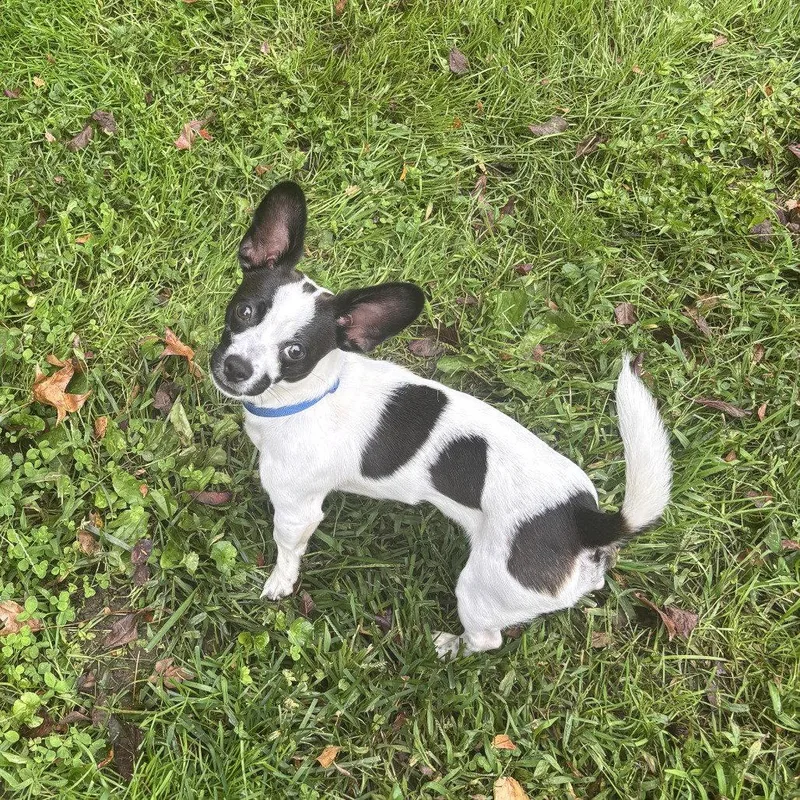
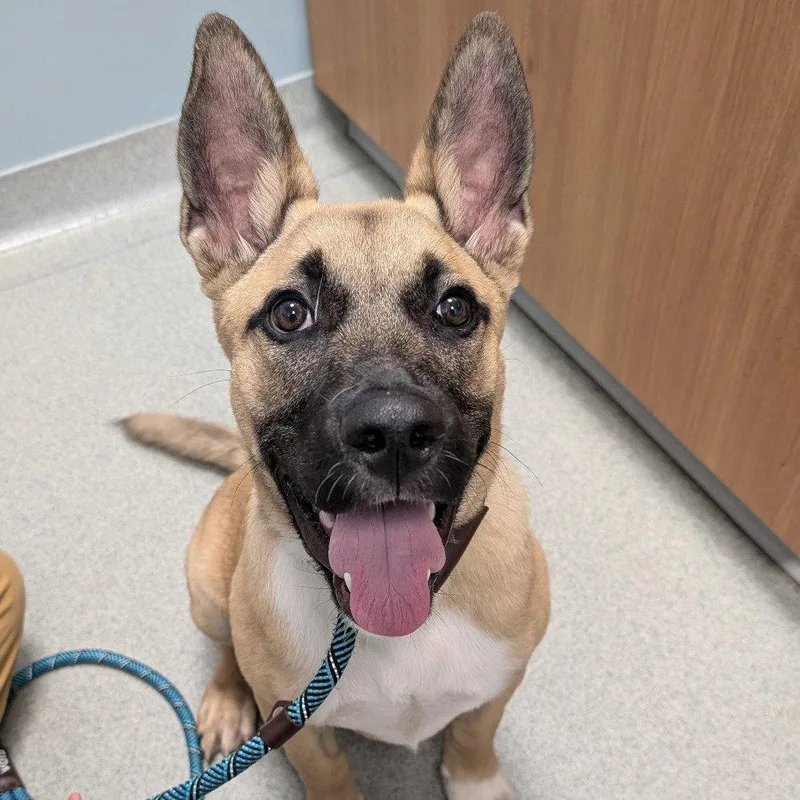
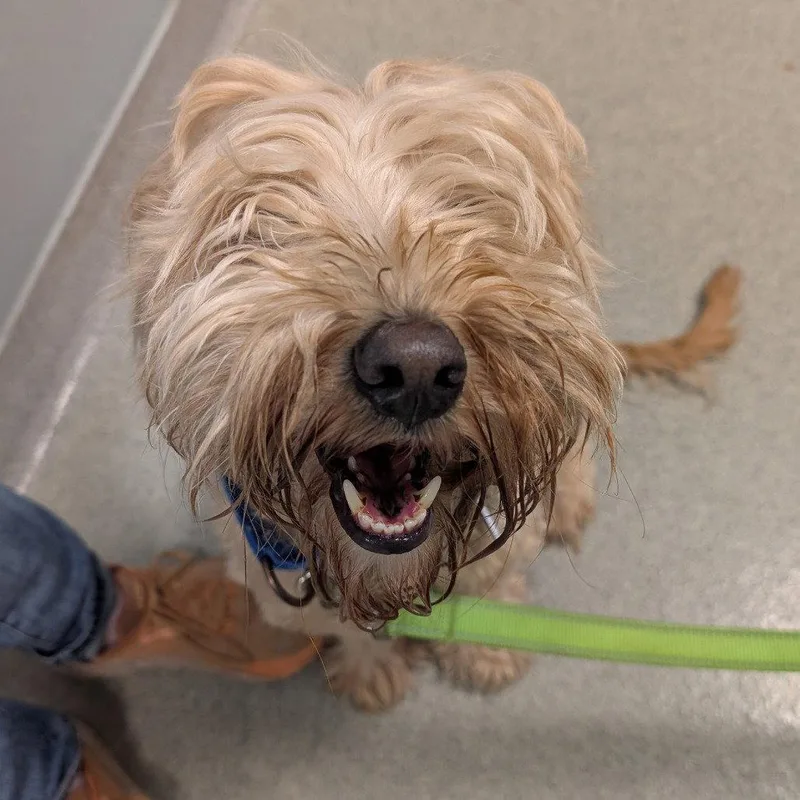
Australian Cattle Dog / Blue Heelers for Adoption in New Castle, DE

Your guide to finding and caring for an Australian Cattle Dog / Blue Heeler in New Castle

A Blue Heeler suits New Castle best when someone can walk the Jack A. Markell Trail with it most days. The mostly paved path runs about 5.5 miles from Battery Park toward the Wilmington Riverfront, which is the kind of distance a Heeler's stamina enjoys. Back home, whether it's a brick rowhouse near the Green or a single-family street off Washington Street, the dog wants a job and a person to follow. Plan on training games after the walk, because a bored Heeler invents its own work.

4355 Australian Cattle Dog / Blue Heelers available in New Castle and nationwide

Say hello to your Blue Heeler

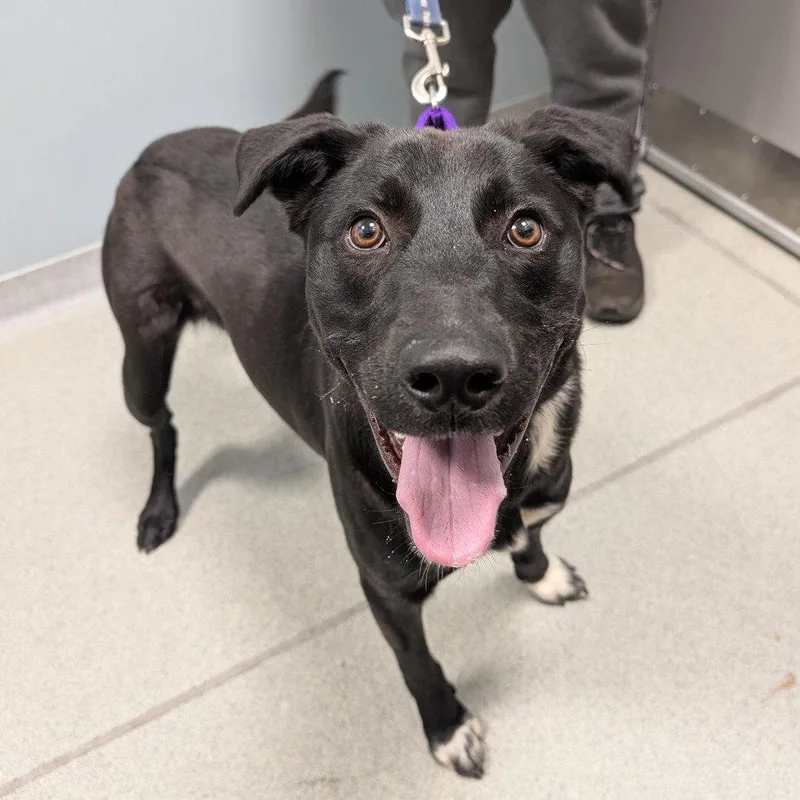
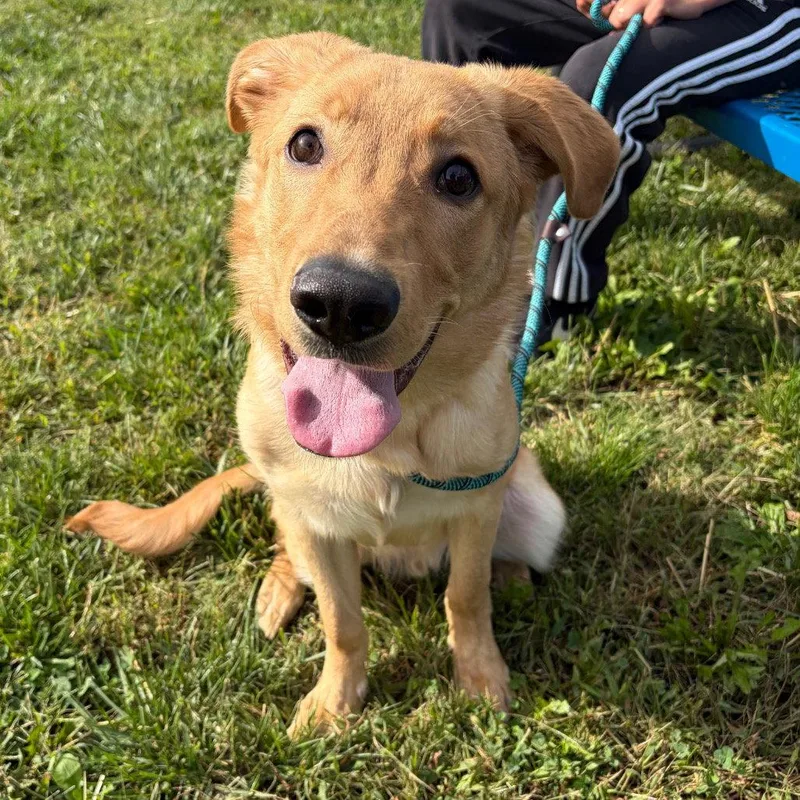
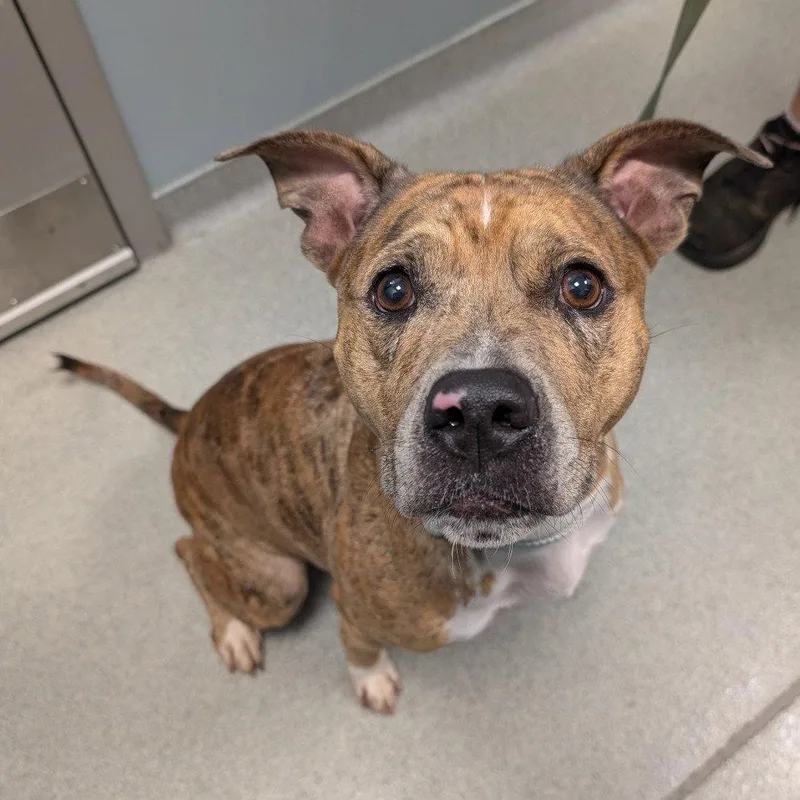
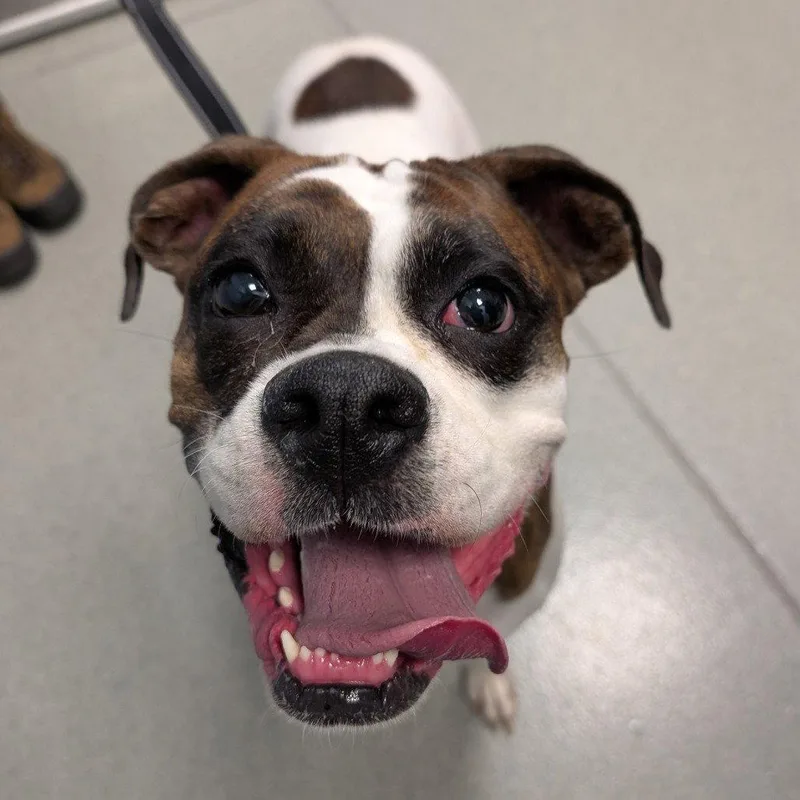
Australian Cattle Dog / Blue Heelers Available for Adoption Near New Castle

About the Australian Cattle Dog / Blue Heeler breed

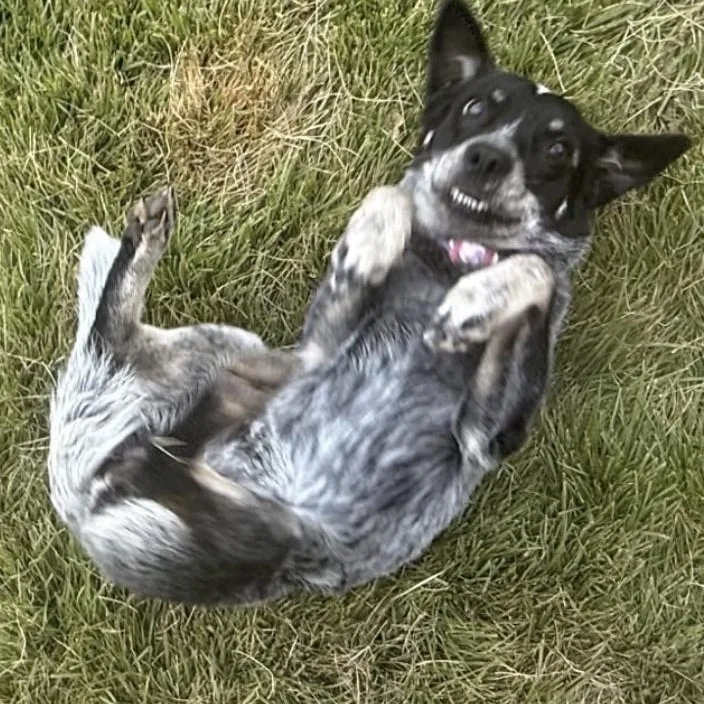
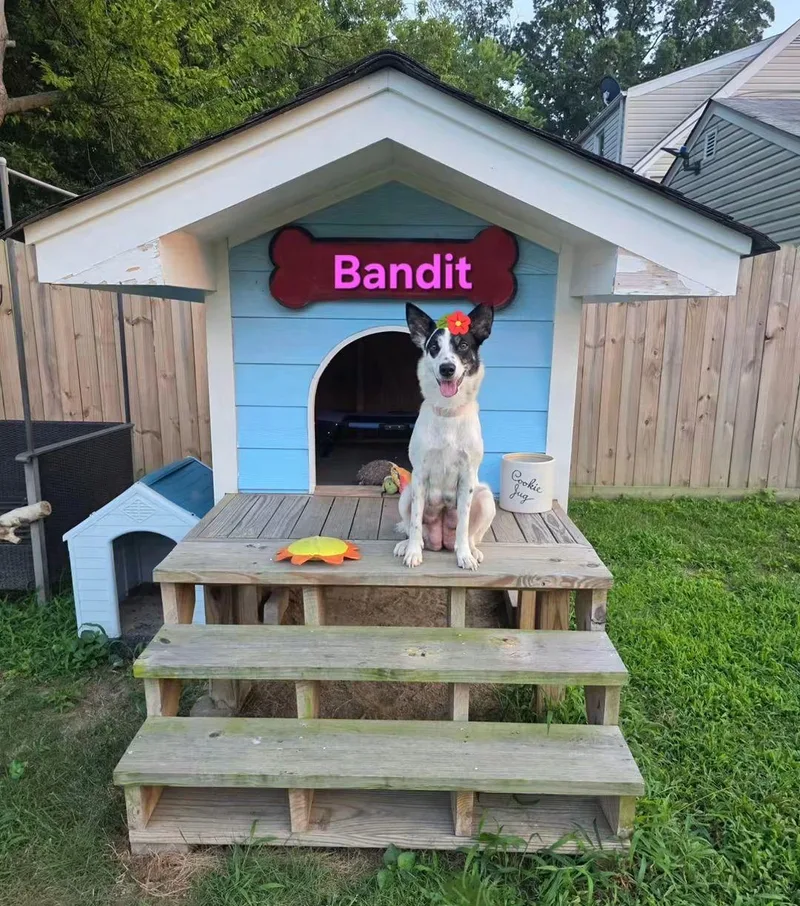
Australian Cattle Dogs, widely called Blue Heelers or Queensland Heelers, were developed in nineteenth-century Australia to drive cattle across long distances in heat and dust. They're compact, muscular dogs, usually 35 to 50 pounds, with a weatherproof double coat in blue or red speckle. Many live 12 to 16 years, so adopting one is a long commitment.

Heelers tend to be loyal, alert and sharp, often attaching closely to one person and staying wary of strangers. The herding instinct can show up as nipping at heels or chasing bikes, kids and other moving things. New Castle's narrow historic streets, with walkers and cyclists passing close by, make early leash training and socialization worthwhile. Dogs of this breed vary, so a calm adult can be a very different housemate than a restless adolescent.

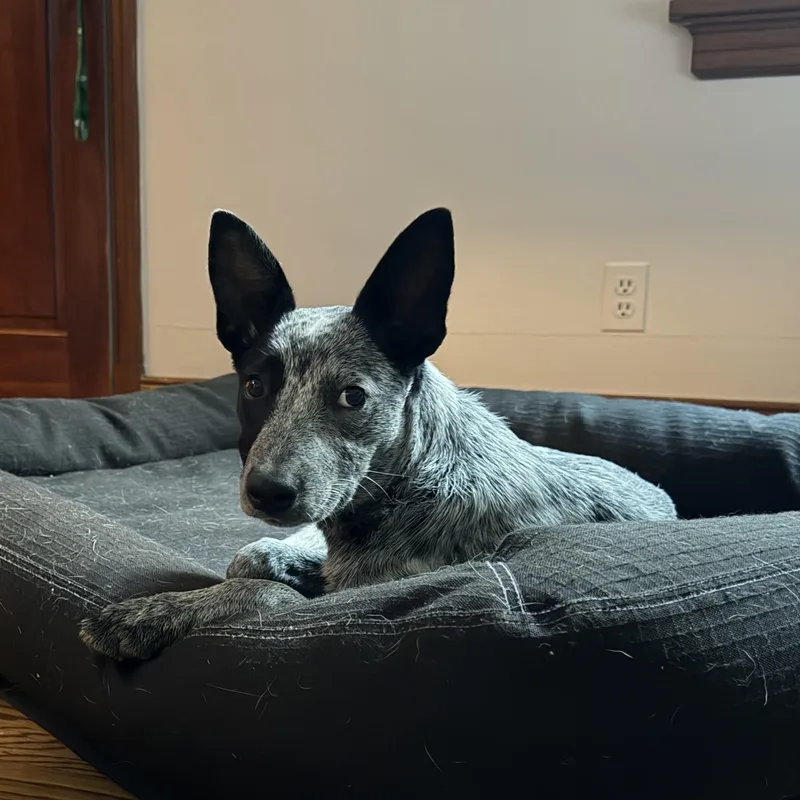
Weight
35–50 lbs
Height
17–20 in
Lifespan
12–16 yrs
Temperament
Energetic, Intelligent, Loyal, Alert
Group
Herding
Shedding
Moderate

Owning an Australian Cattle Dog / Blue Heeler in New Castle

Having an Australian Cattle Dog / Blue Heeler in New Castle

Work drive defines this breed more than size does. A Heeler's stamina, quick mind and herding habits reward active owners with time to train, and they can overwhelm households that want a laid-back companion.

Temperament

Heelers tend to be loyal, alert and confident, often bonding tightly with one person while staying reserved with strangers. Many keep a close watch on home and family. Herding instincts can cause nipping, chasing and bossiness with other pets. Consistent, reward-based training and early socialization help, though drive varies from dog to dog.

Exercise Needs

Most Heelers need vigorous daily exercise plus real mental work. In New Castle, that can mean a long loop at Battery Park, an out-and-back run on the Markell Trail, fetch in a fenced yard, and training games or puzzle toys at home. A quick walk around the block rarely satisfies a young Heeler.

Health Considerations

Heelers are often long-lived, but documented concerns include congenital deafness, progressive retinal atrophy, primary lens luxation, and hip and elbow dysplasia. A veterinarian can test hearing and check eyes and joints. Because summers here are humid and mosquitoes are common near the marsh edges, year-round heartworm prevention is worth planning for.

Living Space

A Heeler fits best in a home with a securely fenced yard, though daily activity matters more than square footage. New Castle's rowhouses and apartments can work for owners who commit to long outings and training. Expect alert barking at passersby, which carries through shared walls, and a dog that wants to stay close to its people.

What it costs to own an Australian Cattle Dog / Blue Heeler in New Castle

ExpenseTypical costPer year
Food$35 to $70 per month$420 to $840
Pet insurance$55 to $100 per month$660 to $1,200
Routine vet care$225 to $450 per year$225 to $450
Other*$435 to $1,165 per year$435 to $1,165
Estimated yearly total (after year one)$1,740 to $3,655

Other costs are estimates and vary with size, age and health.

* The Delaware dog license ($10 a year if spayed or neutered, $15 if not), flea, tick and heartworm prevention, a dental cleaning allowance, durable toys and bedding, and light home grooming for a short coat.

Adopt an Australian Cattle Dog / Blue Heeler in New Castle.

Now that you know more, let’s find you a new best friend. These rescues and shelters below currently have Australian Cattle Dog / Blue Heelers available.

Rescues in New Castle with Australian Cattle Dog / Blue Heelers Available

Shelters and rescues serving the New Castle area, including Brandywine Valley SPCA, list adoptable dogs of every size and age. Here are the rescues & shelters in the New Castle area where you can find Australian Cattle Dog / Blue Heelers and other dogs available for adoption.

Frequently Asked Questions

Yes. Delaware bars breed-based laws and bars declaring a dog dangerous on breed alone, so Blue Heelers face no breed restrictions in New Castle. You'll need a state license once the dog is 6 months old, with proof of rabies vaccination, and a leash whenever it's off your property. Rental leases may set their own pet rules.

Battery Park and the Jack A. Markell Trail are the best bets. Battery Park is a riverside park for leashed walks, and the trail runs about 5.5 miles north toward the Wilmington Riverfront, enough distance for a Heeler to burn real energy. The city has no dog park yet, so keep the leash on and the dog under control.

Yes, with care. New Castle summers are humid, with about 22 days a year at 90°F or higher. Heelers will keep working past the point of overheating, so exercise early morning or evening, test pavement with your hand, carry water, and never leave a dog in a parked car. Indoor air conditioning on the hottest afternoons helps.

Generally no. New Castle is served by DART First State buses, and DART's rider guide says riders leave their pets at home, with guide dogs the exception. There's no subway or rail in the city. For a high-energy Heeler, plan on walking, or drive to trailheads and other outings.

It can, if daily exercise is a firm habit. About a third of New Castle households rent, and much of the housing is rowhouses or townhouses with shared walls. Heelers can be alert barkers, and Delaware treats continuous barking beyond 15 minutes as a violation, so train quiet habits early and provide plenty of mental work.

It can be for active owners. The Markell Trail and Battery Park give a Heeler long, leashed outings, and the climate suits its coat. The limits are no city dog park, close quarters in the historic rowhouse streets, and a dog that needs training and a job daily. It's best for people home often and outdoors.

Possibly, outdoors only. Delaware's Food Code lets restaurants allow controlled dogs in designated outdoor areas, but each restaurant decides, and dogs stay out of indoor dining unless they're service animals. A Heeler that's wary of strangers needs a settled down-stay and a short leash before patio visits.

Brush a Blue Heeler weekly, and daily during the heavy shedding that comes once or twice a year, often in spring and fall here. The short double coat needs no haircuts, and baths are only occasional. Grooming mostly happens at home, which is why the Other cost line of $435 to $1,165 a year stays modest.

We have 1 rescue with Australian Cattle Dog / Blue Heelers available: Faithful Friends Animal Society. You can see every rescue with Australian Cattle Dog / Blue Heelers available in the list above these questions, or scroll to the top to see the Australian Cattle Dog / Blue Heelers near New Castle.

A Heeler typically runs about $1,740 to $3,655 a year in New Castle. That covers food at $35 to $70 a month, insurance at $55 to $100 a month, routine vet care at $225 to $450 a year, and other costs at $435 to $1,165 a year.