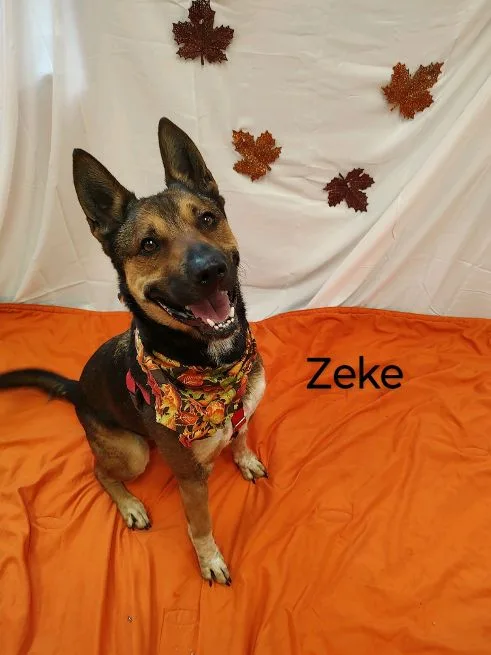
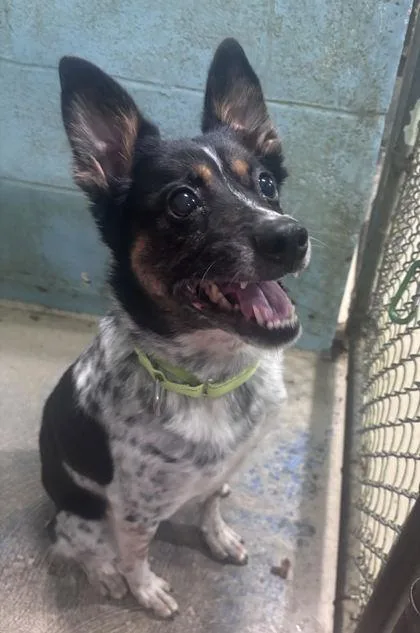
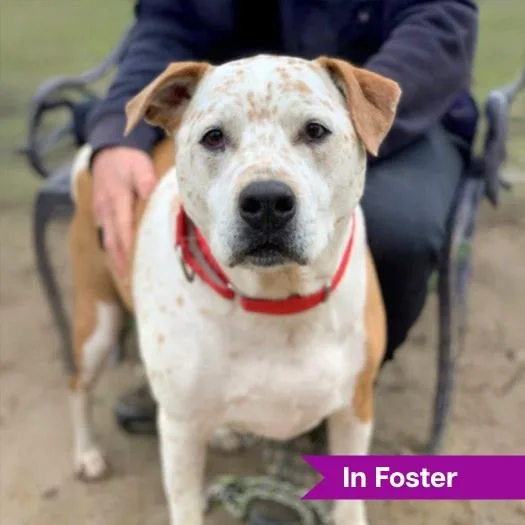
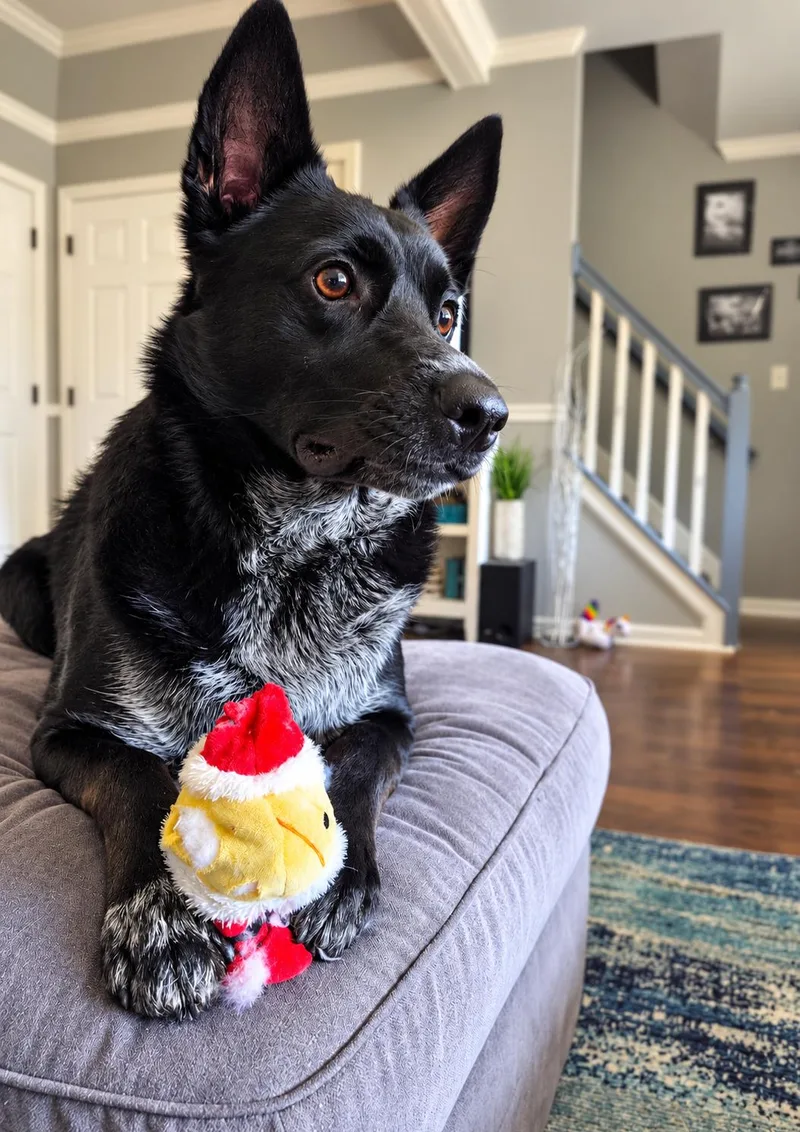
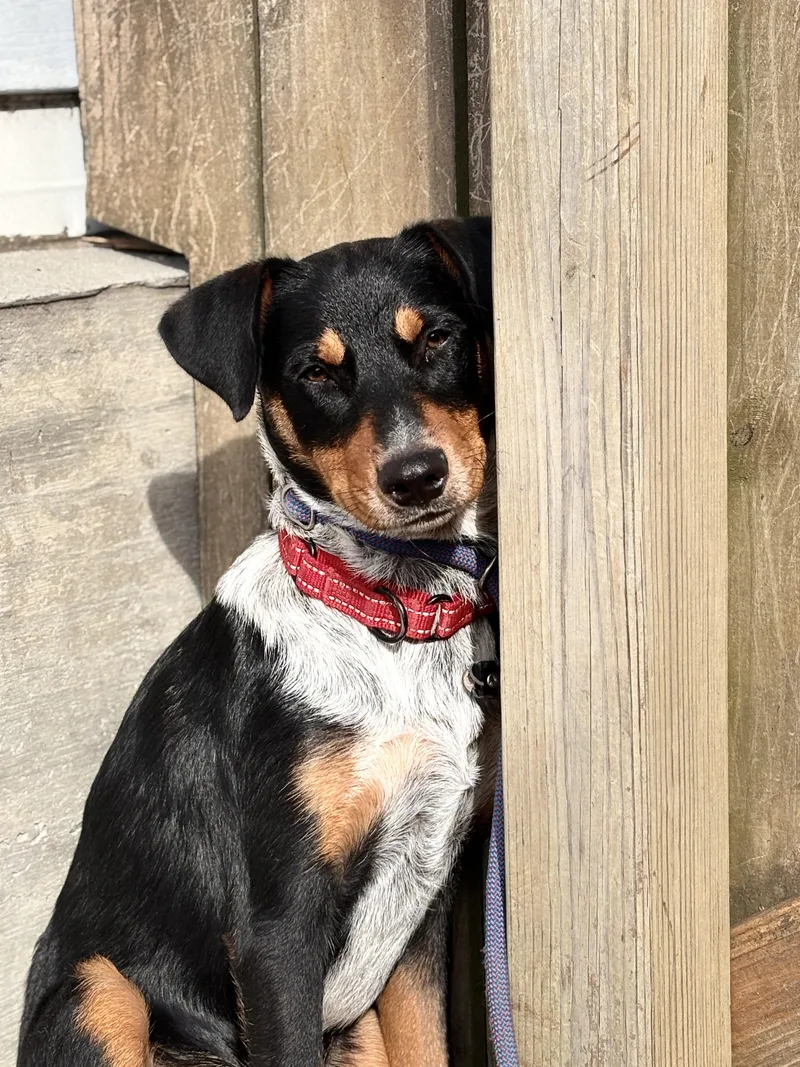
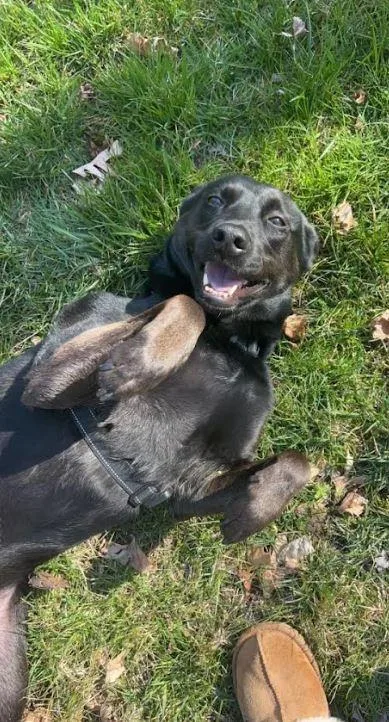
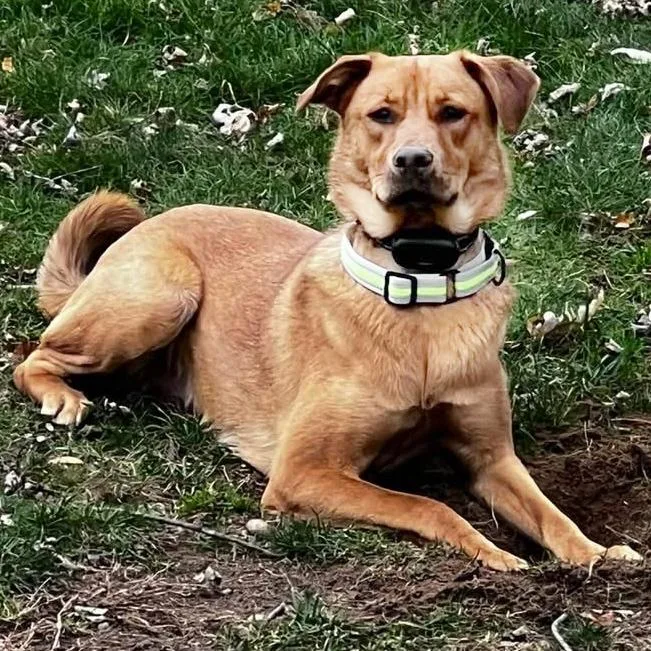
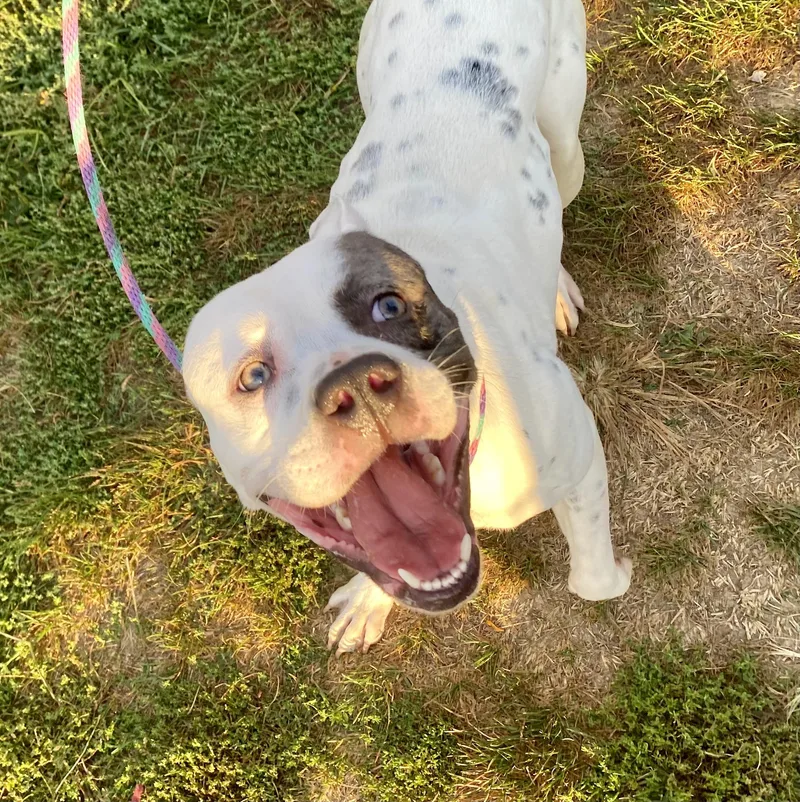
Australian Cattle Dog / Blue Heelers for Adoption in Bear, DE

Your guide to finding and caring for an Australian Cattle Dog / Blue Heeler in Bear

A Blue Heeler suits Bear if you're outside with it every day. Many homes here are suburban subdivision houses with yards, which helps, but a Heeler needs more than a backyard. Lums Pond's off-leash area gives a dog room to swim, and the C&D Canal's Castle Trail is a good place for long leashed miles. Heelers bond tightly with one person and notice everything, so expect a dog that tracks every car on the cul-de-sac.

4089 Australian Cattle Dog / Blue Heelers available in Bear and nationwide

Say hello to your Blue Heeler

Australian Cattle Dog / Blue Heelers Available for Adoption Near Bear

About the Australian Cattle Dog / Blue Heeler breed

Australian Cattle Dogs, called Blue Heelers or Queensland Heelers, were developed in nineteenth-century Australia to drive cattle over long distances in heat and dust. Early stockmen crossed collie-type herding dogs with dingoes. The result is a compact, muscular dog of about 35 to 50 pounds with a weatherproof double coat in blue or red speckle. Puppies are born white and color in over the first weeks.

Heelers tend to be loyal, clever and watchful, and many stay wary of strangers. Their urge to herd can show up as nipping at heels or chasing bikes and joggers, which matters on busy Bear streets and shared trails. Adolescence runs from about six months to two years, so patience with training pays off. Dogs vary, and a well-matched Heeler can be a hardy companion that often lives 12 to 16 years.

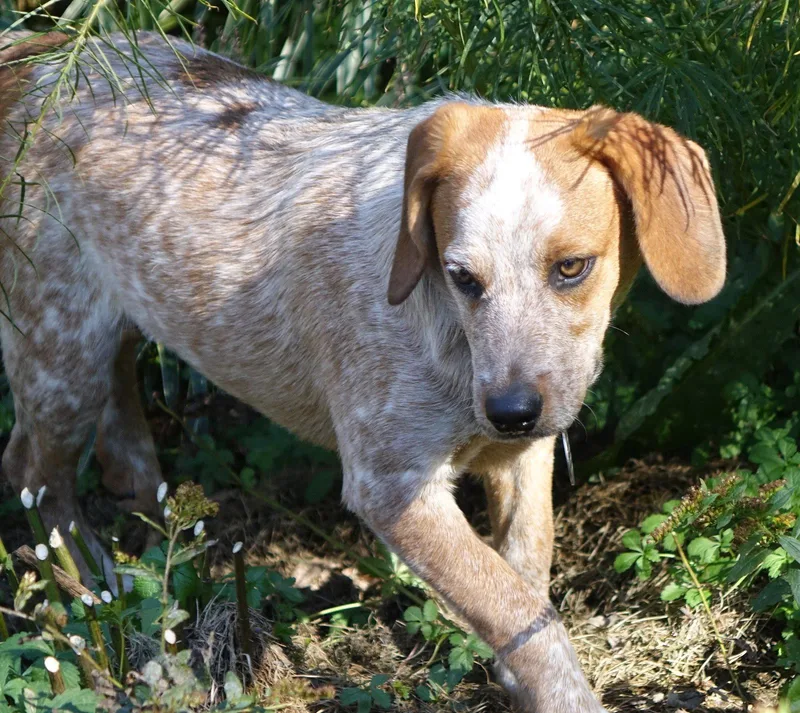
Weight
35–50 lbs
Height
17–20 in
Lifespan
12–16 yrs
Temperament
Energetic, Intelligent, Loyal, Alert
Group
Herding
Shedding
Moderate

Owning an Australian Cattle Dog / Blue Heeler in Bear

Having an Australian Cattle Dog / Blue Heeler in Bear

A Heeler's working drive shapes everything else: stamina, sharp problem-solving and loyalty make it rewarding for active adopters. In Bear, the real question is less about house size and more about whether you can give it daily exercise and a job.

Temperament

Heelers are usually loyal, alert and confident, often bonding with one person and staying reserved with strangers. Many guard their home, so doorbells and delivery trucks on Bear's subdivision streets may set off barking. Herding instincts can mean nipping or chasing. Consistent, reward-based training and early socialization help, though drive varies widely from dog to dog.

Exercise Needs

Plan on vigorous daily exercise plus mental work. Fetch, hiking and short training sessions suit a Heeler well. Around Bear, the Lums Pond off-leash area is the spot for swimming and running, while the Castle Trail along the canal suits leashed miles. Puzzle toys fill the gaps, since a walk around the block rarely satisfies a young Heeler.

Health Considerations

Heelers are often long-lived, but documented concerns include congenital deafness, progressive retinal atrophy, lens luxation and hip and elbow dysplasia. A veterinarian can test hearing and check eyes and joints. Ticks are active year-round in Delaware, so check your dog after trail or pond walks and keep prevention current.

Living Space

Bear is mostly suburban subdivisions with yards, which suits a Heeler when the fence is secure and you're out there with the dog. Apartments can work for owners committed to long daily exercise. Heelers stay close to their people and may bark at passersby, so thin walls and busy hallways take some management.

What it costs to own an Australian Cattle Dog / Blue Heeler in Bear

ExpenseTypical costPer year
Adoption fee$300, one time$300 in year one
Food$35 to $70 per month$420 to $840
Pet insurance$55 to $100 per month$660 to $1,200
Routine vet care$225 to $450 per year$225 to $450
Other*$435 to $1,165 per year$435 to $1,165
Estimated yearly total (after year one)$1,740 to $3,655
First-year total (with adoption fee)$2,040 to $3,955

Adoption fee is the fee on Australian Cattle Dog / Blue Heeler listings in Bear on GetBuddy today. Other costs are estimates and vary with size, age and health.

* The $10 to $15 yearly Delaware dog license, flea, tick and heartworm prevention, a dental cleaning allowance, durable toys and bedding, and light home grooming for a short coat.

Adopt an Australian Cattle Dog / Blue Heeler in Bear.

Now that you know more, let’s find you a new best friend. These rescues and shelters below currently have Australian Cattle Dog / Blue Heelers available.

Rescues in Bear with Australian Cattle Dog / Blue Heelers Available

Bear has no shelter of its own, so adoptable dogs come from shelters and rescues across northern New Castle County. Here are the rescues & shelters in the Bear area where you can find Australian Cattle Dog / Blue Heelers and other dogs available for adoption.

Frequently Asked Questions

Yes, you can own a Blue Heeler in Bear. Delaware doesn't allow local governments to ban breeds, and a dog can't be ruled dangerous based on breed alone. You'll need a state dog license once your dog is six months old, with a current rabies vaccination, and a leash off private property. Barking that continues for 15 minutes can draw a warning, so plan for training.

Lums Pond State Park is the top pick, with an unfenced off-leash area where dogs can swim; use a 6-foot leash elsewhere in the park. Glasgow Regional Park, next door in Glasgow, has fenced bark parks for large and small dogs. For leashed miles, try the Castle Trail along the C&D Canal or Becks Pond Park, and check your Heeler for ticks afterward.

Generally yes, because a Blue Heeler's weatherproof double coat copes well with Bear's seasons. Summers are humid, with about three weeks of 90-degree days, so exercise early in the morning and keep water handy. Winters bring salted sidewalks that can bother paws. Spring and fall are mild and ideal for long hikes and fetch sessions.

Yes, if you're active and home a fair amount. Bear is car-oriented, with little walkability around the US 40 and DE 7 shopping centers, so exercise usually means walking subdivision streets or driving to Lums Pond or a trail. Heelers left alone all day can turn bored and destructive, so plan your routine before adopting.

No, not on the DART First State buses that serve Bear. DART asks riders to leave pets at home, with an exception for guide dogs, and carriers aren't listed as an exception. Bear has no passenger rail stop either, so plan on driving your Heeler to parks and vet visits.

Only to outdoor patios, and only where the owner allows it. Delaware lets restaurants permit leashed dogs on licensed outdoor patios and in beer gardens, but they aren't required to, and indoor dining is limited to service animals. Bring water and a mat so your Heeler can settle, since many stay wary of strangers.

A Blue Heeler needs little grooming: a weekly brushing, with more during the once- or twice-a-year coat blow, and an occasional bath. Check for ticks after outdoor walks, since they're active year-round in Delaware. Home grooming keeps costs low, and it fits within the roughly $435 to $1,165 a year in other costs, alongside parasite prevention and dental care.

Blue Heelers typically live about 12 to 16 years, and a recent UK study put the breed's average life expectancy at about 14 years, longer than many purebreds. A famous Australian Cattle Dog named Bluey reportedly lived over 29 years, though such records are hard to verify. Staying lean and active and getting regular checkups support a long life.

We have 1 rescue with Australian Cattle Dog / Blue Heelers available: Cheyla's Rescue Foundation. You can see every rescue with Australian Cattle Dog / Blue Heelers available in the list above these questions, or scroll to the top to see the Australian Cattle Dog / Blue Heelers near Bear.

Expect roughly $1,700 to $3,700 a year for a Heeler in Bear, covering food ($35 to $70 a month), pet insurance ($55 to $100 a month), routine vet care ($225 to $450 a year) and other costs ($435 to $1,165 a year). Dental work, parasite prevention and any eye or joint problem drive the range.

Explore Other Breeds in Bear

Looking for a different breed? Browse other dogs available for adoption in Bear.