
Bernese Mountain Dogs for Adoption in Bridgeport, CT

Your guide to finding and caring for a Bernese Mountain Dog in Bridgeport

A Bernese Mountain Dog suits the greener parts of Bridgeport, like the suburban streets of Lake Forest or the blocks near Beardsley Park. There's room to stretch out, and a long leashed walk through the park fits easily into a morning. Berners are gentle, devoted and calm indoors, though they shed heavily and need a cool place to rest in July. If you're in a walk-up apartment, think hard about the stairs for a dog this size.

131 Bernese Mountain Dogs available in Bridgeport and nationwide

Adopt a Bernese Mountain Dog today

While we don't have enough dogs near Bridgeport, keep in mind that many rescues may offer transport.

Bernese Mountain Dogs Available for Adoption Near Bridgeport

About the Bernese Mountain Dog breed

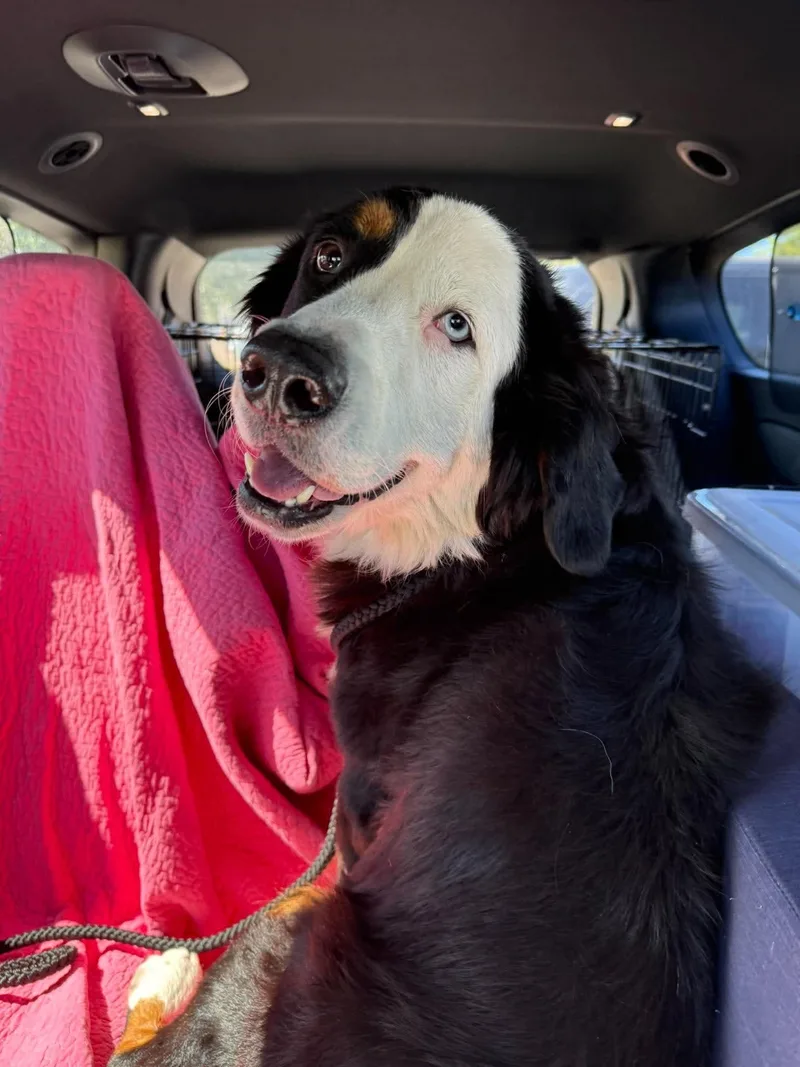
Farmers in the Swiss canton of Bern relied on this tricolored dog to pull milk carts, drive cattle and guard the farmyard. It's the only long-coated one of the four Swiss mountain dog breeds, with a jet-black coat, rust markings and a white blaze, and most adults weigh 70 to 115 pounds.

Berners are usually affectionate, eager to please and calm at home, though some stay reserved with strangers. Adopters should know the tradeoffs: heavy shedding, poor heat tolerance and a lifespan of roughly 7 to 10 years, partly because of high cancer rates. In Bridgeport, the cold winters suit that thick coat, but a pulling adult on a busy sidewalk is hard to handle, so early leash training pays off.

Weight
70–115 lbs
Height
23–28 in
Lifespan
7–10 yrs
Temperament
Gentle, Affectionate, Calm
Group
Working
Shedding
High

Owning a Bernese Mountain Dog in Bridgeport

Having a Bernese Mountain Dog in Bridgeport

A Berner's soft, people-focused nature comes in a very large, strong body. Size, a thick coat, sensitivity to heat and serious health risks shape daily care in Bridgeport as much as personality does, and each dog's needs will differ.

Temperament

Berners tend to be gentle, patient and attached to their families, and many get along with respectful children and other dogs. Some are shy or aloof with strangers, which matters on Bridgeport's busier sidewalks. A dog this big needs polite greetings and calm leash manners, and each dog's history and socialization count for more than the breed label.
Exercise Needs

Plan on one or two good walks a day plus some play, saving tougher outings for cool weather. Beardsley Park and Seaside Park give leashed room to roam, and training games or scent work keep a Berner's mind busy. Skip long runs and repetitive jumping for puppies whose joints are still developing.

Health Considerations

Cancer, especially histiocytic sarcoma, is a major concern in the breed, along with hip and elbow dysplasia, kidney disease and bloat. Keeping a Berner lean protects the joints, and regular vet visits help catch problems early. Parasite prevention is worth discussing with a veterinarian too.

Living Space

A Berner does best with room to stretch out and ideally a secure yard, which suits Bridgeport's more suburban pockets. A flat is workable with an elevator, daily walks and a cool, air-conditioned home, but a walk-up with several flights is hard on a dog this heavy. Berners do best living inside with their people.

What it costs to own a Bernese Mountain Dog in Bridgeport

ExpenseTypical costPer year
Food$80 to $160 per month$960 to $1,920
Pet insurance$85 to $170 per month$1,020 to $2,040
Routine vet care$250 to $500 per year$250 to $500
Other*$683 to $1,869 per year$683 to $1,869
Estimated yearly total (after year one)$2,913 to $6,329

Other costs are estimates and vary with size, age and health.

* Flea, tick and heartworm prevention, a dental cleaning allowance, the Bridgeport dog license ($8 spayed or neutered, $19 unaltered), toys and large bedding, coat care for heavy shedding, and joint supplements.

Adopt a Bernese Mountain Dog in Bridgeport.

Now that you know more, let’s find you a new best friend. These rescues and shelters below have dogs available in and near Bridgeport.

Rescues and Shelters in or near Bridgeport

Bridgeport's rescue community includes a city animal shelter and volunteer groups that help dogs and cats find new homes. Here are the rescues & shelters in the Bridgeport area with dogs available for adoption, worth asking whether a Bernese Mountain Dog is coming in.

Frequently Asked Questions

Yes. Connecticut law bars cities from adopting breed-specific dog ordinances, so Bridgeport has no Bernese Mountain Dog ban. Dogs six months and older need a license renewed each year by June 30, plus a collar and tag at all times and rabies vaccination. Keep your dog leashed in public and bag waste to avoid a $150 fine.

Mostly yes, with summer care. Bridgeport's winters, with about 92 freezing nights and roughly 34 inches of snow a year, suit a Berner's thick coat. Summer is the harder part: July highs average about 83°F, with around nine days at 90°F or more. Walk early or late, keep the home cool and offer plenty of water.

Beardsley Park and Seaside Park are the best bets for long leashed walks, with Seaside's paths running along the Sound. Dogs aren't allowed on the Seaside Park beach, and Pleasure Beach bars them too. For off-leash time, try Wheeler Dog Park behind City Hall or the dog park at Nob Hill Park, and go early on warm days.

Metro-North allows dogs that are carried in a container or securely controlled on a leash, so a Berner too big for a carrier needs a short leash and good manners. Bridgeport has no subway, but trains stop at Bridgeport station downtown. Greater Bridgeport Transit's posted welcome covers service animals, so don't count on bus rides.

Plan on brushing a Berner one to two times a week, and daily during the heavy sheds in spring and fall. Bridgeport's humid summers make a matted undercoat uncomfortable, so keep the coat clean and combed rather than shaving it. Occasional baths and professional grooming fall within the Other line of the cost chart, $683 to $1,869 a year.

Don't count on it. Connecticut doesn't require restaurants to allow pet dogs on patios, and a restaurant needs local health department permission to do so, so policies vary. Pet dogs are generally not allowed indoors where food is served. Look for a posted dog-friendly sign, and remember that a giant dog needs floor space and shade.

A Bernese Mountain Dog is a large to giant Swiss working breed originally used on farms to pull carts, drive cattle and guard property. It has a long, tricolored coat of black, rust and white and a sturdy, powerful build. Berners are known for their gentle, affectionate nature, though their lifespan is shorter than many breeds.

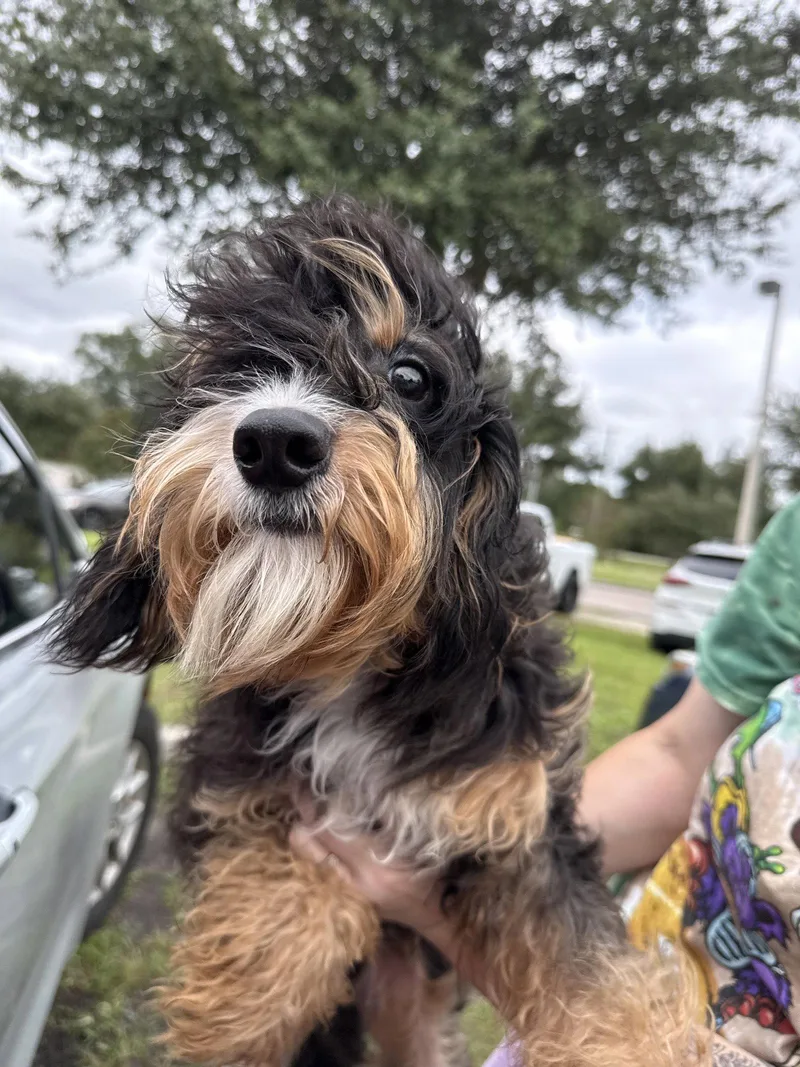
A Bernese Mountain Dog has a thick, moderately long coat that is jet black with rich rust markings over the eyes, on the cheeks, chest and legs, and white on the face, chest, feet and tail tip. The white chest marking often forms an inverted cross. They have a broad head, dark brown eyes and triangular drop ears.

Most adult Bernese Mountain Dogs weigh about 70 to 115 pounds. Males commonly weigh around 80 to 115 pounds and females around 70 to 95 pounds, though some dogs fall outside these ranges. Frame size matters, so veterinarians judge by body condition: you should feel ribs under a light layer of fat. Extra weight strains this breed's joints.

Expect food at about $80 to $160 a month, insurance at $85 to $170 a month, routine vet care at $250 to $500 a year, and other costs of $683 to $1,869 a year. Together that's roughly $2,900 to $6,300 a year, before emergencies or one-time setup like a crate and large bed.