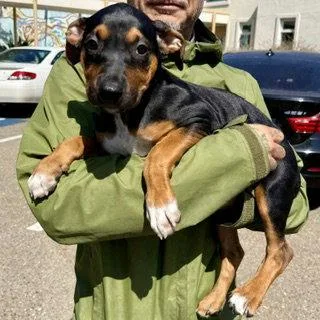
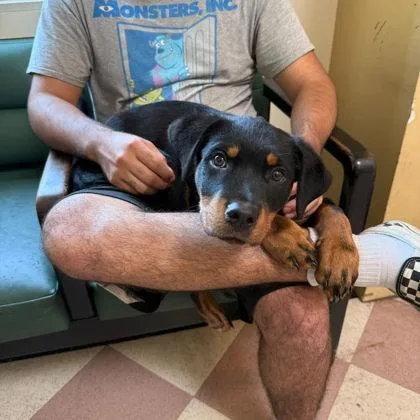
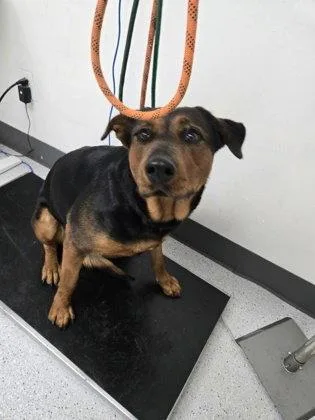
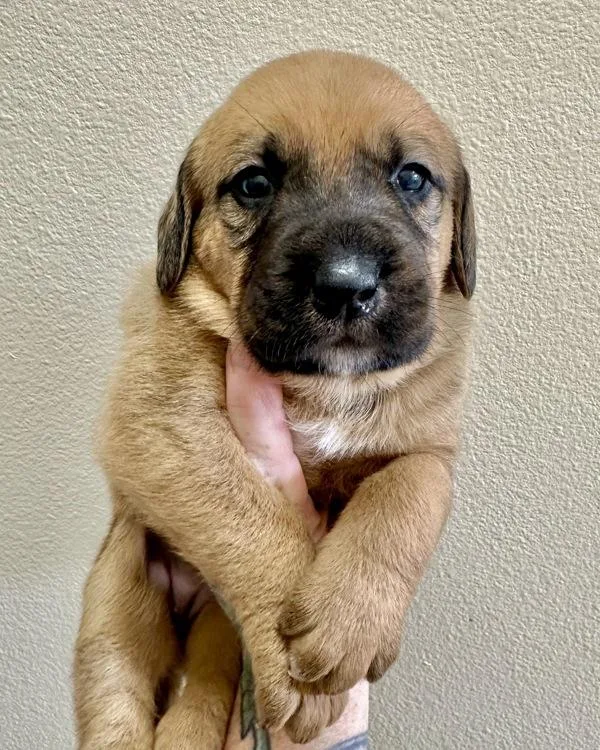
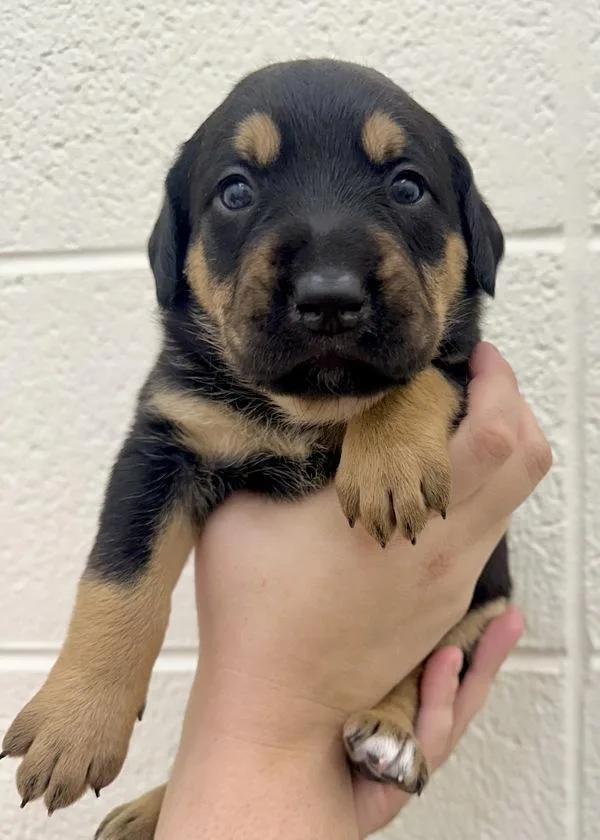
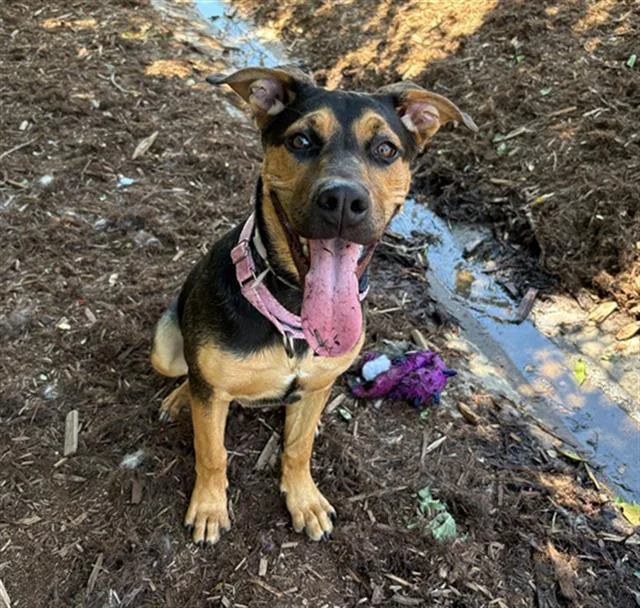
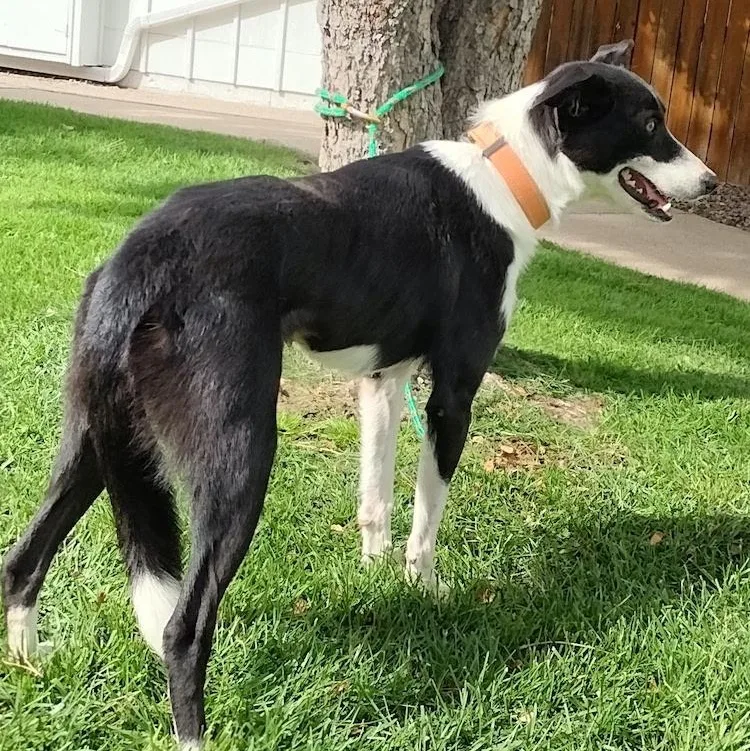
Rottweiler dog

Rottweiler Dogs for Adoption in Denver, CO

Your guide to finding and caring for a Rottweiler in Denver

Rottweilers fit Denver best where there's a little room, like the single-family blocks of Central Park or the brick ranches of Athmar Park. A Rottie wants a long daily walk and something to do, and the Sand Creek Greenway and quiet neighborhood sidewalks give it both. Summer afternoons can get hot for a black-coated dog, so early walks matter. Most Rotties do best with someone home for part of the day.

1517 Rottweilers available in Denver and nationwide

Give a Rottweiler a home

While we don't have enough dogs near Denver, keep in mind that many rescues may offer transport.

Rottweilers Available for Adoption Near Denver

About the Rottweiler breed

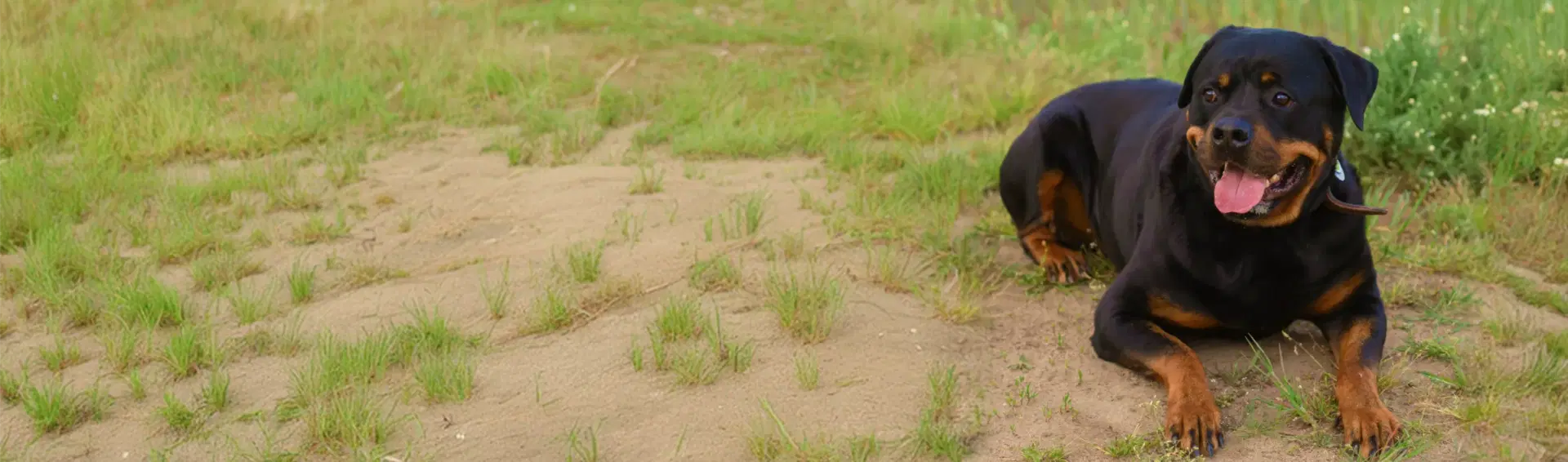
Rottweilers take their name from the German market town of Rottweil, where drover dogs moved cattle to market and pulled butchers' carts before turning to police, search and guard work. Adults typically weigh anywhere from 75 to 135 pounds. The short black coat with rust markings sheds moderately and needs regular brushing rather than trips to a groomer.

Rotties tend to be calm and confident, affectionate with family and reserved with strangers. That protective streak is why early socialization and steady, reward-based training matter, especially in a city where leashes are required almost everywhere. Dogs vary, so a Rottie's own history and personality tell you more than the breed label. Many adult Rotties show their temperament clearly, which makes matching easier.


Weight
75–135 lbs
Height
22–27 in
Lifespan
8–11 yrs
Temperament
Confident, Loyal, Protective, Calm
Group
Working
Shedding
Moderate

Owning a Rottweiler in Denver

Having a Rottweiler in Denver

Rottweilers pair strength with a real need for structure. In Denver, size, training, joint health and a mostly leash-only park system shape daily life, so these cards cover what to expect before you adopt.

Temperament

Rottweilers are usually calm, confident and loyal, with a wait-and-see attitude toward strangers. In Denver, where sidewalks, greenways and dog parks bring constant new faces and dogs, that reserve calls for early socialization and steady, reward-based training. Each Rottie is different, so a dog's own history and behavior matter more than the breed's reputation.

Exercise Needs

Plan on daily walks plus training or play, since Rotties like having a job. Denver's long leashed routes, like the High Line Canal and Cherry Creek Trail, suit steady walks, and fenced dog parks allow off-leash play. Because the black coat soaks up sun, shift hard exercise to early morning or evening in summer.

Health Considerations

Rottweilers are prone to hip and elbow dysplasia, cruciate ligament tears, heart conditions and several cancers, so a veterinarian should check the joints and heart early. Keeping a Rottie lean eases strain on the joints, and daily walks help with that. Learn the signs of heatstroke before summer arrives.

Living Space

A Rottweiler fits Denver's houses best, such as Montbello's ranch homes, where a fenced yard helps. An apartment can work with enough daily exercise and training. Their size and strength matter in elevators, stairwells and around small children, and they should live indoors with the family.

What it costs to own a Rottweiler in Denver

ExpenseTypical costPer year
Food$55 to $110 per month$660 to $1,320
Pet insurance$65 to $130 per month$780 to $1,560
Routine vet care$250 to $500 per year$250 to $500
Other*$490 to $1,290 per year$490 to $1,290
Estimated yearly total (after year one)$2,180 to $4,670

Other costs are estimates and vary with size, age and health.

* Flea, tick and heartworm prevention, a dental cleaning allowance, a Denver dog license, toys and bedding, and basic brushing for a short coat.

Rottweiler dog

Adopt a Rottweiler in Denver.

Now that you know more, let’s find you a new best friend. These rescues and shelters below currently have Rottweilers available.

Frequently Asked Questions

Yes, you can. Denver's breed-restricted permit applies to three pit bull–type breeds, not Rottweilers. Expect to license and rabies-vaccinate your dog, and to have it spayed or neutered unless you get an intact permit. A household can have up to five dogs and cats combined, with no more than three of them dogs.

Yes, a Rottweiler can live in a Denver apartment if it gets daily walks, training and time with you. Because about half of Denver households rent, expect to read lease terms closely for weight limits. Colorado caps pet deposits and pet rent, which helps with budgeting. Choose a building with easy outdoor access, since size matters in stairwells.

Yes, with care. Denver summers are dry and nights cool off, but about 40 or more days reach 90°F, and a black coat absorbs heat. Walk at dawn or after sunset, offer shade and water, and test pavement with your hand for 10 seconds. Never leave your Rottweiler in a parked car.

Start with a fenced off-leash park like Kennedy, Lowry or Railyard, the only lighted one, if your Rottweiler is licensed, rabies-tagged and comfortable with other dogs. For long leashed walks, City Park, Washington Park, the High Line Canal and the Cherry Creek Trail work well. Outside fenced parks, Denver dogs must stay leashed.

Generally no. RTD allows only service animals and small pets in carriers on its buses and trains, and a full-grown Rottweiler won't fit in a carrier. Plan on walking, driving or using a pet-friendly ride for trips. Never leave your dog in a parked car while you run errands.

Only to some patios, never indoors. Denver restaurants can choose to allow leashed dogs on qualifying unroofed patios, so not every patio will welcome your Rottweiler. Dogs must wear current vaccination tags, stay off seats and tables, and keep their distance from food service areas. Bring water and a mat so your dog settles calmly.

Brush your Rottweiler about once a week, more often in spring and fall when the undercoat sheds. The short coat needs little else, and baths are only occasional. Don't shave it down for Denver's winter or summer. After snowy walks, wipe off ice and salt. Basic brushing at home keeps grooming costs low.

Rottweilers typically live about 8 to 11 years, which is shorter than average for dogs. Recent UK veterinary studies put the breed's typical life expectancy between roughly 8 and 10.6 years, and cancer is the leading cause of death reported by breed clubs. Keeping a Rottie lean, active and up to date on veterinary checkups gives it the best chance at a full life.

We have 1 rescue with Rottweilers available: Denver Animal Shelter. You can see every rescue with Rottweilers available in the list above these questions, or scroll to the top to see the Rottweilers near Denver.

Expect food at about $55 to $110 a month, pet insurance at $65 to $130 a month, routine vet care at $250 to $500 a year, and other costs like prevention, dental care and the license at $490 to $1,290 a year. That works out to roughly $2,200 to $4,700 a year.

Find Rottweilers in Nearby Cities

Expand your search to find Rottweilers available for adoption near Denver.