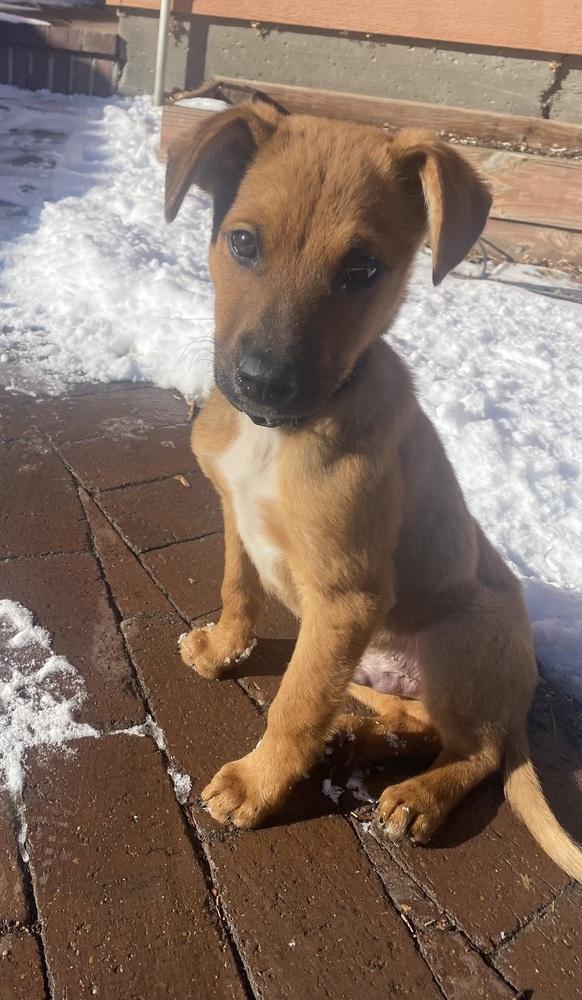
Lancashire Heeler Dogs for Adoption in Denver, CO

Your guide to finding and caring for a Lancashire Heeler in Denver

A Lancashire Heeler fits Denver's brick bungalows and mid-size apartments better than you'd expect from a herding dog. In Athmar Park or Baker, a 9-to-17-pound Heeler can patrol a small yard, then trot a leashed loop around Huston Lake Park. They're alert and chatty, so expect a running commentary on every passing neighbor. Give them a daily job, like a flirt pole session or a scent game, and they settle in happily. The breed is uncommon, so the listings here change often.

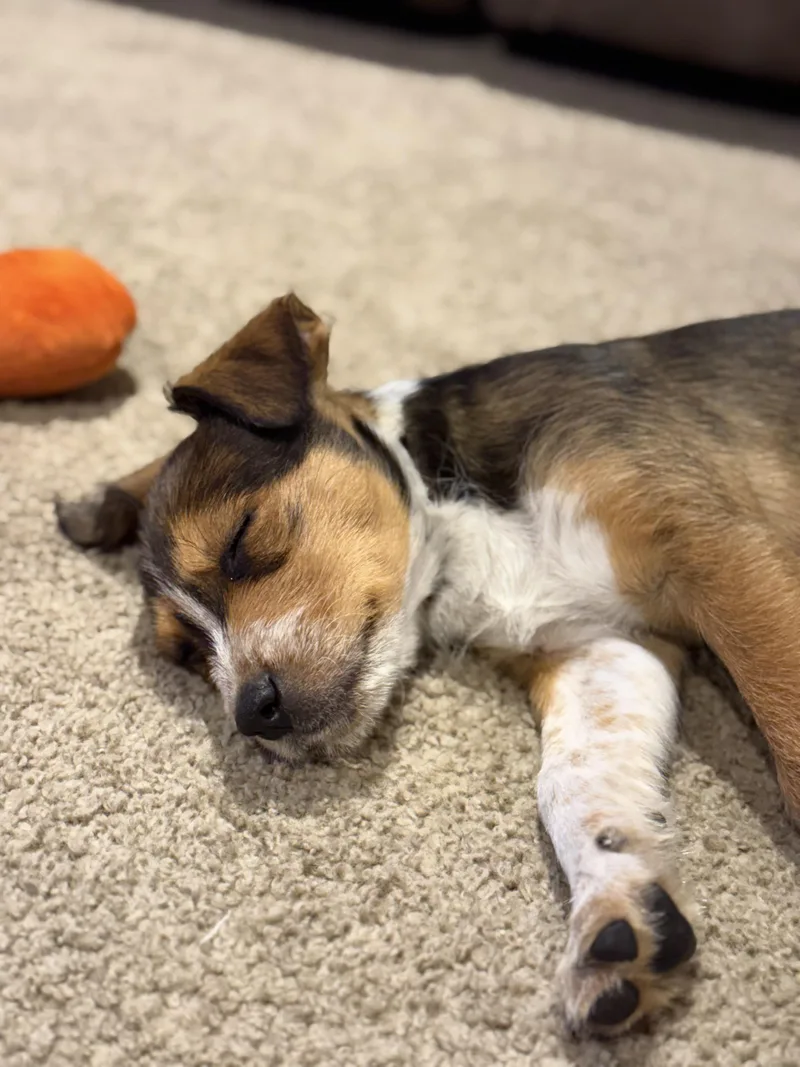
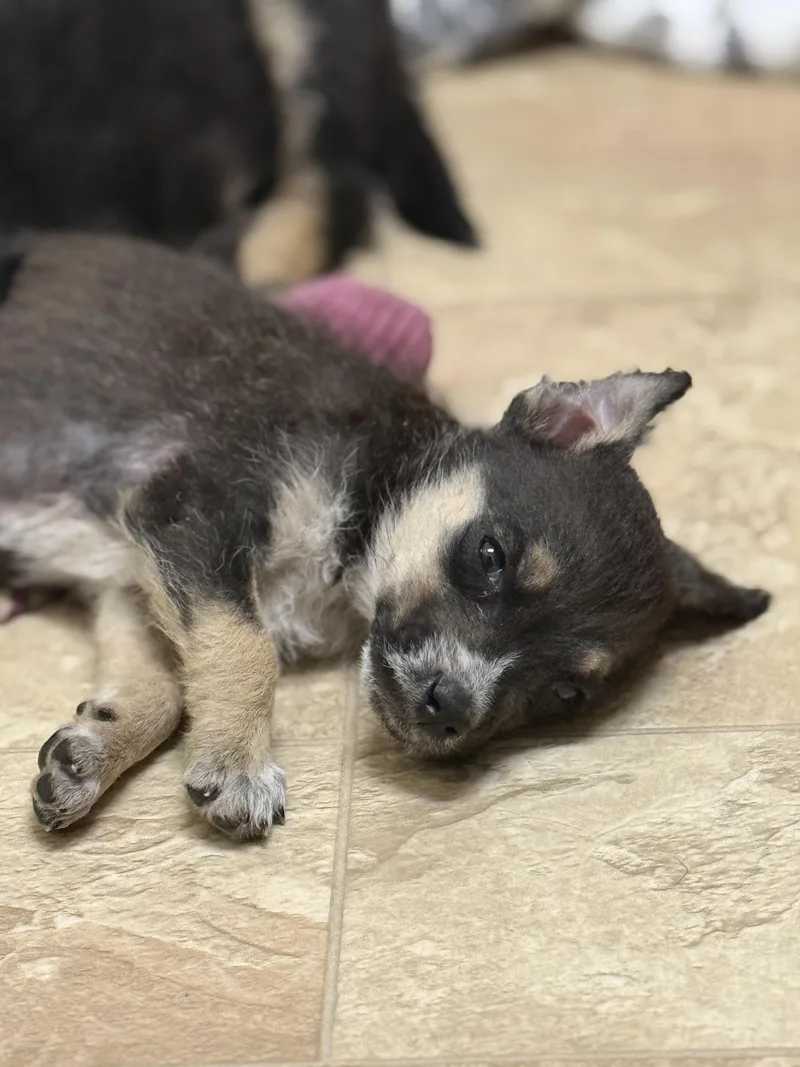
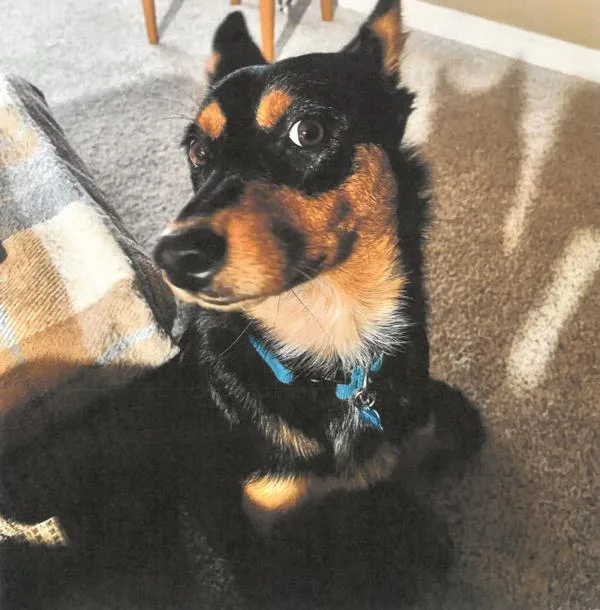
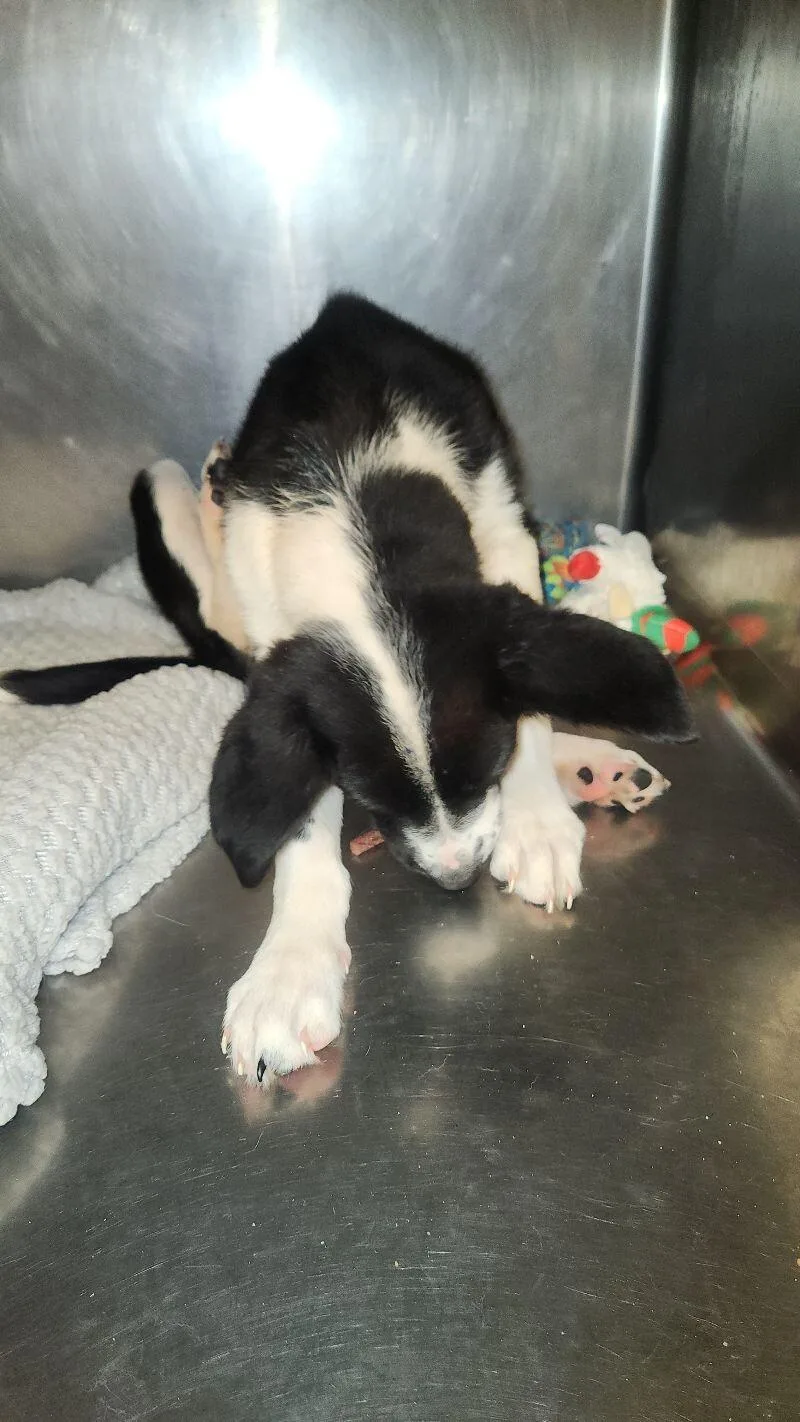
26 Lancashire Heelers available in Denver and nationwide

Find your forever Lancashire Heeler

While we don't have enough dogs near Denver, keep in mind that many rescues may offer transport.

Lancashire Heelers Available for Adoption Near Denver

About the Lancashire Heeler breed

The Lancashire Heeler is a small herding breed from northwest England, where it drove cattle to market and chased rats out of barns. It is generally thought to descend from Welsh Corgis and Manchester Terriers, which explains the long, sturdy body, short legs and sharp mind. The coat is short, harsh and weather-resistant, in black and tan or liver and tan, with an undercoat that sheds seasonally. Adults weigh about 9 to 17 pounds and often live 12 to 16 years.

In Denver, that mix of drive and size plays out in everyday ways. Many Heelers are affectionate, talkative and quick to learn, but some are reserved with strangers and inclined to chase squirrels or nip at heels. They do best with people who enjoy training games and daily outings, and each Heeler has a personality of their own.

Weight
9–17 lbs
Height
10–12 in
Lifespan
12–16 yrs
Temperament
Alert, Energetic, Affectionate, Intelligent
Group
Herding
Shedding
Low to Moderate

Owning a Lancashire Heeler in Denver

Having a Lancashire Heeler in Denver

Heelers pair a herder's drive with a terrier's curiosity in a small, sturdy frame. Daily exercise, mental work, a talkative streak and a few inherited eye conditions shape life with one, whether in a Denver apartment or a house with a yard.

Temperament

Many Lancashire Heelers are affectionate, alert and devoted to their families, and some stay reserved with strangers. In Denver's apartment buildings and close-set bungalows, expect a dog that announces footsteps and passing dogs. Early socialization and reward-based training help, and some chase small pets, though temperament varies from dog to dog.

Exercise Needs

Plan on daily walks plus active play like fetch, tug or a flirt pole. Denver's fenced dog parks suit Heelers with reliable recall, while everywhere else the leash rules apply, so the Cherry Creek Trail or High Line Canal work for longer leashed outings. Scent games and training add the mental work these dogs crave.

Health Considerations

Heelers are often long-lived, but they can inherit eye conditions such as primary lens luxation, collie eye anomaly and persistent pupillary membranes. DNA and eye screening exist, so ask your veterinarian about eye checks at the first visit. Keep up with dental care, parasite prevention and regular checkups.

Living Space

At 9 to 17 pounds, a Heeler fits Denver's apartments, condos and brick bungalows, as long as it gets daily exercise. Barking is the bigger issue in shared buildings, so plan on training and enrichment. A securely fenced yard helps, because prey drive can override recall.

What it costs to own a Lancashire Heeler in Denver

ExpenseTypical costPer year
Food$20 to $45 per month$240 to $540
Pet insurance$35 to $70 per month$420 to $840
Routine vet care$200 to $400 per year$200 to $400
Other*$390 to $1,090 per year$390 to $1,090
Estimated yearly total (after year one)$1,250 to $2,870

Other costs are estimates and vary with size, age and health.

* The Denver dog license, a dental cleaning allowance, flea, tick and heartworm prevention, toys and bedding, and light grooming for a short coat.

Adopt a Lancashire Heeler in Denver.

Now that you know more, let’s find you a new best friend. These rescues and shelters below have dogs available in and near Denver.

Rescues and Shelters in or near Denver

Denver's shelters and rescues list adoptable dogs here, and Heelers are uncommon, so similar breeds and saved searches help. Here are the rescues & shelters in the Denver area with dogs available for adoption, worth asking whether a Lancashire Heeler is coming in.

Frequently Asked Questions

Yes, Denver allows Lancashire Heelers, and the breed isn't on the city's restricted list. Dogs must be licensed, at $15 for one year, $40 for three or $150 for a lifetime, and must wear the tag. Rabies vaccination and spay/neuter are required after 6 months, and a household can have no more than three dogs.

Yes, a Lancashire Heeler can live in a Denver apartment, since adults weigh just 9 to 17 pounds. The main challenge is noise, because Heelers are alert and talkative and neighbors can complain about persistent barking. Daily walks, puzzle toys and training games help. Buildings near leashed routes like Cheesman Park or Washington Park make exercise easier.

Carla Madison, Lowry and Kennedy dog parks are good fenced starting points. Dogs need a Denver license, rabies tag and spay/neuter status or an intact permit, and each handler can bring two dogs. For leashed walks, try Washington Park, City Park or the High Line Canal. Practice recall first, since Heeler prey drive can override it.

Yes, Lancashire Heelers handle Denver winters well with basic care. Only about 22 days a year stay below freezing all day, so most afternoons allow a walk. Their short legs pick up snow, ice and salt, so wipe paws afterward, use a sweater on the coldest mornings, and don't shave the coat.

Yes, but only in a carrier. RTD prohibits pets on buses and trains other than service animals, with an exception for small pets in carriers. A 9-to-17-pound adult Heeler may be a snug fit, so practice carrier comfort at home first. On commuter rail, a crated pet stays on the floor or your lap.

Sometimes, but only on patios of restaurants that opt in. Denver restaurants can allow leashed dogs on qualifying patios, never indoors. Dogs must wear current vaccination tags, stay off seats and tables, and keep 15 feet from food service stations. A chatty Heeler may do better with a chew toy and a quiet corner.

Very little. A Heeler's short, harsh coat needs weekly brushing, and more often during the seasonal undercoat shed in spring and fall. Baths are only needed when the dog is dirty, and shaving isn't recommended. Light grooming is counted in the Other line of the cost table on this page.

A Lancashire Heeler is a small, sturdy herding dog from northwest England, about 10 to 12 inches tall and 9 to 17 pounds, originally used to drive cattle and catch rats on farms. It has a short black-and-tan or liver-and-tan coat, an alert, cheerful personality and plenty of energy. The AKC recognized the breed in 2024.

The Lancashire Heeler's roots likely go back several centuries in Lancashire, England, with some accounts dating it to the 1600s, when farmers and butchers used small heelers to drive cattle. The modern breed was revived in the 1960s, its club formed in 1978, and The Kennel Club recognized it in 1981. The AKC followed in 2024.

Most Heeler owners can expect roughly $1,250 to $2,870 a year in total. Food runs about $20 to $45 a month and pet insurance $35 to $70. Routine vet care adds $200 to $400 a year, and other costs, such as parasite prevention and dental care, run $390 to $1,090.