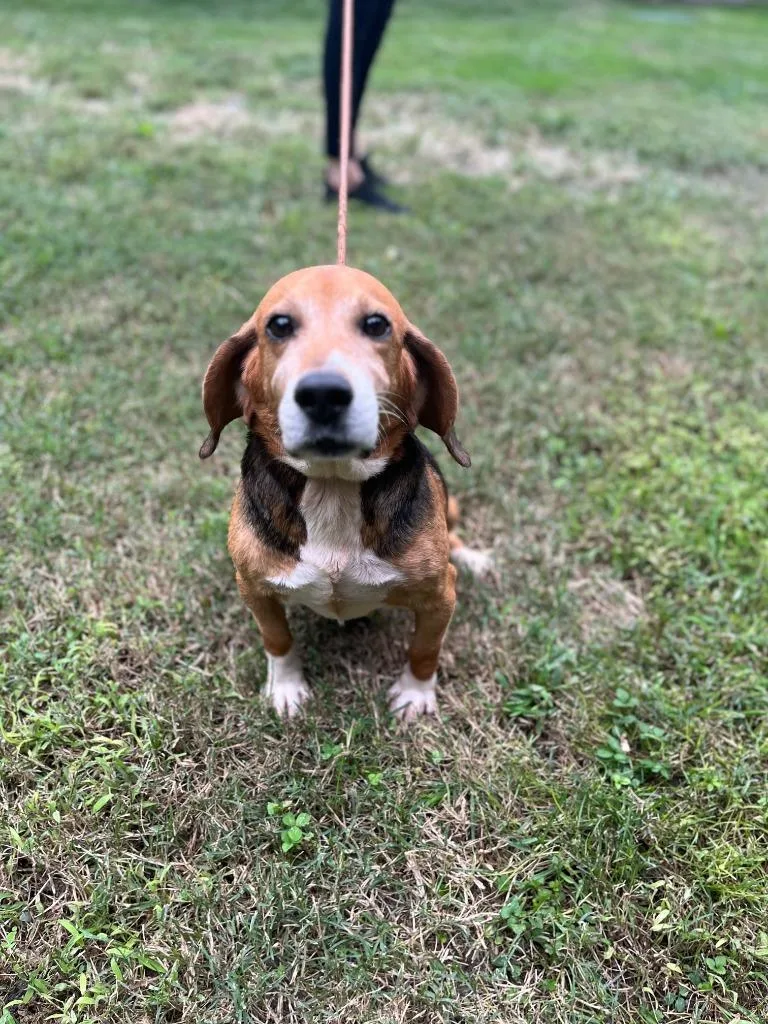
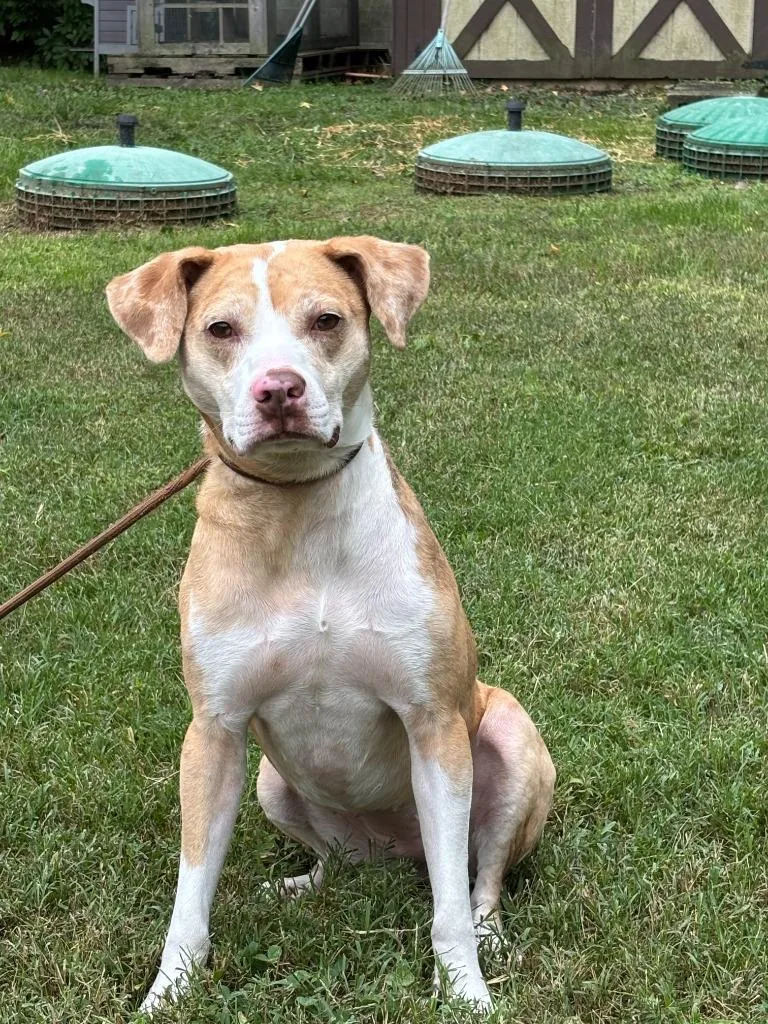
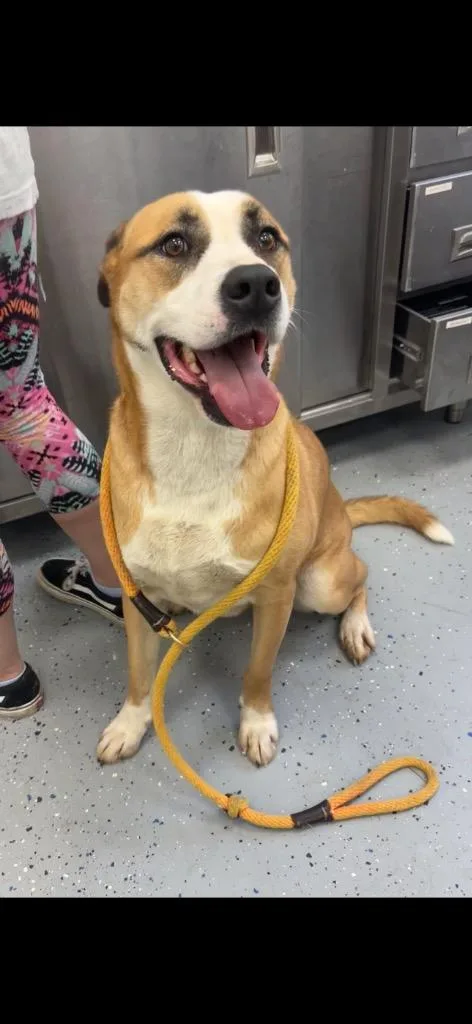
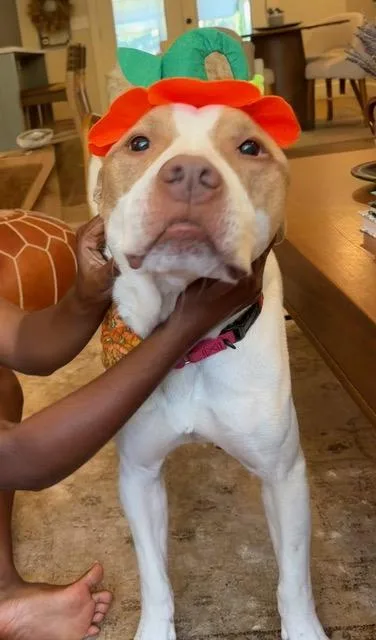
Hamiltonstovare Dogs for Adoption in Denver, CO

Your guide to finding and caring for a Hamiltonstovare in Denver

Hamiltonstovares suit active Denver households that can give them a long walk every day. The breed's stamina matches the Cherry Creek Trail and the Sand Creek Greenway, and a Hilltop bungalow or a Central Park townhome works well when the yard is securely fenced. Their baying carries through thin walls, so a Capitol Hill condo only works for a dog that gets plenty of exercise. They're uncommon in the US, which makes each one worth watching for.

4950 dogs similar to Hamiltonstovare available in Denver and nationwide

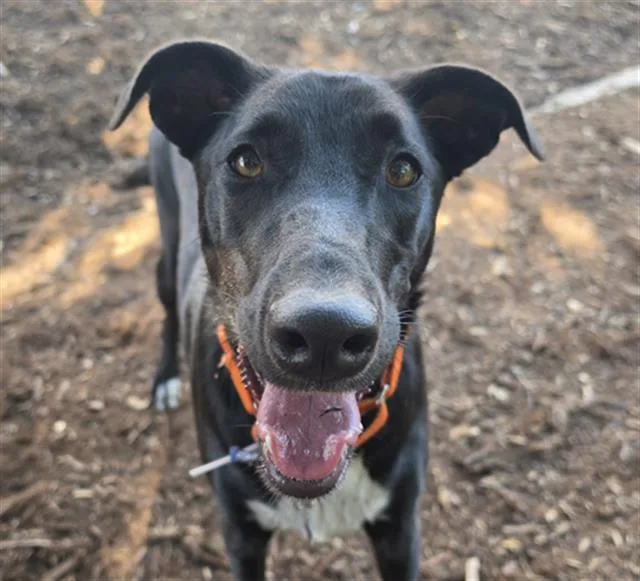
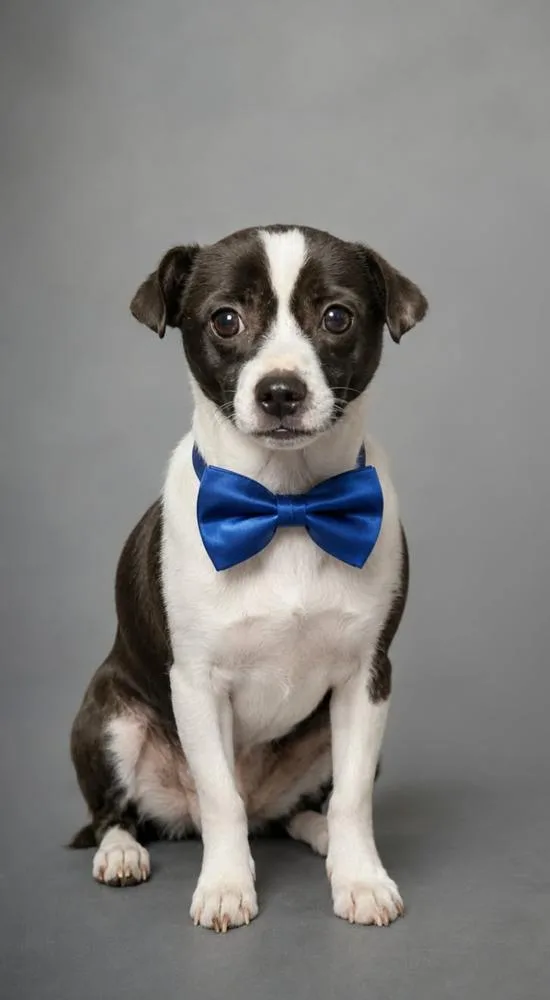
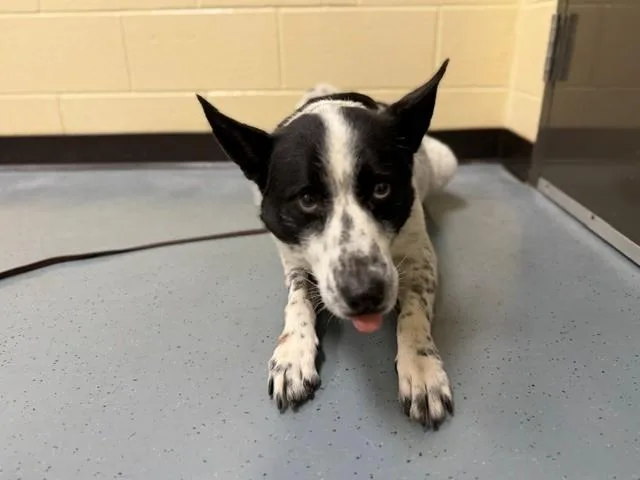
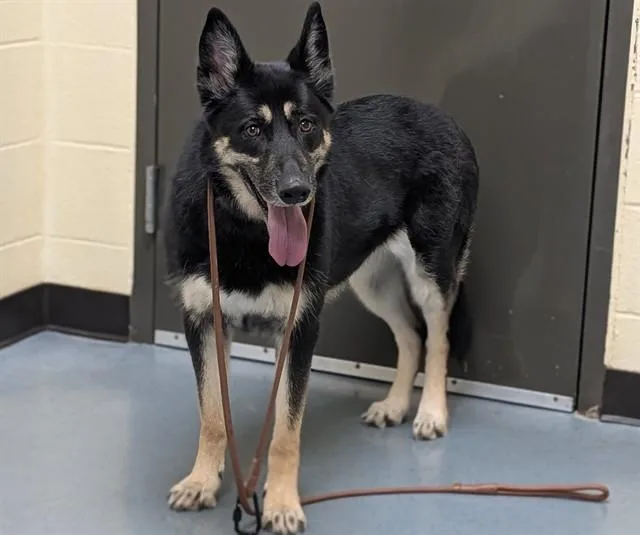
Say hello to your Hamiltonstovare

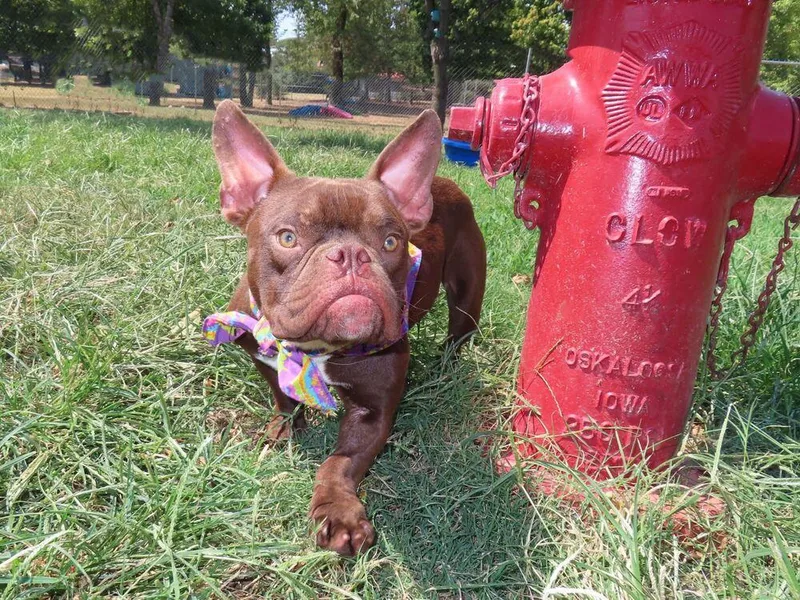
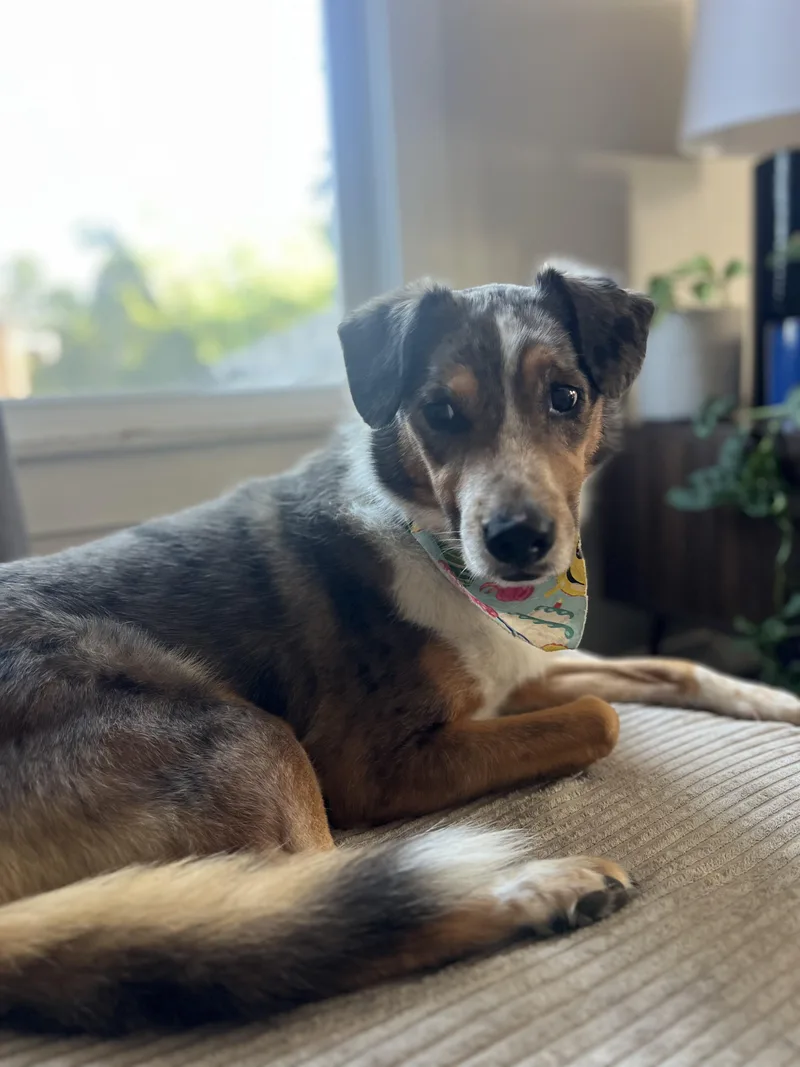
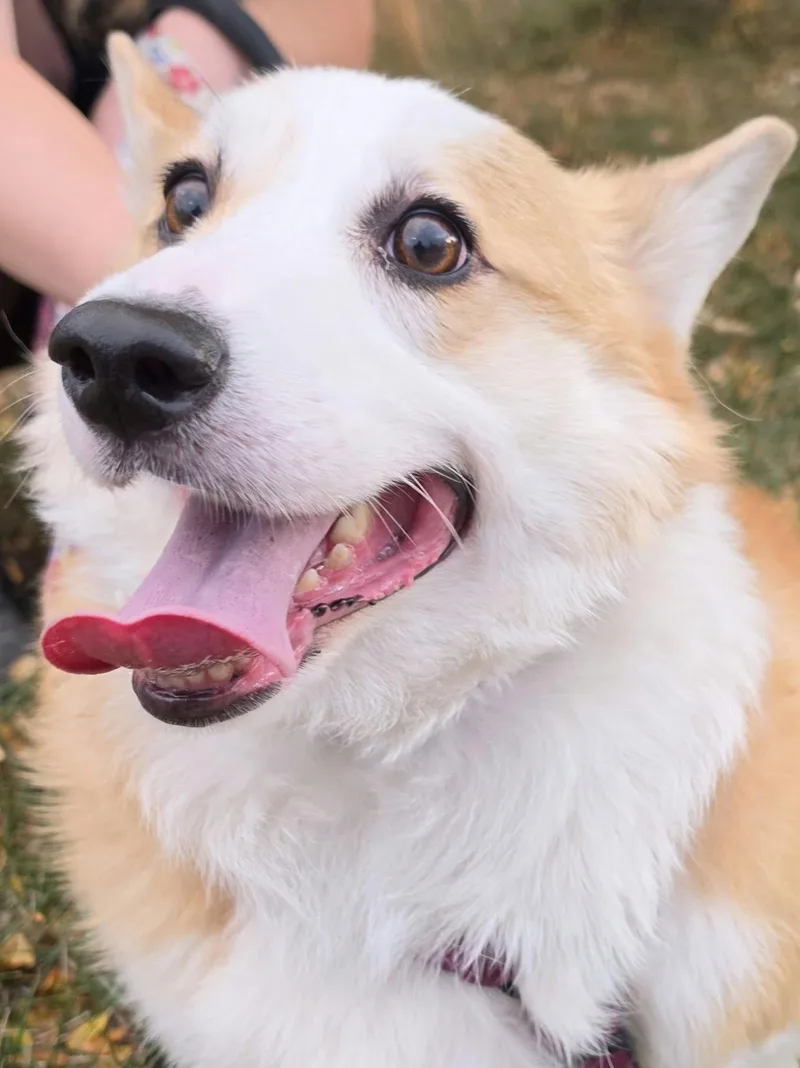
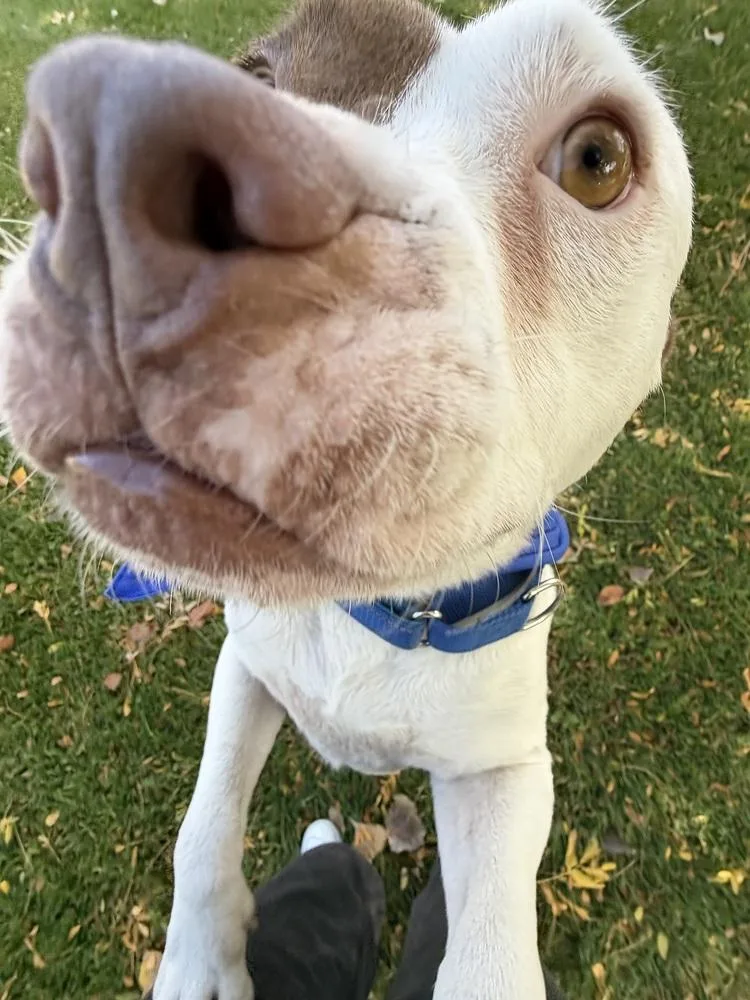
Hamiltonstovares and Similar Breeds Available for Adoption Near Denver

About the Hamiltonstovare breed

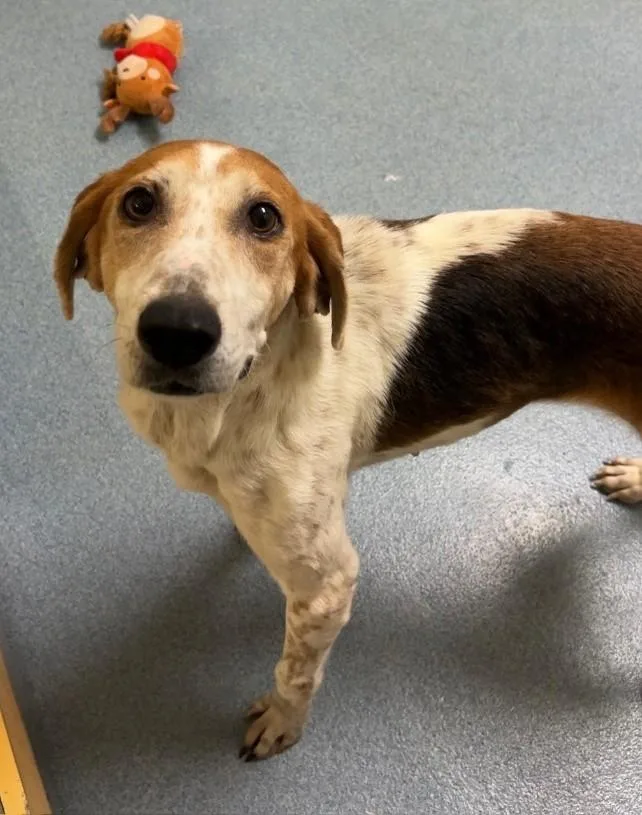
The Hamiltonstovare is a Swedish scent hound, created by Count Adolf Hamilton, founder of the Swedish Kennel Club, and first shown in 1886. It was developed to trail hare and fox alone, giving tongue so hunters could follow. The result is a medium-sized, athletic dog with a close-lying coat in black, tan and white.

In a home, many are friendly, even-tempered and sociable with people and other dogs. The nose still runs the show, though, so these dogs need patient training, daily exercise and secure fencing. In Denver, that means leashed outings on greenways and fenced dog parks for off-leash time. Dogs vary, so spend time with the one you're considering and see how that dog behaves.

Weight
50–60 lbs
Height
19–24 in
Lifespan
10–13 yrs
Temperament
Friendly, Energetic, Independent
Group
Hound
Shedding
Moderate

Owning a Hamiltonstovare in Denver

Having a Hamiltonstovare in Denver

Hamiltonstovares pair a relaxed home manner with the endurance of a dog bred to trail game for hours. In Denver, the nose, the voice and the need for daily miles matter more than the size or the easy coat.

Temperament

Most Hamiltonstovares are friendly and even-tempered, and many enjoy company, including other dogs. They can also be stubborn and easily distracted by scent, so short, rewarding training sessions work best. Dogs differ, and cats or small pets may set off chasing, so introduce them slowly in a Denver home.

Exercise Needs

Plan on a long daily walk, plus jogging once the dog is mature or hiking on a long line. Denver's greenways and trails give plenty of room for leashed miles. Scent games add mental work. Off-leash time belongs in fenced areas, because a fresh trail can override recall in seconds.

Health Considerations

The breed is generally considered sturdy, though little health data exists outside Scandinavia. Hip dysplasia can occur, and drop ears need regular checks for infection. Keeping the dog lean protects its joints on Denver's long walks. A veterinarian can check hips, ears and weight at a first wellness visit.

Living Space

A house with a securely fenced yard suits most Hamiltonstovares, and a Denver apartment can work for an adult that gets long daily outings. Baying can bother neighbors when the dog is bored or left alone for long stretches. The dog should live indoors with the family.

What it costs to own a Hamiltonstovare in Denver

ExpenseTypical costPer year
Food$35 to $70 per month$420 to $840
Pet insurance$45 to $85 per month$540 to $1,020
Routine vet care$225 to $450 per year$225 to $450
Other*$440 to $1,190 per year$440 to $1,190
Estimated yearly total (after year one)$1,625 to $3,500

Other costs are estimates and vary with size, age and health.

* The Denver dog license, flea, tick and heartworm prevention, a dental cleaning allowance, toys and bedding, and occasional brushing and baths.

Adopt a Hamiltonstovare in Denver.

Now that you know more, let’s find you a new best friend. These rescues and shelters below have dogs available in and near Denver.

Frequently Asked Questions

Yes, Denver has no restriction on Hamiltonstovares. You'll need a city license once the dog is 6 months old, a current rabies vaccination, and spay or neuter surgery unless you hold an intact permit. Dogs must be leashed outside your home, yard or a designated dog park. A household can have no more than three dogs.

Yes, most can. Denver winter afternoons usually warm into the mid-40s, and a Hamiltonstovare's close-lying coat thickens in the cold. Nights often drop below freezing, so wipe snow, ice and salt from paws, consider a coat on the coldest mornings, and skip shaving. Keep the dog indoors with the family.

For off-leash running, Denver's fenced dog parks such as Railyard, Kennedy and Greenway are safest for a scent-driven hound. For long leashed walks, try City Park, Washington Park, the High Line Canal or the Cherry Creek Trail. Dogs must be leashed outside fenced dog parks, so use a long line for sniffing.

It can, if the dog gets long daily walks and isn't left alone for hours. About half of Denver households rent, and Colorado caps pet deposits at $300 and pet rent at $35 or 1.5% of rent, whichever is greater. Baying can carry through walls, so a quieter building helps.

Only in a carrier. RTD allows pets on its buses and trains only if they're small and in a carrier, with an exception for service animals. A 50-to-60-pound Hamiltonstovare won't fit in one, so plan on driving or walking, and check current RTD rules before any trip.

It can be, for active people. Denver's greenways and fenced dog parks give a Hamiltonstovare room to burn energy, and its short coat handles cold well. It needs daily exercise, secure fencing and patient recall training. It's a weaker fit if you're away most of the day or rely on transit.

Only to patios, and only where the restaurant has chosen to allow dogs. Denver restaurants can opt in to leashed dogs on qualifying outdoor patios, and dogs are never allowed inside. Your dog must stay leashed, wear vaccination tags and keep off seats and tables. A bored, scent-driven hound may do better at home.

Very little. A weekly brushing is usually enough, with a bath only when the dog gets muddy on spring trails. Check the ears regularly, and wipe paws after winter walks to remove salt. Grooming costs are a small part of the yearly Other costs shown above, and professional grooming is rarely needed.

Yes, Hamiltonstovares shed, though their short, close-lying coat makes care easy. Expect a moderate amount of hair year-round, with heavier shedding when the coat changes with the seasons. A weekly once-over with a rubber curry brush or hound glove removes most loose hair. They are not hypoallergenic, so people with dog allergies should spend time with one before adopting.

Plan on about $35 to $70 a month for food, $45 to $85 a month for insurance, and $225 to $450 a year for routine vet care. Other yearly costs, such as prevention, dental care, the license and supplies, run about $440 to $1,190. Together that's roughly $1,600 to $3,500 a year.