Fila Brasileiro Dogs for Adoption in Denver, CO

Your guide to finding and caring for a Fila Brasileiro in Denver

Fila Brasileiros fit Denver best in neighborhoods with big yards and quiet streets. Hampden South and Southmoor have some of the city's larger lots, and the brick ranches and bungalows in Athmar Park often leave room for a tall fence. A Fila needs steady leashed walks and a home where visitors are introduced slowly, which is easier behind a gate than in a shared hallway. Spring hail and thunder can rattle even a calm giant, so have a quiet room ready.

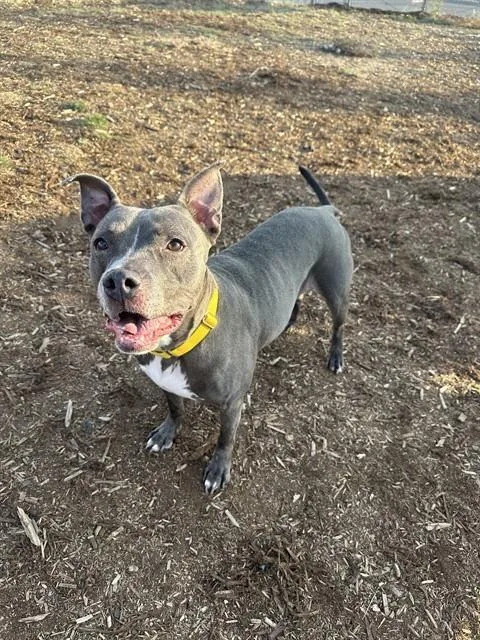
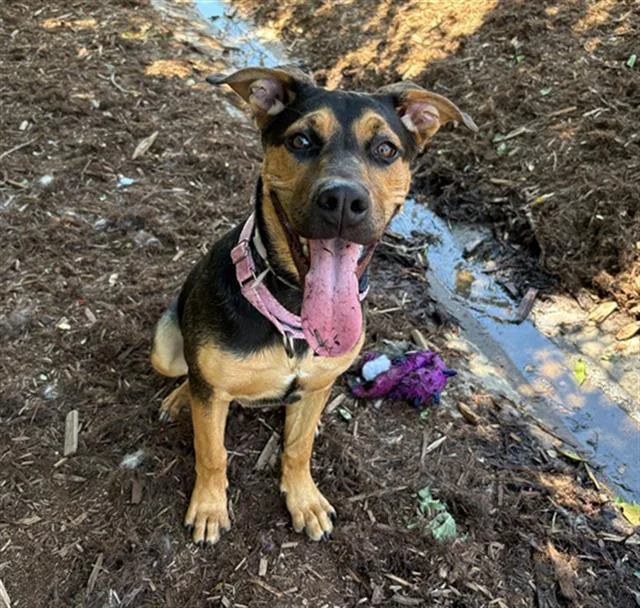
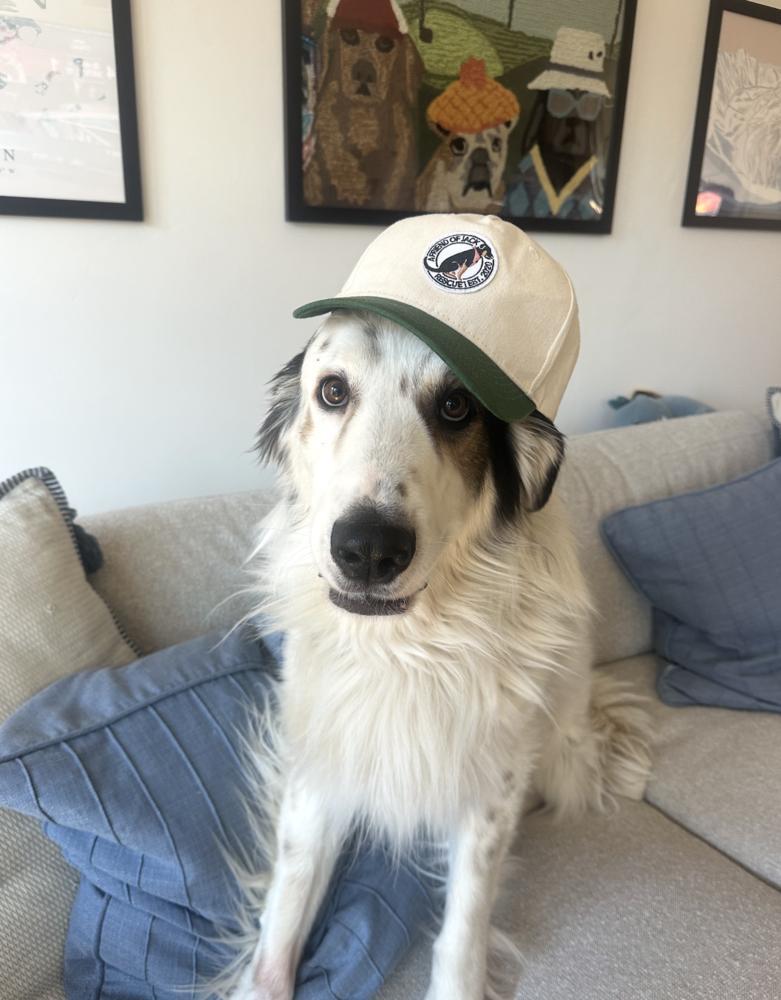
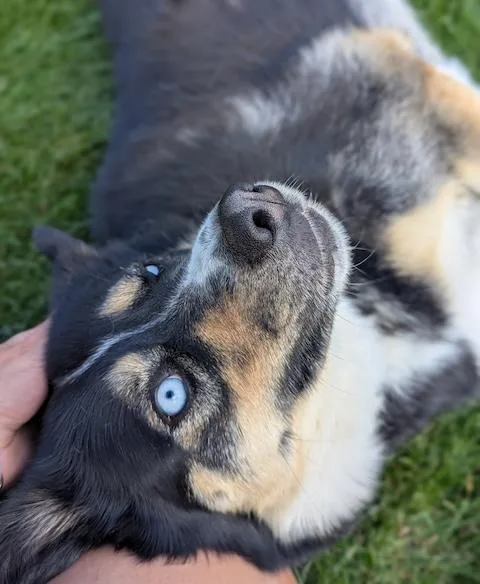
1782 dogs similar to Fila Brasileiro available in Denver and nationwide

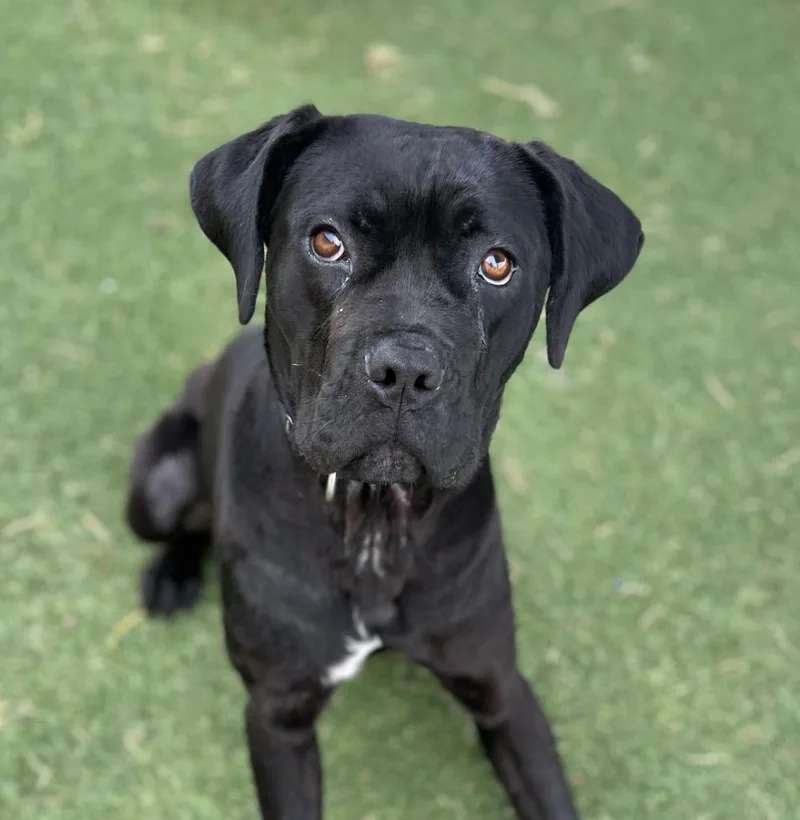
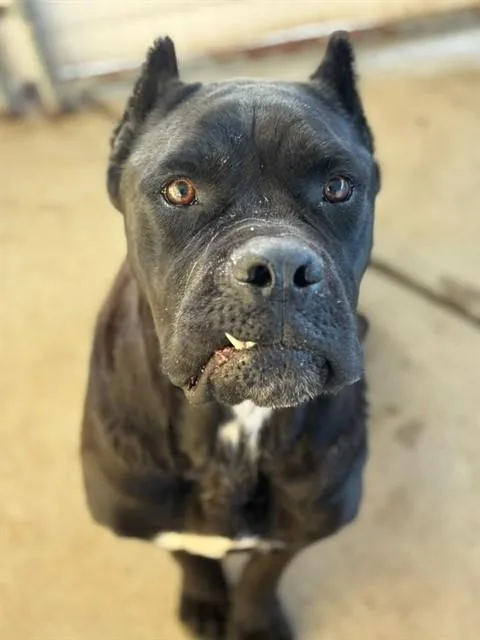
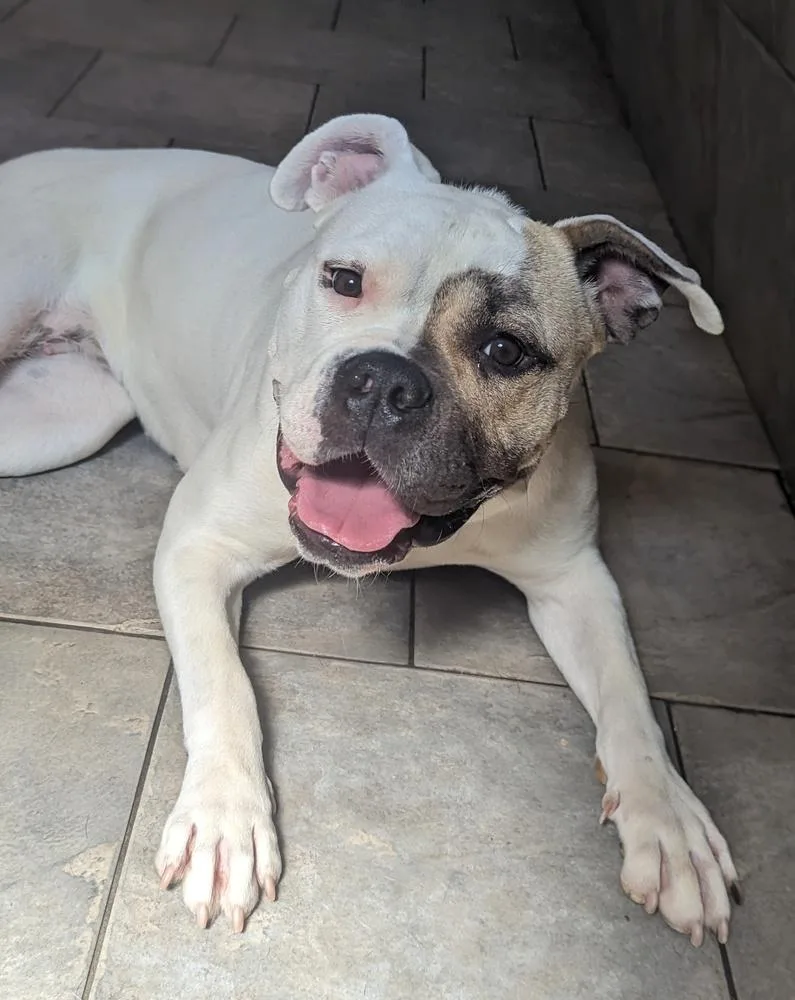
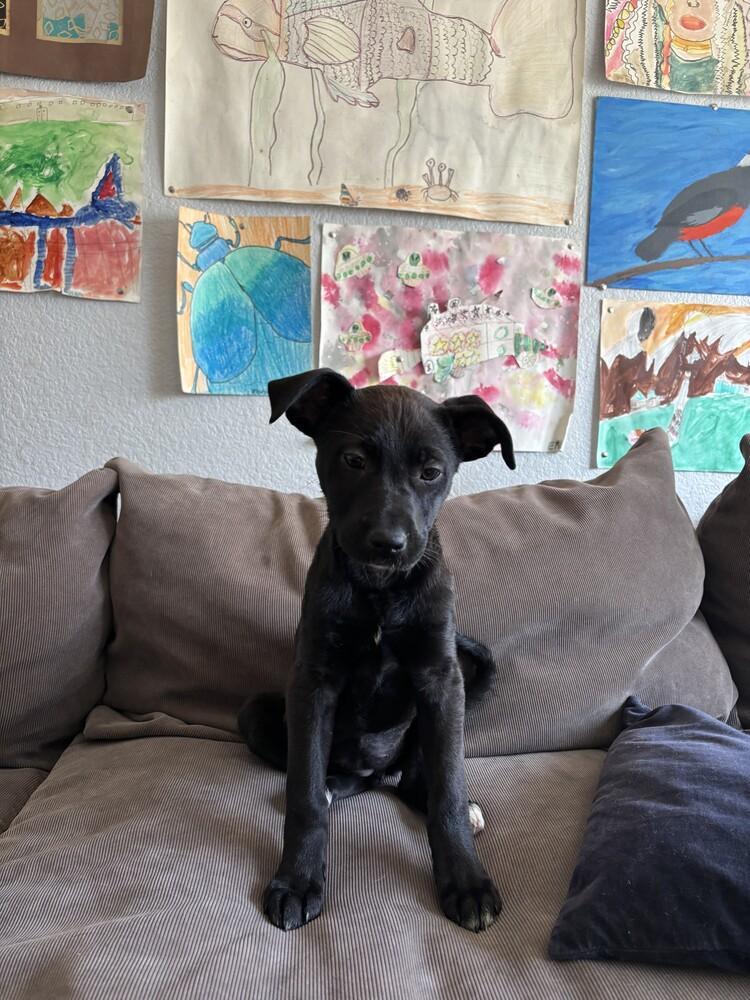
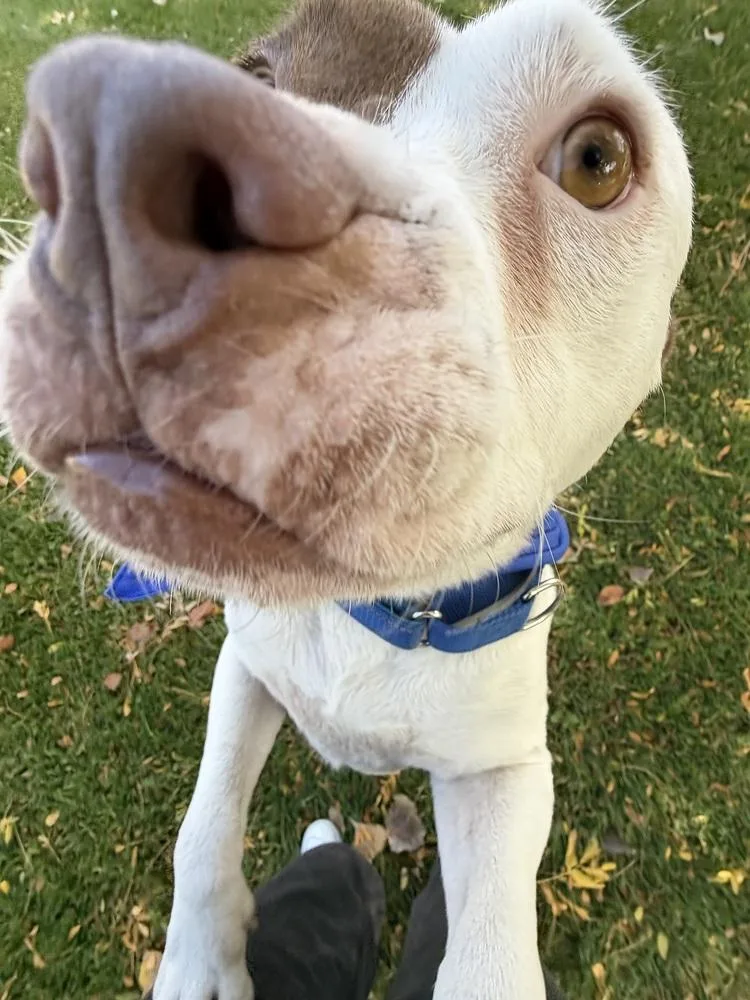
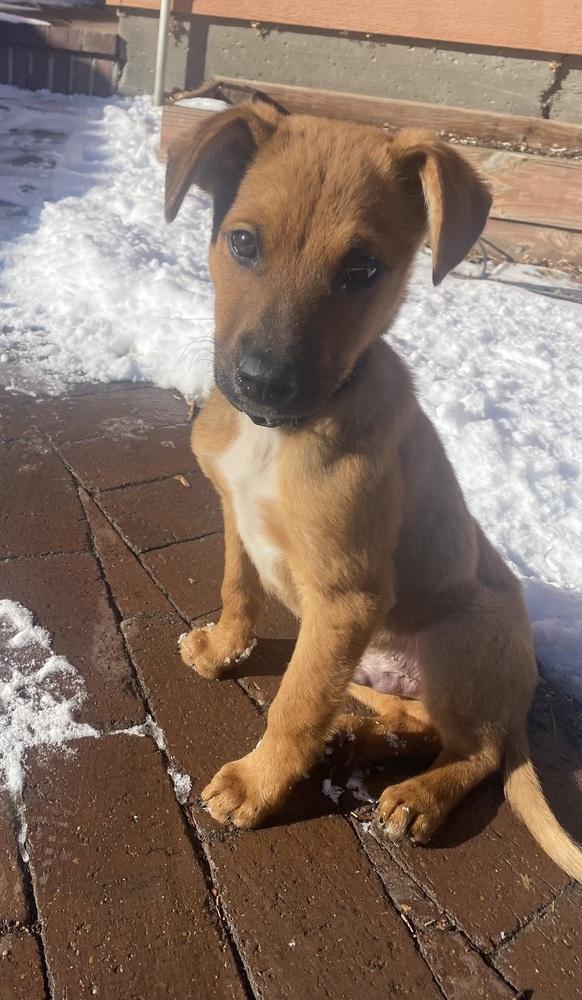
Meet a Fila Brasileiro who needs you

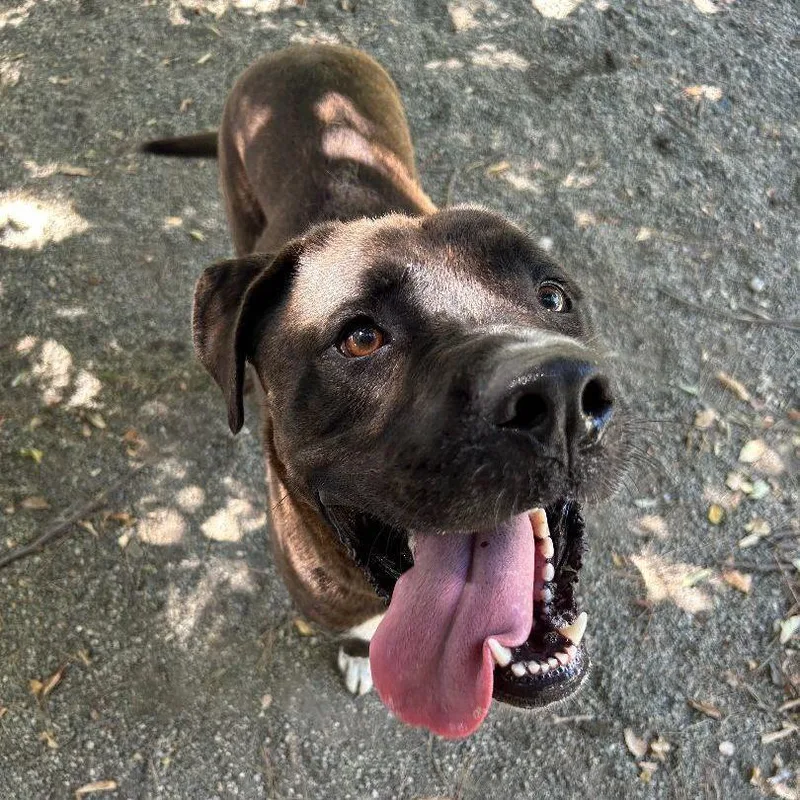
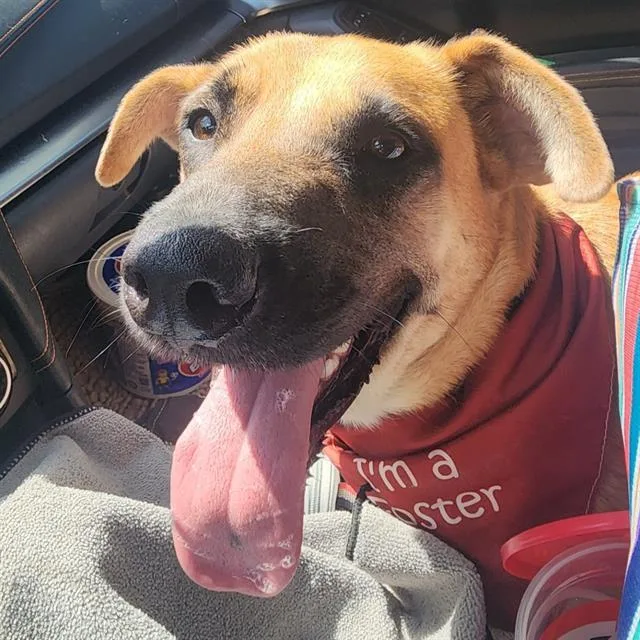
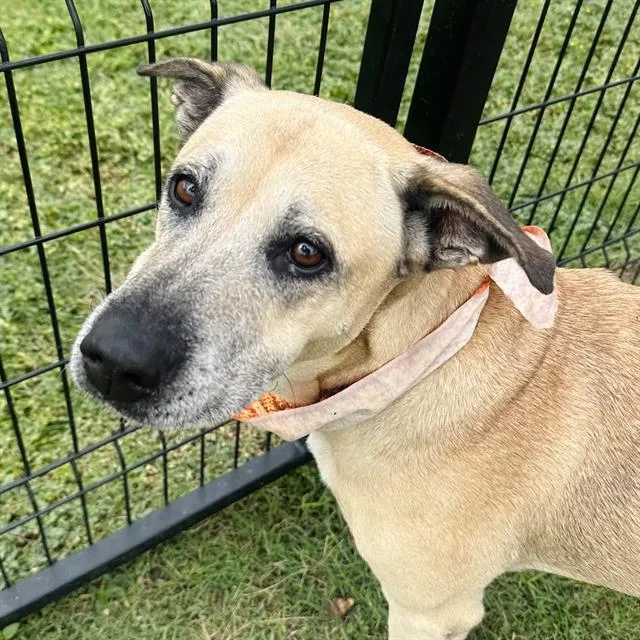
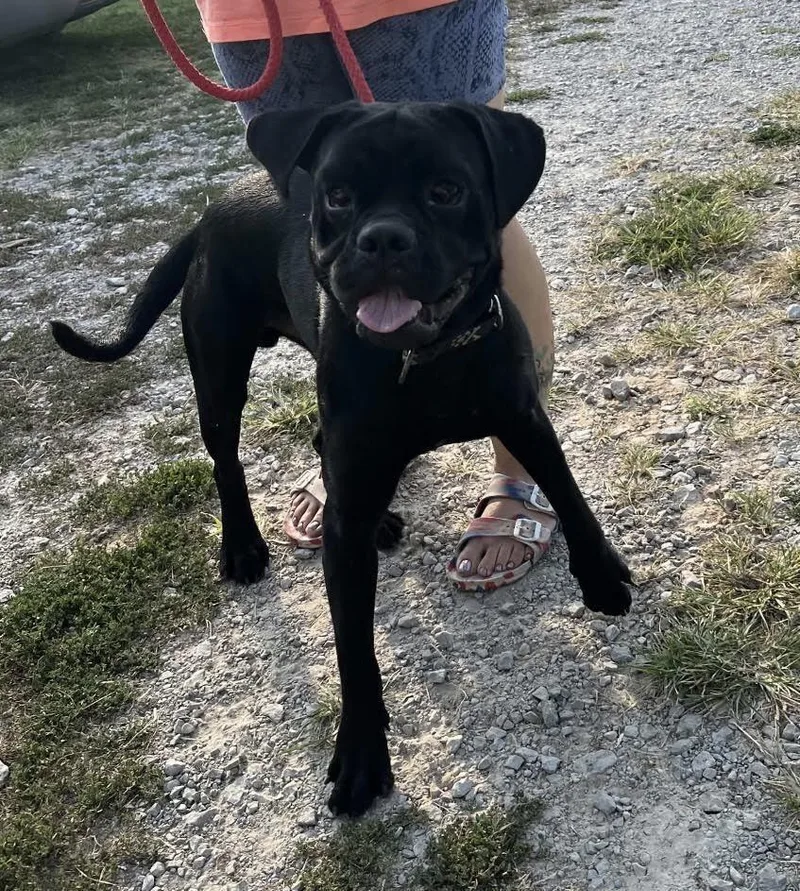
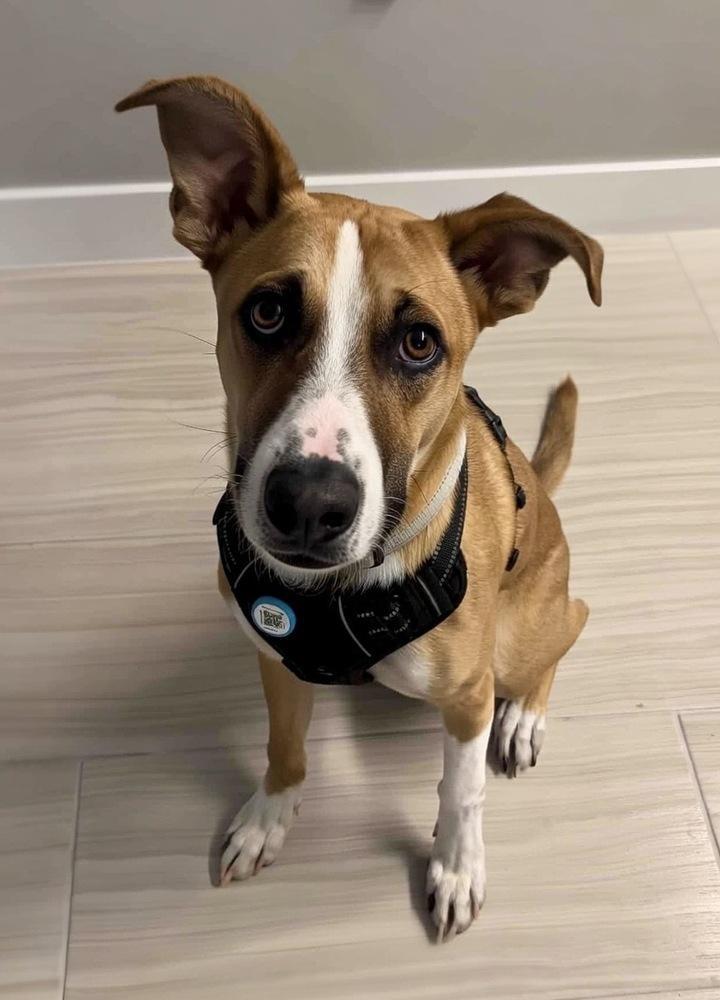
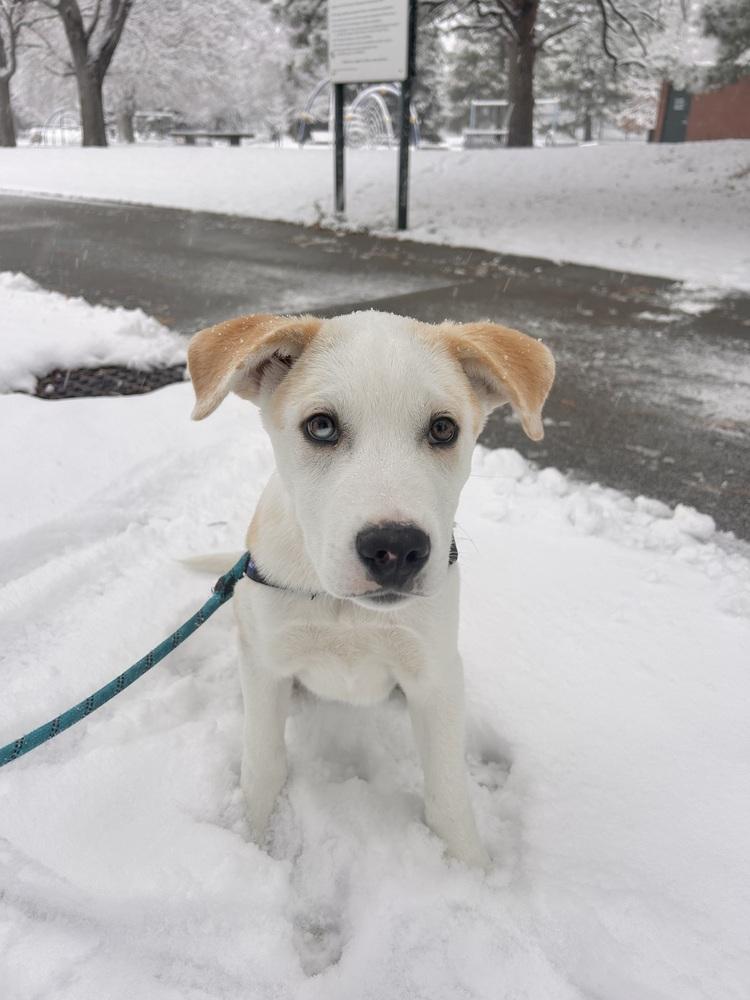
Fila Brasileiros and Similar Breeds Available for Adoption Near Denver

About the Fila Brasileiro breed

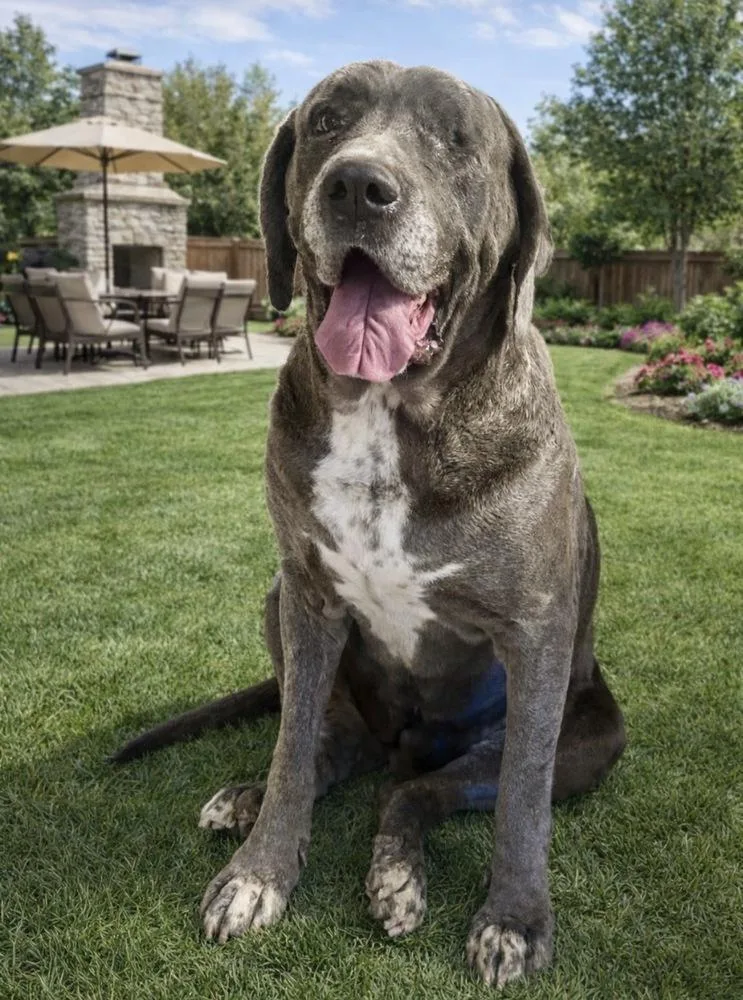
The Fila Brasileiro, or Brazilian Mastiff, was developed on Brazil's colonial-era ranches from European mastiff, bloodhound and bulldog-type dogs, and worked as an estate guardian and cattle dog. Adults usually weigh 90 to 150 pounds, with loose, thick skin, heavy dewlaps and a rolling, camel-like gait. The short, dense coat comes in brindle, fawn or black and sheds moderately. Expect a lifespan of about 9 to 11 years.

Filas are devoted to their own families and naturally aloof toward strangers, a trait often called ojeriza. In Denver, that puts the fence line, the front door and the sidewalk at the center of daily management. This is a breed for experienced owners ready for lifelong socialization, secure fencing and controlled introductions, though each dog's personality varies.

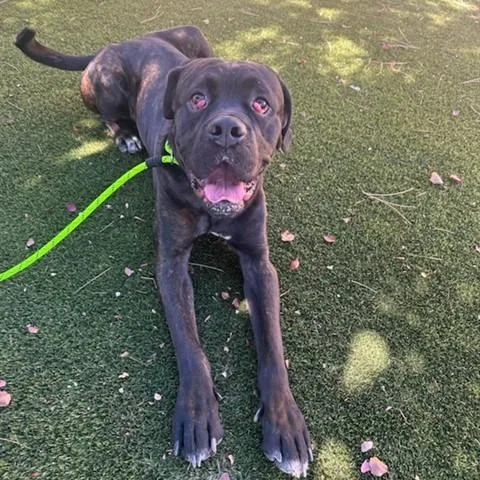
Weight
90–150 lbs
Height
24–30 in
Lifespan
9–11 yrs
Temperament
Protective, Devoted, Courageous
Group
Working
Shedding
Moderate

Owning a Fila Brasileiro in Denver

Having a Fila Brasileiro in Denver

In Denver, a Fila's size and guarding instinct matter most: it needs a secure yard, leashed outings and a household that can manage visitors calmly. Exercise is moderate, and giant-breed health planning, from joints to bloat, shapes everyday care.

Temperament

Filas are typically devoted and calm with their own family but wary of strangers, though dogs vary. In Denver, that means planning for doorbells, building lobbies and neighbors across the fence. Reward-based training and controlled introductions help, and a dog's known behavior around visitors and other animals deserves careful weight when adopting.

Exercise Needs

Plan on steady leashed walking every day, split between morning and evening, plus yard time and training games. Denver's wide, level paths suit unhurried walks. Young dogs need low-impact activity while their large joints develop, and storm or snow days call for indoor scent games and short training sessions.

Health Considerations

Giant mastiffs like Filas can face hip and elbow dysplasia and bloat, a sudden stomach emergency. Keep the dog lean, feed smaller meals and have a veterinarian check the joints. Good data on the breed is limited, so a vet familiar with giant breeds is valuable, especially for hot-weather safety.

Living Space

A house with a tall, secure fence suits a Fila best, and Denver's older brick bungalows and 1960s–70s ranch neighborhoods often have the yard for it. Apartment buildings mean shared hallways and constant strangers, which can stress this breed. Keep it indoors with the family, and check landlord and insurance limits first.

What it costs to own a Fila Brasileiro in Denver

ExpenseTypical costPer year
Food$80 to $160 per month$960 to $1,920
Pet insurance$85 to $170 per month$1,020 to $2,040
Routine vet care$250 to $500 per year$250 to $500
Other*$590 to $1,690 per year$590 to $1,690
Estimated yearly total (after year one)$2,820 to $6,150

Other costs are estimates and vary with size, age and health.

* A Denver dog license, giant-size flea, tick and heartworm prevention, a dental cleaning allowance, sturdy toys and bedding, minimal coat care and joint supplements.

Adopt a Fila Brasileiro in Denver.

Now that you know more, let’s find you a new best friend. These rescues and shelters below have dogs available in and near Denver.

Frequently Asked Questions

Yes. Denver's Breed-Restricted Permit applies to American Pit Bull Terriers, American Staffordshire Terriers and Staffordshire Bull Terriers, not Fila Brasileiros. Every dog still needs a city license and rabies vaccination at 6 months and must be spayed or neutered unless the owner has an intact permit. Landlords and insurers may set their own rules, so confirm those before adopting.

It's possible, but rarely ideal. Shared hallways, elevators and neighbors mean constant strangers near a dog with strong guarding instincts, and persistent barking can lead to complaints under Denver's noise rule. A ground-floor unit with a private fenced patio, a quiet building and written landlord approval for giant breeds improve the odds.

Yes, with care. About 42 to 46 days a year reach 90°F, but nights cool into the upper 50s, so walk at dawn or after sunset. Giant, heavy dogs overheat faster, so provide shade, water and a cool indoor room, never leave one in a parked car, and use the 10-second pavement test.

Leashed routes suit most Filas best. Washington Park, City Park, the High Line Canal and the Cherry Creek Trail give long, wide walking room. Denver's off-leash dog parks require a license, rabies tag and spay/neuter or intact permit, limit handlers to two dogs and bar children 10 and under, but crowds can be tough for an aloof dog.

It can be for the right household. A Fila suits an experienced owner with a house, a tall fence and a calm routine, and Denver has neighborhoods with that kind of yard space. It fits poorly with frequent visitors or shared yards. Hail, thunder and July 4 fireworks also call for a secure indoor retreat.

No, not on RTD buses or trains unless the dog is a service animal. RTD allows only small pets in carriers, and an adult Fila weighing 90 to 150 pounds won't fit in one. Plan on driving, with the dog secured inside the vehicle, since riding loose in a truck bed is illegal.

Only to some patios, and never indoors. Denver restaurants can choose to allow leashed dogs on qualifying patios, where dogs must wear vaccination tags, stay off furniture and keep 15 feet from food service areas. Because many Filas are wary of strangers, a crowded patio is a poor setting, and skipping it may be kinder.

Very little. The short, dense coat needs a weekly brushing, a bit more during moderate shedding. Keep the skin folds and dewlaps clean and dry, and check paws after winter walks for ice melt and salt. Don't shave the coat in any season. Grooming costs are small and fall within the Other line of the cost table.

A Fila Brasileiro is a giant Brazilian mastiff-type guardian, also called the Brazilian Mastiff. It was developed on colonial ranches to guard property, drive cattle and catch large game. Filas have loose skin, heavy dewlaps and a distinctive pacing gait. They tend to be devoted to their own family and strongly distrustful of strangers, so they suit experienced owners.

Expect roughly $80 to $160 a month for food and $85 to $170 for insurance, which can be harder to find for guardian breeds. Routine vet care runs $250 to $500 a year, and other costs add $590 to $1,690. Together that's about $2,820 to $6,150 a year, before emergencies or training.