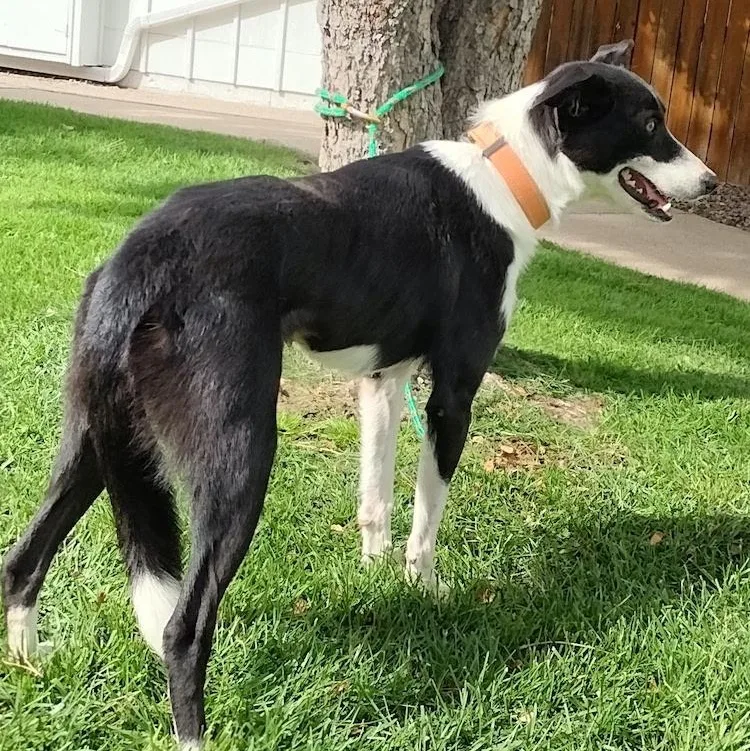
Corgi Dogs for Adoption in Denver, CO

Your guide to finding and caring for a Corgi in Denver

Corgis suit Denver's walkable neighborhoods, and Berkeley's Tennyson Street is a good example. A short-legged herder covers plenty of ground on a loop past the shops and around Berkeley Lake, and Berkeley Dog Park at West 46th and Sheridan gives it a fenced place to run. They're alert and chatty, so a corgi will announce every bike and delivery truck from the window. If you're adopting one in Denver, plan on daily walks, a lot of shed hair and a ramp for the couch.

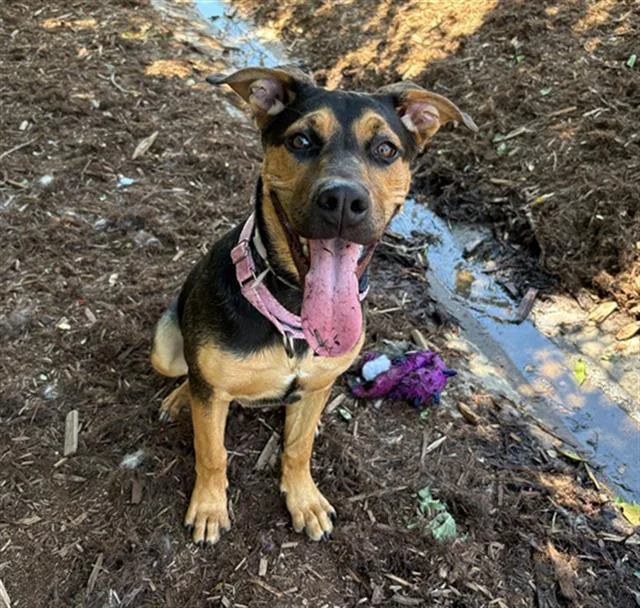
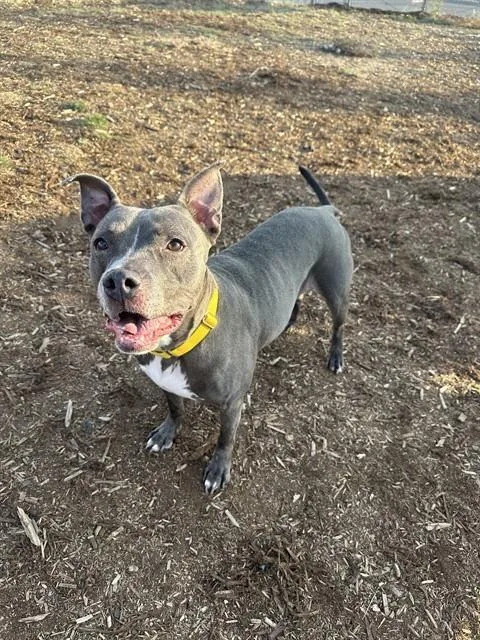
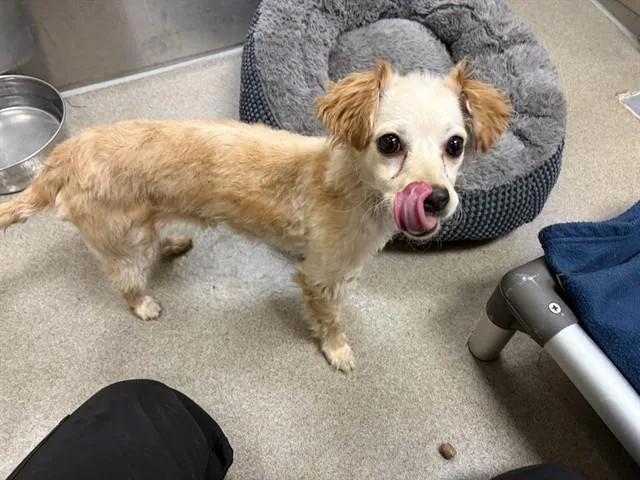
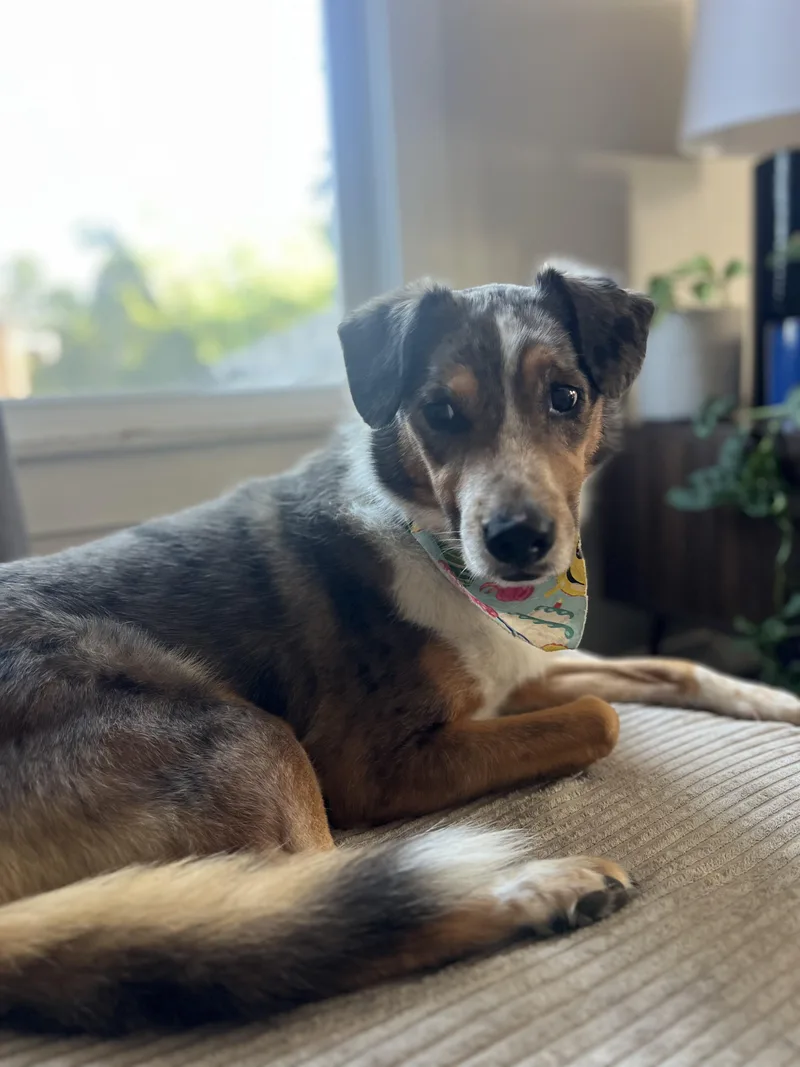
509 Corgis available in Denver and nationwide

Meet your next Corgi

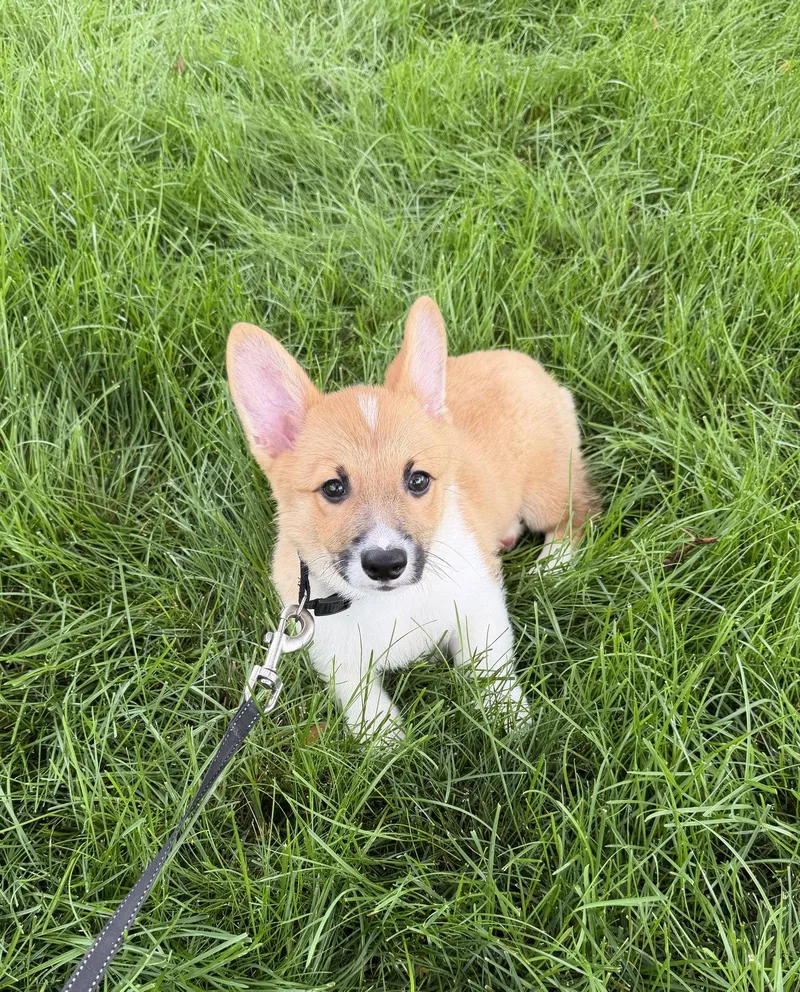
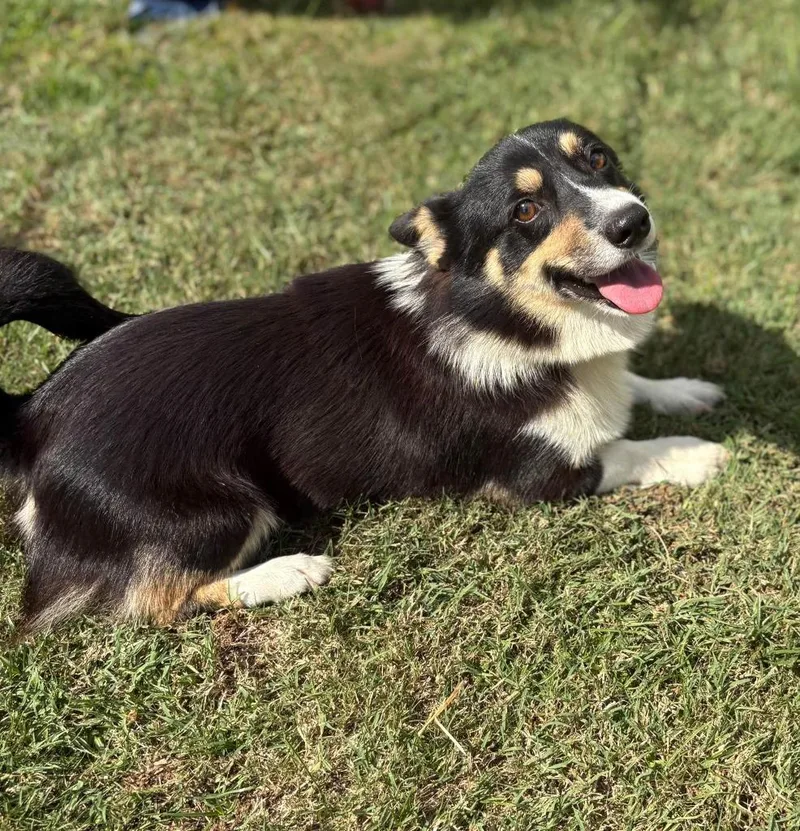
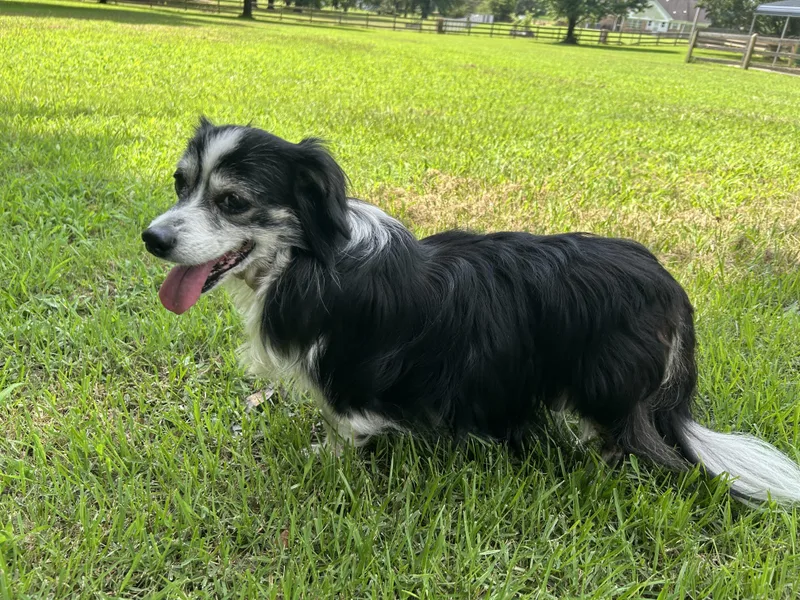
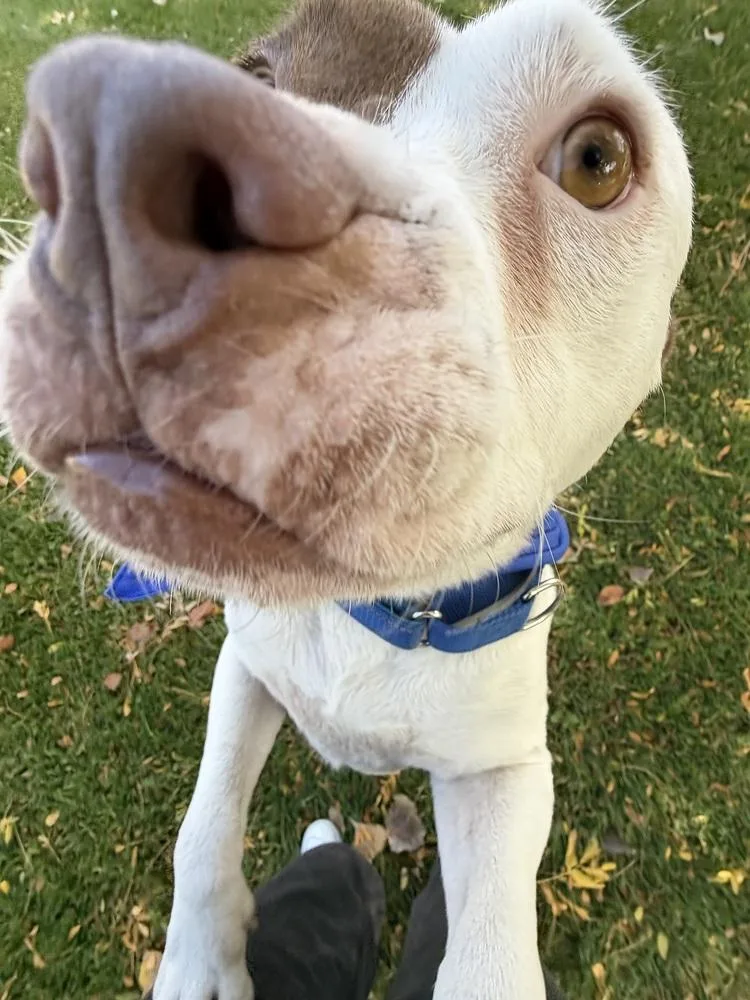
Corgis Available for Adoption Near Denver

About the Corgi breed

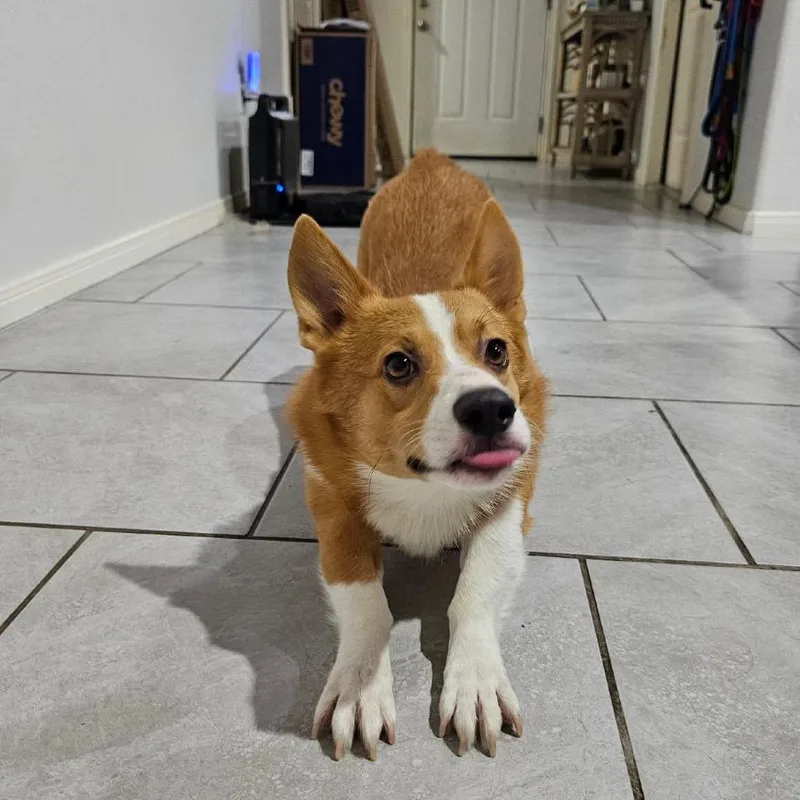
Corgi is the name for two Welsh herding breeds, the Pembroke and the Cardigan, and shelters often use it for corgi mixes too. They were built to drive cattle by nipping at heels, which is why such a low, sturdy body has so much stamina. The Pembroke is lighter and foxier, often with a short tail, while the Cardigan is heavier with a long brushy tail and sometimes brindle or merle coloring.

That working background shows up at home as barking, heel-nipping and a need for something to do. A thick double coat handles Denver's cold mornings well, but it sheds heavily, so expect brushing year-round. Corgis love food and gain weight easily, which strains that long back, so steady walks matter. Personalities vary from dog to dog, especially in mixes.

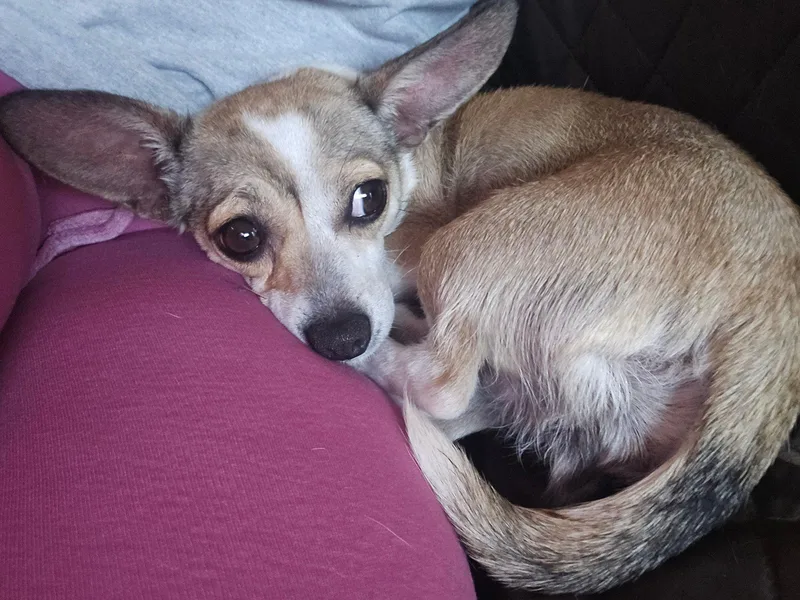
Weight
22–38 lbs
Height
10–13 in
Lifespan
12–15 yrs
Temperament
Alert, Intelligent, Affectionate
Group
Herding
Shedding
High

Owning a Corgi in Denver

Having a Corgi in Denver

A corgi is a herder in a low frame, so plan around its quick mind, its voice, heavy shedding and a long back. Those traits shape training, exercise and health care in Denver, though every dog, and every mix, differs.

Temperament

Corgis are usually friendly, bold and eager to join in, often with a goofy streak. Many are also vocal and may nip at heels to herd kids or other pets. In a Denver apartment building, that alertness can mean barking at hallway noise, so early training and socialization help. Mixes can lean either way.

Exercise Needs

Plan on daily walks plus active play like fetch on soft ground or training games. Leashed loops at Washington Park or along the High Line Canal give a corgi room to sniff, and Denver's off-leash dog parks allow real running. Avoid repeated jumping and long stair climbs, and watch treats and calories.

Health Considerations

Corgis are prone to back disc disease, hip dysplasia, degenerative myelopathy and some eye conditions, and Pembrokes can carry von Willebrand disease. Keeping a corgi lean protects the spine. A Denver adopter should have a veterinarian check the back and joints early and watch for pain, weakness or reluctance to jump or climb.

Living Space

A corgi adapts to a condo, rowhouse or bungalow as long as walks and attention are regular. Ramps onto the couch and limited stair use protect the back. Expect shed hair everywhere and barking at sounds outside, which matters in shared buildings with thin walls.

What it costs to own a Corgi in Denver

ExpenseTypical costPer year
Food$20 to $45 per month$240 to $540
Pet insurance$40 to $85 per month$480 to $1,020
Routine vet care$200 to $400 per year$200 to $400
Other*$490 to $1,290 per year$490 to $1,290
Estimated yearly total (after year one)$1,410 to $3,250

Other costs are estimates and vary with size, age and health.

* The Denver dog license, flea, tick and heartworm prevention, a dental cleaning allowance, toys and bedding, and brushing and baths for heavy shedding.

Adopt a Corgi in Denver.

Now that you know more, let’s find you a new best friend. These rescues and shelters below currently have Corgis available.

Frequently Asked Questions

Yes. Denver's breed-restricted permit covers only pit bull–type breeds, so corgis need just the standard rules: a city license (the one-year tag is $15, three years $40), a rabies vaccine, and spay/neuter once the dog is over 6 months. A vocal corgi should also be trained early, since persistent barking can bring a fine.

Yes, most corgis handle Denver winters well thanks to a dense double coat. Winter nights average around 19°F, while afternoons often warm into the mid-40s. Don't shave the coat, wipe salt and ice from paws and bellies after walks, and watch icy sidewalks, since slips are hard on a long back. Spring snowstorms can be heavy, so keep indoor play ready.

Yes, a corgi can do well in a Denver apartment if daily walks happen and barking is managed. Their alertness means hallway and street noises set them off, so practice quiet cues and offer puzzle toys. Add a ramp or steps for the couch and bed, and limit stair climbing, which strains the back.

Berkeley, Greenway and Kennedy are three of Denver's 17 fenced off-leash dog parks, and Railyard is lighted for evening visits. For leashed walks, try Washington Park, City Park or the High Line Canal. Dogs need a Denver license and rabies tag at dog parks, and everywhere else in the city they must stay leashed.

Mostly no. RTD allows only service animals and small pets in carriers on its buses and trains, and most adult corgis are too big for a carrier. On commuter rail, crated pets stay on the floor or the owner's lap, not on seats. For a full-grown corgi, plan on walking or driving.

Sometimes, but only on patios. Denver restaurants can choose to allow leashed dogs on qualifying outdoor patios, and dogs are never allowed inside. Dogs must wear vaccination tags, stay off seats and tables, and stay at least 15 feet from food service areas. A corgi that settles quietly under the table makes the outing easier.

A corgi needs brushing a few times a week, daily during the heavy sheds in spring and fall, plus a bath every month or two or when muddy. Don't shave the coat, since it insulates against both cold and sun. Grooming falls within the yearly Other costs shown above, and home brushing keeps it near the low end.

A corgi is a small, long-bodied herding dog from Wales with short legs, upright ears and a thick double coat. The name covers two separate breeds, the Pembroke Welsh Corgi and the Cardigan Welsh Corgi, which share a working past driving cattle. Many corgis in shelters are mixes. Most are smart, energetic and affectionate, with a strong opinion about everything.

We have 1 rescue with Corgis available: Colorado Corgis and Friends. You can see every rescue with Corgis available in the list above these questions, or scroll to the top to see the Corgis near Denver.

Food for a corgi runs about $20–$45 a month, pet insurance $40–$85 a month, and routine vet care $200–$400 a year. Other yearly costs, including the license, parasite prevention, dental cleaning, supplies and grooming, add roughly $490–$1,290. Insurance runs higher because of back and hip risks, so keep a cushion for unexpected vet bills.