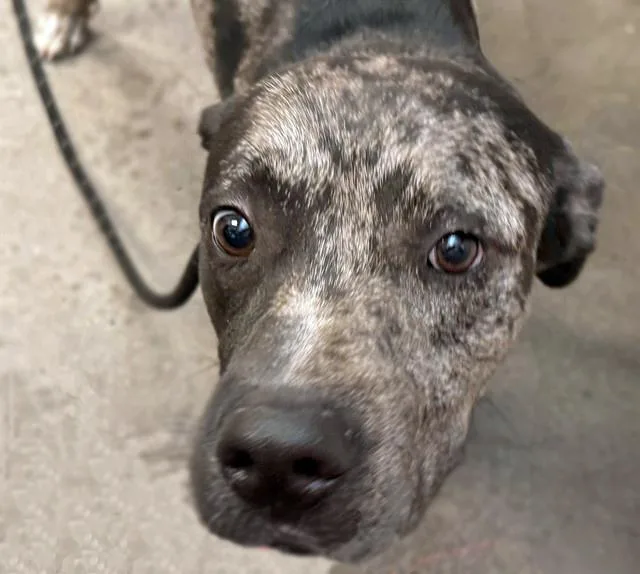
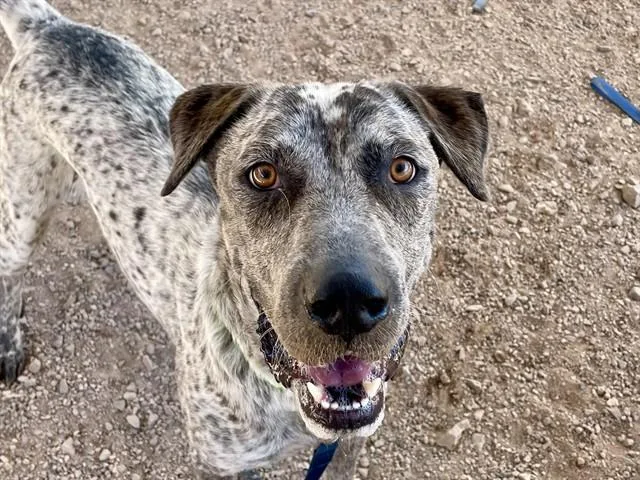
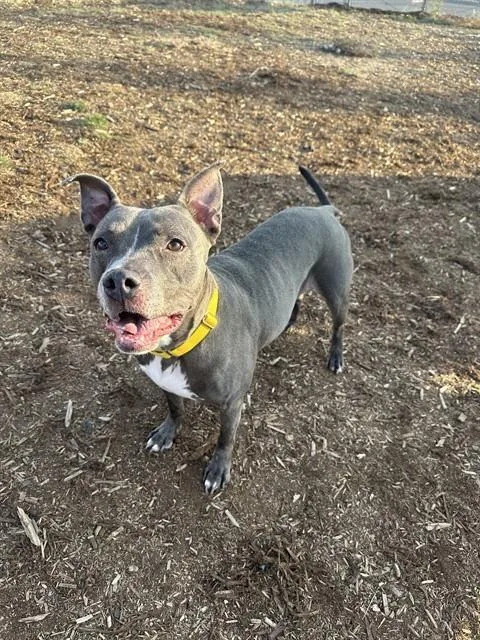
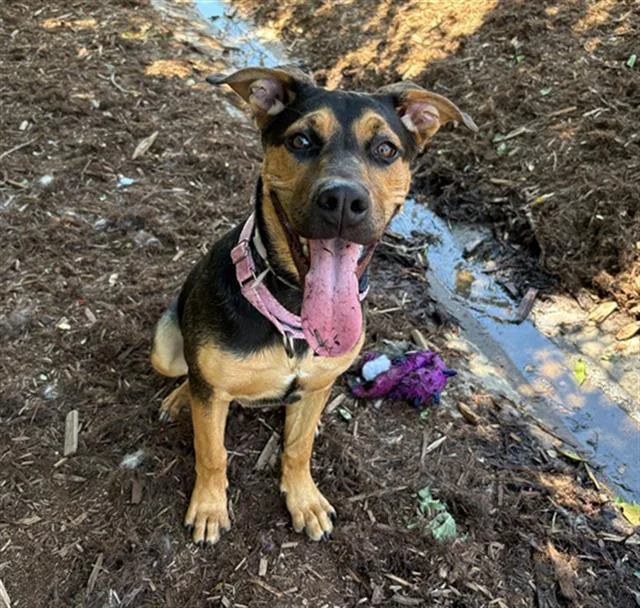
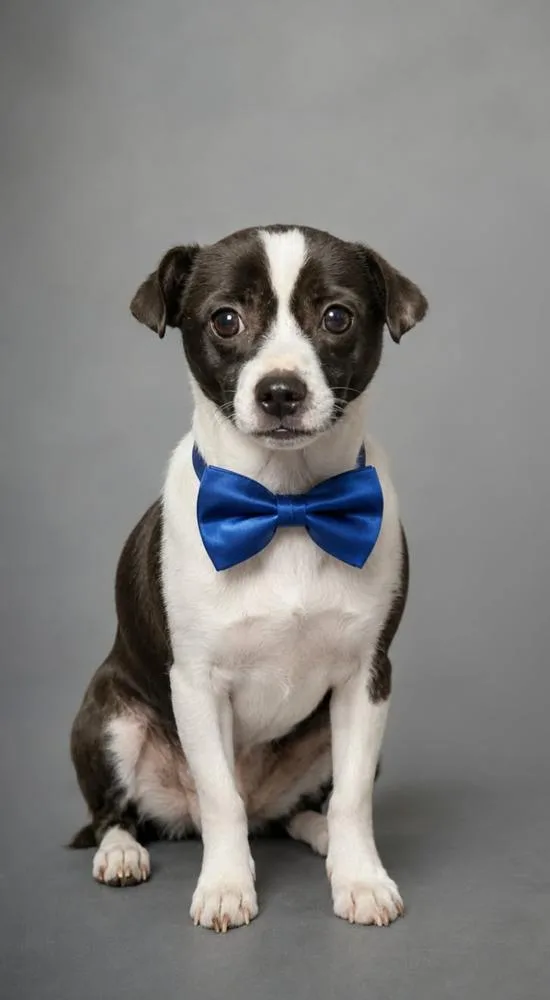
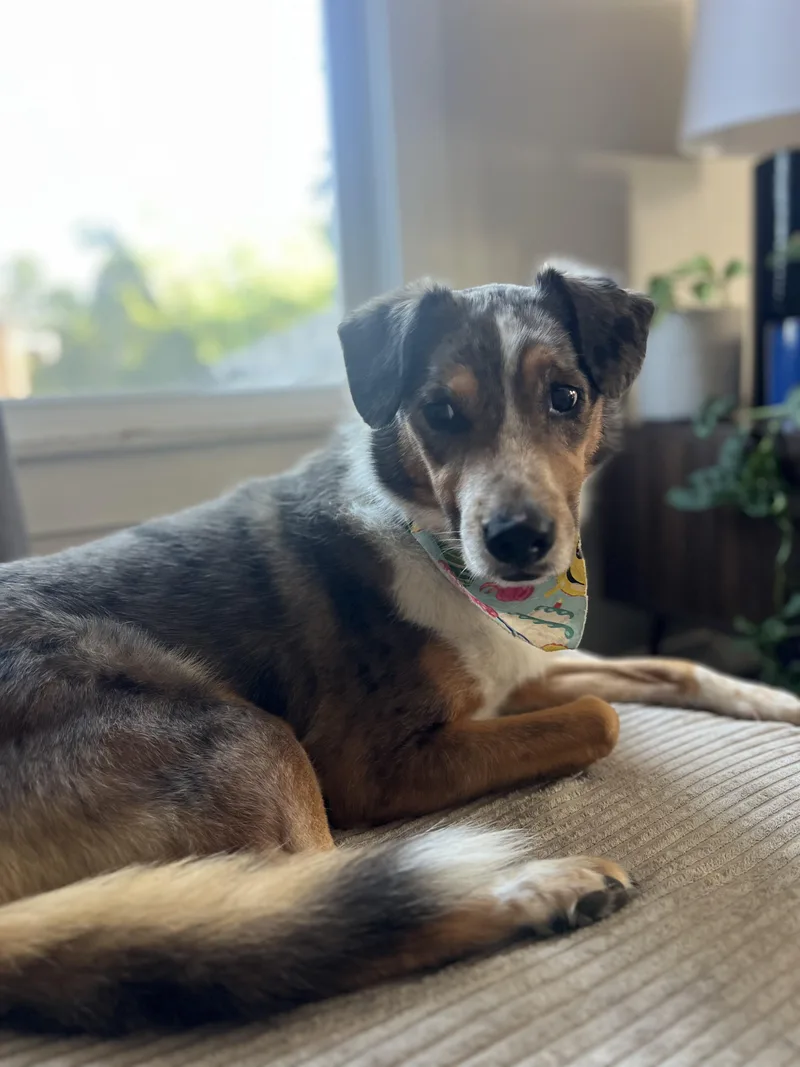
Catahoula Leopard Dogs for Adoption in Denver, CO

Your guide to finding and caring for a Catahoula Leopard Dog in Denver

A Catahoula Leopard Dog fits Denver best in a house with a fenced yard and a trail nearby. Ruby Hill is a good example: single-family streets, Ruby Hill Park's slopes for leashed hikes and the Sanderson Gulch dog park for off-leash runs. Catahoulas are athletic and watchful, so a tall, secure fence matters more than a big yard. They suit people who are out the door every day and enjoy giving a smart dog a job.

1381 Catahoula Leopard Dogs available in Denver and nationwide

Give a Catahoula Leopard Dog a home

Catahoula Leopard Dogs Available for Adoption Near Denver

About the Catahoula Leopard Dog breed

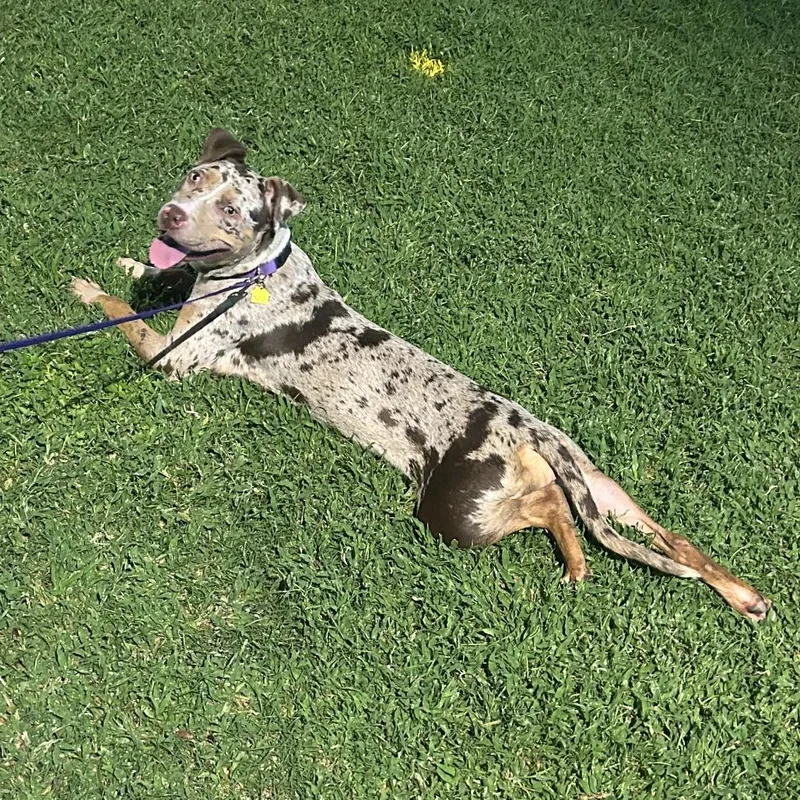
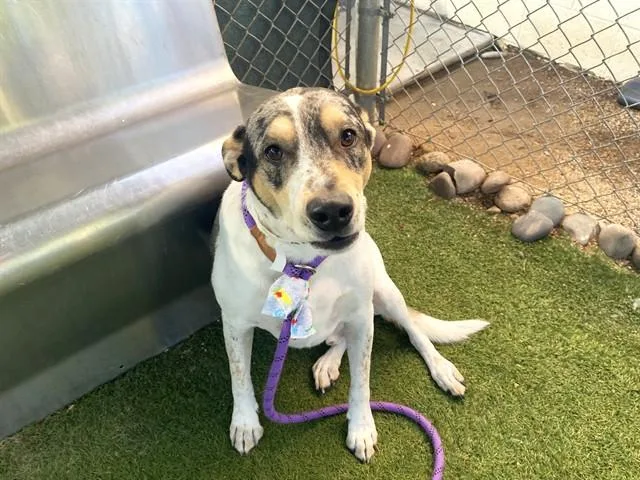
Named for Catahoula Parish in Louisiana, the Catahoula was developed in the swamps and woods of the Gulf South to find and hold feral hogs and gather semi-wild cattle. Ability mattered more than looks, so size and build vary widely, usually from about 50 to 95 pounds. Many wear a merle "leopard" coat and glass-blue or mismatched eyes, though brindle and solid dogs are common too.

Catahoulas are intelligent, independent and loyal, often wary of strangers and sometimes selective with other dogs or small animals. In Denver, that means plenty of leashed outings on city trails, careful introductions at a busy dog park, and training that starts early. Many dogs listed as Catahoulas are mixes, so each dog's actual size, energy and manners matter more than the label.

Weight
50–95 lbs
Height
20–26 in
Lifespan
10–14 yrs
Temperament
Energetic, Independent, Protective
Group
Herding
Shedding
Moderate

Owning a Catahoula Leopard Dog in Denver

Having a Catahoula Leopard Dog in Denver

Stamina, a sharp mind and a watchful streak define the Catahoula. Those traits shape daily life in Denver, from how much exercise a dog needs to the kind of fence it requires, and merle coloring brings a few health checks worth planning for.

Temperament

Catahoulas are often devoted to their own people and reserved with strangers. In Denver, where sidewalks, shared trails and dog parks bring constant meetings, expect to practice calm greetings on a leash. Some are picky about other dogs or chase small animals. Early socialization and reward-based training help, though every dog varies.

Exercise Needs

Plan on an hour or more of vigorous activity daily: long leashed hikes, runs, fetch, or a session in a fenced dog park. Mental jobs matter just as much, so scent games, obedience practice and puzzle feeders keep a Catahoula busy on snowy or stormy days when outdoor time gets cut short.

Health Considerations

Deafness is a documented risk, especially in dogs with a lot of white or double-merle coloring, and hip dysplasia occurs too. A veterinarian can check hearing, eyes and hips after adoption. In Denver's sunny summers, check paws after walks on hot pavement, and keep parasite prevention current year-round.

Living Space

A house with a securely fenced yard suits a Catahoula best, since many are athletic jumpers and diggers. Apartments can work only with dependable, vigorous daily exercise and a dog that settles indoors. Watchful dogs may bark at hallway footsteps and neighbors' noise, so quiet routines and good socialization help.

What it costs to own a Catahoula Leopard Dog in Denver

ExpenseTypical costPer year
Food$55 to $110 per month$660 to $1,320
Pet insurance$55 to $110 per month$660 to $1,320
Routine vet care$250 to $500 per year$250 to $500
Other*$490 to $1,290 per year$490 to $1,290
Estimated yearly total (after year one)$2,060 to $4,430

Other costs are estimates and vary with size, age and health.

* Flea, tick and heartworm prevention, a dental cleaning allowance, the Denver dog license, toys and bedding, and basic at-home brushing for the short coat.

Adopt a Catahoula Leopard Dog in Denver.

Now that you know more, let’s find you a new best friend. These rescues and shelters below currently have Catahoula Leopard Dogs available.

Rescues in Denver with Catahoula Leopard Dogs Available

Denver's city animal shelter, a large nonprofit humane society and smaller rescues all help dogs find homes. Here are the rescues & shelters in the Denver area where you can find Catahoula Leopard Dogs and other dogs available for adoption.

Frequently Asked Questions

Yes. Denver's breed-restricted permit covers three pit bull-type breeds, not Catahoulas, so the usual city rules apply. A household can keep up to five dogs and cats combined, no more than three of them dogs. Loud, habitual barking can bring a fine, which is worth planning for with a watchful breed that likes to announce visitors.

For long leashed outings that match a Catahoula's stamina, try the High Line Canal, the Cherry Creek Trail, Washington Park or City Park. Outside fenced dog parks, every Denver park and trail is leash-only, and fines start around $80. Keep your dog close on greenways because of coyotes, and stay out of park lakes during posted algae warnings.

Yes, most can with a little help. Denver winters bring freezing nights, but only about 22 days a year stay below freezing all day, and March brings the heaviest snow. A Catahoula's thin coat means a sweater on the coldest days, shorter walks in wind, and a rinse for paws after salty sidewalks.

Usually not. RTD allows only service animals and small pets in carriers on its buses and trains, and a Catahoula weighing 50 to 95 pounds won't fit in one. Plan on walking or driving for most outings, and if you drive, keep your dog restrained and never let it ride loose in a truck bed.

Only to patios, and only where the restaurant has chosen to allow dogs. Dogs may never go inside. They must be leashed, wear current vaccination tags, stay off furniture and keep 15 feet from food service stations. Since many Catahoulas are wary of strangers, practice settling on a mat first and pick quieter hours.

Very little. The short coat needs a weekly brush, a bit more during heavier sheds, plus regular nail trims and ear checks. In Denver, dry air and winter salt are harder on paws than on coats, so wipe paws after snowy walks. Most owners groom at home, and any professional bath fits within the yearly Other costs.

A Catahoula Leopard Dog is a medium-to-large working breed from Louisiana, developed to hunt and bay feral hogs and to herd cattle. It is athletic and muscular, often with a merle coat and striking light or mismatched eyes. Catahoulas are typically intelligent, loyal, independent and energetic, and they need experienced handling, training and lots of activity.

Catahoula Leopard Dogs usually stand about 20 to 26 inches at the shoulder, with males typically larger than females. Weight varies widely, from around 50 to 95 pounds in most adults, because the breed was selected for working ability rather than uniform size. Some working lines are lighter and leaner. An adult rescue's current size is the best guide.

We have 1 rescue with Catahoula Leopard Dogs available: Denver Animal Shelter. You can see every rescue with Catahoula Leopard Dogs available in the list above these questions, or scroll to the top to see the Catahoula Leopard Dogs near Denver.

Expect roughly $2,060 to $4,430 a year for a Catahoula in Denver, or about $170 to $370 a month. Food and insurance each run $660 to $1,320 a year, routine vet care $250 to $500, and other costs such as parasite prevention, dental care and the license $490 to $1,290. Emergencies and training classes are extra.