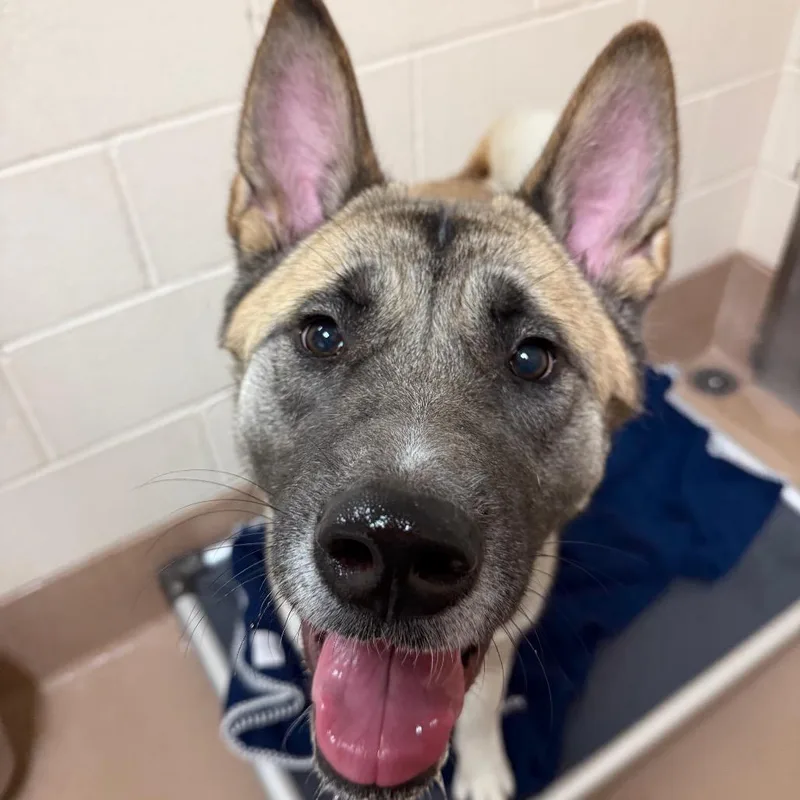
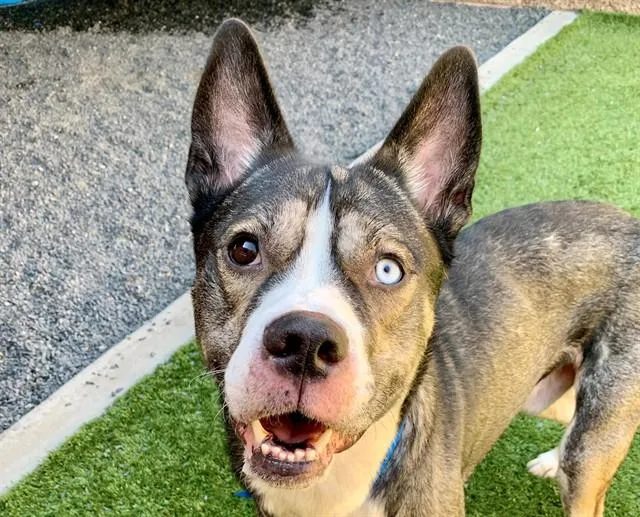

Akita dog

Akita Dogs for Adoption in Denver, CO

Your guide to finding and caring for an Akita in Denver

Akitas tend to settle well into Denver's quieter residential streets. A Park Hill block or a Hilltop house with a fenced yard gives a watchful, protective dog room to patrol without much foot traffic, and the thick double coat doesn't mind a 20-degree morning walk. Most Akitas would rather have a long leashed loop around Washington Park than a crowded dog park. They're devoted to their own people and reserved with everyone else, so adopting one here suits a patient owner who's home a fair amount.

466 Akitas available in Denver and nationwide

Your Akita is waiting

While we don't have enough dogs near Denver, keep in mind that many rescues may offer transport.

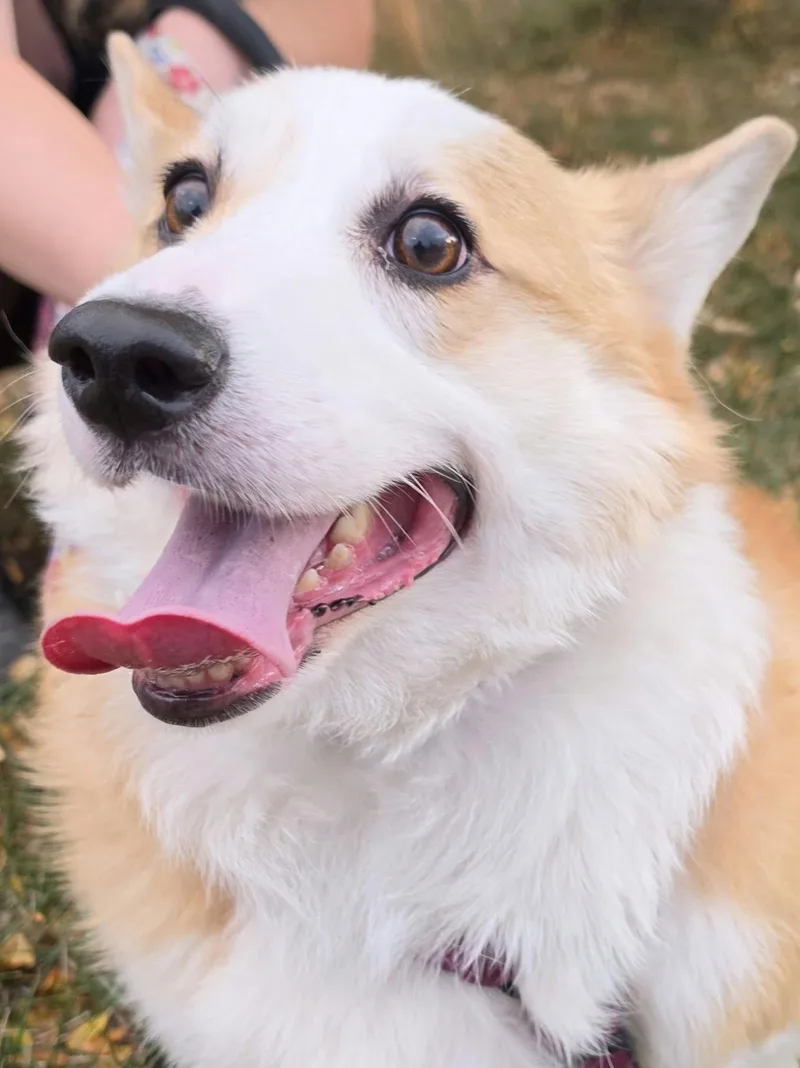
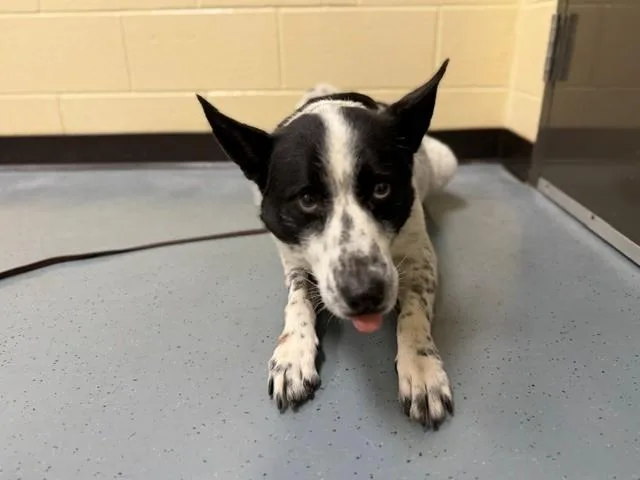
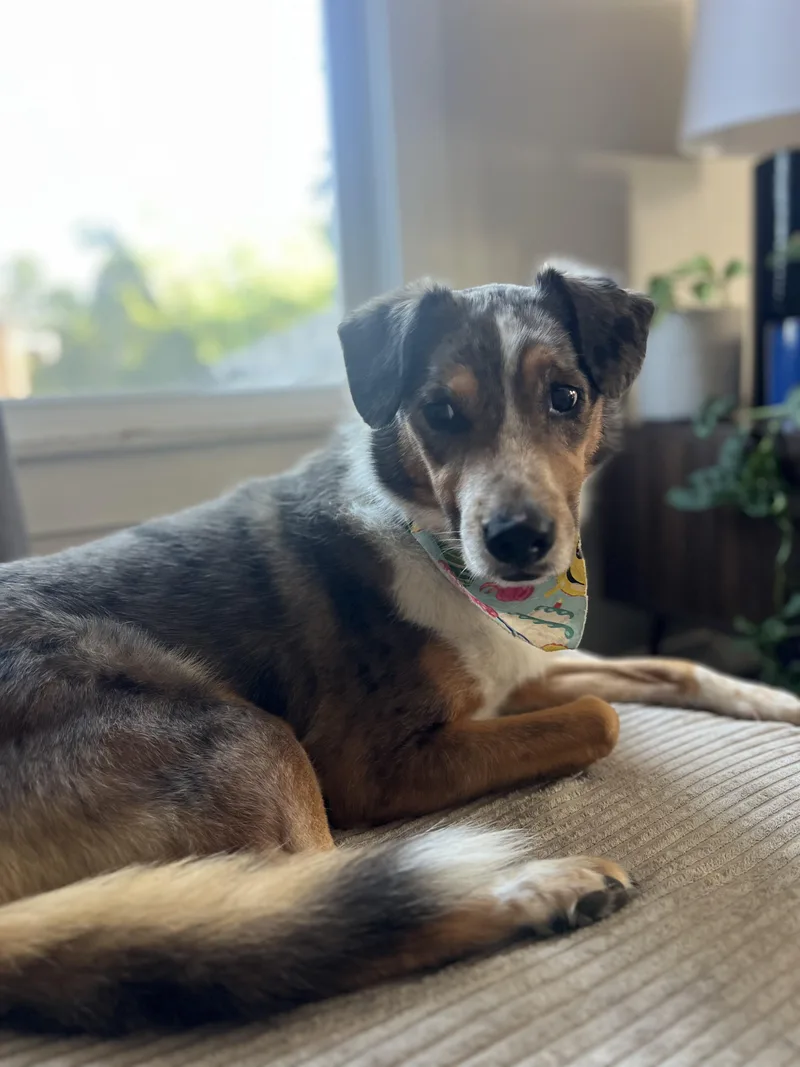
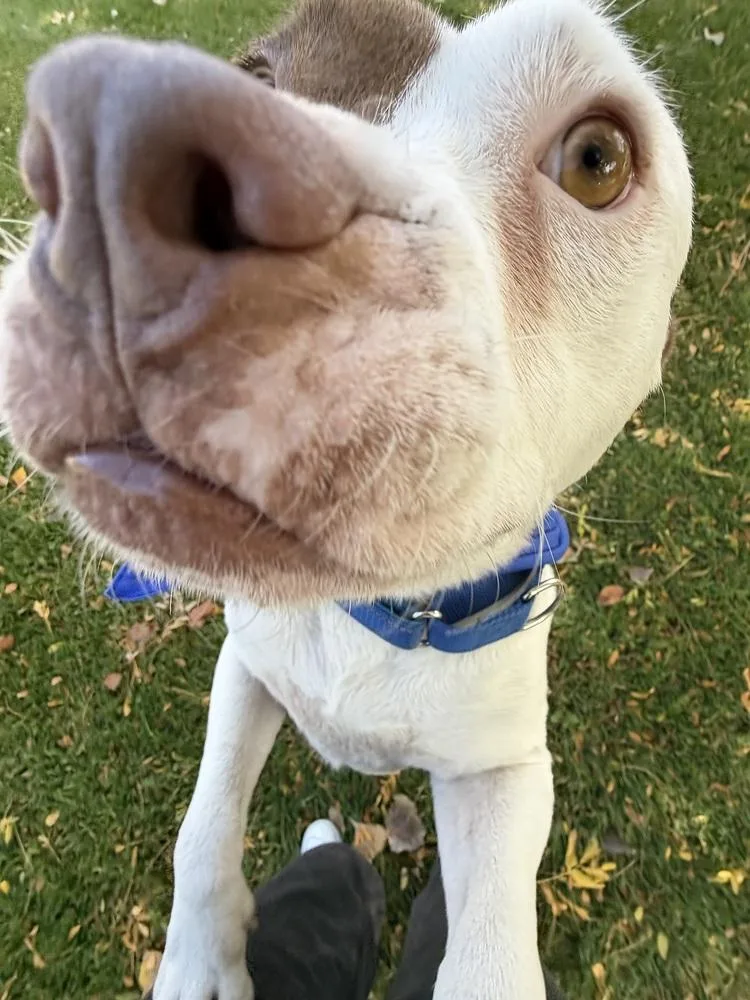
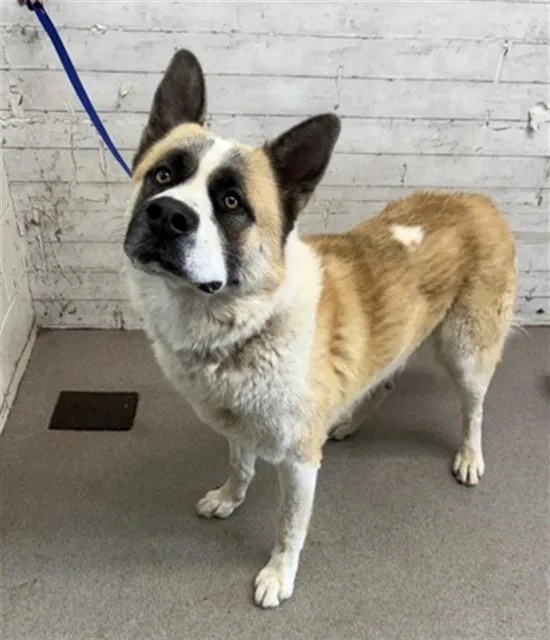
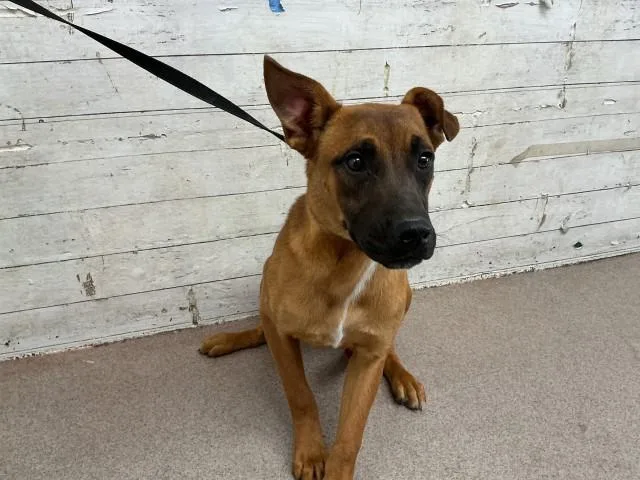
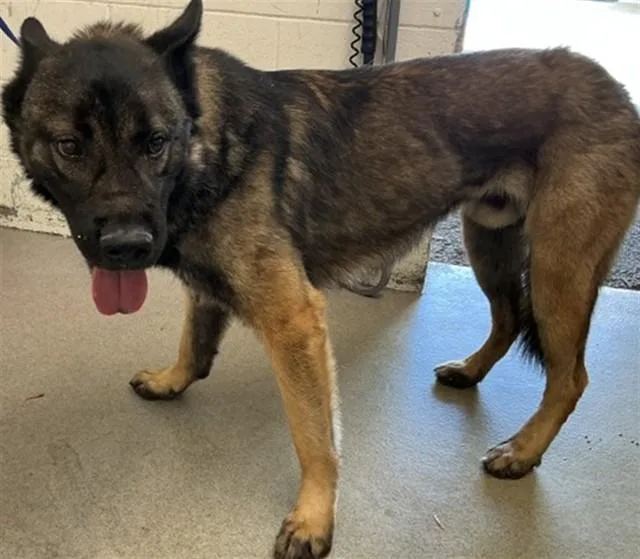
Akitas Available for Adoption Near Denver

About the Akita breed

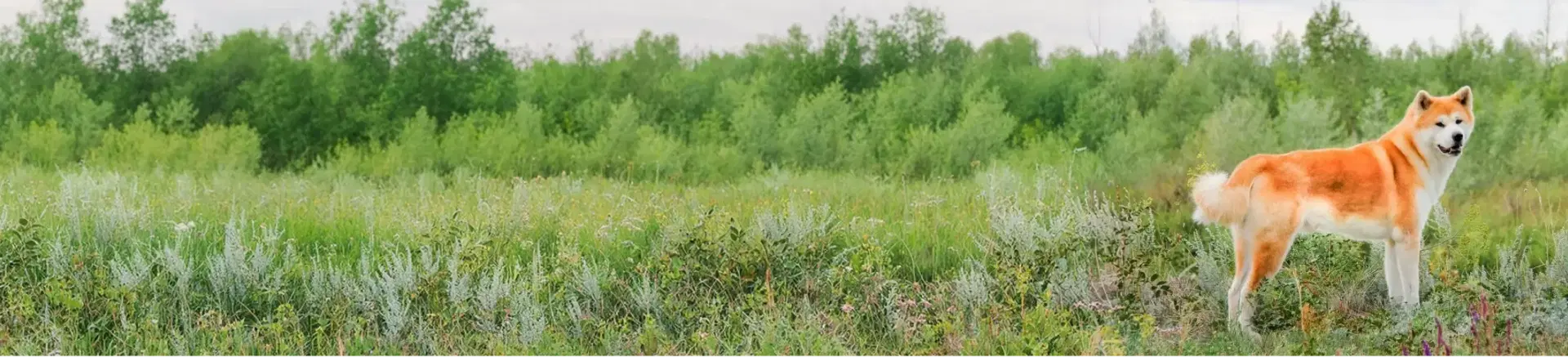
Akitas come from the snowy mountains of northern Japan, where spitz-type dogs hunted bear, boar and serow before later guarding estates. The breed became a national symbol through Hachiko, who waited at a Tokyo train station for years after his owner died. The American type is the heavier, bear-headed dog, with a broad head, small upright ears, a plush double coat and a big tail curled over the back, in almost any color.

Many Akitas are quiet, dignified and deeply devoted to their own people while staying aloof with strangers. Guarding instincts are common, and some don't tolerate other dogs, especially of the same sex. In Denver, that means careful introductions on busy greenways and a plan for the twice-yearly coat blowouts, which can leave a home in drifts of fur.

Weight
70–130 lbs
Height
24–28 in
Lifespan
10–14 yrs
Temperament
Loyal, Dignified, Protective, Independent
Group
Working
Shedding
High

Owning an Akita in Denver

Having an Akita in Denver

Quiet loyalty in a big, powerful body defines the Akita. Guarding instinct, selectivity with other dogs and a heavy coat shape daily life in Denver more than looks do, so the match between a particular dog and your home matters.

Temperament

Akitas are often affectionate and calm with family but reserved with strangers, which matters on Denver's shared sidewalks and greenways. Many don't get along with other dogs, particularly of the same sex, and some chase small animals. They're clever but independent, so consistent, reward-based training works best. Socialization helps, but it doesn't guarantee ease with every visitor.

Exercise Needs

Plan on moderate daily exercise: brisk leashed walks, sniffing outings and short training sessions. Outside Denver's fenced dog parks, every park, trail and greenway is leash-only, and most Akitas aren't dog-park candidates anyway. Play in a securely fenced yard is ideal. Growing puppies should avoid hard, repetitive exercise, and summer outings are best in the early morning or evening.

Health Considerations

Akitas can develop hip dysplasia, hypothyroidism, bloat and immune-related conditions, including sebaceous adenitis and a disorder affecting the eyes and skin. Progressive retinal atrophy and glaucoma also occur. Their red blood cells naturally hold more potassium, which can confuse lab results, so mention the breed at any new vet. Review any records that come with the dog and schedule a checkup soon after adoption.

Living Space

An Akita can adapt to an apartment or a house if it gets daily exercise and calm handling, though its size and wariness of strangers make busy hallways and elevators harder. A securely fenced yard is valuable. The dog should live indoors with its family, with a cool spot for warm days, and heavy shedding means frequent vacuuming.

What it costs to own an Akita in Denver

ExpenseTypical costPer year
Food$55 to $110 per month$660 to $1,320
Pet insurance$65 to $130 per month$780 to $1,560
Routine vet care$250 to $500 per year$250 to $500
Other*$590 to $1,490 per year$590 to $1,490
Estimated yearly total (after year one)$2,280 to $4,870

Other costs are estimates and vary with size, age and health.

* The Denver dog license ($15 for one year, $40 for three), flea, tick and heartworm prevention, a dental cleaning allowance, toys and bedding, and brushing and baths for heavy coat blowouts.

Adopt an Akita in Denver.

Now that you know more, let’s find you a new best friend. These rescues and shelters below have dogs available in and near Denver.

Frequently Asked Questions

Often yes, for a patient owner who's home a fair amount. Denver's cold winters and dry air suit the Akita's coat, and quiet residential blocks and leashed park loops match its low-key exercise needs. The tradeoffs are hot summer afternoons and a reserved, protective nature that needs careful introductions to neighbors and other dogs. Each Akita differs, so consider the dog's own temperament.

Mostly, yes. Akitas were developed for snowy mountains, so Denver's freezing nights and winter snow rarely bother them. Summer needs more care: about 42 to 46 days a year reach 90°F, so walk early or late and keep a cool indoor spot. Thunderstorms and hail in late spring and summer can rattle some dogs, so set up a quiet room.

Yes, if it gets daily walks and the lease allows a large dog. Many landlords set weight limits, so read the listing before you fall for a dog. Akitas are usually quiet, but Denver treats loud, persistent barking as a violation, so teach calm greetings in hallways and elevators. A low-traffic unit helps a wary dog feel settled.

City Park's wide loops and the Cherry Creek Trail are good leashed options. Denver's 17 off-leash dog parks require a license, rabies tag and spay/neuter or an intact permit, but many Akitas don't tolerate unfamiliar dogs, so a leashed trail is usually safer. Everywhere else in the city, leashes are required, and off-leash fines start at $80.

Usually not. RTD allows only service animals and small pets in carriers on its buses and trains, and an Akita is far too big for a carrier. Plan on driving or walking for vet visits and errands, and never leave your Akita in a parked car, which Denver treats as cruelty and neglect in moderate to extreme temperatures.

Only to some patios. Denver restaurants can opt in to allow leashed dogs on qualifying outdoor patios, never indoors, and dogs must stay off furniture and 15 feet from food service stations. Because many Akitas are wary of strangers and other dogs, a busy patio can be stressful, so try quieter hours and keep your dog on a short leash.

Plan on weekly brushing, and daily during the twice-yearly coat blowouts. Denver's dry climate doesn't change that. Don't shave an Akita down in any season, since the double coat insulates against both cold and heat. Occasional baths are enough, and professional help during blowouts fits within the yearly other costs listed above. After snowy walks, wipe off paws and salt.

An Akita is a large, powerful spitz-type dog from northern Japan, known for its plush double coat, upright ears and tail curled over the back. In the United States, the Akita is the heavier American type, while the lighter Japanese Akita Inu is now registered separately. Many Akitas are devoted to their family, reserved with strangers and selective about other dogs.

An Akita is a big, heavy-boned dog with a broad, bear-like head, small deep-set eyes and thick triangular ears that stand upright. Its dense double coat is about two inches long, and its full tail curls over the back. American-type Akitas come in almost any color, including white, brindle and pinto, often with a dark mask.

Expect roughly $2,300 to $4,900 a year for an adult Akita: food at $55 to $110 a month, insurance at $65 to $130 a month, routine vet care at $250 to $500 a year, and $590 to $1,490 a year for other items like prevention, dental care and coat grooming. Adoption fees are separate and shown in the listings.

Find Akitas in Nearby Cities

Expand your search to find Akitas available for adoption near Denver.