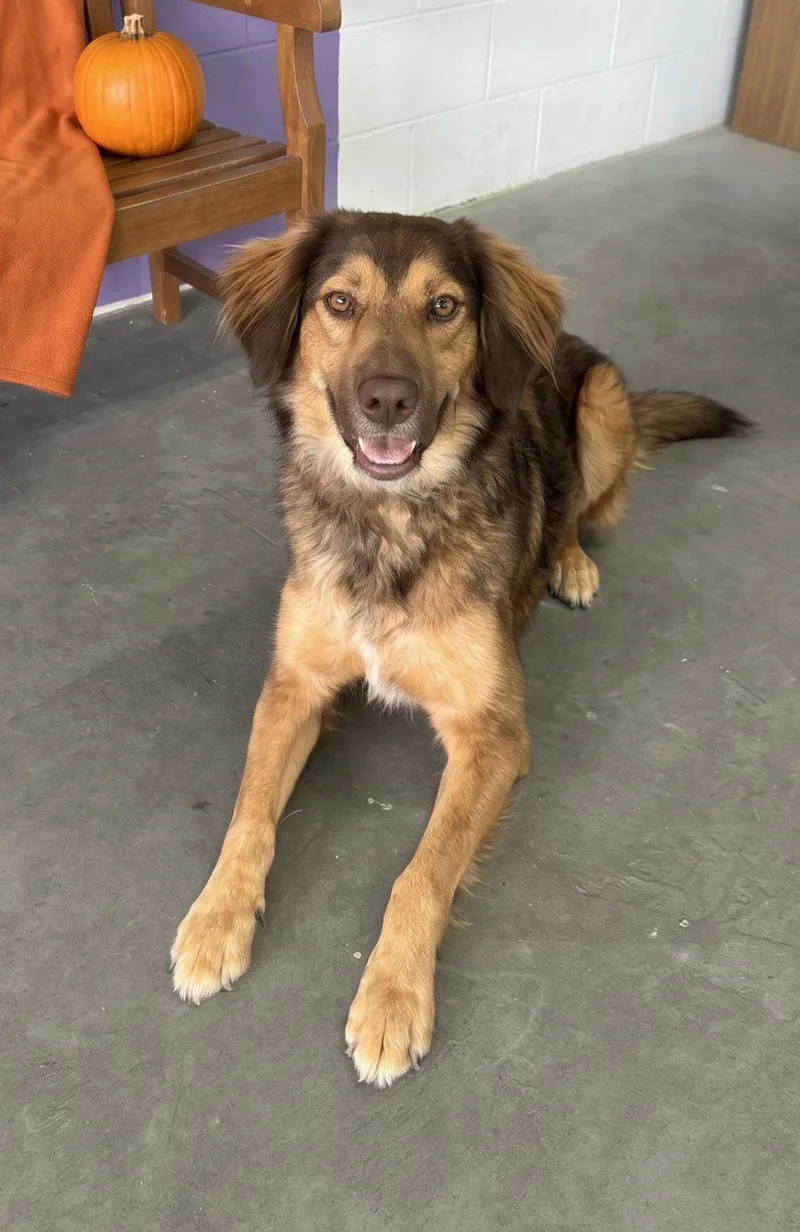
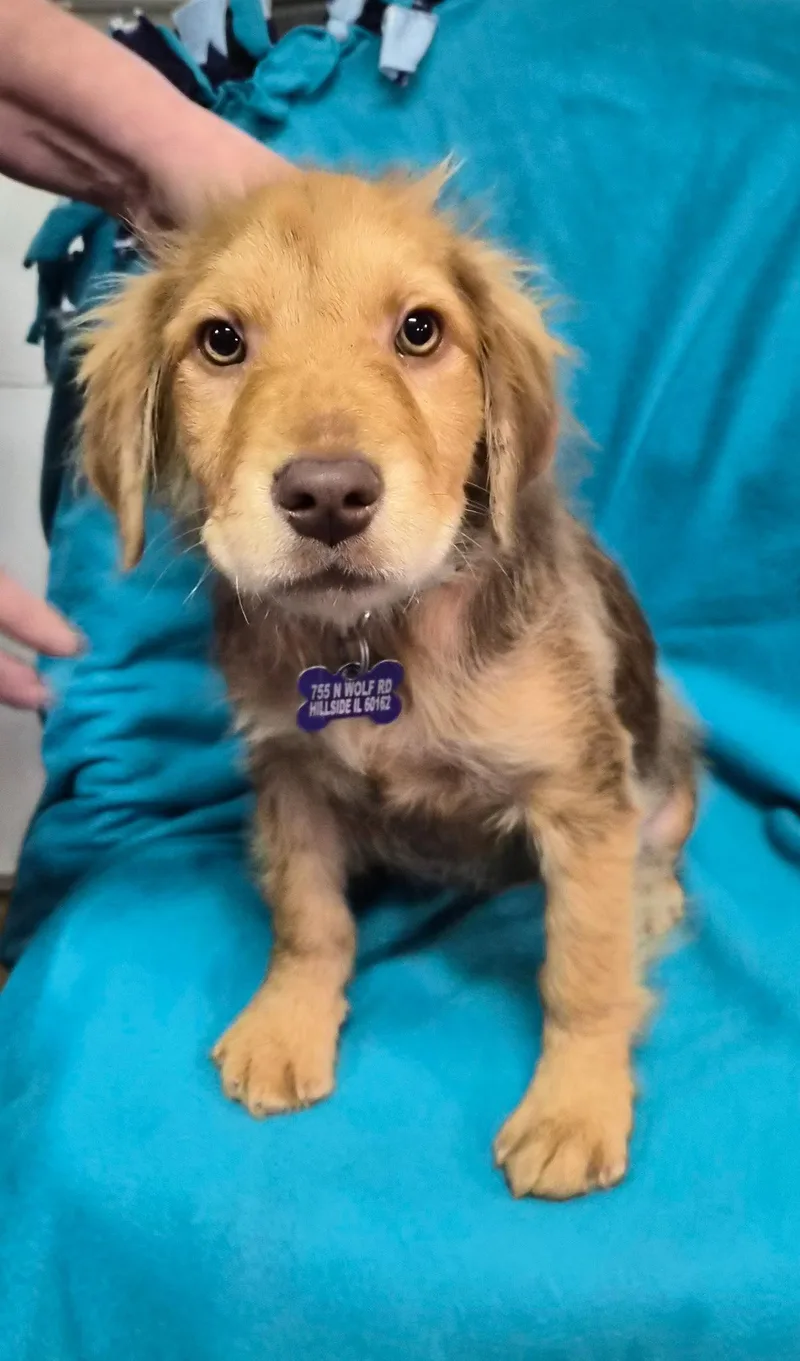
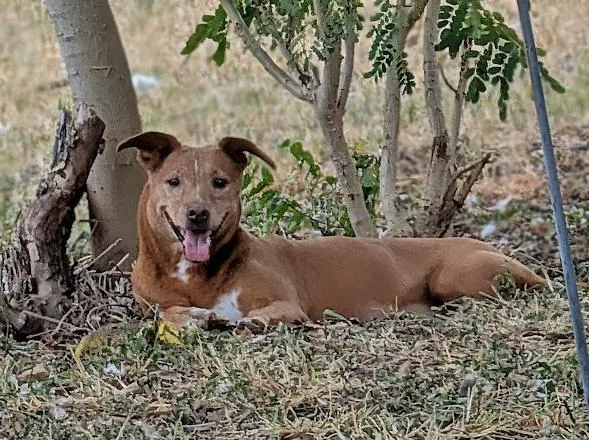
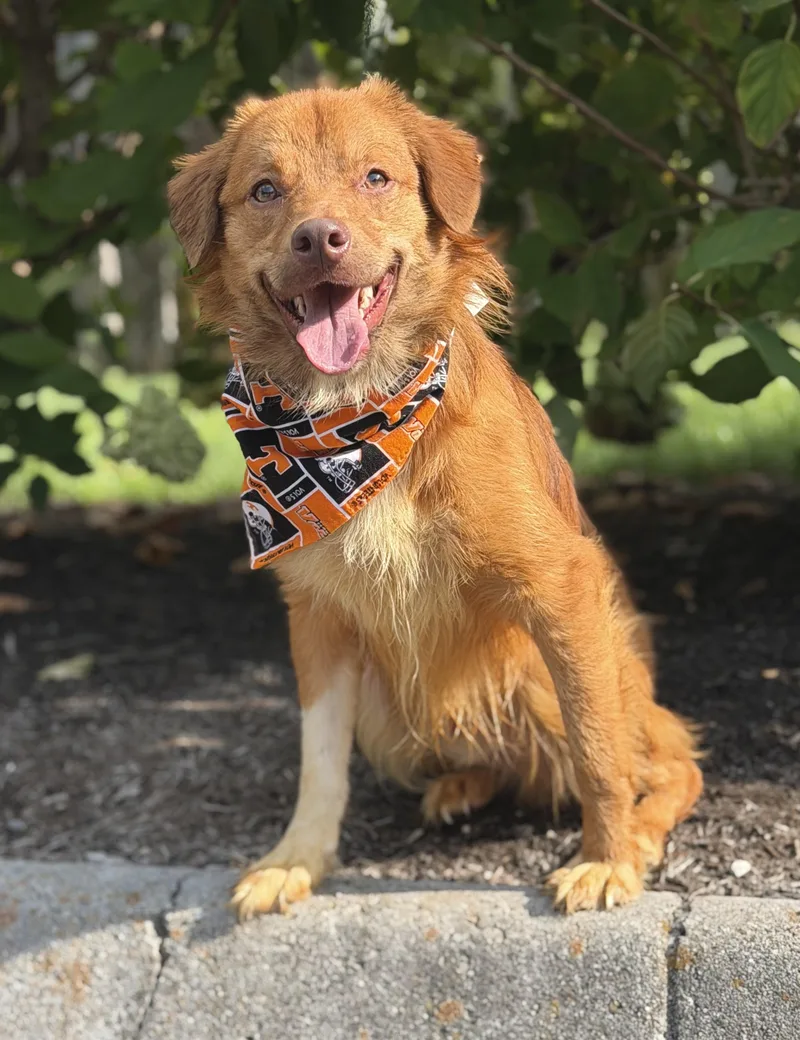
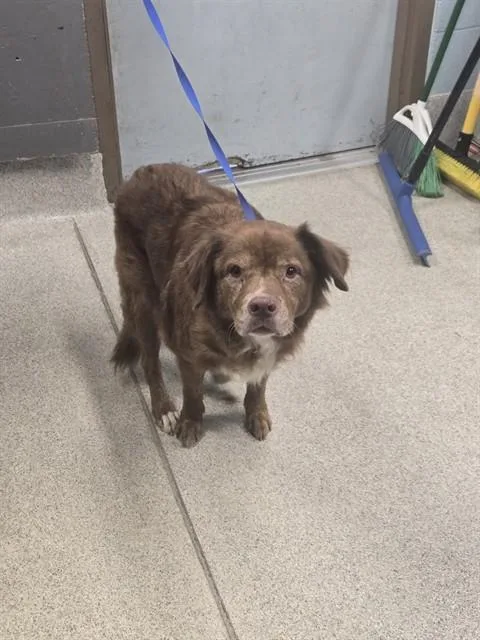
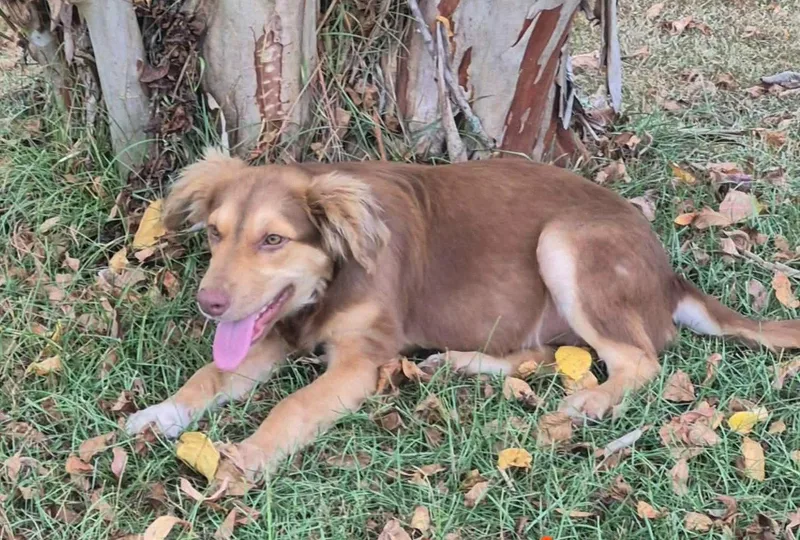
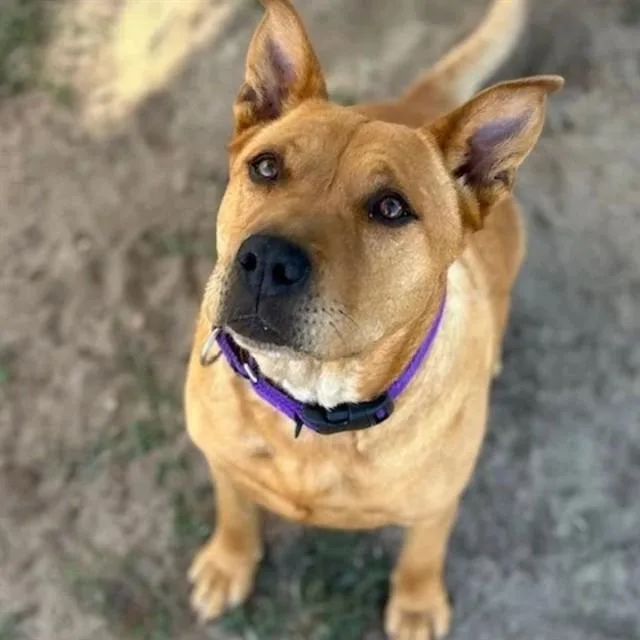
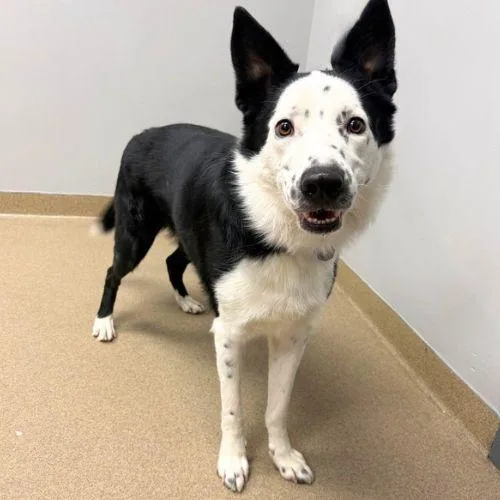
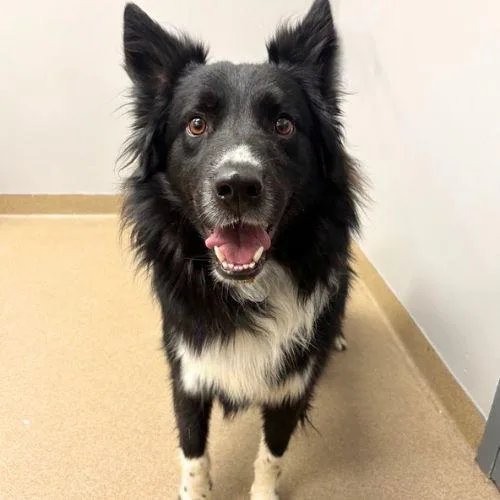
Nova Scotia Duck Tolling Retriever Dogs for Adoption in Aurora, CO

Your guide to finding and caring for a Nova Scotia Duck Tolling Retriever in Aurora

Nova Scotia Duck Tolling Retrievers fit Aurora best when their owners spend a lot of time outdoors. A Toller wants a hard run and a game of fetch every day, and the greenbelts and trails around Tallyn's Reach give it room for both. They're quick learners but loud when excited, so a thin-walled apartment near Original Aurora takes planning. Many Tollers love water, which makes the creek at Cherry Creek State Park a favorite stop. Plan on a long outing before work and another after.

22 Nova Scotia Duck Tolling Retrievers available in Aurora and nationwide

Your Toller is waiting

While we don't have enough dogs near Aurora, keep in mind that many rescues may offer transport.

Nova Scotia Duck Tolling Retrievers Available for Adoption Near Aurora

About the Nova Scotia Duck Tolling Retriever breed

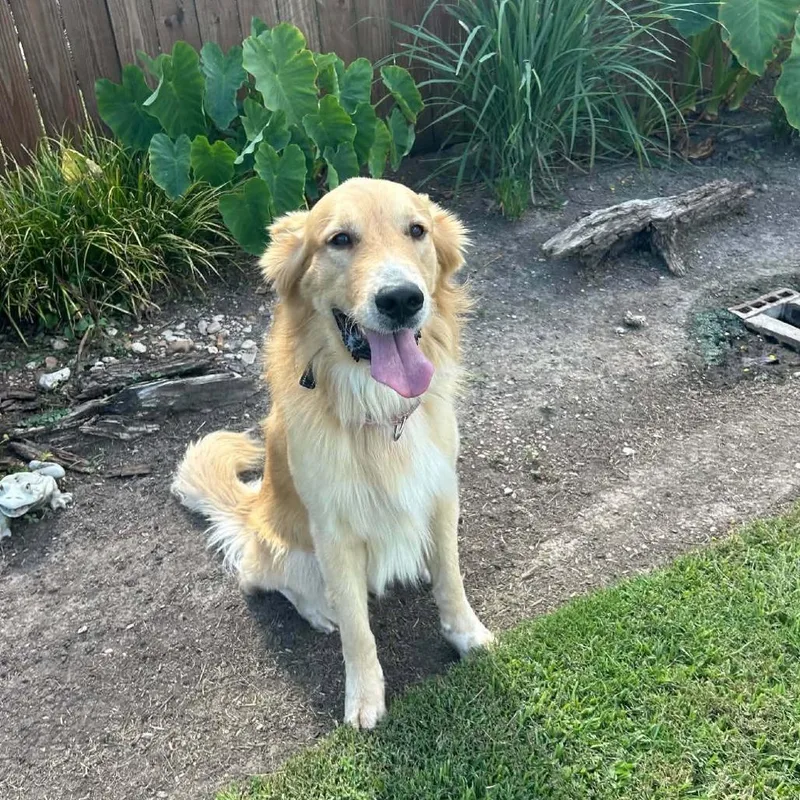
The Nova Scotia Duck Tolling Retriever, or Toller, is the smallest of the retrievers. It was developed in Yarmouth County, Nova Scotia, to lure ducks toward the shore by romping along the water's edge, then retrieve them from cold water. Tollers are medium-sized, athletic dogs with a water-repellent double coat in shades of red, usually with white markings, and a heavily feathered tail.

Many Tollers are playful, focused and affectionate with their families, and a bit reserved with strangers. They're known for the toller scream, a high-pitched cry of excitement. In Aurora, that energy does best with a steady routine of fetch, swimming, hiking or dog sports. Dogs vary, so an adult Toller's own habits matter more than the breed label. Expect red hair on the floor, especially during seasonal sheds.

Weight
35–50 lbs
Height
17–21 in
Lifespan
12–14 yrs
Temperament
Energetic, Intelligent, Playful, Alert
Group
Sporting
Shedding
Moderate to High

Owning a Nova Scotia Duck Tolling Retriever in Aurora

Having a Nova Scotia Duck Tolling Retriever in Aurora

Tollers are mid-sized working retrievers built for stamina. In Aurora, daily life is shaped by their need for hard exercise, a loud voice when excited, heavy seasonal shedding, and a handful of breed-linked health conditions worth knowing about before adopting.

Temperament

Many Tollers are affectionate and eager to play with their families, though some are reserved with strangers and cautious in new places. The excited scream can carry through apartment walls and across a fenced yard. Dogs vary, so watch how an adult Toller handles visitors, noise and other animals.

Exercise Needs

Plan on an hour or more of hard exercise most days: fetch, running, hiking or swimming, plus training games. In Aurora, the off-leash area at Cherry Creek State Park and the city's three dog parks give Tollers room to run, and a leash of 10 feet or less applies elsewhere. Without outlets, many get noisy or destructive.

Health Considerations

Tollers are prone to autoimmune conditions such as hypothyroidism and Addison's disease, and to progressive retinal atrophy. Many live healthy lives, but a veterinarian can check eyes, hips and thyroid after adoption. Report lethargy, limping or appetite changes promptly, and keep water handy on active days in Aurora's dry air.

Living Space

A Toller does best in a house with a fenced yard, and most Aurora households own their homes. An apartment can work if daily outings are long and reliable, but the toller scream and heavy shedding are harder with shared walls. Coyotes are a known presence, so stay with the dog in the yard after dusk.

What it costs to own a Nova Scotia Duck Tolling Retriever in Aurora

ExpenseTypical costPer year
Adoption fee$450 to $600, one time$450 to $600 in year one
Food$35 to $70 per month$420 to $840
Pet insurance$55 to $100 per month$660 to $1,200
Routine vet care$225 to $450 per year$225 to $450
Other*$540 to $1,390 per year$540 to $1,390
Estimated yearly total (after year one)$1,845 to $3,880
First-year total (with adoption fee)$2,295 to $4,480

Adoption fee is the range of fees on Nova Scotia Duck Tolling Retriever listings in Aurora on GetBuddy today. Other costs are estimates and vary with size, age and health.

* Flea, tick and heartworm prevention, a dental cleaning allowance, the Aurora dog license, toys, bedding and retrieving gear, and regular brushing for a double coat that sheds heavily in season.

Adopt a Nova Scotia Duck Tolling Retriever in Aurora.

Now that you know more, let’s find you a new best friend. These rescues and shelters below currently have Nova Scotia Duck Tolling Retrievers available.

Rescues in Aurora with Nova Scotia Duck Tolling Retrievers Available

Aurora-area rescues and shelters list dogs of all kinds, and active retriever types and mixes are worth a look too. Here are the rescues & shelters in the Aurora area where you can find Nova Scotia Duck Tolling Retrievers and other dogs available for adoption.

Frequently Asked Questions

Cherry Creek State Park is the top pick: its off-leash area covers more than 100 acres, is partly unfenced, and includes creek access for swimming. It needs a dog pass, $3 a day or $25 a year, plus park entry. Star K Ranch trails and the Sand Creek Greenway welcome leashed dogs. If a water advisory is posted, skip the swim.

Yes, for an active adopter. Aurora has off-leash space, open trails and four real seasons, which suit a Toller's stamina and weatherproof coat. The tradeoffs are hot summer afternoons, hail and thunder, and the toller scream in shared buildings. A Toller fits best with someone home often who can commit to daily training and retrieving.

It can, if the dog gets long daily outings and real training. Space matters less than exercise, but the toller scream and heavy shedding are harder with shared walls. Choose a building near a trail or dog park so a morning run is easy, and teach a calm settle for quiet hours.

Mostly yes. The double coat handles Aurora's cold, dry winters easily, and cool summer nights help. The challenge is hot afternoons. Exercise at dawn or dusk, carry water, skip shaving the coat, and keep the dog indoors during hail or thunderstorms, since many Tollers get anxious when storms roll in.

Generally no. RTD buses and trains, including the R Line light rail, allow only service animals and pets in an appropriate carrier. A Toller weighing 35 to 50 pounds is too big for a carrier, so plan on driving or walking to trailheads and dog parks.

Sometimes, on patios only. Colorado lets restaurants choose to allow leashed dogs on outdoor patios with a separate entrance. Dogs stay off furniture and never go inside. Policies vary by restaurant, so look for a posted welcome. Bring a mat and chew to keep an excitable Toller settled and quiet.

Plan on brushing once or twice a week, and daily during the spring and fall sheds. The water-repellent coat rarely needs more than an occasional bath. Don't shave it in summer, since it insulates and protects against sunburn. In winter, wipe paws after walks. Grooming falls under the Other line in the cost table.

A Toller is the common nickname for the Nova Scotia Duck Tolling Retriever, a medium-sized sporting dog from Nova Scotia, Canada. It is the smallest retriever, with a red, water-repellent double coat and usually some white markings. Tollers are energetic, smart and playful, bred both to lure ducks toward hunters and to retrieve them from water.

We have 1 rescue with Nova Scotia Duck Tolling Retrievers available: LOLA'S Rescue (Labs and Other Large Angels). You can see every rescue with Nova Scotia Duck Tolling Retrievers available in the list above these questions, or scroll to the top to see the Nova Scotia Duck Tolling Retrievers near Aurora.

Expect roughly $1,845 to $3,880 a year for a Toller in Aurora: food at $35 to $70 a month, insurance at $55 to $100 a month, routine vet care at $225 to $450 a year, and other costs at $540 to $1,390 a year. Insurance runs higher because of the breed's inherited and autoimmune conditions. Emergencies and illness are extra.