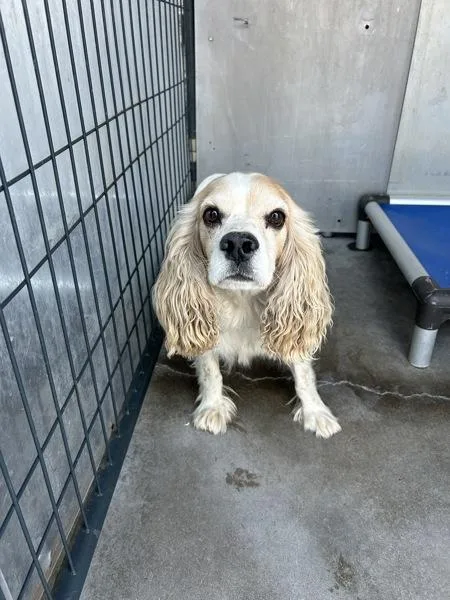
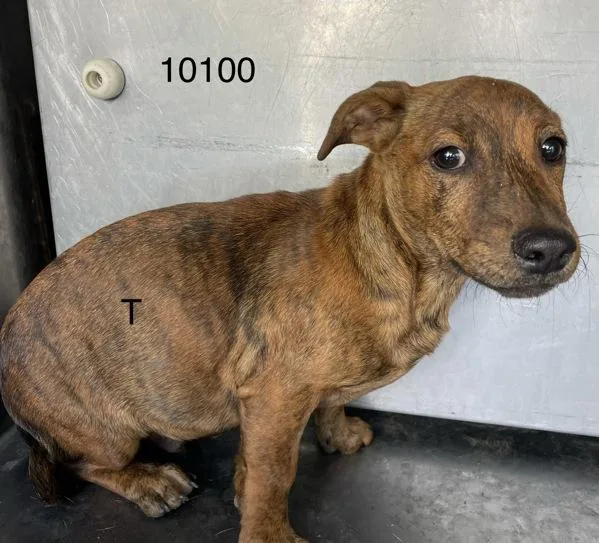
Lancashire Heeler Dogs for Adoption in Victorville, CA

Your guide to finding and caring for a Lancashire Heeler in Victorville

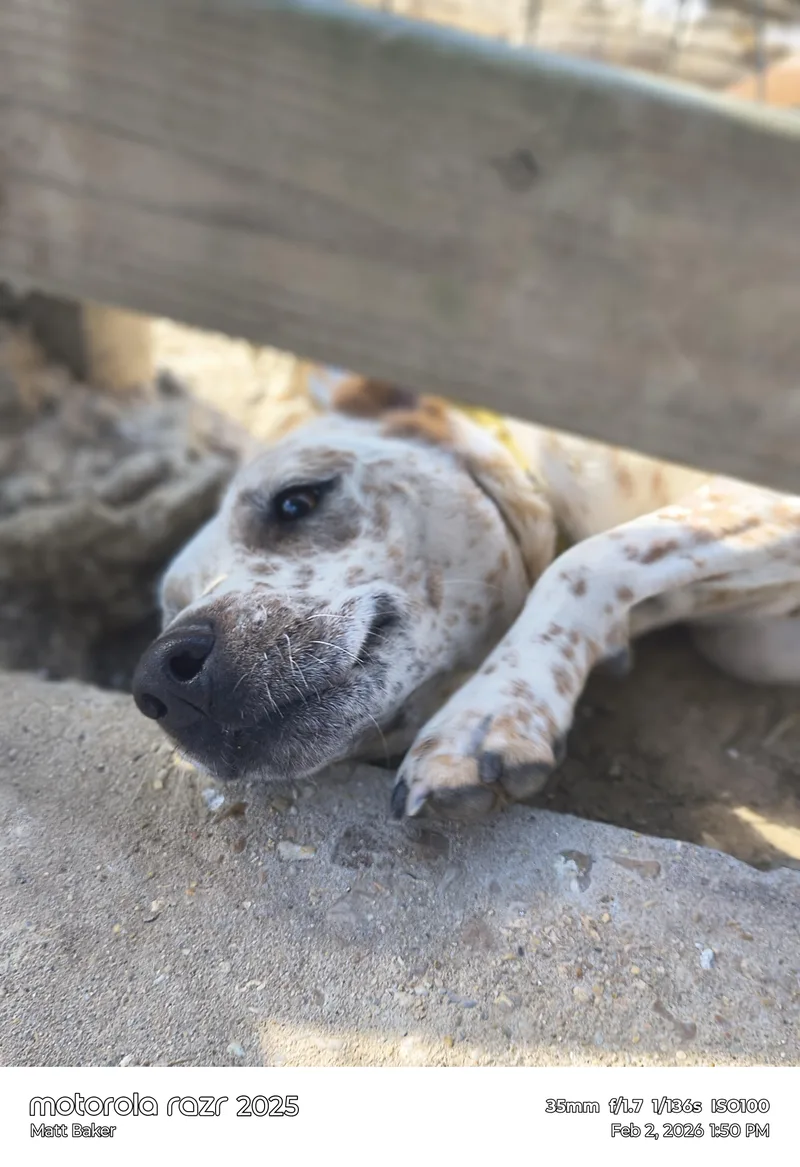
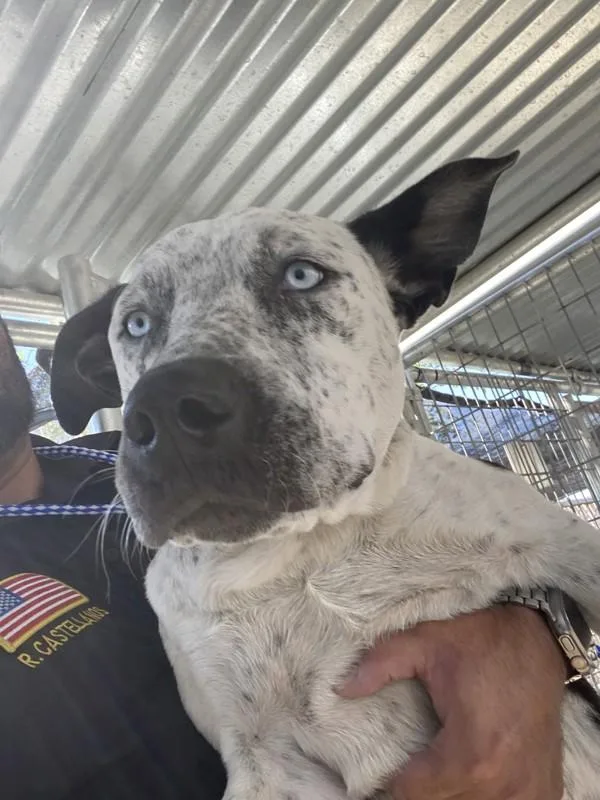
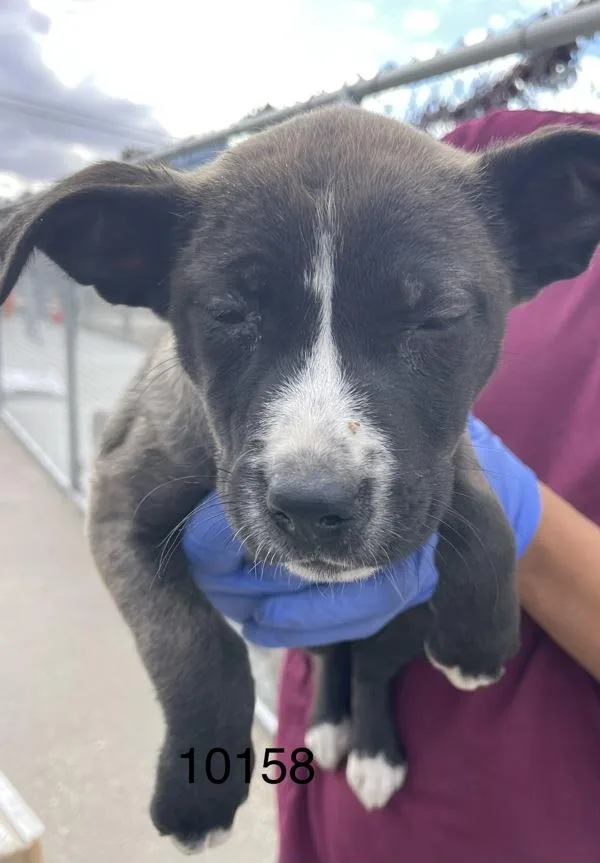
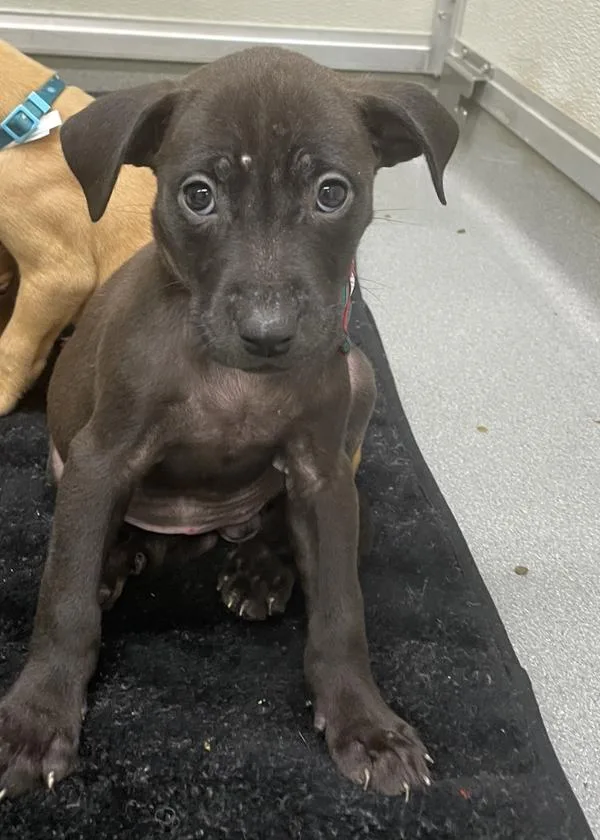
21 Lancashire Heelers available in Victorville and nationwide

Find your forever Lancashire Heeler

While we don't have enough dogs near Victorville, keep in mind that many rescues may offer transport.

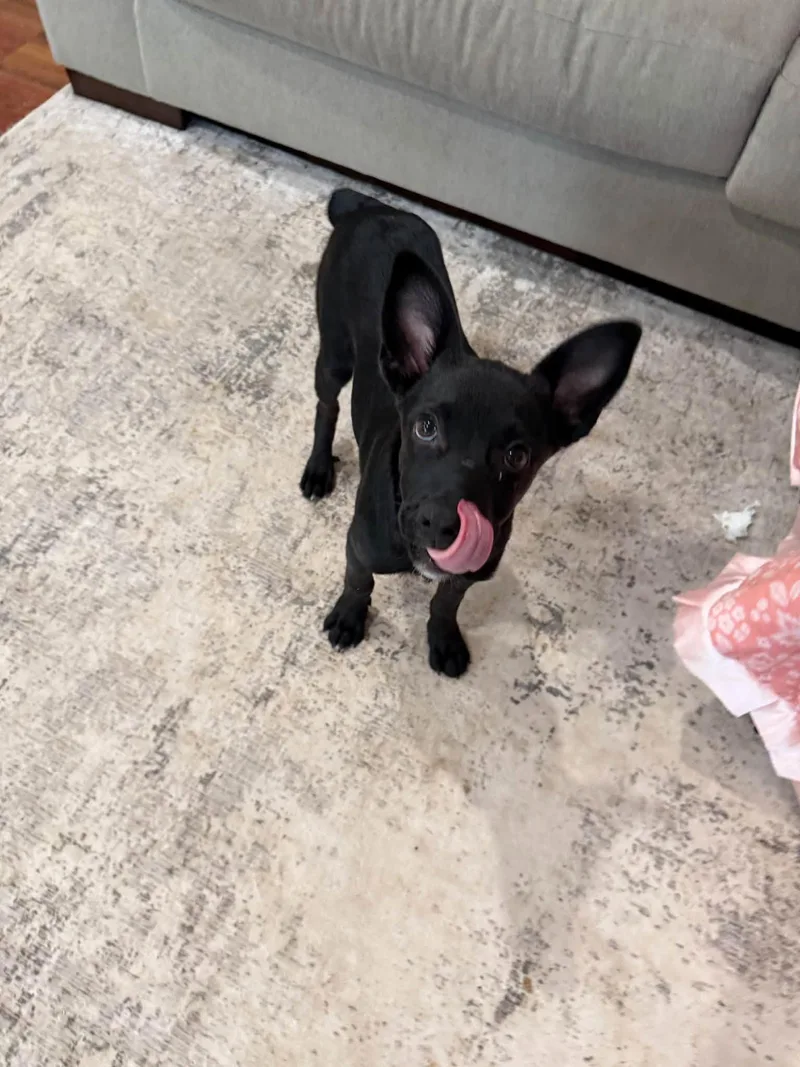
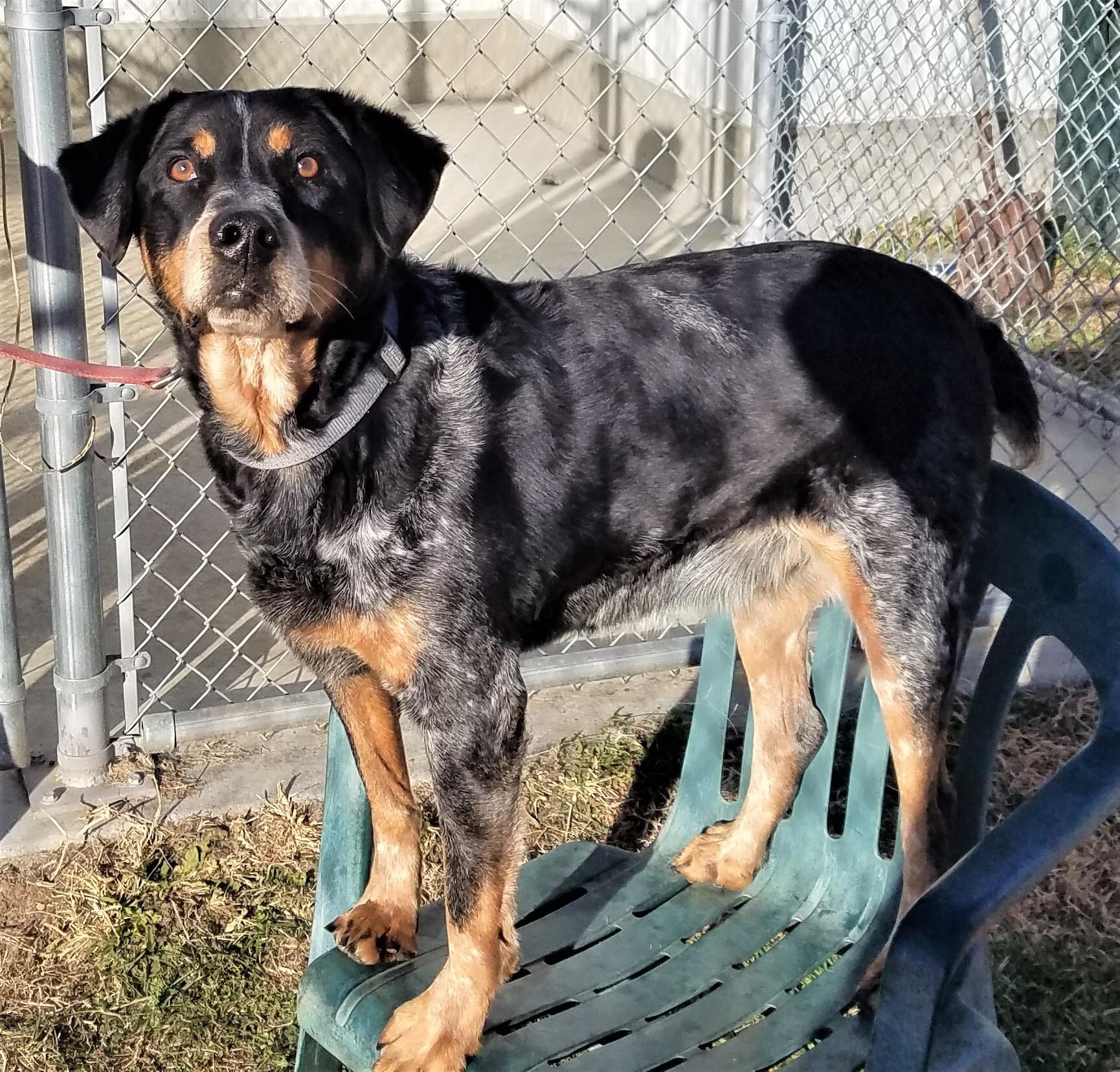
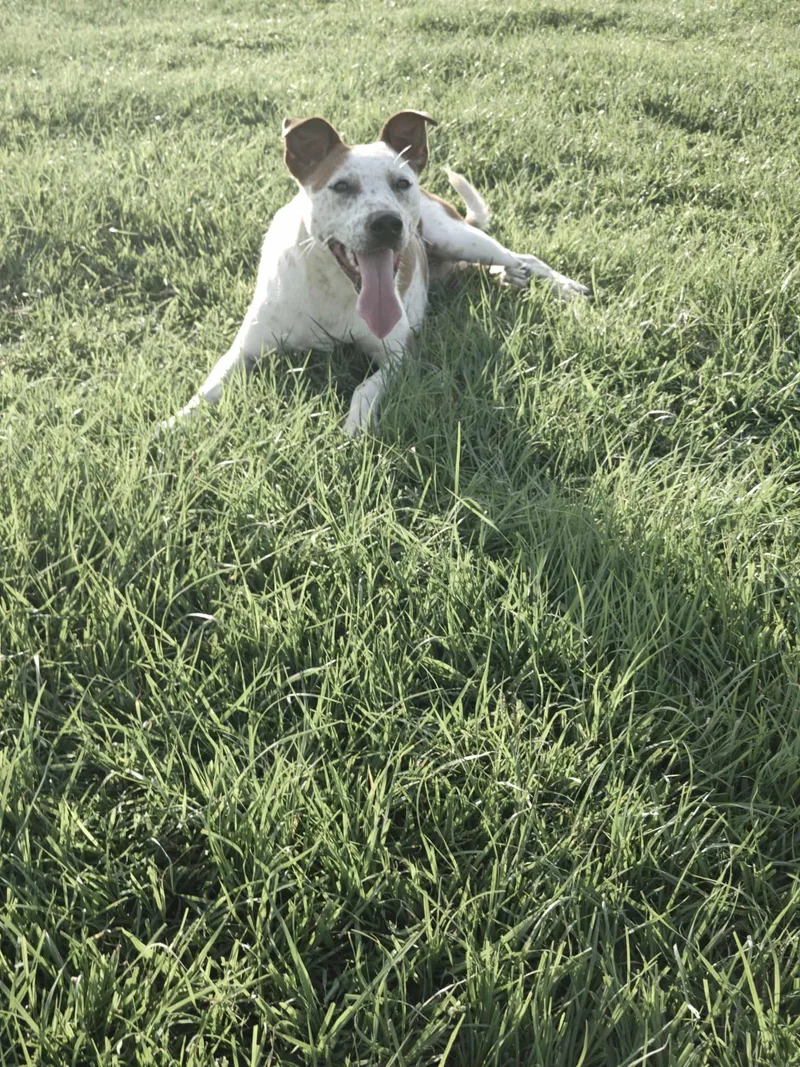
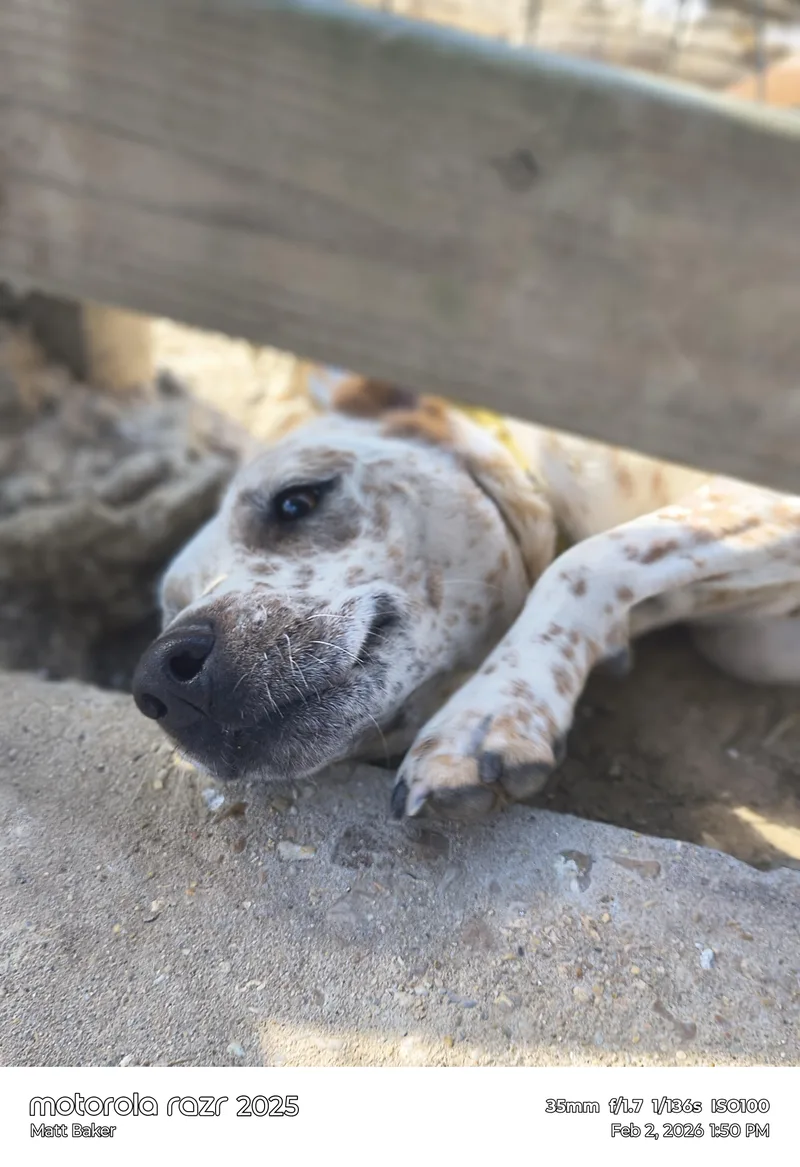
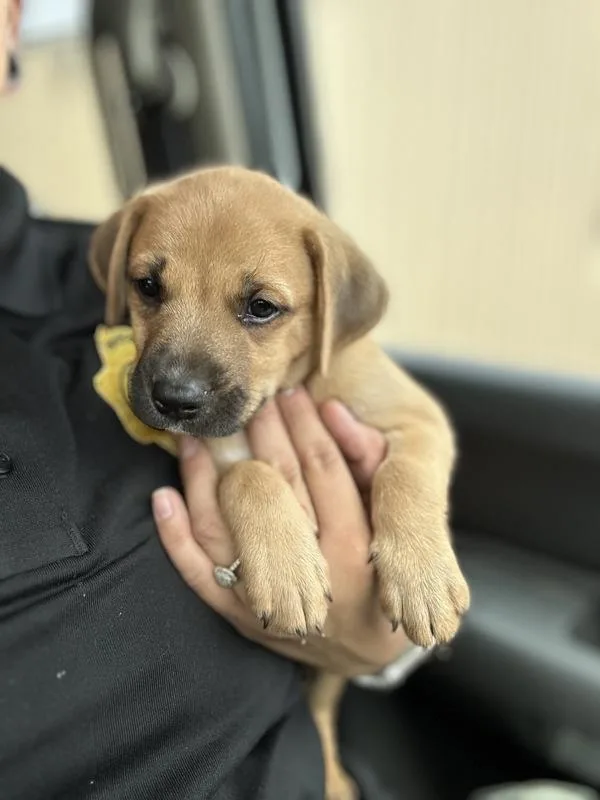
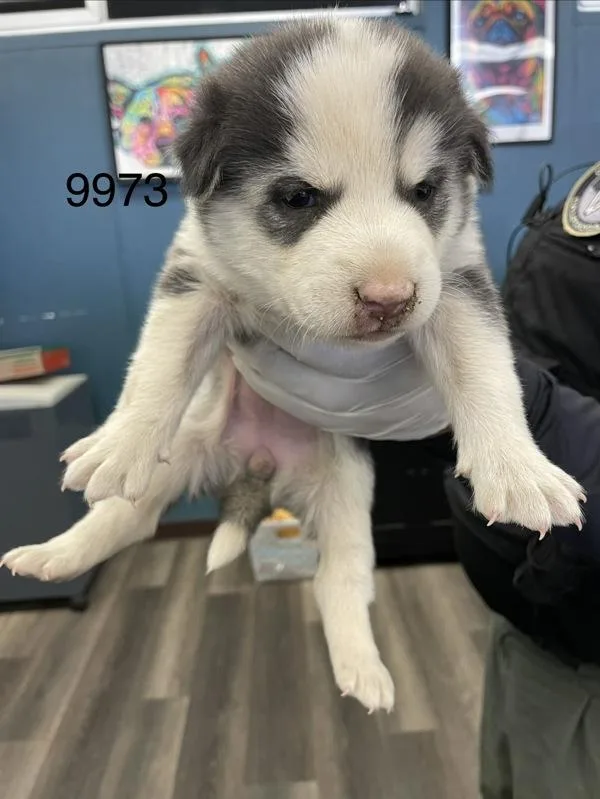
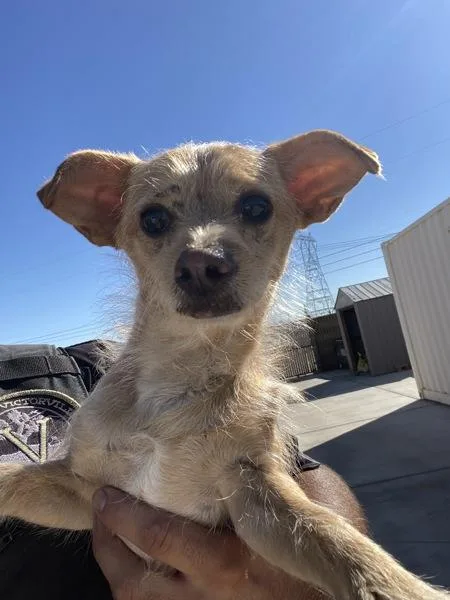
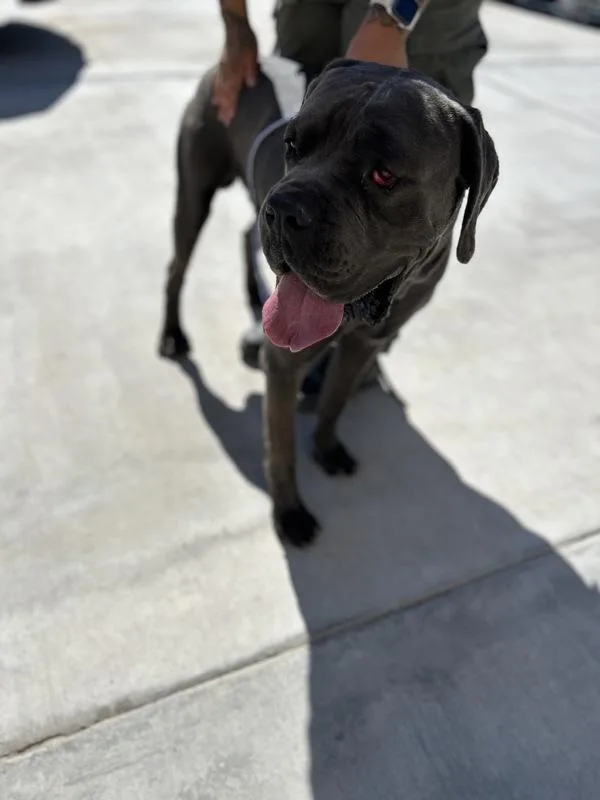
Lancashire Heelers Available for Adoption Near Victorville

About the Lancashire Heeler breed

Low-slung and quick, the Lancashire Heeler earned its keep in northwest England by nipping at the heels of cattle on the way to market and clearing barns of rats. It is generally thought to descend from Welsh Corgis and Manchester Terriers, and it shows both: a sturdy, short-legged body, a terrier's sharp wits and a smooth, weather-resistant coat in black and tan or liver and tan. Still a vulnerable breed in Britain, it joined the AKC Herding Group in 2024.

Many Heelers are cheerful, alert and affectionate with their people, sometimes greeting them with a lip-parting smile. They tend to be busy, chatty and quick to learn, with a herder's urge to chase and a ratter's prey drive. Their small size suits many homes, but they need daily exercise and mental work, and they are rarely found in shelters, so patience helps adopters.

Weight
9–17 lbs
Height
10–12 in
Lifespan
12–16 yrs
Temperament
Alert, Energetic, Affectionate, Intelligent
Group
Herding
Shedding
Low to Moderate

Owning a Lancashire Heeler in Victorville

Having a Lancashire Heeler in Victorville

The Lancashire Heeler mixes a cattle dog's drive with a terrier's spark in a compact, easy-care package. Its energy, intelligence, herding and ratting instincts, and a few inherited eye conditions are the traits that shape everyday life with one.

Temperament

Lancashire Heelers tend to be happy, alert and devoted, bonding closely with their families and often staying reserved with strangers. Many are vocal and quick to announce visitors. Herding instincts can lead to heel-nipping or chasing, and some chase small pets. Early socialization and reward-based training help, and individual temperament varies.

Exercise Needs

Most Heelers need daily walks plus active play, such as fetch, tug or chasing a flirt pole. Their busy minds benefit from training, scent games and sports like agility, rally or barn hunt. Without enough exercise and mental stimulation, many find their own jobs, like barking, digging or herding family members.

Health Considerations

Lancashire Heelers are often long-lived, with UK data suggesting one of the highest life expectancies of any breed. They can inherit eye conditions, including primary lens luxation, collie eye anomaly and persistent pupillary membranes, for which DNA or eye screening exists. Keep up regular checkups and dental care.

Living Space

A Lancashire Heeler's small size suits apartments or houses, provided it gets enough exercise and enrichment. Its barking may matter more to neighbors than space does. A securely fenced yard helps, since prey drive can override recall. Indoors, it does best as part of the family, with toys and puzzles to stay occupied.

What it costs to own a Lancashire Heeler

ExpenseTypical costPer year
Food$20 to $45 per month$240 to $540
Pet insurance$35 to $70 per month$420 to $840
Routine vet care$200 to $400 per year$200 to $400
Other*$390 to $1,090 per year$390 to $1,090
Estimated yearly total (after year one)$1,250 to $2,870

Other costs are national averages for Lancashire Heelers; we don't have costs specific to Victorville yet.

* Flea, tick and heartworm prevention, a dental cleaning allowance, a dog license, toys and bedding, and light grooming for a short coat; license fees vary by city.

Adopt a Lancashire Heeler in Victorville.

Now that you know more, let’s find you a new best friend. These rescues and shelters below currently have Lancashire Heelers available.

Rescues in Victorville with Lancashire Heelers Available

Here are the rescues & shelters in the Victorville area where you can find Lancashire Heelers and other dogs available for adoption.

Frequently Asked Questions

A Lancashire Heeler is a small, sturdy herding dog from northwest England, about 10 to 12 inches tall and 9 to 17 pounds, originally used to drive cattle and catch rats on farms. It has a short black-and-tan or liver-and-tan coat, an alert, cheerful personality and plenty of energy. The AKC recognized the breed in 2024.

The Lancashire Heeler's roots likely go back several centuries in Lancashire, England, with some accounts dating it to the 1600s, when farmers and butchers used small heelers to drive cattle. The modern breed was revived in the 1960s, its club formed in 1978, and The Kennel Club recognized it in 1981. The AKC followed in 2024.

Train a Lancashire Heeler with short, upbeat sessions using treats, toys and praise, since these clever dogs learn quickly but bore easily. Start early with recall, leash manners and a quiet cue, and redirect herding nips toward toys. Avoid harsh corrections, which can make them stubborn. Sports like agility and scent work keep training fun.

The Lancashire Heeler is from Lancashire in northwest England, especially the Ormskirk area, where it was known as a farm and butcher's dog. It's generally believed to come from crosses between Welsh Corgis and Manchester Terriers. The breed remains rare and is listed as a vulnerable native breed in the UK, with few registrations each year.

We have 1 rescue with Lancashire Heelers available: City of Victorville Animal Control. You can see every rescue with Lancashire Heelers available in the list above these questions, or scroll to the top to see the Lancashire Heelers near Victorville.