Japanese Akita Dogs for Adoption in Valley Village, CA

Your guide to finding and caring for a Japanese Akita in Valley Village

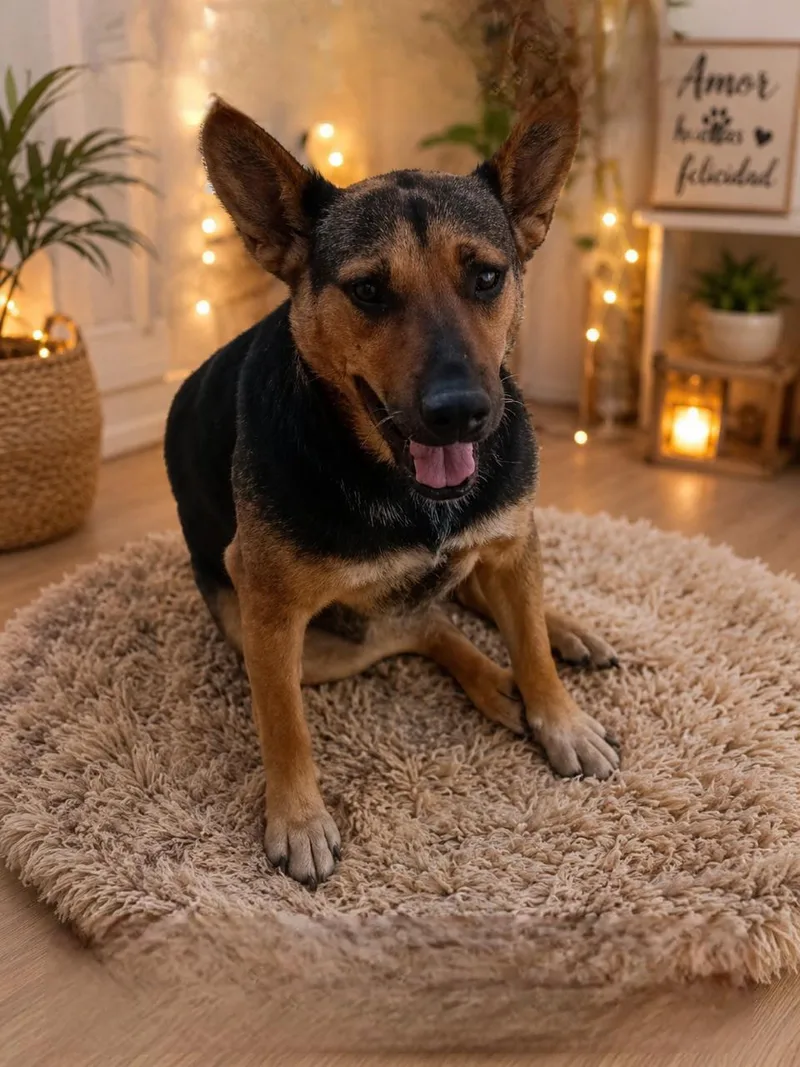
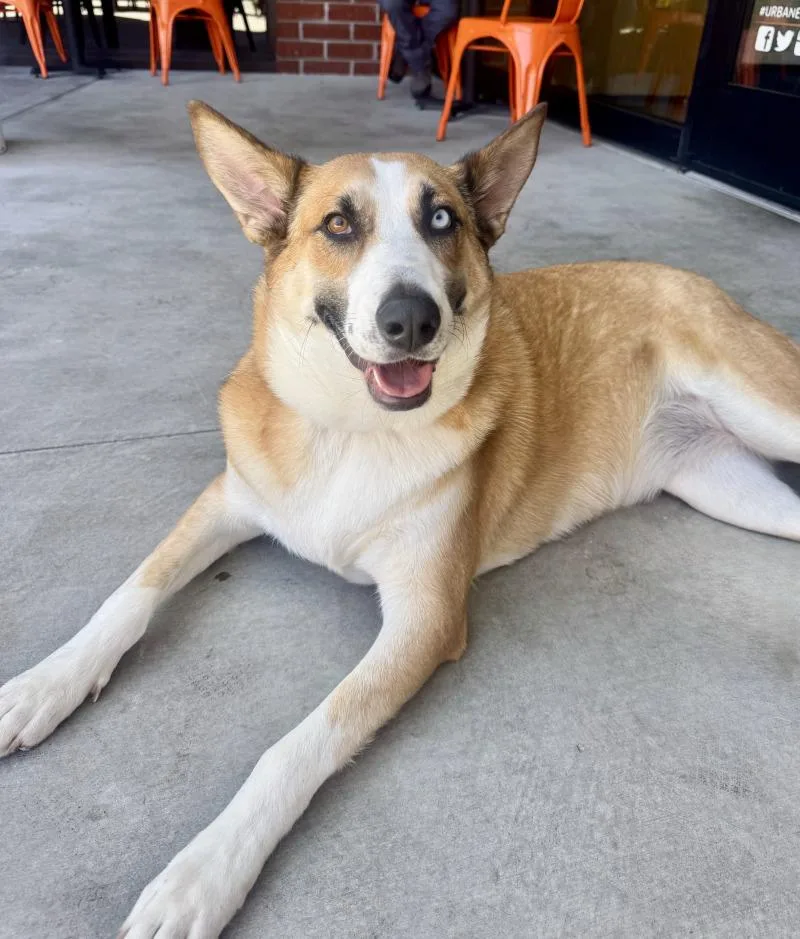
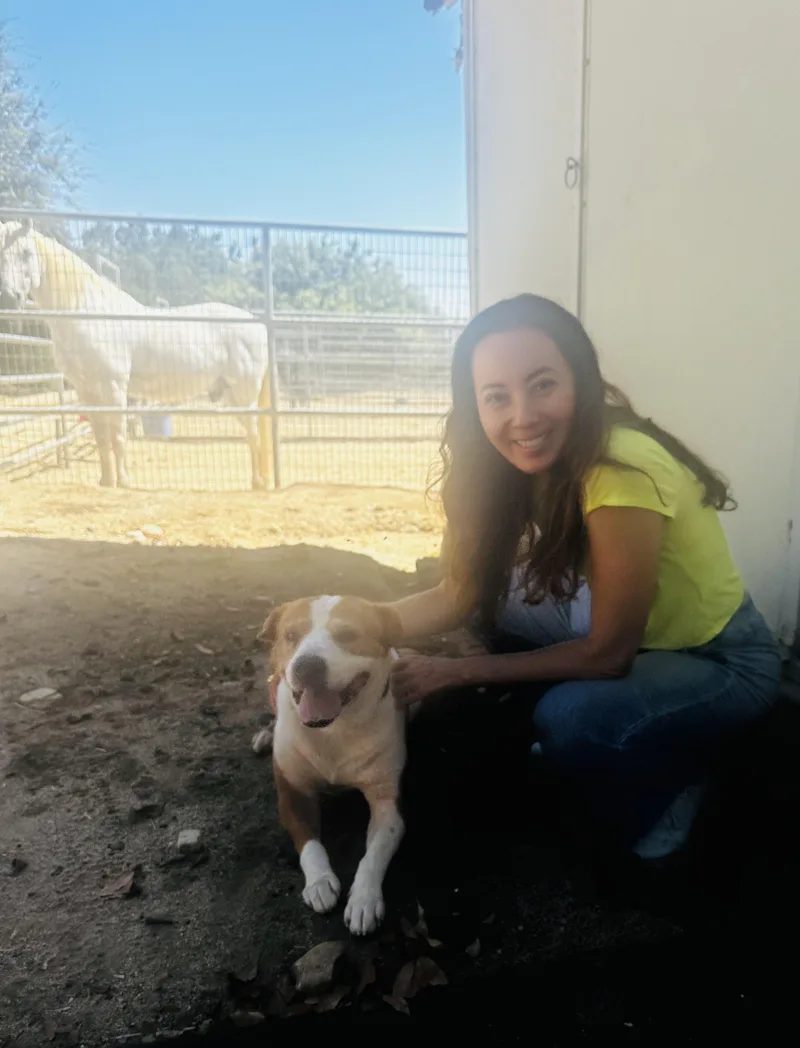
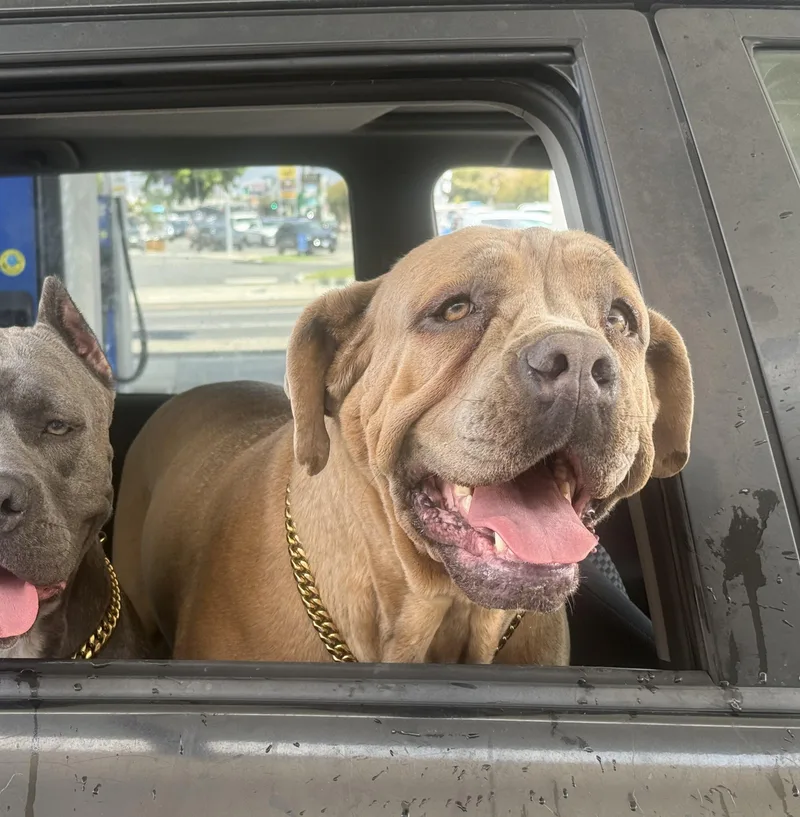
448 dogs similar to Japanese Akita available in Valley Village and nationwide

Find your Japanese Akita

Japanese Akitas and Similar Breeds Available for Adoption Near Valley Village

About the Japanese Akita breed

The Japanese Akita, or Akita Inu, is the original Akita of northern Japan, where its ancestors hunted bear, boar and serow in deep snow. Japan named it a natural monument in 1931, and Hachiko, the dog who waited years at a Tokyo station, made it famous. After World War II the dogs taken to the United States developed into the heavier American Akita, while the Japanese type stayed lighter and fox-faced, in red, fawn, sesame, brindle or white with pale cream shading called urajiro.

Many Japanese Akitas are calm, clean and quietly devoted to their family while remaining aloof with strangers. They are often protective and may not accept other dogs, especially of the same sex. Adopters do best with patient, consistent training, careful introductions, a securely fenced yard and a plan for heavy twice-yearly shedding.

Weight
55–100 lbs
Height
22–27 in
Lifespan
10–14 yrs
Temperament
Loyal, Dignified, Independent, Protective
Group
Miscellaneous
Shedding
High

Owning a Japanese Akita in Valley Village

Having a Japanese Akita in Valley Village

A Japanese Akita pairs a fox-like face and plush coat with the reserve and guarding instinct of a hunting dog from snowy mountains. Its independence, wariness of strangers and other dogs, and heavy shedding matter far more day to day than its striking looks.

Temperament

Japanese Akitas tend to be calm, affectionate and loyal with family but reserved or suspicious with strangers. Many are protective of home and people, and same-sex dog aggression is common. They are smart yet independent, so training works best when short, consistent and reward-based. Early socialization helps, though it never guarantees acceptance of every visitor or dog.

Exercise Needs

Most Japanese Akitas need moderate daily exercise: brisk walks, sniffing outings and play in a securely fenced area. Dog parks are usually a poor fit. Training games and puzzle feeders keep their minds busy. They handle cold well but overheat easily, so exercise in cooler hours during summer and avoid hard, repetitive running for growing puppies.

Health Considerations

Japanese Akitas share the Akita's immune-related conditions, including sebaceous adenitis and an eye and skin disorder resembling Vogt-Koyanagi-Harada syndrome, along with hypothyroidism, hip dysplasia, bloat and eye diseases such as progressive retinal atrophy. Their red blood cells naturally hold more potassium, which can skew lab results. Review records and keep regular veterinary checks.

Living Space

A Japanese Akita can adapt to a house or an apartment if it gets daily exercise and calm handling, though its size and wariness of strangers make crowded hallways harder. A securely fenced yard is valuable. It should live indoors with its family, with a cool spot in warm weather and frequent vacuuming during coat blowouts.

What it costs to own a Japanese Akita

ExpenseTypical costPer year
Food$55 to $110 per month$660 to $1,320
Pet insurance$65 to $130 per month$780 to $1,560
Routine vet care$250 to $500 per year$250 to $500
Other*$590 to $1,490 per year$590 to $1,490
Estimated yearly total (after year one)$2,280 to $4,870

Other costs are national averages for Japanese Akitas; we don't have costs specific to Valley Village yet.

* Flea, tick and heartworm prevention, a dental cleaning allowance, a dog license, toys and bedding, and brushing and baths for heavy seasonal coat blowouts; license fees vary by city.

Adopt a Japanese Akita in Valley Village.

Now that you know more, let’s find you a new best friend. These rescues and shelters below currently have Japanese Akitas available.

Rescues in Valley Village with Japanese Akitas Available

Here are the rescues & shelters in the Valley Village area where you can find Japanese Akitas and other dogs available for adoption.

Frequently Asked Questions

The Japanese Akita, also called the Akita Inu, is a large spitz-type dog from the mountains of northern Japan. It is the original Akita, lighter and more fox-faced than the American Akita. Japanese Akitas are dignified, independent and deeply loyal to their family, usually reserved with strangers, and known for a thick coat with pale cream shading called urajiro.

Yes, Akita Inu and Japanese Akita are two names for the same dog. Inu simply means dog in Japanese, and the name comes from Akita Prefecture. The AKC uses the name Japanese Akitainu. It is different from the Akita most Americans know, which is the heavier, bear-headed American type that developed from dogs brought to the United States after World War II.

Japanese Akitas descend from hunting dogs of northern Japan's mountains that tracked and held bear, wild boar and serow, a goat-like animal, in deep snow. Later they also served as guardians of homes and property. In the late 1800s some were crossed with larger dogs for fighting, which was later banned, and efforts then focused on restoring the original Japanese type.

Hachiko was a Japanese Akita born in 1923 who belonged to Hidesaburo Ueno, a professor in Tokyo. Each day Hachiko met him at Shibuya Station after work. When Ueno died suddenly in 1925, Hachiko kept returning to the station to wait for him for nearly ten years, until his own death in 1935. A bronze statue honors him at Shibuya Station today.

Japan declared the Akita a natural monument in 1931 because the native breed was in danger of disappearing. Crosses with larger foreign dogs for fighting and the loss of traditional hunting work had diluted the original type. The designation recognized the Akita as part of Japan's cultural heritage and supported efforts to preserve its original appearance and character.

In Japan, the Akita is a traditional symbol of good health, happiness and long life. Small Akita figurines are often given to families when a baby is born, as a wish for the child's health, and to people who are ill, as a wish for a quick recovery. The custom reflects the breed's status as a cherished national dog and emblem of loyalty.

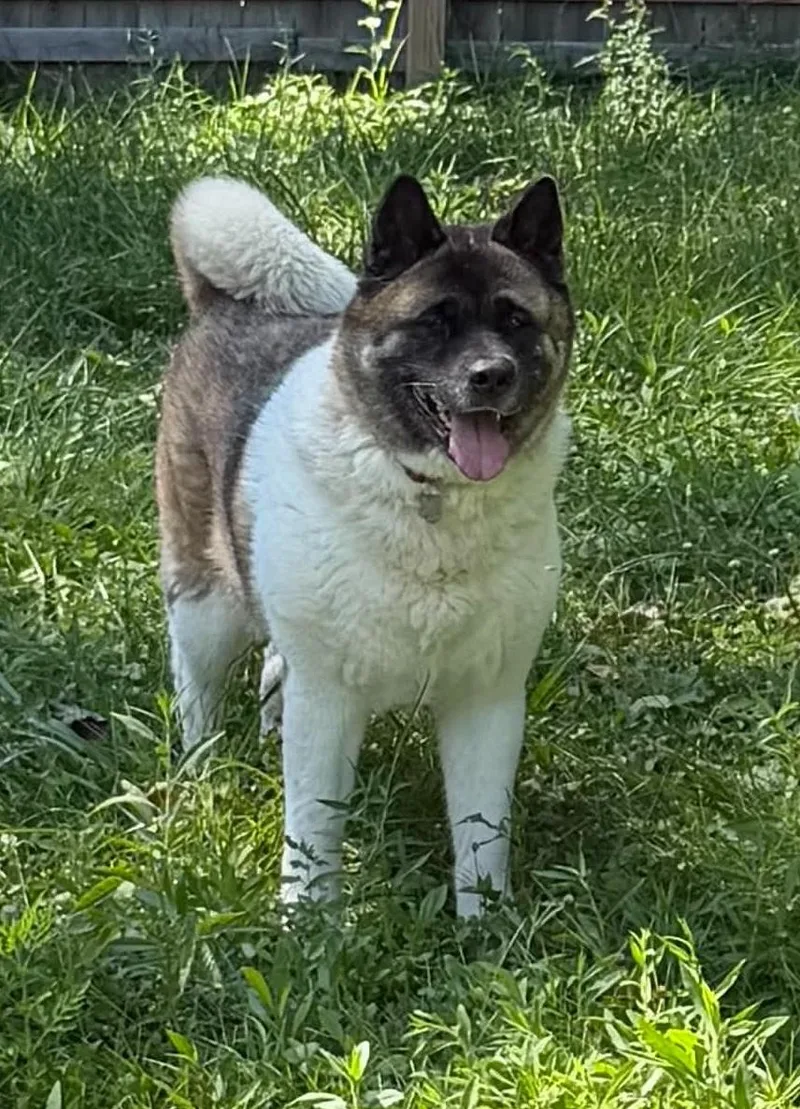
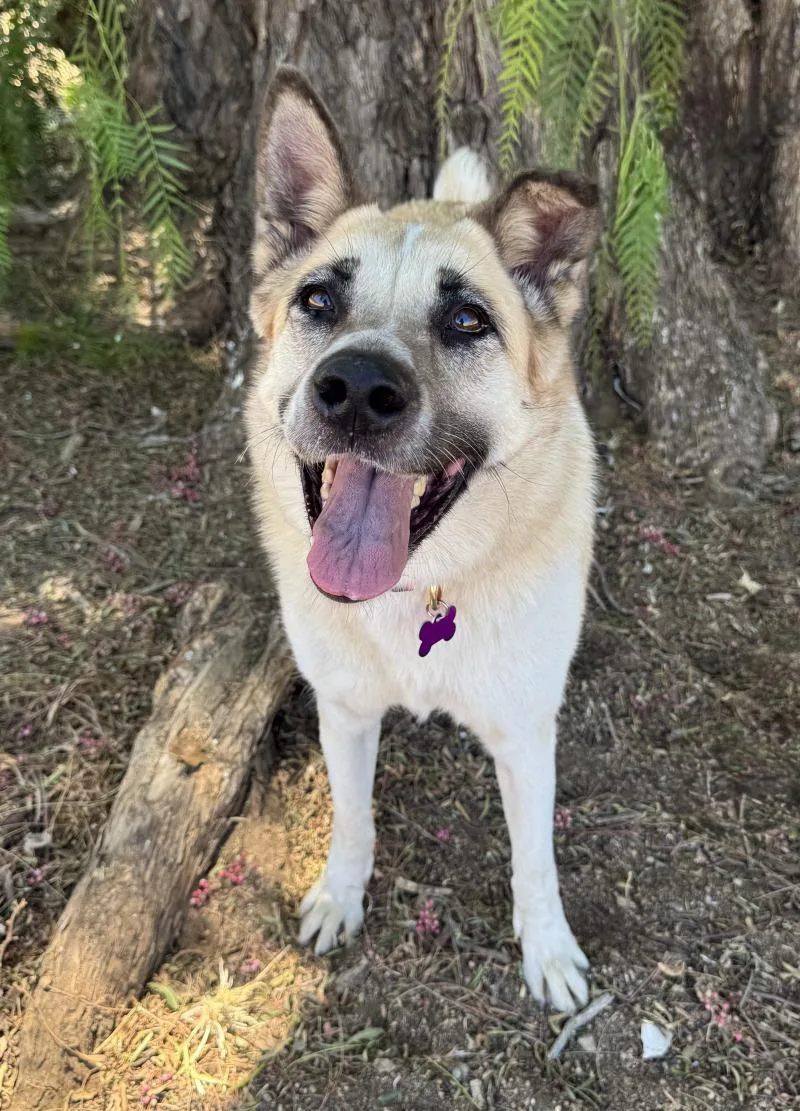
A Japanese Akita is a large, well-balanced spitz with a fox-like head, small deep-set triangular eyes, small pricked ears tilted forward and a thick tail curled over the back. Its coat is plush and dense. Colors are red, fawn, sesame, brindle or white, and all but white show cream or white shading called urajiro on the muzzle, cheeks, chest and belly.

Japanese Akitas are large dogs. Most stand about 22 to 27 inches tall at the shoulder, with males taller than females. Weight varies widely by source, from around 55 pounds for smaller females to as much as 100 pounds for big males, so planning for a sizable dog is wise. They are lighter and more finely boned than the American Akita.

Japanese Akitas typically live about 10 to 14 years, and studies of Akitas in general report an average of around 11 years. Immune-related skin and eye disorders, hypothyroidism, hip dysplasia and bloat are the main health concerns. Keeping the dog lean, learning the signs of bloat and keeping up regular veterinary checkups give a Japanese Akita its best chance at a long life.

We have 1 rescue with Japanese Akitas available: START. You can see every rescue with Japanese Akitas available in the list above these questions.