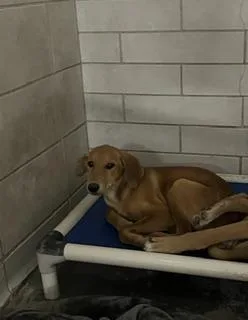
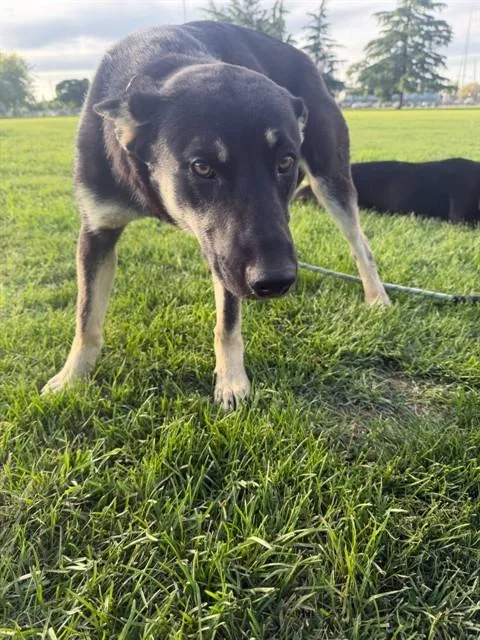
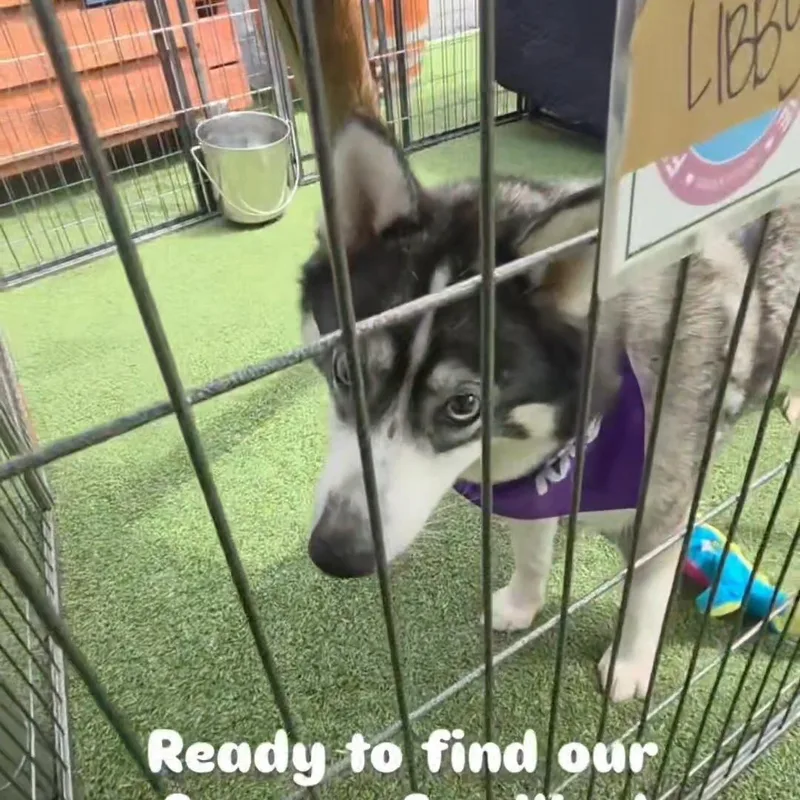
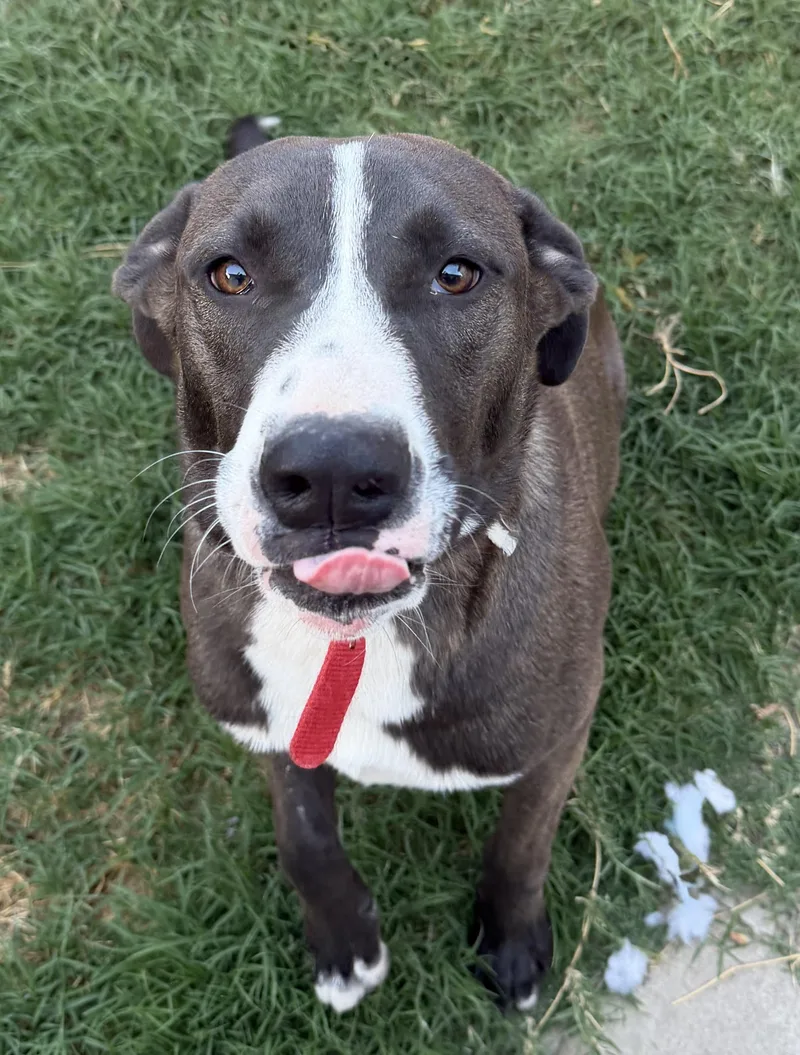
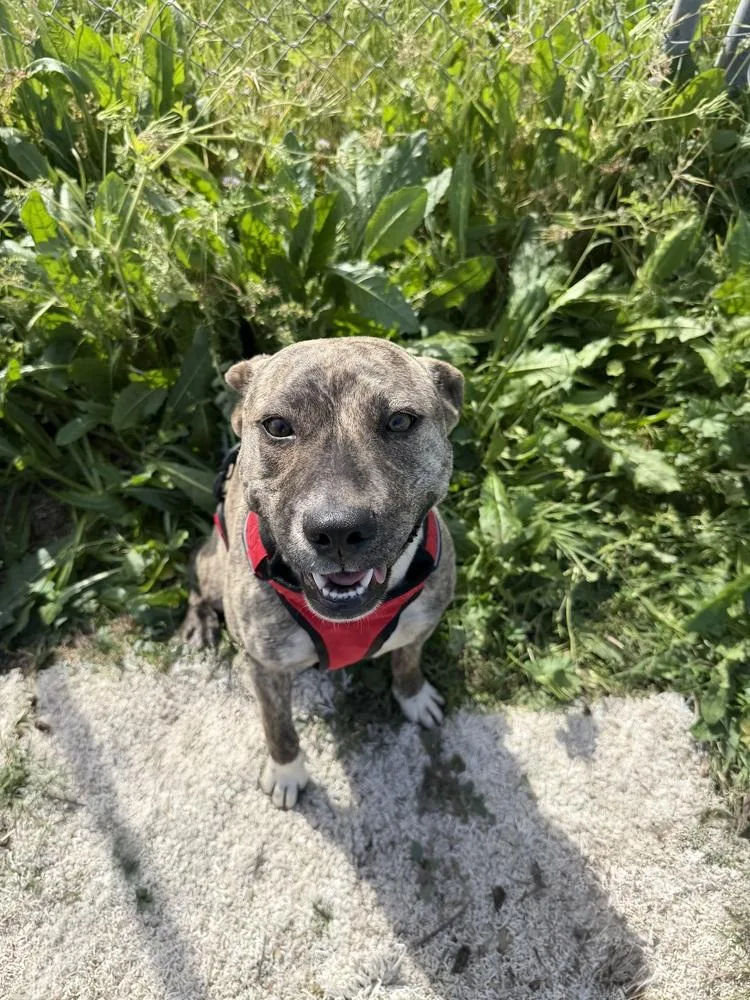
Black Labrador Retriever Dogs for Adoption in Stockton, CA

Your guide to finding and caring for a Black Labrador Retriever in Stockton

A Black Labrador Retriever fits Stockton's tract-home neighborhoods well, especially ones with a fenced yard. In Weston Ranch or Spanos Park West, a Lab has room to run, and the Calaveras River Bike Path gives a long, mostly paved route for daily walks. Black Labs are friendly and easy to train with treats, but they need real exercise and shade, since dark coats soak up the Central Valley sun. If you're thinking of adopting one in Stockton, plan on a long walk every day.

3259 Black Labrador Retrievers available in Stockton and nationwide

Find your Black Labrador Retriever

Black Labrador Retrievers Available for Adoption Near Stockton

About the Black Labrador Retriever breed

The Labrador Retriever descends from the St. John's water dogs of Newfoundland and was refined in Britain as a gun dog that retrieves from water. Black is the original and most familiar color, not a separate breed. Black Labs have a broad head, an otter tail, a dense water-resistant double coat and a strong, athletic build, usually 55 to 80 pounds.

Color doesn't decide personality. Most black Labs are friendly, food-motivated and eager to please, though some are leaner and more driven than others, and a dog's age and background shape its energy. They mature slowly, so expect a bouncy adolescence, steady training and careful portions. Heavy seasonal shedding comes with the breed, and in Stockton's long dry summers the dark coat also calls for shade and water.

Weight
55–80 lbs
Height
21–25 in
Lifespan
10–14 yrs
Temperament
Friendly, Outgoing, Active
Group
Sporting
Shedding
Moderate to High

Owning a Black Labrador Retriever in Stockton

Having a Black Labrador Retriever in Stockton

Black Labs pair a sociable outlook with real stamina. In Stockton, daily exercise, a cool place to rest in summer and portion control matter far more than coat color, so match each dog's age and energy to your routine.

Temperament

Black Labs tend to be outgoing and affectionate with family, guests and other dogs, and many are patient with respectful children. Young dogs can be mouthy and boisterous. Their love of food makes reward-based training work well. A dog's history and socialization say more than breed or color, so watch how the dog handles new people and places.

Exercise Needs

Most grown black Labs need an hour or more of brisk walking, fetch or running every day. In Stockton, the mostly paved Calaveras River Bike Path suits longer leashed walks, and the city's off-leash dog parks suit fetch. Scent games and short training sessions keep a young Lab from chewing and digging.

Health Considerations

Labs can develop hip and elbow dysplasia, cruciate ligament tears, exercise-induced collapse and progressive retinal atrophy, and many gain weight easily. Ear infections and skin allergies are common. Mosquitoes spread heartworm in the Stockton area, so talk with a veterinarian about prevention, hip and elbow checks, and regular weigh-ins.

Living Space

A black Lab can manage an apartment if its exercise needs are met, but Stockton's single-family neighborhoods with fenced yards make play easier. A yard doesn't replace walks and company. Expect shed hair, a sweeping tail and a dog that wants to live indoors with you rather than alone outside.

What it costs to own a Black Labrador Retriever in Stockton

ExpenseTypical costPer year
Food$55 to $110 per month$660 to $1,320
Pet insurance$65 to $130 per month$780 to $1,560
Routine vet care$250 to $500 per year$250 to $500
Other*$590 to $1,490 per year$590 to $1,490
Estimated yearly total (after year one)$2,280 to $4,870

Other costs are estimates and vary with size, age and health.

* The Stockton dog license, flea, tick and heartworm prevention, a dental cleaning allowance, toys and bedding, and brushing and baths for heavy seasonal shedding.

Adopt a Black Labrador Retriever in Stockton.

Now that you know more, let’s find you a new best friend. These rescues and shelters below currently have Black Labrador Retrievers available.

Rescues in Stockton with Black Labrador Retrievers Available

Stockton's shelters and rescues work year-round to place dogs, and the ones listed here are a good place to begin. Here are the rescues & shelters in the Stockton area where you can find Black Labrador Retrievers and other dogs available for adoption.

Frequently Asked Questions

Yes, you can own a Black Labrador Retriever in Stockton. The city has no breed-specific rules, and California law limits breed-specific local rules to spay/neuter and breeding programs. You'll need a city license for dogs four months and older, with a current rabies vaccine and microchip. Households can keep up to three dogs, and dogs must be leashed off your property.

Yes, with precautions. Stockton averages about 88 days a year at 90°F or higher, and 41 days topped 100°F in 2024. A black coat absorbs heat, so walk at dawn or after sunset when nights cool to around 60°F, provide shade and water, and avoid midday pavement. Never leave a dog in a parked car.

Yes, if its exercise needs are met. About 46% of Stockton households rent, and a Lab needs daily walks, play and training to stay calm indoors. Barking that disturbs two neighbors can lead to a complaint, so exercise and mental work help. Have your landlord's pet permission in hand and ask about size limits before you apply.

Start with Stockton's off-leash dog parks: Barkleyville, Faklis Park and Weston Park. For longer leashed walks, the Calaveras River Bike Path runs about seven mostly paved miles across north Stockton. Oak Grove Regional Park, a county park, allows leashed dogs for a $1 pet fee but not in its lake. Skip swimming in Delta waters because of algae warnings.

Mostly no. San Joaquin RTD buses allow pets only in a secure carrier that fits on your lap or under the seat, which rules out a full-size Lab. Service animals can ride leashed or harnessed. ACE commuter trains allow only service animals, so plan on driving to parks and outings with a Lab.

Brush a black Lab a couple of times a week, and daily during heavy shedding in spring and fall. A bath every month or two is plenty. Summer dust and dry grass seeds call for post-walk checks of ears and paws. Most owners groom at home, and any professional baths fit within the yearly "Other" costs.

Only to outdoor patios, and only where the restaurant chooses to allow dogs. California law bars pet dogs indoors, though service animals are allowed. Keep your Lab leashed and off chairs and tables, and expect a calm dog to handle a patio best. Whether a Miracle Mile or downtown waterfront patio welcomes dogs is up to each venue.

A Labrador Retriever is a large sporting dog developed to retrieve game for hunters, especially from water. Labs have a short, dense double coat, a thick otter tail and a broad head, and they come in black, yellow and chocolate. Many are friendly, food-motivated and eager to work, which makes them common family, guide and service dogs.

We have 1 rescue with Black Labrador Retrievers available: Finding A Best Friend Rescue. You can see every rescue with Black Labrador Retrievers available in the list above these questions, or scroll to the top to see the Black Labrador Retrievers near Stockton.

Plan on about $55 to $110 a month for food, $65 to $130 a month for pet insurance, $250 to $500 a year for routine vet care and $590 to $1,490 a year for everything else. That adds up to roughly $2,280 to $4,870 a year, before any emergencies.