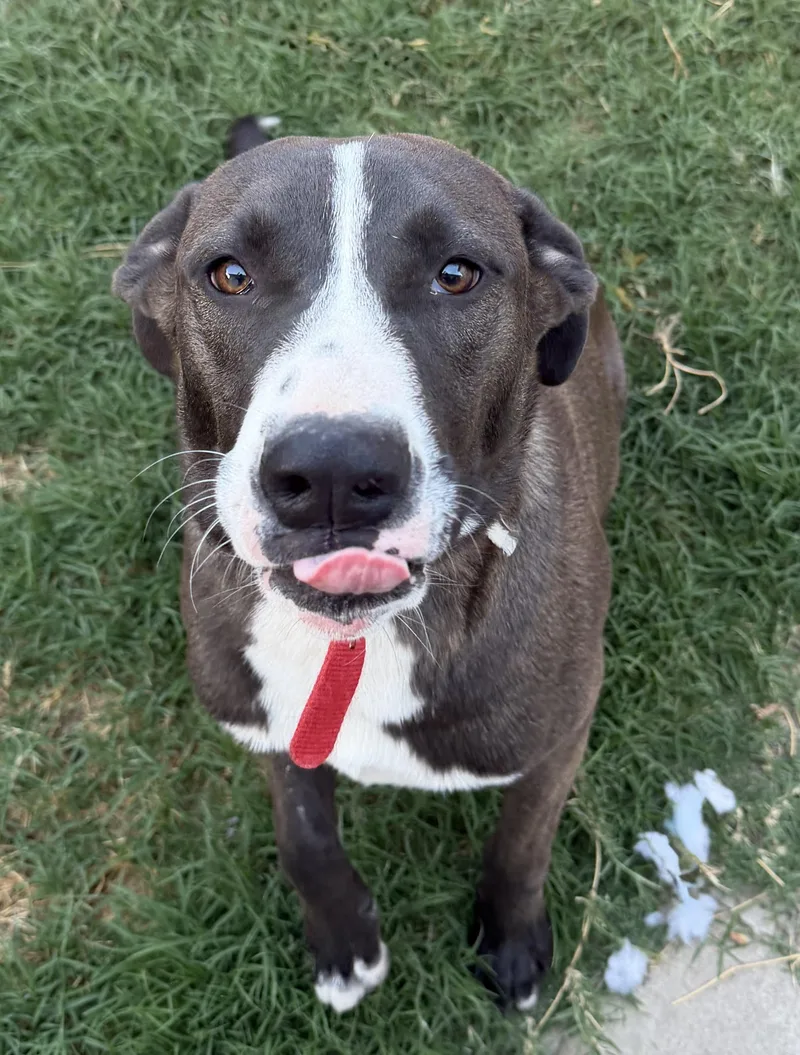
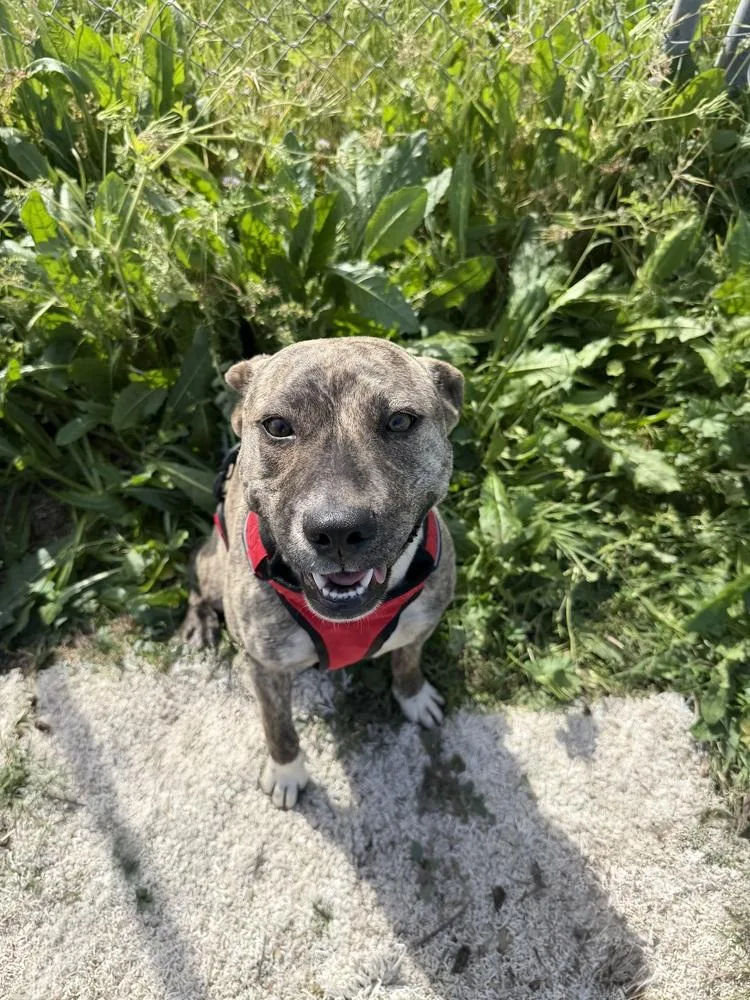
Basenji Dogs for Adoption in Stockton, CA

Your guide to finding and caring for a Basenji in Stockton

Basenjis fit Stockton's apartments and tract-home streets better than most hounds, because they don't bark. A Midtown rental or a Weston Ranch house can work, as long as the fence has no gaps, since a Basenji will climb or squeeze out. They're small, tidy and catlike, but they run hard and chase anything that moves. Expect brisk leashed walks every day and a shady spot for hot afternoons. Most are happiest with people who are home a lot.

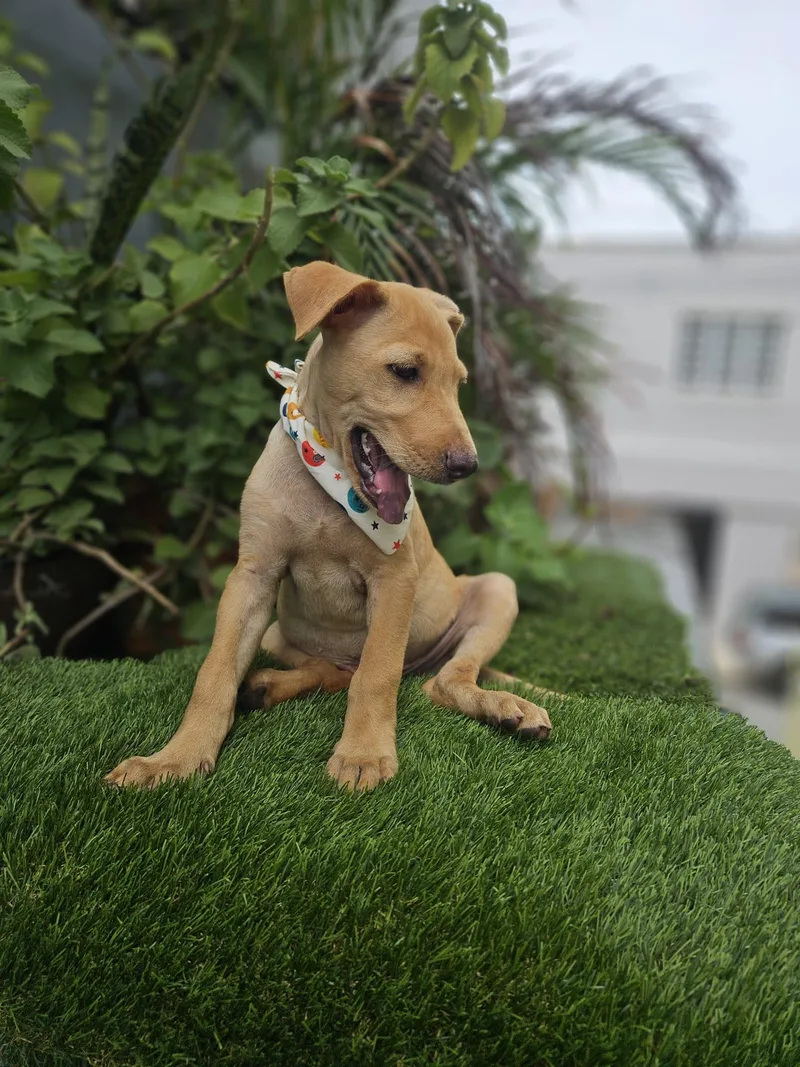
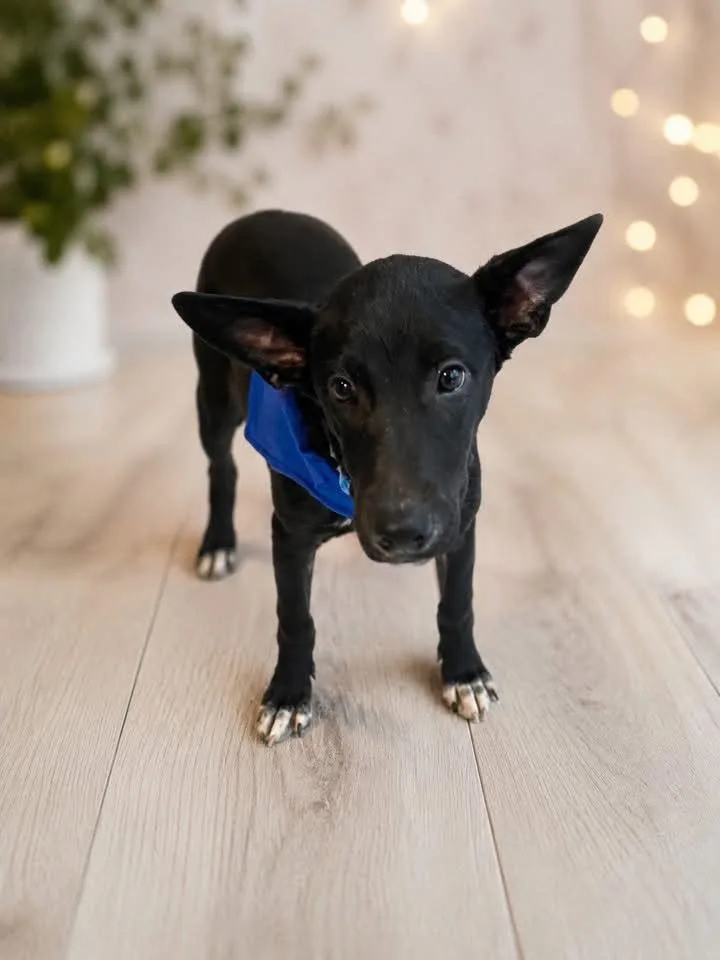
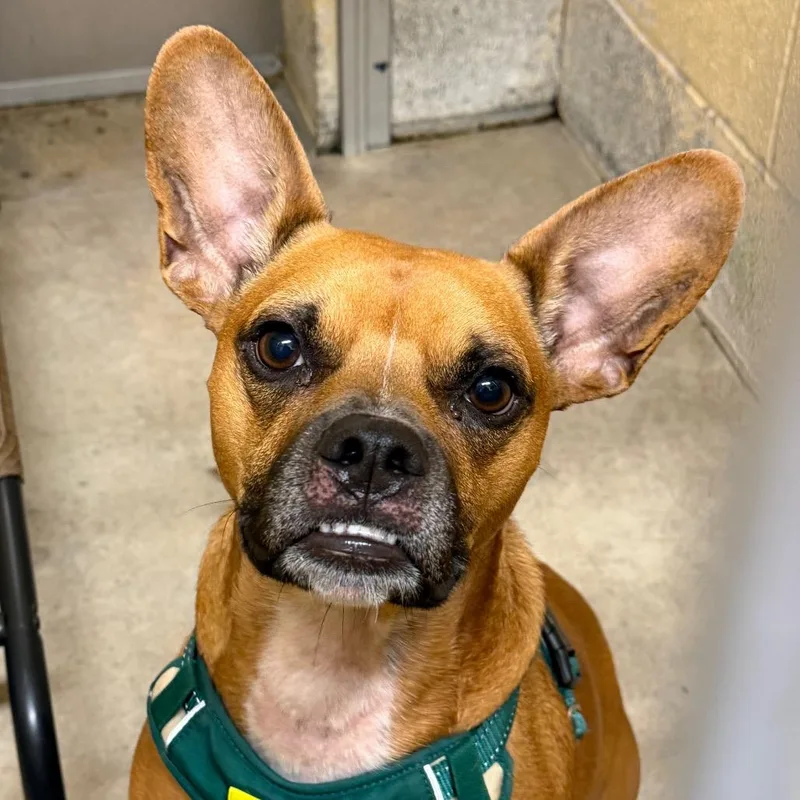
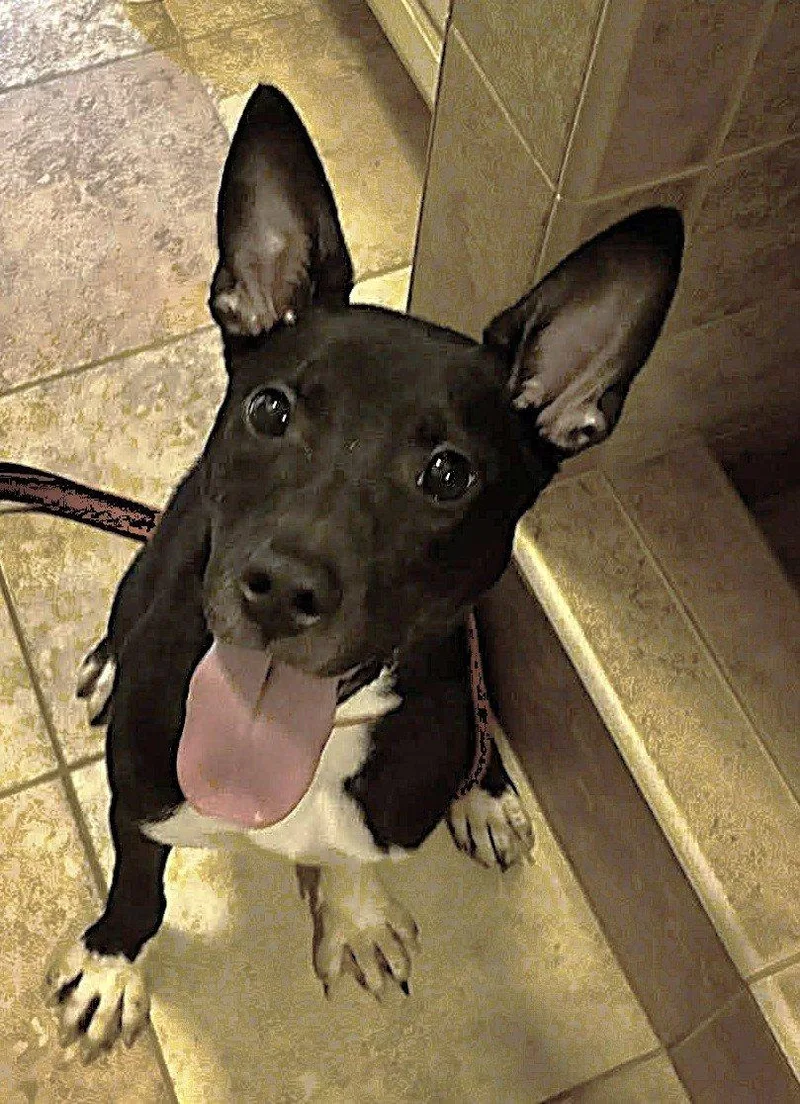
164 Basenjis available in Stockton and nationwide

Fall for a Basenji

While we don't have enough dogs near Stockton, keep in mind that many rescues may offer transport.

Basenjis Available for Adoption Near Stockton

About the Basenji breed

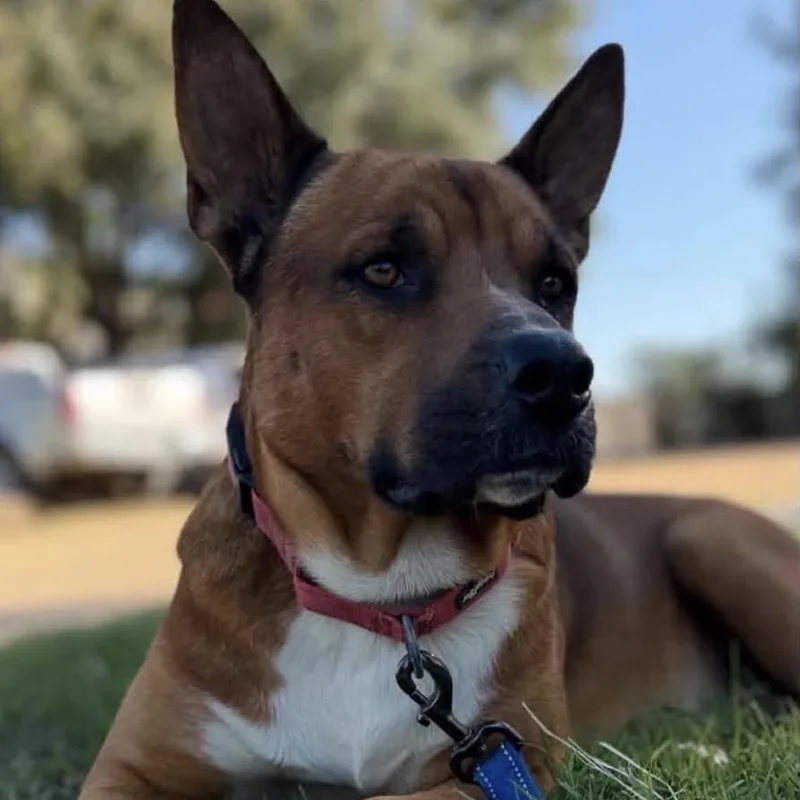
The Basenji is an ancient hunting breed from Central Africa's Congo basin, where village hunters used its speed and sharp nose to flush small game into nets. Instead of barking, it yodels, howls and makes a sound called a baroo. Adults weigh about 20 to 26 pounds, with a wrinkled forehead, upright ears, a tightly curled tail and a short coat in chestnut, black, tricolor or brindle.

Basenjis groom themselves like cats and have little odor, which suits small Stockton homes. They can be affectionate with their people yet independent, reserved with strangers and strongly driven to chase. Clever escape artists and enthusiastic chewers, they need patient training, secure fencing and plenty of exercise. Dogs vary, so a Basenji's own personality matters more than the breed description.

Weight
20–26 lbs
Height
15–18 in
Lifespan
12–15 yrs
Temperament
Independent, Intelligent, Alert, Affectionate
Group
Hound
Shedding
Low

Owning a Basenji in Stockton

Having a Basenji in Stockton

Basenjis pair a quiet voice with a hunter's drive and plenty of stamina. In Stockton, secure fencing, leashed outings and a plan for summer heat matter more than square footage. Here's how temperament, exercise, health and space play out locally.

Temperament

Basenjis are usually affectionate with their families, alert and reserved with strangers. They think independently, so training takes patience and rewards rather than repetition. Their strong prey drive makes small pets risky, and some prefer being the only dog. Each Basenji differs, so watch how a dog behaves around people, other animals and noise.

Exercise Needs

Plan on an hour or more of brisk activity daily, split across the day. In Stockton that can be leashed walks, a session in a fenced dog park or games in a secure yard. Because Basenjis chase, skip open off-leash space. Puzzle toys and scent games help prevent chewing and escaping.

Health Considerations

Basenjis can inherit Fanconi syndrome, a kidney disorder, along with progressive retinal atrophy, pyruvate kinase deficiency and hypothyroidism. DNA tests exist for several of these, and a veterinarian can recommend periodic urine screening and checkups. Mosquito-borne heartworm occurs in the Stockton area, so year-round prevention is worth discussing with your vet.

Living Space

A Basenji can do well in an apartment or small house if daily exercise is covered, and a quiet voice helps with close neighbors. Security matters more than size: they climb fences and chew through barriers. Many dislike cold and rain, so a warm indoor spot matters in winter.

What it costs to own a Basenji in Stockton

ExpenseTypical costPer year
Food$20 to $45 per month$240 to $540
Pet insurance$40 to $85 per month$480 to $1,020
Routine vet care$200 to $400 per year$200 to $400
Other*$390 to $1,090 per year$390 to $1,090
Estimated yearly total (after year one)$1,310 to $3,050

Other costs are estimates and vary with size, age and health.

* The Stockton dog license, flea, tick and heartworm prevention, a dental cleaning allowance, durable chew toys and bedding, and minimal grooming for the short coat.

Adopt a Basenji in Stockton.

Now that you know more, let’s find you a new best friend. These rescues and shelters below currently have Basenjis available.

Rescues in Stockton with Basenjis Available

Stockton's shelter and rescue community is busy with stray dogs, and the groups listed here share the dogs they have now. Here are the rescues & shelters in the Stockton area where you can find Basenjis and other dogs available for adoption.

Frequently Asked Questions

Yes, you can own a Basenji in Stockton, since the city has no breed-specific rules and California law limits them to spay/neuter and breeding programs. Dogs four months and older need a city license, which requires a current rabies vaccine and a microchip. Households can keep up to three dogs over four months old, and a barkless breed makes noise complaints less likely.

Barkleyville Dog Park on Feather River Drive is a good starting point, with fenced areas split for big and small dogs. Faklis Park and Weston Park also have dog parks. For leashed exercise, try the Calaveras River Bike Path, about seven miles, or Oak Grove Regional Park, where leashes max out at six feet and a $1 pet fee applies.

Yes, if you're home often and can keep up with daily exercise. A Basenji's quiet voice and tidy habits suit Stockton's rentals and tract-home streets, but fences must be escape-proof and summer afternoons call for indoor time. It's a weaker match for anyone who wants a dog that obeys instantly or spends long days alone.

Mostly yes, with adjustments. Stockton's mild winters suit a Basenji better than a snowy climate would, though the thin coat calls for a sweater on damp, foggy mornings. Hot, dry summers are the bigger challenge, so schedule walks around dawn and dusk and give your dog a cool indoor spot with fresh water during afternoons.

Only in a carrier. San Joaquin RTD buses allow pets only in a secure carrier that fits on your lap or under the seat, so a Basenji weighing 20 to 26 pounds may be a tight fit. Service animals are exempt. ACE commuter trains from Cabral Station don't allow pets other than service animals.

Only on some outdoor patios. California law lets restaurants choose whether to allow dogs outside, and no pet dogs are allowed indoors, though service animals are. Patios on the Miracle Mile and downtown waterfront are up to each venue, so ask before sitting down. Keep your Basenji leashed and off chairs, and give a reserved dog space from strangers.

Very little. A Basenji's short coat grooms itself, so a weekly rubber-mitt brushing, occasional baths and regular nail trims are usually enough. In Stockton, wipe paws and the coat after dusty summer outings and muddy winter walks, and check for grass seeds in spring. Because grooming needs are light, they add little to your yearly costs.

A Basenji is a small, ancient hunting dog from Central Africa, famous for not barking. It belongs to the AKC Hound Group and was recognized in 1943. Basenjis are lean and elegant, with a wrinkled forehead, upright ears and a tightly curled tail. They tend to be clever, independent, clean and energetic, with a strong instinct to chase.

We have 1 rescue with Basenjis available: Stockton Animal Shelter. You can see every rescue with Basenjis available in the list above these questions, or scroll to the top to see the Basenjis near Stockton.

Expect roughly $1,310 to $3,050 a year for food, pet insurance, routine vet care and other costs, before any adoption fee. Food runs $20 to $45 a month and insurance $40 to $85. Routine vet visits cost $200 to $400 a year, and other expenses add $390 to $1,090. Costs rise if a health issue appears.

Find Basenjis in Nearby Cities

Expand your search to find Basenjis available for adoption near Stockton.