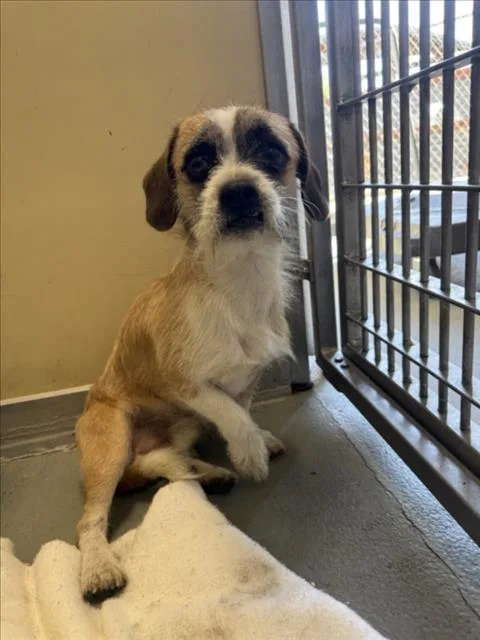
Labrador Retriever Dogs for Adoption in Santa Cruz, CA

Your guide to finding and caring for a Labrador Retriever in Santa Cruz

Labrador Retrievers and Santa Cruz are an easy match for people who like being outside. A Lab can swim at Mitchell's Cove, the city's off-leash beach, before 10 a.m. or after 4 p.m., then burn off the rest of its energy at the fenced Branciforte Dog Park or on the lower Enchanted Trail in DeLaveaga. Those windows take planning, though. A young Lab without an outlet will invent one, usually involving your couch. Adult and senior Labs settle down a lot.

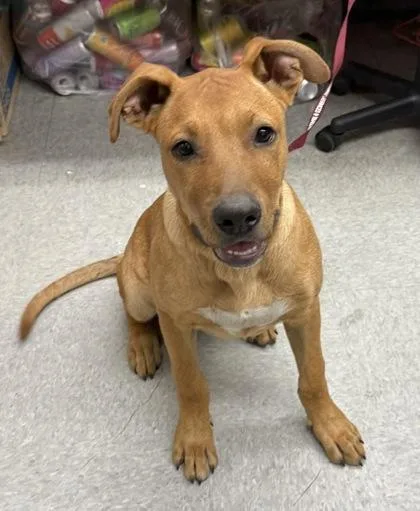
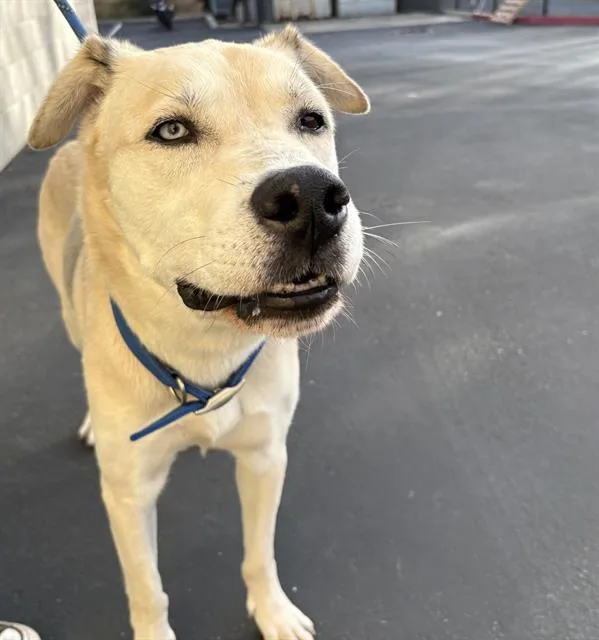
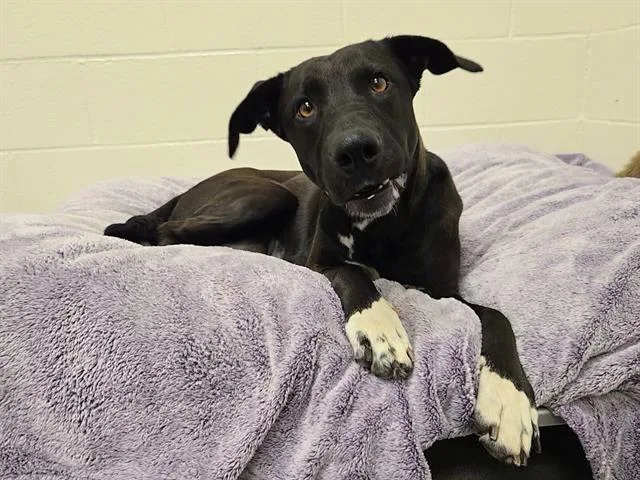
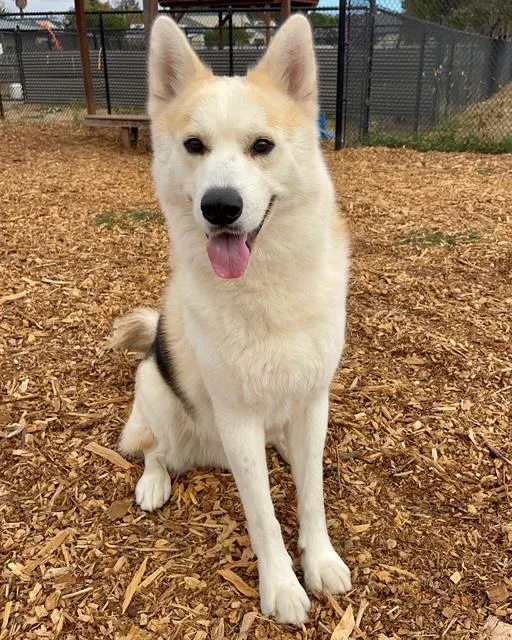
13173 Labrador Retrievers available in Santa Cruz and nationwide

Fall for a Labrador Retriever

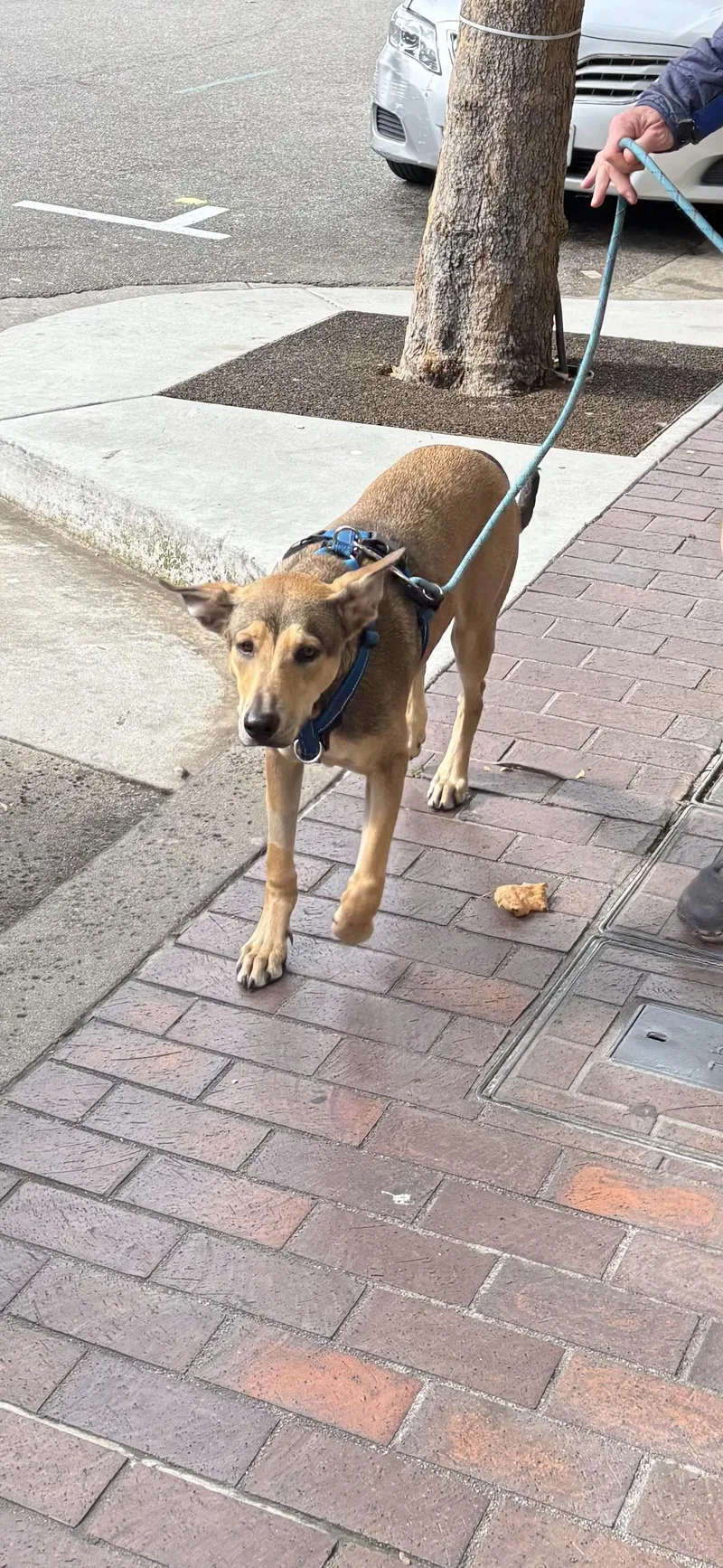
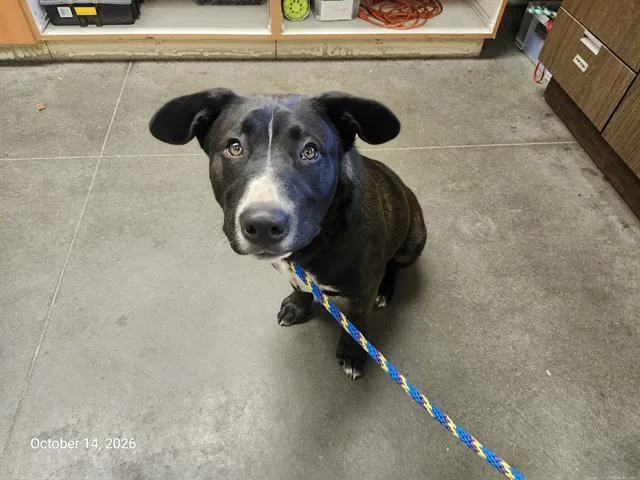
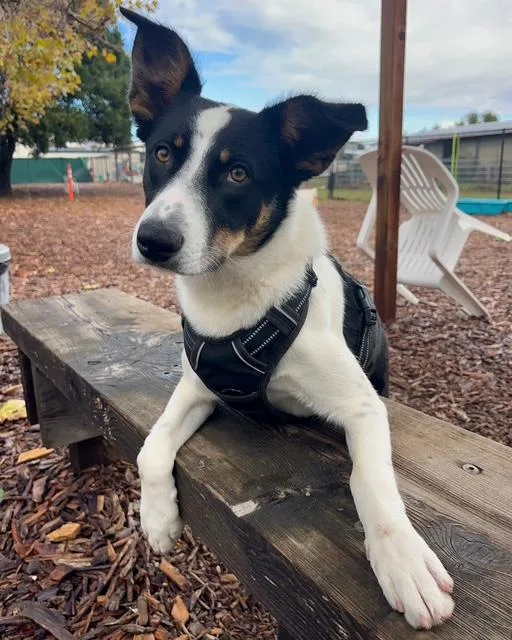
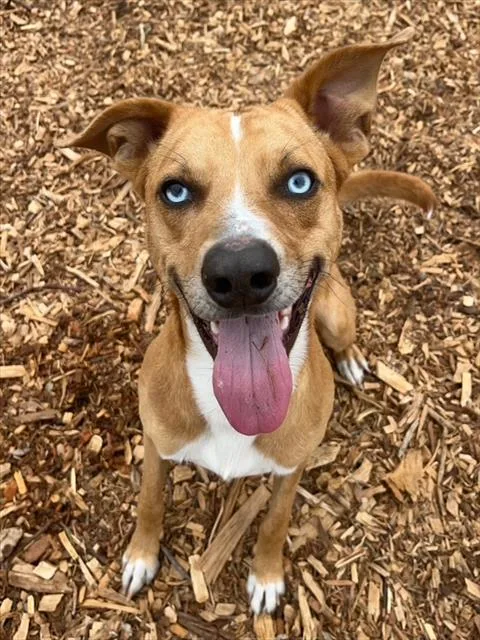
Labrador Retrievers Available for Adoption Near Santa Cruz

About the Labrador Retriever breed

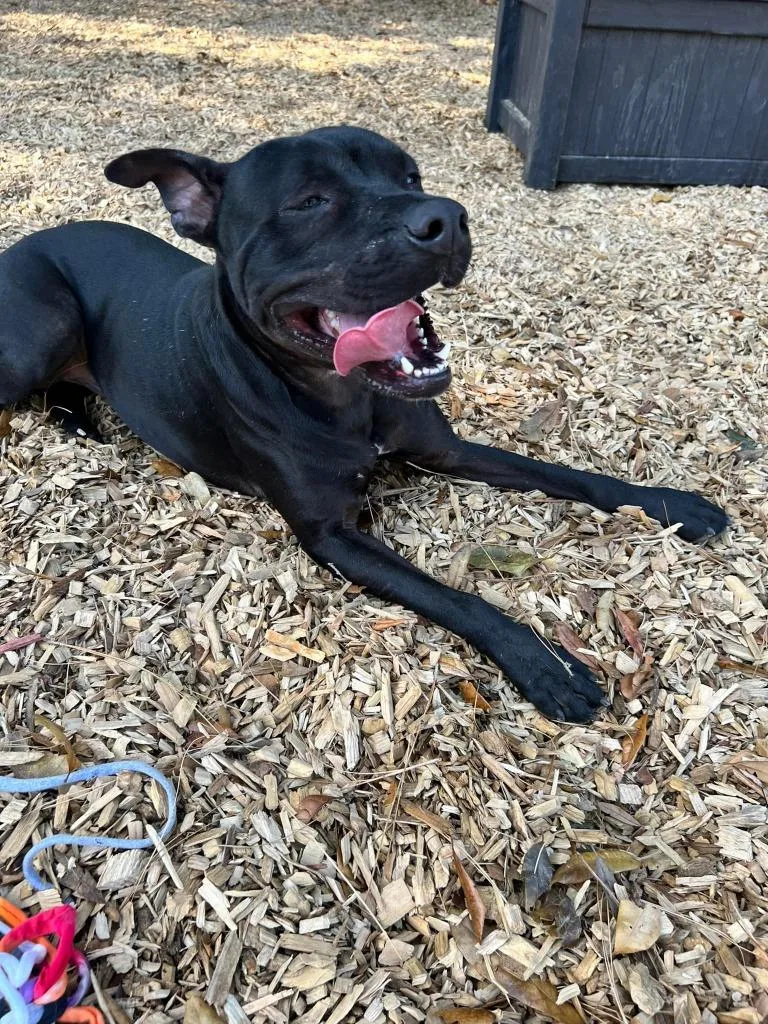
Labradors descend from the St. John's water dogs of Newfoundland, which British sportsmen turned into gun dogs for retrieving from land and water. The dense, water-resistant double coat, thick otter tail and webbed toes all come from that job, and they handle Santa Cruz's cool, foggy mornings and wet winters comfortably. Labs come in black, yellow and chocolate.

Most Labs are friendly, eager to please and very food-motivated. Adolescence can last until two or three years old, so a young Lab tends to be bouncy and mouthy, while adults and seniors are usually calmer. Shedding is moderate to heavy year-round. Dogs vary, so a Lab's age, energy and past experiences tell you more than the breed label.

Weight
55–80 lbs
Height
21–25 in
Lifespan
10–14 yrs
Temperament
Friendly, Outgoing, Active
Group
Sporting
Shedding
Moderate to High

Owning a Labrador Retriever in Santa Cruz

Having a Labrador Retriever in Santa Cruz

Labs pair a sociable nature with a body built for retrieving, so daily exercise, portion control and a plan for shedding matter more than square footage. In Santa Cruz, off-leash hours and leashed trails shape how that energy gets used.

Temperament

Many Labs greet people and other dogs with open enthusiasm, which suits Santa Cruz's busy dog parks and sidewalks. Young dogs can be mouthy and jumpy, and some Labs get anxious when left alone for long stretches. Reward-based training works well because food motivates them. Each Lab's personality varies with age and history.

Exercise Needs

Most adult Labs need an hour or more of active exercise a day. Fetch and swimming at Mitchell's Cove before 10 a.m. or after 4 p.m. fit well, as do fenced runs at Mimi De Marta or Pacheco. Leashed trails at Pogonip and Arana Gulch add variety, and puzzle games cover rainy days.

Health Considerations

Labs can develop hip and elbow dysplasia, cruciate ligament injuries, exercise-induced collapse and obesity. Ear infections are common, and beach swims and wet winters make them more likely, so dry ears after getting wet. A veterinarian can check joints, weight and ears, and help set a feeding plan that keeps a food-driven dog lean.

Living Space

A Lab can live happily in a Santa Cruz apartment or a house with a yard if walks and play happen every day. At 55 to 80 pounds, it needs room to turn around and a spot to rest. Expect sand tracked inside after beach days, a sweeping tail and plenty of shed hair.

What it costs to own a Labrador Retriever in Santa Cruz

ExpenseTypical costPer year
Food$55 to $110 per month$660 to $1,320
Pet insurance$65 to $130 per month$780 to $1,560
Routine vet care$250 to $500 per year$250 to $500
Other*$590 to $1,490 per year$590 to $1,490
Estimated yearly total (after year one)$2,280 to $4,870

Other costs are estimates and vary with size, age and health.

* Flea, tick and heartworm prevention, a dental cleaning allowance, the dog license, toys and bedding, and brushing and baths for heavy seasonal shedding.

Adopt a Labrador Retriever in Santa Cruz.

Now that you know more, let’s find you a new best friend. These rescues and shelters below currently have Labrador Retrievers available.

Rescues in Santa Cruz with Labrador Retrievers Available

These Santa Cruz area shelters and rescues list dogs of every size and age, from puppies to seniors. Here are the rescues & shelters in the Santa Cruz area where you can find Labrador Retrievers and other dogs available for adoption.

Frequently Asked Questions

For a water-loving Lab, Mitchell's Cove is the top pick, off-leash before 10 a.m. and after 4 p.m., though recall needs to be reliable. For fenced fetch, try Mimi De Marta or Branciforte dog parks. For leashed hikes, Pogonip's designated trails and Arana Gulch work well, and dogs must stay on the trail at Arana Gulch.

Yes, Santa Cruz has no breed bans, and California law prohibits labeling a dog dangerous because of its breed. Residential lots are generally limited to three dogs, and state law restricts tying a dog to a fixed object, so plan for indoor time or a securely fenced yard. Spay/neuter is expected at six months.

Yes, a Lab can live in a Santa Cruz apartment if exercise is reliable every day. Look for a place within walking distance of a dog park, and expect a large tail, shed hair and sandy paws after beach days. Ask about dog size limits early, since some landlords restrict larger dogs.

Yes, the mild, foggy climate suits Labs well. Temperatures stay in the 40s to 70s most of the year, and snow doesn't fall. Watch for wet winter weeks that bring mud and ear trouble, and for rare warm afternoons in September, when walks are better early or late in the day.

A Lab fits Santa Cruz if you're outdoors most days and can plan around leash rules and beach hours, since several beaches ban dogs. Labs are social and usually dislike long days alone. Age matters too: adult and senior Labs are generally calmer than adolescents, which helps if your schedule is busy.

Probably not, unless the dog is a service animal. METRO buses have limited pets to carriers designed for animals, and a Lab at 55 to 80 pounds won't fit in one. Service animals are welcome on buses. Confirm the current rule with METRO before riding, and plan on walking or driving otherwise.

Sometimes, on outdoor patios. California lets each restaurant decide whether to allow dogs outside, and indoor dining is limited to service animals. Downtown sidewalks allow leashed dogs in daylight, in groups of no more than two. Dogs aren't allowed on the Wharf, so skip the restaurants there.

Brush a Lab weekly, and daily during the spring and fall sheds. Baths every month or two are plenty, plus a rinse after beach days to remove salt and sand. In dry months, check ears, paws and fur for foxtails. Brushing and baths are part of the yearly Other costs.

We have 1 rescue with Labrador Retrievers available: Santa Cruz County Animal Shelter. You can see every rescue with Labrador Retrievers available in the list above these questions, or scroll to the top to see the Labrador Retrievers near Santa Cruz.

Plan on roughly $2,300 to $4,900 a year for a Lab in Santa Cruz. That covers food, pet insurance, routine vet care and other costs such as parasite prevention, dental cleanings, the dog license and grooming. Emergency or surgical bills, such as a cruciate repair, aren't included, so a savings cushion or insurance helps.