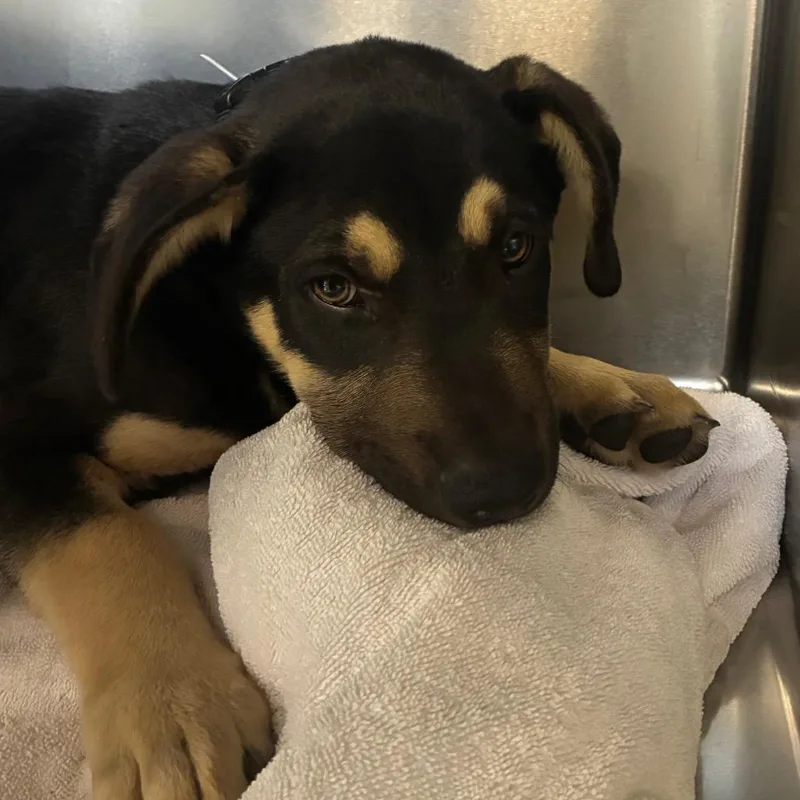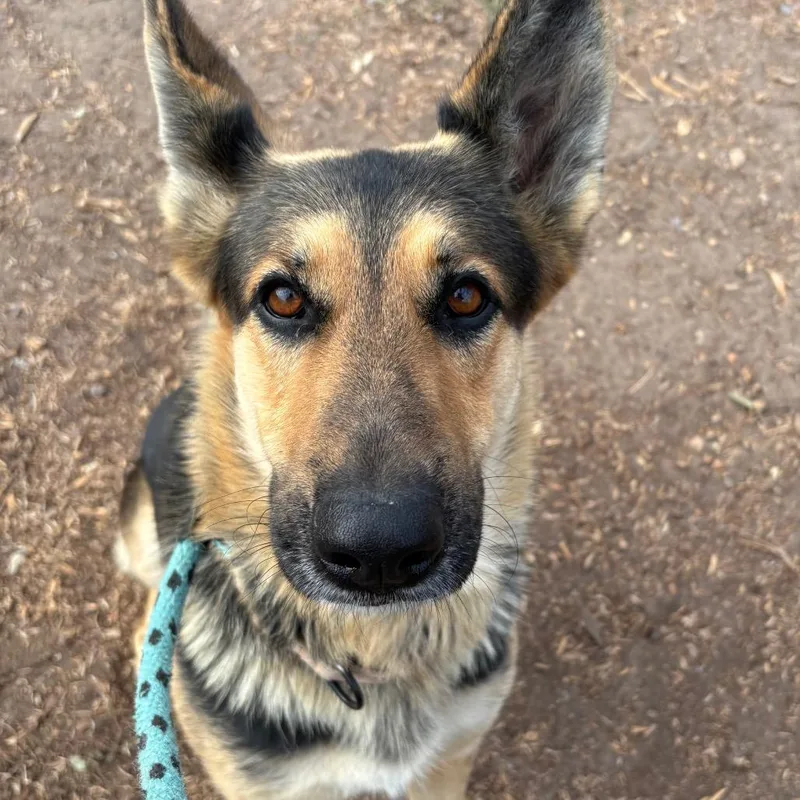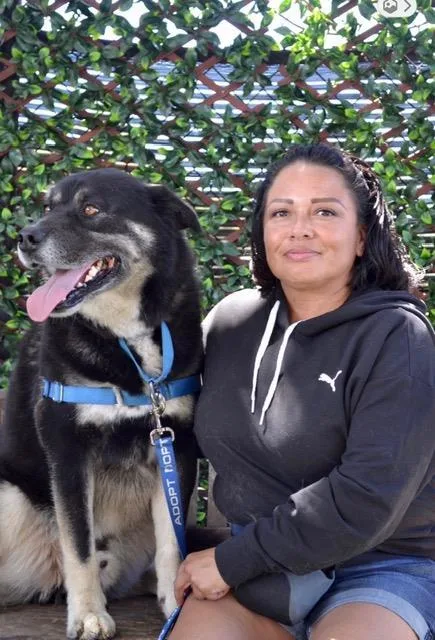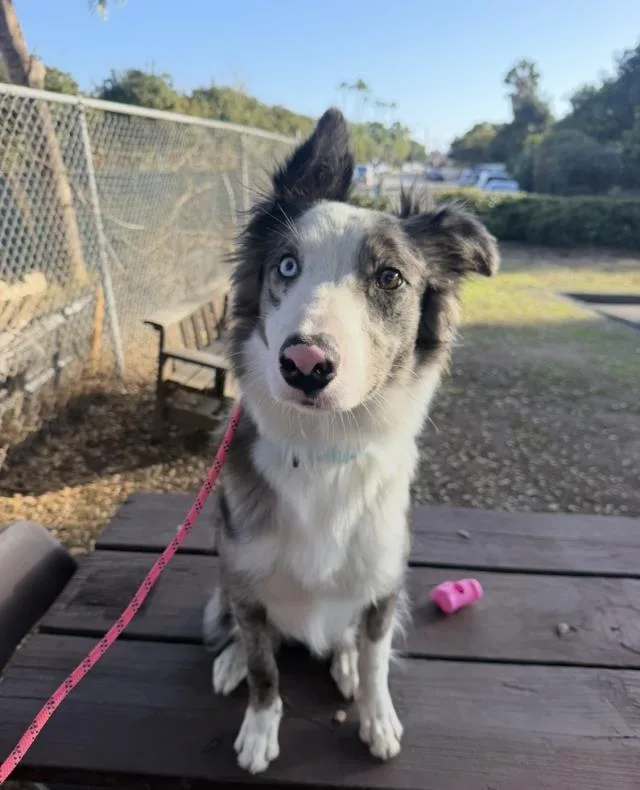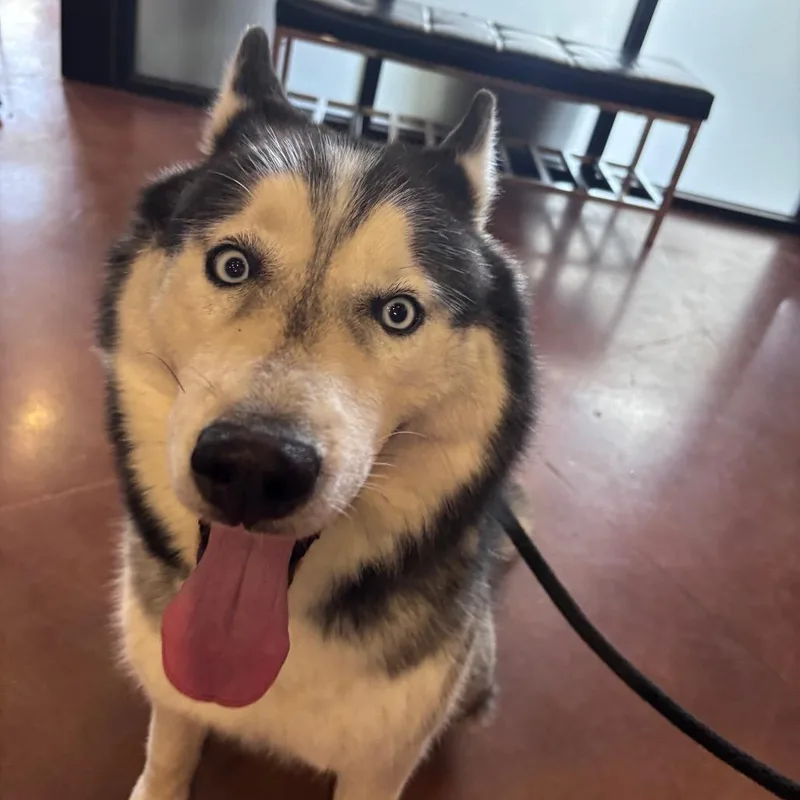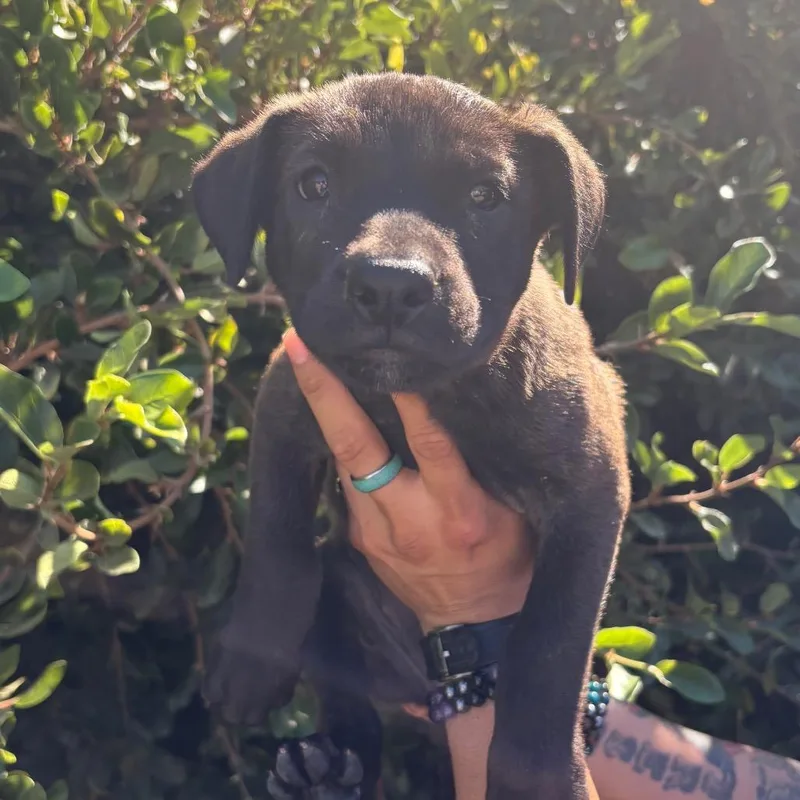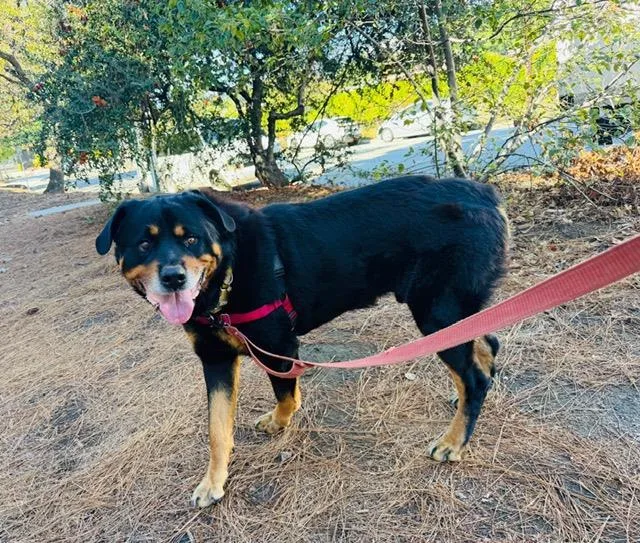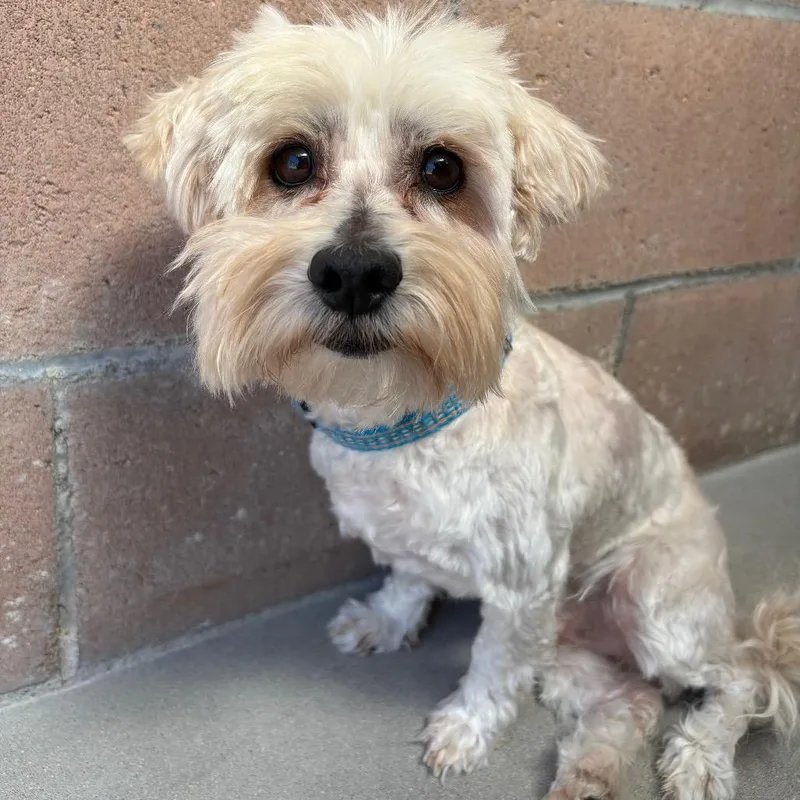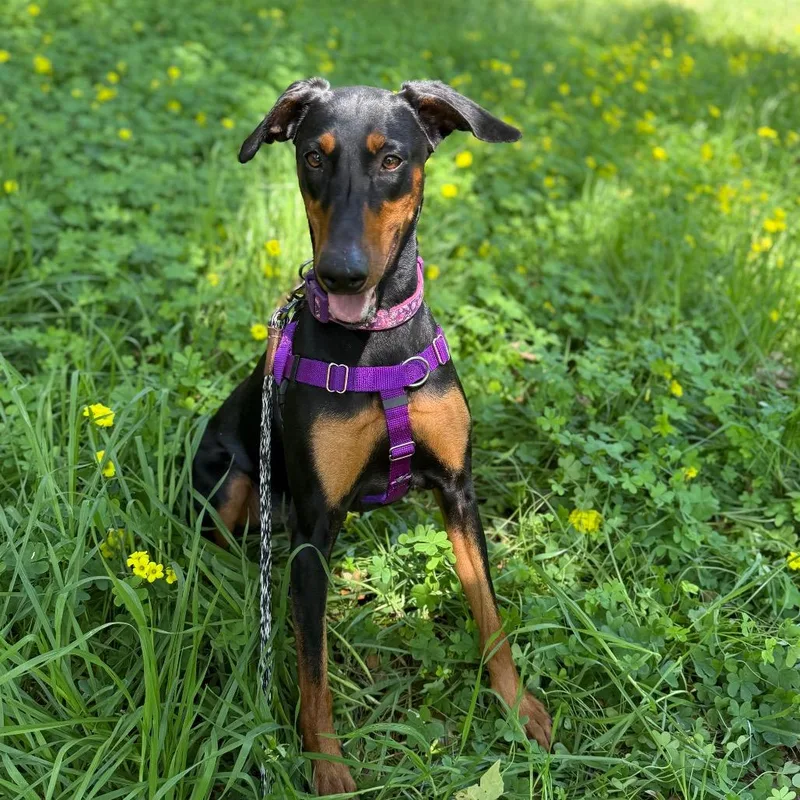
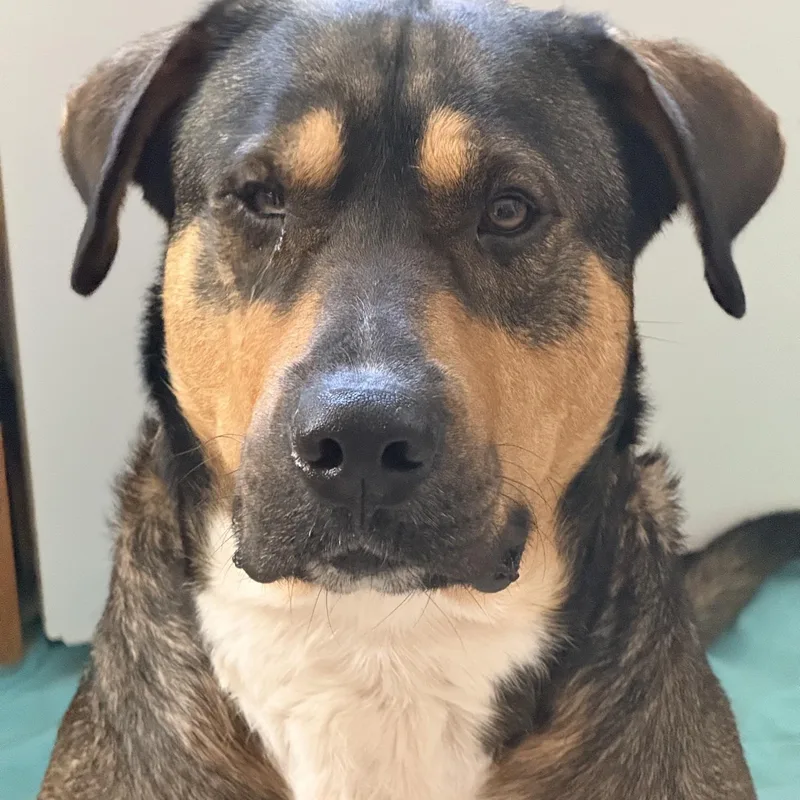
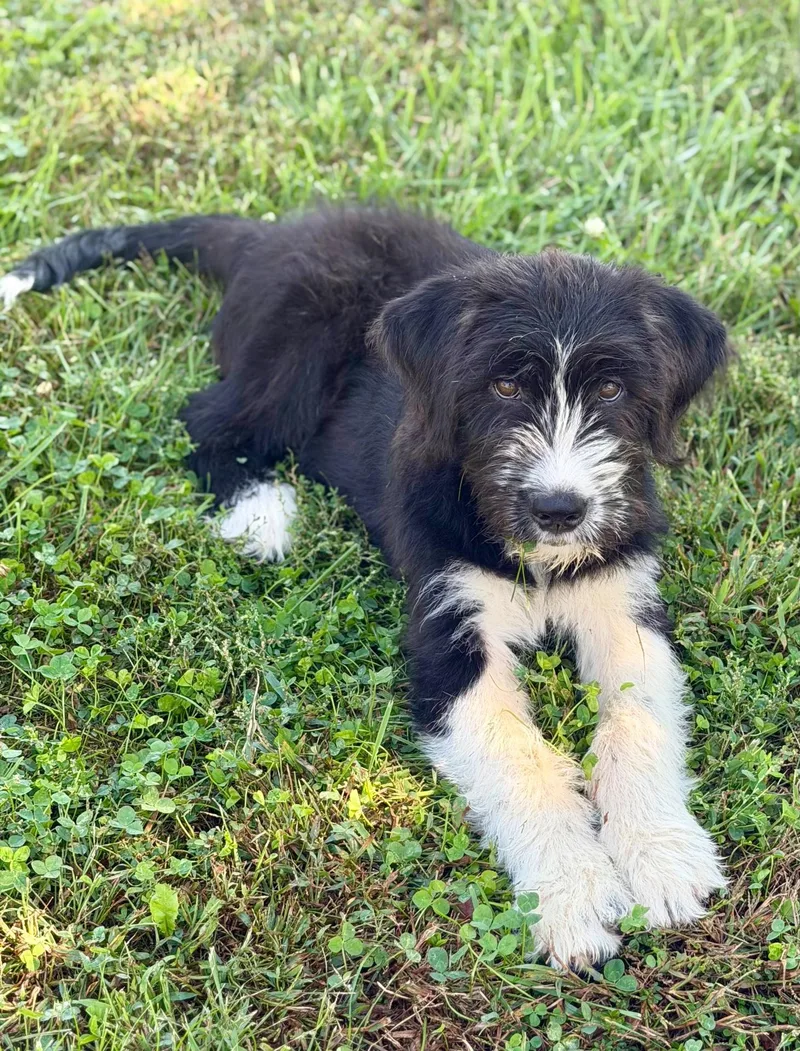
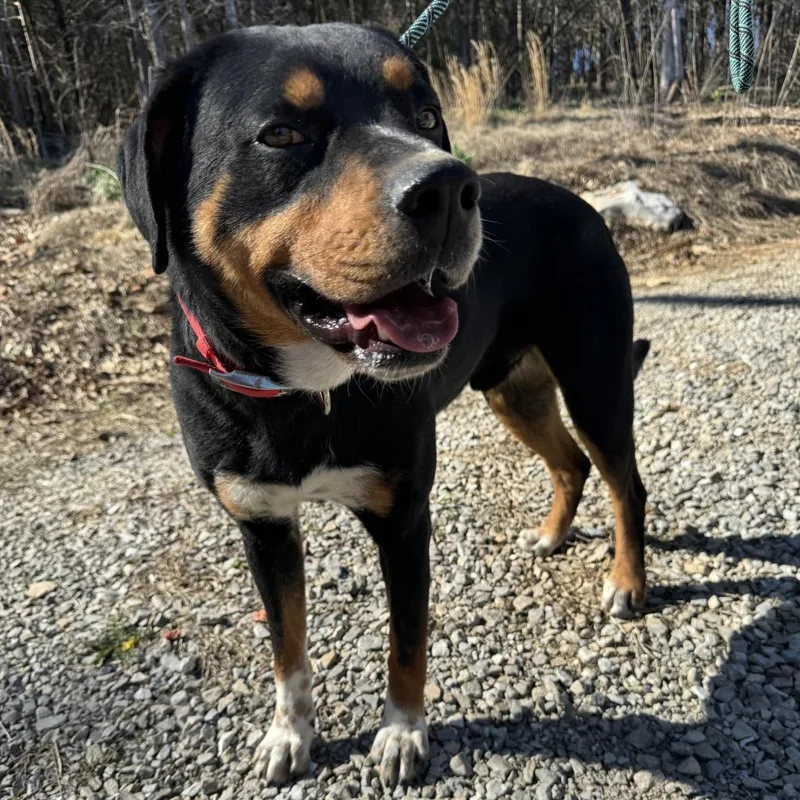
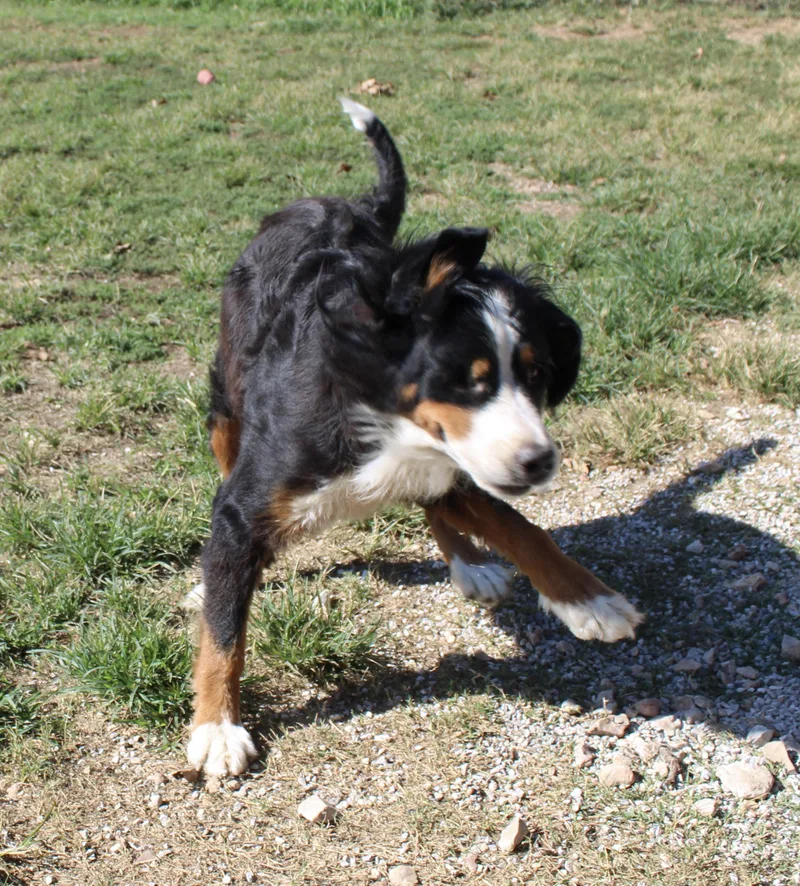
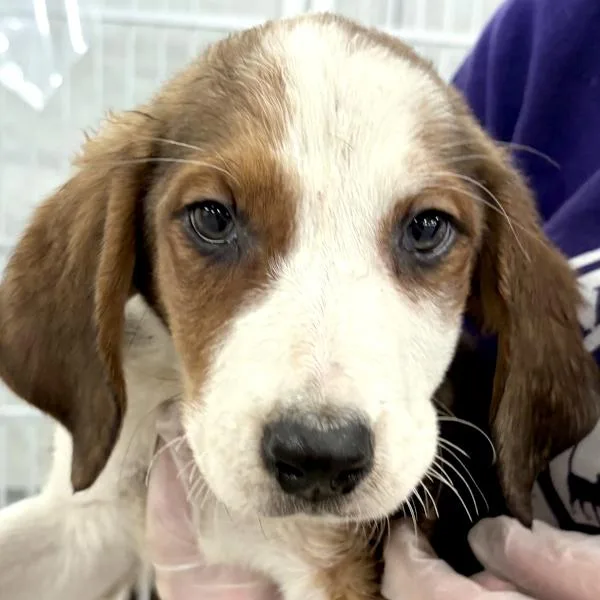
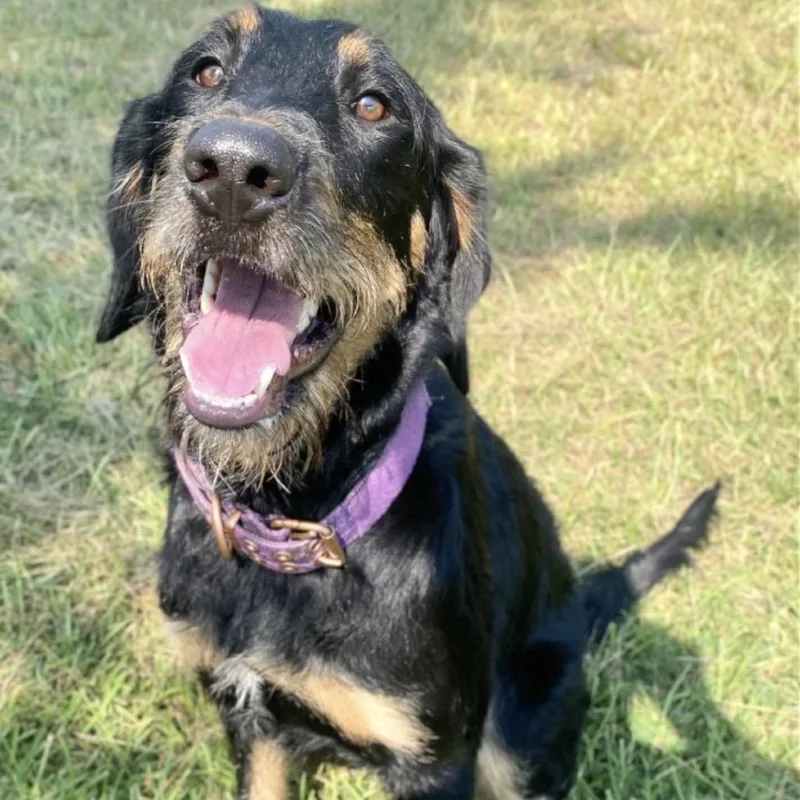
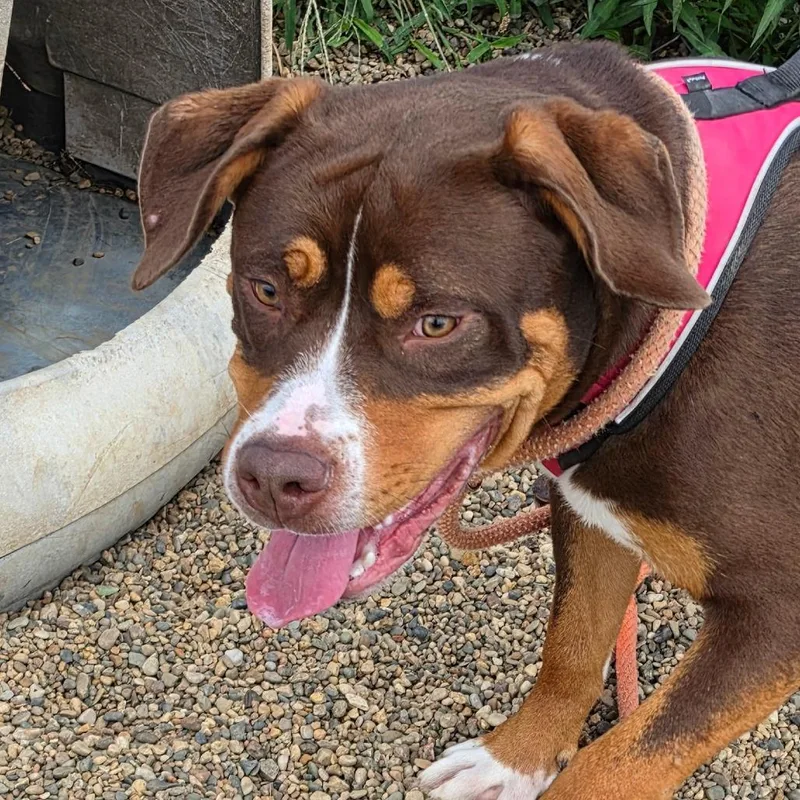
Bernese Mountain Dogs for Adoption in Santa Barbara, CA

Your guide to finding and caring for a Bernese Mountain Dog in Santa Barbara

A Bernese Mountain Dog fits Santa Barbara better than you might expect for a thick-coated giant. Summer highs stay in the mid-70s, so an easy morning walk on the Mesa or a slow loop around Hidden Valley Park is rarely a struggle. Bel Air and Alta Mesa are mostly single-family homes, which usually means more room for a 70-to-115-pound dog to sprawl. Expect plenty of fur on the floor, and a dog that wants to be wherever you are.

127 Bernese Mountain Dogs available in Santa Barbara and nationwide

Adopt a Bernese Mountain Dog today

While we don't have enough dogs near Santa Barbara, keep in mind that many rescues may offer transport.

Bernese Mountain Dogs Available for Adoption Near Santa Barbara

About the Bernese Mountain Dog breed

Bernese Mountain Dogs come from the Swiss canton of Bern, where farmers used them to pull carts of milk and cheese, drive cattle and watch over the farmyard. They're the only long-coated member of the four Swiss mountain dog breeds, with a jet-black coat, rust markings, a white blaze and a white chest cross. Most weigh 70 to 115 pounds.

Berners are usually gentle, affectionate and eager to please, calm indoors and a little goofy outside. Some are reserved with strangers at first, and dogs vary. Go in clear-eyed about the downsides: heavy shedding, heat sensitivity and a lifespan of roughly 7 to 10 years, largely because of high cancer rates. Early training matters, since a pulling adult Berner is very hard to manage.

Weight
70–115 lbs
Height
23–28 in
Lifespan
7–10 yrs
Temperament
Gentle, Affectionate, Calm
Group
Working
Shedding
High

Owning a Bernese Mountain Dog in Santa Barbara

Having a Bernese Mountain Dog in Santa Barbara

A Berner pairs a draft dog's size and strength with a soft, people-focused nature. In Santa Barbara's mild climate the heavy coat is manageable, but health risks, shedding and the need for room still shape daily life. Here's what to weigh before adopting.

Temperament

Berners are often gentle, patient and devoted to their families, and many do well with respectful children and other pets. Some are shy or aloof with strangers and sensitive to harsh handling. On busy Santa Barbara sidewalks, early practice with polite greetings helps a giant dog stay relaxed. Each Berner differs, so watch the dog's behavior rather than the breed label.

Exercise Needs

Most Berners are happy with one or two moderate walks a day plus time to play in a yard. Cool mornings and evenings along the Mesa bluffs, or on the off-leash beach west of Shoreline Park, suit them well. Training and scent games add mental work. Puppies should skip long runs and repeated jumping while their joints develop.

Health Considerations

Berners face high rates of cancer, especially histiocytic sarcoma, along with hip and elbow dysplasia, kidney disease and bloat. Keeping a Berner lean protects its joints, and regular vet checkups help catch problems early. After beach or foothill outings, check the coat and paws for foxtails and burrs, which are common during the long dry season.

Living Space

A Berner does best with room to stretch out and ideally a secure yard, which the single-family streets of the Mesa and Bel Air often offer. Apartments can work with an elevator or ground-floor unit, daily walks and tolerance for constant shedding. Keep the home cool and let the dog live indoors with its people.

What it costs to own a Bernese Mountain Dog in Santa Barbara

ExpenseTypical costPer year
Food$80 to $160 per month$960 to $1,920
Pet insurance$85 to $170 per month$1,020 to $2,040
Routine vet care$250 to $500 per year$250 to $500
Other*$690 to $1,890 per year$690 to $1,890
Estimated yearly total (after year one)$2,920 to $6,350

Other costs are estimates and vary with size, age and health.

* Flea, tick and heartworm prevention, a dental cleaning allowance, the city dog license, toys and large bedding, coat care for heavy shedding, and joint supplements.

Adopt a Bernese Mountain Dog in Santa Barbara.

Now that you know more, let’s find you a new best friend. These rescues and shelters below currently have Bernese Mountain Dogs available.

Rescues in Santa Barbara with Bernese Mountain Dogs Available

Santa Barbara's shelters and rescues, clustered near Overpass Road west of town, list dogs of many sizes and ages. Here are the rescues & shelters in the Santa Barbara area where you can find Bernese Mountain Dogs and other dogs available for adoption.

Frequently Asked Questions

Mostly, yes. Santa Barbara's mild climate suits a Bernese Mountain Dog better than hotter cities, with winter highs in the mid-60s, summer highs in the mid-70s and only about five days a year at 90°F or above. The catch is fall, when October heat and sundowner winds can spike temperatures, so plan early walks, shade, cool indoor space and a wildfire-ready go-bag.

Usually not. Santa Barbara MTD buses allow small pets only in approved carriers, and a Bernese Mountain Dog at 70 to 115 pounds won't fit in one, though service animals are always welcome. Amtrak's Pacific Surfliner limits a pet and carrier to 20 pounds combined, so that's out too. Plan on walking or driving with a giant dog.

Hale Park's off-leash eucalyptus trails are a shady choice for a heat-sensitive Berner, and Douglas Family Preserve on the Mesa allows off-leash time in its posted area. The beach from the Shoreline Park staircase west to the Arroyo Burro estuary is off-leash too. Rattlesnake Canyon Trail is shaded but leash-only, with rattlesnakes and poison oak possible.

Yes. No breed is banned in Santa Barbara, and California law bars labeling any breed dangerous or vicious. Dogs over four months need a city license, which new owners must get within 30 days, and dogs must be on a leash no longer than six feet in public places outside designated off-leash areas. Four or more dogs count as a kennel.

It can be, with the right household. A Berner suits Santa Barbara's mild weather, leashed walks and cool beach mornings, and many do well in single-family neighborhoods like the Mesa. Renters may face a harder search, since a giant dog can run into landlord size limits. Budget for heavy shedding, health costs and a shorter-than-average lifespan too.

Sometimes, on patios. California law lets restaurants choose to allow dogs in outdoor dining areas, so it's up to each restaurant, and indoors is limited to service animals. A Berner takes up a lot of floor, so pick a patio with room, bring a mat and keep the leash short. Look for a posted dog policy before sitting down.

Plan on brushing a Berner at least once or twice a week, and more during heavy sheds, since the thick coat sheds a lot. Santa Barbara's mild climate means no dramatic seasonal swings, but sand, saltwater and foxtails after beach and foothill outings call for a rinse and a coat check. Coat care is part of the $690 to $1,890 yearly Other costs.

A Bernese Mountain Dog is a large to giant Swiss working breed originally used on farms to pull carts, drive cattle and guard property. It has a long, tricolored coat of black, rust and white and a sturdy, powerful build. Berners are known for their gentle, affectionate nature, though their lifespan is shorter than many breeds.

We have 1 rescue with Bernese Mountain Dogs available: Santa Barbara County Animal Services--Santa Barbara Shelter. You can see every rescue with Bernese Mountain Dogs available in the list above these questions, or scroll to the top to see the Bernese Mountain Dogs near Santa Barbara.

Plan on roughly $2,900 to $6,400 a year for a Berner: food at $80 to $160 a month, pet insurance at $85 to $170 a month, routine vet care at $250 to $500 a year, and other costs of $690 to $1,890 a year. Food, insurance and coat care are the biggest swing factors for a giant breed with cancer risk.

Find Bernese Mountain Dogs in Nearby Cities

Expand your search to find Bernese Mountain Dogs available for adoption near Santa Barbara.