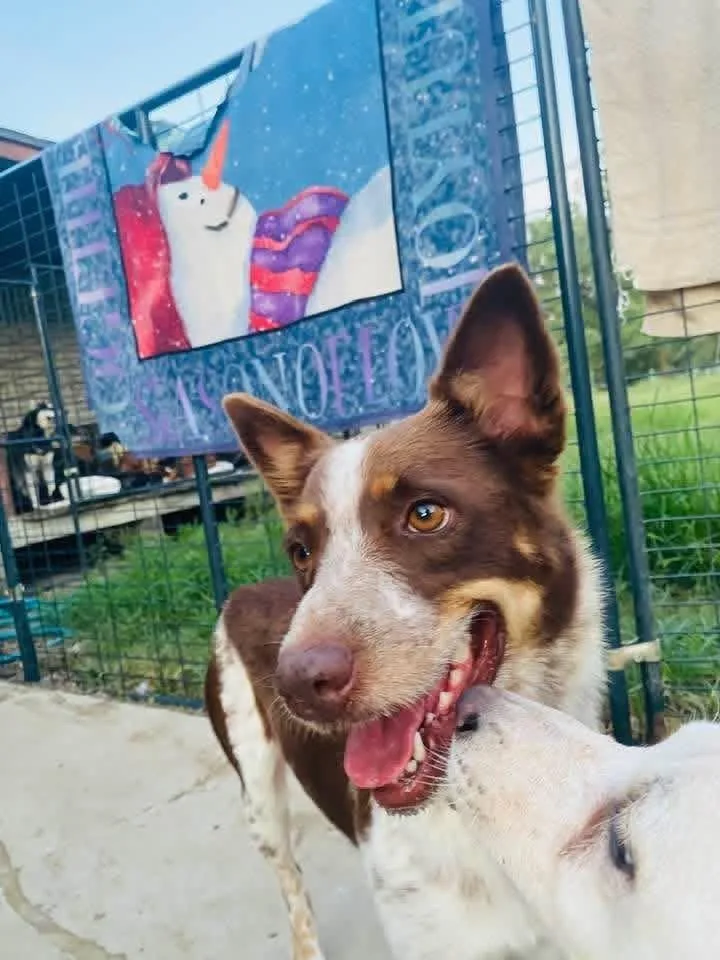
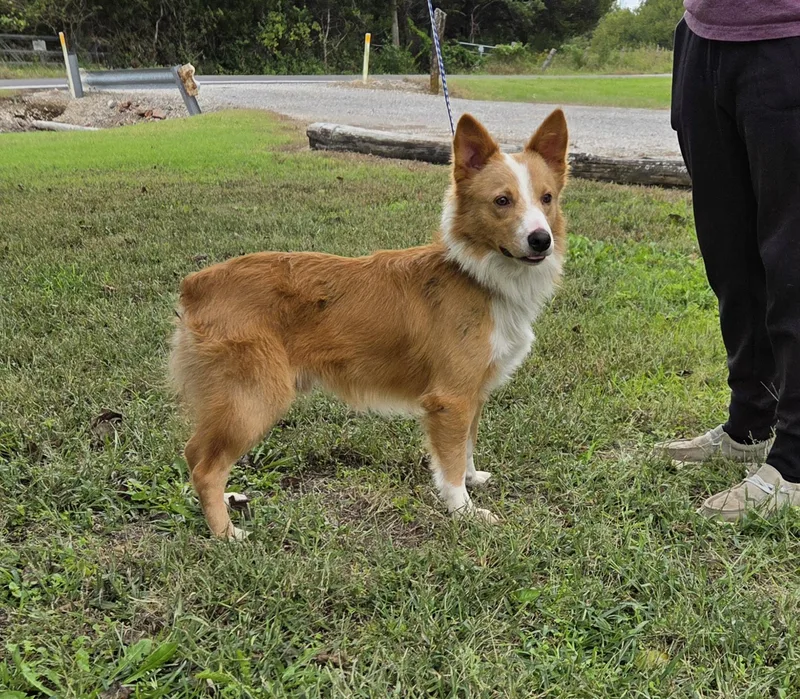
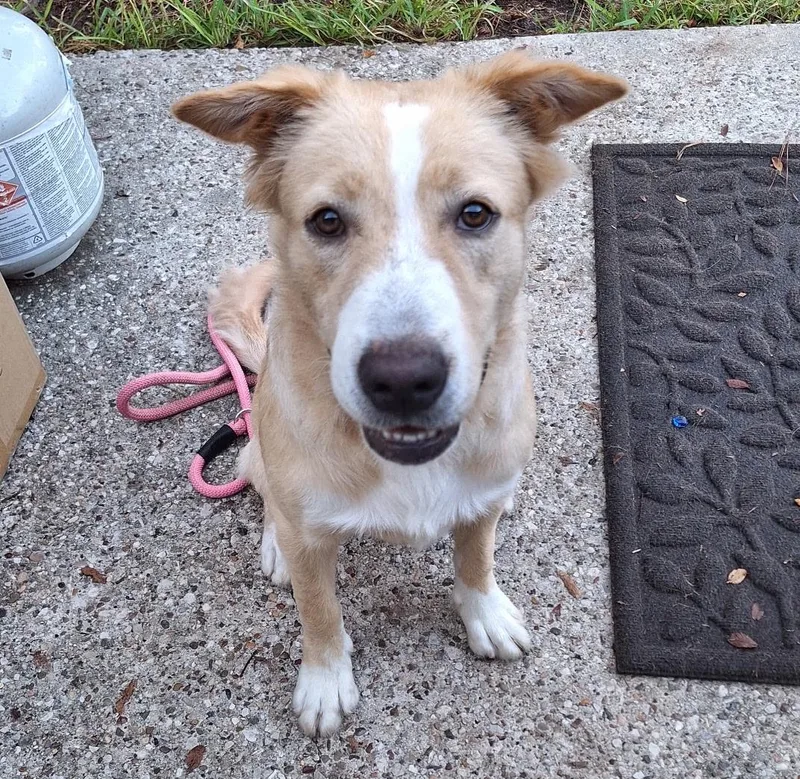
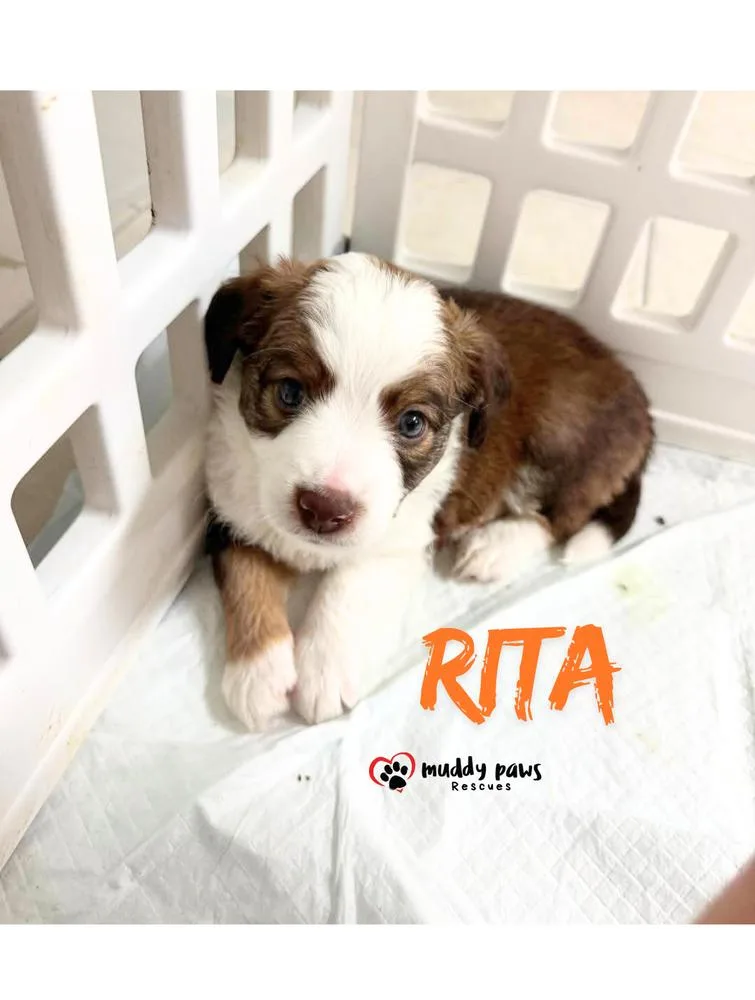
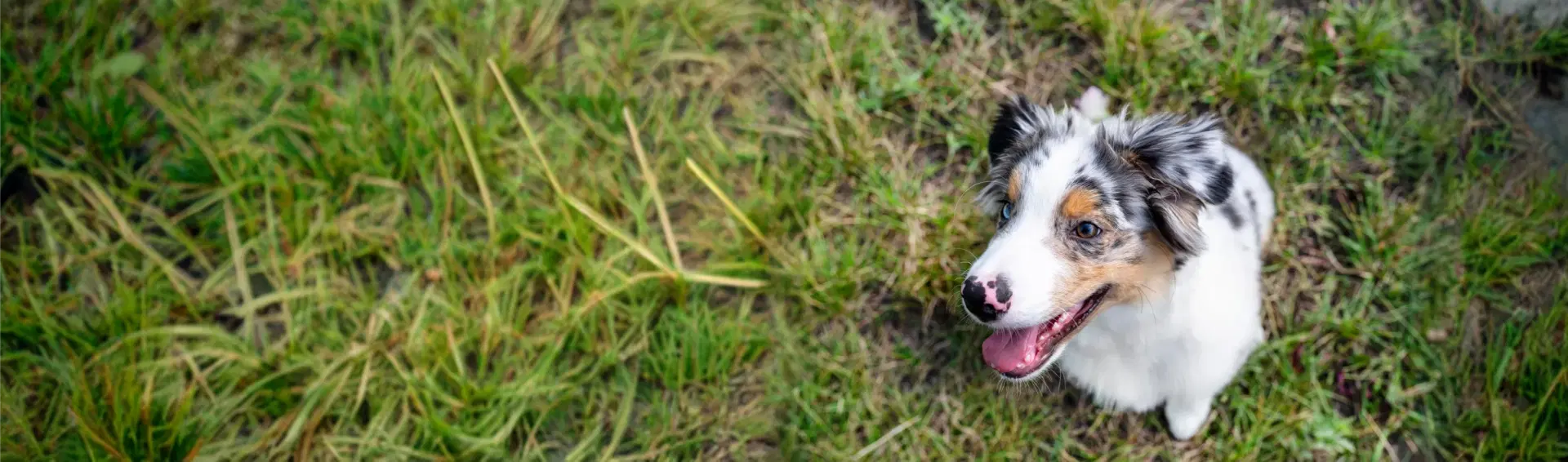
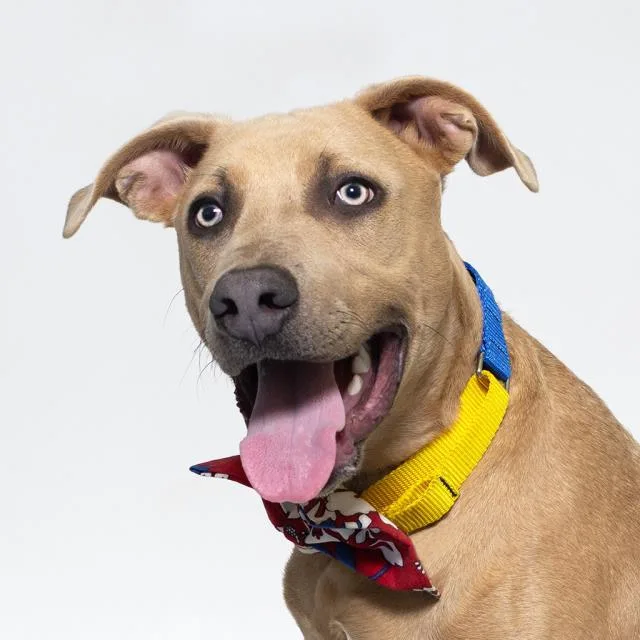
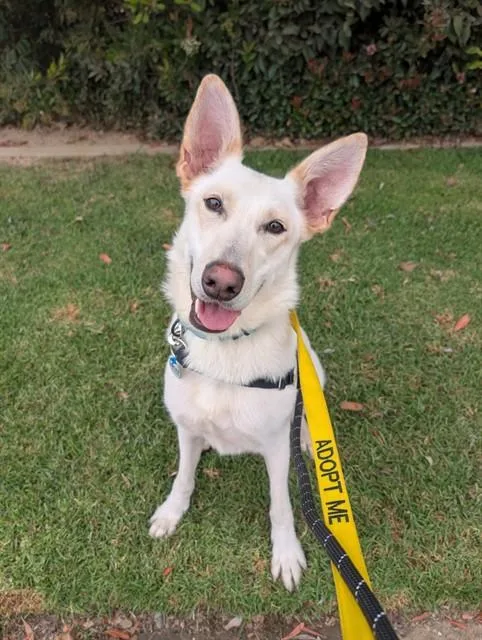
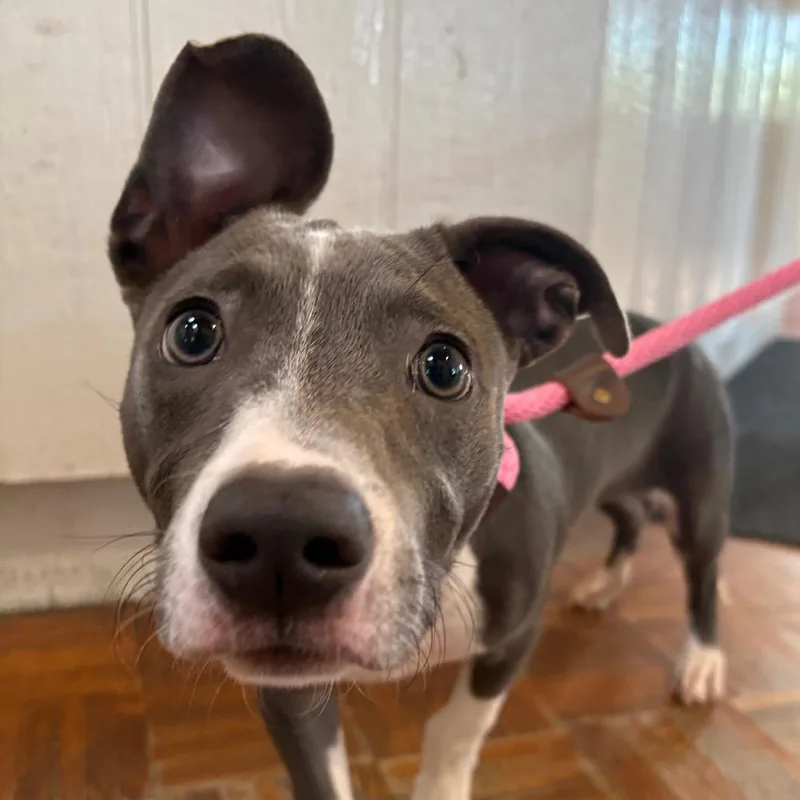
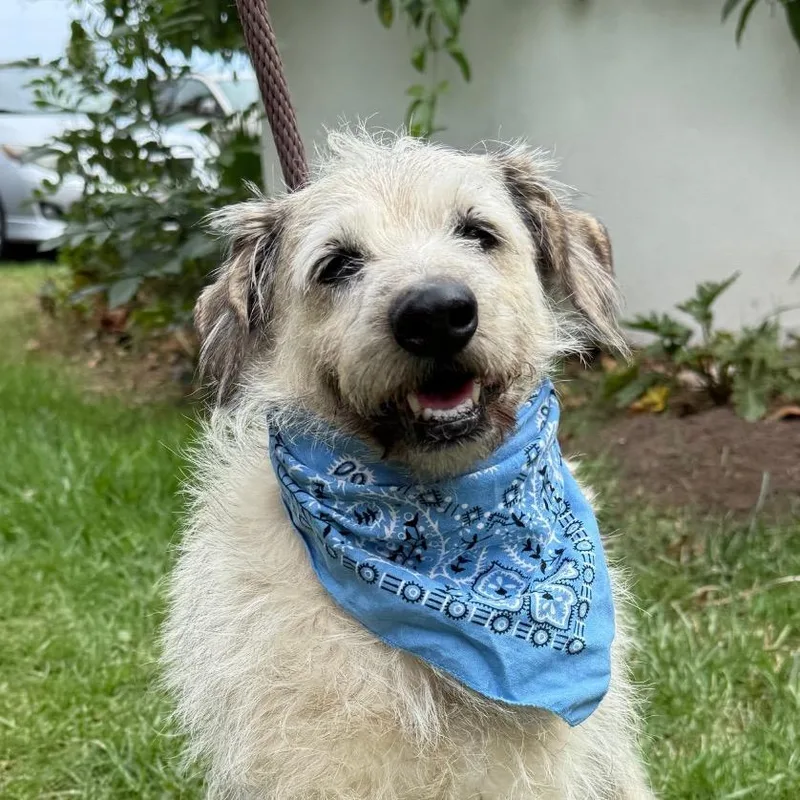
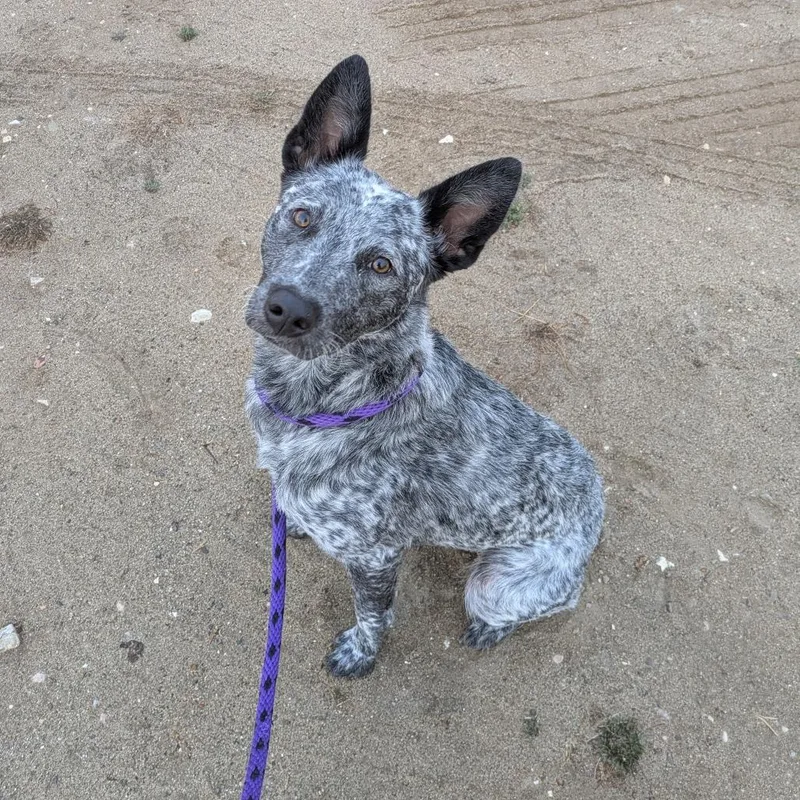
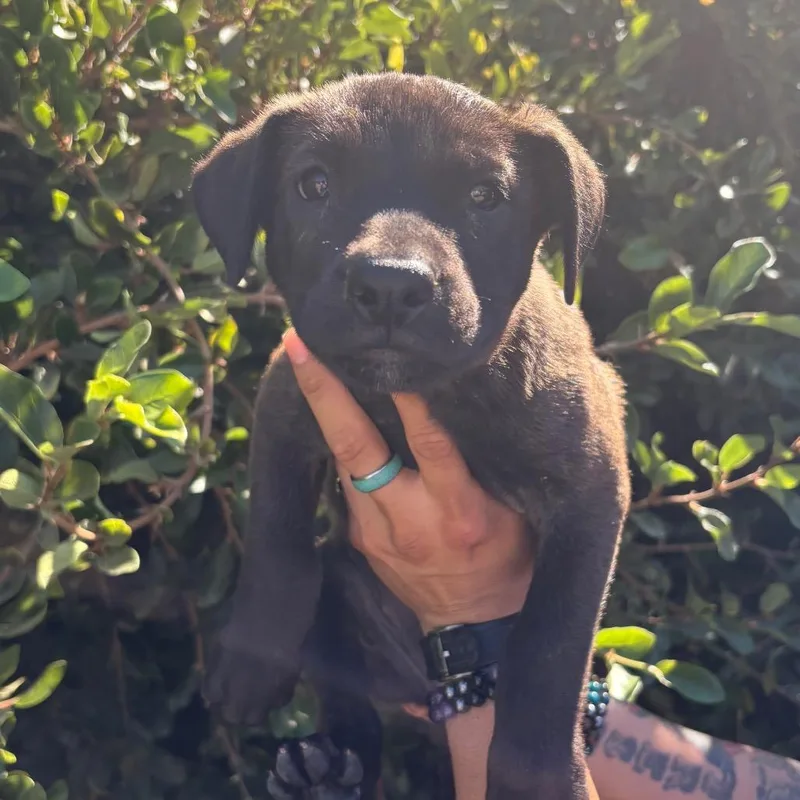
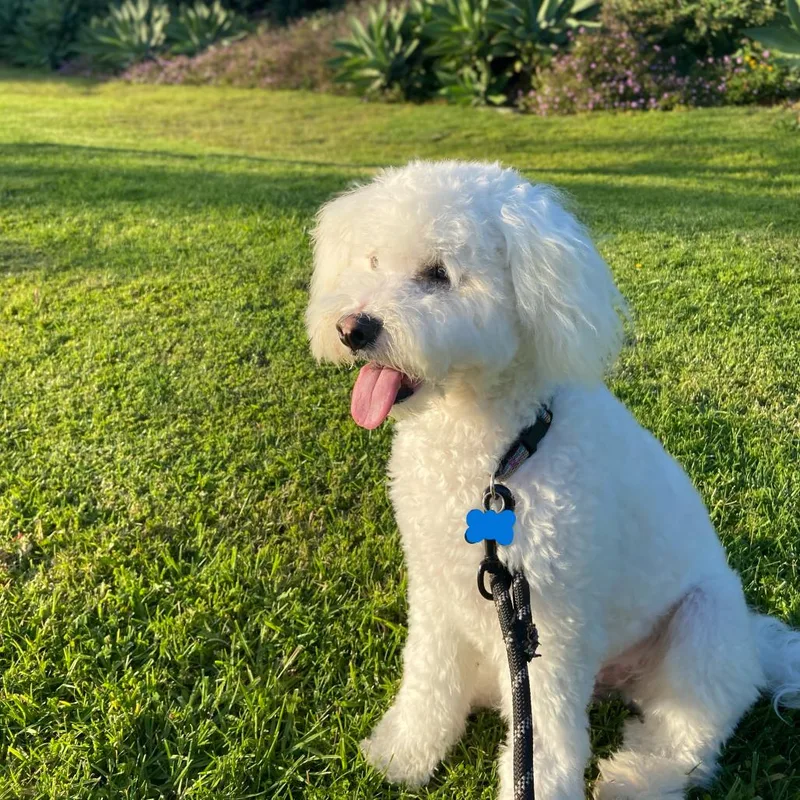
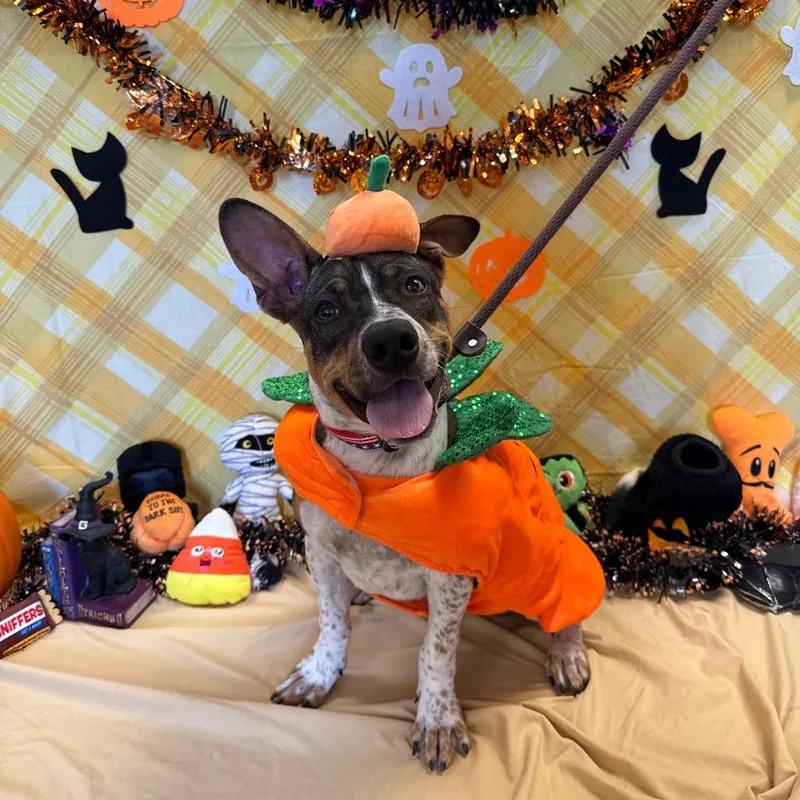
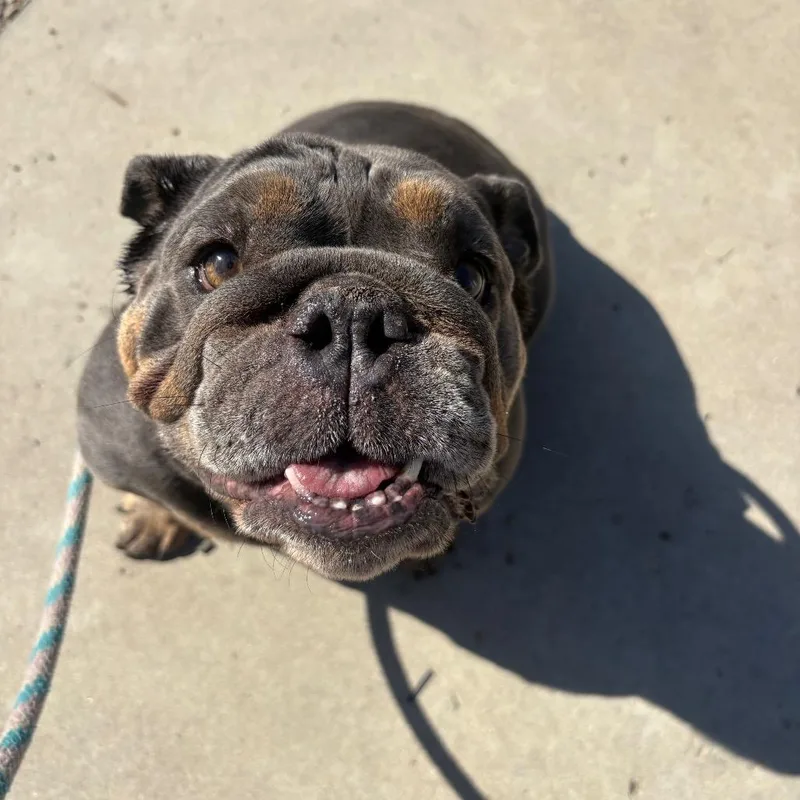
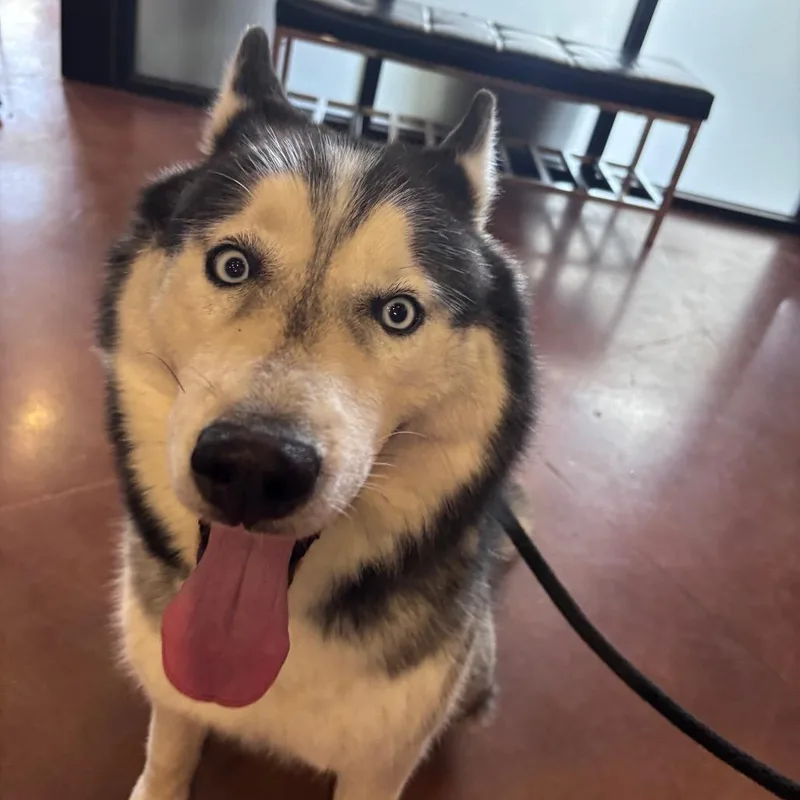
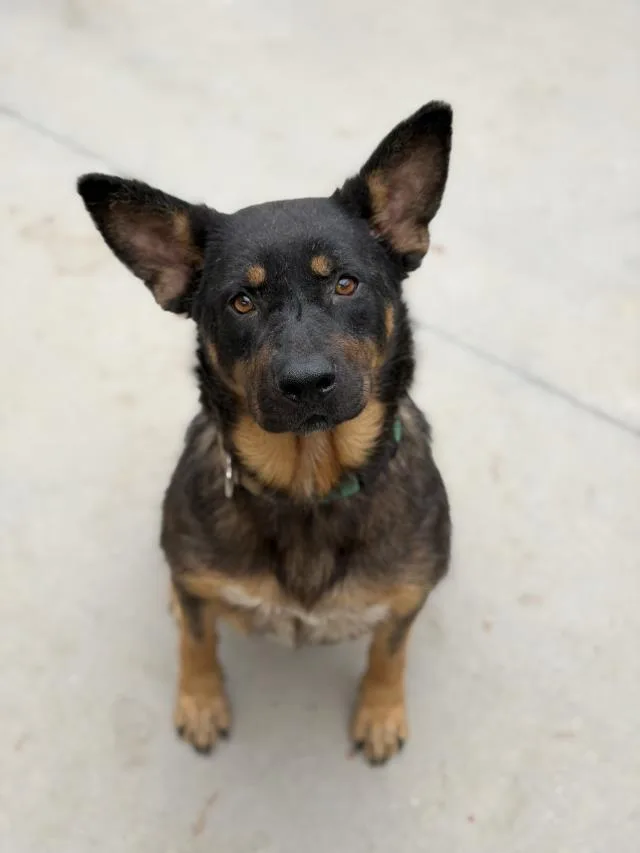
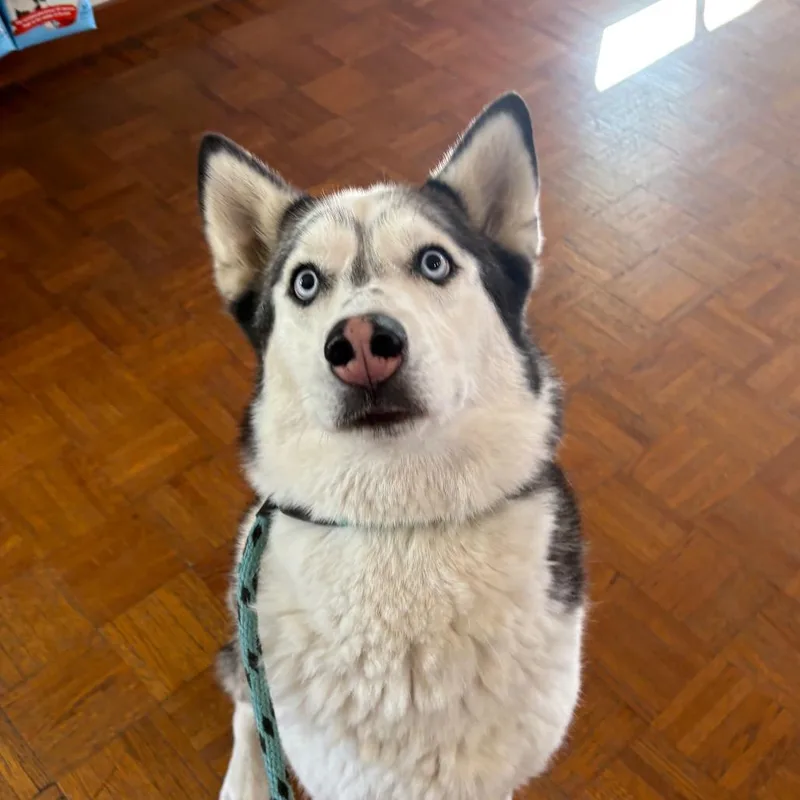
Australian Shepherd dog

Australian Shepherd Dogs for Adoption in Santa Barbara, CA

Your guide to finding and caring for an Australian Shepherd in Santa Barbara

Australian Shepherds suit Santa Barbara's Mesa and foothill neighborhoods, where daily outings come easily. Douglas Family Preserve's bluff trails and the beach below the Mesa give an Aussie room to burn off energy, and the leashed Rattlesnake Canyon Trail adds a shaded climb beside a creek. Most Aussies want a job, so they do best with someone who hikes, trains or plays fetch every day. Mild weather helps, but the dog still needs steady mental work, not just walks.

2921 Australian Shepherds available in Santa Barbara and nationwide

Bring home an Australian Shepherd

While we don't have enough dogs near Santa Barbara, keep in mind that many rescues may offer transport.

Australian Shepherds Available for Adoption Near Santa Barbara

About the Australian Shepherd breed

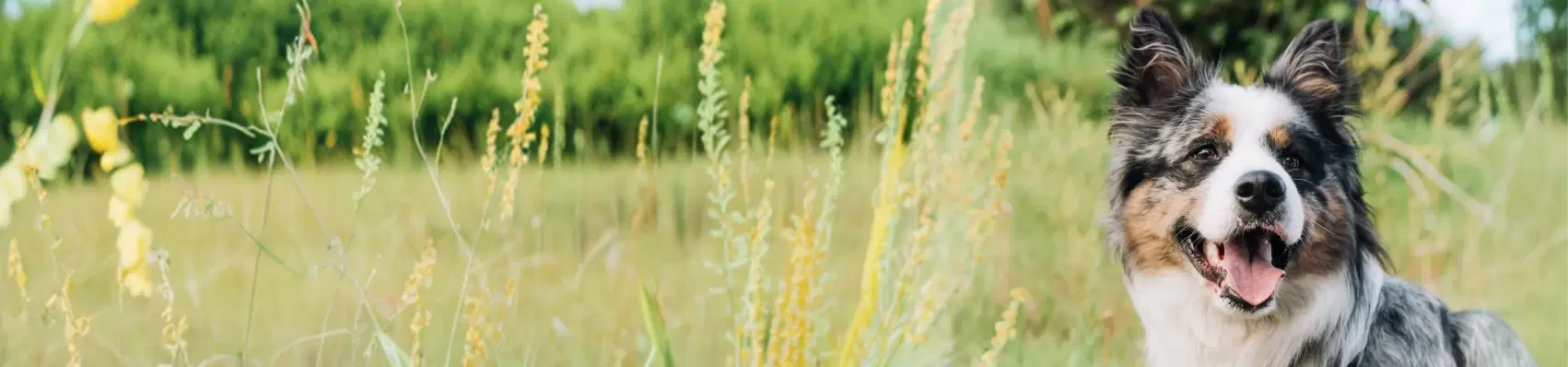
Despite the name, the Australian Shepherd took shape on ranches in the American West during the 1800s, likely from Spanish and Basque herding dogs mixed with collie types that arrived with sheep shipped from Australia. Ranchers prized its stamina and quick thinking, and rodeo performances in the mid-1900s made it famous. Aussies are medium dogs, usually 40 to 65 pounds, with a weather-resistant double coat in merle, black or red, and eyes that can be blue, brown, amber or a mix.

Many Aussies are intelligent, devoted and tireless, happiest with a job to do. They tend to bond tightly with family and can be reserved with strangers. Without daily exercise and mental work, that drive can turn into chewing, barking or herding children and other pets. The coat sheds moderately to heavily, so expect regular brushing. Every Aussie differs, so judge each dog's energy and manners rather than the breed alone.

Weight
40–65 lbs
Height
18–23 in
Lifespan
12–15 yrs
Temperament
Intelligent, Energetic, Loyal, Protective
Group
Herding
Shedding
Moderate to High

Owning an Australian Shepherd in Santa Barbara

Having an Australian Shepherd in Santa Barbara

Aussies pair a quick mind with an athletic body, and Santa Barbara's trails and beaches give that combination plenty to do. Whether herding instinct, high energy and watchful loyalty fit your routine usually decides if an Aussie thrives here.

Temperament

Aussies are often affectionate and loyal with family and cautious with strangers, and many are sensitive to their owner's moods. Herding instinct can show up as nipping heels or chasing children and pets. On busy State Street or Milpas sidewalks, steady socialization and good leash manners help a watchful dog stay relaxed.

Exercise Needs

Plan on vigorous exercise every day, plus real mental work like training, puzzle toys or trick games. In Santa Barbara that can mean off-leash runs in the posted area at Douglas Family Preserve, play at the fenced MacKenzie Park Dog Park, or leashed hikes on city trails. A short neighborhood stroll rarely tires an Aussie.

Health Considerations

Aussies can inherit eye disease such as cataracts and collie eye anomaly, epilepsy, hip dysplasia and the MDR1 gene variant, which makes some common drugs dangerous. Dogs with two merle genes may be deaf or blind. A veterinarian can test for MDR1, and the result should be shared with every clinic. After dry-season walks, check the coat for foxtails.

Living Space

An Aussie can manage an apartment if vigorous exercise and training happen daily, but a securely fenced yard helps. Single-family streets on the Mesa and around Las Positas more often have one. Watchful Aussies may bark at hallway noise, so shared walls deserve thought, and herding drive means supervised time around young children.

What it costs to own an Australian Shepherd in Santa Barbara

ExpenseTypical costPer year
Food$35 to $70 per month$420 to $840
Pet insurance$55 to $100 per month$660 to $1,200
Routine vet care$225 to $450 per year$225 to $450
Other*$540 to $1,390 per year$540 to $1,390
Estimated yearly total (after year one)$1,845 to $3,880

Other costs are estimates and vary with size, age and health.

* Flea, tick and heartworm prevention, a dental cleaning allowance, the Santa Barbara dog license, toys and bedding, and regular brushing for a heavy seasonal shed.

Australian Shepherd dog

Adopt an Australian Shepherd in Santa Barbara.

Now that you know more, let’s find you a new best friend. These rescues and shelters below currently have Australian Shepherds available.

Rescues in Santa Barbara with Australian Shepherds Available

Santa Barbara's shelters and rescues, clustered along Overpass Road near Goleta, list dogs of many breeds, ages and mixes. Here are the rescues & shelters in the Santa Barbara area where you can find Australian Shepherds and other dogs available for adoption.

Frequently Asked Questions

Yes, an Australian Shepherd can fit Santa Barbara well if you're active and home often. Trails, bluffs and the beach make daily exercise easy, but an Aussie also needs training or puzzle work every day. Aussies vary, so judge each dog's energy and manners, and think twice if your days are long and your routine mostly sedentary.

Douglas Family Preserve on the Mesa has an off-leash area, and the beach from the Shoreline Park staircase west to the Arroyo Burro estuary is off leash too. Hale Park offers off-leash woodland trails, and MacKenzie Park has a fenced dog park. Rattlesnake Canyon Trail is leashed, with possible snakes and poison oak. Off-leash dogs need a license and reliable recall.

Yes, and no breed is banned in Santa Barbara. State law requires rabies vaccination from three months and licensing after four months, with the license tag on a collar or harness. California also restricts tethering a dog to a fixed object, which matters for a herding dog left outside, so a securely fenced yard or indoor routine works better.

Yes, but only with a firm daily routine. Plan a long run or hike plus training, and use the fenced MacKenzie Park Dog Park for off-leash play. Watchful Aussies may bark at hallway noise, which can cause trouble in shared buildings. Since deposits, pet deposits included, are capped at one month's rent for most landlords, confirm size and breed policies first.

Yes, the mild climate suits Aussies well. Highs stay in the 60s and 70s all year and frost is rare. The risk is fall: October has the most 90°F days, and sundowner winds bring hot, dry air and wildfire danger. Exercise early on those days, keep water handy, and have an evacuation kit and current ID ready.

Plan on brushing a few times a week, and daily during heavy seasonal sheds. The mild climate means the double coat needs little beyond that, and shaving isn't recommended. After beach or foothill outings, check for sand, salt, foxtails and ticks. Brushing at home keeps costs low, and any professional grooming falls within the $540 to $1,390 yearly Other range.

Not easily. MTD buses allow small pets only in approved carriers, so a 40- to 65-pound Aussie won't fit unless it's a service animal. Amtrak's Pacific Surfliner allows pets up to 20 pounds including the carrier, which also rules out most Aussies. Plan on walking, or driving with the dog buckled in safely, and never leave it in a parked car.

Only outdoors, and only where the restaurant chooses to allow it. California law lets restaurants permit dogs on patios that have a separate entrance, while indoors only service animals are allowed. Look for a posted policy before sitting down. Bring a leash and a mat, and practice settling first, since a watchful herding dog may track every passerby.

We have 1 rescue with Australian Shepherds available: Santa Barbara Humane - Santa Barbara. You can see every rescue with Australian Shepherds available in the list above these questions, or scroll to the top to see the Australian Shepherds near Santa Barbara.

Expect about $35 to $70 a month for food and $55 to $100 for insurance, with routine vet care of $225 to $450 a year. Other yearly costs run roughly $540 to $1,390, covering prevention, dental care, the license, supplies and brushing. Eye, joint and neurological conditions are the main sources of larger unplanned bills.