Pomeranian dog

Pomeranian Dogs for Adoption in Santa Ana, CA

Your guide to finding and caring for a Pomeranian in Santa Ana

Pomeranians suit Santa Ana's apartment-heavy housing, as long as the barking stays in check. A Pom needs only short walks and indoor play, so a unit in a South Coast Metro tower or a Downtown loft works, and the elevator ride is easy with a tiny dog in your arms. Thin walls are the real test, since Poms announce every footstep in the hallway. An evening stroll to the dog park at Centennial Park covers the rest.

628 Pomeranians available in Santa Ana and nationwide

Bring home a Pomeranian

Pomeranians Available for Adoption Near Santa Ana

About the Pomeranian breed

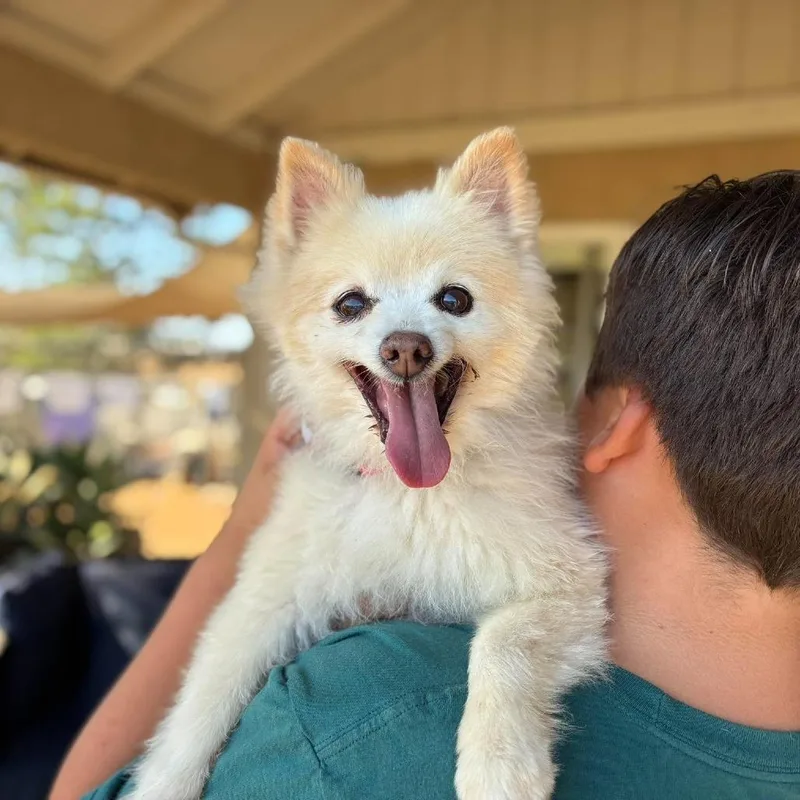
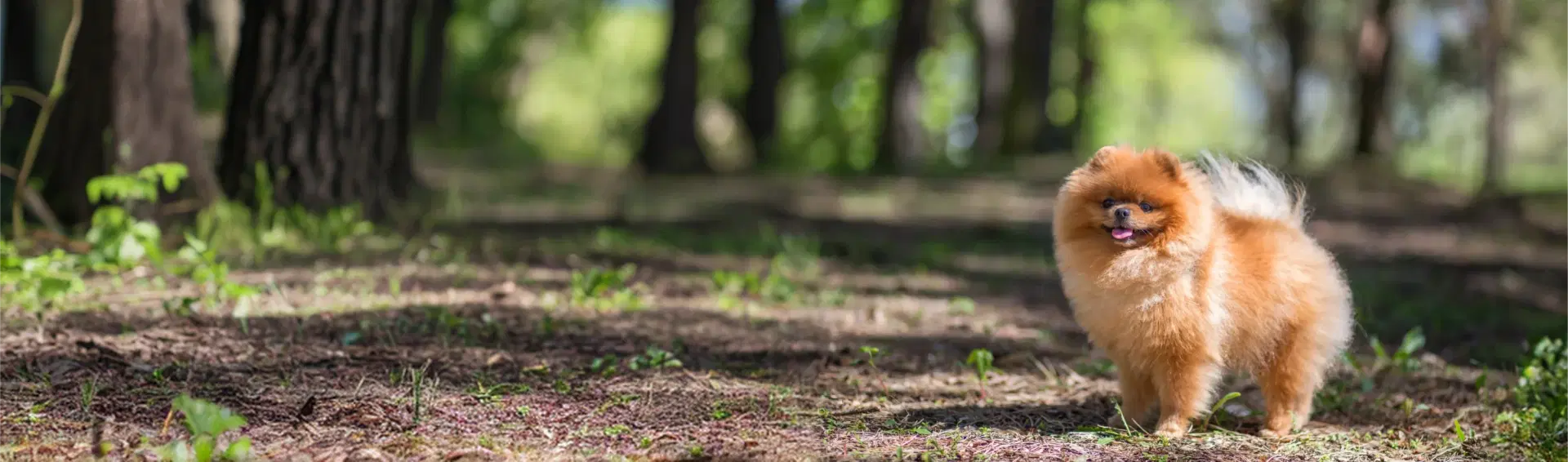
The Pomeranian descends from larger German Spitz dogs and takes its name from the Baltic region of Pomerania. Victorian England shrank the breed into today's toy, usually 3 to 7 pounds, with a plumed tail over the back, pricked ears and a foxy face. Some adult Poms weigh more than that, and coat colors and textures vary widely.

Most are bold, curious and chatty, and they bond closely with their people. In Santa Ana, where many households share walls, plan on barking training from the first week. The thick double coat sheds moderately to heavily and needs brushing several times a week, and tooth care matters a lot in a mouth this small. Gentle handling suits adults and older children best.


Weight
3–7 lbs
Height
6–11 in
Lifespan
12–16 yrs
Temperament
Lively, Alert, Curious, Bold
Group
Toy
Shedding
Moderate to High

Owning a Pomeranian in Santa Ana

Having a Pomeranian in Santa Ana

Poms pair a small frame with a big coat and plenty of opinions. In Santa Ana, barking manners, brushing, tooth care and joint-friendly habits matter more than square footage, and each dog's needs differ from the breed's averages.

Temperament

Pomeranians tend to be bold, curious and quick to sound the alarm, and many attach closely to one person. Some get bossy with larger dogs or snappy when handled roughly. Dogs vary, so patient socialization and reward-based training count for more than breed reputation, especially on busy sidewalks and in shared hallways.

Exercise Needs

Plan on a couple of short walks a day plus indoor play, trick practice or puzzle toys. Use a harness to protect the trachea. In Santa Ana, the trail at Centennial Park and the city's dog park make easy outings, and a leash is required on streets and in other city parks.

Health Considerations

Pomeranians are prone to luxating kneecaps, collapsing trachea, dental disease and, in some dogs, alopecia X coat loss. Daily tooth brushing, a lean weight and discouraging leaps off furniture help. Plan regular checkups and dental cleanings, and have a veterinarian look over an adopted Pom's knees, teeth and heart soon after adoption.

Living Space

A Pomeranian's modest space needs suit the apartments, condos and small bungalows found around Santa Ana. Barking is the main issue with close neighbors, so start training early. Watch open doors, stairs and high furniture, which are real hazards for a dog this small, and supervise around toddlers or large, rough dogs.

What it costs to own a Pomeranian in Santa Ana

ExpenseTypical costPer year
Food$15 to $35 per month$180 to $420
Pet insurance$35 to $70 per month$420 to $840
Routine vet care$200 to $400 per year$200 to $400
Other*$590 to $1,440 per year$590 to $1,440
Estimated yearly total (after year one)$1,390 to $3,100

Other costs are estimates and vary with size, age and health.

* The $28 Santa Ana license for a spayed or neutered dog, grooming and brushing supplies, dental care, flea, tick and heartworm prevention, and toys and bedding.

Pomeranian dog

Adopt a Pomeranian in Santa Ana.

Now that you know more, let’s find you a new best friend. These rescues and shelters below have dogs available in and near Santa Ana.

Rescues and Shelters in or near Santa Ana

Santa Ana's adoptable dogs come from the county shelter in Tustin and area rescues listed here. Here are the rescues & shelters in the Santa Ana area with dogs available for adoption, worth asking whether a Pomeranian is coming in.

Frequently Asked Questions

Yes. Santa Ana has no known breed restrictions, and California law limits breed-specific rules to spay/neuter and breeding programs. A Pomeranian older than four months needs a city license with proof of rabies vaccination, within 15 days of arrival. Also keep in mind the three-dog household limit and the leash requirement on streets.

Often, especially for adults who are home a fair amount. Poms need short walks and indoor play, which suits Santa Ana's rentals and condos, and the mild winters are easy on them. The trade-offs are barking in shared buildings, coat care and late-summer heat. Each Pom's own habits matter more than the breed average.

Start with the dog park at Centennial Park, 3000 W. Edinger Ave., which has enclosed off-leash areas and a rinse station. Because a Pom is tiny, watch the size mix of dogs inside. Santiago Park and Centennial Park's trail suit leashed walks, and coyotes have been reported near Santiago Creek, so stay close.

Not on OC Bus, which doesn't allow pets, even in carriers; only service animals ride. Metrolink does allow a Pomeranian in a small carrier under the seat or on your lap, and its trains stop at the Santa Ana Regional Transportation Center. Santa Ana has no subway, so a carrier-trained Pom makes rail trips easier.

Mostly yes. Winters are mild, with lows around 49°F, and the city sees only about two days a year at 100°F. Heat is what to manage, since roughly 30 days a year reach 90°F, mostly from August through October. Walk early or late, offer water and shade, and keep the double coat brushed.

Only to outdoor patios, and only where the restaurant chooses to allow dogs. California law requires the dog to enter from outside, stay leashed or in a carrier, and stay off chairs and tables. Pet dogs aren't allowed indoors; only service animals are. A small Pom in a carrier makes patio meals easier.

Plan on brushing several times a week, a bath every few weeks and regular nail trims. Shedding tends to peak in spring as days warm, so brush more then. Skip shaving, which can damage a double coat. Grooming falls under the cost table's Other line, roughly $100 to $300 a year if you use a groomer.

Pomeranians come from the Pomerania region along the Baltic Sea, now part of northern Poland and northeastern Germany, where its larger German Spitz ancestors developed. The breed as we know it was shaped in England, where royals including Queen Charlotte and Queen Victoria kept them in the 1700s and 1800s and the dogs grew steadily smaller. The first English breed club formed in 1891.

A Pomeranian is a tiny, compact dog with a short back, a wedge-shaped head and a fox-like face with small pricked ears and bright almond eyes. Its signature feature is an abundant double coat that stands away from the body, forming a ruff around the neck and a plumed tail carried flat over the back. Poms come in many colors and patterns.

Expect roughly $1,400 to $3,100 a year with insurance. Food runs $15 to $35 a month and insurance $35 to $70. Routine vet care is $200 to $400 a year, and other costs such as grooming, dental care and parasite prevention add $590 to $1,440. Adoption fees appear on each listing.