Labrador Retriever Dogs for Adoption in San Luis Obispo, CA

Your guide to finding and caring for a Labrador Retriever in San Luis Obispo

Labrador Retrievers suit SLO's outdoorsy routine, as long as the walks happen every day. A Lab living near Laguna Lake can do the lake loop before work and burn off the rest of its energy in the fenced dog park, while Reservoir Canyon and Islay Hill offer longer leashed hikes for a fit adult. Labs want company, so they do best with people who are home a good part of the day. In September and October, when afternoons can top 90°F, plan those hikes for early morning.

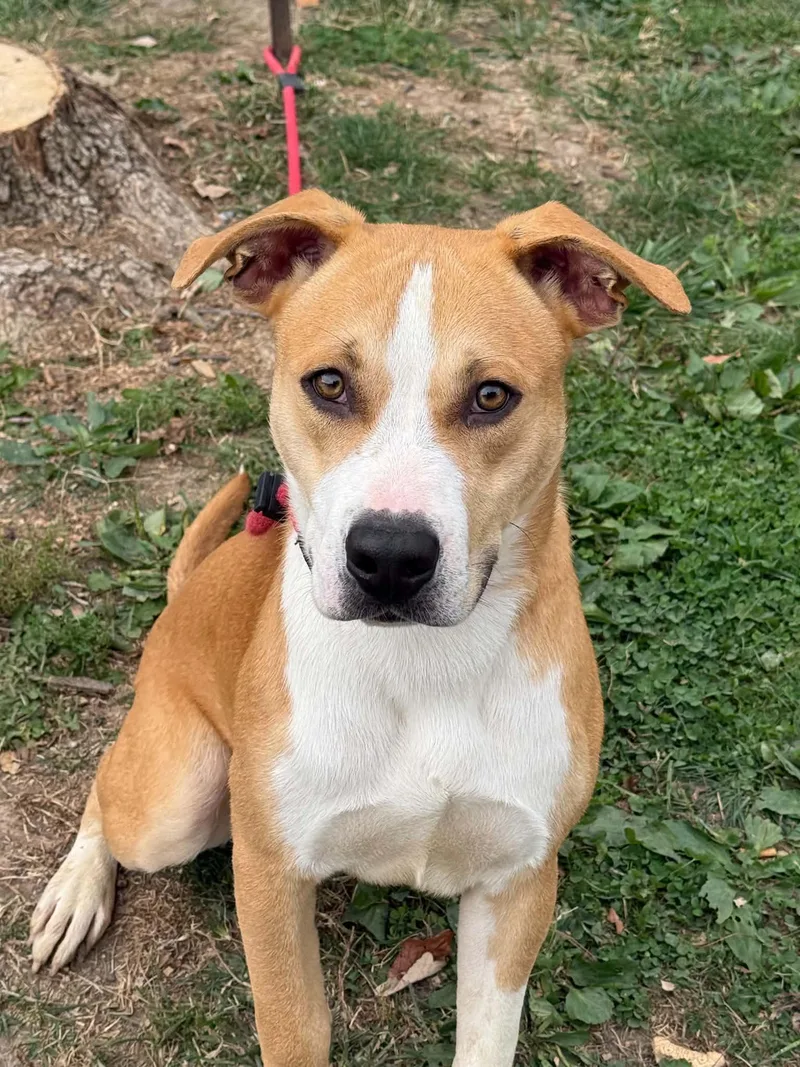
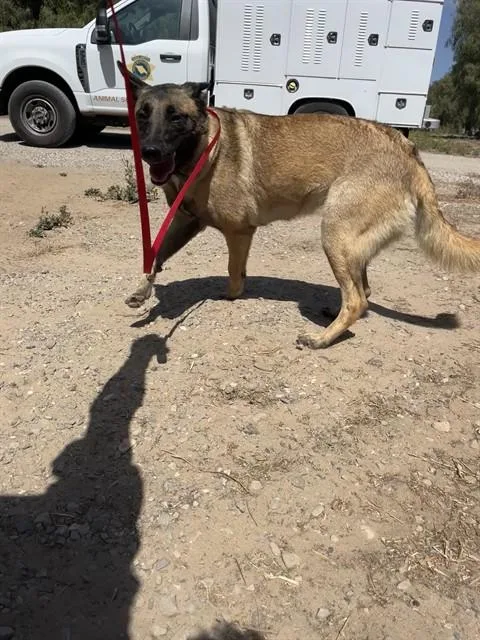
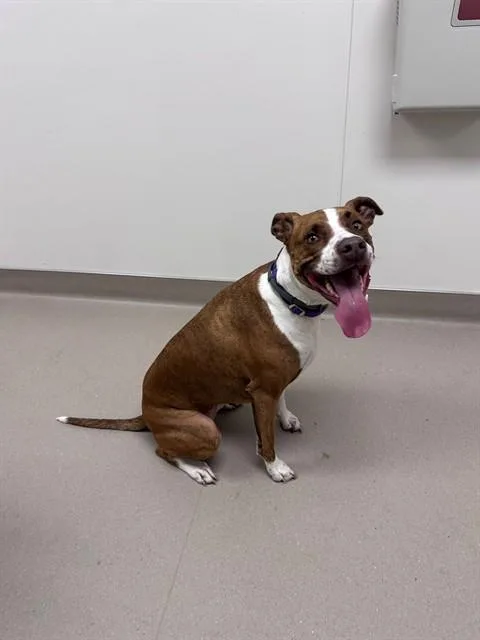
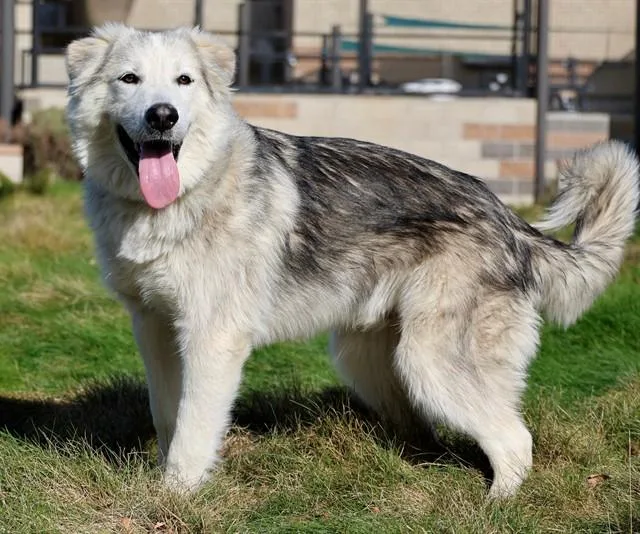
13906 Labrador Retrievers available in San Luis Obispo and nationwide

Fall for a Labrador Retriever

While we don't have enough dogs near San Luis Obispo, keep in mind that many rescues may offer transport.

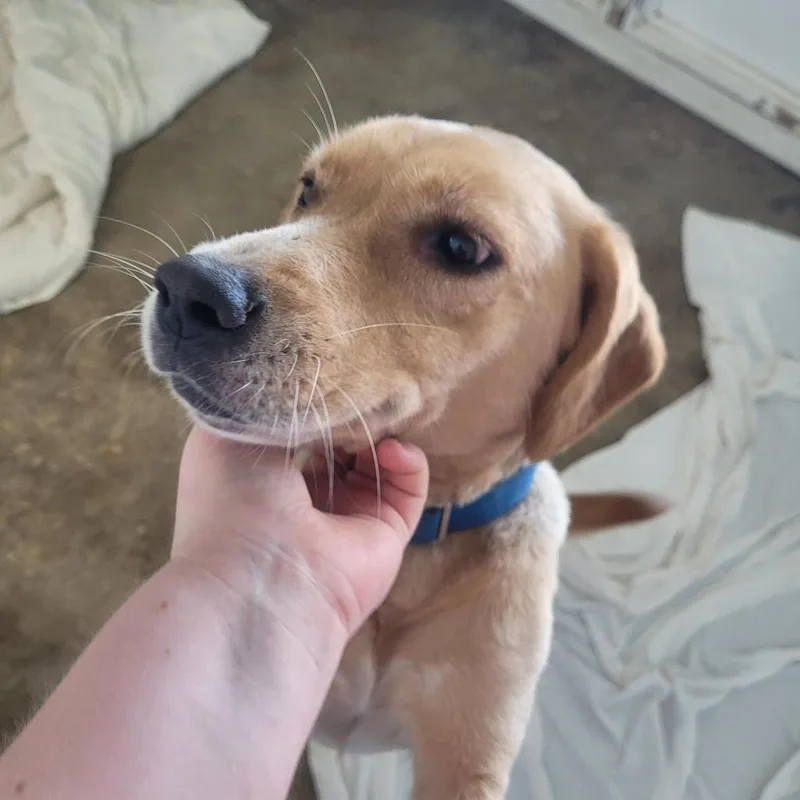
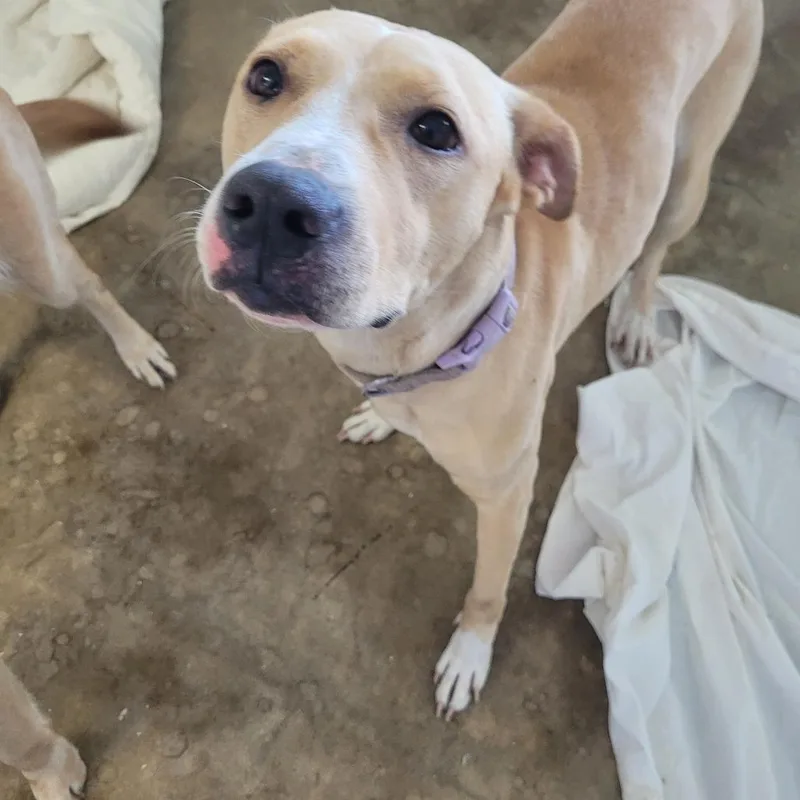
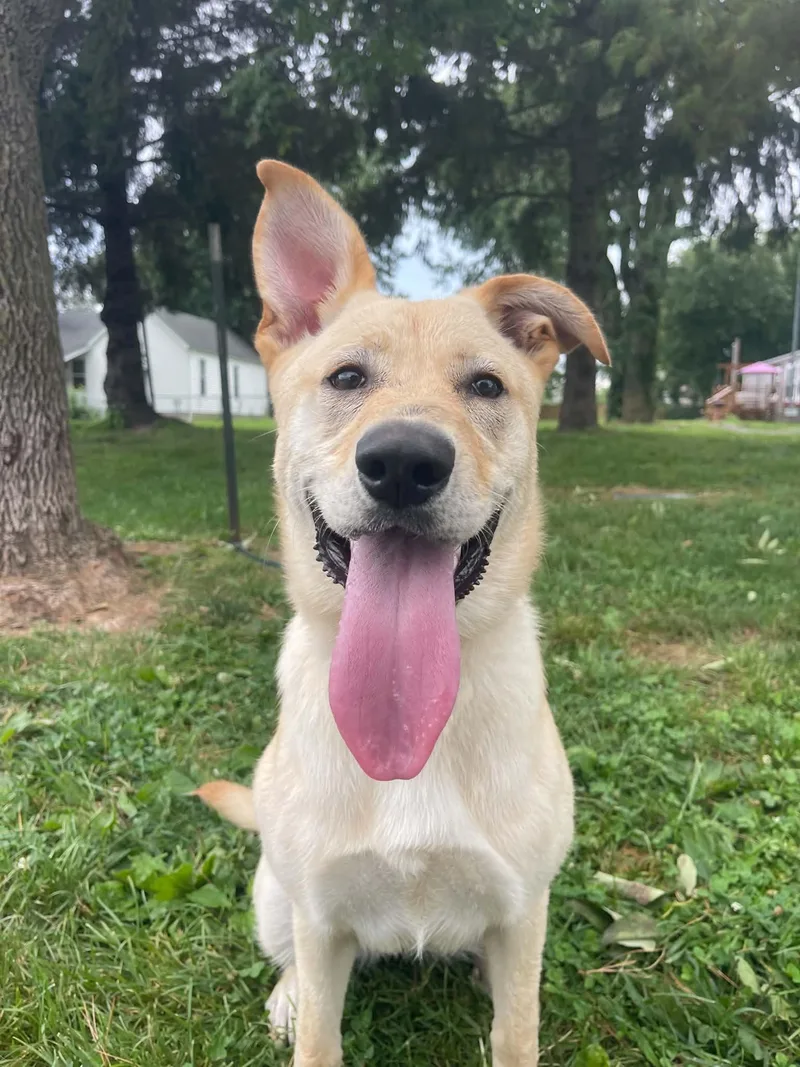
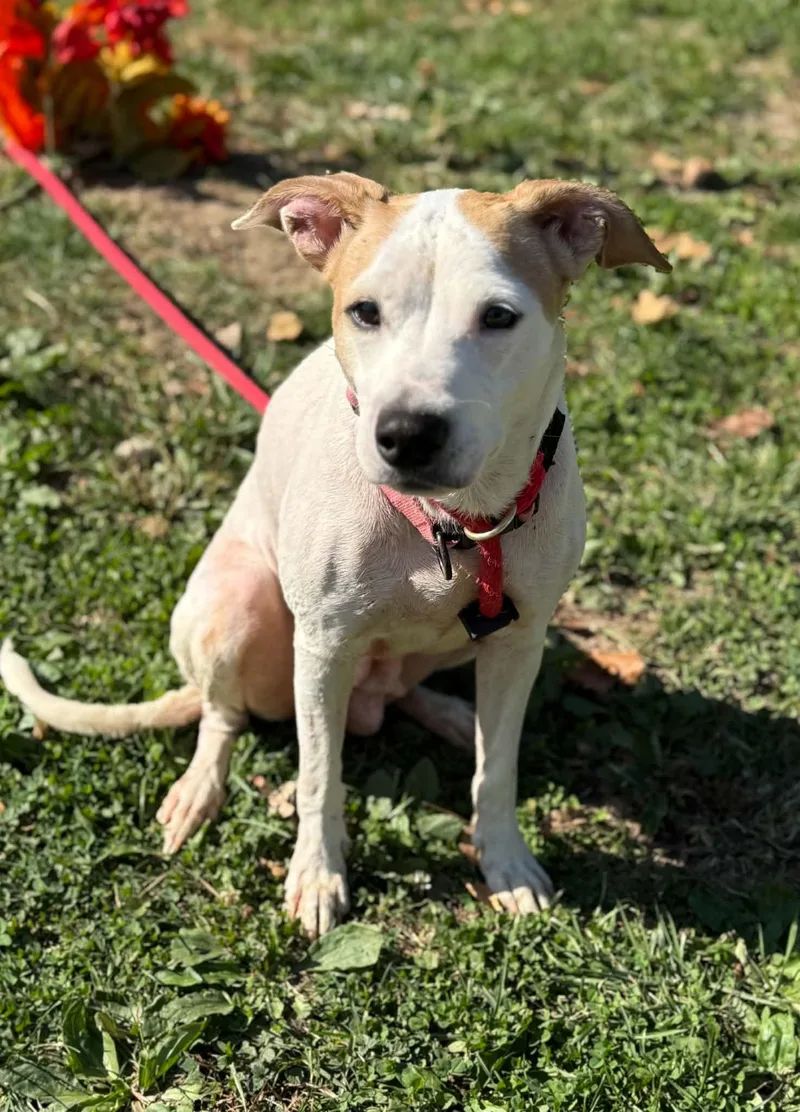
Labrador Retrievers Available for Adoption Near San Luis Obispo

About the Labrador Retriever breed

Labrador Retrievers trace back to the St. John's water dogs of Newfoundland, which British sportsmen refined into gun dogs for retrieving game from land and water. The dense, water-resistant double coat, thick otter tail and sturdy build still reflect that job. Labs come in black, yellow and chocolate, and field-bred dogs tend to be leaner and more driven than show-bred ones, so energy levels vary from dog to dog.

In San Luis Obispo, that mix of friendliness and stamina fits a town where weekend plans often involve a trail. Labs are usually sociable and eager to please, but they're also food-motivated and mouthy as adolescents, a stage that can last until two or three years old. Expect steady training, careful portion control and plenty of shed hair on the couch and in the car.

Weight
55–80 lbs
Height
21–25 in
Lifespan
10–14 yrs
Temperament
Friendly, Outgoing, Active
Group
Sporting
Shedding
Moderate to High

Owning a Labrador Retriever in San Luis Obispo

Having a Labrador Retriever in San Luis Obispo

Labs pair a people-loving outlook with a body built for hours of retrieving. In SLO, that means daily exercise on leashed trails, attention to weight and joints, and a home routine that keeps a large, shedding dog included in everyday life.

Temperament

Labs are usually friendly with visitors, neighbors and other dogs, which helps on busy downtown sidewalks and at the dog park. Young ones can be bouncy and mouthy, and their exuberance can overwhelm small children. Reward-based training works well. A Lab's history and socialization shape its behavior more than breed reputation does.

Exercise Needs

Most adult Labs need substantial daily activity, not just a stroll around the block. In SLO, that can be a leashed hike on Cerro San Luis or Reservoir Canyon, plus off-leash fetch at Laguna Lake Dog Park. Scent games and short training sessions add mental work. Field-bred dogs often need more, and seniors do better with gentler, regular movement.

Health Considerations

Labs can develop hip and elbow dysplasia, cruciate ligament injuries, exercise-induced collapse and progressive retinal atrophy, and many gain weight easily, which strains joints. Ear infections and skin allergies are common too. During SLO's dry season, check ears, paws and coat for foxtails after hikes. A veterinarian can check joints, weight and eyes early on.

Living Space

Labs adapt to apartments or houses when exercise happens reliably. A fenced yard helps but isn't essential, especially with Laguna Lake Dog Park for off-leash play. Expect a wagging tail at coffee-table height, plenty of shed hair, and a dog that wants to live indoors with its people rather than out in the yard.

What it costs to own a Labrador Retriever in San Luis Obispo

ExpenseTypical costPer year
Food$55 to $110 per month$660 to $1,320
Pet insurance$65 to $130 per month$780 to $1,560
Routine vet care$250 to $500 per year$250 to $500
Other*$590 to $1,490 per year$590 to $1,490
Estimated yearly total (after year one)$2,280 to $4,870

Other costs are estimates and vary with size, age and health.

* Flea, tick and heartworm prevention, a dental cleaning allowance, the county dog license, toys and bedding, and brushing and baths for heavy seasonal shedding.

Adopt a Labrador Retriever in San Luis Obispo.

Now that you know more, let’s find you a new best friend. These rescues and shelters below have dogs available in and near San Luis Obispo.

Rescues and Shelters in or near San Luis Obispo

San Luis Obispo's rescue community cares for dogs of every size, and Labs and Lab mixes may appear among them. Here are the rescues & shelters in the San Luis Obispo area with dogs available for adoption, worth asking whether a Labrador Retriever is coming in.

Frequently Asked Questions

Yes, a Lab can live in a SLO apartment when walks and play happen every day. Laguna Lake Dog Park gives a dog off-leash fetch without a yard, and the mild weather makes outdoor time easy. Expect shed hair and a big tail, and know that some landlords limit dog size or weight, so get approval in writing.

Laguna Lake Dog Park is the best spot for off-leash fetch, with about three fenced acres and a separate large-dog area, open dawn to dusk. For hiking, Reservoir Canyon, Islay Hill and Cerro San Luis welcome dogs on leash. Bishop Peak is a demanding climb. Keep your Lab leashed on all open space trails.

Yes. No breed is banned in SLO, and California doesn't allow a breed to be labeled dangerous or vicious by breed alone. Dogs over four months need a county license with a current rabies vaccination, and more than three dogs or cats at one address needs a county permit. Keep your Lab leashed in public.

Mostly yes. Mild winters and cool nights suit a Lab's double coat, and summer highs stay in the upper 70s. The risk is September and October, when heat waves can push past 90°F, so exercise at dawn and provide shade and water. Dry-season foxtails on hillside trails are worth checking for after hikes.

Labs need little formal grooming but shed a lot, especially during seasonal coat changes. Brush a few times a week, more often during heavy shedding, and bathe after muddy winter hikes. In the dry season, check ears, paws and coat for foxtails. Brushing and occasional baths fall within the yearly Other costs shown on this page.

Mostly no. SLO Transit buses carry service animals on a leash or in a container, but pets are limited to small ones that can be carried, which rules out a Lab. Amtrak's Pacific Surfliner caps pets at 20 pounds including the carrier. Plan on driving for outings with a full-size Lab.

Sometimes, on outdoor patios only. California law lets each restaurant decide whether to allow pet dogs outside, with conditions like a separate entrance and keeping dogs off chairs, so policies vary. Indoors, only service animals are allowed. Bring water, a leash and a mat to help your Lab settle.

Most Labrador Retrievers live about 10 to 14 years. A large UK veterinary study found a median lifespan of 12 years, with chocolate Labs living about a year and a half less on average than black or yellow ones. Healthy weight, regular veterinary care and good dental and joint care all help, but no lifespan is guaranteed.

A Labrador Retriever is a large sporting dog originally developed to retrieve game birds for hunters, especially from water. Labs have a short, dense double coat, a thick otter-like tail and a broad head, and they come in black, yellow and chocolate. Many are friendly, food-motivated and eager to work, which makes them popular family, guide and service dogs.

Plan on roughly $2,280 to $4,870 a year for a Lab. That covers food at $55–$110 a month, insurance at $65–$130 a month, routine vet care at $250–$500 a year, and $590–$1,490 a year for other costs such as parasite prevention, dental care and grooming. Large portions and heavy shedding push food and brushing costs up.