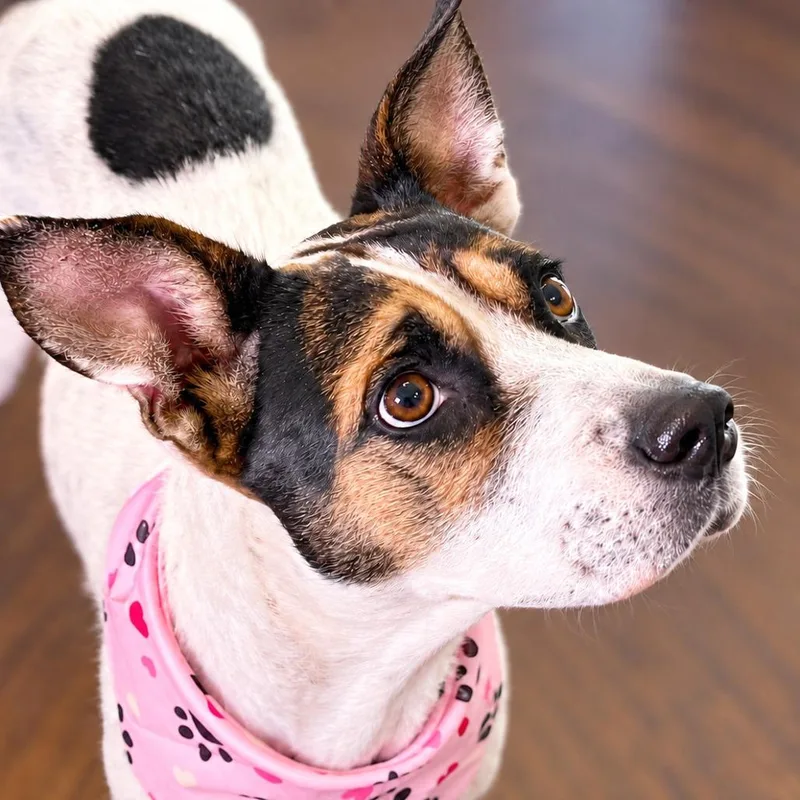
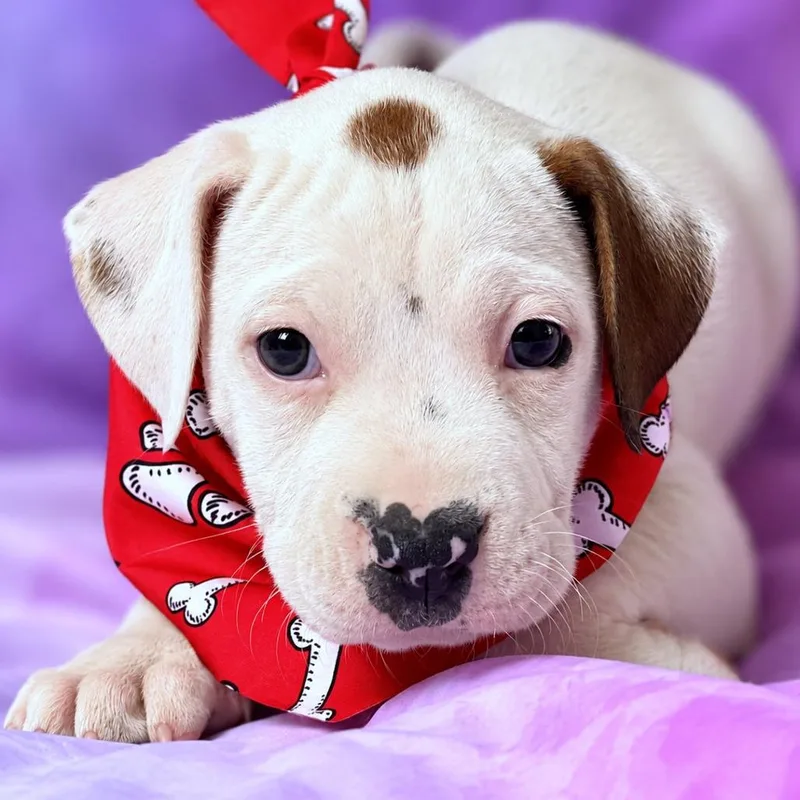
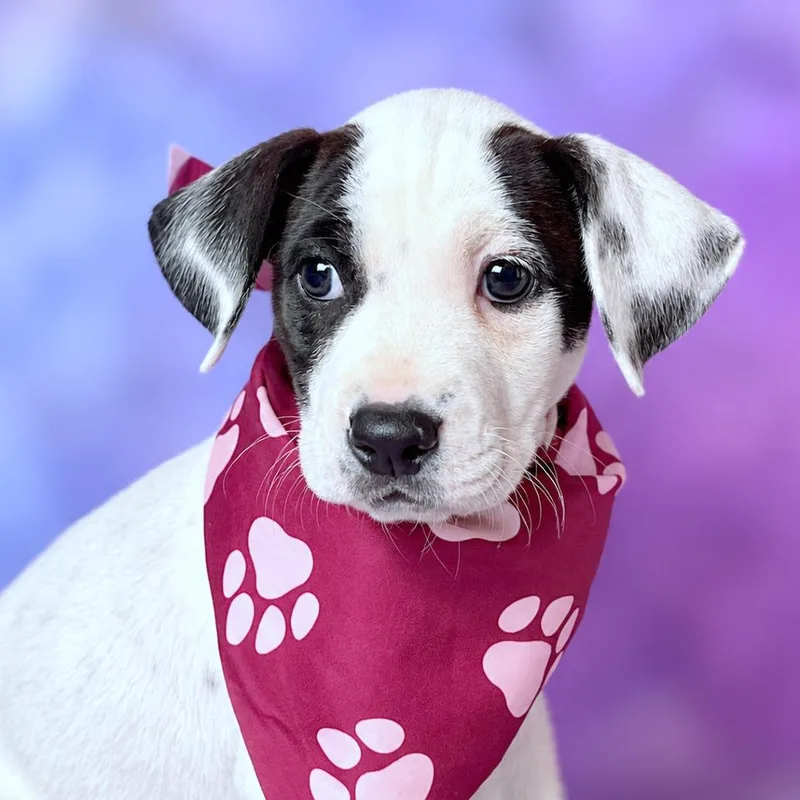
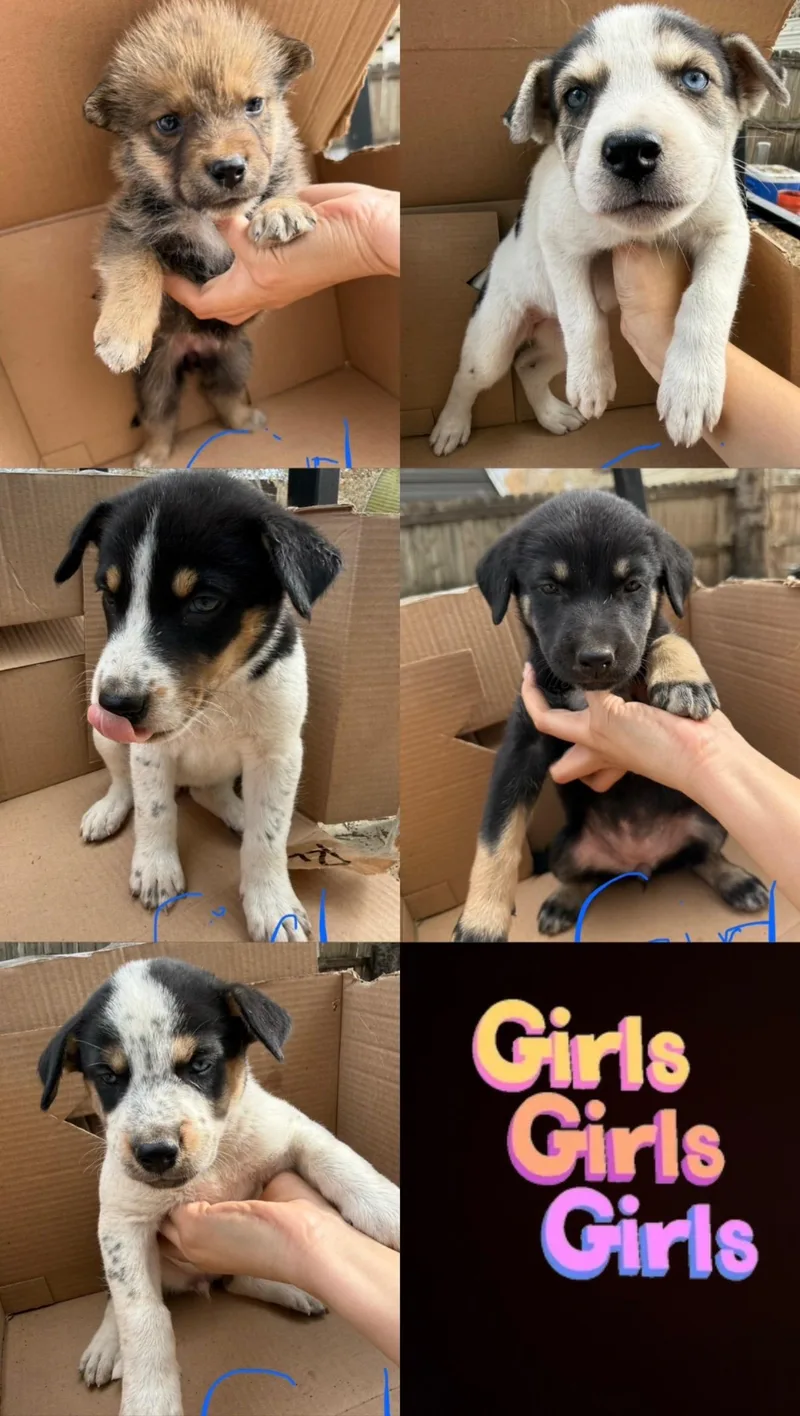
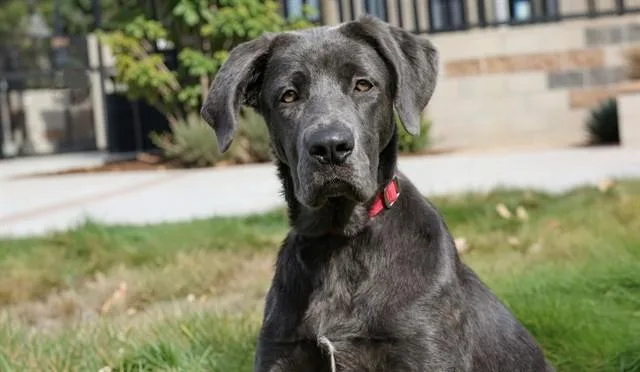
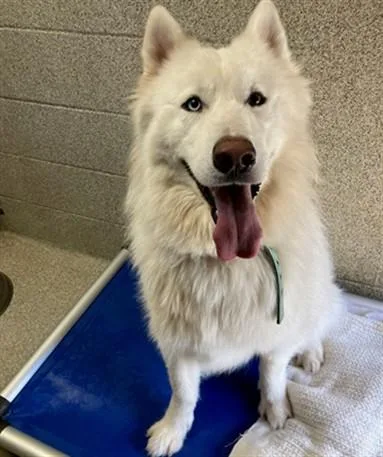
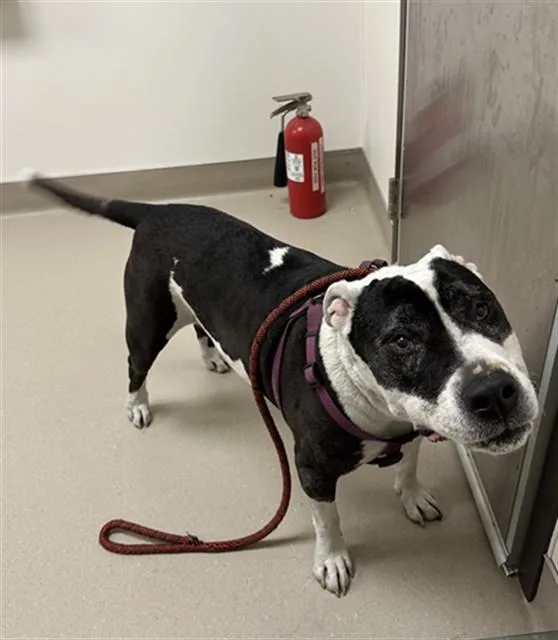
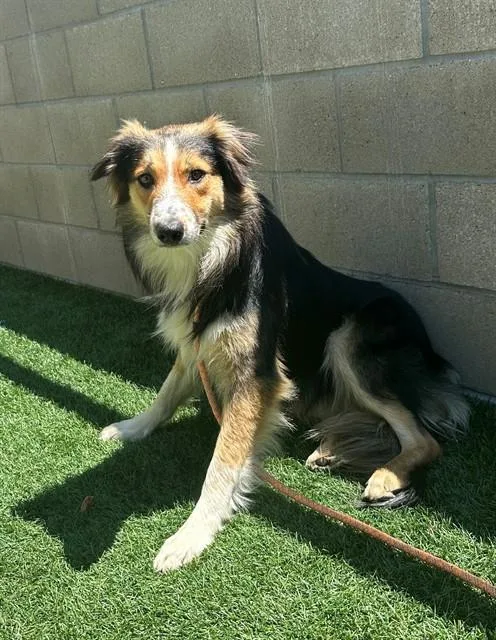
Australian Cattle Dog / Blue Heelers for Adoption in San Luis Obispo, CA

Your guide to finding and caring for an Australian Cattle Dog / Blue Heeler in San Luis Obispo

Blue Heelers suit San Luis Obispo's hiking habits, as long as the hiking happens on a leash. A Heeler living near Islay Hill can burn off a morning on its trails and still want a game afterward, and the fenced Laguna Lake Dog Park is the one place in town for off-leash sprints. These dogs bond tightly with their person and watch everything, so they do best with an owner who's around. Summer mornings here stay cool, which makes early outings easy.

4303 Australian Cattle Dog / Blue Heelers available in San Luis Obispo and nationwide

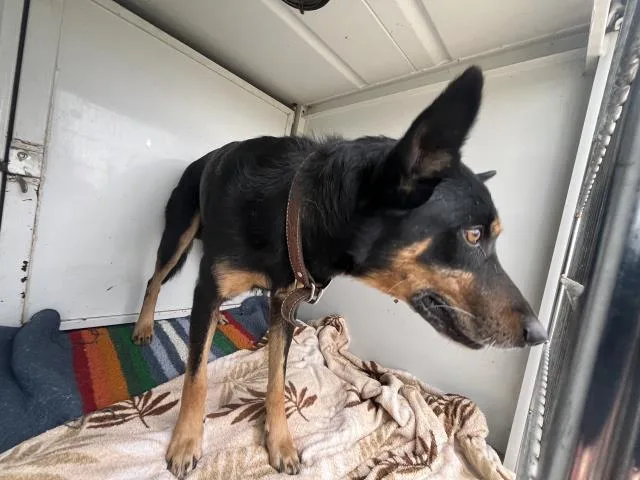
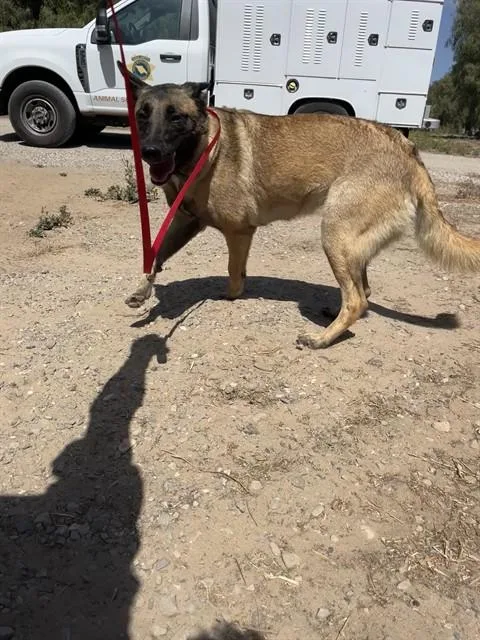
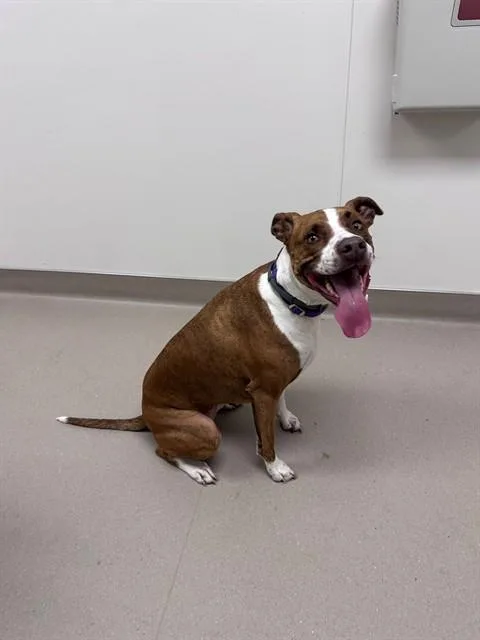
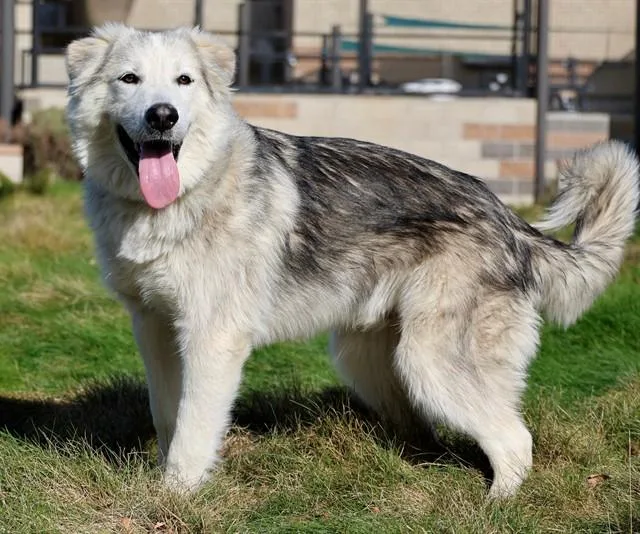
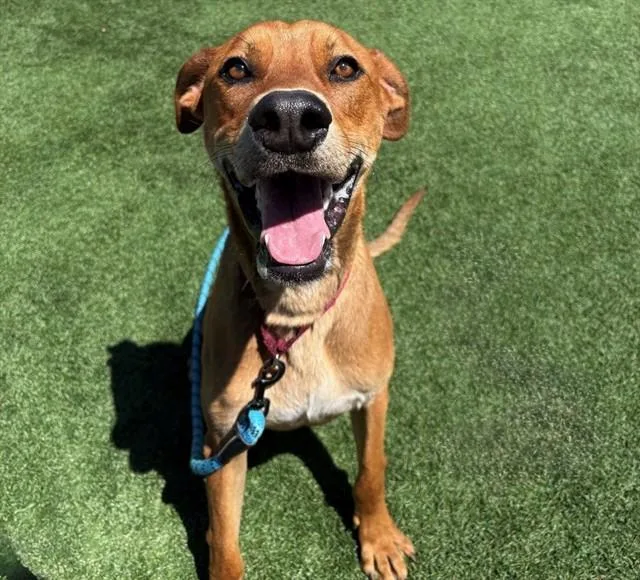
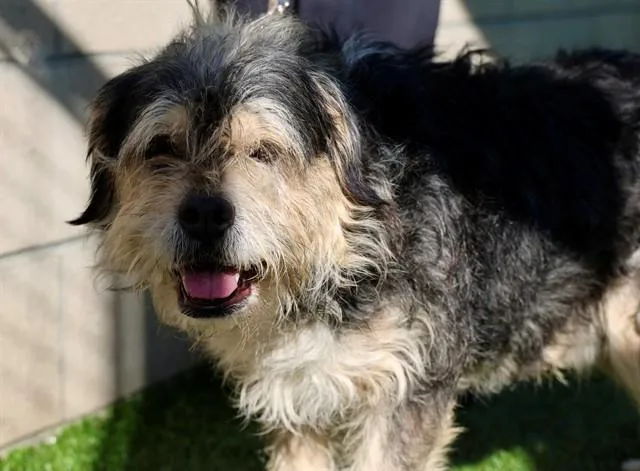
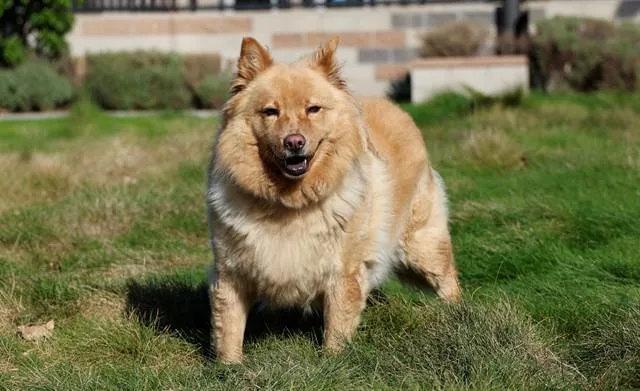
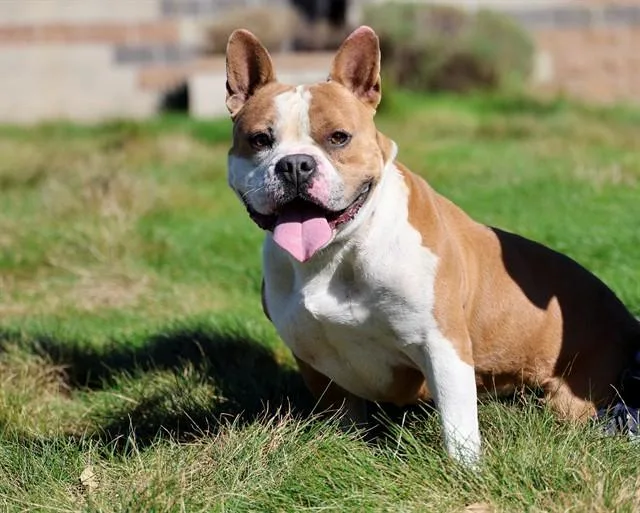
Say hello to your Blue Heeler

While we don't have enough dogs near San Luis Obispo, keep in mind that many rescues may offer transport.

Australian Cattle Dog / Blue Heelers Available for Adoption Near San Luis Obispo

About the Australian Cattle Dog / Blue Heeler breed

Australian Cattle Dogs, also called Blue Heelers or Queensland Heelers, were developed in nineteenth-century Australia to drive cattle over long distances in heat and dust. They're compact, muscular, medium-sized dogs, usually 35 to 50 pounds, with a short, weatherproof double coat in blue or red speckle. Puppies are born white and color in over the first weeks.

Heelers are loyal, alert and sharp, and many attach closely to one person while staying reserved with strangers. The herding instinct can show up as nipping at heels, chasing bikes or bossing other pets. On busy sidewalks and popular trails, training and a real daily job matter. Most mature around age two, and with enough activity many live 12 to 16 years.


Weight
35–50 lbs
Height
17–20 in
Lifespan
12–16 yrs
Temperament
Energetic, Intelligent, Loyal, Alert
Group
Herding
Shedding
Moderate

Owning an Australian Cattle Dog / Blue Heeler in San Luis Obispo

Having an Australian Cattle Dog / Blue Heeler in San Luis Obispo

Heelers are built for work, so stamina, intelligence and herding instinct shape daily life more than size does. In San Luis Obispo, that means plenty of leashed hiking, a few fenced sprints and mental jobs at home. How intense that drive is varies from dog to dog.

Temperament

Heelers tend to be loyal, confident and watchful, often bonding closely with one person and staying reserved with strangers. On busy downtown sidewalks or narrow trails, early socialization and calm leash manners help with chasing and nipping impulses. Consistent, reward-based training works best, though drive and sociability vary from dog to dog.

Exercise Needs

Plan on an hour or more of vigorous activity daily. City open space such as Bishop Peak and Cerro San Luis is leashed only and open dawn to dusk, so it's great for long hikes but not off-leash running. The fenced Laguna Lake Dog Park covers sprints and fetch. Add training or puzzle games, since a Heeler's mind needs work too.

Health Considerations

Documented breed concerns include congenital deafness, progressive retinal atrophy, primary lens luxation and hip and elbow dysplasia. A veterinarian can check hearing, eyes and joints after adoption. During San Luis Obispo's long dry season, check ears, paws and coat after hikes for foxtails, and stay alert for rattlesnakes on foothill trails.

Living Space

A Heeler can manage an apartment if long daily exercise is guaranteed, but it does best with a securely fenced yard. Expect alert barking at passersby and a dog that wants to stay near its people, which matters in shared buildings. Heelers vary in how vocal and clingy they are.

What it costs to own an Australian Cattle Dog / Blue Heeler in San Luis Obispo

ExpenseTypical costPer year
Food$35 to $70 per month$420 to $840
Pet insurance$55 to $100 per month$660 to $1,200
Routine vet care$225 to $450 per year$225 to $450
Other*$440 to $1,190 per year$440 to $1,190
Estimated yearly total (after year one)$1,745 to $3,680

Other costs are estimates and vary with size, age and health.

* The county dog license, flea, tick and heartworm prevention, a dental cleaning allowance, durable toys and bedding, and light home grooming for a short coat.

Adopt an Australian Cattle Dog / Blue Heeler in San Luis Obispo.

Now that you know more, let’s find you a new best friend. These rescues and shelters below currently have Australian Cattle Dog / Blue Heelers available.

Rescues in San Luis Obispo with Australian Cattle Dog / Blue Heelers Available

San Luis Obispo has a county shelter, a humane society and rescue groups, all working to find dogs homes. Here are the rescues & shelters in the San Luis Obispo area where you can find Australian Cattle Dog / Blue Heelers and other dogs available for adoption.

Frequently Asked Questions

Yes. San Luis Obispo has no known breed-specific restrictions, and California law bars labeling any breed dangerous. Dogs over four months need a license, which requires a current rabies vaccination, and must be leashed in public. More than three dogs or cats at one address needs a county permit. Rules focus on behavior, so early training matters.

Yes, if you can meet its exercise needs. Many San Luis Obispo homes are rentals, and a Heeler can manage in one, but it needs an hour or more of vigorous activity daily plus mental work, or boredom can turn into barking and chewing. Alert Heelers often react to hallway noise. Confirm landlord breed and weight limits before applying.

Laguna Lake Dog Park is the best spot for off-leash play, with about three fenced acres and separate small- and large-dog areas. For hiking, leashed Heelers can tackle Bishop Peak, Cerro San Luis, Islay Hill and Reservoir Canyon. City open space is open dawn to dusk, and trails can close briefly after mountain lion sightings.

Yes, the mild climate suits a Blue Heeler's weatherproof double coat. Winter highs are in the mid-60s, summer highs in the upper 70s, and nights stay cool. The real challenge is September and October, which bring the most 90-degree days, so exercise at dawn and carry water. Winter storms and fire smoke call for a ready crate and leash.

Probably not on city buses. SLO Transit carries service animals on a leash or in a container, but other pets must be small enough to be carried, which rules out most 35- to 50-pound Heelers. Amtrak's Pacific Surfliner from San Luis Obispo takes pets only up to 20 pounds including the carrier. Plan on driving or walking.

Sometimes, on patios only. California lets restaurants choose whether to allow dogs in outdoor dining areas, so it's up to each place, and indoors only service animals are allowed. Heelers can be wary of strangers and stirred up by passing dogs, so practice a calm down-stay first and bring a mat and water.

Very little. A Heeler's short, weatherproof double coat needs weekly brushing, and daily brushing during the once- or twice-yearly coat blow. San Luis Obispo's mild, dry climate means baths only when needed. After hikes in the dry months, check paws, ears and coat for foxtails and burrs. Most grooming happens at home and fits within the Other costs.

Blue Heelers typically live about 12 to 16 years, and a recent UK study put the breed's average life expectancy at about 14 years, longer than many purebreds. A famous Australian Cattle Dog named Bluey reportedly lived over 29 years, though such records are hard to verify. Staying lean and active and getting regular checkups support a long life.

We have 1 rescue with Australian Cattle Dog / Blue Heelers available: San Luis Obispo County - Animal Services Division. You can see every rescue with Australian Cattle Dog / Blue Heelers available in the list above these questions, or scroll to the top to see the Australian Cattle Dog / Blue Heelers near San Luis Obispo.

Budget roughly $1,750 to $3,700 a year for a Heeler in San Luis Obispo. Food runs $35 to $70 a month, pet insurance $55 to $100 a month, routine vet care $225 to $450 a year, and other costs such as parasite prevention, dental care and the license $440 to $1,190 a year.