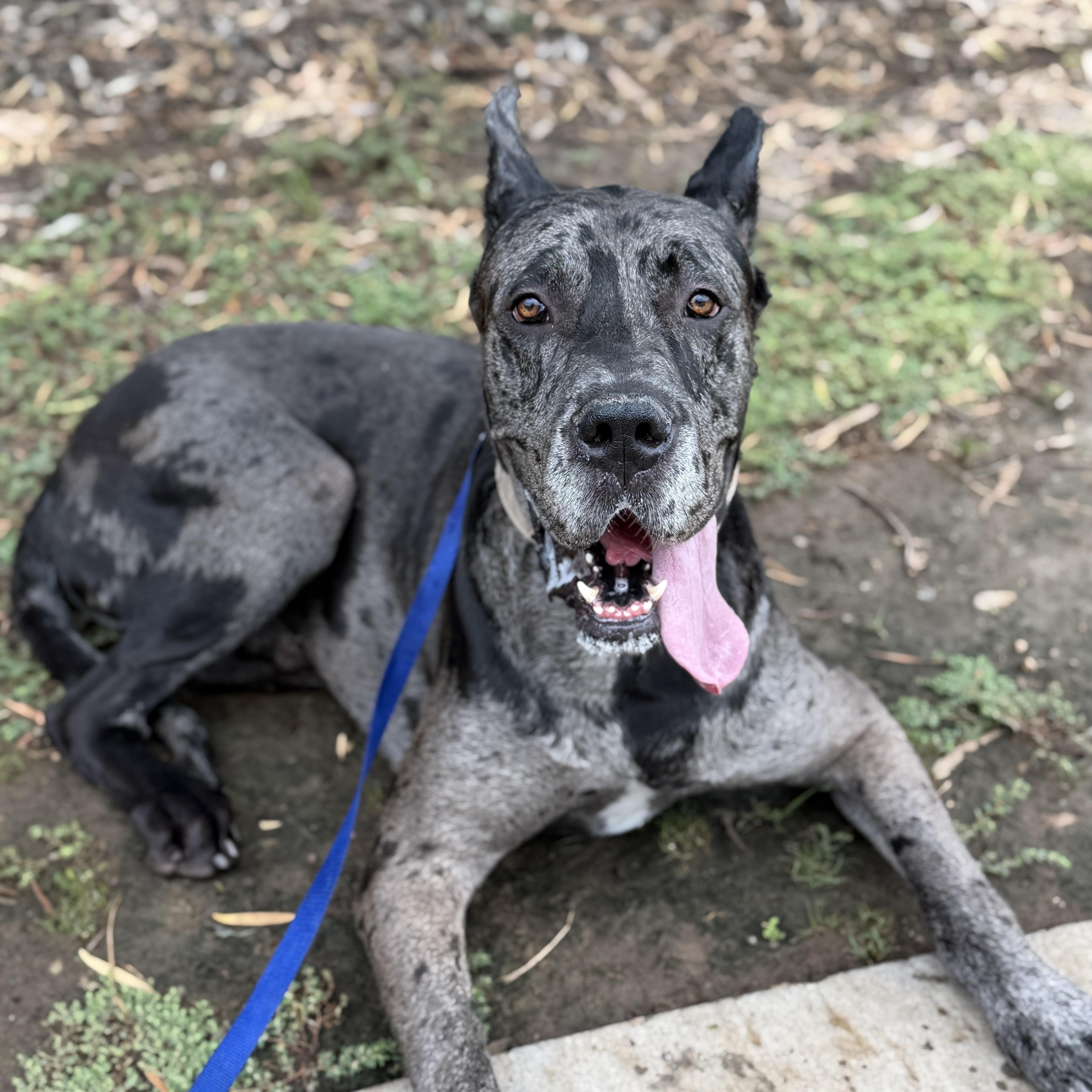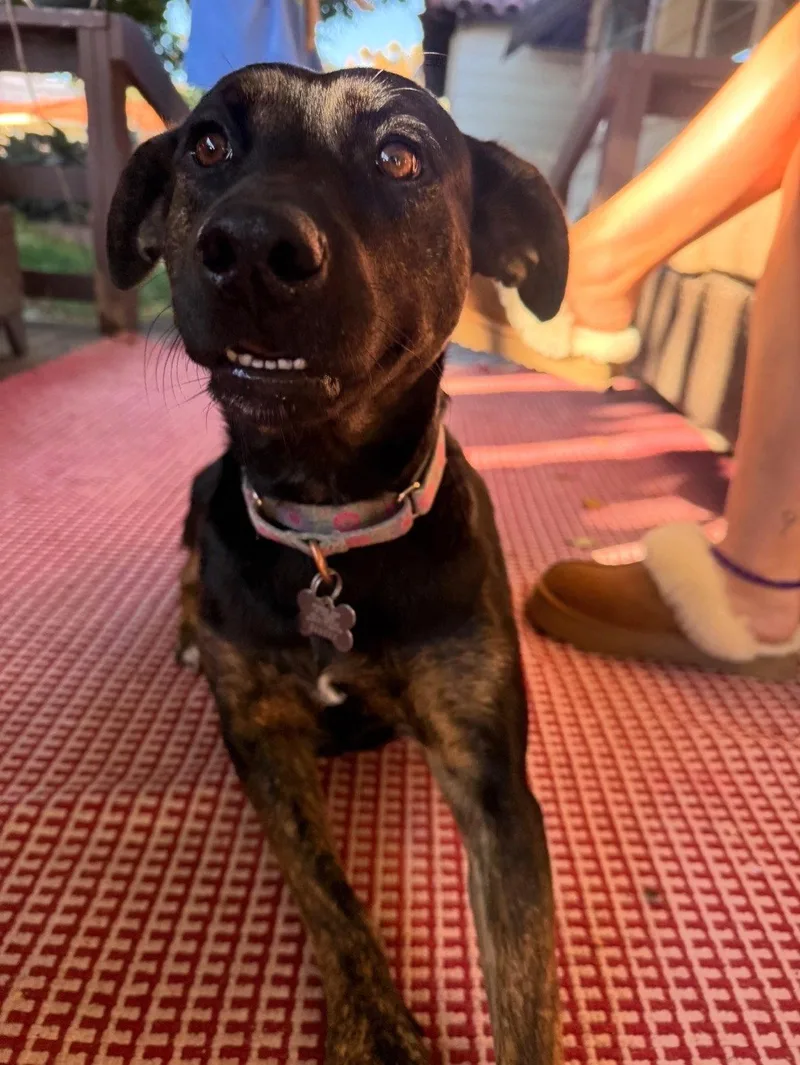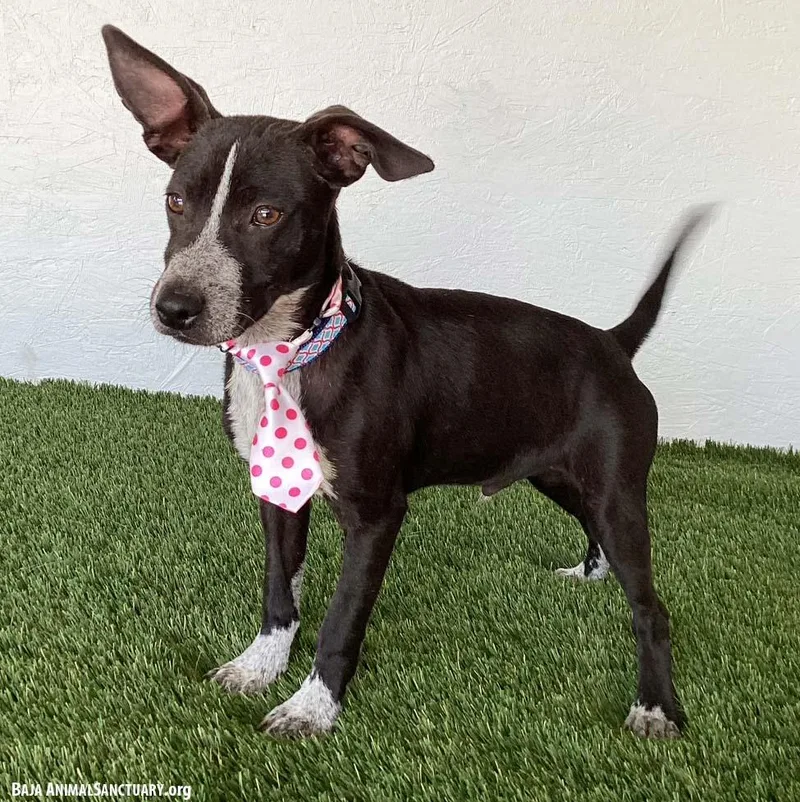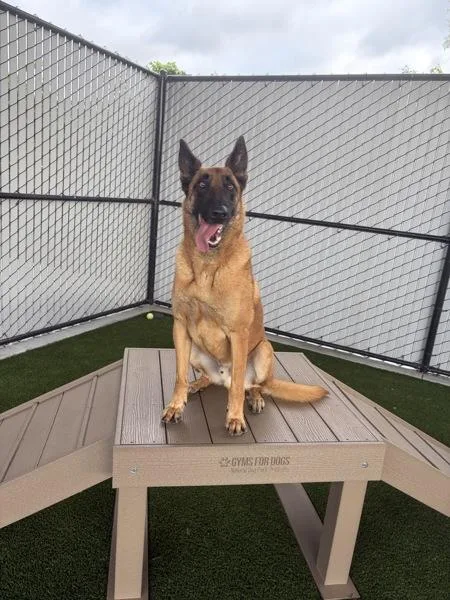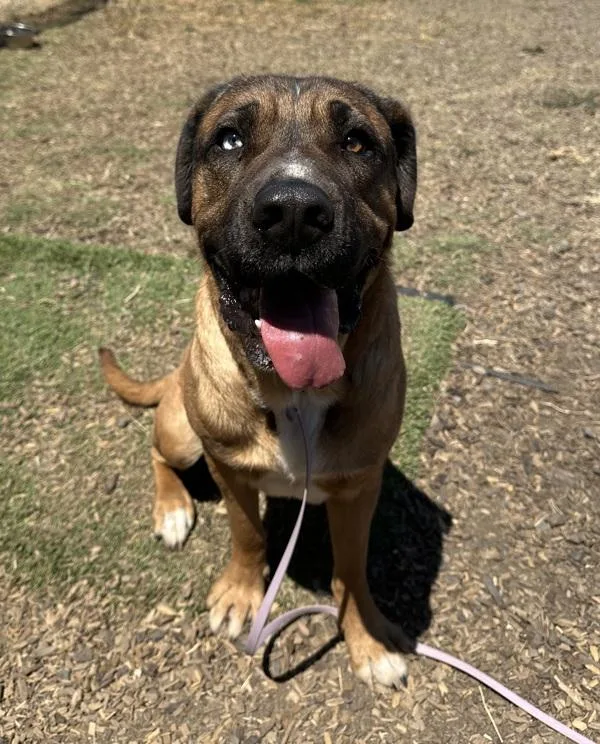
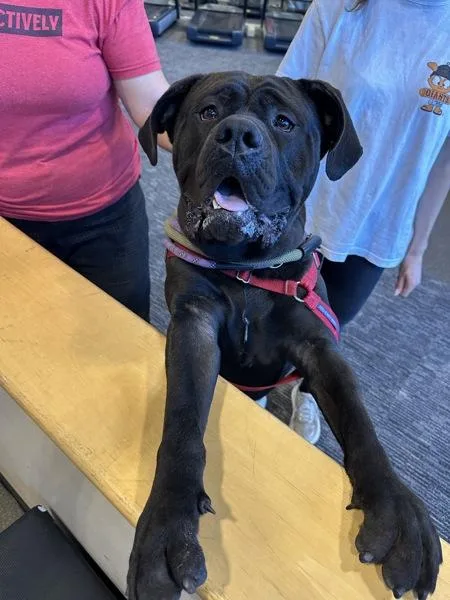
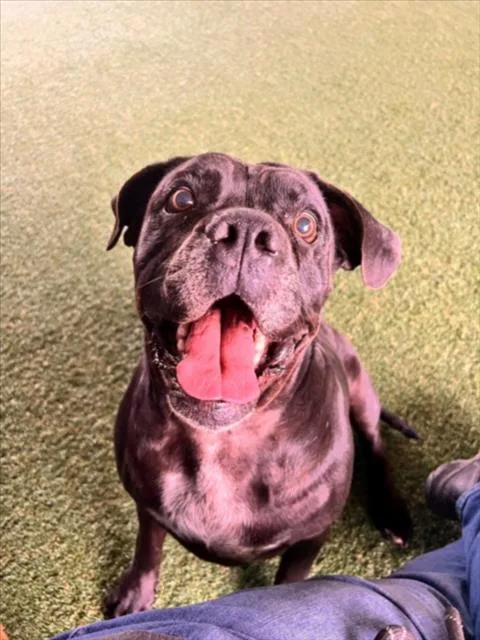
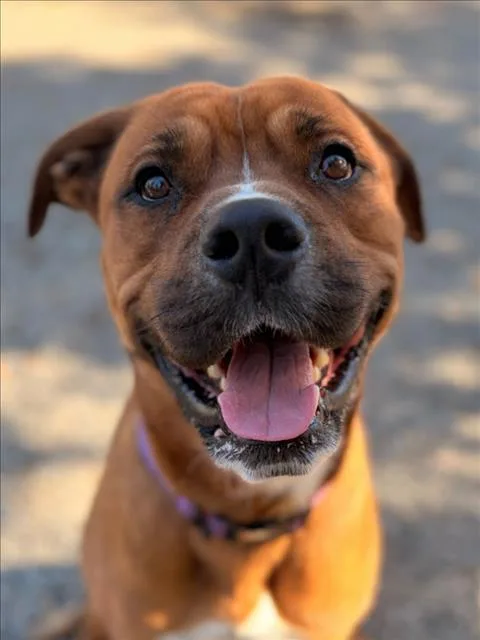

Mastiff Dogs for Adoption in San Diego, CA

Your guide to finding and caring for a Mastiff in San Diego

A Mastiff fits San Diego best with room to sprawl and an easy daily stroll. In Tierrasanta, canyon greenbelts with walking paths run through the neighborhood and Mission Trails Regional Park sits at its edge, so a slow, sniffing walk is never far away. Mastiffs aren't built for speed, so a steady loop and a cool spot to flop afterward matter more than a long hike. Inland neighborhoods run hotter, so early mornings work best.

948 Mastiffs available in San Diego and nationwide

Give a Mastiff a home

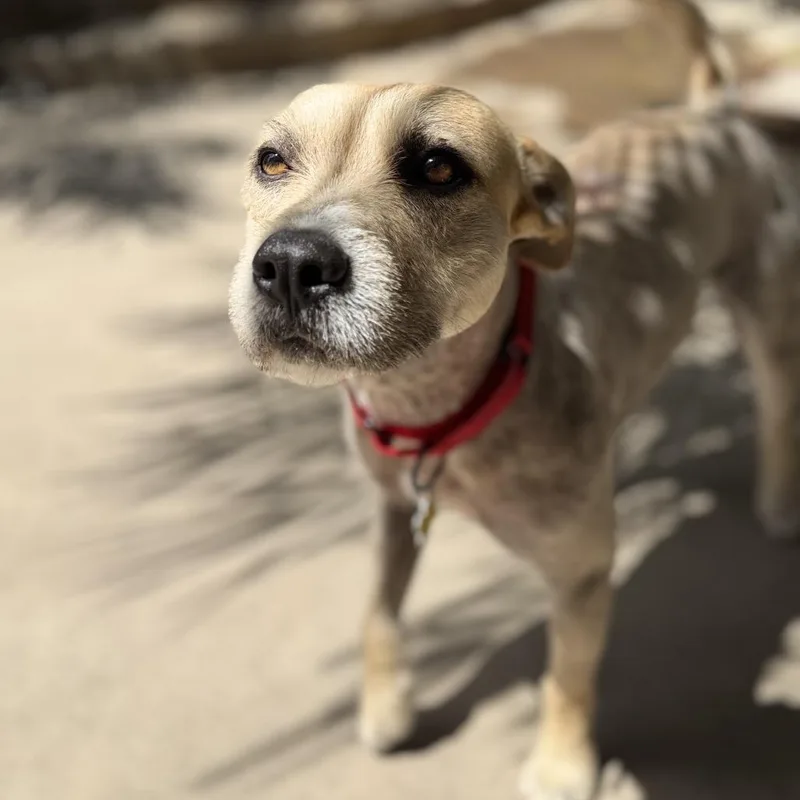
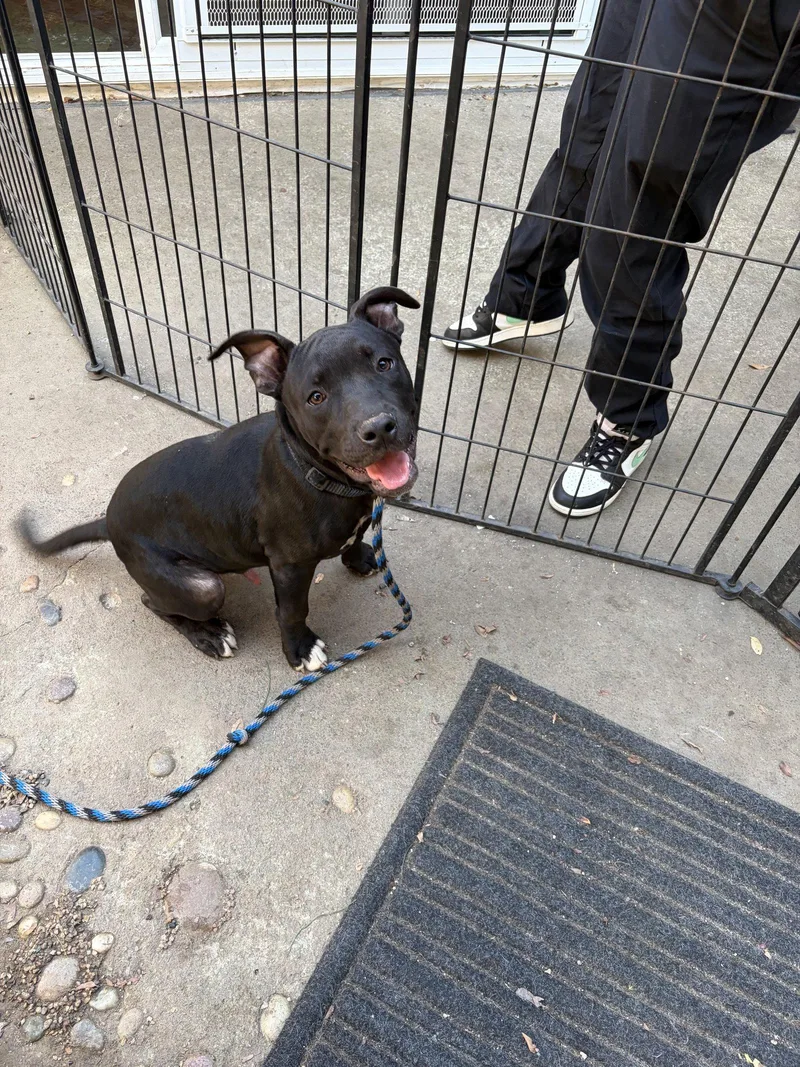
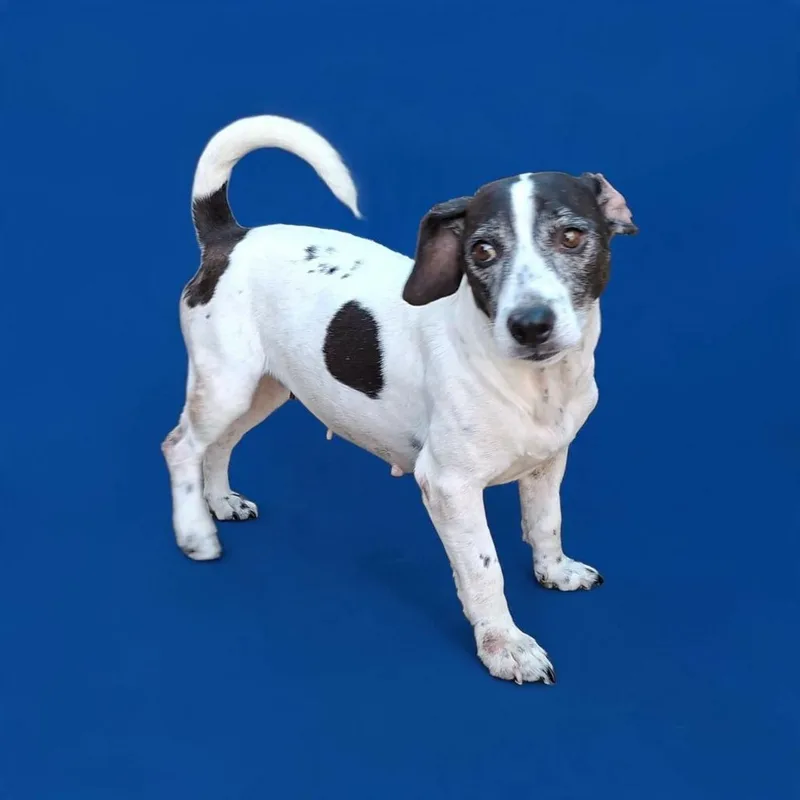
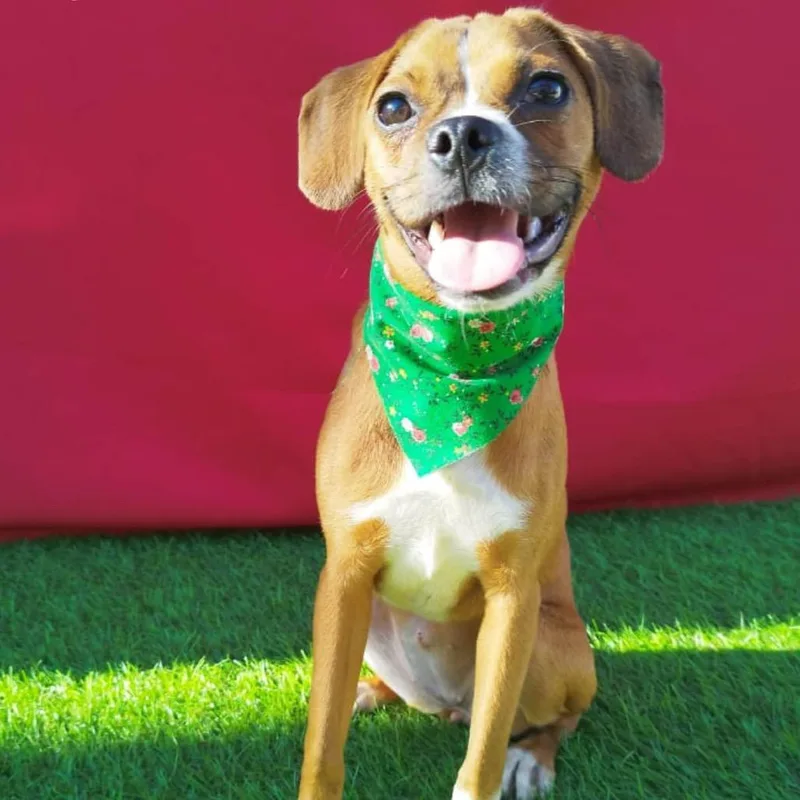
Mastiffs Available for Adoption Near San Diego

About the Mastiff breed

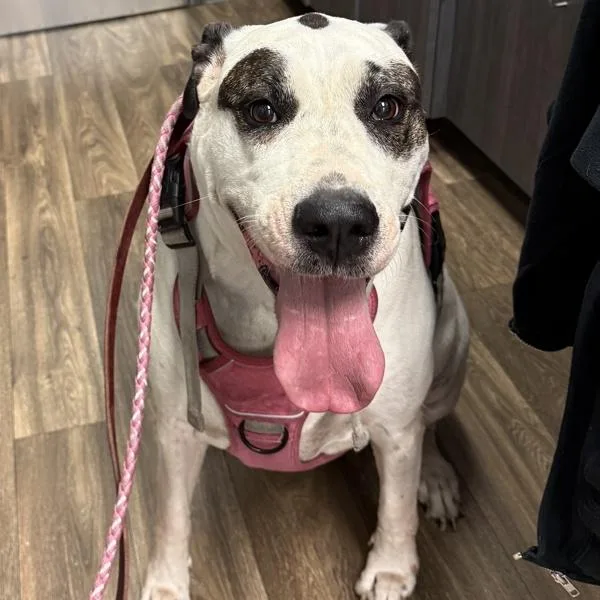
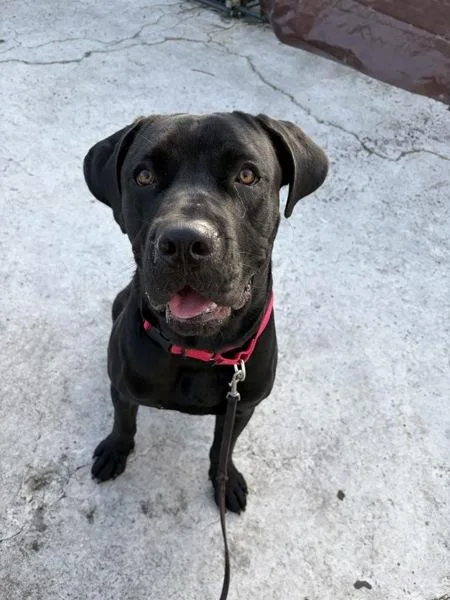
The Mastiff, often called the English Mastiff, is a massive, heavy-boned guardian with a broad head, a dark mask and a short fawn, apricot or brindle coat. Large guard dogs have lived in Britain for centuries, and the modern breed took shape in the 1800s before nearly disappearing after World War II.

Most Mastiffs are calm, dignified and gentle at home, with a quiet watchfulness toward visitors. They tend to be couch-loving rather than athletic, but their size changes everything. A dog of 120 to 230 pounds needs early training, sturdy gear and a budget for giant-breed food and vet care. Expect drool, moderate shedding and a shorter lifespan, often six to ten years. Mastiffs vary, so spend time with a dog before deciding.

Weight
120–230 lbs
Height
27–36 in
Lifespan
6–10 yrs
Temperament
Gentle, Dignified, Protective
Group
Working
Shedding
Moderate

Owning a Mastiff in San Diego

Having a Mastiff in San Diego

A Mastiff's steady nature comes in one of the heaviest bodies in the dog world. These cards cover how that size shapes exercise, health and housing in San Diego, so you can judge whether a giant guardian fits your home and daily routine.

Temperament

Mastiffs tend to be calm, affectionate and loyal with family, and many are patient with respectful children. They're naturally watchful and often aloof with strangers, so early socialization helps in a busy city. Use reward-based training from the start, because a stubborn adult this heavy can't be managed physically. Temperament varies from dog to dog.
Exercise Needs

Most adult Mastiffs do well with a daily walk or two and relaxed play rather than long runs. City parks, canyons and trails here require leashes of eight feet or less, which suits a slow, sniffing stroll. Keep outings short and shaded in warm weather, and limit stairs and jumping for puppies.

Health Considerations

Mastiffs are prone to hip and elbow dysplasia, bloat, obesity and bone cancer, and some develop heart or eye problems. Bloat is an emergency, so learn its signs: a swollen belly, retching with nothing coming up, restlessness. Keep the dog lean, and have a veterinarian check the hips and heart. Giant breeds age faster, so plan regular vet visits.

Living Space

Mastiffs are quiet indoors, and either a house with a yard or an apartment with an elevator can work. Fewer stairs and a floor with room to sprawl make life easier. Plan for a giant crate, a sturdy car setup and drool towels. A Mastiff should live indoors with the family, not out in a yard.

What it costs to own a Mastiff in San Diego

ExpenseTypical costPer year
Adoption fee$495, one time$495 in year one
Food$80 to $160 per month$960 to $1,920
Pet insurance$85 to $170 per month$1,020 to $2,040
Routine vet care$250 to $500 per year$250 to $500
Other*$590 to $1,690 per year$590 to $1,690
Estimated yearly total (after year one)$2,820 to $6,150
First-year total (with adoption fee)$3,315 to $6,645

Adoption fee is the fee on Mastiff listings in San Diego on GetBuddy today. Other costs are estimates and vary with size, age and health.

* The $20 San Diego dog license for a spayed or neutered dog, giant-dose flea, tick and heartworm prevention, a dental cleaning, durable toys and bedding, basic coat care and joint supplements.

Adopt a Mastiff in San Diego.

Now that you know more, let’s find you a new best friend. These rescues and shelters below currently have Mastiffs available.

Rescues in San Diego with Mastiffs Available

San Diego's shelters and rescues list dogs of every size, so Mastiffs and other giant breeds may show up among them. Here are the rescues & shelters in the San Diego area where you can find Mastiffs and other dogs available for adoption.

Frequently Asked Questions

Yes. San Diego's animal rules don't single out Mastiffs, and California law limits breed-specific rules to spay/neuter and breeding programs, so a Mastiff is treated like any other dog. The practical hurdles are licensing, which applies once a dog is four months old, and housing, since landlords can set their own size limits. Confirm your lease allows a dog this size before you commit.

Yes, with some care. San Diego summers are mild, with highs averaging about 75°F at the coast and around 79°F inland, but a giant dog with a short muzzle can still overheat. The warmest weather comes from August through October, especially inland. Walk at dawn or after dark, offer shade and water, and keep your Mastiff indoors on hot afternoons.

Yes, if the building allows a dog this size. Mastiffs are quiet and calm indoors, so noise is rarely the issue; weight limits and stairs are. Look for a ground-floor unit or an elevator, wide hallways and a short route to grass, and ask landlords about size limits upfront. A pet resume with training and vaccine records strengthens your application.

Balboa Park has two 24-hour off-leash areas, Nate's Point and Morley Field, and Dog Beach in Ocean Beach is leash-free around the clock. For trails, Mission Trails Regional Park and Los Peñasquitos Canyon Preserve work for leashed walks, with an eight-foot leash maximum. Go early so your Mastiff stays cool. Torrey Pines State Natural Reserve doesn't allow dogs.

Very little. A weekly brushing handles the short coat, with a bit more during moderate shedding. San Diego's mild climate doesn't change that, and no clipping is needed. Wipe drool and facial folds regularly, trim nails, and bathe as needed. Basic coat care is already part of the yearly Other costs shown on this page.

Almost certainly not. MTS buses and the Trolley require non-service animals to ride in an enclosed carrier small enough to hold on your lap, which rules out a Mastiff. Service animals are welcome. Operators can also refuse a noisy or disruptive animal, so plan on traveling by car for vet visits and outings.

Only to patios where the restaurant chooses to allow dogs. California law permits pet dogs in outdoor dining areas that have a separate entrance, but not indoors, except service animals. A Mastiff needs a leash, a spot out of the walkway and a calm lie-down, so choose roomy patios. Ask before you go, since each restaurant decides.

A Mastiff is a giant working dog from Britain, also known as the English Mastiff, bred for centuries as a guardian of homes and estates. Males stand at least 30 inches at the shoulder and many weigh over 160 pounds. The breed is known for a massive head, a black mask, a short coat and a calm, dignified, good-natured temperament.

We have 4 rescues with Mastiffs available, including San Diego Humane Society, Second Chance Dog Rescue and Amazing Strays Rescue. You can see every rescue with Mastiffs available in the list above these questions, or scroll to the top to see the Mastiffs near San Diego.

Expect roughly $2,820 to $6,150 a year for a Mastiff in San Diego. That covers food at $80 to $160 a month, insurance at $85 to $170 a month, routine vet care at $250 to $500 a year, and $590 to $1,690 a year in other costs. Emergencies such as bloat can push the total higher.