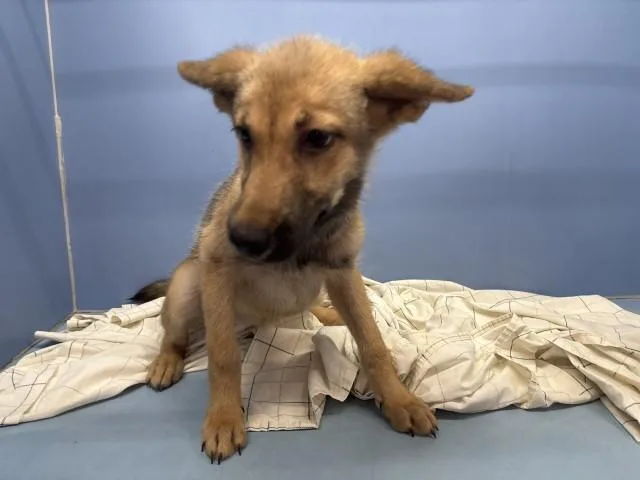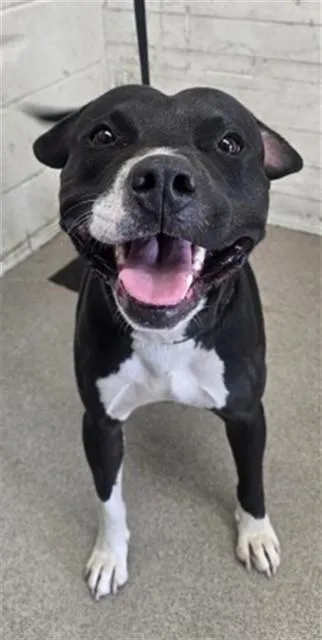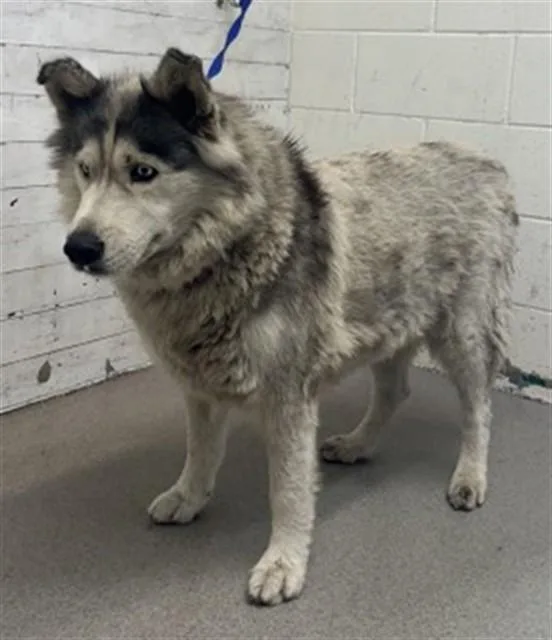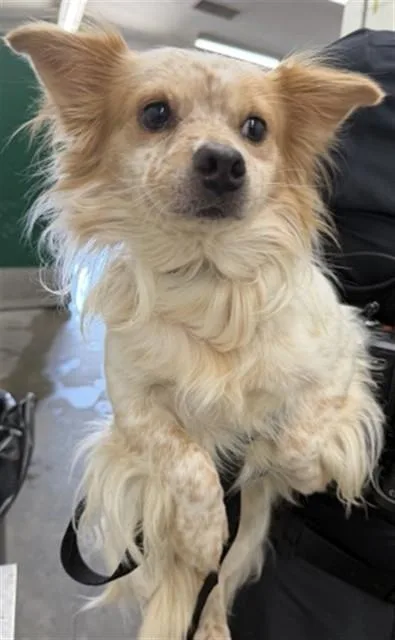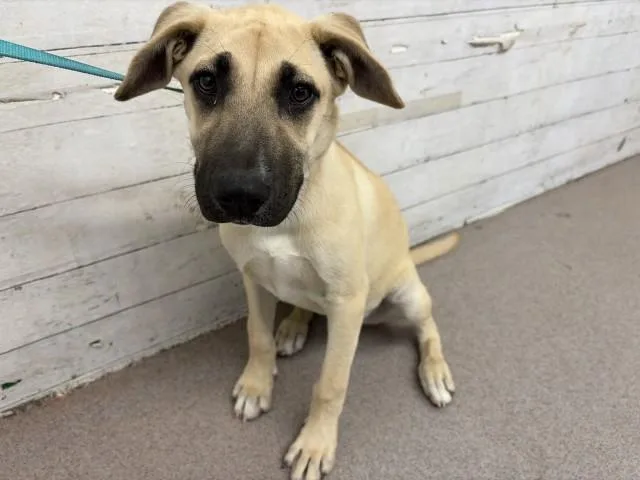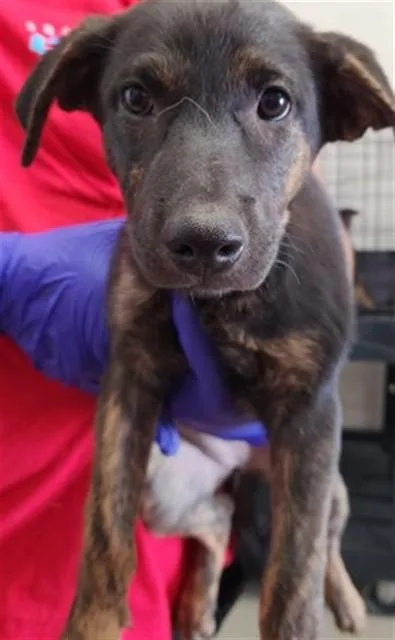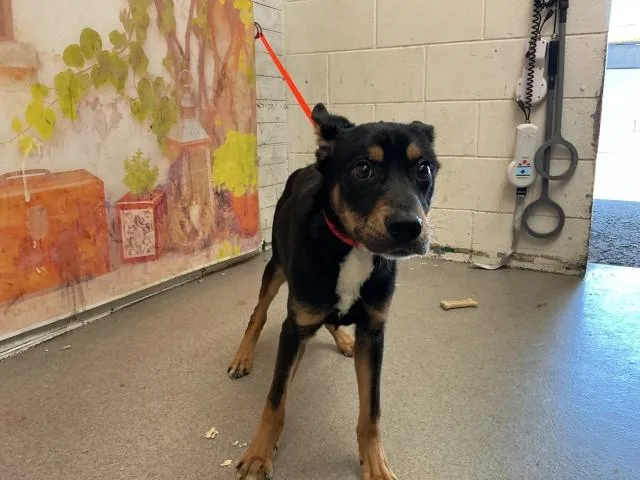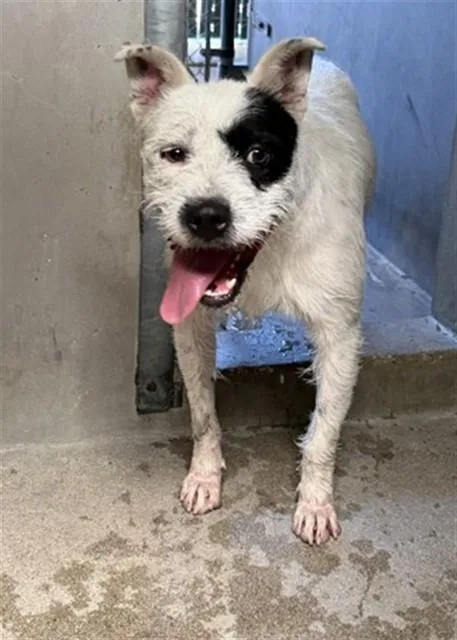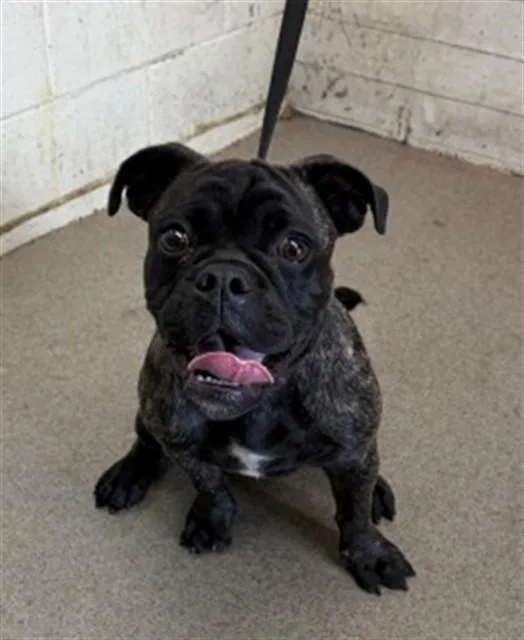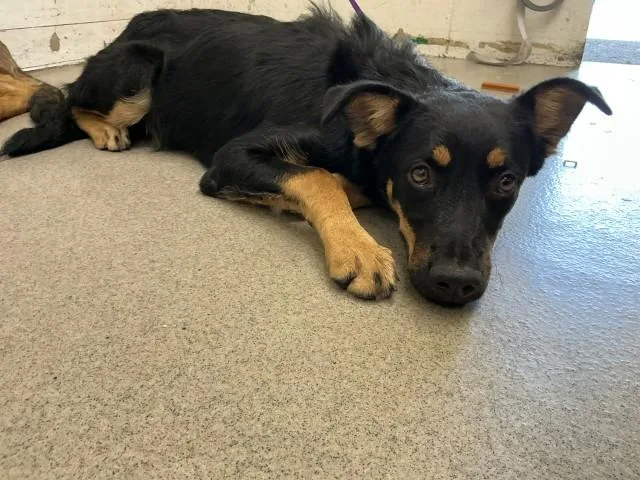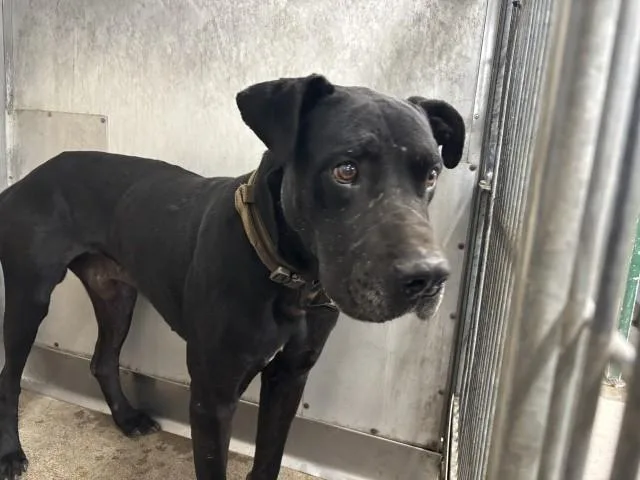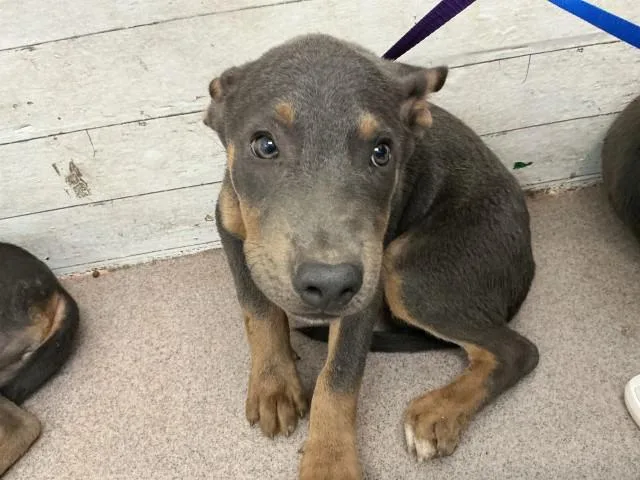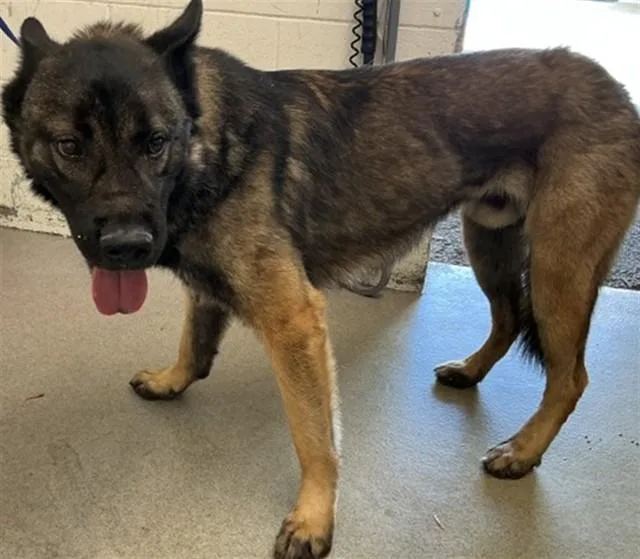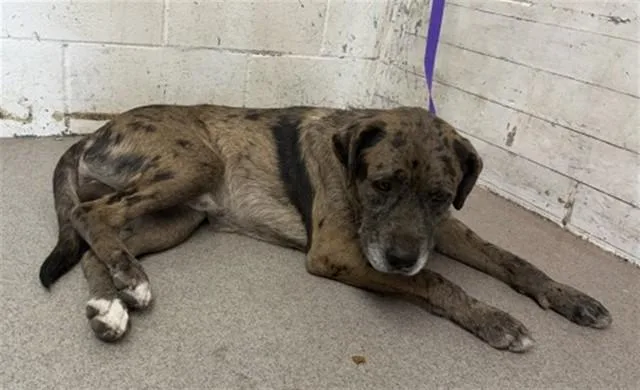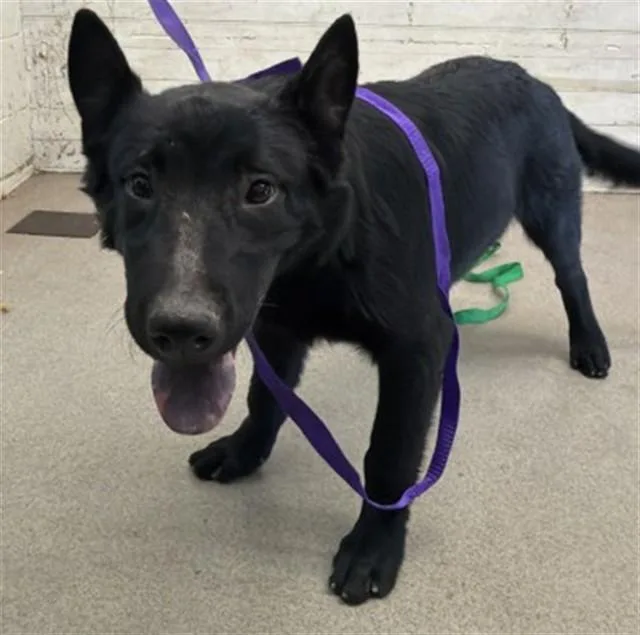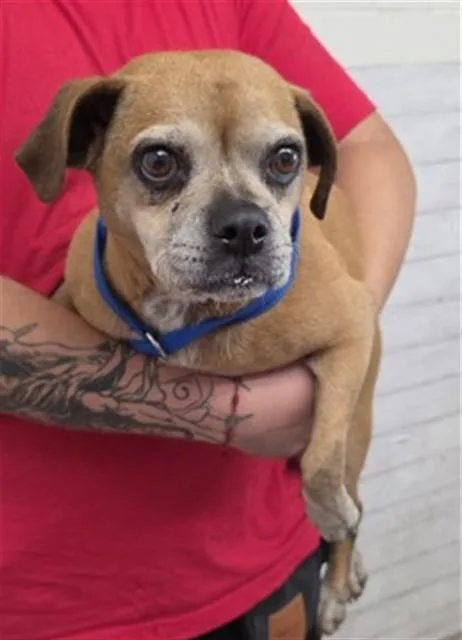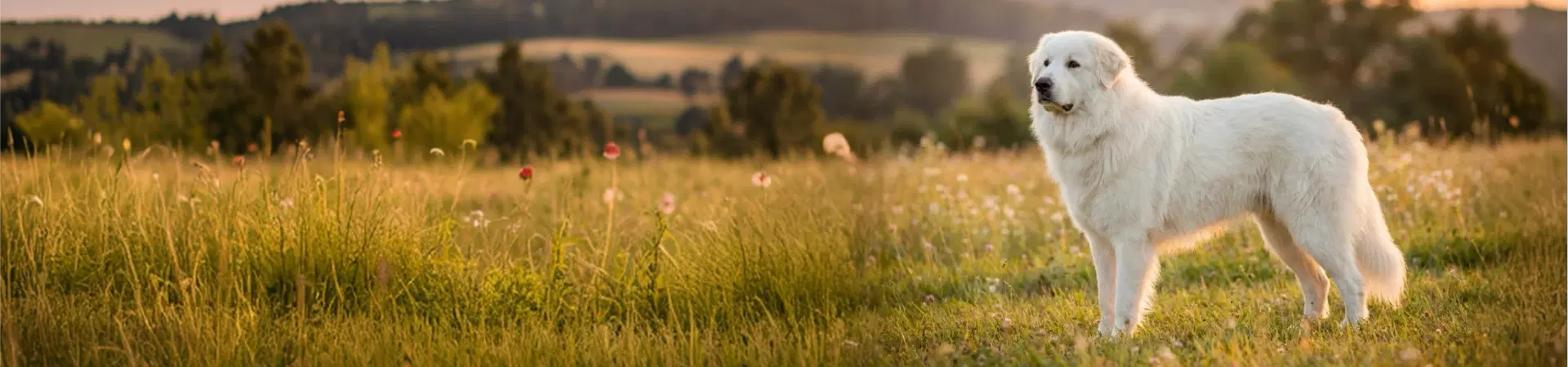

Great Pyrenees dog

Great Pyrenees Dogs for Adoption in San Bernardino, CA

Your guide to finding and caring for a Great Pyrenees in San Bernardino

A Great Pyrenees fits best in San Bernardino's larger-lot neighborhoods, where a fenced yard gives it room to patrol. Muscupiabe's single-family homes on big lots suit a dog that guards its territory and barks at night, while Verdemont's hilly streets make for slow, steady evening walks. Pyrs are calm giants, but they shed heavily and want shade once the valley afternoons pass 90 degrees. An apartment is possible, though it takes a quiet building and a patient owner.

11 Great Pyrenees available for adoption in San Bernardino

Open your home to a Great Pyrenees

Great Pyrenees Available for Adoption in San Bernardino

About the Great Pyrenees breed

The Great Pyrenees is a centuries-old livestock guardian from the mountains between France and Spain, bred to stay with a flock and drive off predators without being told what to do. That history explains the look: a giant, thickly coated white dog, often with gray, tan or badger markings, a plumed tail and double dewclaws on the hind legs.

In San Bernardino, the same traits shape daily life. Most Pyrs are gentle and devoted at home, yet independent about training and quick to bark at anything unusual after dark, which matters near close neighbors. Their double coat sheds heavily and insulates against heat as well as cold. Pyrs vary, but many are happiest with a calm routine, a secure yard and a cool floor to sprawl on.

Weight
85–120 lbs
Height
25–32 in
Lifespan
10–12 yrs
Temperament
Calm, Protective, Independent
Group
Working
Shedding
High

Owning a Great Pyrenees in San Bernardino

Having a Great Pyrenees in San Bernardino

Great Pyrenees are patient giants with strong guarding instincts. In San Bernardino, the biggest factors are a secure yard, shade through the long hot season, and a plan for heavy shedding and nighttime barking.

Temperament

Many Pyrs are gentle and affectionate with their household, yet reserved with strangers and watchful after dark. In San Bernardino's neighborhoods, expect barking at passersby, wildlife or the fireworks around July 4. Early socialization and patient, reward-based training help, though a Pyr's independence means obedience is never automatic, and each dog differs.
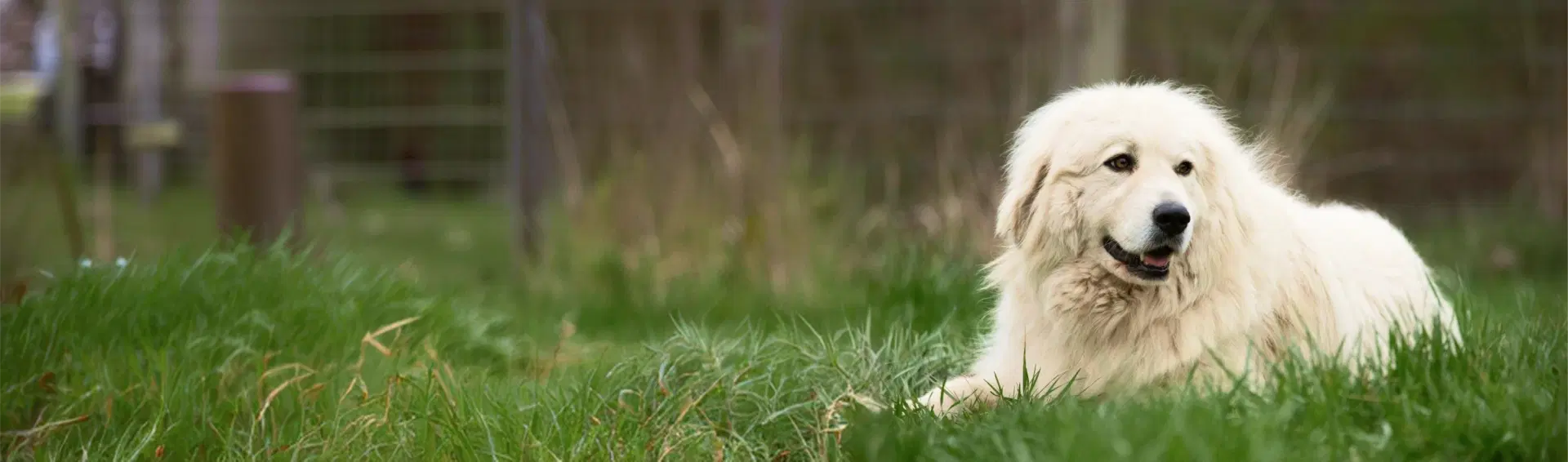
Exercise Needs

Daily walks and time patrolling a fenced yard usually satisfy a Pyr. In summer, walk in the early morning or late evening, when San Bernardino cools toward 60°F. Cooler months suit longer outings, such as a leashed loop at Perris Hill Park. Keep the dog on a leash, since many Pyrs roam.

Health Considerations

Giant breeds like the Pyr can face hip and elbow dysplasia, kneecap luxation, bloat and bone cancer. Feed several smaller meals, avoid hard exercise around them, and keep the dog lean. In San Bernardino, year-round flea, tick and heartworm prevention and heatstroke awareness matter, and rattlesnakes near foothill trails call for a leash.

Living Space

Single-family homes with fenced yards, common in Muscupiabe and Verdemont, suit a Pyr best. An apartment can work for a calm adult if the building tolerates barking and the dog gets daily walks. Expect white hair on everything and a dog that seeks out cool tile or shade.

What it costs to own a Great Pyrenees in San Bernardino

ExpenseTypical costPer year
Food$80 to $160 per month$960 to $1,920
Pet insurance$85 to $170 per month$1,020 to $2,040
Routine vet care$250 to $500 per year$250 to $500
Other*$699 to $1,874 per year$699 to $1,874
Estimated yearly total (after year one)$2,929 to $6,334

Other costs are estimates and vary with size, age and health.

* The $24 San Bernardino license for a spayed or neutered dog, flea, tick and heartworm prevention, a dental cleaning allowance, brushing and baths for heavy shedding, toys and bedding, and joint supplements.

Great Pyrenees dog

Adopt a Great Pyrenees in San Bernardino.

Now that you know more, let’s find you a new best friend. These rescues and shelters below currently have Great Pyrenees available.

Rescues in San Bernardino with Great Pyrenees Available

San Bernardino's city shelter and local rescue groups work to match dogs with homes, including giant breeds like Pyrs. Here are the rescues & shelters in the San Bernardino area where you can find Great Pyrenees and other dogs available for adoption.

Frequently Asked Questions

Yes, you can own a Great Pyrenees in San Bernardino, since the city has no breed ban. You'll need a city dog license within 30 days of the dog turning four months old or of your move, plus spay or neuter status unless exempt. Dogs must be leashed outside designated off-leash areas, and a household can have up to three dogs.

Yes, with precautions. A Great Pyrenees can handle San Bernardino summers if it has shade, water and cool indoor time, but the thick coat makes hot afternoons tiring. Highs often reach the mid-90s from July through September. Walk at dawn or after sunset, rest indoors from about 10 a.m. to 4 p.m., and watch for heavy panting, drooling or lethargy.

Wildwood Park has the city's off-leash dog park, with three fenced areas, at 40th Street and Waterman Avenue. A Pyr may prefer leashed walks at Perris Hill Park, the Shandin Hills trails near Blair Park, or the paved Santa Ana River Trail from Waterman Avenue. Go early in summer, and keep the dog leashed on foothill trails, where rattlesnakes live.

It's possible, but not ideal. A calm adult Great Pyrenees can settle indoors, yet its size, nighttime barking and heavy shedding can strain apartment life, and San Bernardino's noise code covers animals whose frequent barking disturbs neighbors. A ground-floor unit near grass, daily walks and consistent training make it more workable. Many Pyrs do better in a home with a fenced yard.

A Great Pyrenees needs brushing about weekly, and more often during heavy seasonal sheds. The coat resists dirt, so full baths are occasional. In San Bernardino's dry heat, brushing out loose undercoat helps the dog stay comfortable. Budget for brushes, baths and occasional grooming, which fall within the $699 to $1,874 yearly Other costs listed on this page.

Mostly not. Omnitrans buses and sbX allow pets only in a secure carrier that fits on your lap, which rules out a Great Pyrenees unless it's a service animal. Metrolink and Arrow trains allow only small pets in ventilated carriers, so they're out too. Plan on driving to vet visits and to walks farther from home.

Possibly, but it's up to each restaurant. California law lets restaurants choose to allow leashed dogs in outdoor dining areas that have a separate entrance, so a Great Pyrenees can't just walk onto any patio. A giant dog needs space under the table and calm manners, so practice settling first. Dogs can't sit on chairs, and staff won't handle them.

A Great Pyrenees is a giant livestock guardian dog from the Pyrenees mountains between France and Spain, bred to protect sheep from predators. It has a thick, weather-resistant white coat, often with gray, tan or badger markings, and double dewclaws on its hind legs. Many are calm, gentle and devoted to family, yet independent and watchful.

We have 1 rescue with Great Pyrenees available: Great Pyrenees Assoc. of So. CA Rescue Inc.. You can see every rescue with Great Pyrenees available in the list above these questions, or scroll to the top to see the Great Pyrenees in San Bernardino.

Plan on roughly $2,900 to $6,300 a year for a Pyr: $80 to $160 monthly for food, $85 to $170 monthly for insurance, $250 to $500 yearly for routine vet care, and $699 to $1,874 for other costs such as the license, prevention, dental care and grooming. Giant-breed food and insurance drive the total.