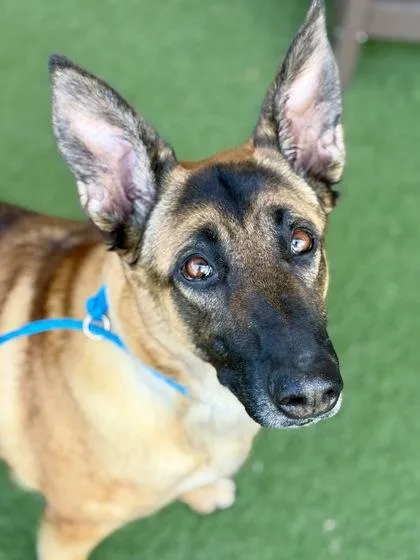
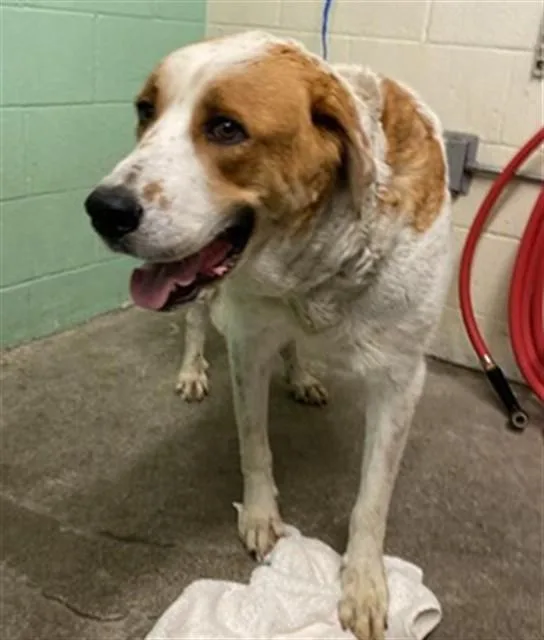
Australian Cattle Dog / Blue Heelers for Adoption in Sacramento, CA

Your guide to finding and caring for an Australian Cattle Dog / Blue Heeler in Sacramento

Blue Heelers suit Sacramento households that are outdoors every day. In North Natomas, the dog parks at North Natomas Regional Park come with agility equipment, and River Park is wrapped by the American River and its trails. Heelers need that kind of daily work, plus training games for their sharp minds. Summer afternoons are too hot for hard runs, so most Heeler exercise here happens early in the morning, before the pavement heats up.

4315 Australian Cattle Dog / Blue Heelers available in Sacramento and nationwide

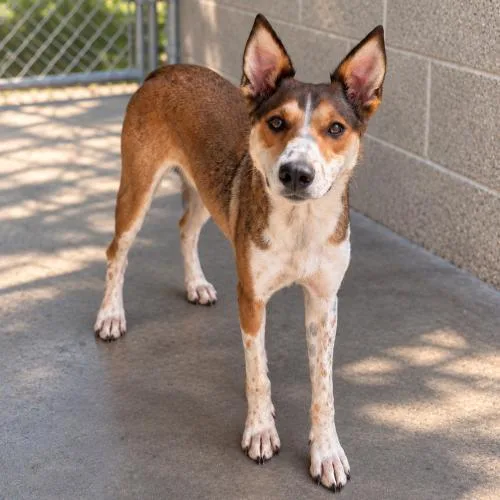
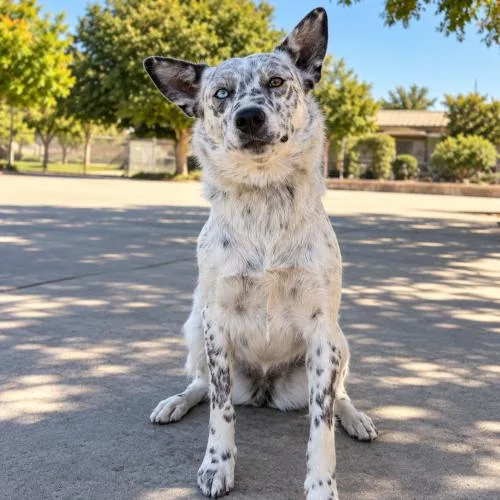
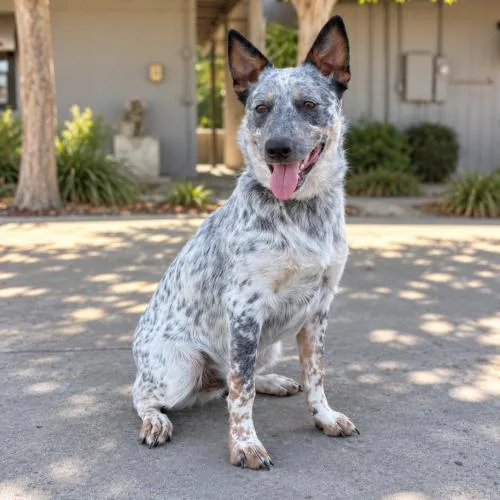
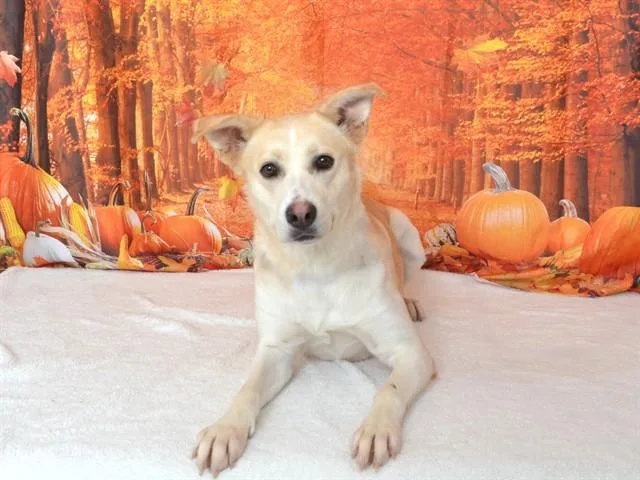
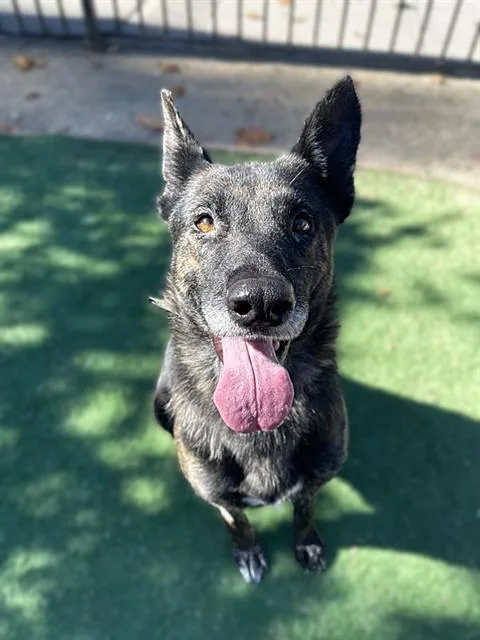
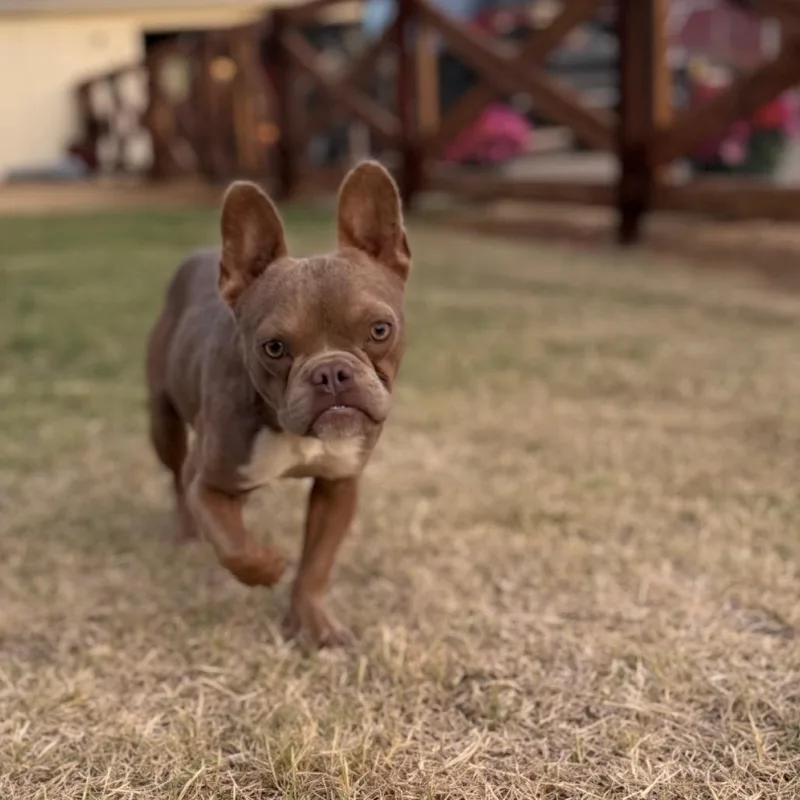
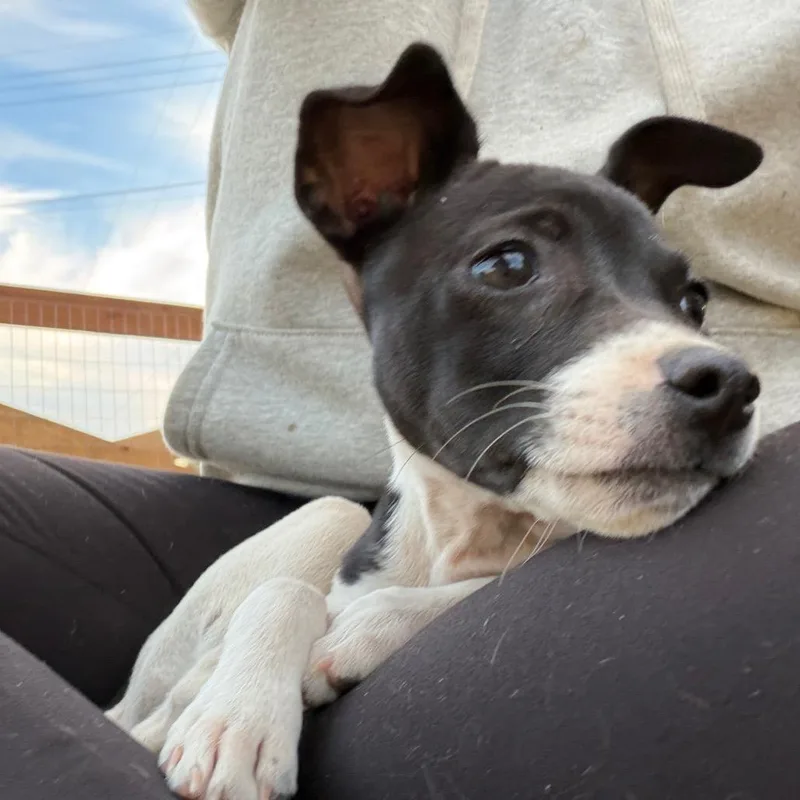
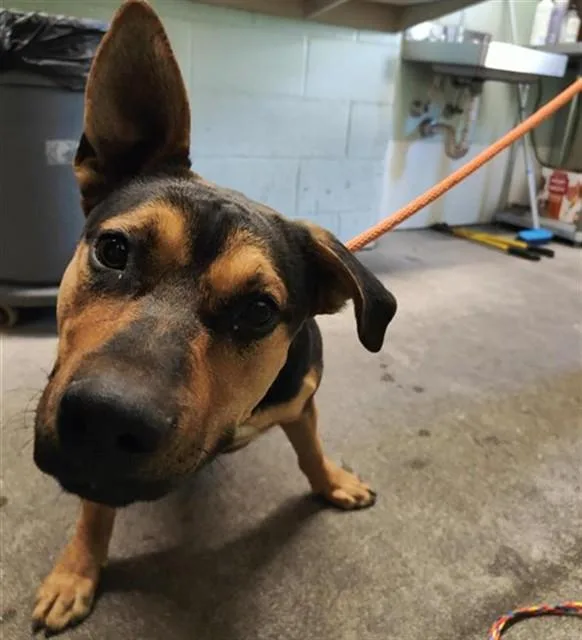
Say hello to your Blue Heeler

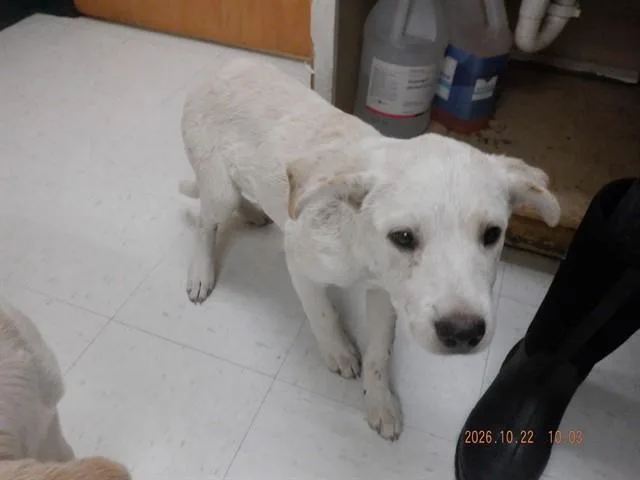
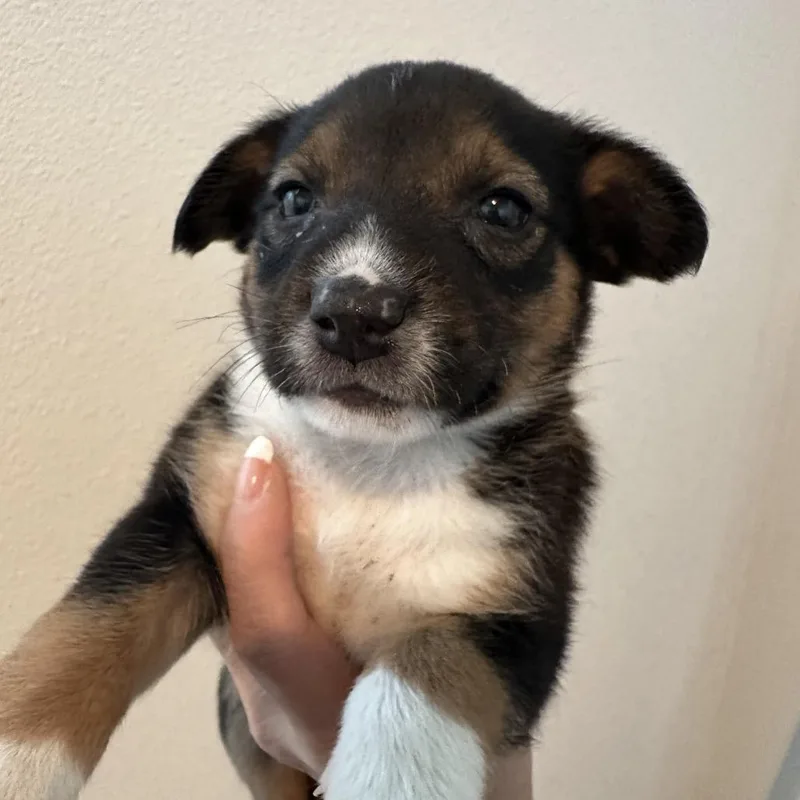
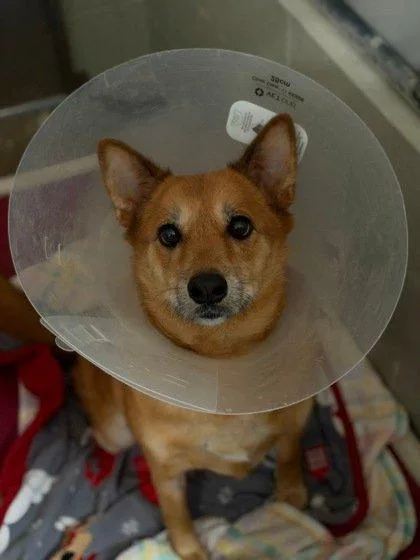
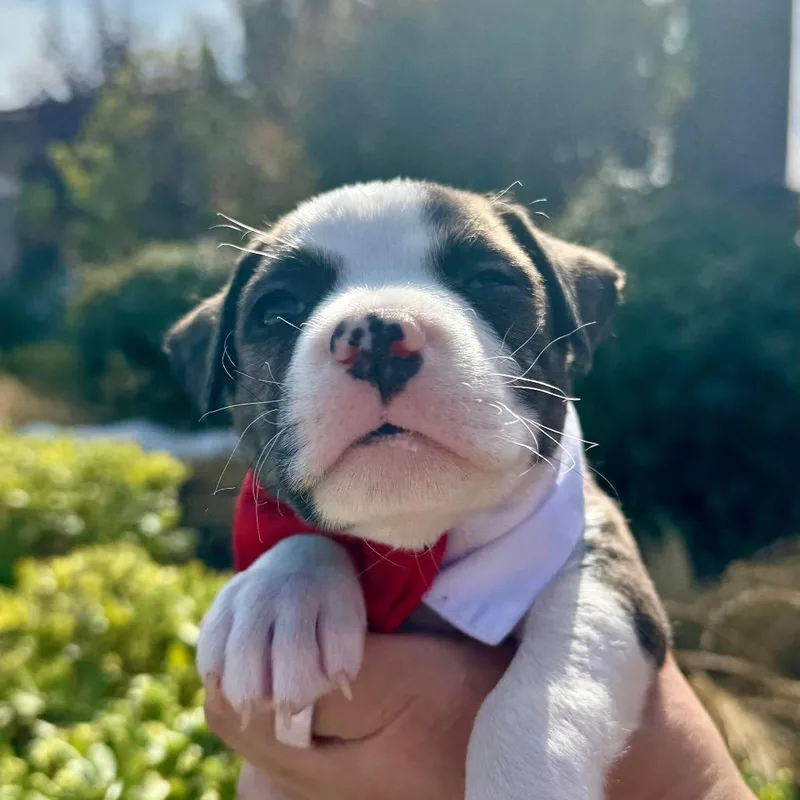
Australian Cattle Dog / Blue Heelers Available for Adoption Near Sacramento

About the Australian Cattle Dog / Blue Heeler breed

Australian Cattle Dogs, widely called Blue Heelers or Queensland Heelers, were developed in nineteenth-century Australia to drive half-wild cattle across long distances in heat and dust. Settlers crossed collie-type herding dogs with dingoes to create a tough, quiet worker. The result is a compact, muscular dog of about 35 to 50 pounds, with a weatherproof short coat in blue or red speckle.

Heelers tend to be loyal, alert and clever, often attaching to one person and staying wary of strangers. Their herding urge can show up as nipping at heels or chasing bikes, joggers and other pets, which matters on busy Sacramento paths. With training and a real outlet for their drive, many make devoted companions, and lifespans of 12 to 16 years mean adopting one is a long commitment.


Weight
35–50 lbs
Height
17–20 in
Lifespan
12–16 yrs
Temperament
Energetic, Intelligent, Loyal, Alert
Group
Herding
Shedding
Moderate

Owning an Australian Cattle Dog / Blue Heeler in Sacramento

Having an Australian Cattle Dog / Blue Heeler in Sacramento

Sacramento's hot summers, open river trails and mix of houses and rentals make a Heeler's stamina the thing to plan around. Size is easy to accommodate here; the need for daily work is not, so the right routine matters more than the floor plan.

Temperament

Heelers tend to be loyal, alert and confident, often bonding closely with one person and staying reserved with strangers. In busy Sacramento dog parks and bike-heavy trails, that can mean herding-style nipping at heels or chasing. Early socialization and reward-based training help, though drive varies a lot from dog to dog.

Exercise Needs

Most Heelers need vigorous daily exercise plus mental work. In Sacramento that can mean early runs on the American River Parkway on a leash of six feet or less, fetch at a fenced dog park, or agility and scent games at home. A walk around the block rarely satisfies a young Heeler.

Health Considerations

Heelers are often long-lived, but documented concerns include congenital deafness, progressive retinal atrophy, primary lens luxation and hip and elbow dysplasia. A veterinarian can test hearing, check eyes and joints, and advise on screening. In Sacramento, heat and wildfire smoke days also call for extra care during hard exercise.

Living Space

Heelers do best in homes with a securely fenced yard and owners who spend time outdoors, though daily activity matters more than square footage. Apartments are possible with long daily exercise and training. They're alert watchdogs, so expect barking at passersby and a dog that wants to stay close to you.

What it costs to own an Australian Cattle Dog / Blue Heeler in Sacramento

ExpenseTypical costPer year
Food$35 to $70 per month$420 to $840
Pet insurance$55 to $100 per month$660 to $1,200
Routine vet care$225 to $450 per year$225 to $450
Other*$440 to $1,190 per year$440 to $1,190
Estimated yearly total (after year one)$1,745 to $3,680

Other costs are estimates and vary with size, age and health.

* The city dog license, flea, tick and heartworm prevention, a dental cleaning allowance, durable toys and bedding, and light home grooming for a short coat.

Adopt an Australian Cattle Dog / Blue Heeler in Sacramento.

Now that you know more, let’s find you a new best friend. These rescues and shelters below currently have Australian Cattle Dog / Blue Heelers available.

Frequently Asked Questions

Usually, yes, with sensible routines. Highs sit in the low 90s and about 14 days a year top 100, but nights cool into the upper 50s. Exercise at dawn or after dark, provide shade and water, and keep your Heeler indoors during peak heat. Heavy panting, drooling or lethargy can signal heatstroke, which needs a veterinarian right away.

Heelers with energy to burn do well at fenced city dog parks such as Partner Park in South Land Park, Bannon Creek in South Natomas and Sutter's Landing on the river. Rangers have warned about coyotes near Paradise Beach on the American River Parkway, so keep your Heeler on a leash of six feet or less there. City dog parks require a license tag on the collar.

It can, if you commit to long daily exercise and training. A bored Heeler in a unit often chews or barks, and alert dogs may react to every hallway sound. Persistent barking is a noise-ordinance issue in Sacramento. Choose a quieter unit, schedule runs before the heat, and keep puzzle toys ready for rainy days.

Yes. California law bars breed-specific bans, and Sacramento has none. Beyond the license and rabies vaccine, two state rules matter for Heelers: tying a dog to a stationary object is limited to three hours in 24, and leaving a dog in a hot car is an offense. Heelers do best indoors with their people anyway.

Mostly no. SacRT buses and light rail allow only trained service animals or pets in a sealed, secure carrier that fits on the rider's lap. Emotional support animals count as pets. A grown Heeler of 35 to 50 pounds won't fit in a carrier, so plan on driving or walking unless your dog is a trained service animal.

Sometimes, on patios only. California law lets restaurants choose to allow leashed dogs in outdoor dining areas with a separate entrance, so access is up to each restaurant, and dogs aren't allowed inside. Heelers can be wary of strangers, so bring a mat, keep your dog leashed under the table and pick a quiet time.

Very little. The short double coat needs brushing about once a week at home, more often during spring and fall shedding. Bathe only when dirty, and never shave a Heeler for summer, since the coat helps insulate against heat. Any groomer visits fit within the yearly other costs, which assume light home grooming.

Blue Heelers typically live about 12 to 16 years, and a recent UK study put the breed's average life expectancy at about 14 years, longer than many purebreds. A famous Australian Cattle Dog named Bluey reportedly lived over 29 years, though such records are hard to verify. Staying lean and active and getting regular checkups support a long life.

We have 1 rescue with Australian Cattle Dog / Blue Heelers available: Sacramento SPCA. You can see every rescue with Australian Cattle Dog / Blue Heelers available in the list above these questions, or scroll to the top to see the Australian Cattle Dog / Blue Heelers near Sacramento.

Expect about $35 to $70 a month for food and $55 to $100 a month for pet insurance. Routine vet care runs roughly $225 to $450 a year, and other yearly costs add $440 to $1,190, covering parasite prevention, dental cleaning, license, toys and light grooming. A short-coated Heeler needs little professional grooming.