Miniature Pinscher Dogs for Adoption in Ramona, CA

Your guide to finding and caring for a Miniature Pinscher in Ramona

407 Miniature Pinschers available in Ramona and nationwide

Open your home to a Miniature Pinscher

While we don't have enough dogs near Ramona, keep in mind that many rescues may offer transport.

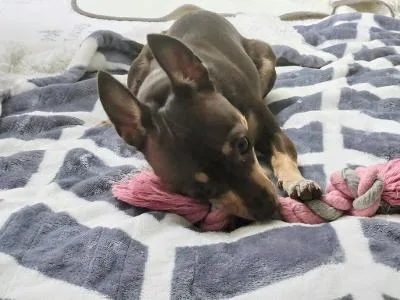
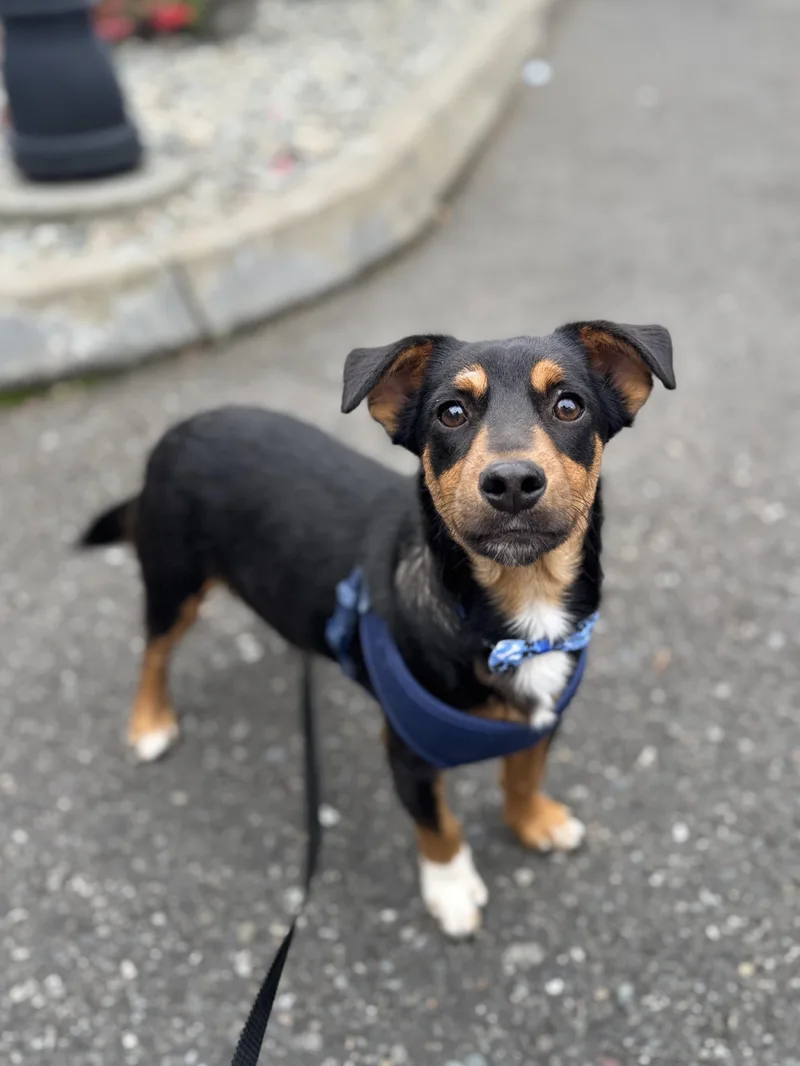
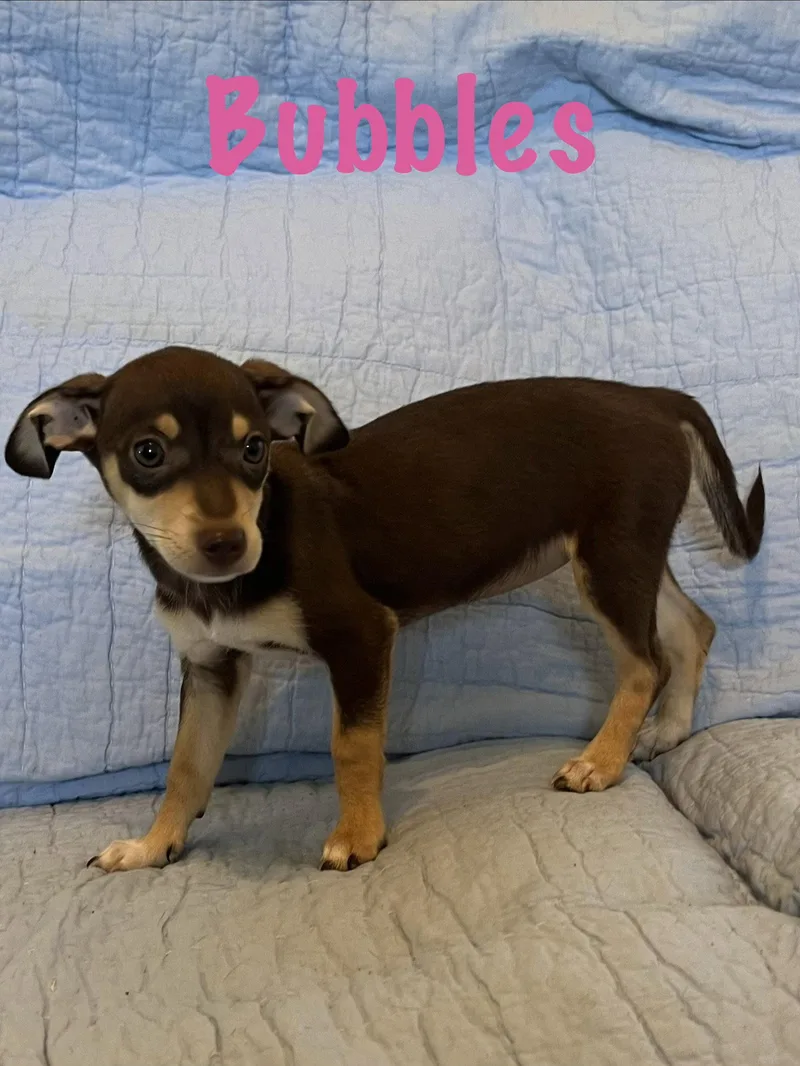
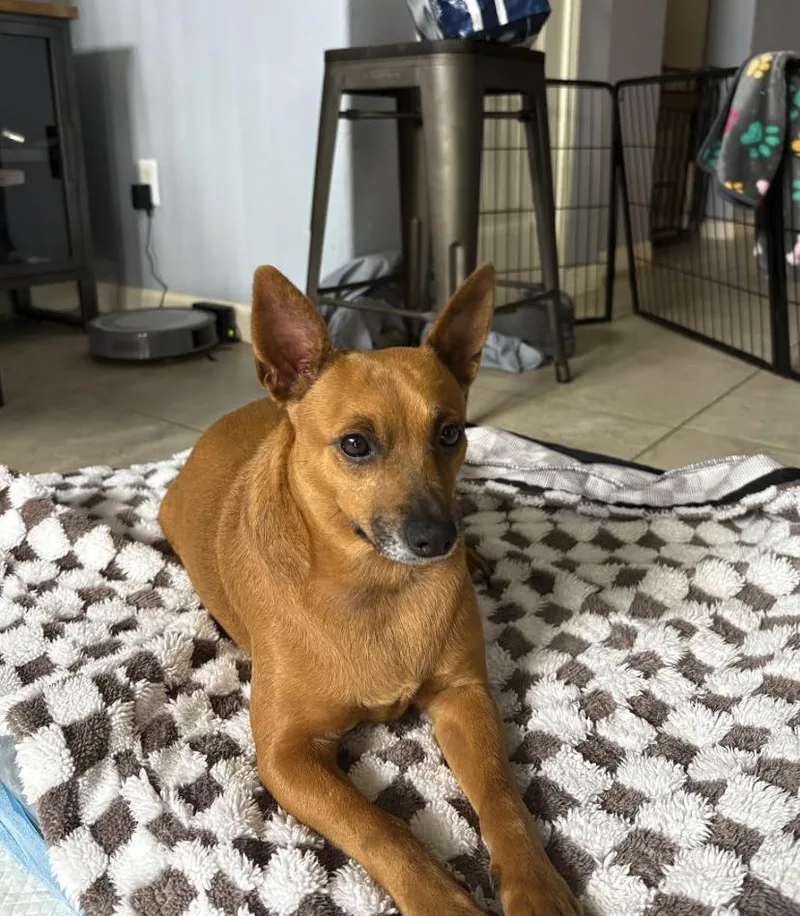
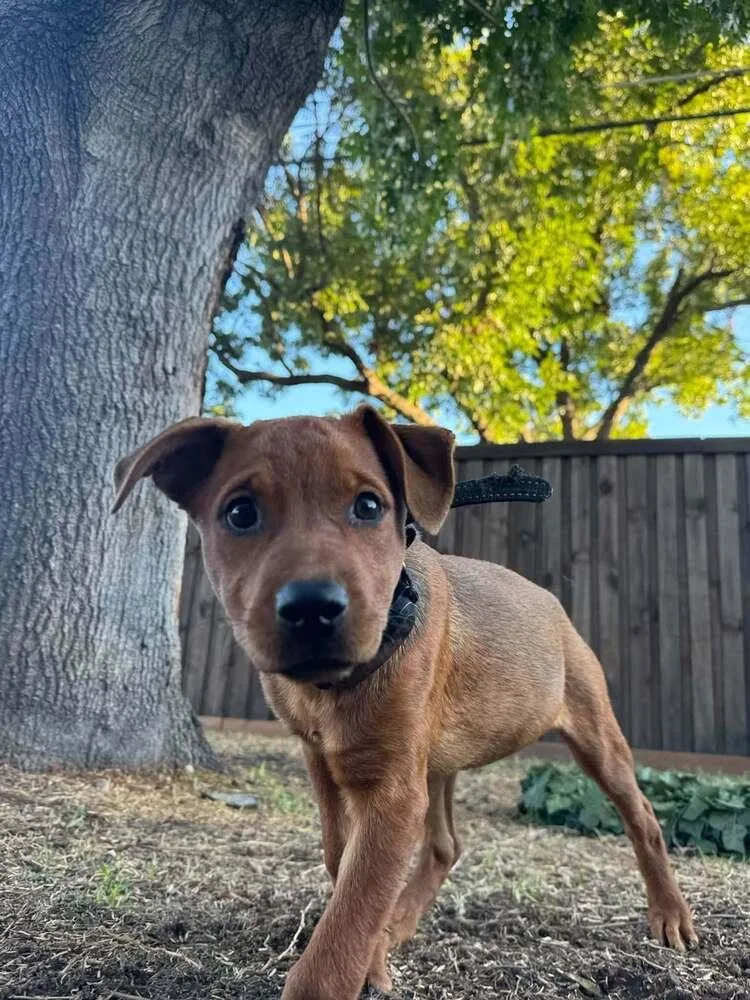
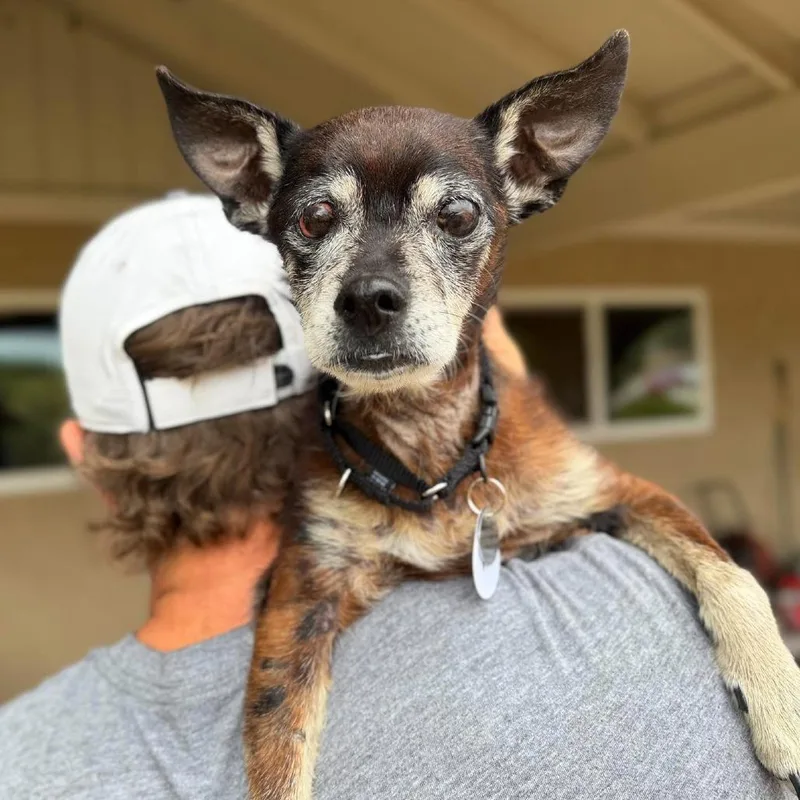
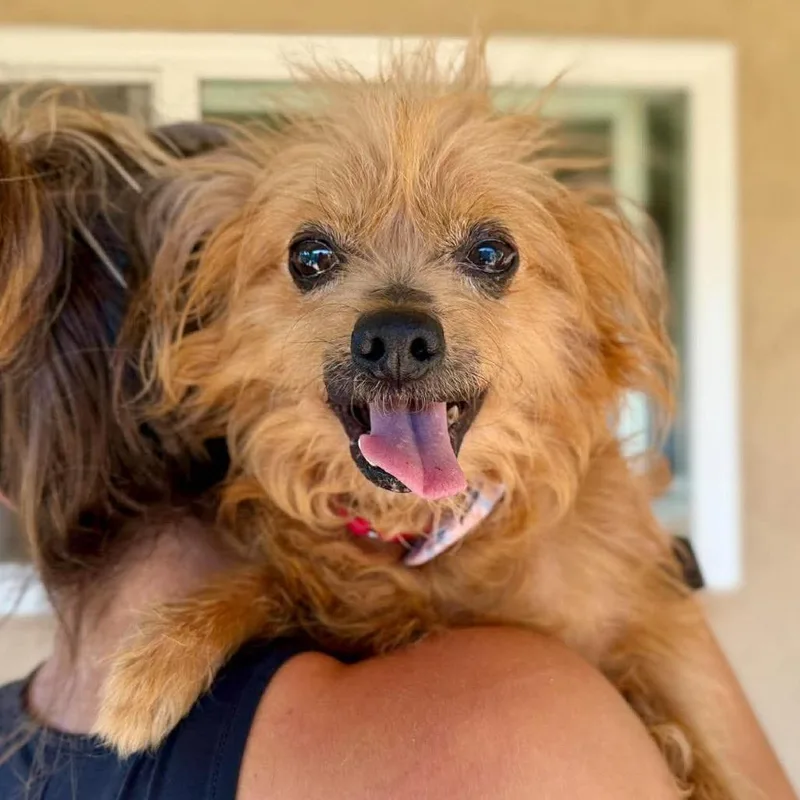
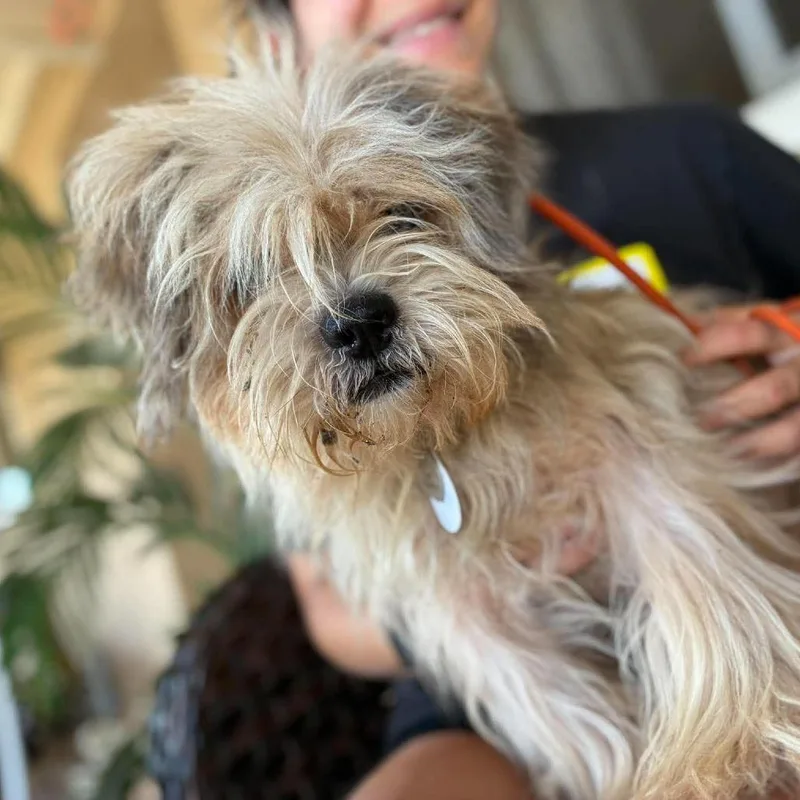
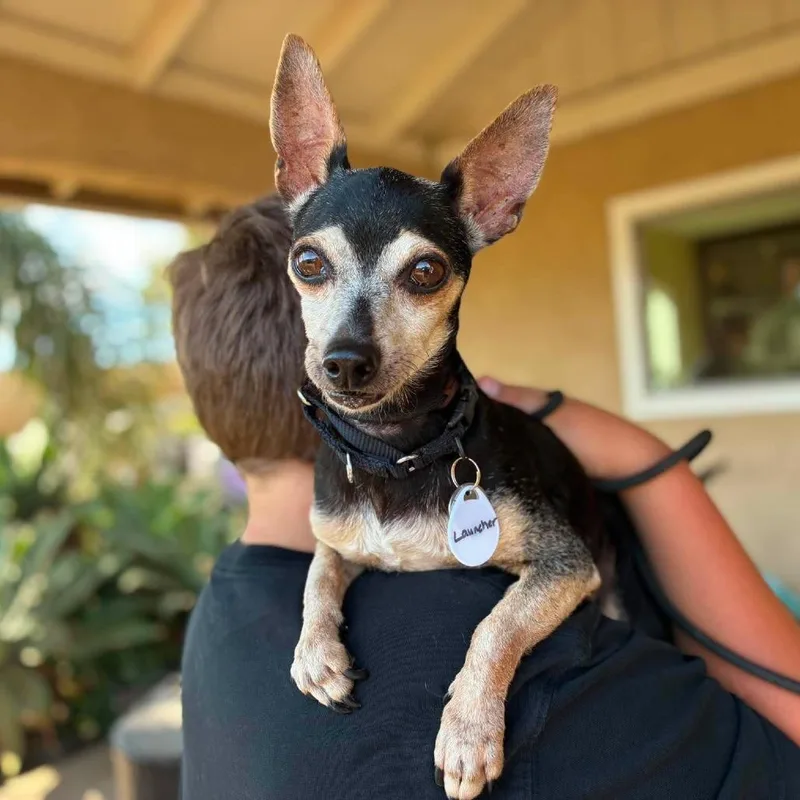
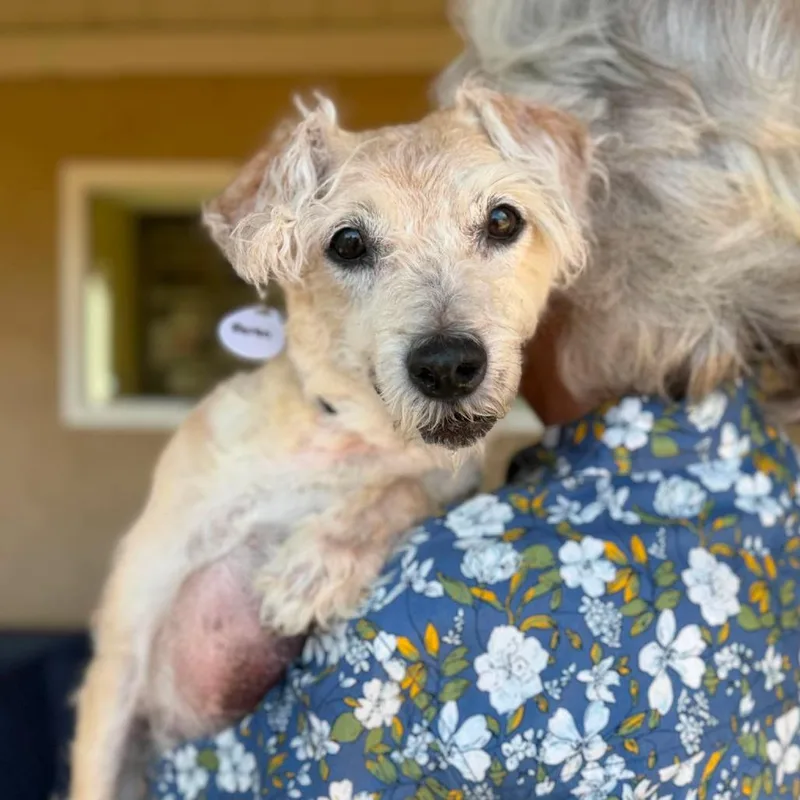
Miniature Pinschers Available for Adoption Near Ramona

About the Miniature Pinscher breed

Fans call the Miniature Pinscher the King of Toys, and the nickname fits a dog that struts with a high-stepping, hackney-like gait and acts far bigger than its 8 to 11 pounds. Despite its looks, the Min Pin is not a shrunken Doberman. It is an older German breed, developed as a quick, fearless ratter on farms and in stables, with a sleek, short coat in red, black and rust, or chocolate and rust.

Many Min Pins are lively, curious and full of confidence, with a strong prey drive and a talent for slipping through open doors or gaps in fences. They tend to bond closely with their people and may bark at strangers or boss other dogs around. Coat care is simple, but they need daily activity, secure containment, patient training and warm clothing in cold weather.

Weight
8–11 lbs
Height
10–13 in
Lifespan
12–16 yrs
Temperament
Spirited, Confident, Lively
Group
Toy
Shedding
Low to Moderate

Owning a Miniature Pinscher in Ramona

Having a Miniature Pinscher in Ramona

A Miniature Pinscher packs a ratter's energy and confidence into a tiny, sleek body. Its fearless attitude, need for activity, escape-artist habits and sensitivity to cold all shape whether a Min Pin suits your routine and household.

Temperament

Min Pins tend to be bold, inquisitive and loyal, often attaching strongly to one or two people. Many are wary of strangers, quick to bark and confident enough to challenge bigger dogs. Some show separation anxiety or resource guarding. Consistent, reward-based training and socialization help, and each rescue dog's history matters more than breed reputation.

Exercise Needs

Most Miniature Pinschers are energetic for their size and need daily walks plus active play such as fetch, tug or chasing a flirt pole. Puzzle toys, short training sessions and scent games keep their sharp minds busy. Because they are fast and prone to darting, exercise should happen on a secure harness or in fully fenced areas.

Health Considerations

Min Pins are often long-lived but can be affected by slipping kneecaps, Legg-Calvé-Perthes hip disease, progressive retinal atrophy, hypothyroidism and a rare inherited disorder called MPS VI. Dental disease is common in small mouths, and fine legs can fracture after falls. Schedule regular checkups and dental care.

Living Space

A Miniature Pinscher's small size suits apartments as well as houses, as long as it gets enough exercise and attention. Its barking and talent for escaping matter more than space: check fences for gaps, supervise yard time and teach door manners. A cozy bed, blankets and a sweater help this thin-coated dog stay warm.

What it costs to own a Miniature Pinscher

ExpenseTypical costPer year
Food$15 to $35 per month$180 to $420
Pet insurance$30 to $60 per month$360 to $720
Routine vet care$200 to $400 per year$200 to $400
Other*$540 to $1,390 per year$540 to $1,390
Estimated yearly total (after year one)$1,280 to $2,930

Other costs are national averages for Miniature Pinschers; we don't have costs specific to Ramona yet.

* A yearly dental cleaning allowance for a toy breed prone to dental disease, flea, tick and heartworm prevention, a dog license, toys and bedding, basic grooming, and a sweater or coat for cold weather; license fees vary by city.

Adopt a Miniature Pinscher in Ramona.

Now that you know more, let’s find you a new best friend. These rescues and shelters below currently have Miniature Pinschers available.

Frequently Asked Questions

A Miniature Pinscher is a small German toy breed, usually 10 to 12.5 inches tall and about 8 to 10 pounds, originally used to hunt rats on farms. Nicknamed the King of Toys, it has a sleek coat, a high-stepping gait and a bold, energetic personality. It is a separate, older breed rather than a miniature Doberman.

Miniature Pinschers were bred in Germany to hunt rats, mice and other vermin in barns, stables and homes. Their speed, agility and fearless attitude made them effective ratters long before they became popular companions. That background explains why many Min Pins today still chase small animals, dig, and investigate every corner with intense curiosity.

A Miniature Pinscher typically stands 10 to 12.5 inches at the shoulder and weighs about 8 to 10 pounds, with some adults reaching 11 pounds. They're compact but leggy, with a square, muscular body. Some shelter dogs labeled Min Pin are mixes with Chihuahuas or other small breeds and may be smaller or larger.

Miniature Pinschers can be good family dogs in homes with older, respectful children and adults who enjoy an energetic little dog. Many are loving and playful with their people. Their small size and low tolerance for rough handling make them a riskier match for toddlers, and their barking and escape attempts require patient, consistent management.

Miniature Pinschers aren't generally aggressive, but many are bold, territorial and quick to react to strangers, other dogs or rough handling. Some will snap if startled or cornered, and they may challenge much larger dogs. Early socialization, positive training and respecting the dog's space help.

Miniature Pinschers come from Germany, where small pinscher-type ratting dogs were kept on farms and in stables for centuries. The breed was refined there in the 1800s and later became popular in the United States, where the AKC places it in the Toy Group. Germany's name for it, Zwergpinscher, means dwarf pinscher.

Miniature Pinschers can be excellent dogs for people who enjoy a lively, confident and entertaining companion. They're loyal, easy to groom and often long-lived. They also bark readily, try to escape, can be stubborn and need daily exercise. Adopters who want a calm lapdog may find a Min Pin more energetic than they expected.

No, Miniature Pinschers aren't hypoallergenic, and no dog breed truly is. Their short, smooth coat sheds lightly, so loose hair is easy to manage, but they still produce allergens in dander and saliva. People with allergies should spend time with the specific dog before adopting and keep up with regular baths and cleaning.

Many Miniature Pinschers are cuddly, especially once the day's energy is spent. They often love burrowing under blankets and curling up close for warmth. Even so, they're busy dogs that may prefer playing and exploring during the day. A Min Pin usually snuggles most with the people it trusts, and some take time to warm up.

We have 1 rescue with Miniature Pinschers available: Frosted Faces Foundation. You can see every rescue with Miniature Pinschers available in the list above these questions, or scroll to the top to see the Miniature Pinschers near Ramona.