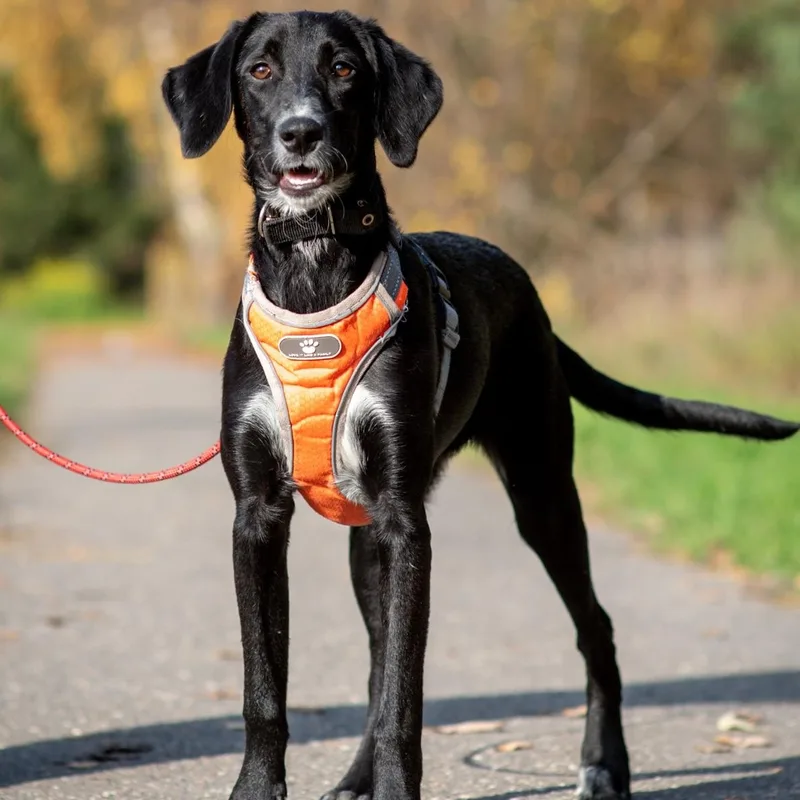
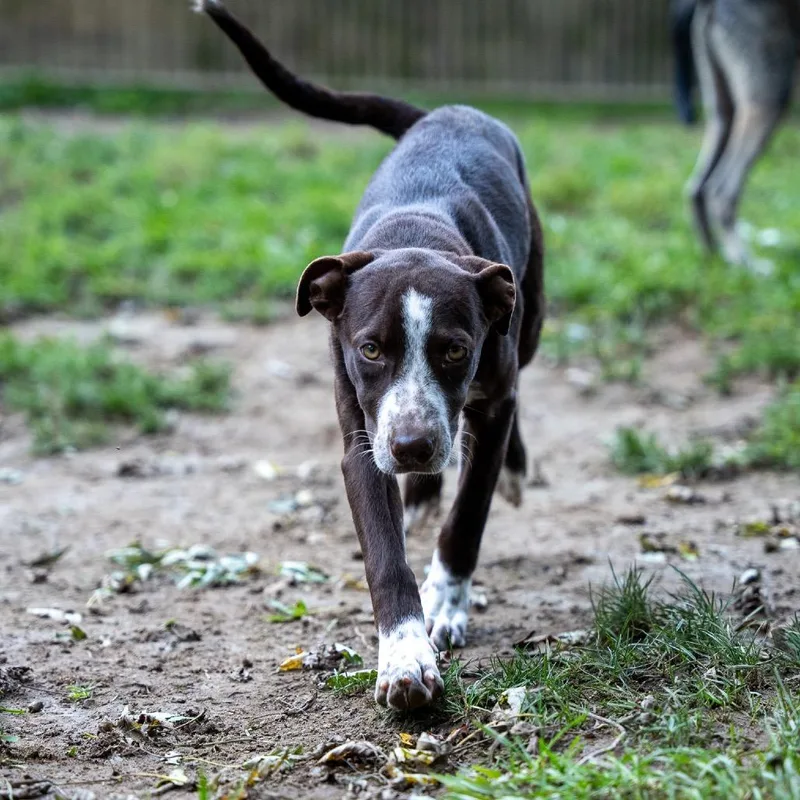
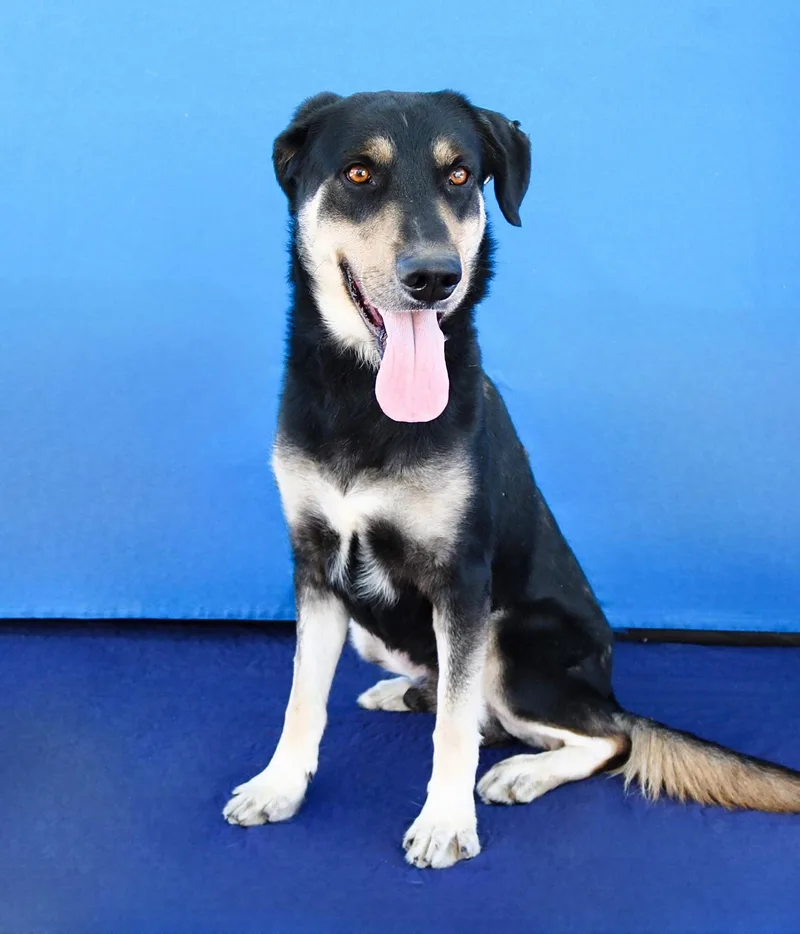
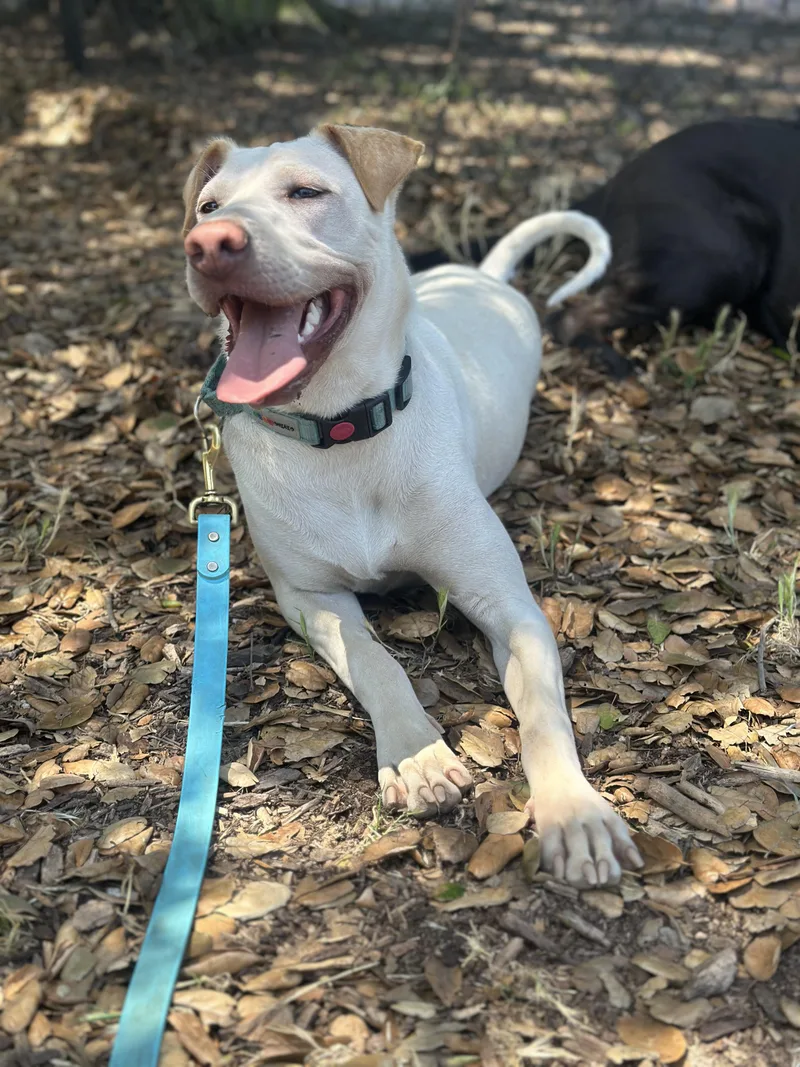
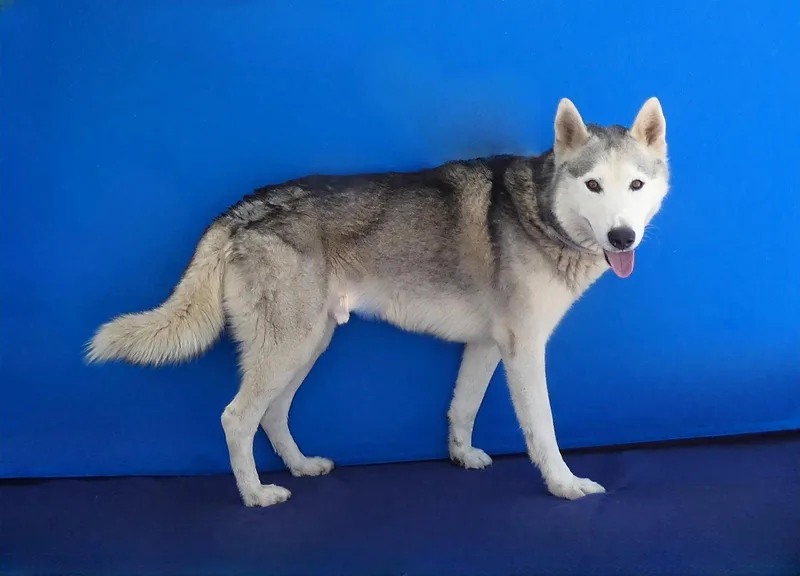
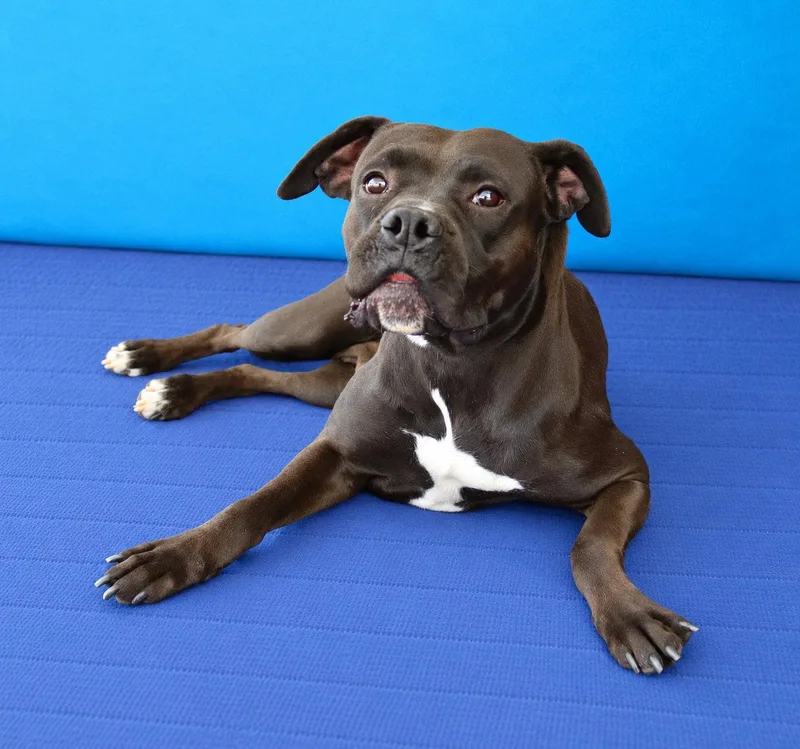
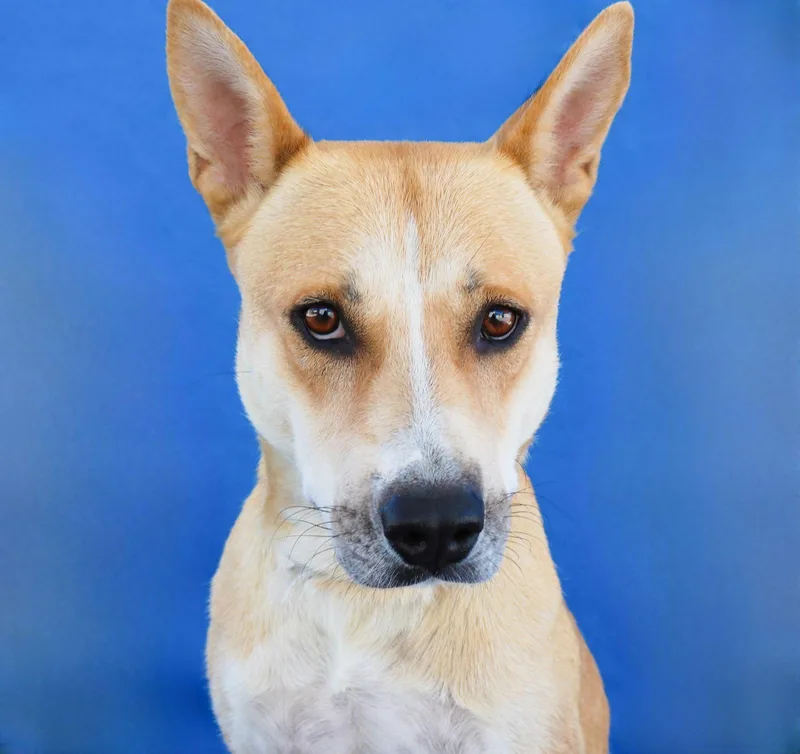
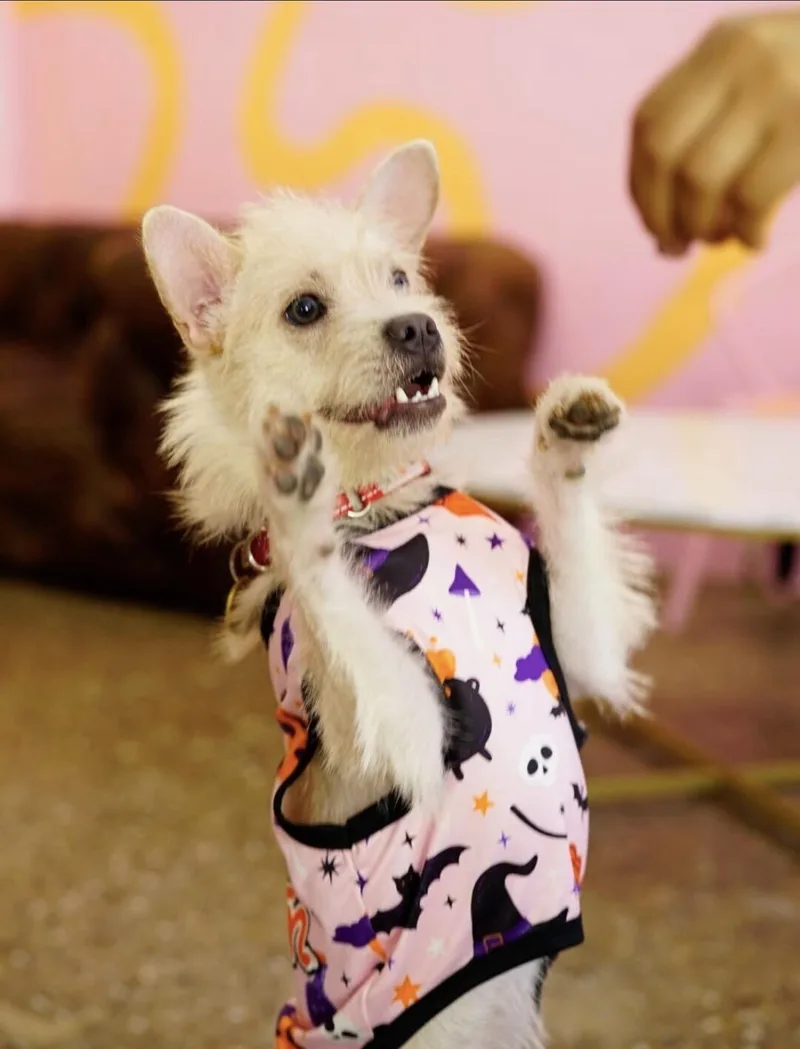
Spaniel Dogs for Adoption in Pasadena, CA

Your guide to finding and caring for a Spaniel in Pasadena

199 Spaniels available in Pasadena and nationwide

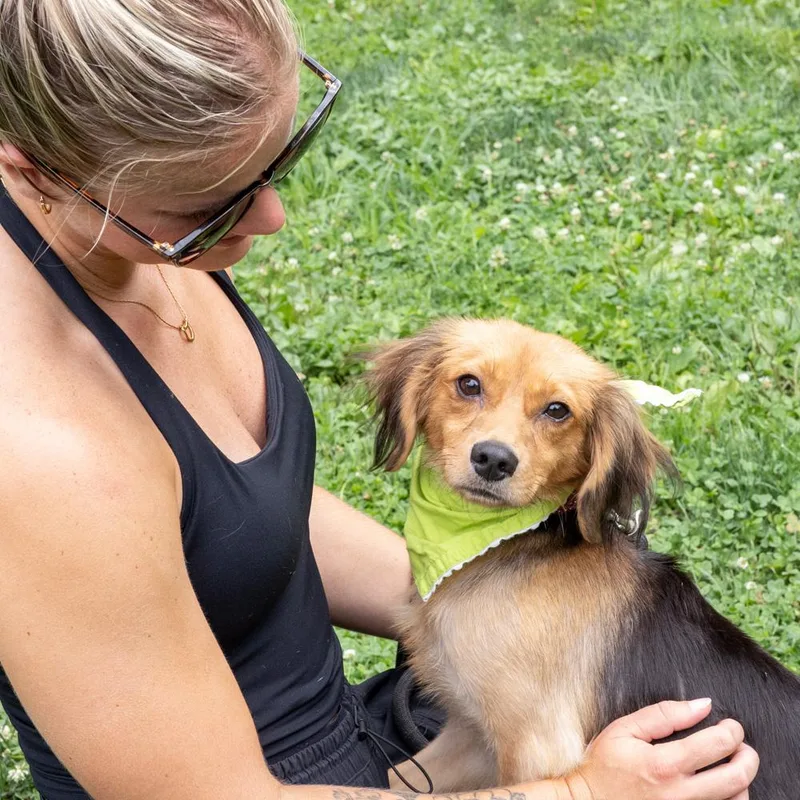
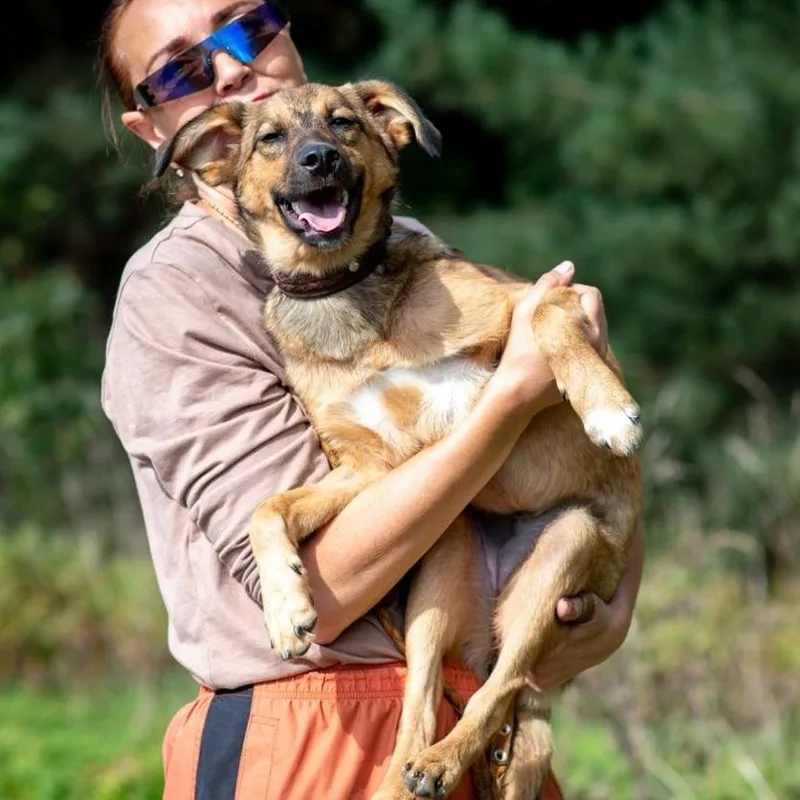
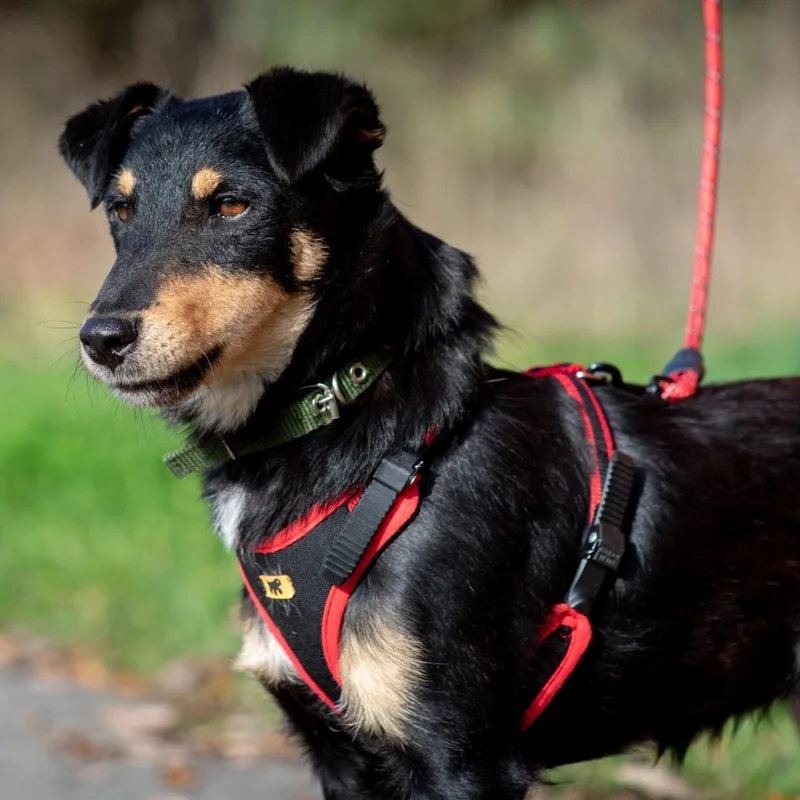
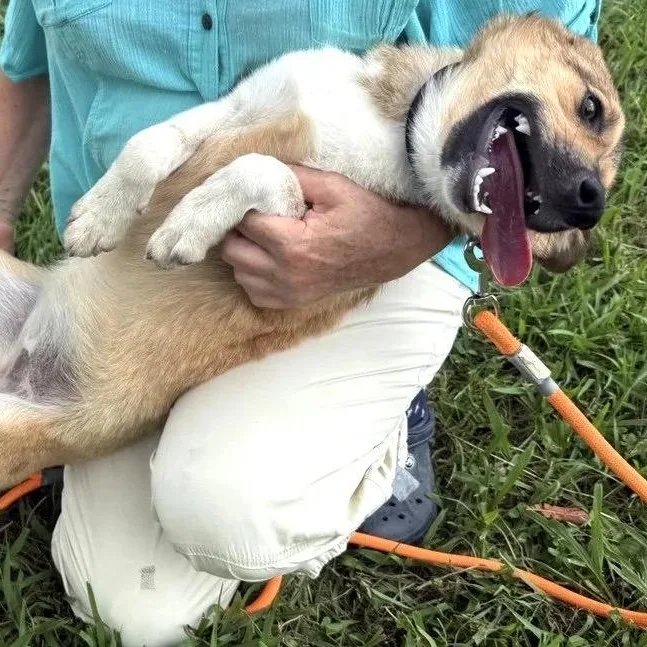
Say hello to your Spaniel mix

Spaniels Available for Adoption Near Pasadena

About the Spaniel breed

Spaniel is a family of dog types rather than a single breed. The name is usually traced to an old word for Spanish, and these dogs were developed to find and flush game birds and, in many lines, retrieve them. The group includes Cocker, English Springer, Welsh Springer, Field, Sussex, Clumber, Boykin and the curly-coated water spaniels, plus toy companions such as the Cavalier King Charles. Shelters often use the label for dogs with spaniel looks and uncertain ancestry, frequently Cocker or Springer mixes.

Most adoptable spaniels are small to medium dogs with long, feathered ears, soft eyes and a silky or wavy coat. Many are affectionate, sociable and eager to please, with a busy nose and plenty of energy. Their coats and ears need regular care, and a spaniel's size, energy and grooming needs depend on its mix.

Weight
20–50 lbs
Height
14–20 in
Lifespan
10–15 yrs
Temperament
Affectionate, Friendly, Energetic
Group
Sporting
Shedding
Moderate

Owning a Spaniel in Pasadena

Having a Spaniel in Pasadena

Because spaniel covers many breeds and mixes, these notes describe what most adoptable spaniels share: a people-oriented, gentle outlook, a strong nose, real energy and a coat that needs upkeep. A particular dog's ancestry and age will shape how strongly each trait shows.

Temperament

Spaniels are often affectionate, cheerful and keen to be near their people, and many get along with children and other dogs. They tend to be sensitive, so harsh handling can make them anxious, while reward-based training works well. Some chase birds or small animals, and a few can guard food or toys, so history matters.

Exercise Needs

Most spaniels need daily exercise beyond a stroll: brisk walks, fetch, swimming and time to sniff and explore. Scent games, retrieving and training sessions use the hunting instincts they were bred for. Springer and field-bred mixes usually need the most activity, while Cavalier or older Cocker mixes are often content with less.

Health Considerations

Long, heavy ears make ear infections one of the most common spaniel problems, so regular cleaning helps. Depending on the type, hip dysplasia, eye conditions such as progressive retinal atrophy and cataracts, skin allergies and, in Cavaliers, heart valve disease are documented. Keep regular veterinary checkups and a lean weight.

Living Space

Smaller, calmer spaniels often adapt well to apartments with daily walks, while energetic Springer or field types appreciate a fenced yard and room to run. Most do best living indoors with family and dislike long hours alone. Their love of water and mud means towels by the door are a good idea.

What it costs to own a Spaniel

ExpenseTypical costPer year
Food$35 to $70 per month$420 to $840
Pet insurance$45 to $85 per month$540 to $1,020
Routine vet care$225 to $450 per year$225 to $450
Other*$540 to $1,390 per year$540 to $1,390
Estimated yearly total (after year one)$1,725 to $3,700

Other costs are national averages for Spaniels; we don't have costs specific to Pasadena yet.

* Flea, tick and heartworm prevention, a dental cleaning allowance, a dog license, toys and bedding, and brushing, baths and ear care; costs vary with the individual dog's size and coat, and license fees vary by city.

Adopt a Spaniel in Pasadena.

Now that you know more, let’s find you a new best friend. These rescues and shelters below currently have Spaniels available.

Rescues in Pasadena with Spaniels Available

Here are the rescues & shelters in the Pasadena area where you can find Spaniels and other dogs available for adoption.

Frequently Asked Questions

Yes, most spaniels shed a moderate amount, and the feathered coat on the ears, chest and legs tends to collect loose hair and debris. Brushing a few times a week keeps it manageable. Curly-coated water spaniels, especially the Irish Water Spaniel, shed very little, but their coats need regular grooming. A spaniel mix can fall anywhere in between.

A spaniel is a type of gun dog bred to locate game birds, flush them into the air for hunters and, in many breeds, retrieve them. Spaniels are typically small to medium dogs with long, feathered ears and a soft, wavy or silky coat. The word covers more than a dozen breeds, and shelters also use it for spaniel-type mixes.

Spaniels were developed to find and flush game birds from dense brush and, in many types, retrieve them after the shot. Water spaniels were used to retrieve from lakes and marshes, while toy spaniels were companions. That history explains the keen nose, energy and eagerness to work with people that many spaniels show today.

The word spaniel comes from an old French term meaning Spanish, which is why the name is usually linked to Spain. Today it describes a family of dogs developed to flush and retrieve game birds, not one breed. In shelters, it often just means a dog with long feathered ears and a silky or wavy coat.

Spaniels fall into three loose groups. Land spaniels include the Cocker, English Springer, Welsh Springer, Field, Sussex, Clumber and Boykin. Water spaniels include the American Water and Irish Water Spaniel. Toy spaniels, such as the Cavalier King Charles and English Toy Spaniel, are small companions. Shelters also see many mixes with spaniel features and uncertain ancestry.

Most spaniels live about 10 to 15 years. Smaller types and mixes often reach the upper end, while lifespan can be shorter in dogs with serious health problems, such as heart valve disease in Cavaliers. Healthy weight, regular veterinary checkups, dental care and ear care all help, but no one can promise a specific lifespan for a particular dog.

Yes, most spaniels are gun dogs, meaning they were developed to work with hunters by flushing and retrieving game birds. The AKC places most of them in the Sporting Group. Toy spaniels like the Cavalier King Charles are the exception, as they were developed mainly as companions, though many still enjoy chasing and sniffing out birds.

Yes, spaniels are generally considered intelligent and eager to please, and many learn quickly with reward-based training. They tend to be sensitive, so harsh corrections can backfire. A busy nose and high energy can distract some spaniels, especially adolescents, so short, varied sessions and plenty of exercise help. Trainability still varies from dog to dog.

Most adoptable spaniels stand about 14 to 20 inches tall at the shoulder, making them small to medium dogs. Size depends on the type and mix. Cavalier and English Toy Spaniels are smaller, while the Irish Water Spaniel is the tallest spaniel at roughly 22 to 24 inches, so ask about a mixed dog's likely adult size.

We have 1 rescue with Spaniels available: Pup Culture Rescue. You can see every rescue with Spaniels available in the list above these questions, or scroll to the top to see the Spaniels near Pasadena.