Havanese Dogs for Adoption in Newport Beach, CA

Your guide to finding and caring for a Havanese in Newport Beach

101 Havanese available in Newport Beach and nationwide

Give a Havanese a home

While we don't have enough dogs near Newport Beach, keep in mind that many rescues may offer transport.

Havanese Available for Adoption Near Newport Beach

About the Havanese breed

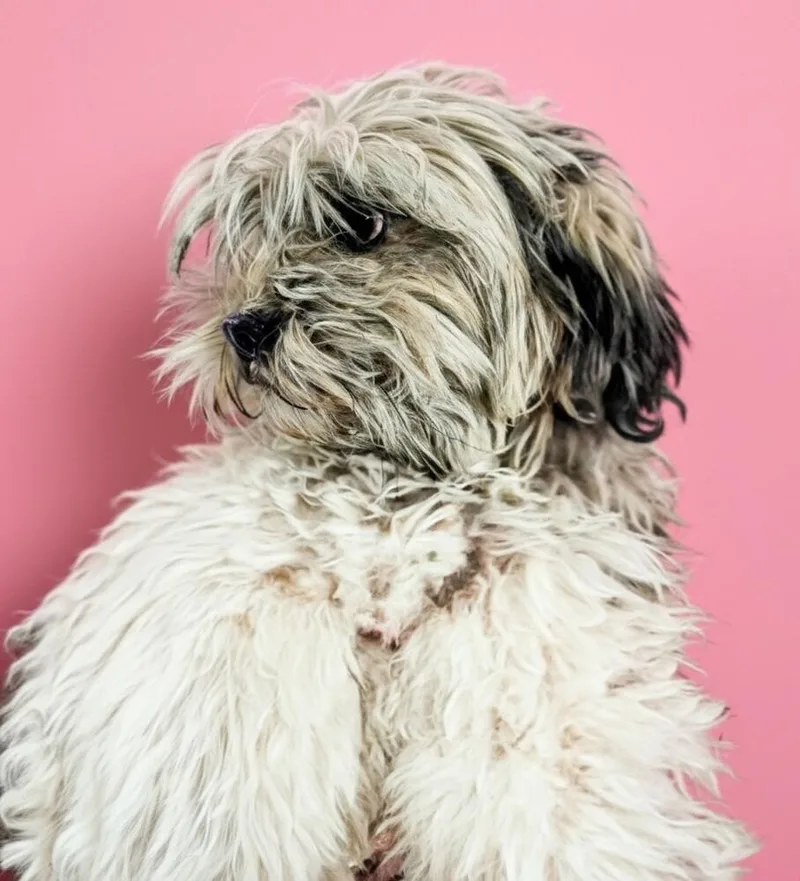
Cuba's national dog, the Havanese belongs to the Bichon family of small companion dogs that traveled with Spanish settlers and sailors. After the Cuban Revolution the breed nearly disappeared, and today's American population was rebuilt from a small group of dogs brought out by Cuban families. It is a sturdy little toy dog, slightly longer than tall, with a long, silky, wavy coat in any color, folded ears, a plumed tail curled over the back and a distinctly springy gait.

Havanese are typically cheerful, people-focused and playful without being frantic, which is why they are popular with apartment dwellers and families alike. Many follow their people from room to room and dislike long stretches alone. Their coat sheds little but tangles readily, so adopters should plan for frequent brushing or a short trim kept up by a groomer.

Weight
7–13 lbs
Height
8–12 in
Lifespan
12–16 yrs
Temperament
Affectionate, Playful, Social, Intelligent
Group
Toy
Shedding
Low

Owning a Havanese in Newport Beach

Having a Havanese in Newport Beach

Much of the Havanese appeal comes from a small, sturdy body paired with an outgoing, companion-first personality. Knowing how their need for company, moderate energy and high-maintenance coat show up in daily life helps adopters choose a Havanese that suits their schedule.

Temperament

Havanese tend to be friendly with family, visitors and other pets, and many enjoy gentle children who handle them carefully. Some become anxious when left alone for long periods, and under-socialized dogs can be shy with strangers. Reward-based training usually works well. An adopted dog's history and comfort level matter more than breed reputation.

Exercise Needs

A couple of daily walks plus indoor play usually satisfy a Havanese, though many happily do more. They enjoy learning tricks, short training sessions and games like fetch or hide-and-seek, which provide valuable mental exercise. Agility and therapy work suit some. Heat can be uncomfortable under a long coat, so plan outings for cooler parts of the day.

Health Considerations

Havanese are generally long-lived, but the breed can be affected by patellar luxation, cataracts and other eye disease, liver shunts, heart disease and growth-related bone conditions such as Legg-Calve-Perthes disease. Dental disease is common in small dogs. Keep up regular veterinary checkups and tooth brushing.

Living Space

A Havanese can live comfortably in an apartment, condo or house, since daily company matters more than square footage. A fenced yard is a bonus rather than a requirement. They can be alert barkers, which may affect close neighbors, and they do best with people home for much of the day or a reliable plan for long absences.

What it costs to own a Havanese

ExpenseTypical costPer year
Food$15 to $35 per month$180 to $420
Pet insurance$30 to $60 per month$360 to $720
Routine vet care$200 to $400 per year$200 to $400
Other*$940 to $2,340 per year$940 to $2,340
Estimated yearly total (after year one)$1,680 to $3,880

Other costs are national averages for Havanese; we don't have costs specific to Newport Beach yet.

* Professional grooming every six to eight weeks, flea, tick and heartworm prevention, a dental cleaning allowance for a breed prone to dental disease, a dog license, and toys and bedding; license fees vary by city.

Adopt a Havanese in Newport Beach.

Now that you know more, let’s find you a new best friend. These rescues and shelters below currently have Havanese available.

Frequently Asked Questions

A Havanese is a small, sturdy companion dog from Cuba and a member of the Bichon family, related to the Bichon Frise, Maltese and Bolognese. It has a long, silky, wavy coat in any color, a plumed tail carried over the back and a springy walk. Most are cheerful, sociable dogs that prefer to stay close to their people.

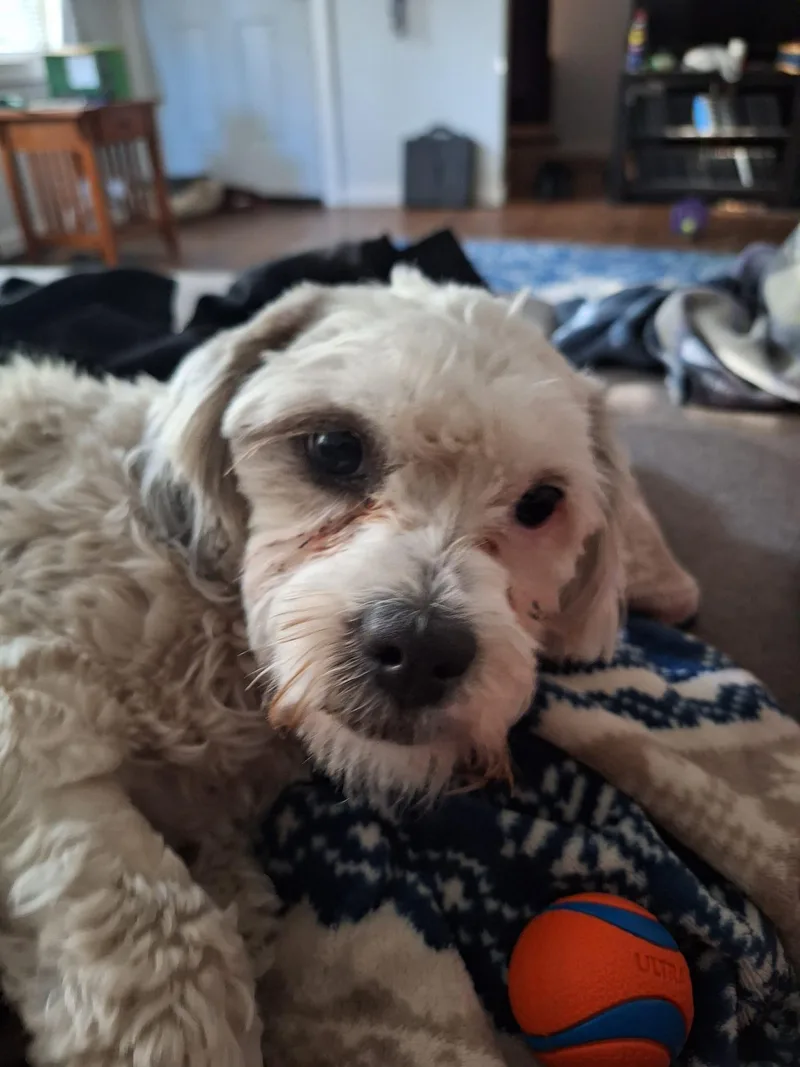
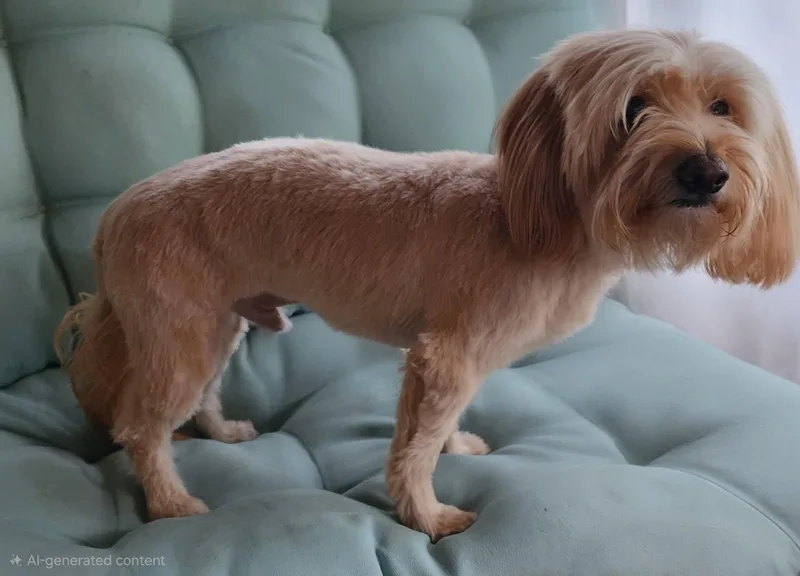
A Havanese looks like a small, slightly long-bodied dog draped in a soft, wavy, silky coat that can be left long, corded or trimmed short. It has large dark eyes, a full muzzle, folded ears and a plumed tail arched over the back. Coat colors include white, cream, gold, black, chocolate, silver and parti-color combinations.

Havanese are generally considered very good companion dogs, especially for people who want an affectionate, adaptable small dog. Many are friendly, trainable and happy in a range of homes. Their main demands are company and coat care, since many dislike long stretches alone and their hair tangles easily. Each dog's background still matters when choosing a match.

Havanese are small dogs, standing about 8.5 to 11.5 inches at the shoulder and usually weighing around 7 to 13 pounds. They are sturdier and more solidly built than many toy breeds, and slightly longer than they are tall. Males often sit at the upper end of the range, but an adult dog's actual weight and body condition matter most.

Havanese typically live about 12 to 16 years, and a recent UK study estimated life expectancy at around 14.5 years, which is long even for a small breed. Many stay playful well into their senior years. Keeping teeth clean, weight in check and veterinary checkups regular gives an adopted Havanese the best chance at a long, comfortable life.

Havanese were bred as companion dogs. In Cuba they were lap dogs and household pets for wealthy families, and dogs of the Bichon type also performed and traveled as ship dogs. They were never bred for hunting or guarding, which shows in their people-focused personality. Today they also work as therapy dogs and compete in agility and obedience.

Havanese come from Cuba, where they are the national dog. Their ancestors were small Bichon-type dogs brought from Spain and the Canary Islands by early settlers and sailors. After the Cuban Revolution the breed nearly disappeared, and the modern American population was rebuilt in the 1970s from a small group of dogs that left Cuba with their families.

Most Havanese reach their full height by around 10 to 12 months, though some keep filling out and maturing until about 18 months. The adult coat also takes time to grow in and may change texture and even color during the first year or two. Behaviorally, many keep a playful, puppyish streak well into adulthood.

Yes, Havanese are intelligent dogs that usually learn quickly, especially with praise, treats and play. Many enjoy picking up tricks and do well in obedience, agility and therapy work. Their cleverness also means they notice routines and can learn to bark for attention, so consistent, kind training and plenty of mental activity help channel their brains in useful directions.

We have 1 rescue with Havanese available: Mutts in Need. You can see every rescue with Havanese available in the list above these questions, or scroll to the top to see the Havanese near Newport Beach.