Bernese Mountain Dogs for Adoption in Los Angeles, CA

Your guide to finding and caring for a Bernese Mountain Dog in LA

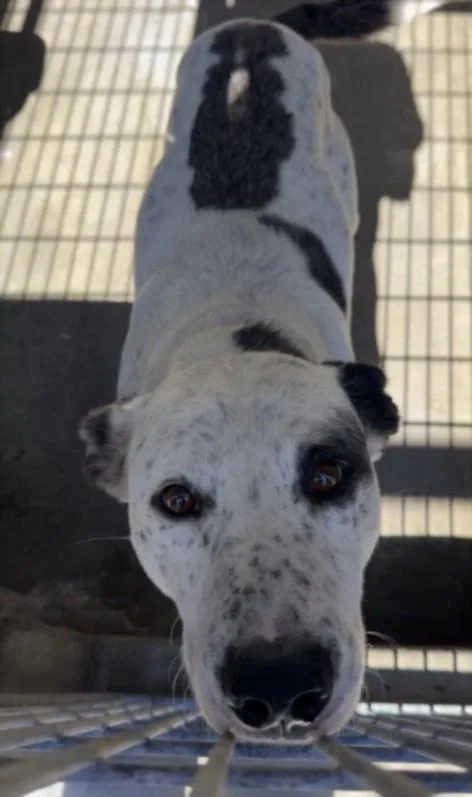
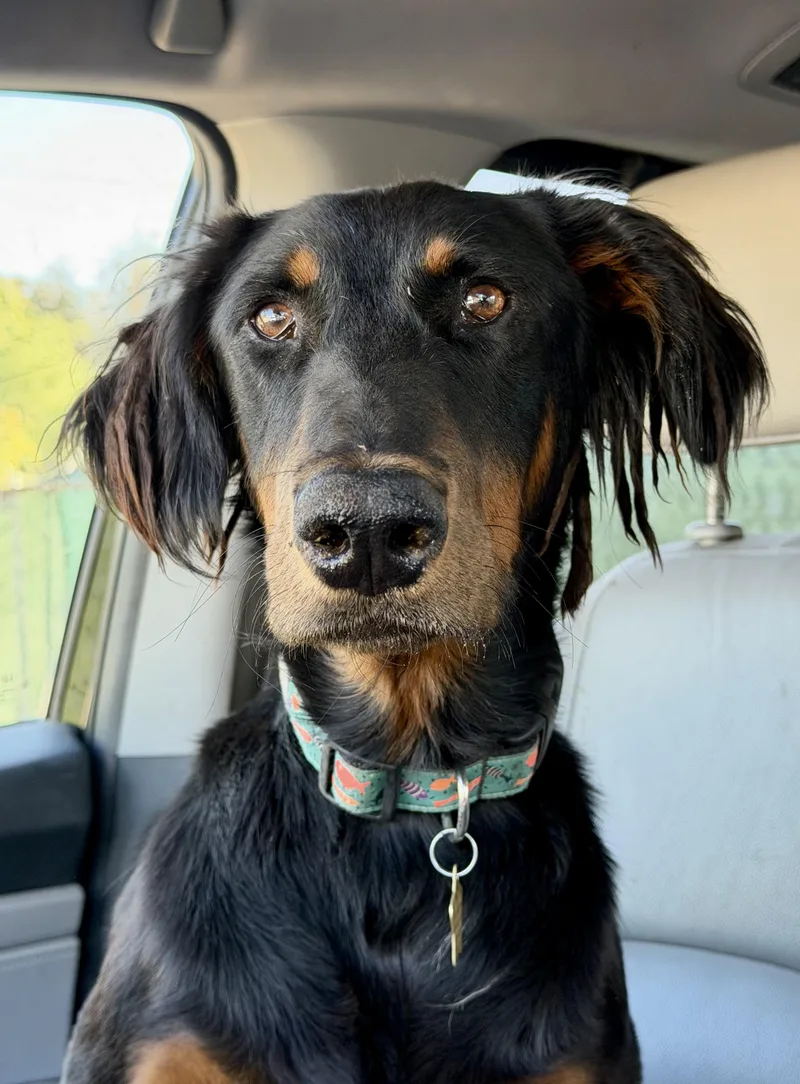
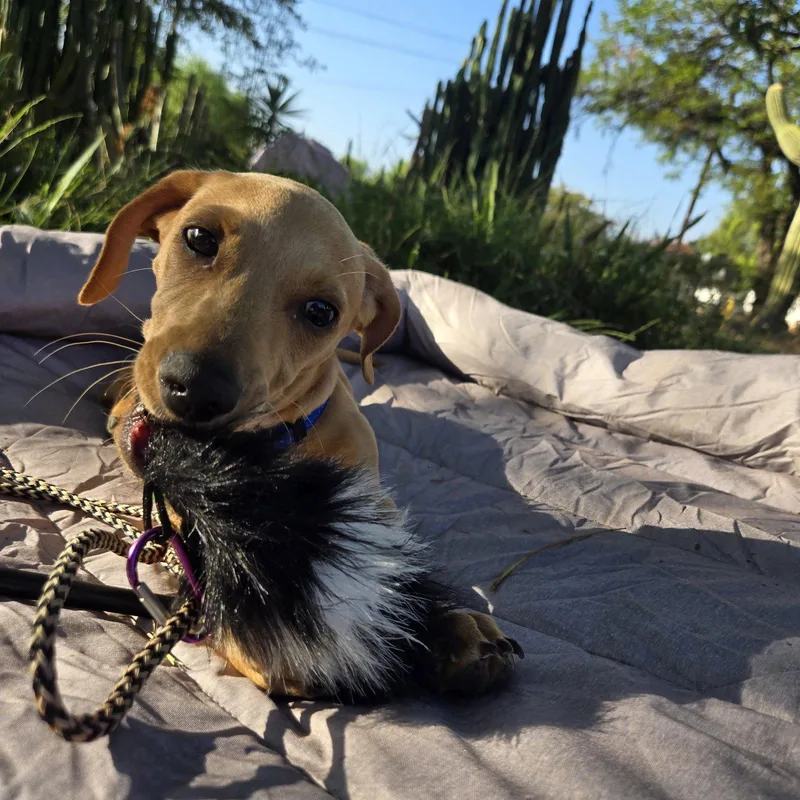
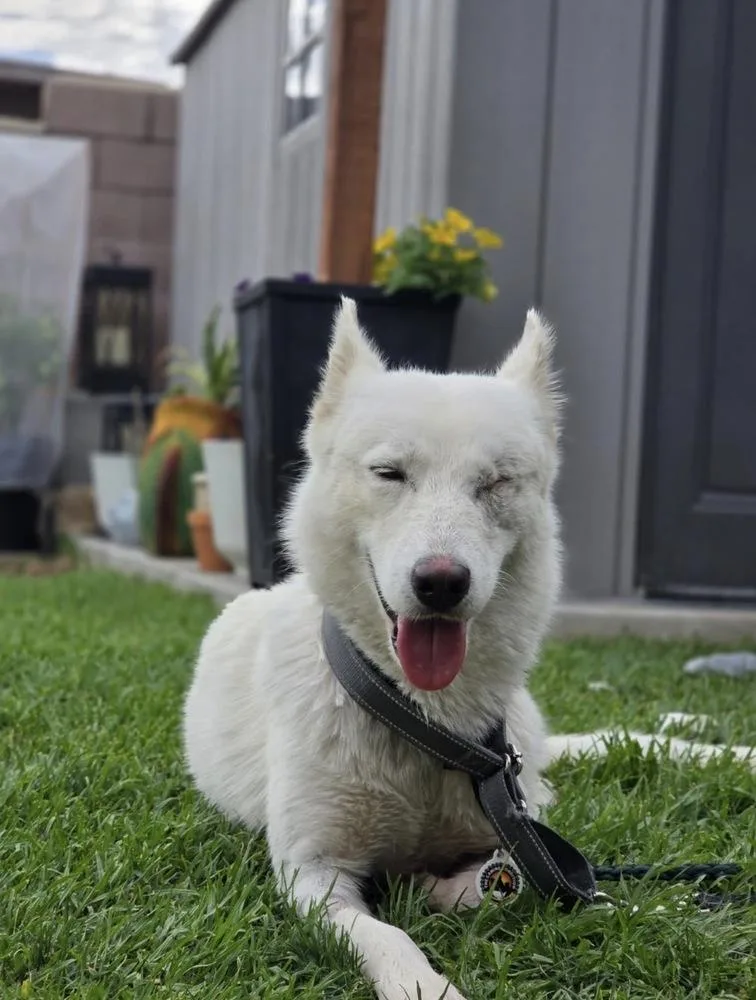
Adopting a Bernese Mountain Dog in LA means matching a cold-weather giant to a warm, mostly dry city. Berners can do well here with the right home: shade, a cool indoor spot and walks timed for early morning or evening. Berners and Berner mixes may turn up at shelters and rescues, and LA Animal Services adoptions include spay/neuter, vaccinations and a microchip. Check the listings below for dogs available now.

131 Bernese Mountain Dogs available in Los Angeles and nationwide

Adopt a Bernese Mountain Dog today

While we don't have enough dogs near Los Angeles, keep in mind that many rescues may offer transport.

Bernese Mountain Dogs Available for Adoption Near Los Angeles

About the Bernese Mountain Dog breed

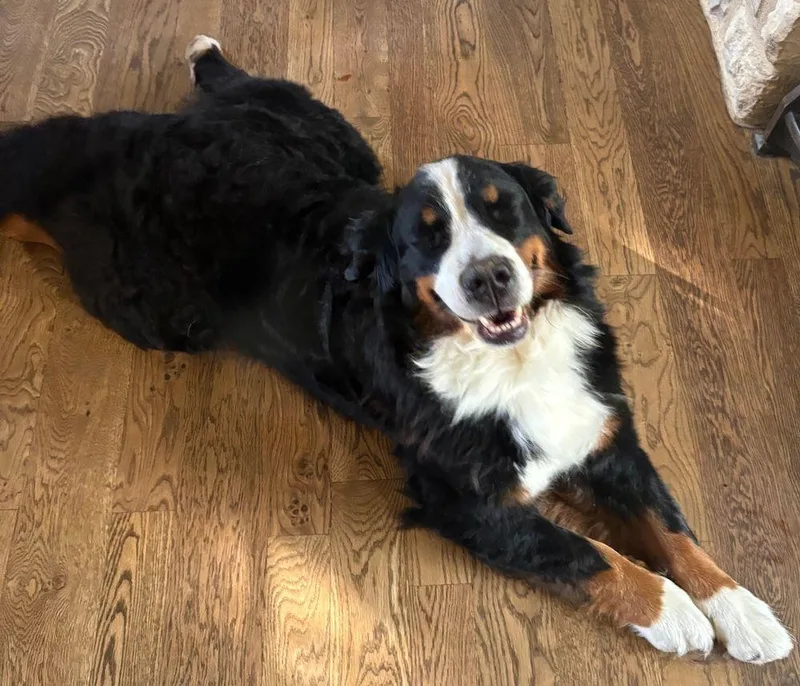
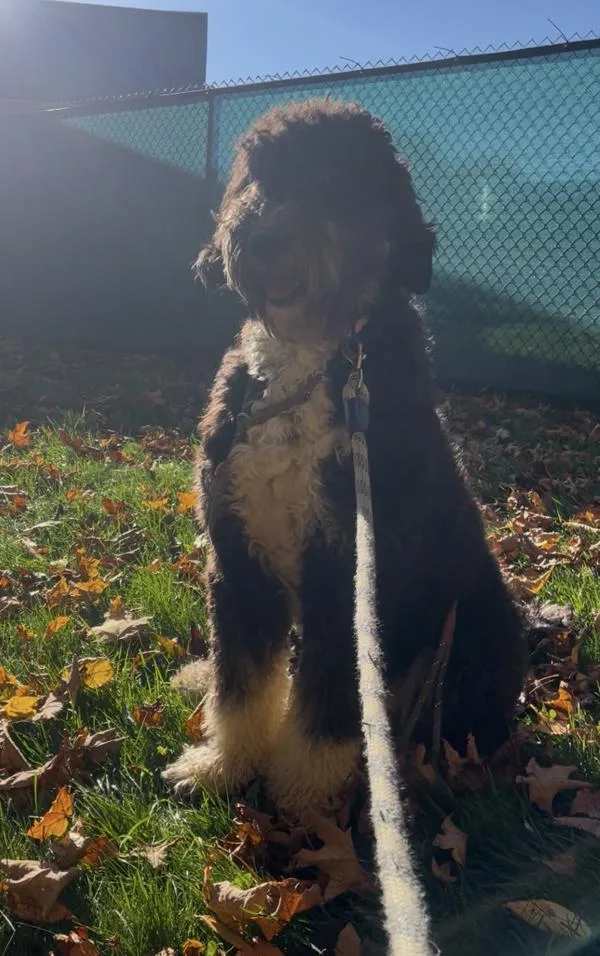
Bernese Mountain Dogs come from the Swiss canton of Bern, where they pulled milk carts, drove cattle and guarded farms. They are big, long-coated, tricolored dogs, usually 70 to 115 pounds, with a black coat, rust markings and a white blaze and chest cross. Many are gentle, affectionate and eager to please, though some are reserved with strangers.

In LA, the main questions are heat and space. The thick coat sheds heavily, and Berners overheat easily, so shade, water and air conditioning matter more than a big backyard. Lifespans run shorter than average, largely because of cancer, so adopters should be ready for vet bills and a shorter time together. Dogs vary, and a shelter Berner's history tells you more than the breed label.

Weight
70–115 lbs
Height
23–28 in
Lifespan
7–10 yrs
Temperament
Gentle, Affectionate, Calm
Group
Working
Shedding
High

Owning a Bernese Mountain Dog in Los Angeles

Having a Bernese Mountain Dog in LA

Berners combine a soft, people-focused nature with draft-dog strength. In LA, the traits that shape daily life are the thick coat, low heat tolerance and serious health risks, so planning for those matters as much as personality does.

Temperament

Berners are often gentle, patient and devoted to their families, and many get along with respectful kids and other pets. Some are aloof with strangers. On busy LA sidewalks and in apartment hallways, calm greetings matter for a dog this size, so early training and steady socialization help. A shelter Berner's history says more than the breed.

Exercise Needs

Expect one or two moderate walks a day plus training or scent games, not long runs. In LA, schedule outings for early morning or evening and check pavement with your hand first, since hot asphalt can burn paw pads. Griffith Park trails suit cooler-weather hikes, and growing puppies should skip long runs and repetitive jumping.

Health Considerations

Berners face high cancer rates, especially histiocytic sarcoma, plus hip and elbow dysplasia, kidney disease and bloat. Keeping a Berner lean protects the joints. In LA, watch for heat stress: heavy panting, glazed eyes, unsteadiness or vomiting need prompt attention. Medical history matters, so schedule regular checkups so problems are caught early.

Living Space

A Berner needs room to stretch out, and a cool spot matters more than square footage. Apartments can work with an elevator or ground-floor access, air conditioning and tolerance for heavy shedding. A secure yard helps, but Berners do best living indoors with their people, especially on hot days.

What it costs to own a Bernese Mountain Dog in Los Angeles

ExpenseTypical costPer year
Food$80 to $160 per month$960 to $1,920
Pet insurance$85 to $170 per month$1,020 to $2,040
Routine vet care$250 to $500 per year$250 to $500
Other*$690 to $1,890 per year$690 to $1,890
Estimated yearly total (after year one)$2,920 to $6,350

Other costs are estimates and vary with size, age and health.

* The Los Angeles dog license for a spayed or neutered dog, flea, tick and heartworm prevention, a dental cleaning allowance, large bedding and toys, coat care, and joint supplements.

Adopt a Bernese Mountain Dog in Los Angeles.

Now that you know more, let’s find you a new best friend. These rescues and shelters below have dogs available in and near Los Angeles.

Rescues and Shelters in or near Los Angeles

LA has six city shelters plus many independent rescues, and any city shelter pet can be adopted from any center. Here are the rescues & shelters in the LA area with dogs available for adoption, worth asking whether a Bernese Mountain Dog is coming in.

Frequently Asked Questions

Yes, if the home stays cool. Prioritize air conditioning, shade and a cooler neighborhood over yard size, and keep midday hours indoors. Watch for heavy panting, glazed eyes, staggering or a deep red tongue; those signs mean cool the dog down and call a vet. Short, early walks and fresh water make summer manageable.

Yes. LA has no breed bans or breed-specific rules, so a Berner is treated like any other dog. Adopting from LA Animal Services is straightforward: bring a government photo ID, and dogs go home spayed or neutered, vaccinated and microchipped. Check your lease first, since landlords can set their own size limits.

Early-morning outings at city dog parks and leashed trails work best. Westwood and Hermon dog parks offer off-leash space, though city dog parks require dogs to be licensed, vaccinated and spayed or neutered. Griffith Park trails require a leash at all times, and Runyon Canyon allows off-leash only in designated areas. Bring water and avoid midday.

It can be, if your routine leaves room for heat. A Berner suits LA best with a household that is home often, has air conditioning and can shift walks to early morning or evening. If you spend long days away or live in a hot inland home, a less heat-sensitive dog may be a better match. Mild winters are easy on a Berner.

No, unless the dog is a service animal. Metro allows animals only in a secure carrier or if they are service animals under the ADA, and a 70-to-115-pound Berner won't fit in a carrier. Service animals must stay under the handler's control. For vet visits and errands, plan on a car or a ride that accepts large dogs.

Only to some patios. California law bars pet dogs from restaurant dining rooms, but a restaurant may choose to allow leashed dogs in an outdoor area with its own entrance. It's the owner's choice, so call ahead. A giant Berner needs room to lie down, and midday patios get hot, so favor evenings.

Plan on brushing a couple of times a week, and daily during heavy shedding, since Berners shed a lot all year. Never shave the coat; fur helps protect against sunburn and overheating. Regular baths and nail trims round it out. Coat care falls within the yearly Other costs above, and local groomers' prices vary, so get quotes.

A Bernese Mountain Dog is a large to giant Swiss working breed originally used on farms to pull carts, drive cattle and guard property. It has a long, tricolored coat of black, rust and white and a sturdy, powerful build. Berners are known for their gentle, affectionate nature, though their lifespan is shorter than many breeds.

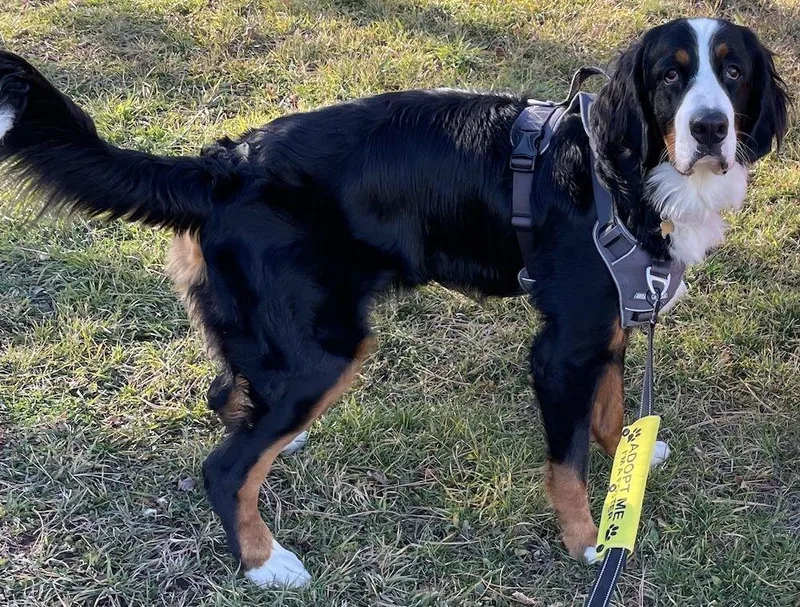
A Bernese Mountain Dog has a thick, moderately long coat that is jet black with rich rust markings over the eyes, on the cheeks, chest and legs, and white on the face, chest, feet and tail tip. The white chest marking often forms an inverted cross. They have a broad head, dark brown eyes and triangular drop ears.

Budget roughly $80–$160 a month for food, $85–$170 a month for pet insurance and $250–$500 a year for routine vet care. Other yearly costs, including prevention, dental care, coat care and joint supplements, run about $690–$1,890. Costs for a giant dog can climb with age, so get local quotes.

Find Bernese Mountain Dogs in Nearby Cities

Expand your search to find Bernese Mountain Dogs available for adoption near Los Angeles.