Basenji Dogs for Adoption in Los Angeles, CA

Your guide to finding and caring for a Basenji in LA

A Basenji in LA is a quiet, catlike hound in a city of sunshine, apartments and busy sidewalks. Listings come and go, so check the pets below often and ask LA Animal Services and local rescues about new arrivals. Mild winters suit a dog that dislikes cold, and dogs adopted from LA Animal Services go home spayed or neutered, vaccinated and microchipped.

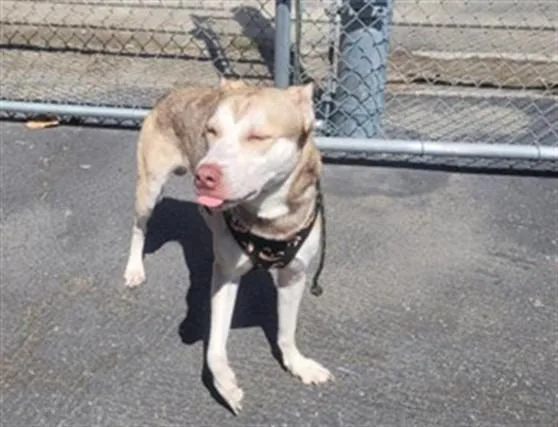
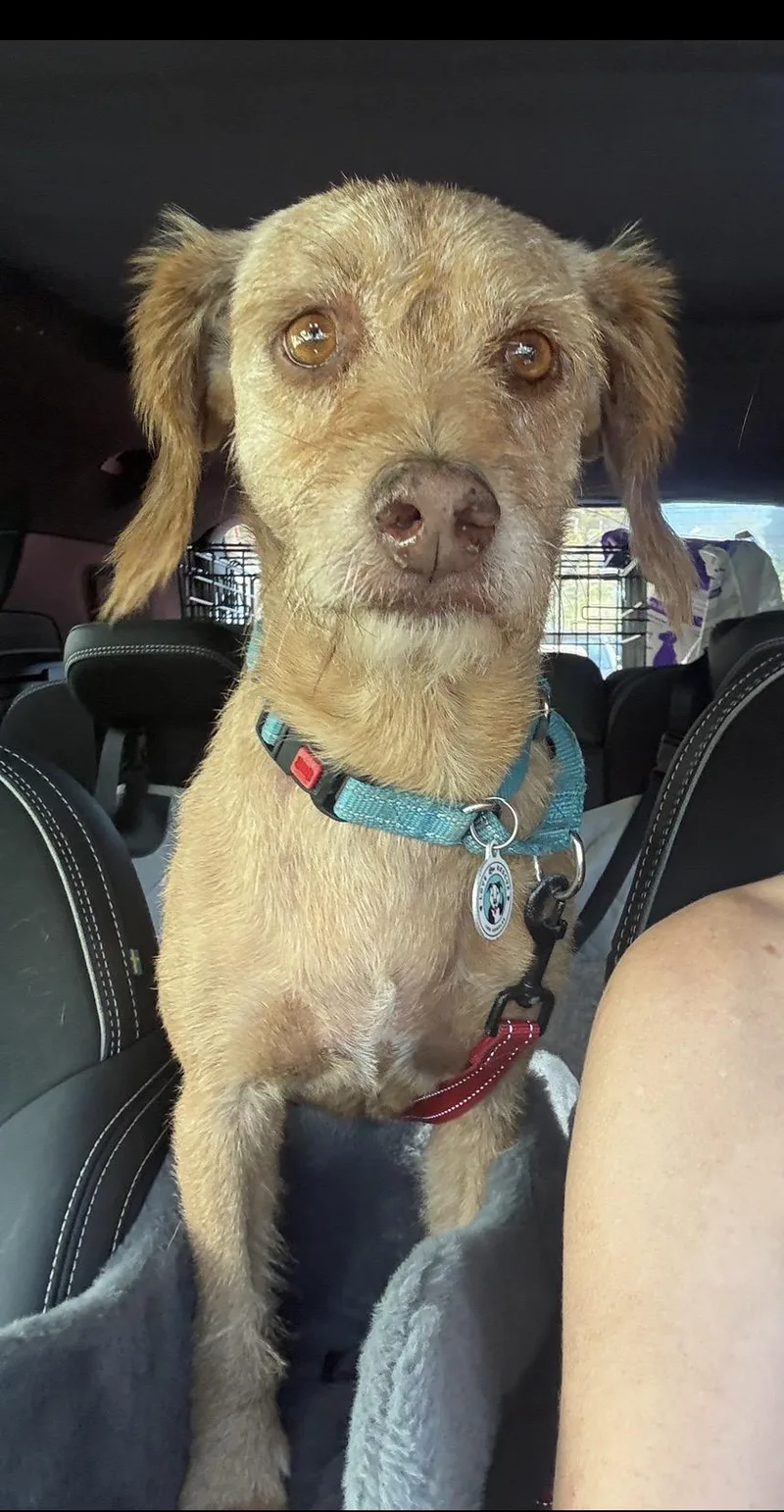
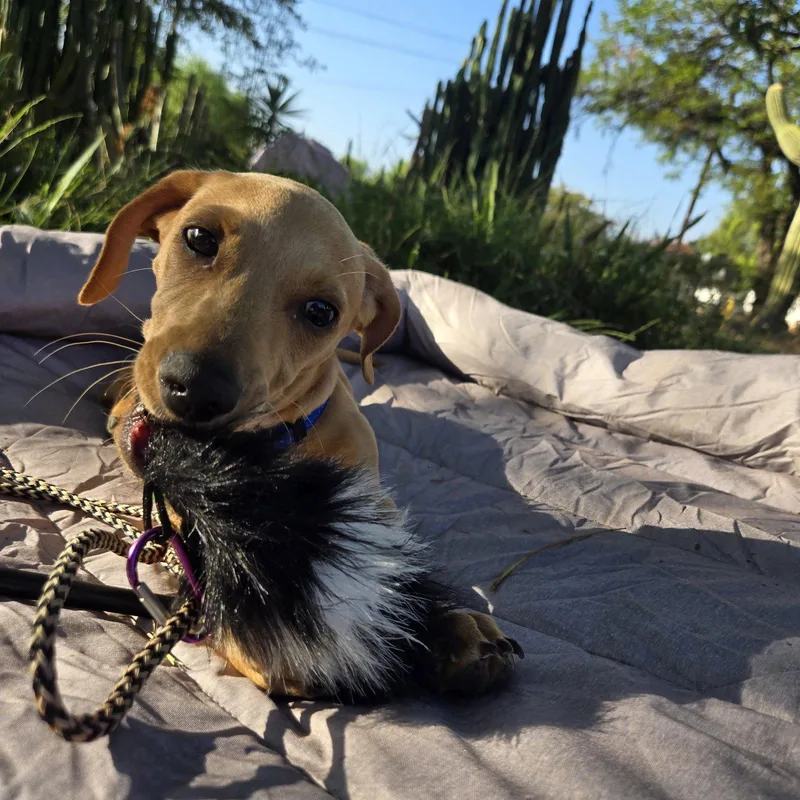
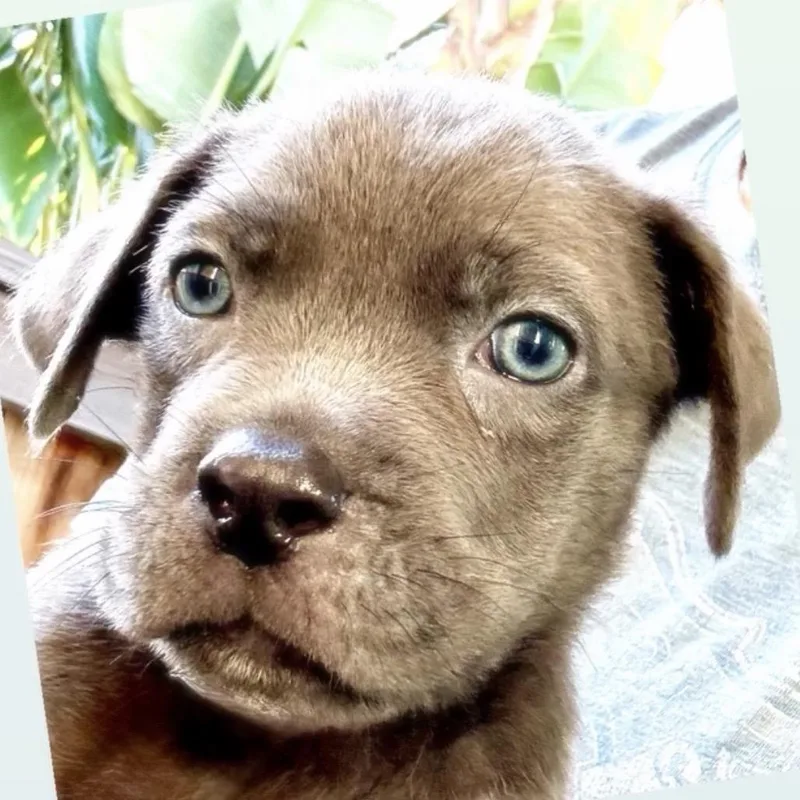
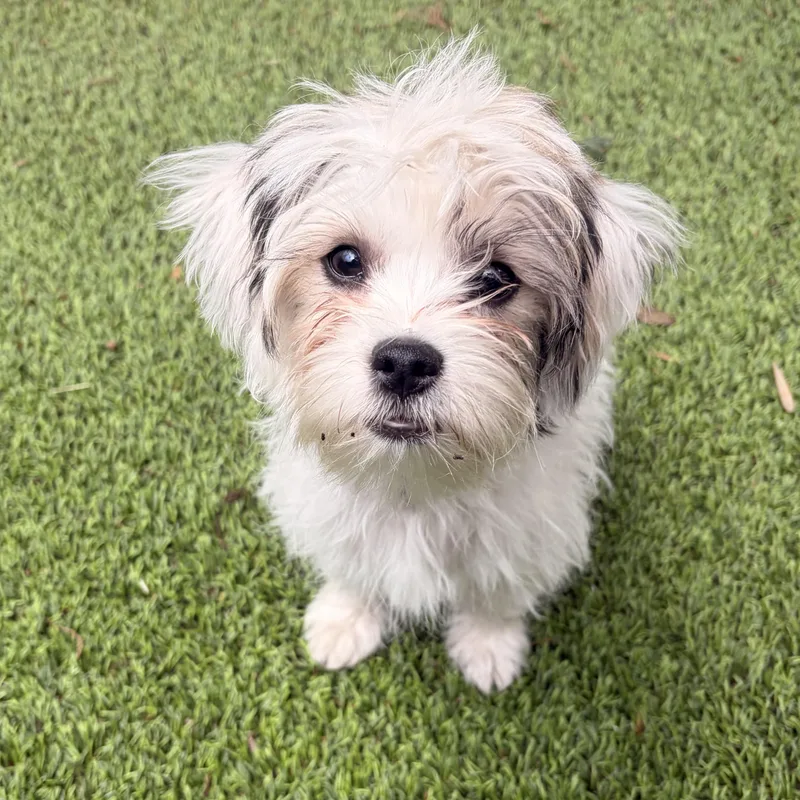
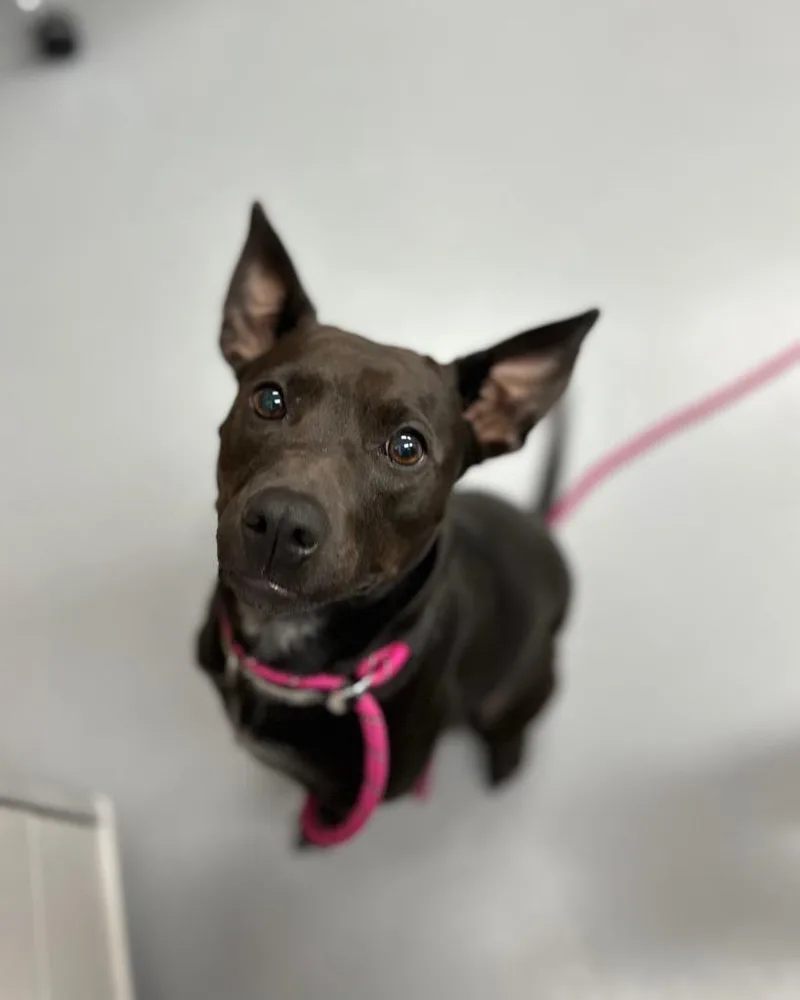
170 Basenjis available in Los Angeles and nationwide

Fall for a Basenji

Basenjis Available for Adoption Near Los Angeles

About the Basenji breed

The Basenji is a small hunting hound from Central Africa, long valued by village hunters for flushing game into nets. It is best known as the barkless dog, though it yodels, howls and makes a sound called a baroo. Standing 15 to 18 inches and weighing 20 to 26 pounds, it has a wrinkled brow, upright ears, a tightly curled tail and a short, fine coat that sheds little.

Basenjis groom themselves like cats and tend to be affectionate with family, reserved with strangers and independent in training. In LA, that means a clever dog that needs daily leashed exercise, a secure yard or balcony, and plenty to chew and solve at home. Dogs vary, so spend time with any Basenji you meet and look at its habits.

Weight
20–26 lbs
Height
15–18 in
Lifespan
12–15 yrs
Temperament
Independent, Intelligent, Alert, Affectionate
Group
Hound
Shedding
Low

Owning a Basenji in Los Angeles

Having a Basenji in LA

Basenjis pack a hunter's drive, catlike cleanliness and a yodel into a compact frame. In LA, the biggest questions are exercise, security and heat: a Basenji does best with a daily routine, a home it can't slip out of, and a plan for sunny afternoons.

Temperament

Many Basenjis are affectionate with their people, alert and reserved with strangers, with an independent streak that makes training a negotiation. In LA's close-quarters neighborhoods, that reserve can mean slow introductions to neighbors and visitors. Strong prey drive can make small pets risky, and each dog's history and personality differ, so look at how a dog behaves when you meet it.

Exercise Needs

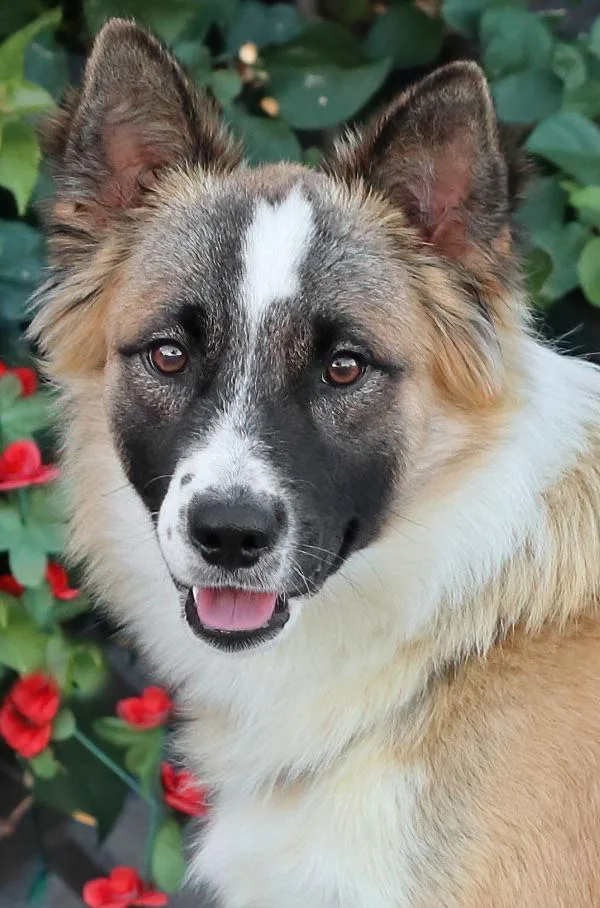
Plan on vigorous daily exercise: brisk leashed walks, fetch or tug sessions and puzzle games. Because a Basenji may bolt after anything that moves, keep it leashed outside designated off-leash areas. LA's trails and official dog parks offer variety, but check fencing and latches before trusting a clever escape artist, and save big runs for cooler hours.

Health Considerations

Basenjis can inherit Fanconi syndrome, progressive retinal atrophy, pyruvate kinase deficiency and hypothyroidism, so look for any history or DNA testing in the dog's listing. Regular checkups and urine screening help catch kidney trouble early. Ask your vet about year-round parasite prevention, since LA has essentially no freezing days.

Living Space

A Basenji can do well in an LA apartment, condo or house if daily exercise and mental work are covered. Its quietness helps in shared buildings, though yodeling and howling still carry. Security matters most: check balcony railings, gates and fence gaps, because this breed climbs and squeezes through openings.

What it costs to own a Basenji in Los Angeles

ExpenseTypical costPer year
Food$20 to $45 per month$240 to $540
Pet insurance$40 to $85 per month$480 to $1,020
Routine vet care$200 to $400 per year$200 to $400
Other*$395 to $1,070 per year$395 to $1,070
Estimated yearly total (after year one)$1,315 to $3,030

Other costs are estimates and vary with size, age and health.

* The $20 Los Angeles dog license for a spayed or neutered dog, a dental cleaning allowance, flea, tick and heartworm prevention, durable chew toys and bedding, and occasional grooming supplies.

Adopt a Basenji in Los Angeles.

Now that you know more, let’s find you a new best friend. These rescues and shelters below currently have Basenjis available.

Rescues in Los Angeles with Basenjis Available

LA Animal Services' six centers and many independent rescues help local dogs find homes, so ask each about Basenjis. Here are the rescues & shelters in the LA area where you can find Basenjis and other dogs available for adoption.

Frequently Asked Questions

Yes, you can adopt a Basenji in Los Angeles, and no breed-specific rules apply to dogs in the city. The main requirements are licensing, spaying or neutering after 4 months, and staying within the three-dog household limit. Dogs adopted from LA Animal Services go home spayed or neutered, vaccinated and microchipped, and city residents also get a first-year license.

Only in a carrier, unless the dog is a service animal. Metro allows pets if they ride in a secure carrier made for that purpose, and you must keep control and clean up any mess. Metro sets no size limit, but a 20 to 26 pound Basenji needs a roomy, escape-proof carrier. Check current pet fares with Metro.

Official dog parks such as Eagle Rock, Westwood and Whitnall give a Basenji a place to burn energy, if recall is solid and the gate latches securely. For trails, Griffith Park requires a leash at all times, which suits a chase-driven hound. O'Melveny Park in Granada Hills is another dog-friendly option; confirm its leash rules before you go.

Mostly yes. Mild winters with no freezing days suit a dog that dislikes cold, and rainfall is concentrated in winter. Heat is the bigger concern, especially inland, where the San Fernando Valley runs far hotter than the coast. Schedule exercise for early morning or evening, keep fresh water out, and keep your Basenji in the cool during heat waves.

It can be, if you can offer daily leashed exercise and a secure home. LA's mild winters and a Basenji's quiet nature are real advantages, but chase drive and escape skills need planning. Fireworks around July 4 are a particular risk: LA Animal Services' centers fill with lost pets, so keep your dog in a quiet indoor room and microchip details current.

Only to outdoor patios, and only where the restaurant chooses to allow dogs. California law keeps pet dogs out of dining rooms, and patios need a separate outdoor entrance, with the dog leashed or in a carrier and kept off seats. Ask before you go, bring a chew for a reserved, restless Basenji, and expect some places to say no.

Very little. A Basenji grooms itself like a cat, so a weekly brushing with a soft brush, occasional baths, nail trims and tooth care are usually enough. Professional grooming is optional and fits within the small grooming allowance in the Other costs. Don't shave the coat in LA's heat, since fur protects against sunburn and overheating.

A Basenji is a small, ancient hunting dog from Central Africa, famous for not barking. It belongs to the AKC Hound Group and was recognized in 1943. Basenjis are lean and elegant, with a wrinkled forehead, upright ears and a tightly curled tail. They tend to be clever, independent, clean and energetic, with a strong instinct to chase.

We have 2 rescues with Basenjis available: City of Los Angeles West LA Animal Shelter and Stray No More. You can see every rescue with Basenjis available in the list above these questions, or scroll to the top to see the Basenjis near Los Angeles.

Expect roughly $20 to $45 a month for food and $40 to $85 a month for pet insurance. Routine vet care runs about $200 to $400 a year, and other yearly costs such as parasite prevention, dental care, supplies and the license add roughly $395 to $1,070. Check each listing for its adoption fee.