Mastiff Dogs for Adoption in Long Beach, CA

Your guide to finding and caring for a Mastiff in Long Beach

A Mastiff suits Long Beach best in a house with room to sprawl, like the single-family streets of El Dorado Park Estates. These giant, calm dogs are happy with a steady daily walk and a cool spot to flop afterward. A condo in Alamitos Beach can work, but a 150-pound dog turns elevators, stairs and parking into daily logistics. Plan on a sturdy leash, a roomy back seat and plenty of drool towels.

936 Mastiffs available in Long Beach and nationwide

Give a Mastiff a home

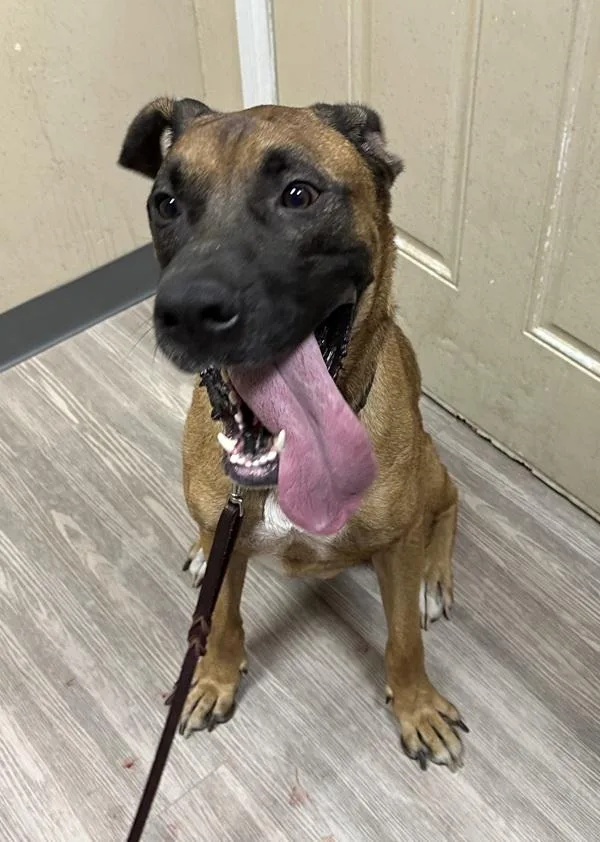
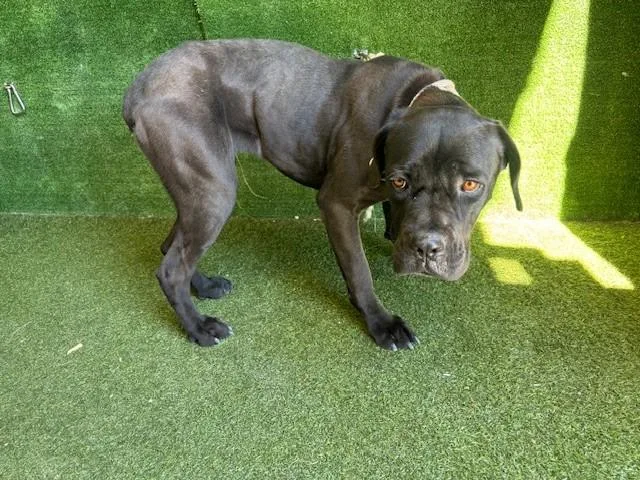
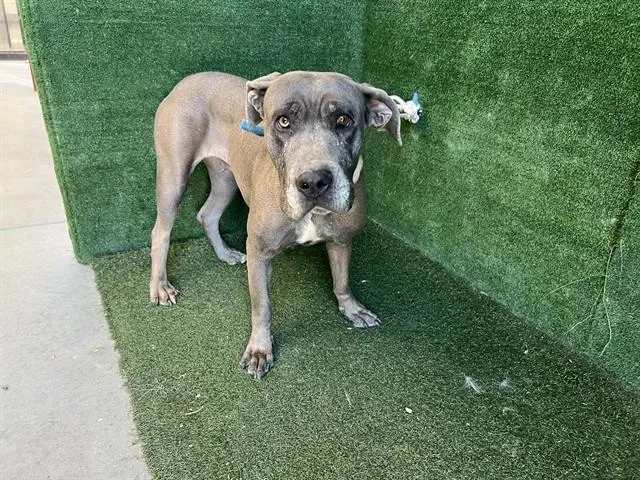
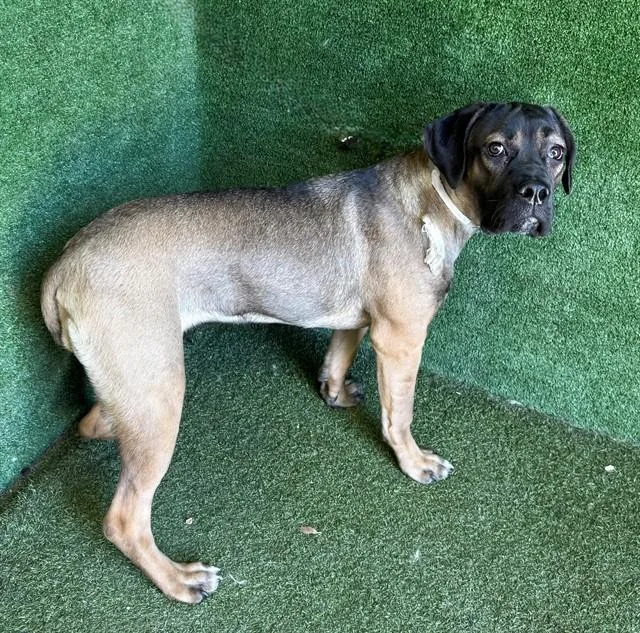
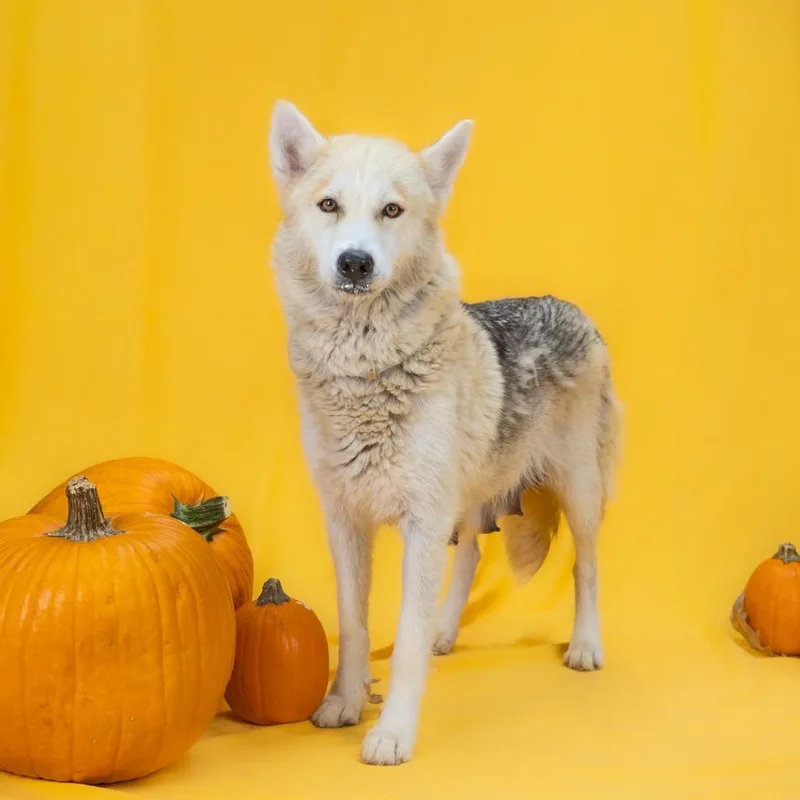
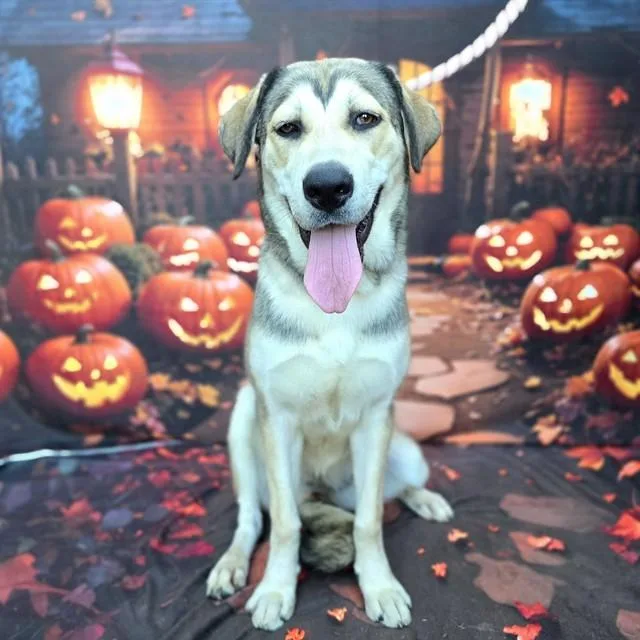
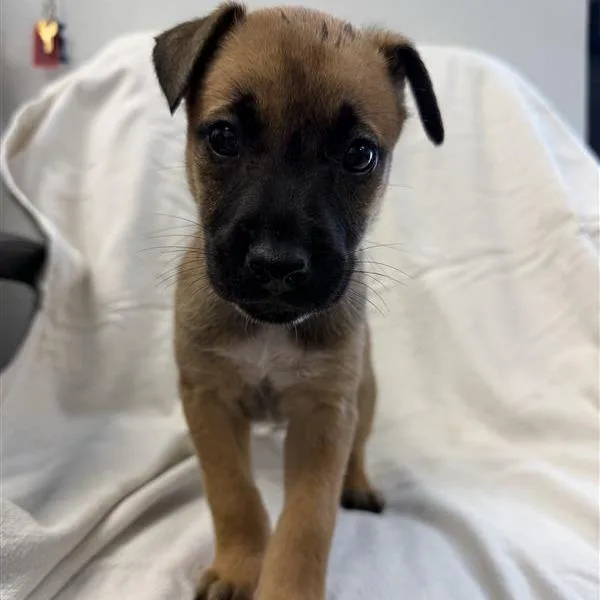
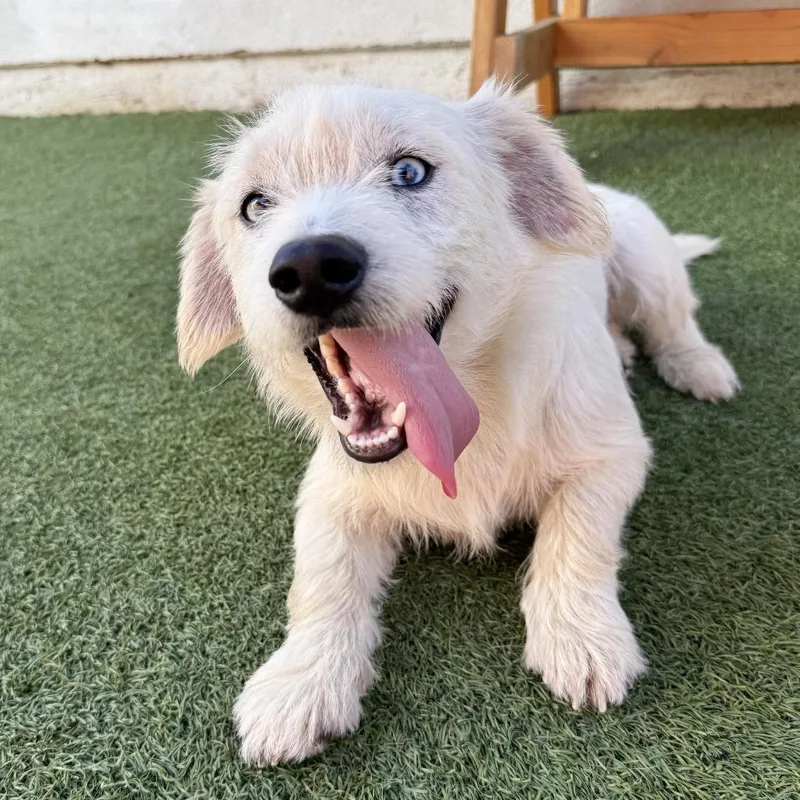
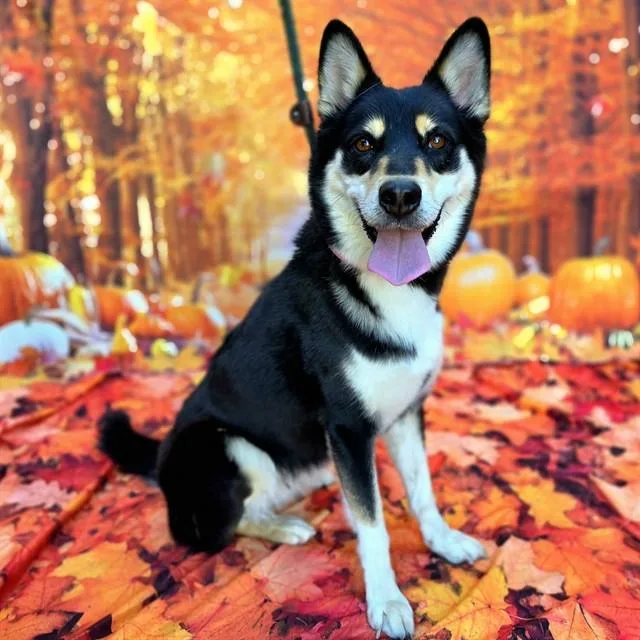
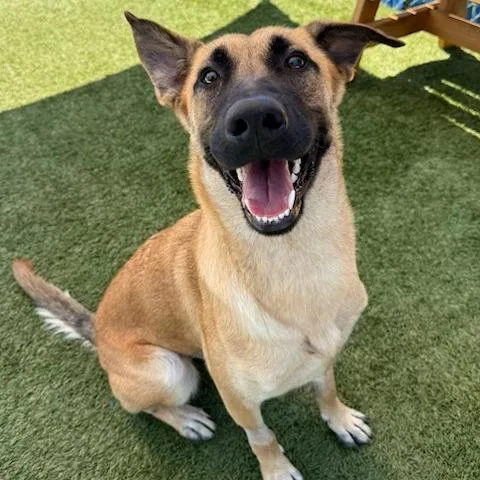
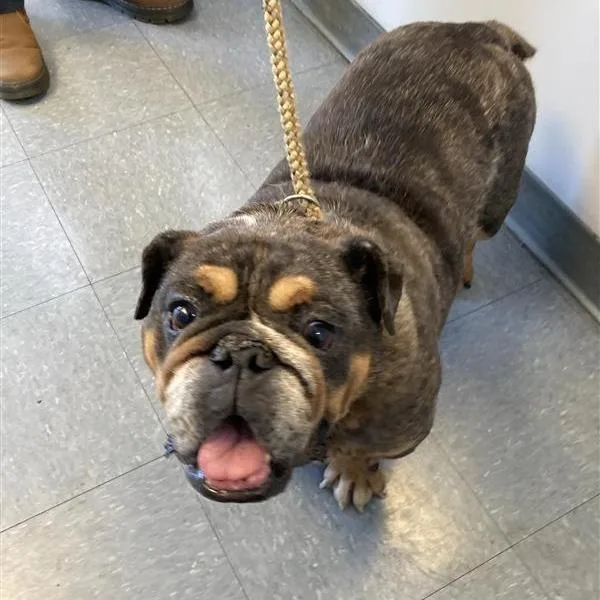
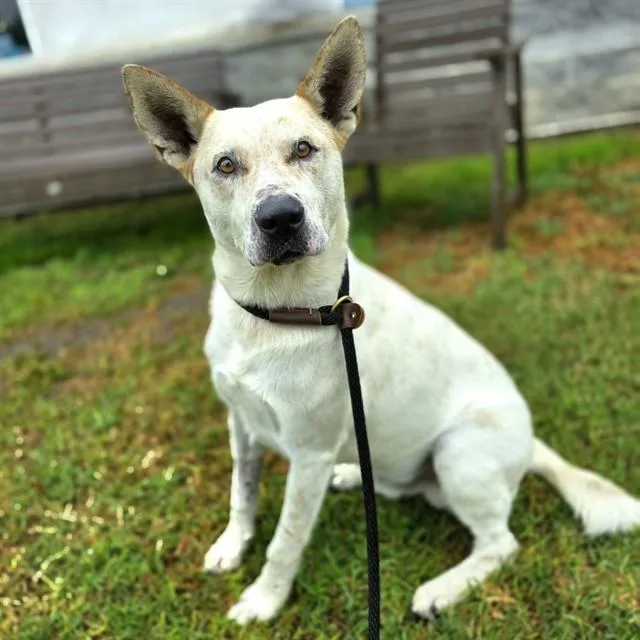
Mastiffs Available for Adoption Near Long Beach

About the Mastiff breed

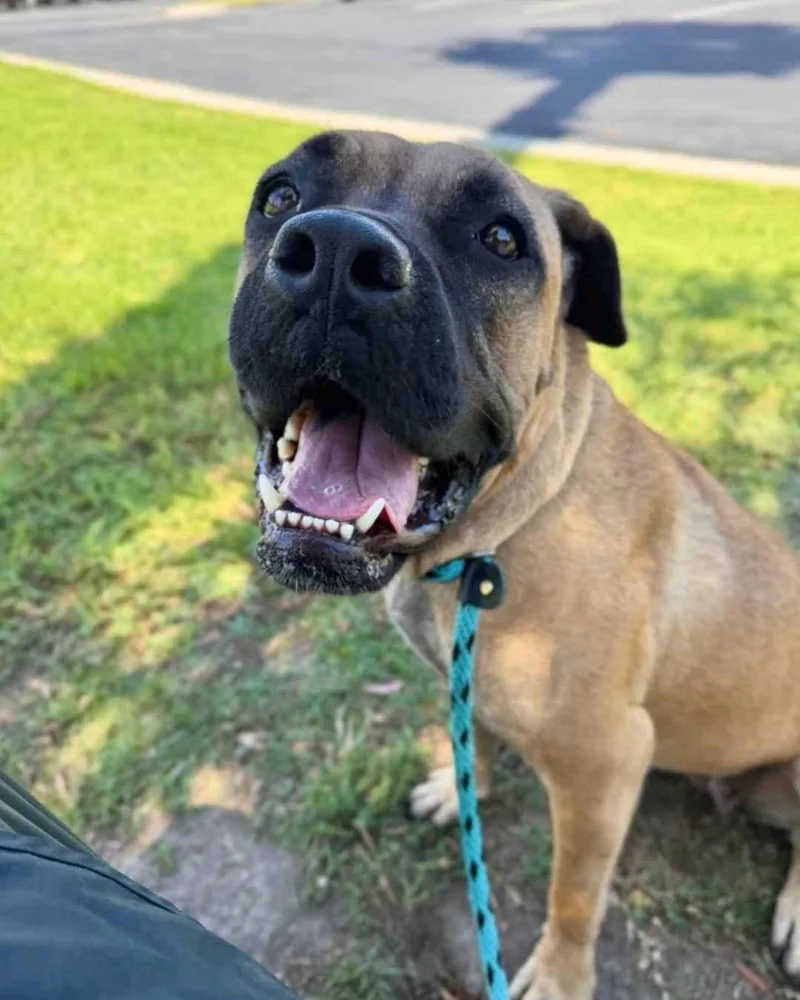
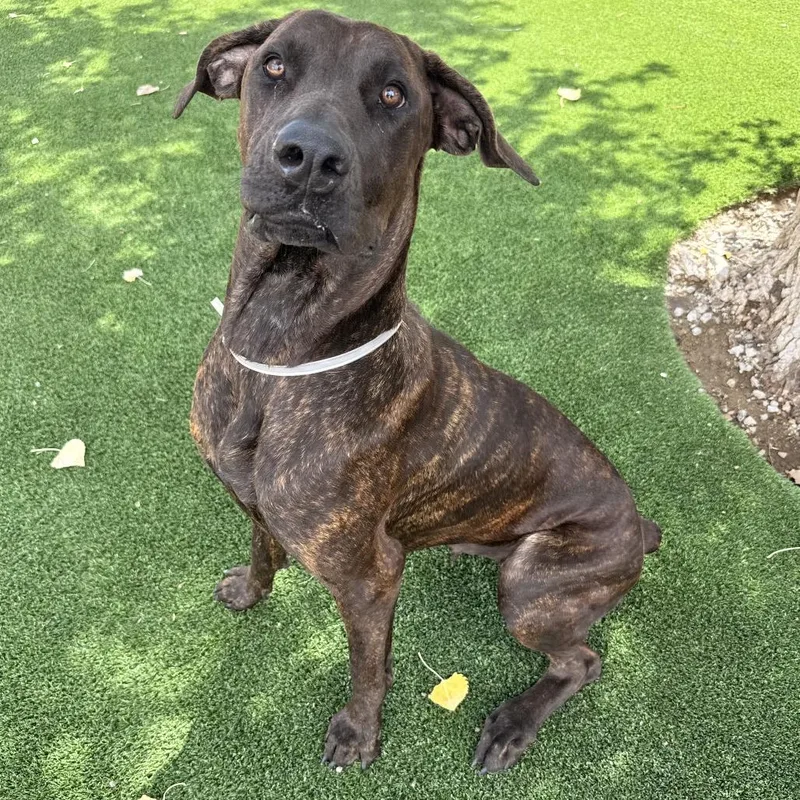
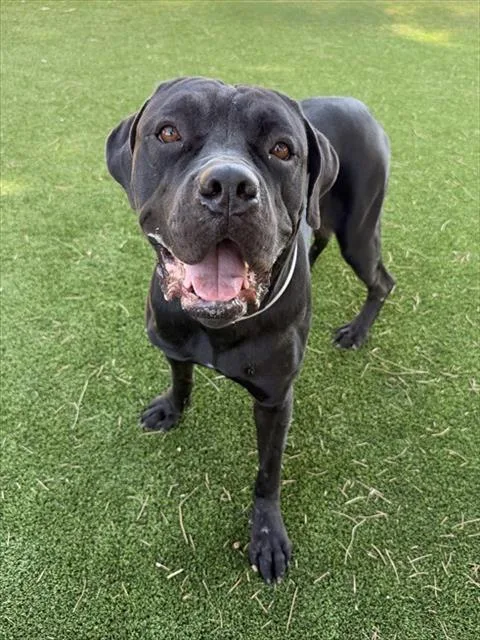
The Mastiff, also called the English Mastiff, is a massive, heavy-boned guardian with a broad head, dark mask and short fawn, apricot or brindle coat. Large guard dogs have lived in Britain for centuries, and the modern breed nearly disappeared after World War II before a small group of dogs rebuilt it.

Most Mastiffs are calm, dignified and gentle with their families, with a quiet protectiveness toward home and people, though every dog's personality differs. They shed moderately, drool, and tend to be couch-loving rather than athletic. Their size changes everything: expect giant-breed food, sturdy gear and vet bills, and a lifespan that often runs under ten years. In Long Beach, that means thinking about floor space and car room before you fall for one.

Weight
120–230 lbs
Height
27–36 in
Lifespan
6–10 yrs
Temperament
Gentle, Dignified, Protective
Group
Working
Shedding
Moderate

Owning a Mastiff in Long Beach

Having a Mastiff in Long Beach

Mastiffs pair a steady, easygoing nature with one of the heaviest frames in the dog world. In Long Beach, that mix shows up in how far you walk, how much floor space you have and how you handle sun on the pavement.

Temperament

Mastiffs are usually calm, affectionate and patient at home, and watchful with strangers. On busy Long Beach sidewalks, that aloofness calls for early, reward-based socialization, because an adult this heavy can't be muscled past a distraction. Dogs vary, so notice how the dog handles crowds, other dogs and new people.

Exercise Needs

Most adult Mastiffs do well with a couple of moderate walks a day plus relaxed play. Rosie's Dog Beach and the city's dog parks offer a change of scenery, though dogs must be over four months, vaccinated and licensed to enter a park. Keep outings short and shaded in warm weather, since Mastiffs overheat easily.

Health Considerations

Mastiffs are prone to hip and elbow dysplasia, bloat, obesity and bone cancer, and some carry heart or eye conditions. Learn the signs of bloat, such as a swollen belly and unproductive retching, because it's an emergency. Keeping a Mastiff lean protects the joints, and a veterinarian can check the hips and heart after adoption.

Living Space

A house with a yard and few stairs is easiest, but a Mastiff can live in an apartment if there's an elevator and room to stretch out. Plan on a giant bed, washable covers and space for a tail at table height. Mastiffs should live indoors with the family, not out in the yard.

What it costs to own a Mastiff in Long Beach

ExpenseTypical costPer year
Food$80 to $160 per month$960 to $1,920
Pet insurance$85 to $170 per month$1,020 to $2,040
Routine vet care$250 to $500 per year$250 to $500
Other*$603 to $1,678 per year$603 to $1,678
Estimated yearly total (after year one)$2,833 to $6,138

Other costs are estimates and vary with size, age and health.

* The $28 Long Beach altered-dog license, giant-dose flea, tick and heartworm prevention, a dental cleaning allowance, durable toys and bedding, basic coat care and joint supplements.

Adopt a Mastiff in Long Beach.

Now that you know more, let’s find you a new best friend. These rescues and shelters below currently have Mastiffs available.

Frequently Asked Questions

Usually not, unless the Mastiff is a service animal. Long Beach Transit requires pets to ride in a rigid carrier with locks or latches, and the Metro A Line allows only service animals or animals in fully enclosed carriers. No carrier fits a Mastiff, so plan on a car with a roomy back seat or walk to nearby errands.

Yes, with sensible precautions. Long Beach summers average highs near 80°F with cool nights, but August and September bring the hottest days, and a Mastiff overheats easily. Walk at dawn or after dusk, carry water, check pavement with your hand, and keep the dog in cool indoor space on heat-alert days. Never leave a Mastiff in a parked car.

Rosie's Dog Beach in Belmont Shore is the top pick for sand, with off-leash play inside the Dog Zone from 6 a.m. to 8 p.m. Recreation Dog Park and Wrigley Heights are larger fenced runs, and El Dorado Park Dog Park has seasonal hours. Most other dog parks are small. Dog parks allow one dog per adult.

Yes. Long Beach has no breed-specific rules, and California law lets cities target breeds only through spay/neuter and breeding requirements. Any dog over four months needs a rabies vaccine and a city license, and dogs over six months must be spayed or neutered unless exempt. Keep a Mastiff on a leash no longer than six feet in public.

Yes, if the building and landlord allow it. Mastiffs are quiet indoors, but a giant dog needs an elevator or ground-floor unit, wide hallways and room to lie down. Some landlords set weight limits, so confirm the pet policy in writing before applying. Teaching calm greetings also helps avoid noise complaints from neighbors.

A Mastiff can be a good fit if you have space, time at home and a budget for giant-breed care. The mild coast and Rosie's Dog Beach help, but small downtown dog parks, stairs and warm late-summer days take planning. Mastiffs tend to be calm companions, though each dog differs, so look at the dog's own personality rather than breed alone.

Only on patios, and only where the restaurant chooses to allow dogs. California law permits leashed pet dogs in outdoor dining areas that have a separate outdoor entrance, with the dog kept on the ground and given water in disposable containers. Dogs aren't allowed inside unless they're service animals. A Mastiff needs room to lie under the table without blocking walkways.

Very little. The Mastiff's short, coarse coat needs a weekly brushing, and shedding is moderate. Long Beach's mild climate rarely calls for coat protection or heavy seasonal grooming, but wipe drool and face folds regularly and trim nails. Basic coat care is already counted in the Other costs, and an occasional bath keeps skin healthy.

We have 1 rescue with Mastiffs available: Long Beach Animal Care Services. You can see every rescue with Mastiffs available in the list above these questions, or scroll to the top to see the Mastiffs near Long Beach.

Expect roughly $80 to $160 a month for giant-breed food and $85 to $170 for insurance, plus $250 to $500 a year for routine vet care and $603 to $1,678 a year in other costs. That puts a typical year around $2,800 to $6,100 before emergencies, boarding or one-time gear like a giant crate.