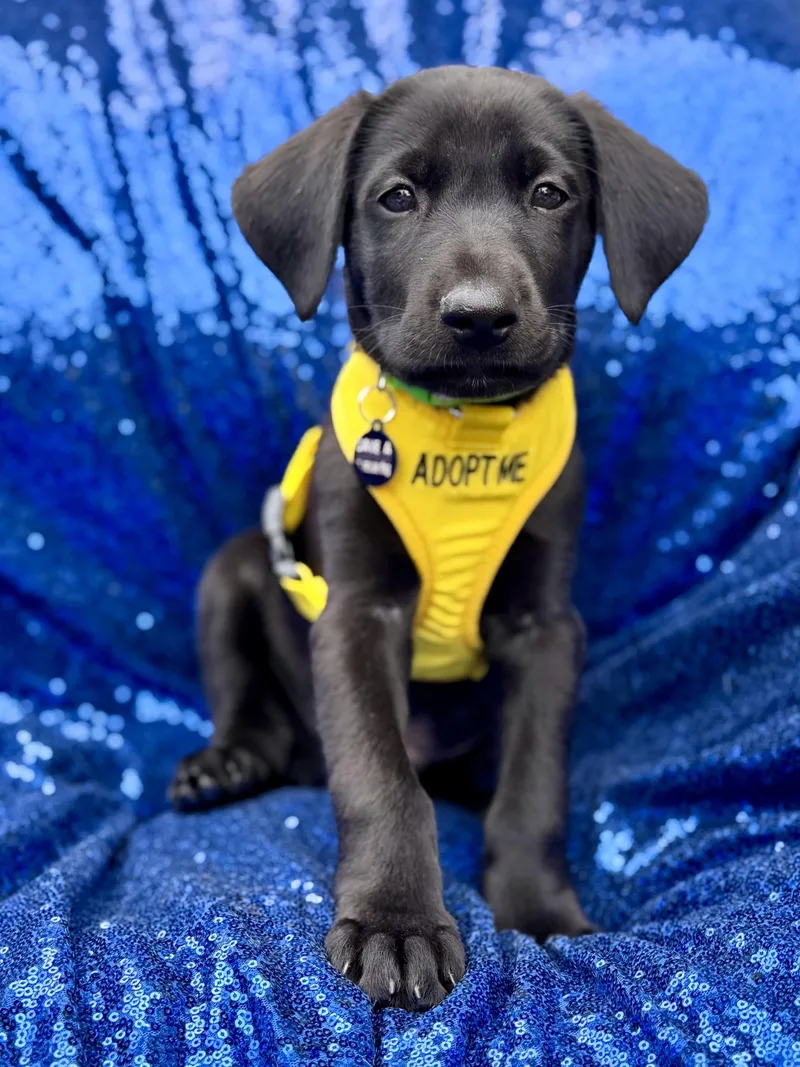
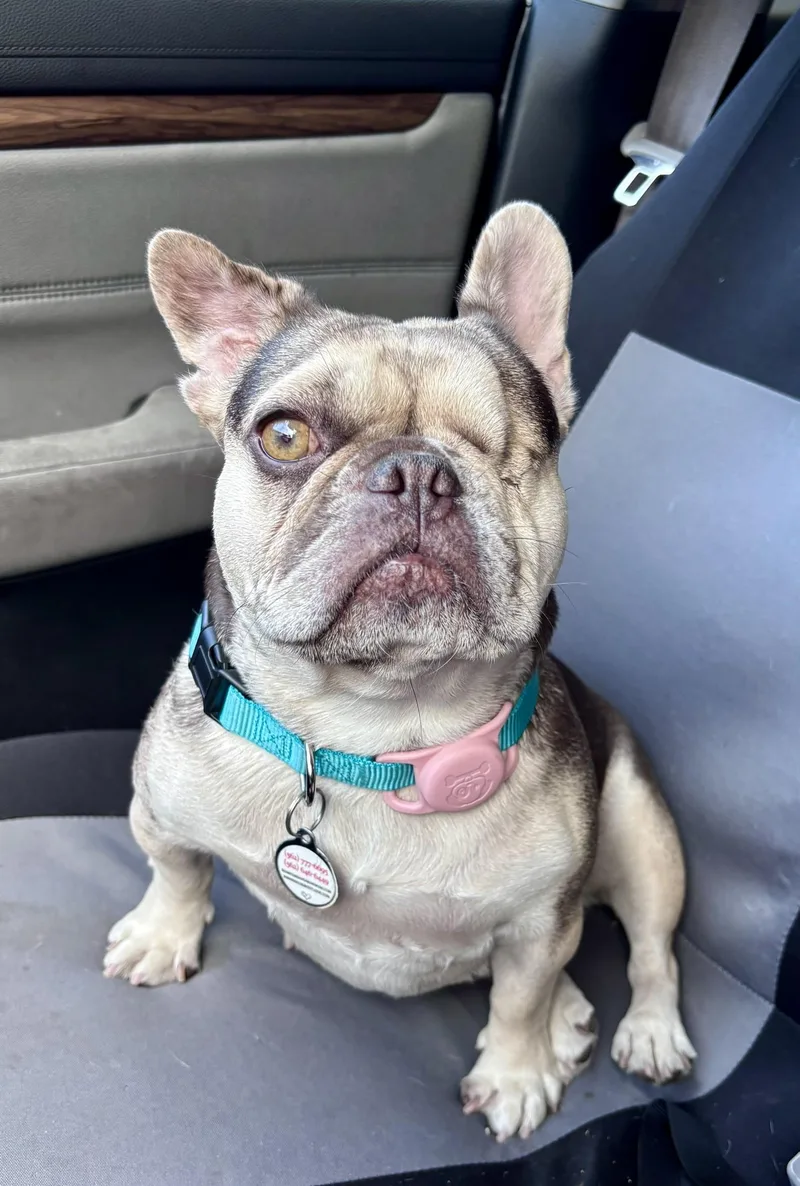
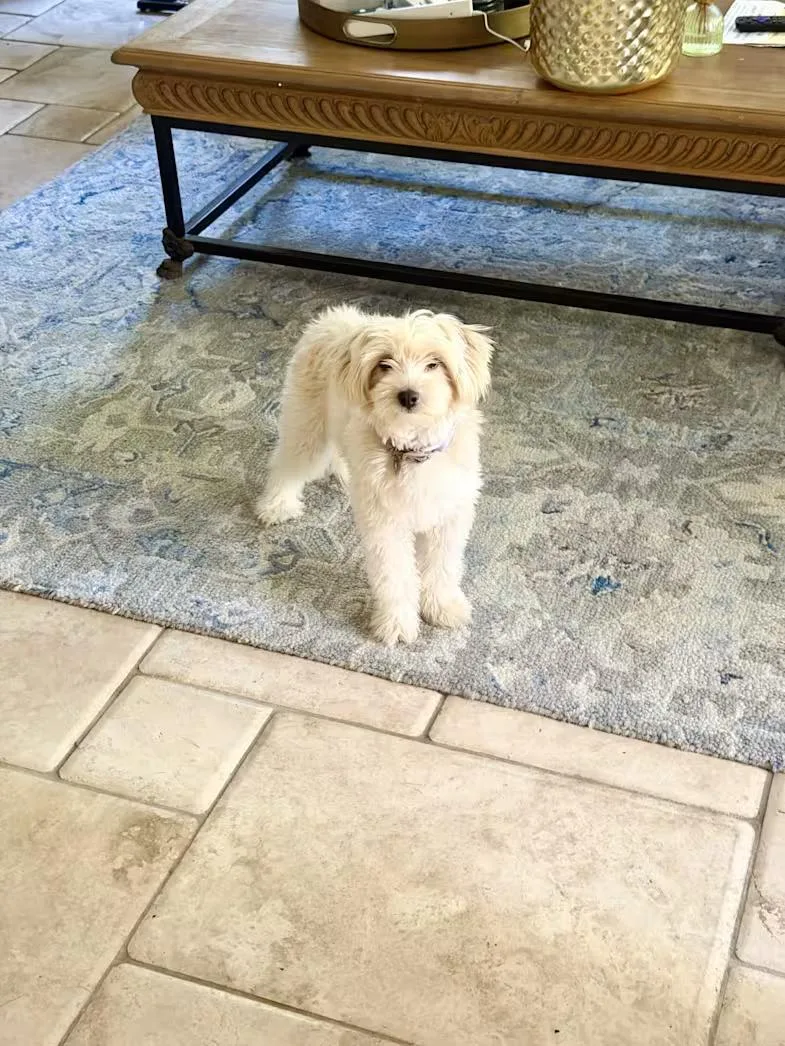
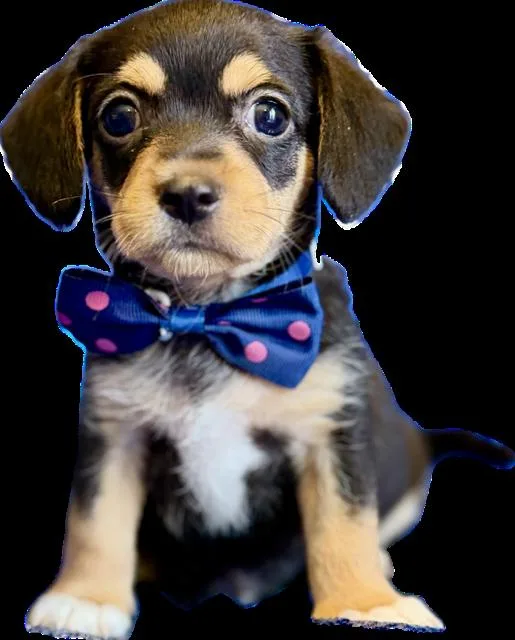
Toy Poodle Dogs for Adoption in La Habra, CA

Your guide to finding and caring for a Toy Poodle in La Habra

119 Toy Poodles available in La Habra and nationwide

Find your Toy Poodle

Toy Poodles Available for Adoption Near La Habra

About the Toy Poodle breed

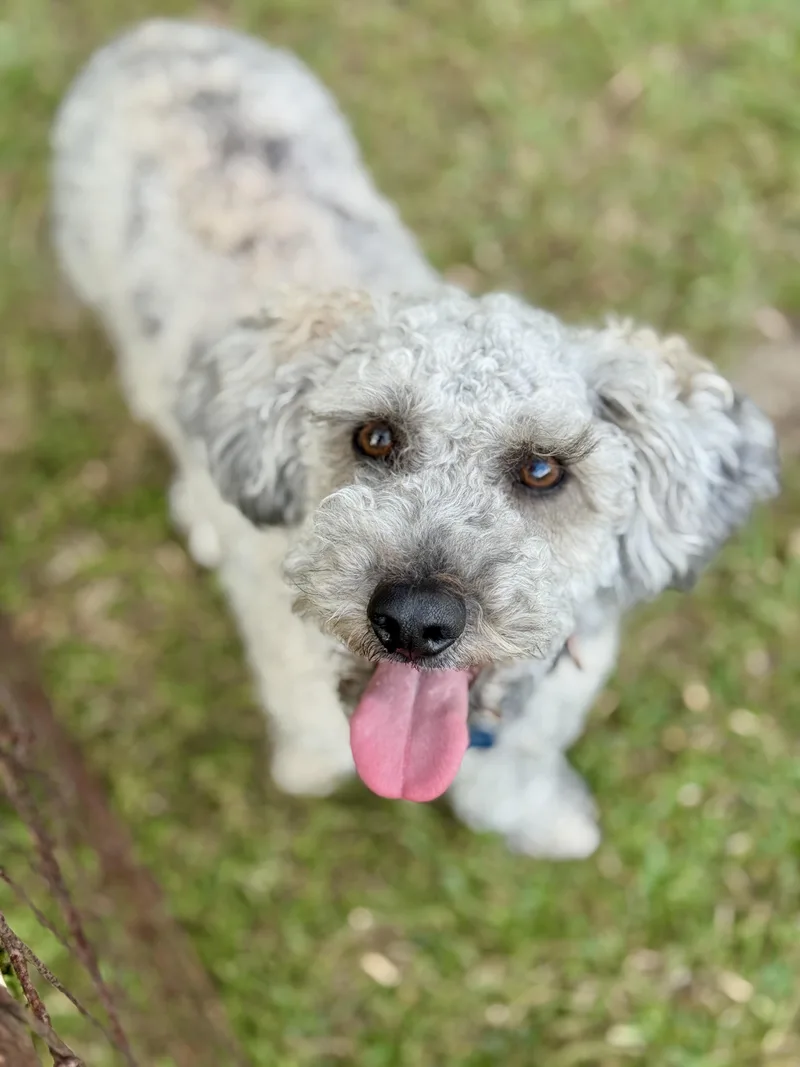
The Toy Poodle is the smallest of the three Poodle sizes, standing 10 inches or less at the shoulder and usually weighing about 4 to 8 pounds. It is the same breed as the Miniature and Standard Poodle, scaled down from Miniatures in the early twentieth century as a companion, and it shares their dense, curly, low-shedding coat and solid colors from black and white to apricot, silver and red. Unlike its larger relatives, it sits in the AKC Toy Group.

Toy Poodles are often affectionate, alert and exceptionally quick to learn, with a strong wish to stay close to their people. Many are watchful barkers and can become clingy or anxious without practice at being alone. Their small, fine-boned bodies need protection from falls and rough play, and their coats need professional grooming every few weeks.

Weight
4–8 lbs
Height
8–10 in
Lifespan
10–18 yrs
Temperament
Intelligent, Affectionate, Lively, Alert
Group
Toy
Shedding
Low

Owning a Toy Poodle in La Habra

Having a Toy Poodle in La Habra

A Toy Poodle offers a Poodle's brains and low-shedding coat in a dog small enough to carry. Its attachment to people, fragility, long lifespan and grooming needs set it apart from the Miniature and Standard and shape what adopters should plan for.

Temperament

Toy Poodles tend to be devoted, playful and sensitive, bonding closely with their family and often following a favorite person around the house. Many are reserved with strangers at first and quick to bark at noises. They respond best to gentle, upbeat training. A shelter Toy Poodle's history affects its confidence more than its pedigree.

Exercise Needs

Toy Poodles need less exercise than the larger varieties but more than many lap dogs: a couple of short walks plus indoor play usually suits them. Their minds need regular work, and tricks, puzzle feeders, scent games and even toy-dog agility help prevent boredom barking. Use a harness and avoid jumps from high furniture.

Health Considerations

Toy Poodles are often long-lived, but progressive retinal atrophy, slipping kneecaps, Legg-Calve-Perthes disease, epilepsy and hormonal disorders such as Addison's disease occur in the variety. Dental disease is very common in toy dogs, and tiny puppies can develop low blood sugar. Daily tooth brushing and checkups help; have a veterinarian check the eyes and knees.

Living Space

A Toy Poodle adapts easily to apartments, condos and houses because it needs little room and can burn energy indoors. It should live inside with its family and does best when someone is home much of the day. Watch for open doors and stairs, add steps onto furniture, and train early to keep alert barking manageable.

What it costs to own a Toy Poodle

ExpenseTypical costPer year
Adoption fee$600, one time$600 in year one
Food$15 to $35 per month$180 to $420
Pet insurance$35 to $70 per month$420 to $840
Routine vet care$200 to $400 per year$200 to $400
Other*$940 to $2,340 per year$940 to $2,340
Estimated yearly total (after year one)$1,740 to $4,000
First-year total (with adoption fee)$2,340 to $4,600

Adoption fee is the fee on Toy Poodle listings in La Habra on GetBuddy today. Other costs are national averages for Toy Poodles; we don't have costs specific to La Habra yet.

* Professional grooming every four to eight weeks, a higher dental allowance for a toy dog prone to dental disease, flea, tick and heartworm prevention, a dog license, and toys and bedding.

Adopt a Toy Poodle in La Habra.

Now that you know more, let’s find you a new best friend. These rescues and shelters below currently have Toy Poodles available.

Rescues in La Habra with Toy Poodles Available

Here are the rescues & shelters in the La Habra area where you can find Toy Poodles and other dogs available for adoption.

Frequently Asked Questions

Toy Poodles were developed as companion dogs. The Poodle began in Europe as a water retriever, but in the early twentieth century smaller Miniature Poodles were selected toward an ever-smaller size to create a portable house dog. Toy Poodles kept the Poodle's intelligence and curly coat, and today they excel as companions, trick dogs and therapy dogs.

The Toy Poodle is a scaled-down Poodle, and the Poodle itself originated in Europe, most likely Germany, as a water retriever, though France is often credited and is its official home with the FCI. The Toy size was developed in the early twentieth century from small Miniature Poodles as a companion dog, keeping the Poodle's curly coat and quick mind.

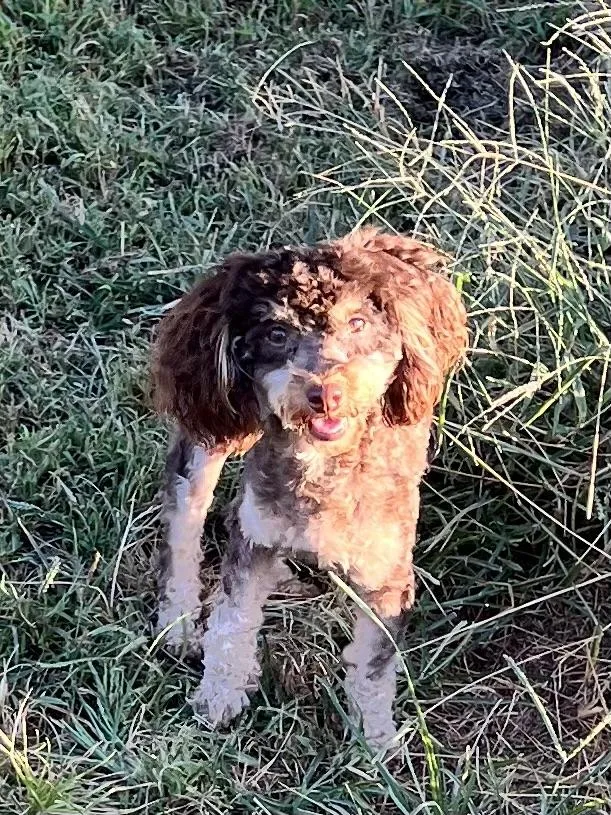
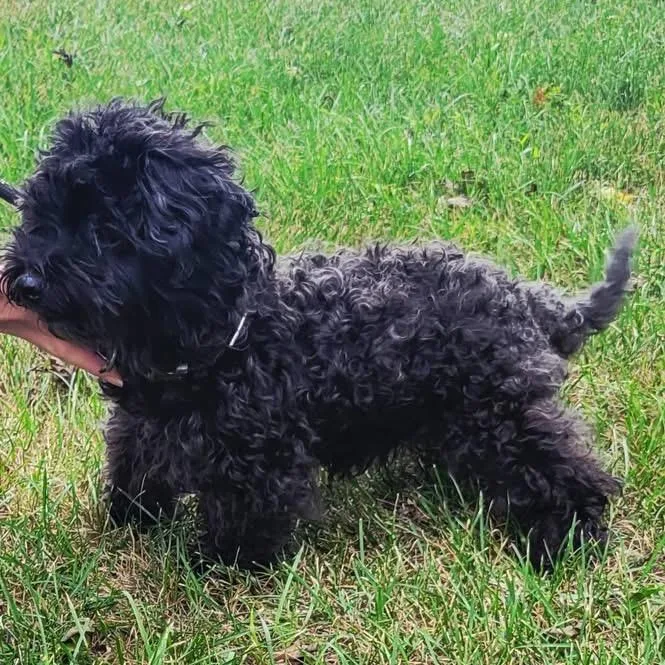
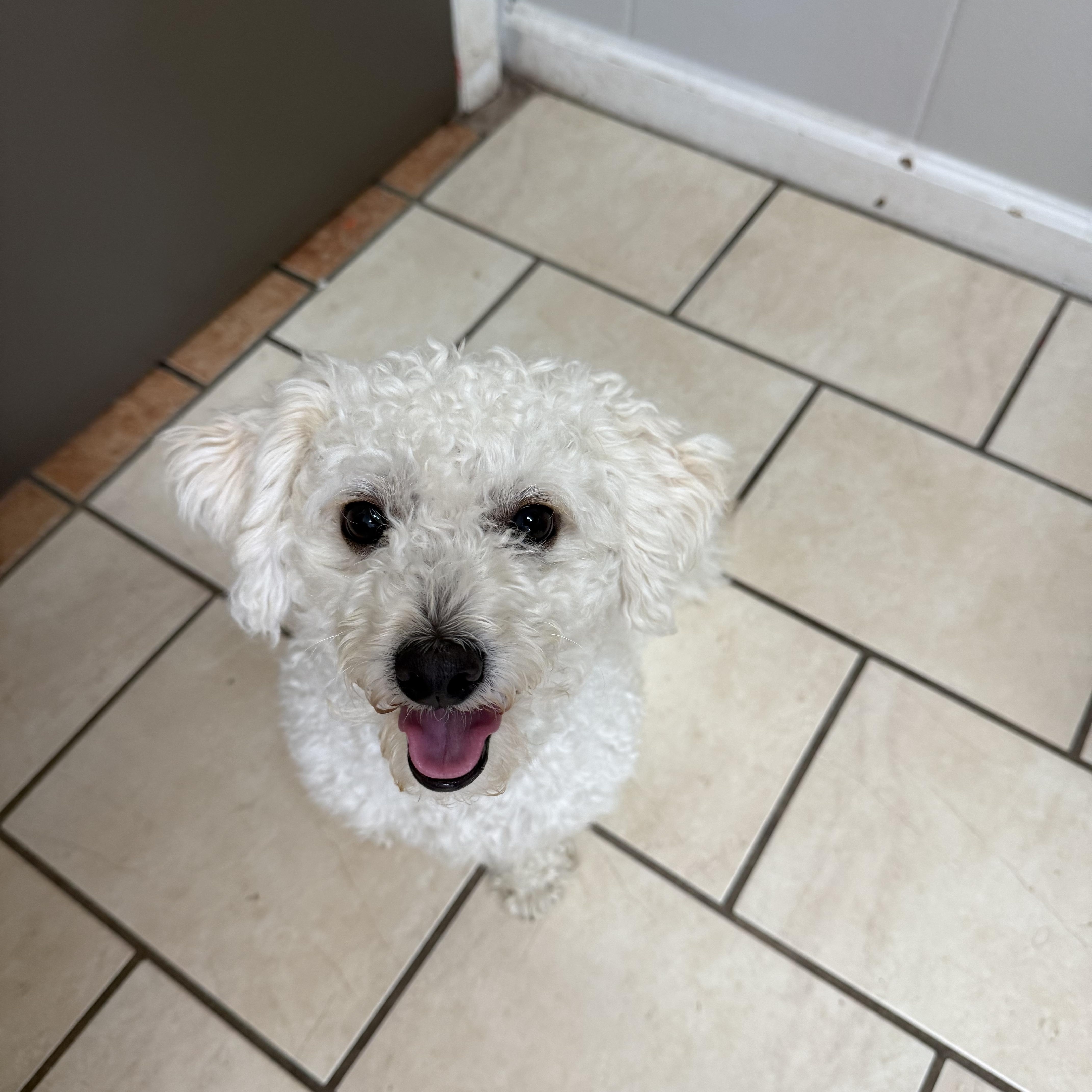
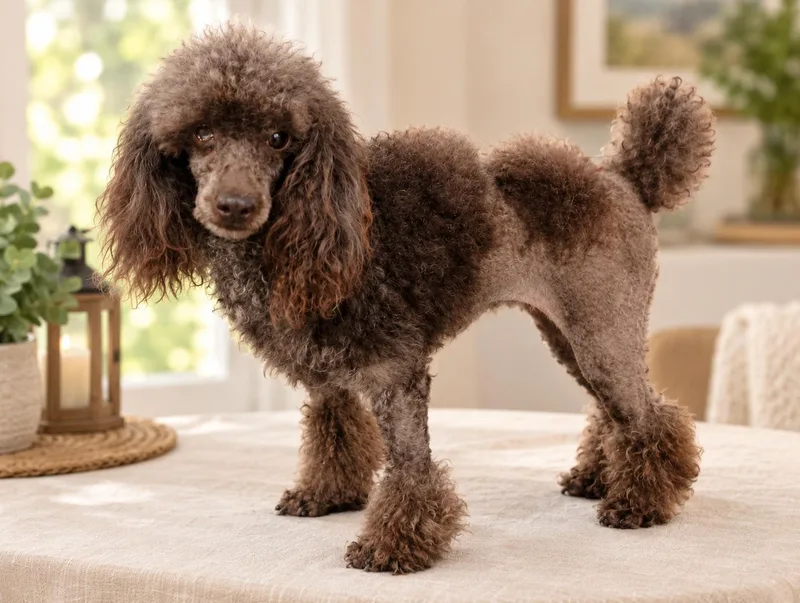
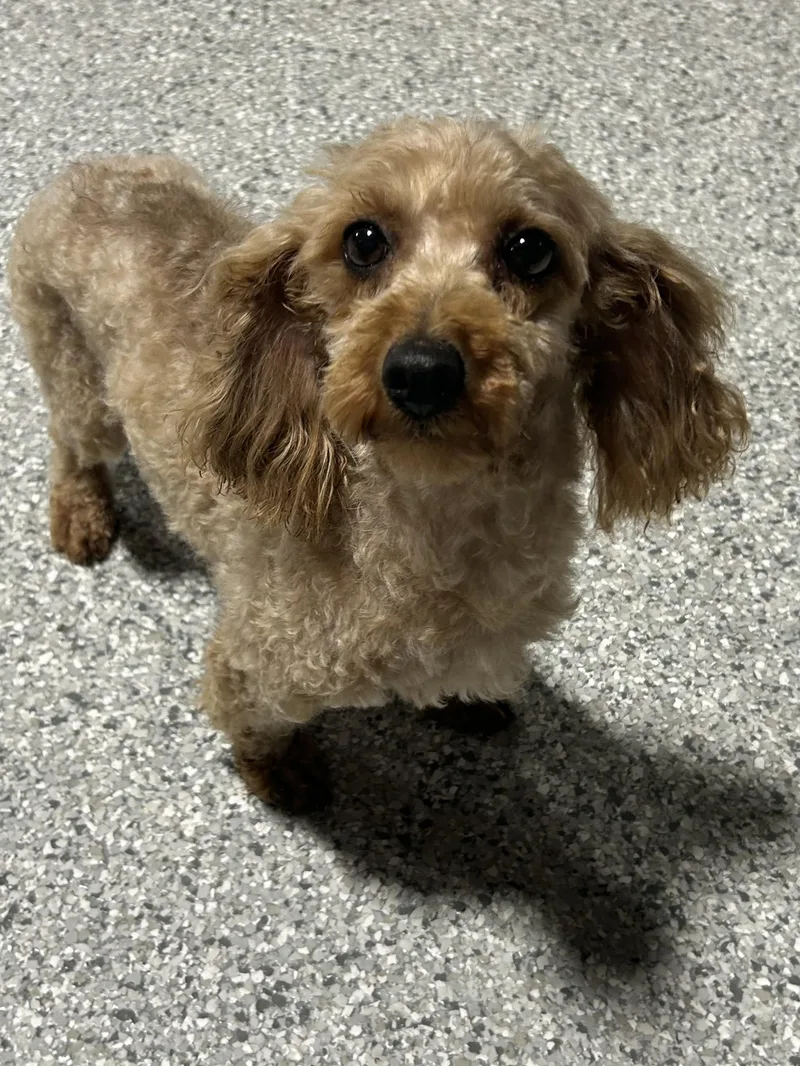
A Toy Poodle is a tiny, elegant, square-built dog with a long, fine muzzle, dark oval eyes, long hanging ears and a dense, curly coat. Solid colors include black, white, apricot, silver, cream, brown and red. Pet Toy Poodles are usually kept in a short, easy clip rather than the sculpted show trims, which gives them a soft, teddy-bear look.

Toy Poodles are the smallest Poodle size, standing 10 inches or less at the shoulder, with most between about 8 and 10 inches. Adults usually weigh about 4 to 8 pounds. Dogs over 10 inches are classed as Miniature Poodles, and shelter listings do not always distinguish a large Toy from a small Miniature.

Most adult Toy Poodles weigh about 4 to 8 pounds. Dogs kept as pets are often a little heavier than show dogs, and build and height make a difference. Rather than chasing a number on the scale, aim for a waist you can see from above and ribs you can feel easily; a vet can confirm a healthy weight.

Toy Poodles usually reach their adult height by about 9 to 12 months of age, like most toy breeds. Many fill out slightly until around a year old, and the coat may keep changing texture into the second year. Puppies need small, frequent meals while growing, because tiny dogs are prone to low blood sugar.

Toy Poodles are among the longer-lived dogs, commonly living about 10 to 18 years, and many reach their mid-teens. Dental disease, eye conditions and knee problems are common in older Toy Poodles, so daily tooth brushing, a lean weight and regular veterinary checkups help them stay comfortable into their senior years.

A common rule of thumb is that a small dog's first year equals about 15 human years, the second adds about 9, and each year after adds roughly 4 to 5. By that measure, a 10-year-old Toy Poodle is roughly 56 in human years. Small dogs age more slowly than large ones, so the comparison is only approximate.

Toy Poodles shed very little. Their curly hair grows continuously, and loose hairs tend to get caught in the coat instead of falling onto floors and furniture. Those trapped hairs cause mats unless the coat is brushed several times a week and clipped every four to eight weeks, so low shedding comes with higher grooming needs.

We have 1 rescue with Toy Poodles available: Save A Bow Wow Rescue. You can see every rescue with Toy Poodles available in the list above these questions, or scroll to the top to see the Toy Poodles near La Habra.

Explore Other Breeds in La Habra

Looking for a different breed? Browse other dogs available for adoption in La Habra.