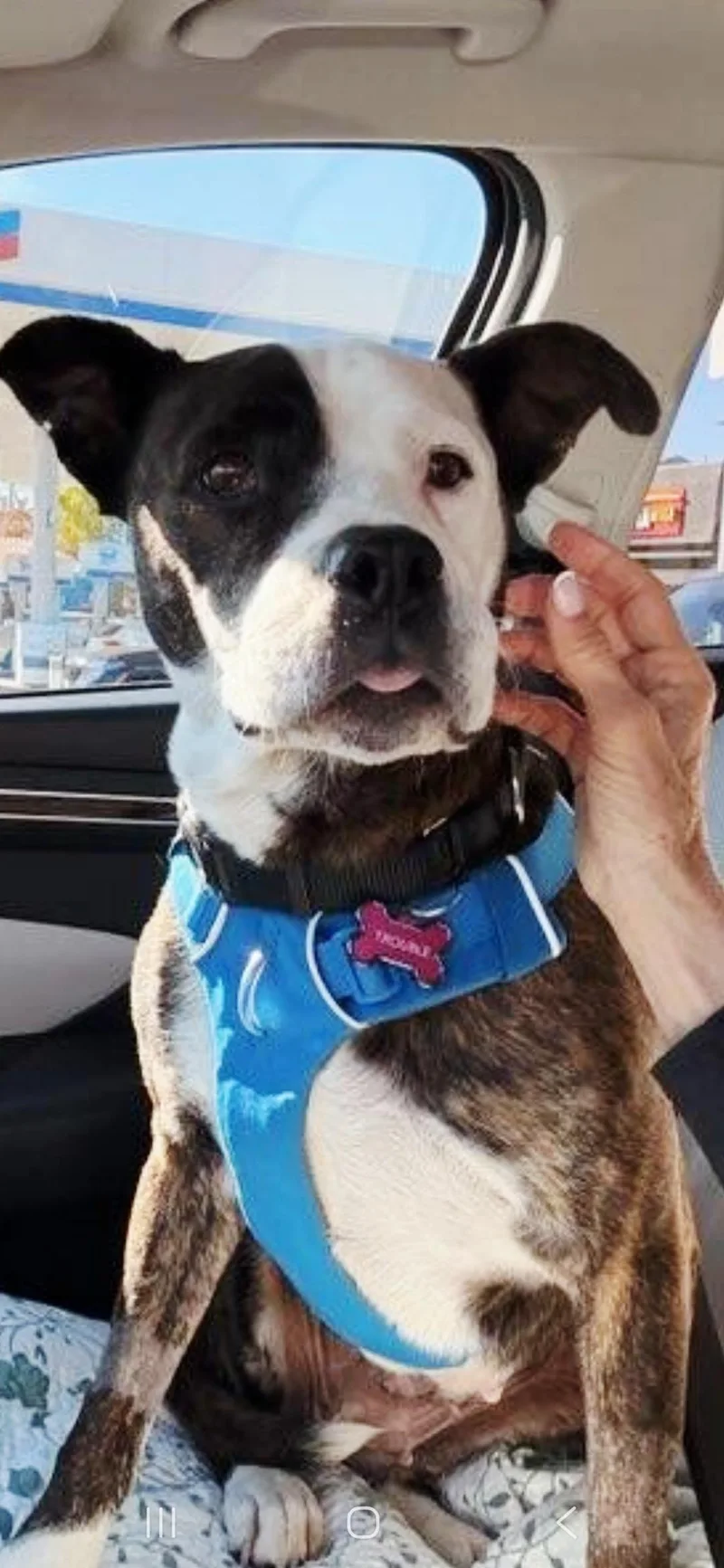
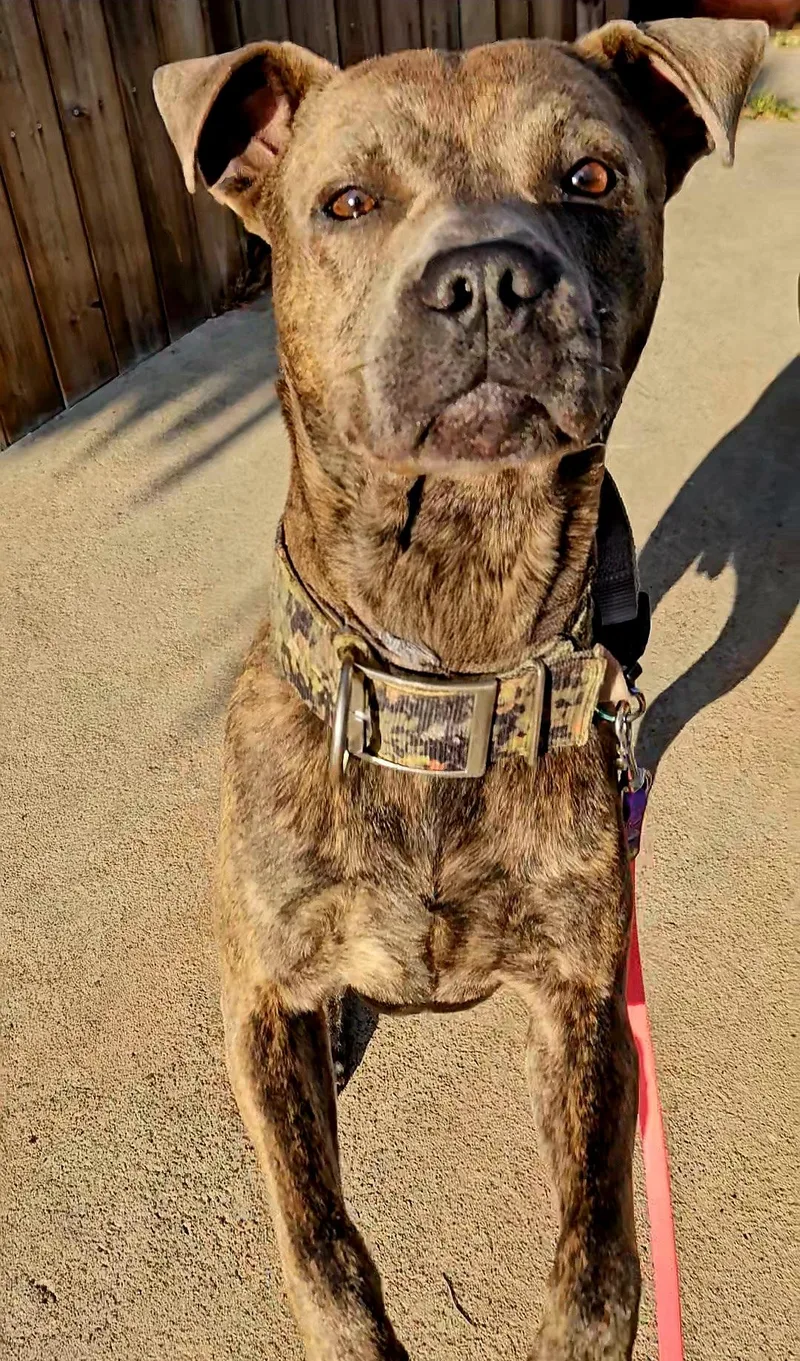
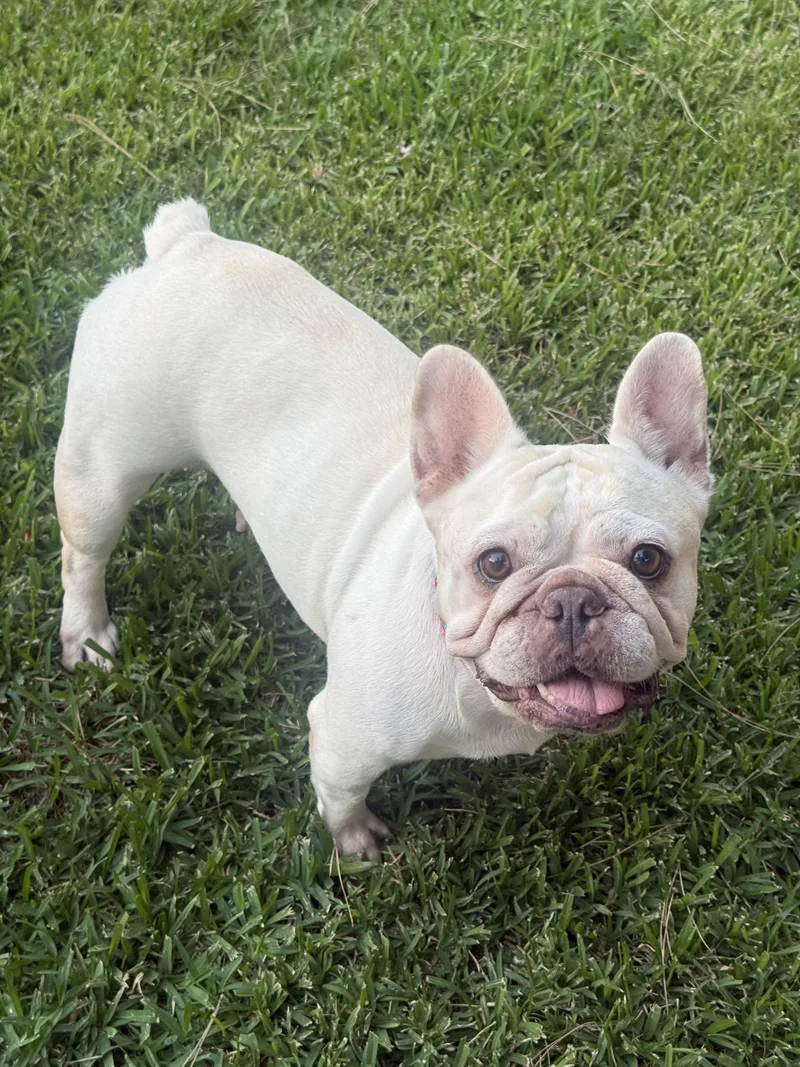
Wirehaired Vizsla Dogs for Adoption in Hermosa Beach, CA

Your guide to finding and caring for a Wirehaired Vizsla in Hermosa Beach

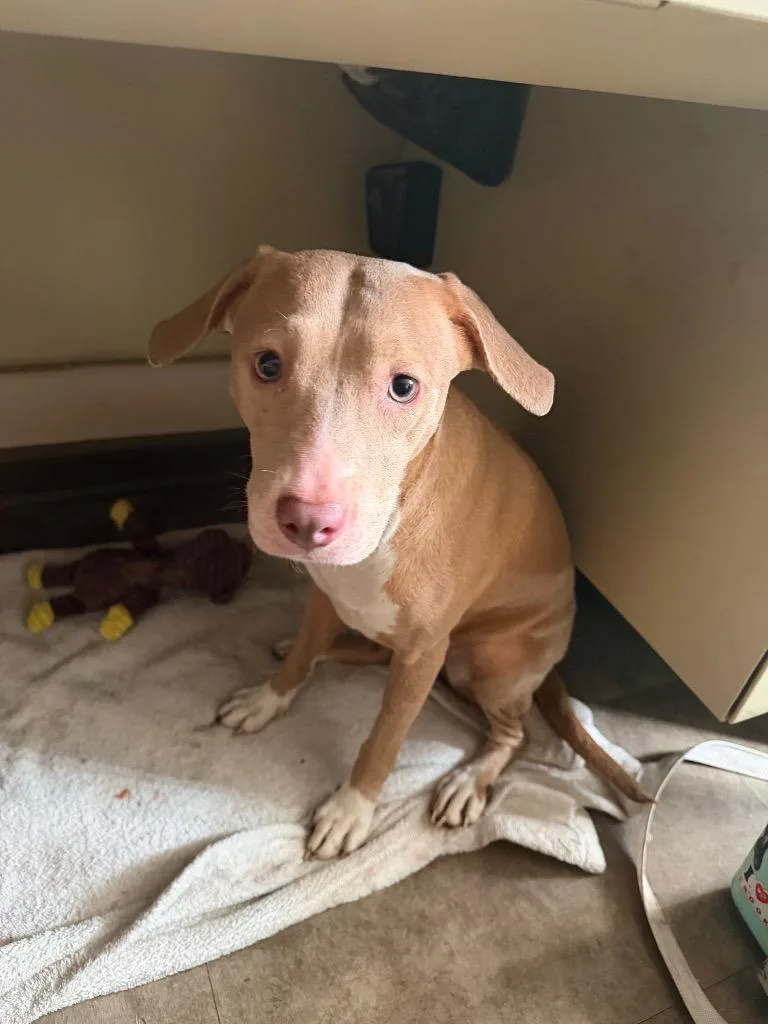
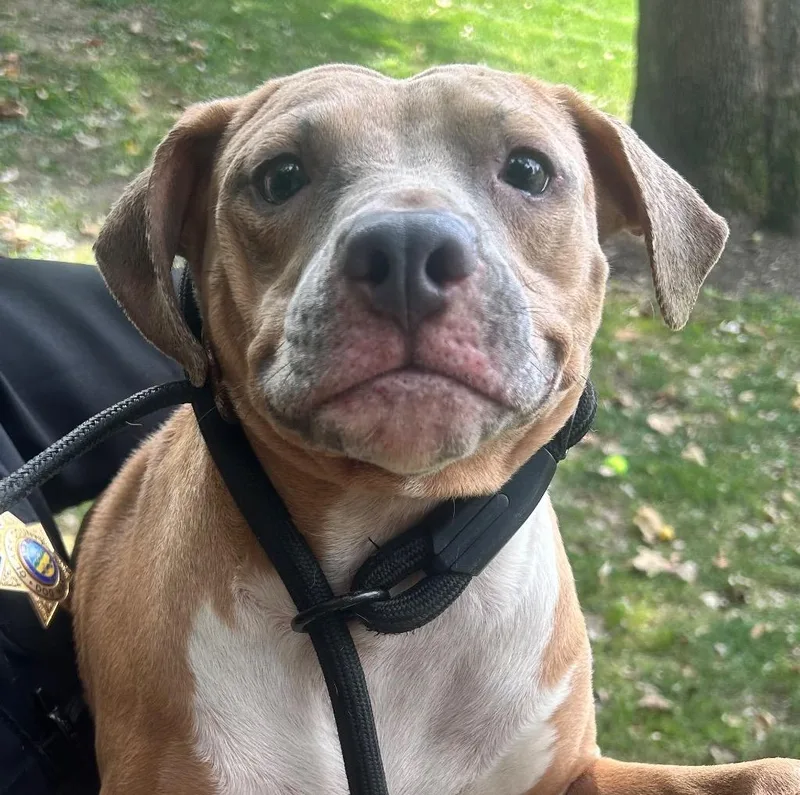
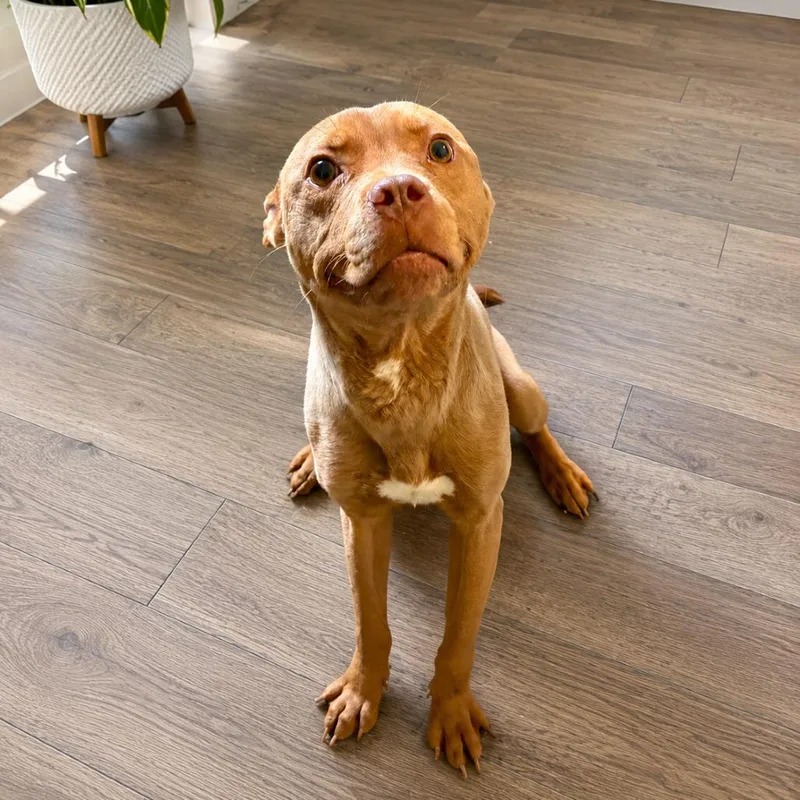
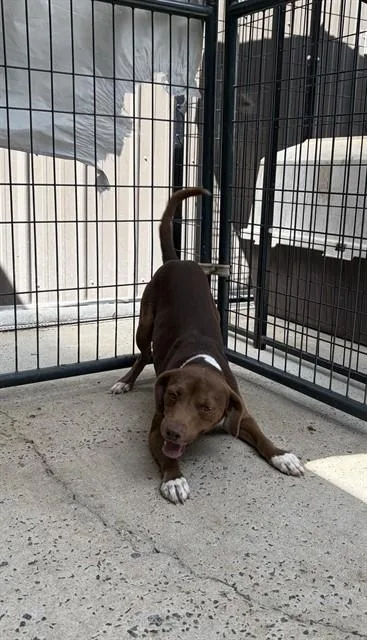
170 dogs similar to Wirehaired Vizsla available in Hermosa Beach and nationwide

Meet your next Wirehaired Vizsla

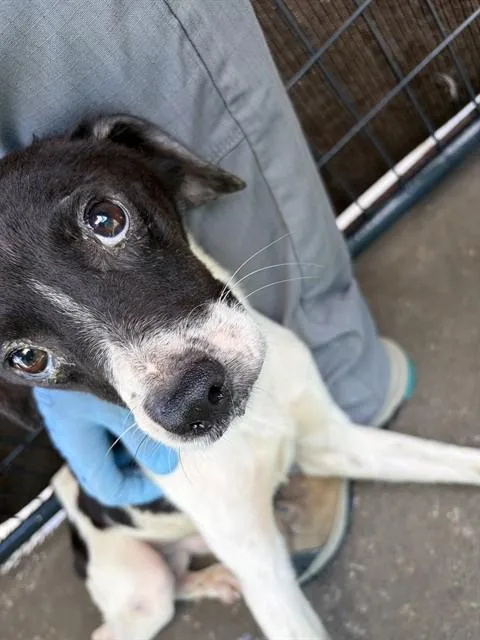
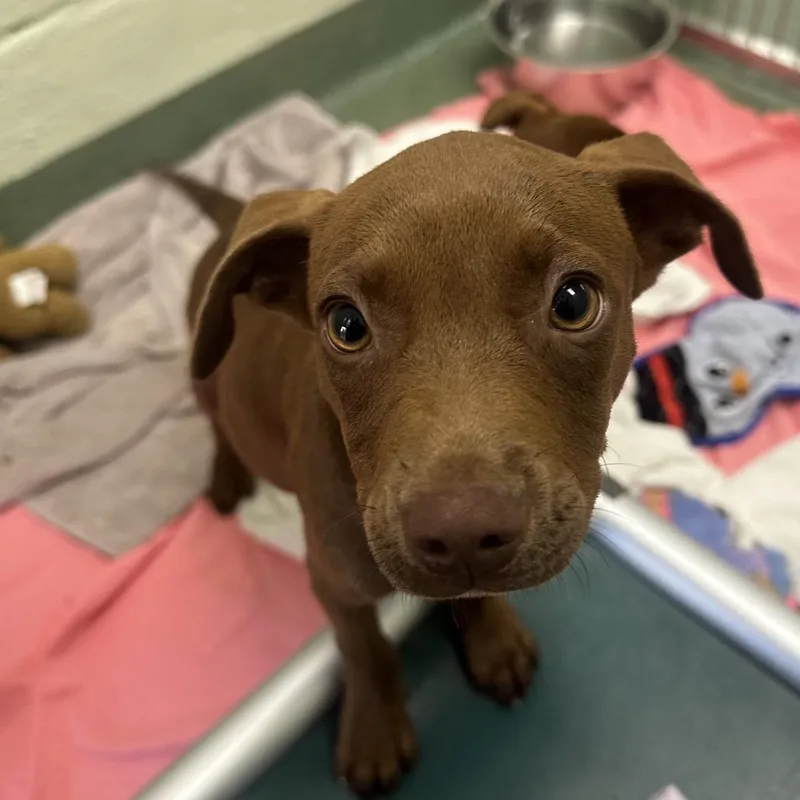
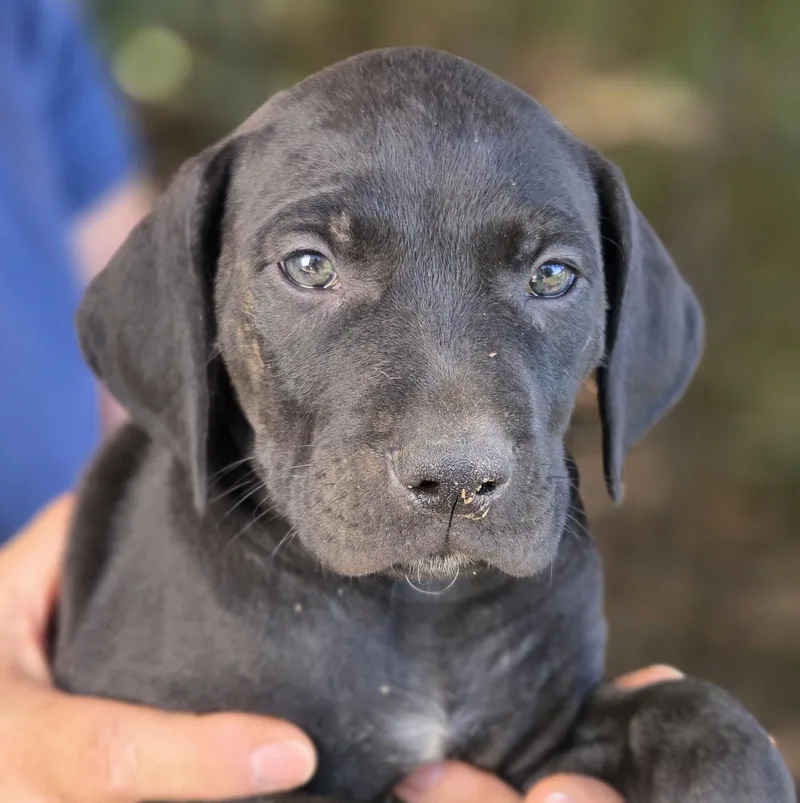
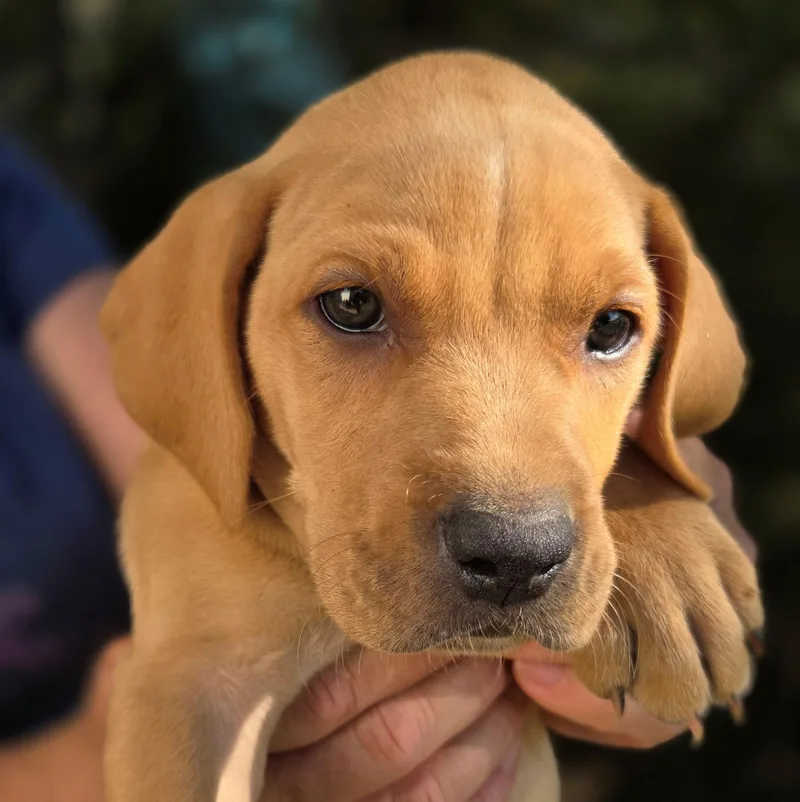
Wirehaired Vizslas and Similar Breeds Available for Adoption Near Hermosa Beach

About the Wirehaired Vizsla breed

The Wirehaired Vizsla was developed in Hungary in the 1930s by crossing Vizslas with German Wirehaired Pointers. The aim was a sturdier pointer with the Vizsla's golden-rust color and a dense, weatherproof coat for cold mornings and retrieves from icy water. The result is a separate breed, not a coat type of the smooth Vizsla, and the AKC added it to the Sporting Group in 2014.

Compared with the Vizsla, the Wirehaired is slightly larger and heavier-boned, with a wiry coat, bushy eyebrows and a beard. Many are calm and gentle at home and tireless outdoors, bonding closely with their people. They need vigorous daily exercise and company, and their strong prey drive calls for care around cats and small pets. The breed is rare in the United States.

Weight
45–65 lbs
Height
21–25 in
Lifespan
12–14 yrs
Temperament
Energetic, Affectionate, Gentle, Intelligent
Group
Sporting
Shedding
Moderate

Owning a Wirehaired Vizsla in Hermosa Beach

Having a Wirehaired Vizsla in Hermosa Beach

A Wirehaired Vizsla pairs a versatile hunting dog's stamina with a soft, people-focused temperament. Its energy, prey drive, attachment to family and weatherproof coat set it apart from the smooth Vizsla and shape what daily life with one looks like.

Temperament

Wirehaired Vizslas tend to be affectionate, sensitive and loyal, calm indoors once exercised and gentle with respectful children. Many follow their people from room to room. Lonely or bored dogs may bark, whine or develop separation anxiety. Strong hunting instincts mean cats, rabbits and birds can trigger chasing, so introductions need time and supervision.

Exercise Needs

This is a high-energy sporting breed that usually needs vigorous exercise every day, such as running, long hikes or swimming, which many love. Scent games, retrieving, hunt tests and training keep its mind busy. Because of its prey drive, exercise should happen on a leash or in a securely fenced area unless recall is reliable.

Health Considerations

Wirehaired Vizslas are generally healthy, but hip and elbow dysplasia, eye conditions such as progressive retinal atrophy and cataracts, a heart defect called subaortic stenosis, and hyperuricosuria, which can cause bladder stones, are documented. Ear infections can follow swimming. Keep up routine checkups.

Living Space

A Wirehaired Vizsla fits best in a house with a securely fenced yard and active people who are home often. Apartment life works only when long daily outings are guaranteed. Its weatherproof coat handles cold better than the smooth Vizsla's, but it is still an indoor family dog that dislikes being left alone for long hours.

What it costs to own a Wirehaired Vizsla

ExpenseTypical costPer year
Food$35 to $70 per month$420 to $840
Pet insurance$45 to $85 per month$540 to $1,020
Routine vet care$225 to $450 per year$225 to $450
Other*$540 to $1,390 per year$540 to $1,390
Estimated yearly total (after year one)$1,725 to $3,700

Other costs are national averages for Wirehaired Vizslas; we don't have costs specific to Hermosa Beach yet.

* Flea, tick and heartworm prevention, a dental cleaning allowance, a dog license, toys and bedding, and brushing, occasional stripping and baths for a wiry coat that sheds seasonally.

Adopt a Wirehaired Vizsla in Hermosa Beach.

Now that you know more, let’s find you a new best friend. These rescues and shelters below currently have Wirehaired Vizslas available.

Rescues in Hermosa Beach with Wirehaired Vizslas Available

Here are the rescues & shelters in the Hermosa Beach area where you can find Wirehaired Vizslas and other dogs available for adoption.

Frequently Asked Questions

The Wirehaired Vizsla is a medium-size Hungarian pointing and retrieving dog with a golden-rust, dense wiry coat, bushy eyebrows and a beard. It is a separate breed from the smooth Vizsla, slightly larger and heavier-boned, and the AKC placed it in the Sporting Group in 2014. Most are gentle, affectionate dogs at home and tireless outdoors.

The Wirehaired Vizsla originated in Hungary in the 1930s, when smooth Vizslas were crossed with German Wirehaired Pointers. The goal was a sturdier dog with the Vizsla's golden-rust color and hunting skill, plus a dense, weatherproof coat for cold mornings and icy water. The FCI recognized the breed in 1963, and the AKC fully recognized it in 2014.

Wirehaired Vizslas were developed as versatile hunting dogs that point game birds, track and retrieve from both land and water. Their wiry, weatherproof coat let them work in cold weather, dense cover and icy marshes where the smooth Vizsla struggled. Today many still hunt, while others take part in hunt tests, tracking, agility or serve as active family companions.

Wirehaired Vizslas have beards because of their wiry coat, inherited from the German Wirehaired Pointer side of the breed's development. The longer, harsher hair on the muzzle and brows forms a beard and bushy eyebrows that helped protect the face from brambles, brush and cold water while hunting. The beard can collect water and food, so wipe it often.

Wirehaired Vizslas are medium-size dogs on the larger side. Most adults stand about 21 to 25 inches tall at the shoulder and weigh roughly 45 to 65 pounds, with males usually larger than females. They are slightly taller and heavier-boned than the smooth Vizsla, with a lean, athletic build suited to long days in the field.

Wirehaired Vizslas typically live about 12 to 14 years. They are generally healthy, though hip and elbow dysplasia, eye conditions, a heart defect called subaortic stenosis and bladder stones from hyperuricosuria are documented. Daily exercise, a lean weight, ear care after swimming and regular veterinary checkups help them stay healthy into their senior years.

Yes, Wirehaired Vizslas shed moderately. Their wiry coat sheds a little year-round and more heavily about twice a year, when the undercoat comes out. Brushing a few times a week removes loose hair, and occasional hand-stripping of dead coat helps. They shed less hair around the home than many double-coated breeds, but they are not a no-shed dog.

No, Wirehaired Vizslas are not hypoallergenic. They have an undercoat that sheds seasonally, and allergens also come from dander and saliva. Their wiry coat may leave less hair around the house than some breeds, but people with dog allergies are still likely to react. Anyone with allergies should spend time with a particular dog before adopting.

Wirehaired Vizslas don't typically have a strong odor, but they can smell doggy when the coat and beard stay wet after swimming or rolling in something outdoors. Ear infections and dental disease can also cause odor. Drying the dog after water play, wiping the beard, cleaning ears and occasional baths keep most Wirehaired Vizslas fresh.

We have 1 rescue with Wirehaired Vizslas available: HUG Hearts Foundation. You can see every rescue with Wirehaired Vizslas available in the list above these questions.

Find Wirehaired Vizslas in Nearby Cities

Expand your search to find Wirehaired Vizslas available for adoption near Hermosa Beach.