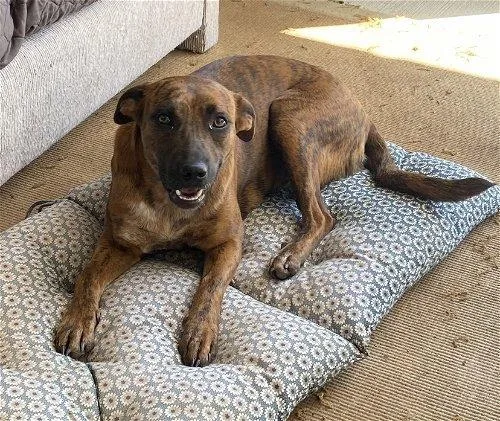
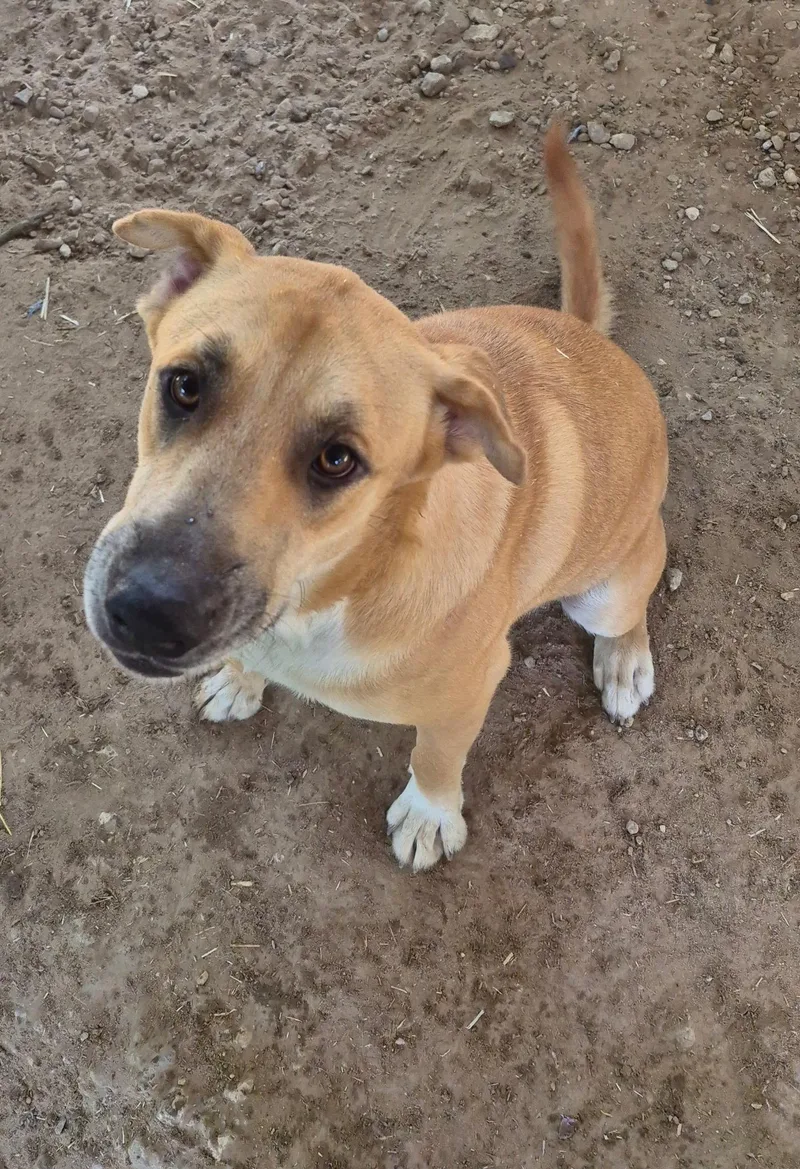
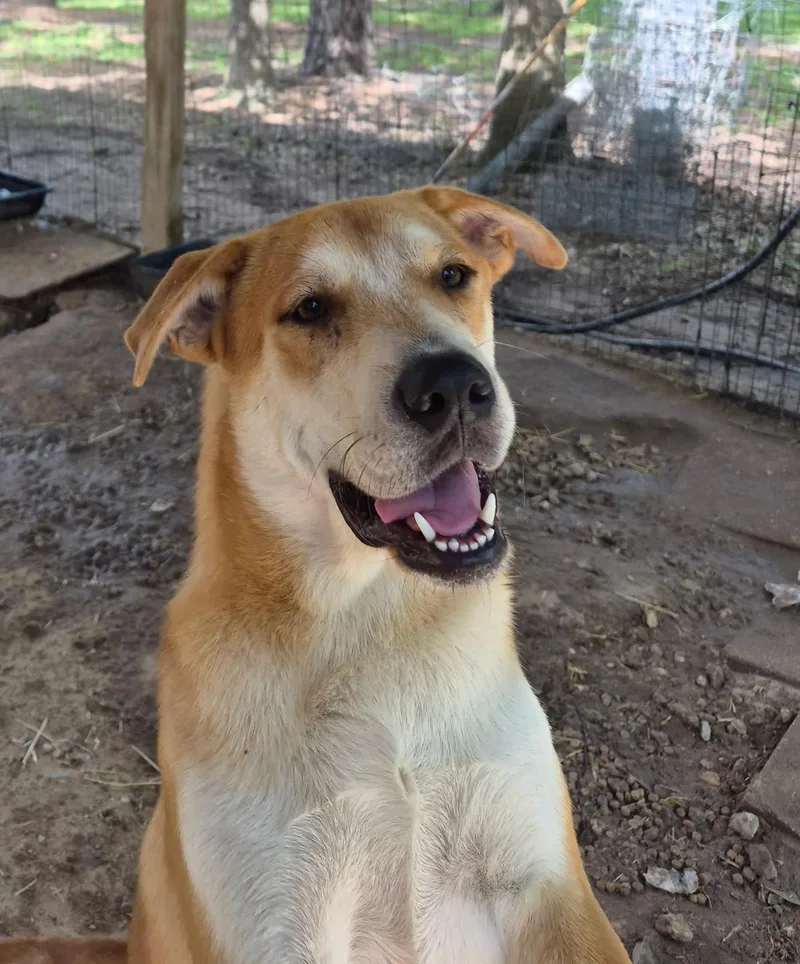
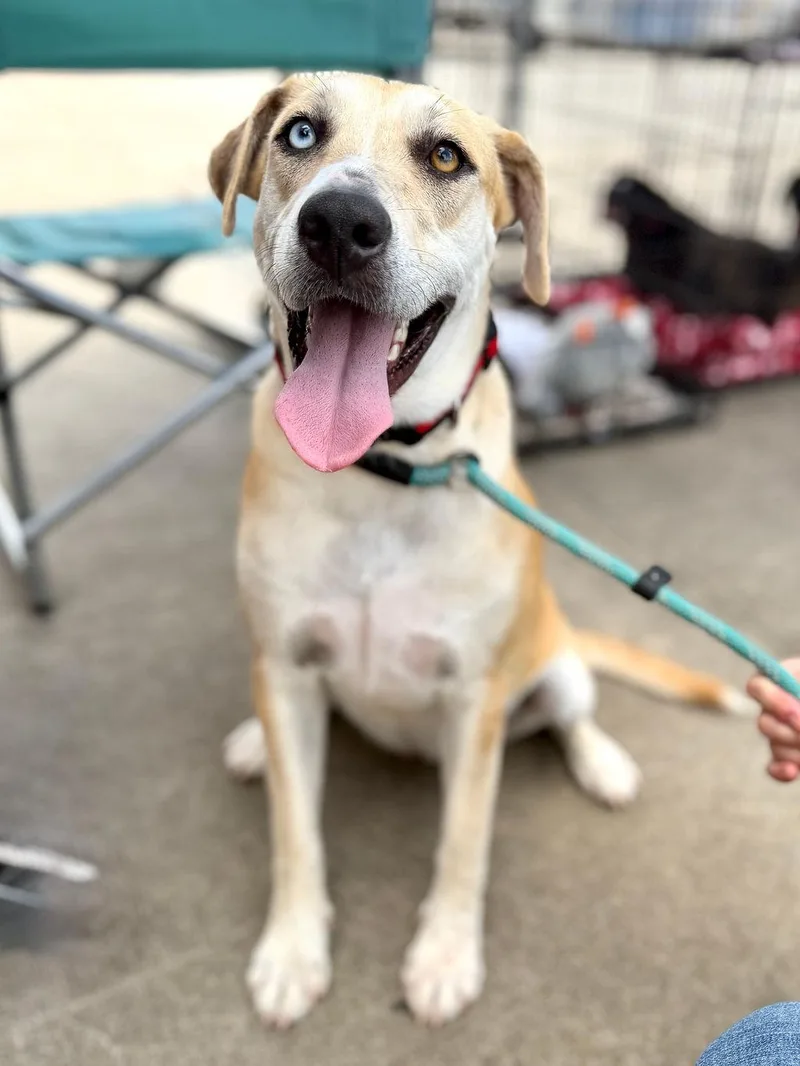
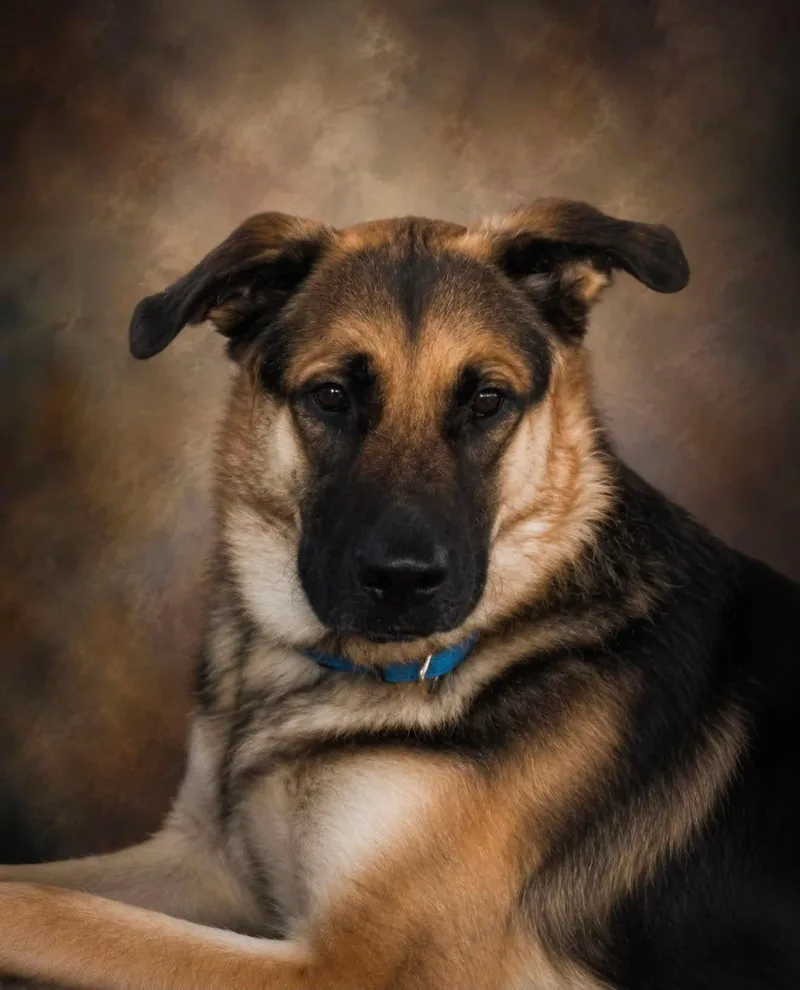
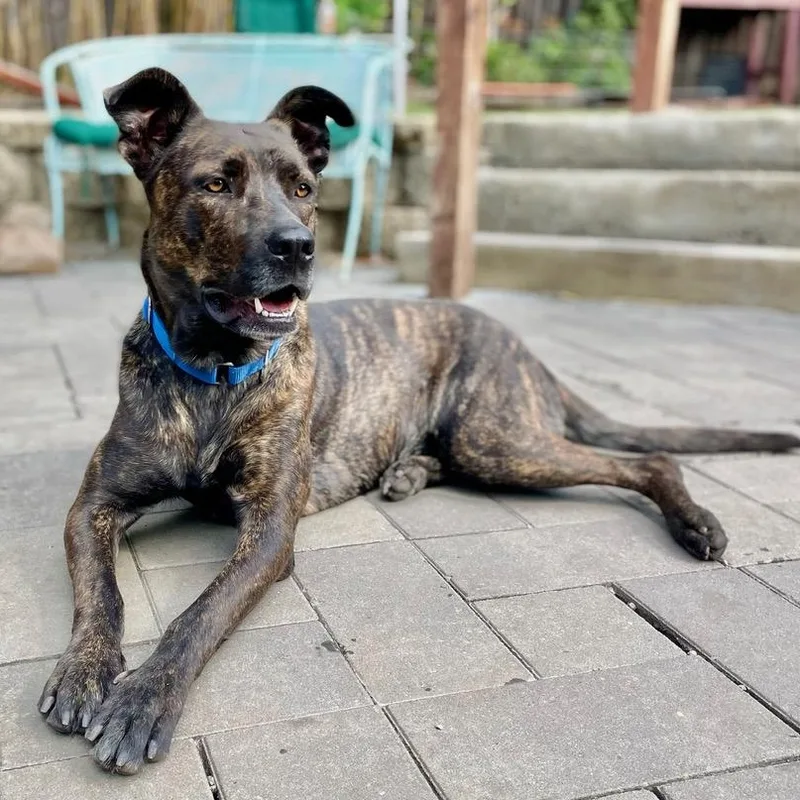
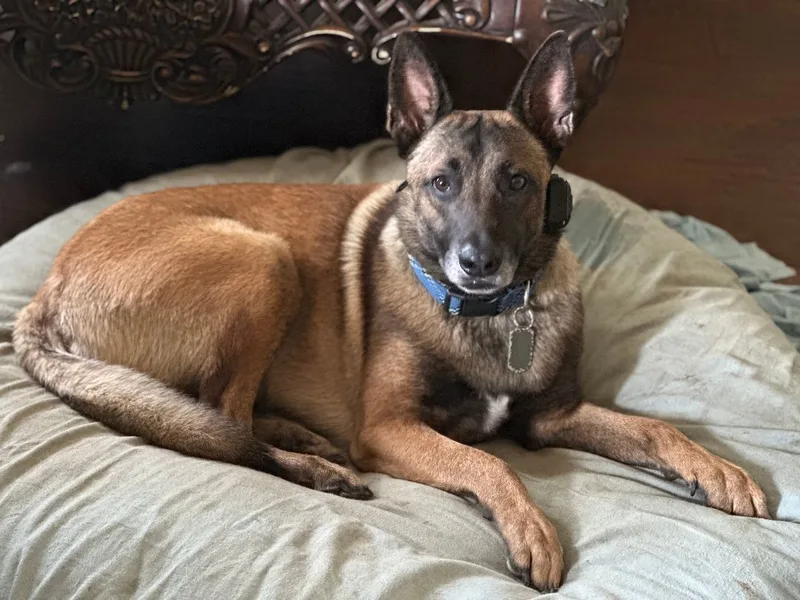
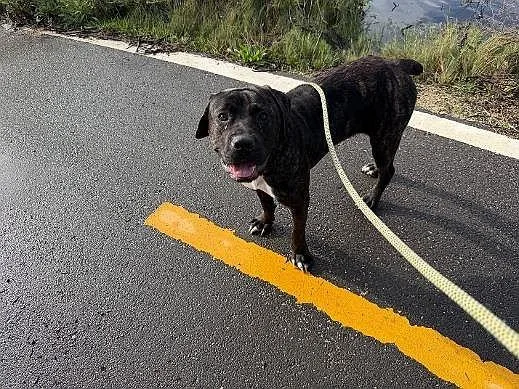
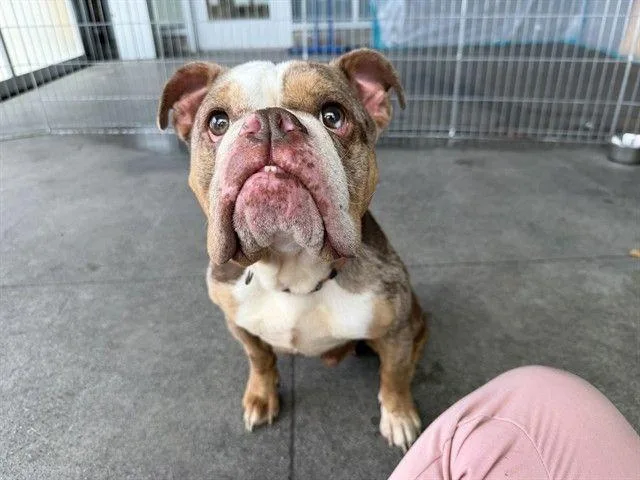
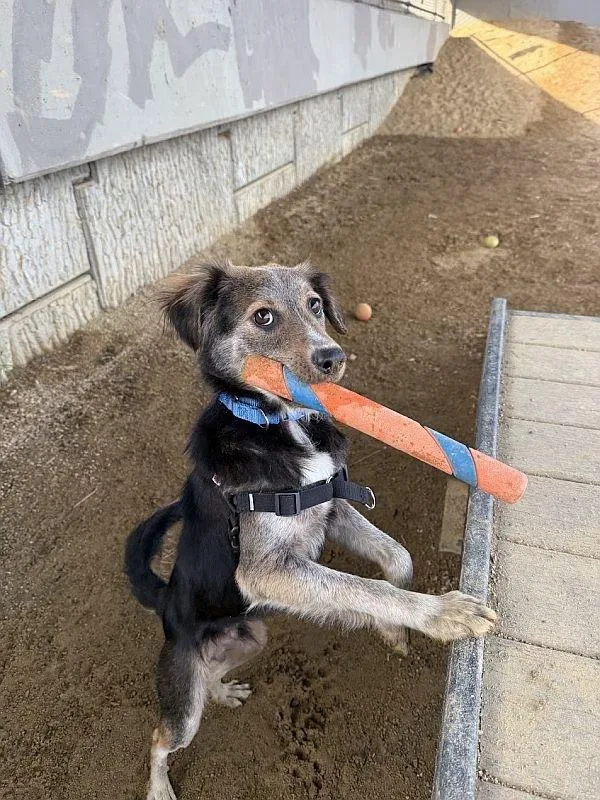
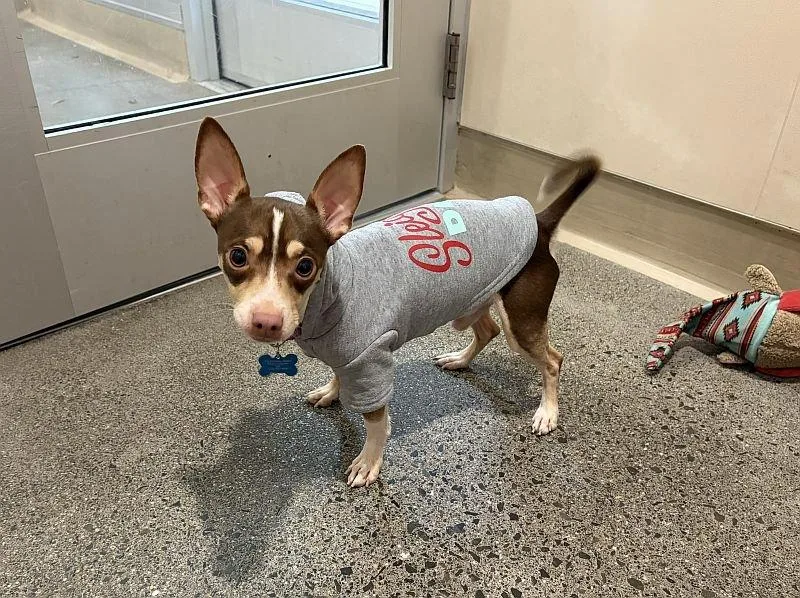
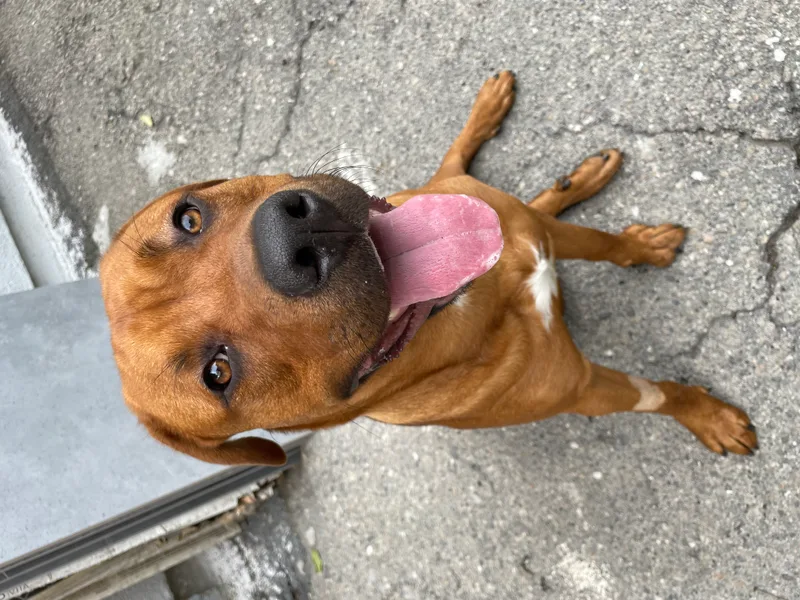
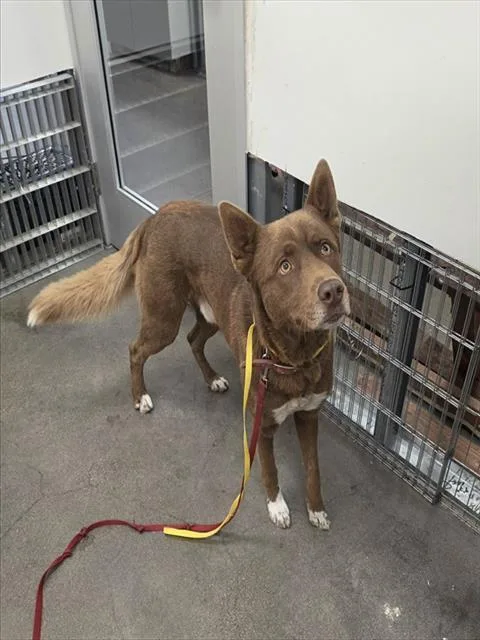
Catahoula Leopard Dogs for Adoption in Berkeley, CA

Your guide to finding and caring for a Catahoula Leopard Dog in Berkeley

Catahoula Leopard Dogs have the stamina for Berkeley's hills, but they need a real outlet every day. Cragmont's winding streets and public stairways give an athletic dog plenty to climb, and the César Chávez Park off-leash area at the Marina is room to run. A Catahoula is loyal and watchful, so it suits people who are out and active more than anyone who's gone all day.

1493 Catahoula Leopard Dogs available in Berkeley and nationwide

Give a Catahoula Leopard Dog a home

Catahoula Leopard Dogs Available for Adoption Near Berkeley

About the Catahoula Leopard Dog breed

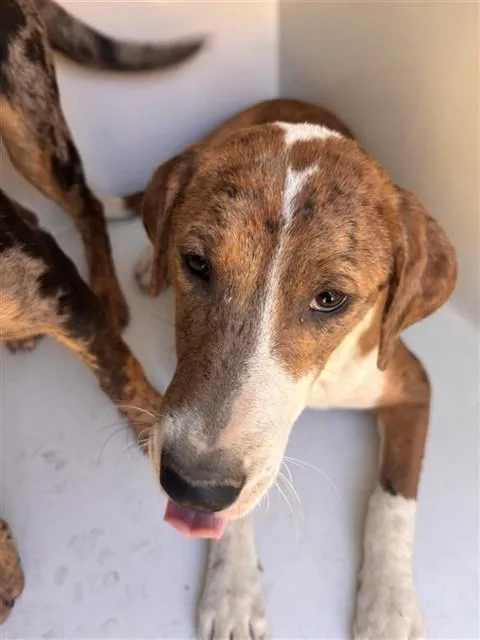
Named for Catahoula Parish in Louisiana, the Catahoula was developed in the Gulf South's swamps and woods to find and hold feral hogs and gather semi-wild cattle. Ability mattered more than looks, so size and build vary, usually from 50 to 95 pounds. Many wear a merle or leopard coat with glass-blue or mismatched eyes, but brindle and solid dogs are common too.

Catahoulas tend to be intelligent, independent and loyal, with a protective streak and a strong work drive. They often bond closely with family and stay wary of strangers, and some are picky about other dogs or small animals. Expect daily vigorous exercise, firm but kind training and early socialization. Many dogs labeled Catahoula are mixes, so each dog's own personality matters more than the label.

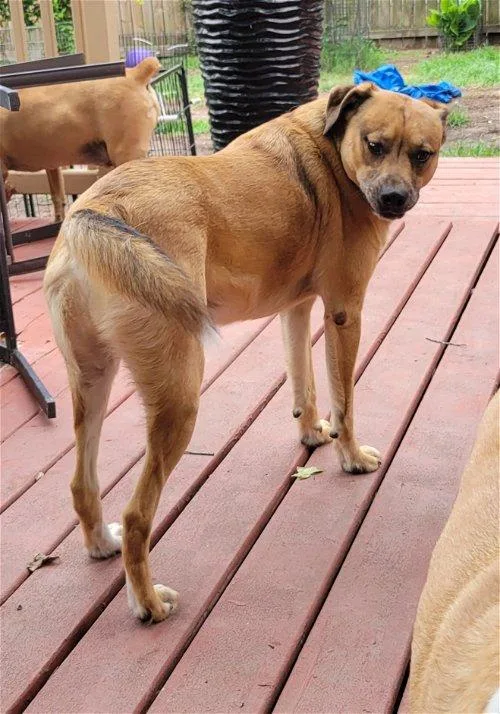
Weight
50–95 lbs
Height
20–26 in
Lifespan
10–14 yrs
Temperament
Energetic, Independent, Protective
Group
Herding
Shedding
Moderate

Owning a Catahoula Leopard Dog in Berkeley

Having a Catahoula Leopard Dog in Berkeley

Stamina, independence and a watchful streak define Catahoulas, and merle coloring brings particular health questions. In Berkeley, hills, open shoreline and mild weather suit an athletic dog, while rental housing and leash rules shape how that energy gets used.

Temperament

Catahoulas are often devoted with their own people and reserved with strangers, which can show up on busy sidewalks around Telegraph Avenue or downtown. Some are selective with other dogs or chase small animals. Dogs vary, but consistent reward-based training and early socialization shape a Catahoula's manners more than the breed label does.

Exercise Needs

Plan on vigorous daily exercise: long hill walks, runs, fetch and mental work like scent games or puzzle feeders. Berkeley requires leashes in most parks, so the César Chávez Park off-leash area at the Marina is the main place for a real sprint under voice and sight control. Under-exercised Catahoulas may dig, chew, bark or escape.

Health Considerations

Deafness is a documented risk in Catahoulas, especially heavily white or double-merle dogs, which can also have eye defects. Hip dysplasia occurs too, and steep Berkeley hills are hard on sore hips. Have a veterinarian check hearing, eyes and hips after adoption, and check ears and paws for foxtails after grassy walks.

Living Space

Catahoulas do best with a securely fenced yard, which Berkeley's mostly detached-house neighborhoods can offer, though apartments cluster around campus. Apartment life works only with very reliable, vigorous daily exercise. Athletic jumpers and diggers need solid fencing, visitors need careful introductions, and Catahoulas thrive living indoors with family rather than alone outside.

What it costs to own a Catahoula Leopard Dog in Berkeley

ExpenseTypical costPer year
Food$55 to $110 per month$660 to $1,320
Pet insurance$55 to $110 per month$660 to $1,320
Routine vet care$250 to $500 per year$250 to $500
Other*$490 to $1,290 per year$490 to $1,290
Estimated yearly total (after year one)$2,060 to $4,430

Other costs are estimates and vary with size, age and health.

* The dog license, flea, tick and heartworm prevention, a dental cleaning allowance, toys and bedding, and basic at-home brushing for the short coat.

Adopt a Catahoula Leopard Dog in Berkeley.

Now that you know more, let’s find you a new best friend. These rescues and shelters below currently have Catahoula Leopard Dogs available.

Rescues in Berkeley with Catahoula Leopard Dogs Available

The rescues and shelters listed below are part of Berkeley's animal welfare community, helping dogs find homes. Here are the rescues & shelters in the Berkeley area where you can find Catahoula Leopard Dogs and other dogs available for adoption.

Frequently Asked Questions

Yes, Berkeley has no known breed-specific rules, and California law bars local dangerous-dog programs from targeting a breed. Dogs over four months old must be licensed and vaccinated against rabies, and a household can have no more than four dogs over six months old. Your lease is the more likely obstacle, since rental pet policies vary.

Start with the César Chávez Park off-leash area at the Marina, where dogs must stay under voice and sight control, and Ohlone Dog Park at Hearst and Grant, which has a fenced area for large dogs. Dogs must be leashed elsewhere in City parks. In Tilden, dogs are barred from the Nature Area except leashed on Nimitz Way.

Only in limited ways. BART requires pets to travel in a secure, enclosed carrier, and AC Transit allows pets only in a container small enough to fit on your lap. A Catahoula, typically 50 to 95 pounds, won't fit either, so it can't ride unless it's a service animal. Plan on walking or driving.

Yes, Berkeley's mild climate suits Catahoulas well. Summer highs average about 74°F, winters rarely freeze, and the city sees only about six days a year at or above 90°F. Plan around September warm spells, muddy winter trails, and smoke or evacuation risk in the hills. Their short coats handle the weather easily.

It can be, for active adopters. A Catahoula needs vigorous daily exercise, firm, kind training and careful socialization, and Berkeley offers hills, public stairways and the Marina off-leash area to burn energy. It's a tougher match for people away all day, since a bored Catahoula may dig, chew or bark and annoy neighbors.

Possibly outdoors, at each restaurant's discretion. California law lets restaurants allow pet dogs in outdoor dining areas with a separate entrance, as long as the dog is leashed, under control and kept off chairs and tables. Only service animals are allowed indoors. A watchful Catahoula should have a calm, practiced down-stay before any patio visit.

Very little. A Catahoula's short, close coat needs a weekly brush, a bit more during shedding, and baths only when it's muddy. In Berkeley, wet winters mean wiping paws, and dry spring grass means checking ears, paws and coat for foxtails. Most owners handle this at home, which fits the brushing allowance in the Other cost line.

A Catahoula Leopard Dog is a medium-to-large working breed from Louisiana, developed to hunt and bay feral hogs and to herd cattle. It is athletic and muscular, often with a merle coat and striking light or mismatched eyes. Catahoulas are typically intelligent, loyal, independent and energetic, and they need experienced handling, training and lots of activity.

We have 1 rescue with Catahoula Leopard Dogs available: California Pit Bull Rescue. You can see every rescue with Catahoula Leopard Dogs available in the list above these questions, or scroll to the top to see the Catahoula Leopard Dogs near Berkeley.

Expect roughly $2,060 to $4,430 a year for a Catahoula in Berkeley, before emergencies. Food runs $55 to $110 a month and insurance $55 to $110. Routine vet care is about $250 to $500 a year, and other costs such as prevention, dental care and supplies add $490 to $1,290.