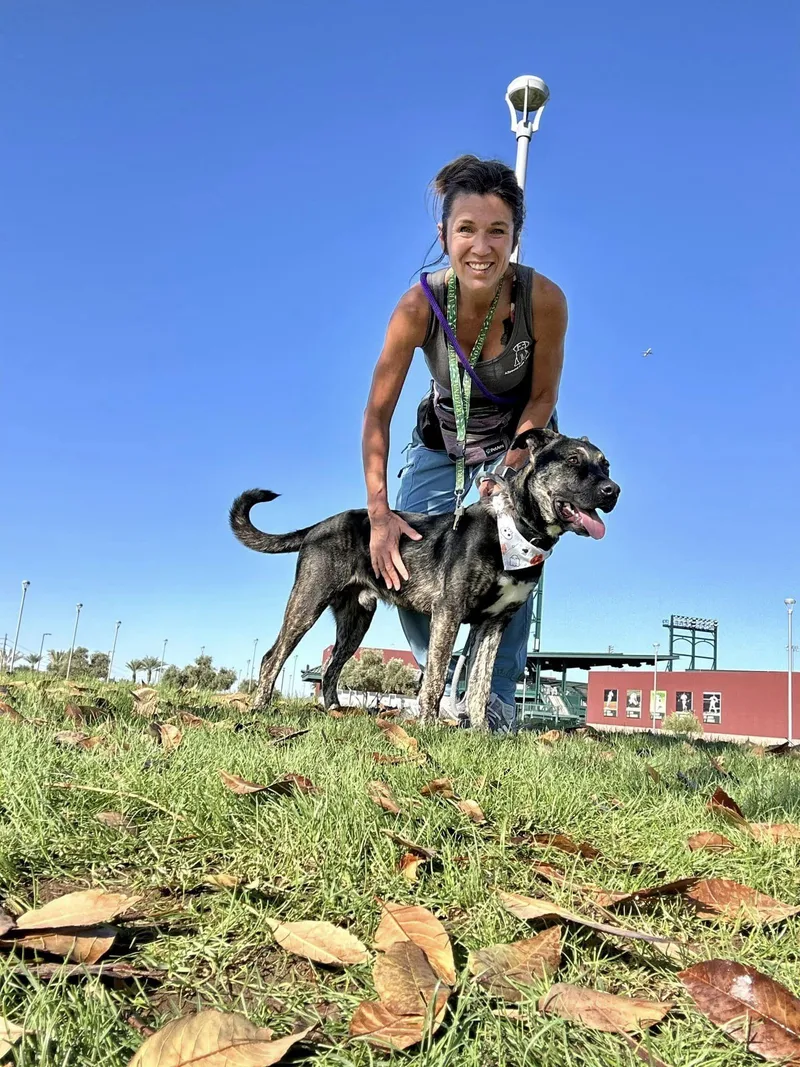
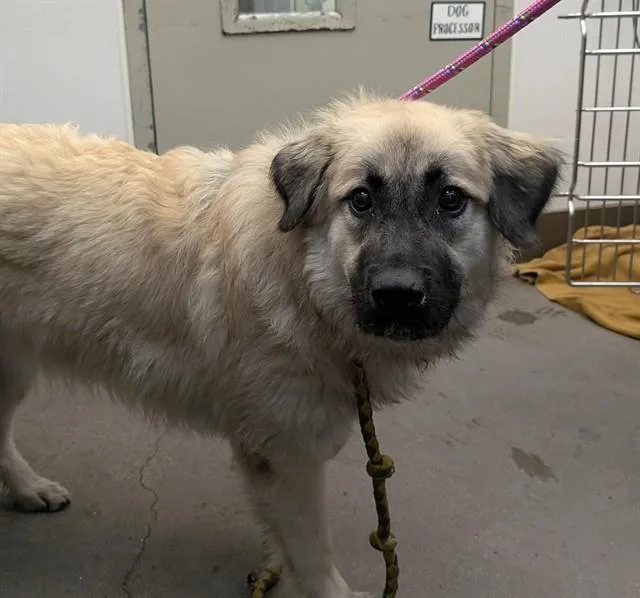
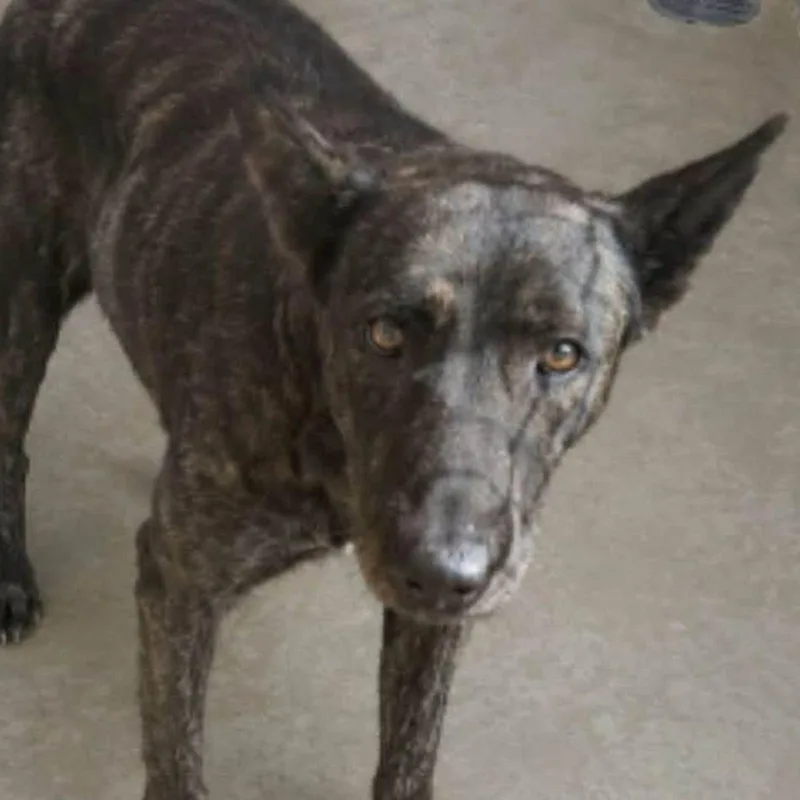
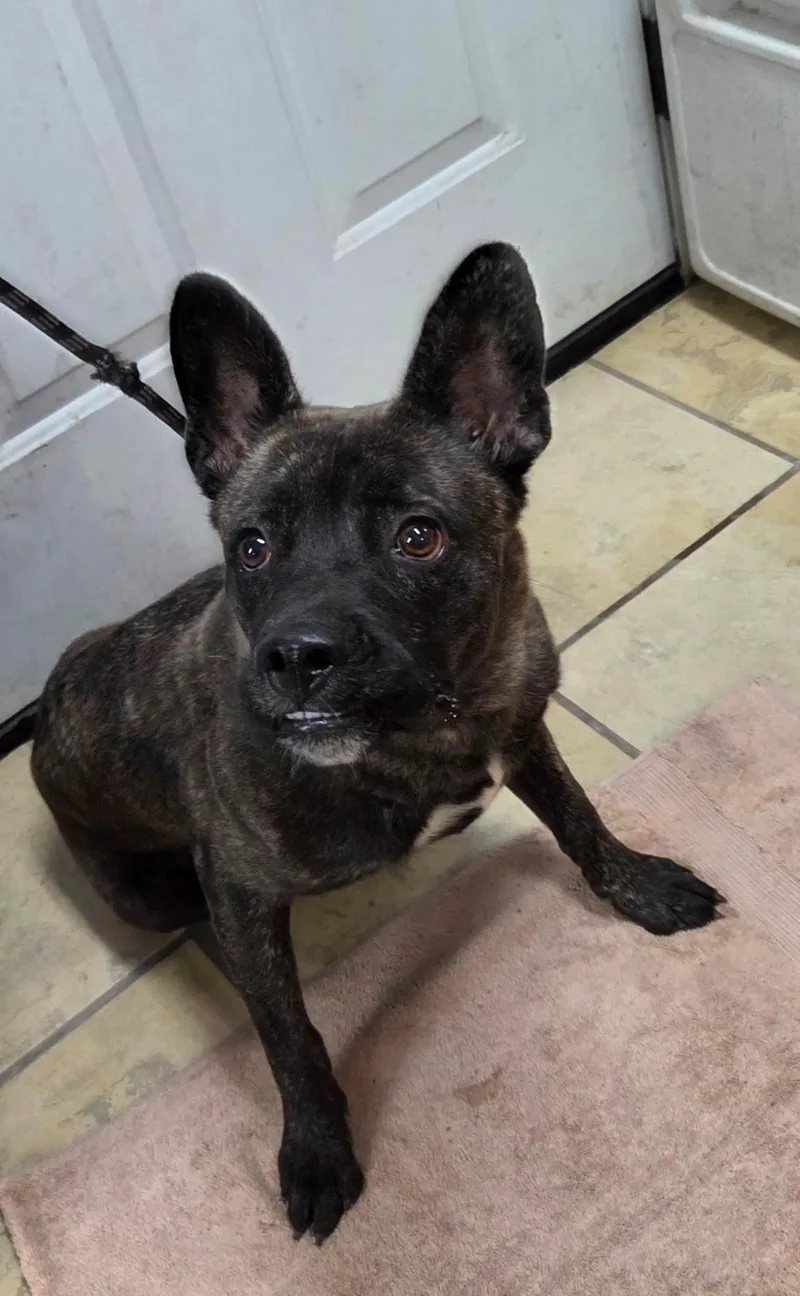
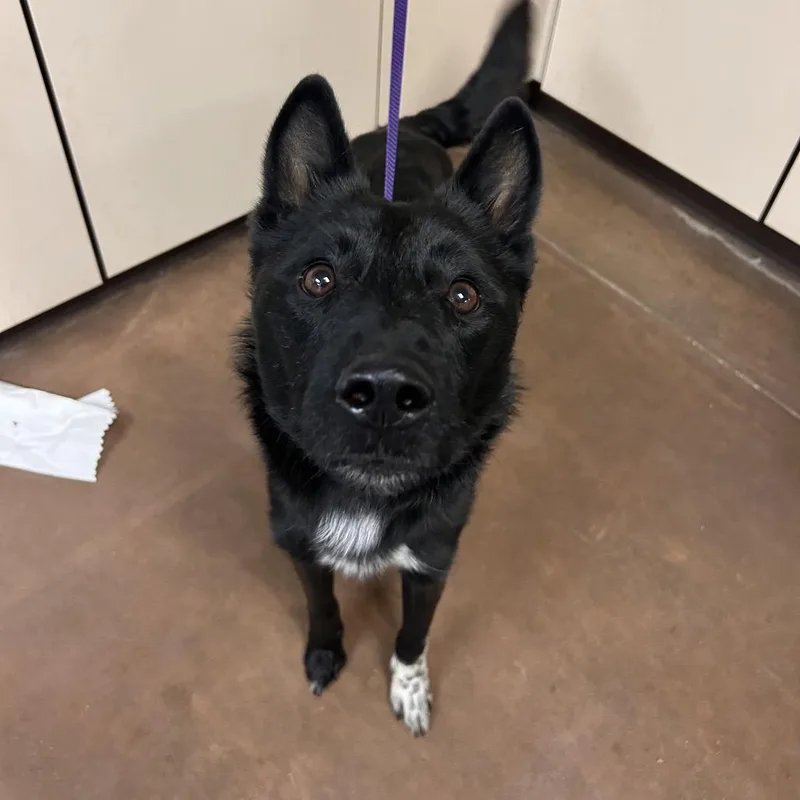
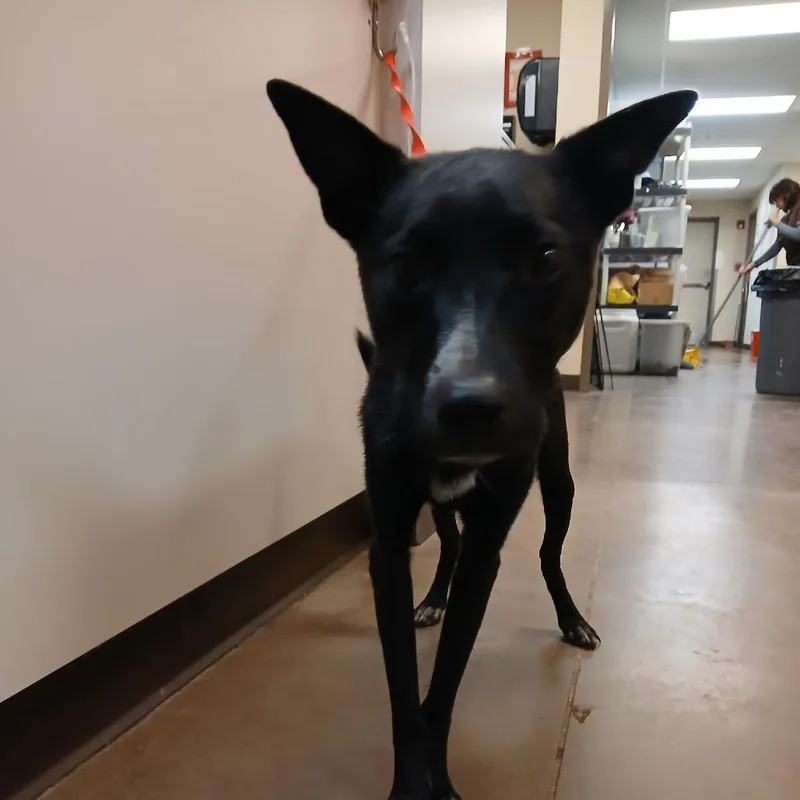
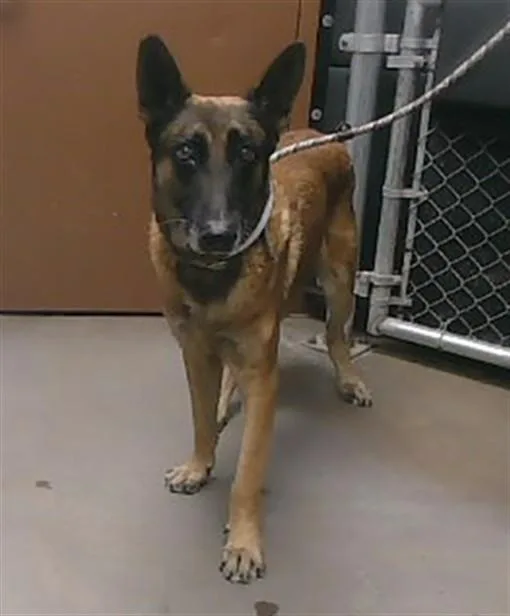
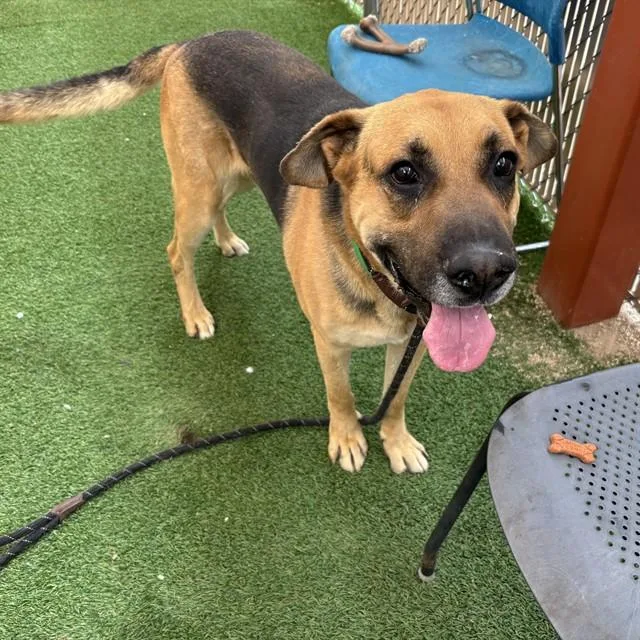
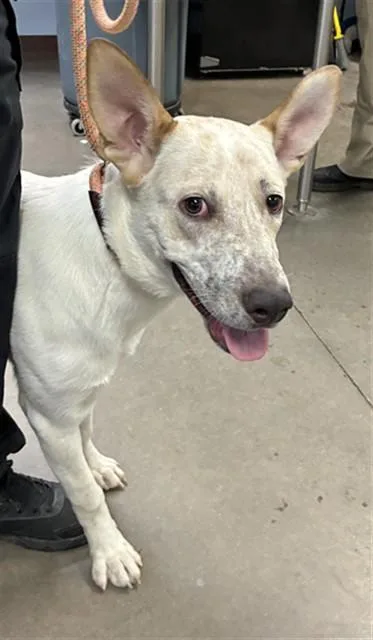
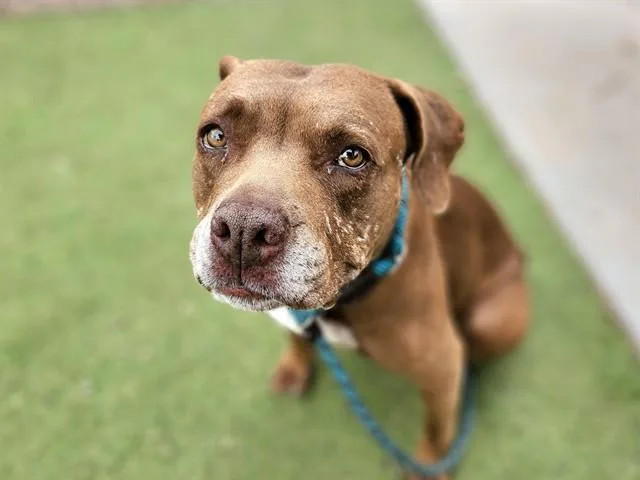
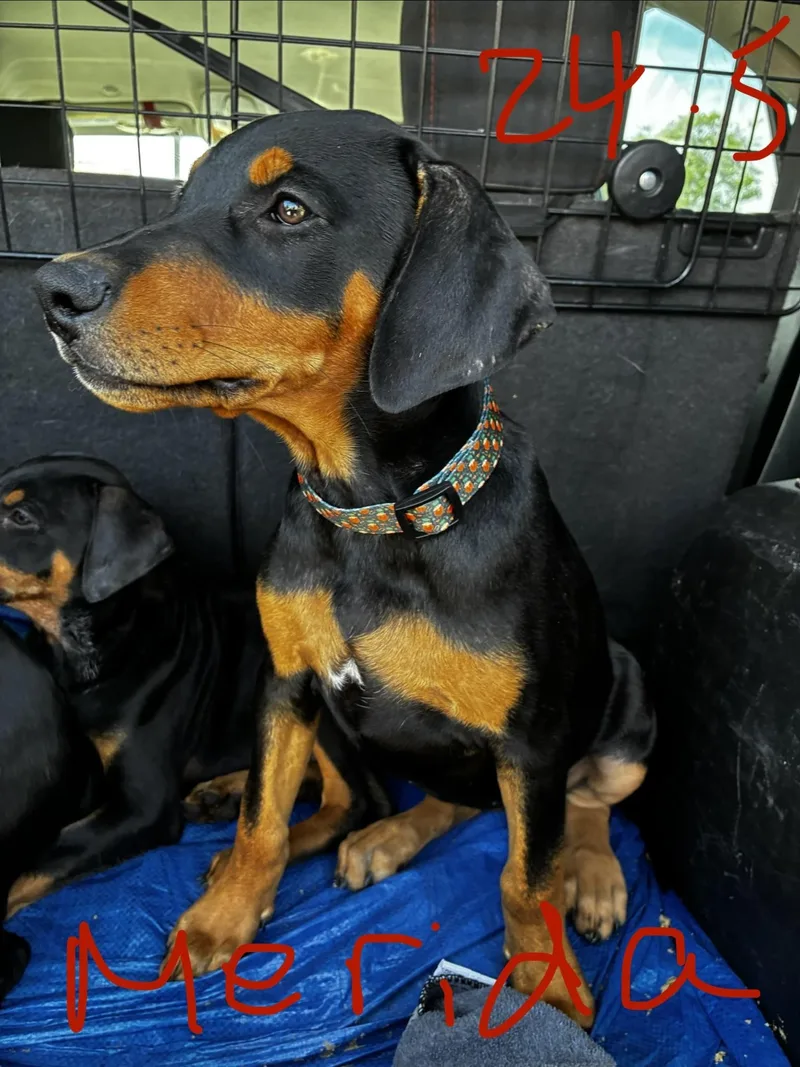
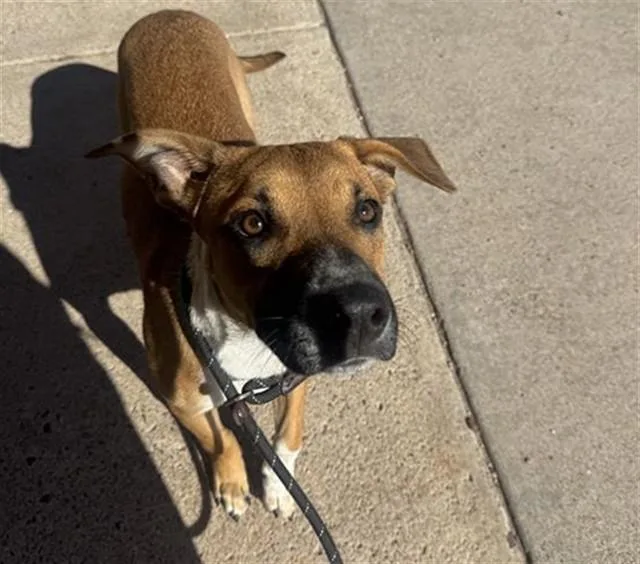
Dutch Shepherd Dogs for Adoption in Phoenix, AZ

Your guide to finding and caring for a Dutch Shepherd in Phoenix

A Dutch Shepherd fits Phoenix best with an owner who's out the door at sunrise. In Sunnyslope and the rest of North Mountain village, canal paths and preserve trailheads sit close to home, so a high-drive dog can get a real workout before work. Dutch Shepherds are alert, loyal and happiest with a job, whether that's fetch, scent games or obedience practice. Expect to move hard exercise to early morning in summer, then spend the afternoon on indoor training.

411 Dutch Shepherds available in Phoenix and nationwide

Open your home to a Dutch Shepherd

Dutch Shepherds Available for Adoption Near Phoenix

About the Dutch Shepherd breed

Dutch Shepherds began as all-purpose farm dogs in the Netherlands, herding sheep, keeping flocks out of crops and watching over farmyards. The brindle coat, in gold or silver tones, has defined the breed since 1914, and it comes in short-haired, long-haired and rough-haired varieties. Today they're best known as police, military and sport dogs, and they remain rare, still sitting in the AKC's Miscellaneous Class.

Many Dutch Shepherds are loyal and watchful with strangers, with an independent streak from their farm heritage. They need early socialization, real mental work and consistent, reward-based training. In Phoenix, that often means sports like agility or tracking in the cooler hours, plus brushing through the seasonal shed of the double coat. Dogs vary, and experienced, active adopters tend to do best.

Weight
42–75 lbs
Height
21–25 in
Lifespan
11–14 yrs
Temperament
Energetic, Intelligent, Loyal, Alert
Group
Miscellaneous
Shedding
Moderate

Owning a Dutch Shepherd in Phoenix

Having a Dutch Shepherd in Phoenix

A Dutch Shepherd pairs high drive and sharp intelligence with a strong bond to its person. In Phoenix, the real questions are whether you can supply daily training and exercise, and whether you can do it around triple-digit summer heat.

Temperament

Dutch Shepherds tend to be devoted with their own people and reserved with strangers. Many are confident and protective, and some are selective with unfamiliar dogs, so controlled introductions matter at busy Phoenix dog parks. They learn fast but test boundaries, so consistent, reward-based training works best. Temperament varies between working-line and companion-bred dogs.

Exercise Needs

Plan on an hour or two of focused activity most days: running, fetch, hiking or bike work once fully grown, plus mental exercise. In Phoenix, summer shifts the hard work to dawn, with scent games, trick training and puzzle feeders filling the heat of the day. November through March is the easiest stretch for long outings.

Health Considerations

Dutch Shepherds are generally robust, though hip and elbow dysplasia, allergies and a recessive inflammatory muscle disease (with a DNA test) are reported. Phoenix adds valley fever, caused by inhaling desert soil spores; about 6–10% of Maricopa County dogs get sick each year. A persistent cough or low energy deserves a vet visit, and a vet can also check hips.

Living Space

A securely fenced yard with real shade suits most Dutch Shepherds, such as the larger lots in Laveen or Maryvale, but daily activity matters more than square footage. An apartment can work for committed owners. They should live indoors with the family, especially through summer, since isolation fuels barking and destruction, and some need management around small pets.

What it costs to own a Dutch Shepherd in Phoenix

ExpenseTypical costPer year
Adoption fee$150 to $400, one time$150 to $400 in year one
Food$55 to $110 per month$660 to $1,320
Pet insurance$55 to $110 per month$660 to $1,320
Routine vet care$250 to $500 per year$250 to $500
Other*$597 to $1,472 per year$597 to $1,472
Estimated yearly total (after year one)$2,167 to $4,612
First-year total (with adoption fee)$2,317 to $5,012

Adoption fee is the range of fees on Dutch Shepherd listings in Phoenix on GetBuddy today. Other costs are estimates and vary with size, age and health.

* The $22 Maricopa County license for a spayed or neutered dog, flea, tick and heartworm prevention, dental cleanings, toys and bedding, and brushing for seasonal shedding of the double coat.

Adopt a Dutch Shepherd in Phoenix.

Now that you know more, let’s find you a new best friend. These rescues and shelters below currently have Dutch Shepherds available.

Rescues in Phoenix with Dutch Shepherds Available

Phoenix has an active rescue community, and the groups below list the dogs they currently have up for adoption. Here are the rescues & shelters in the Phoenix area where you can find Dutch Shepherds and other dogs available for adoption.

Frequently Asked Questions

Yes, with careful management, though summer is the hardest season. Phoenix averages 111 days a year at 100°F or more, and July nights hover around 84°F. Exercise at dawn, keep your Dutch Shepherd indoors by midday, provide water and shade, and brush out loose undercoat. Dogs vary, and seniors may need even shorter outings.

South Mountain Park and Preserve has more than 100 miles of trails, and the Sonoran Preserve adds 36 miles, both good for a leashed Dutch Shepherd that needs distance. Deem Hills Dog Park sits beside the Deem Hills trails. Stay on designated trails to avoid cactus, carry water, and start early; popular South Mountain trails close midday on Extreme Heat Warning days.

It's possible, but not easy. A Dutch Shepherd needs an hour or two of focused exercise and training daily, and Phoenix summers push that into dawn and indoor sessions. In a downtown or Midtown high-rise, you'd need nearby dog park access, puzzle toys, daily training and a building that accepts large dogs. Without that, barking and destructiveness are common.

Yes. Phoenix has no breed bans, and Arizona law forbids cities from making breed-specific rules. You'll need a Maricopa County license with a current rabies vaccination for a dog over three months old, and a leash no longer than six feet off your property. Landlords and insurers can set their own limits, so confirm them before you commit.

Generally only as service animals. Phoenix has Valley Metro buses and light rail, with no subway, and pets are typically expected to ride in closed carriers, which a large Dutch Shepherd won't fit. Service animals trained to assist a person with a disability are welcome. Check current Valley Metro rules before traveling, and plan on driving to vet visits and trailheads.

Only to patios that Maricopa County has approved as dog-friendly, and only if the restaurant allows dogs. Those patios need a separate entrance, so dogs don't walk through the dining room, and dogs stay leashed and off seats and tables. Pet dogs aren't allowed indoors. Since Dutch Shepherds can be watchful with strangers, practice settling calmly first, and skip patios in midday heat.

Mostly regular brushing. Short-haired Dutch Shepherds usually need a weekly brush, more during seasonal shedding of the double coat, and rough-haired dogs may need occasional hand-stripping. Shaving a double coat for the heat isn't recommended, since the coat helps insulate. Grooming is counted in the Other line of the cost table, along with prevention and dental care.

It can be, for active owners who commit to dawn exercise, year-round training and indoor family time. The long heat season shortens outdoor hours, so mental work matters more. Fireworks are legal for roughly 10–13 days around early July and New Year, which can stress alert dogs; keep ID tags current and a quiet indoor space ready.

We have 4 rescues with Dutch Shepherds available, including Arf-Anage Dog Rescue, Dawgz, Tailz & Wagz and HARTT - Humane Animal Rescue and Trapping Team. You can see every rescue with Dutch Shepherds available in the list above these questions, or scroll to the top to see the Dutch Shepherds near Phoenix.

Expect roughly $55–$110 a month for food, $55–$110 for insurance, $250–$500 a year for routine vet care and $597–$1,472 a year for everything else, including parasite prevention, dental care and the county license. Active dogs often sit at the high end of food. Valley fever treatment or a toad or snake emergency can add unplanned costs.