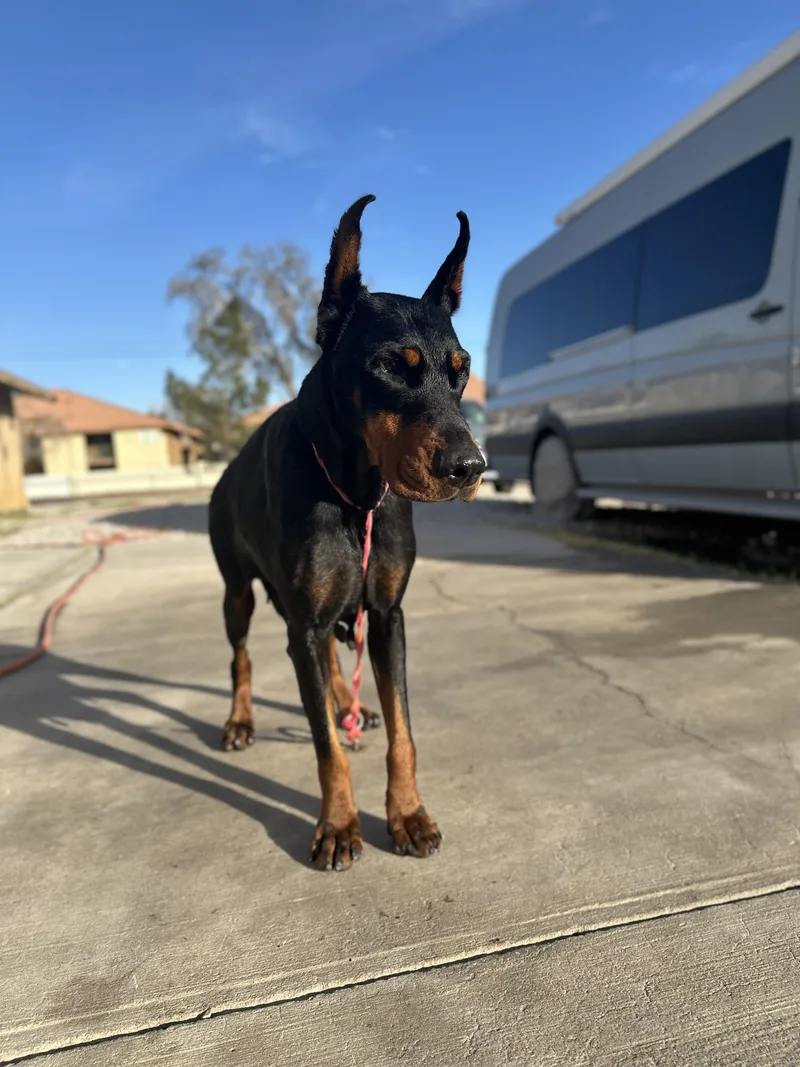
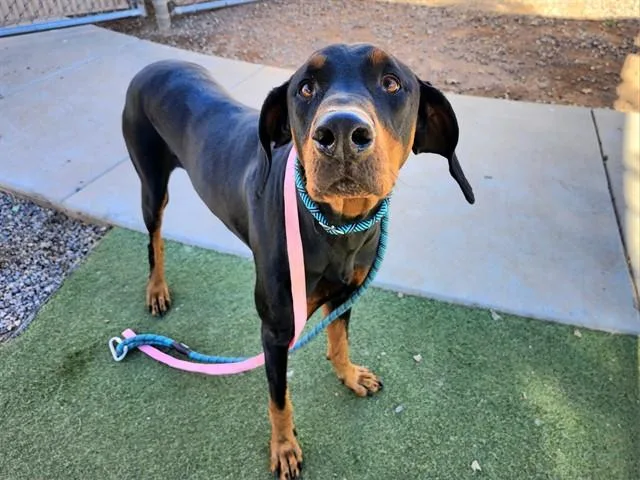
Black Russian Terrier Dogs for Adoption in Phoenix, AZ

Your guide to finding and caring for a Black Russian Terrier in Phoenix

A Black Russian Terrier fits best in a Phoenix neighborhood with room to spread out, like Laveen's larger lots or Desert View's large-lot streets. These are heavy-boned dogs of 80 to 130 pounds, so a fenced backyard matters more than a trendy address. The thick black coat is the catch: with triple-digit afternoons, walks happen at dawn and the rest of the day is spent indoors with the family. A dog this size also narrows which rentals will say yes.

2696 dogs similar to Black Russian Terrier available in Phoenix and nationwide

Find your Black Russian Terrier

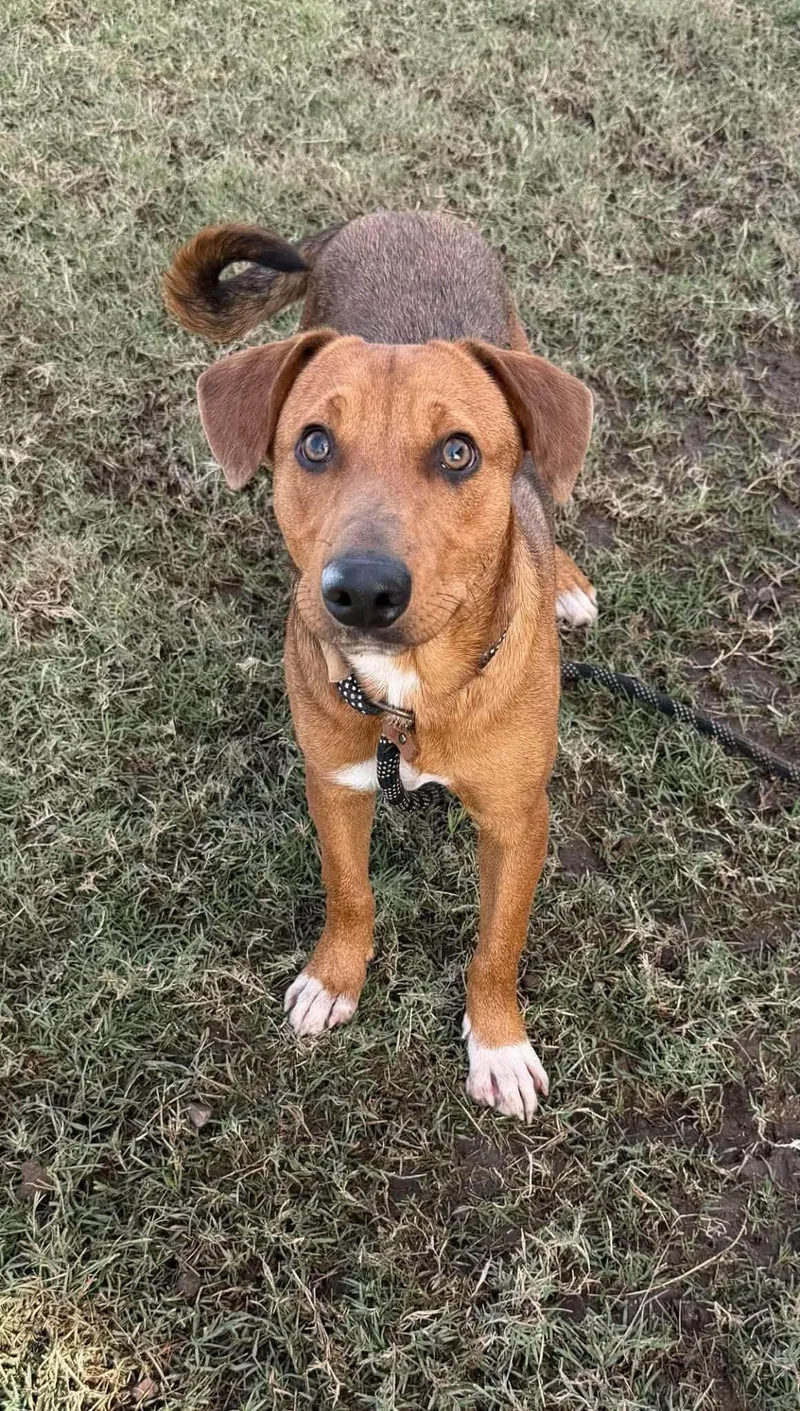
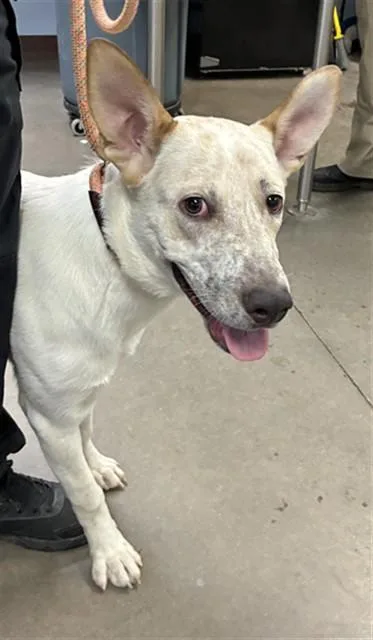
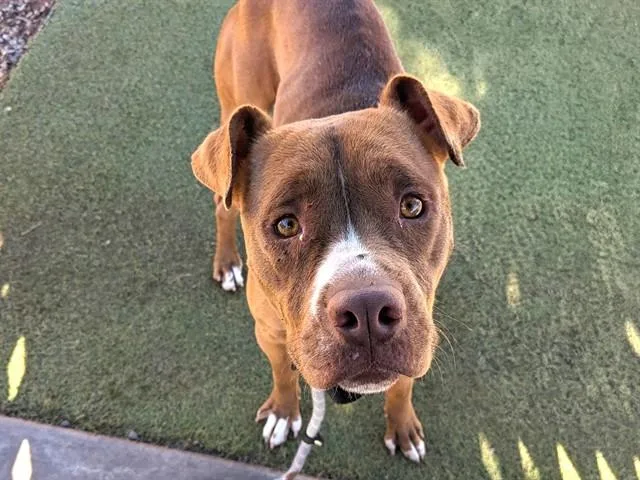
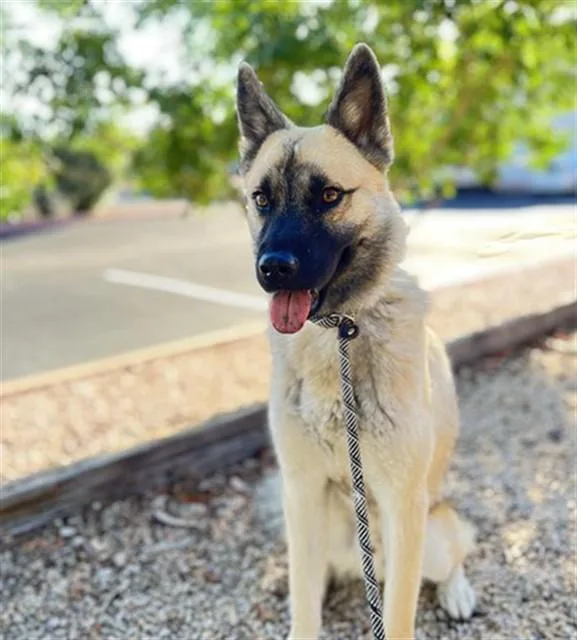
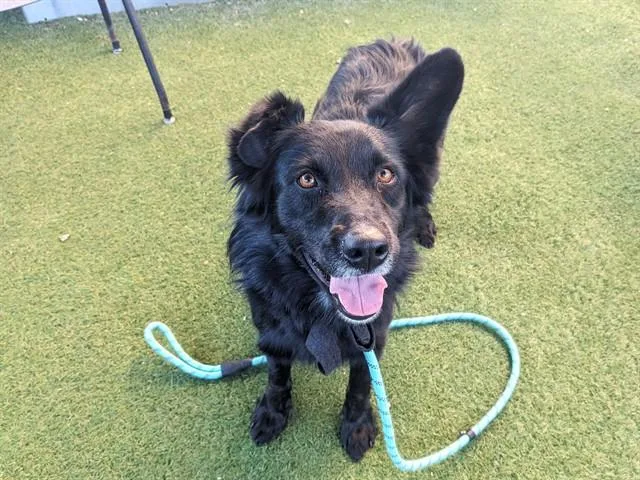
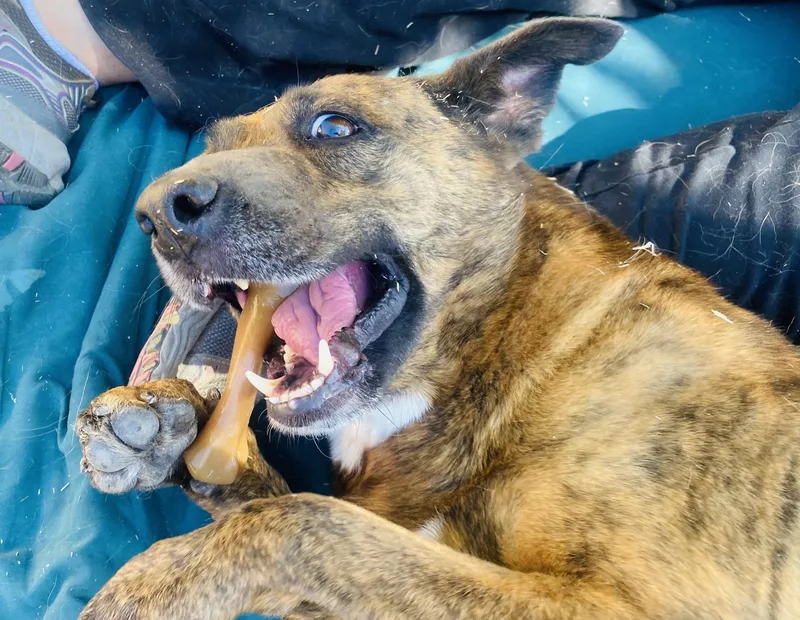
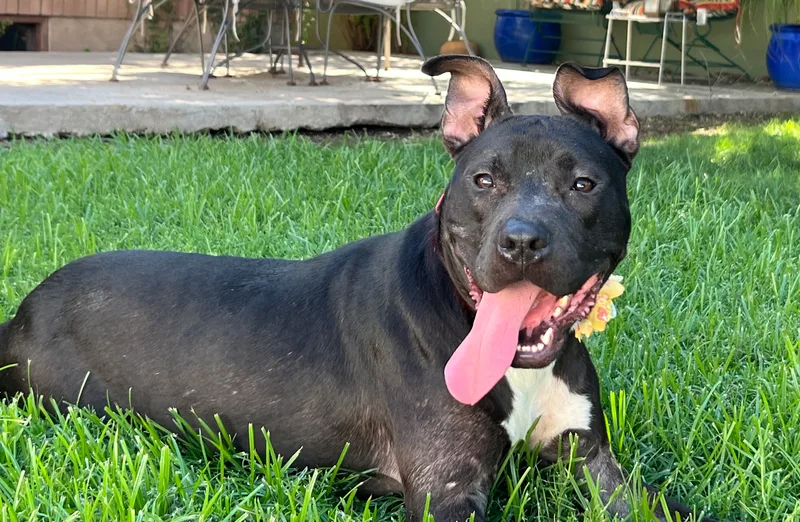
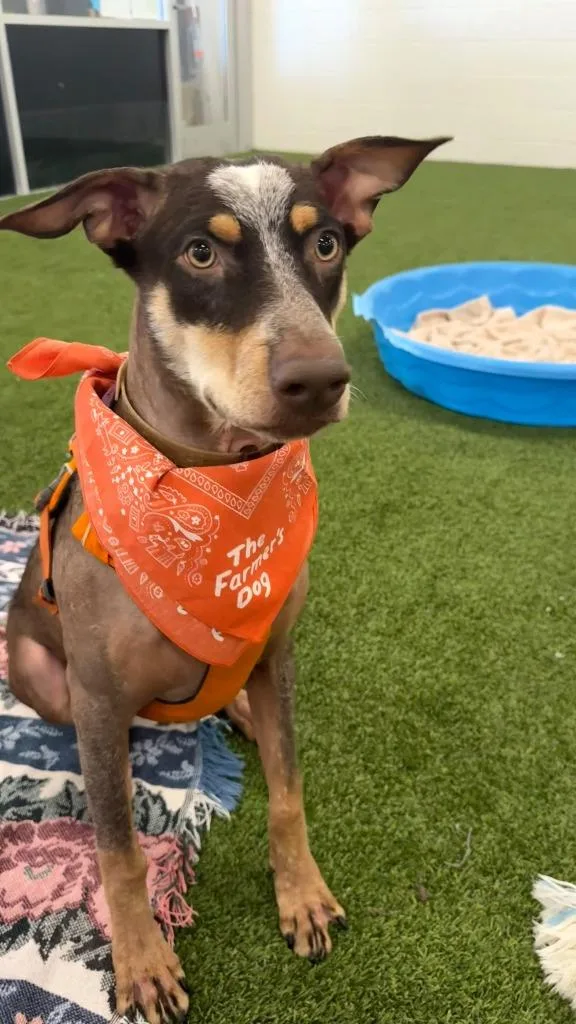
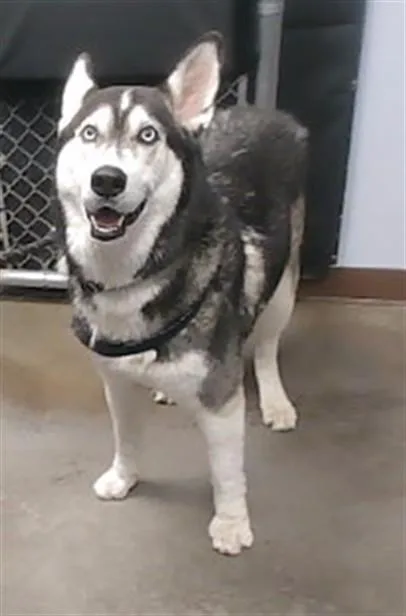
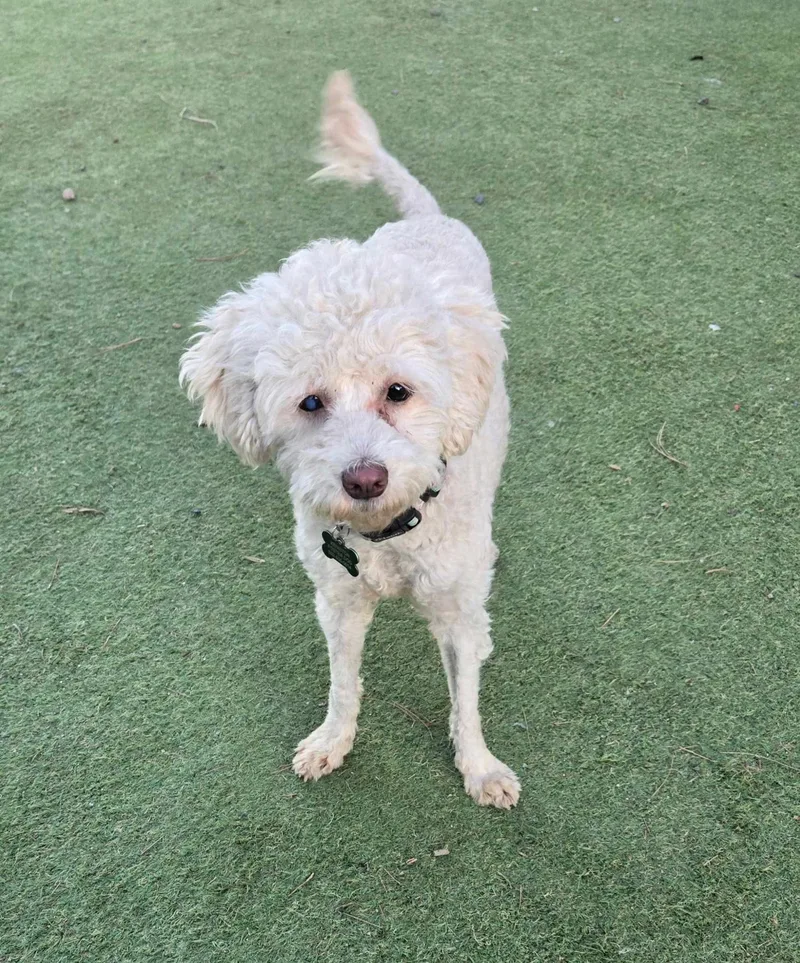
Black Russian Terriers and Similar Breeds Available for Adoption Near Phoenix

About the Black Russian Terrier breed

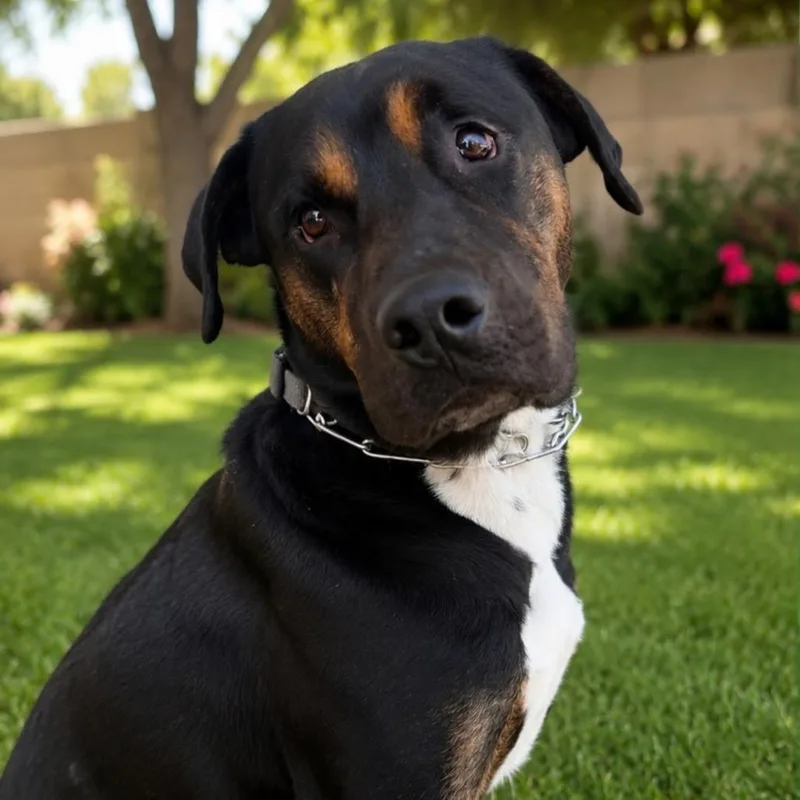
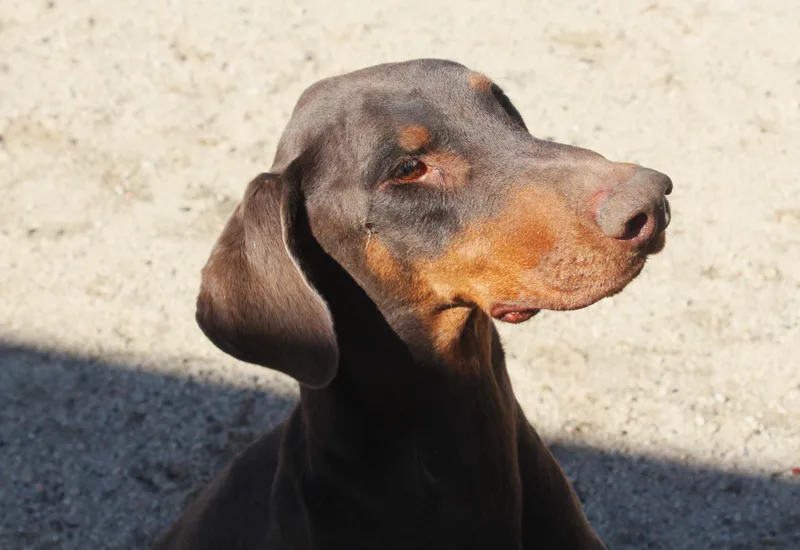
Despite the name, the Black Russian Terrier isn't a true terrier. It was developed in the Soviet Union in the late 1940s and 1950s as a military guard dog, drawing on about 17 breeds including the Giant Schnauzer, Airedale and Rottweiler. The result is a heavy-boned dog with a wavy black double coat, a bearded muzzle and eyebrows that fall over the eyes.

Many are calm, loyal and devoted to their family while staying aloof with strangers. They're smart and usually take well to training, but their size and protective streak suit a consistent, experienced handler. The low-shedding coat still needs brushing a few times a week and trims every 6–8 weeks, and the beard holds water and food. In Phoenix, that coat is the part to plan around.

Weight
80–130 lbs
Height
26–30 in
Lifespan
10–12 yrs
Temperament
Confident, Protective, Loyal
Group
Working
Shedding
Low

Owning a Black Russian Terrier in Phoenix

Having a Black Russian Terrier in Phoenix

Black Russian Terriers pair a guardian's watchfulness with a family-centered nature. In Phoenix, size, grooming and summer heat shape daily life as much as personality does, so weigh your time, experience and cooling options before your yard and floor space.

Temperament

Black Russians tend to be calm, self-assured and devoted to their own people, and many are reserved with visitors. In a Phoenix neighborhood with walkers, delivery drivers and neighbors' dogs along the fence line, early socialization and calm, reward-based training help. Dogs vary, so judge the dog in front of you rather than the breed's reputation.

Exercise Needs

Plan on two good walks plus play every day, but schedule them around the heat. Dawn walks work from late spring through early fall, and November through March is comfortable all day. Phoenix bans dogs on city trails when it's 100°F or hotter, so summer exercise often means indoor games, training and puzzle work.

Health Considerations

Breed concerns include hip and elbow dysplasia, progressive retinal atrophy, bladder stones and bloat, so keep the dog lean and avoid hard exercise around meals. Valley fever is a local risk: roughly 6–10% of dogs in Maricopa County get sick each year. Persistent coughing, low energy or lameness are reasons to see a veterinarian.

Living Space

A house with a securely fenced yard suits a Black Russian best, and many Phoenix neighborhoods outside the urban core have one. A calm adult can manage a roomy apartment if daily exercise is reliable. Either way, this giant dog needs air-conditioned indoor living with the family, and a yard is for morning play, not for summer days.

What it costs to own a Black Russian Terrier in Phoenix

ExpenseTypical costPer year
Food$80 to $160 per month$960 to $1,920
Pet insurance$85 to $170 per month$1,020 to $2,040
Routine vet care$250 to $500 per year$250 to $500
Other*$1,040 to $2,790 per year$1,040 to $2,790
Estimated yearly total (after year one)$3,270 to $7,250

Other costs are estimates and vary with size, age and health.

* Flea, tick and heartworm prevention, a dental cleaning allowance, the Maricopa County dog license, toys and bedding, professional trims every 6–8 weeks, and joint supplements.

Adopt a Black Russian Terrier in Phoenix.

Now that you know more, let’s find you a new best friend. These rescues and shelters below have dogs available in and near Phoenix.

Rescues and Shelters in or near Phoenix

Phoenix is served by county and nonprofit shelters and rescues, and the ones listed here are a good place to start. Here are the rescues & shelters in the Phoenix area with dogs available for adoption, worth asking whether a Black Russian Terrier is coming in.

Frequently Asked Questions

Yes, if the dog lives indoors with air conditioning. Phoenix averages 111 days a year at 100°F or more, and a thick black coat absorbs heat. Heavy panting, drooling or weakness means heat stress and needs a veterinarian right away. Leaving a dog in a parked car can be animal cruelty under Arizona law.

Yes. Phoenix has no breed bans or breed-specific rules, and Arizona law forbids cities from making them. You'll need a Maricopa County license once the dog is over three months old and has a current rabies vaccine. Tethering is only allowed under direct supervision, so a fenced yard is the practical choice.

South Mountain Park/Preserve has more than 100 miles of trails, and the Sonoran Preserve in far north Phoenix has 36 miles. Esteban Dog Park is near South Mountain. Keep the leash at 6 feet or shorter on trails, and remember dogs aren't allowed on any city trail at 100°F or above.

A calm adult can, though it's a stretch for a dog of 80 to 130 pounds. Look for air conditioning that works through summer, easy access to grass or a dog park, and floor space for the dog to stretch out. In July, potty breaks happen at first light and after dark, so expect short, frequent outings.

Plan on brushing a few times a week and professional trims about every 6–8 weeks, which falls under the Other costs in the cost table. Phoenix heat favors a shorter, tidy trim, but don't shave to the skin, since the coat helps protect against sun. Check the beard daily for food and water, and rinse paws after desert walks.

Only to outdoor patios approved as dog-friendly. Maricopa County generally bars pet dogs from food establishments, with a patio exception that needs a separate entrance and an approved sign, and each restaurant decides whether to offer one. Dogs stay leashed and off seats. In summer, save patio time for the cooler edges of the day.

Probably not, unless the dog is a service animal. Phoenix has Valley Metro buses and light rail but no subway, and pets generally ride only in closed carriers, which a dog of 80 to 130 pounds won't fit. Service animals are welcome. Confirm current Valley Metro rules, and plan on driving for vet visits.

Black Russian Terriers can be good family dogs for experienced owners. Many are affectionate, calm and protective with their own families and gentle with children they are raised with. Their size and guarding instincts mean they need training, socialization and supervision around visiting kids. An adult rescue with a known history in a family home can be a strong match.

No, Black Russian Terriers are not truly hypoallergenic, since no dog is free of allergens. Their coat sheds little, so they drop less hair around the house than many breeds, which helps some people with mild allergies. Dander and saliva still cause reactions, so spend time with the specific dog before adopting if anyone has allergies.

Expect roughly $3,300 to $7,250 a year, depending on food, insurance and grooming choices. Food runs $80 to $160 a month, insurance $85 to $170 a month, routine vet care $250 to $500 a year, and other costs $1,040 to $2,790 a year, with professional trims and joint care driving that last figure.