Black Labrador Retriever Dogs for Adoption in Phoenix, AZ

Your guide to finding and caring for a Black Labrador Retriever in Phoenix

Black Labs fit Phoenix best when the day starts early. In Camelback East, a leashed walk along Papago Park's flat Crosscut Canal Path is an easy way to burn off a Lab's energy, and these friendly, food-loving dogs want a long outing like that every day. A black coat soaks up desert heat faster than a pale one, so the cool indoor spot afterward matters as much as the walk. If you're adopting one here, plan on dawn and evening exercise.

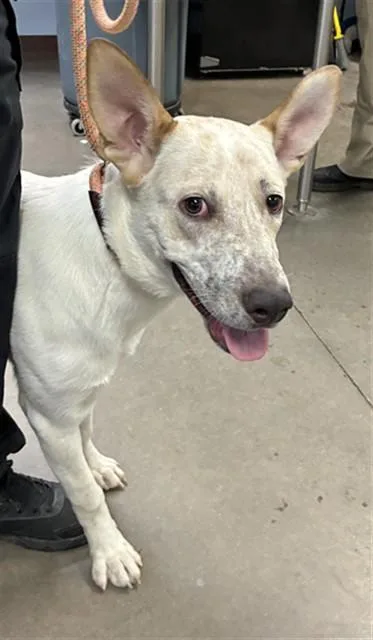
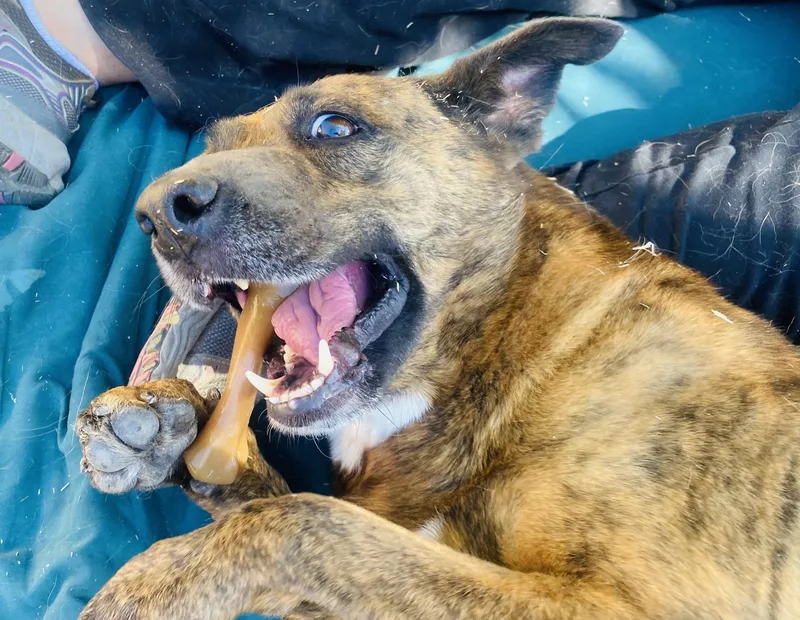
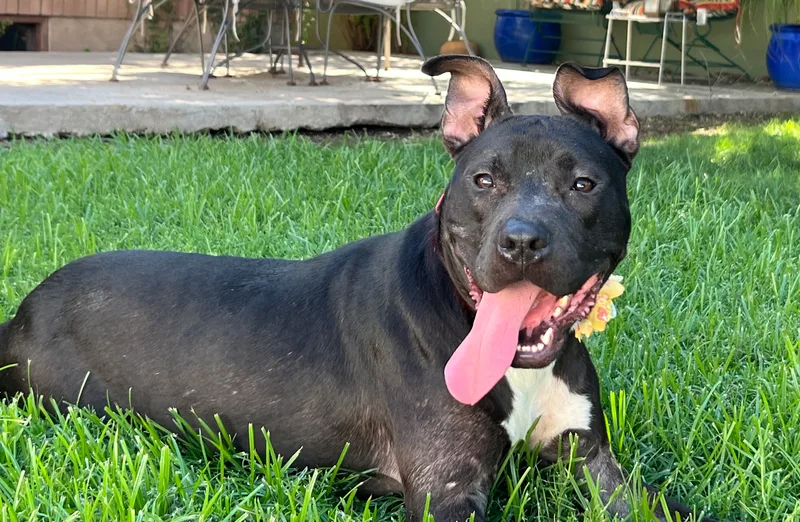
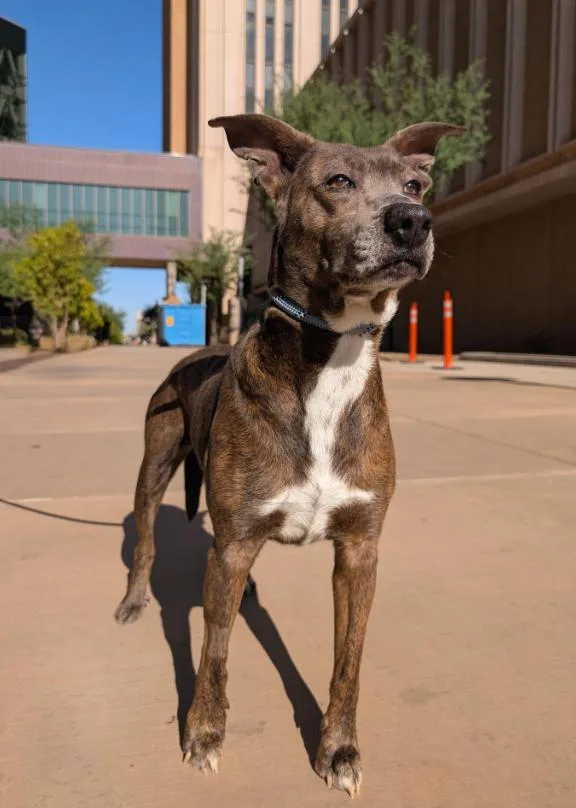
12 Black Labrador Retrievers available for adoption in Phoenix

Find your Black Labrador Retriever

Black Labrador Retrievers Available for Adoption in Phoenix

About the Black Labrador Retriever breed

A black Lab is a Labrador Retriever in the breed's original and most familiar color, not a separate breed. Labs descend from the St. John's water dogs of Newfoundland and were refined in Britain as gun dogs, which explains the dense, water-resistant double coat, the otter tail and the love of retrieving. Adults typically weigh 55 to 80 pounds.

Color doesn't change personality. Most black Labs are friendly, food-motivated and eager to please, though field-bred dogs are often leaner and more driven than show-bred ones, and every dog varies. Expect a bouncy adolescence, steady training, measured portions and plenty of brushing during heavy shedding. In Phoenix, that also means planning exercise around the heat and watching weight closely.

Weight
55–80 lbs
Height
21–25 in
Lifespan
10–14 yrs
Temperament
Friendly, Outgoing, Active
Group
Sporting
Shedding
Moderate to High

Owning a Black Labrador Retriever in Phoenix

Having a Black Labrador Retriever in Phoenix

Black Labs pair sociable, working-dog stamina with a dense coat that sheds year-round. In Phoenix, their energy, appetite and heat tolerance shape daily life far more than color, so match a dog's age and drive to your routine.

Temperament

Black Labs tend to be outgoing and affectionate with family, guests and other dogs, and many are patient with respectful kids. Young dogs can be mouthy and boisterous. Food motivation makes reward-based training work well. A dog's history and socialization say more than breed or coat color, and some Labs are shy or reactive.

Exercise Needs

Most adult black Labs need an hour or more of vigorous activity a day. In Phoenix, that means long walks and fetch in the cooler months, then dawn outings, indoor games, scent work and puzzle feeders once summer arrives. Swimming isn't really an option, since city parks have no dog swimming areas.

Health Considerations

Labs can develop hip and elbow dysplasia, cruciate tears, exercise-induced collapse, ear infections and skin allergies, and they gain weight easily. In Phoenix, add Valley fever, a soil fungus that sickens roughly 6 to 10 percent of Maricopa County dogs each year. Persistent coughing or low energy warrants a vet visit. Sonoran Desert toads are toxic if licked.

Living Space

A black Lab can live in a Phoenix apartment or house if daily exercise needs are met. A fenced yard helps but doesn't replace walks, and shaded grass or dirt beats hot concrete. Dark coats absorb heat, so summer days belong indoors in air conditioning. Expect shed hair, a sweeping tail and a dog that wants to be with you.

What it costs to own a Black Labrador Retriever in Phoenix

ExpenseTypical costPer year
Adoption fee$100 to $500, one time$100 to $500 in year one
Food$55 to $110 per month$660 to $1,320
Pet insurance$65 to $130 per month$780 to $1,560
Routine vet care$250 to $500 per year$250 to $500
Other*$590 to $1,490 per year$590 to $1,490
Estimated yearly total (after year one)$2,280 to $4,870
First-year total (with adoption fee)$2,380 to $5,370

Adoption fee is the range of fees on Black Labrador Retriever listings in Phoenix on GetBuddy today. Other costs are estimates and vary with size, age and health.

* Flea, tick and heartworm prevention, a dental cleaning allowance, the Maricopa County dog license, toys and bedding, and brushing and baths for heavy seasonal shedding.

Adopt a Black Labrador Retriever in Phoenix.

Now that you know more, let’s find you a new best friend. These rescues and shelters below currently have Black Labrador Retrievers available.

Rescues in Phoenix with Black Labrador Retrievers Available

The shelters and rescues serving the Phoenix area are listed below, along with the dogs they currently have up for adoption. Here are the rescues & shelters in the Phoenix area where you can find Black Labrador Retrievers and other dogs available for adoption.

Frequently Asked Questions

Yes, with planning, but summer is the hardest season for a black Lab here. Triple-digit highs run May through September, so walk at dawn, keep afternoons indoors in air conditioning with fresh water, and carry water on any outing. Never leave a dog in a parked car; Arizona law treats that as animal cruelty.

Yes. Phoenix has no breed bans, and Arizona law keeps cities from regulating specific breeds. Dogs adopted from shelters are generally already spayed or neutered, which makes the Maricopa County license $22 instead of $55. Barking that disturbs neighbors can lead to a city complaint, and tethering is allowed only under direct supervision.

Papago Park's flat Crosscut Canal Path and Rio Salado's paved trails suit a Lab well, and South Mountain Park and the Sonoran Preserve offer longer routes. Keep dogs on a six-foot leash and on marked trails. Dogs are banned from all city trails at 100°F or hotter, and from Camelback Mountain year-round.

Yes, when the lease allows a dog that size and you can provide daily exercise. In summer, most walks happen at dawn or after dark, with fetch and puzzle feeders indoors the rest of the day. Weight limits are the usual hurdle for large dogs, so read the pet policy before applying.

Probably not, unless the dog is a service animal. Phoenix has Valley Metro buses and light rail but no subway, and pets are generally limited to closed carriers, which a 55- to 80-pound Lab can't fit in. Service animals are welcome. Check current Valley Metro rules before any trip, and plan on driving to parks and vet visits.

Only to some patios. Pet dogs aren't allowed inside food establishments, and a restaurant can seat dogs outside only if it has a county-approved dog-friendly patio with a separate entrance. Each restaurant decides whether to offer one. Keep the dog leashed and off seats, and skip midday patios in summer, when a dark-coated Lab overheats fast.

Less than a long-coated breed, but more than most people expect. Brush weekly with a rubber curry or deshedding tool, daily during heavy shedding, and bathe every month or two with a gentle shampoo, since Phoenix's dry air can dry out skin. Don't shave the double coat. Occasional professional baths fall within the Other costs on this page.

A Labrador Retriever is a large sporting dog developed to retrieve game for hunters, especially from water. Labs have a short, dense double coat, a thick otter tail and a broad head, and they come in black, yellow and chocolate. Many are friendly, food-motivated and eager to work, which makes them common family, guide and service dogs.

We have 6 rescues with Black Labrador Retrievers available, including Arf-Anage Dog Rescue, Dawgz, Tailz & Wagz and Freedom Brothers Recovery and Rescue. You can see every rescue with Black Labrador Retrievers available in the list above these questions, or scroll to the top to see the Black Labrador Retrievers in Phoenix.

Expect roughly $55 to $110 a month for food and $65 to $130 for insurance, plus $250 to $500 a year for routine vet care. Other yearly costs, including parasite prevention, dental cleaning, license, supplies and grooming for shedding, run about $590 to $1,490. Valley fever or a toad emergency could add unplanned vet bills.