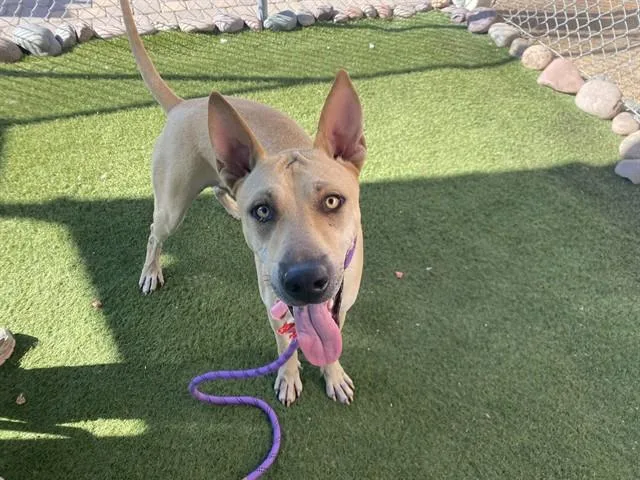
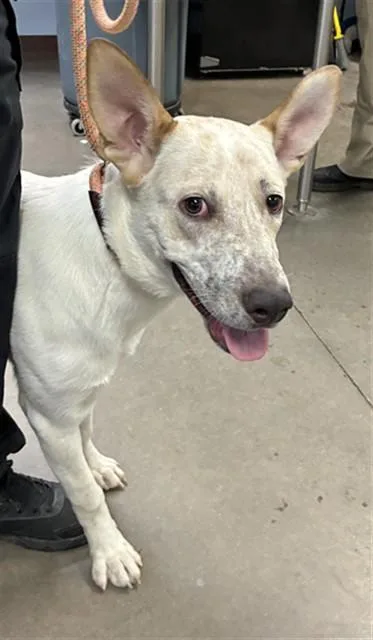
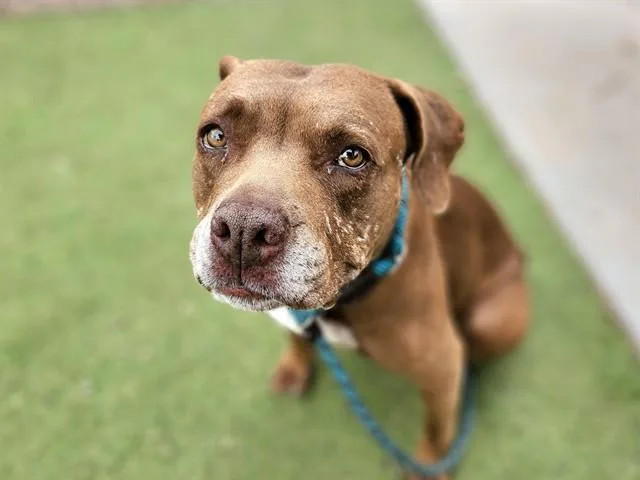
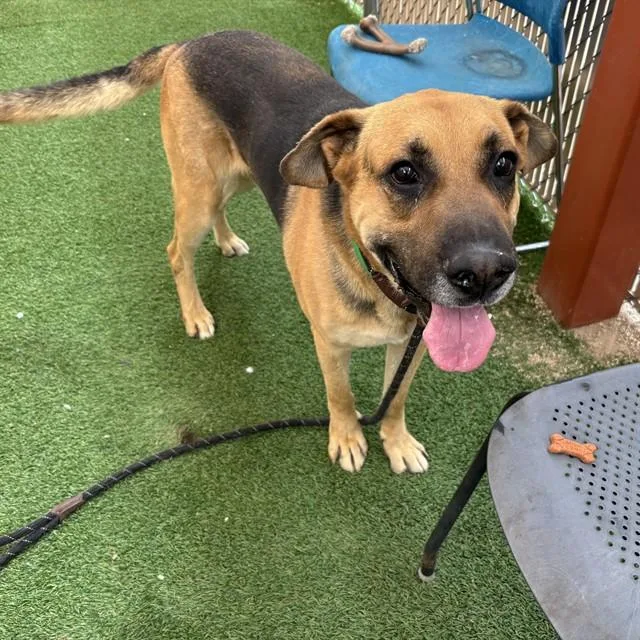
Basenji Dogs for Adoption in Phoenix, AZ

Your guide to finding and caring for a Basenji in Phoenix

Basenjis suit Phoenix apartment life better than most hounds, because they don't bark. In Encanto's mid-rise buildings along Central Avenue, that quiet goes a long way with neighbors. What a Basenji does need is a hard daily run, and the double-gated, fenced runs at Steele Indian School Dog Park suit a dog that bolts after anything small and fast. Expect yodels and the odd baroo instead of barking, and expect a clever escape artist, so a secure balcony and gate matter.

169 Basenjis available in Phoenix and nationwide

Fall for a Basenji

While we don't have enough dogs near Phoenix, keep in mind that many rescues may offer transport.

Basenjis Available for Adoption Near Phoenix

About the Basenji breed

The Basenji is a small hound from Central Africa's Congo basin, where village hunters relied on these quick, quiet dogs to find small game and drive it into nets. DNA studies place the breed among the oldest dog lineages. Adults weigh about 20 to 26 pounds and stand 15 to 18 inches, with a wrinkled forehead, upright ears, a tightly curled tail and a short, fine coat in chestnut red, black, tricolor or brindle.

Basenjis don't bark, but they yodel, howl and make a sound called a baroo. They groom themselves like cats, shed little and have little odor. Many are affectionate with their people yet independent and reserved with strangers, and they're known for chasing, chewing and escaping. In Phoenix, that means tight fencing, a plan for the hot months and patience, since each Basenji's personality differs.

Weight
20–26 lbs
Height
15–18 in
Lifespan
12–15 yrs
Temperament
Independent, Intelligent, Alert, Affectionate
Group
Hound
Shedding
Low

Owning a Basenji in Phoenix

Having a Basenji in Phoenix

A Basenji's catlike independence, hunter's drive and unusual voice set it apart from most small dogs. In Phoenix, secure fencing, heat-smart exercise and patient training matter most, though every Basenji's needs differ.

Temperament

Basenjis are usually affectionate with their families, alert and reserved with strangers. They think for themselves, so training takes patience and good treats. Strong prey drive can make lizards, birds and small pets a temptation on Phoenix walks. Some Basenjis enjoy other dogs, while others prefer to be the only one.

Exercise Needs

Plan on a brisk daily run or long walk, plus mental work such as puzzle toys and scent games. Because Basenjis chase, stick to leashed walks and fenced dog parks rather than open off-leash space. In summer, move exercise to early morning and add indoor games, since afternoons are too hot for most dogs.

Health Considerations

Basenjis can inherit Fanconi syndrome, a kidney disorder, along with progressive retinal atrophy, pyruvate kinase deficiency and hypothyroidism. A veterinarian can discuss DNA testing and periodic urine screening. In Phoenix, valley fever, a fungal infection from desert soil dust, is also worth knowing about. A lingering cough, low energy or weight loss deserves a vet visit.

Living Space

A Basenji's small size and lack of barking suit Phoenix apartments, though yodeling can carry through thin walls. Security matters more than square footage: they climb fences, slip through gaps and chew through barriers, so check gates and block walls closely. Keep a cool indoor spot ready for summer, and a warm one for rainy winter days.

What it costs to own a Basenji in Phoenix

ExpenseTypical costPer year
Adoption fee$325, one time$325 in year one
Food$20 to $45 per month$240 to $540
Pet insurance$40 to $85 per month$480 to $1,020
Routine vet care$200 to $400 per year$200 to $400
Other*$390 to $1,090 per year$390 to $1,090
Estimated yearly total (after year one)$1,310 to $3,050
First-year total (with adoption fee)$1,635 to $3,375

Adoption fee is the fee on Basenji listings in Phoenix on GetBuddy today. Other costs are estimates and vary with size, age and health.

* The $22 Maricopa County license for a spayed or neutered dog, flea, tick and heartworm prevention, a dental cleaning allowance, durable chew toys and bedding, and minimal grooming.

Adopt a Basenji in Phoenix.

Now that you know more, let’s find you a new best friend. These rescues and shelters below currently have Basenjis available.

Rescues in Phoenix with Basenjis Available

Phoenix's public shelter and local rescues list adoptable dogs of every size and type here, with new ones added often. Here are the rescues & shelters in the Phoenix area where you can find Basenjis and other dogs available for adoption.

Frequently Asked Questions

Phoenix works for Basenjis with planning. Winters are mild, which suits a dog that dislikes cold and rain, but the city sees about 111 days a year at 100°F or higher. Walk at dawn, keep afternoons indoors with air conditioning, and never leave a dog in a parked car. November through March is best for long outdoor days.

Yes, Phoenix has no breed bans or breed-specific rules, and Arizona law forbids cities from creating them. Any limits you meet will come from landlords or insurers. Dogs over three months old need a Maricopa County license with a current rabies vaccination, and a leash no longer than six feet whenever they're off your property.

Basenjis do best in fenced spaces, so try Margaret T. Hance Dog Park downtown or Thelda Williams Paw-Pup Park, which had no 2026 summer closure. For leashed walks, Papago Park's flat Crosscut Canal Path and Rio Salado's paved trails work. Camelback Mountain bans dogs, and city trails close to dogs above 100°F.

Pets can generally ride Valley Metro in a closed carrier, though a 20-to-26-pound Basenji is a tight fit for most carriers, and service animals are welcome. Phoenix has buses and light rail but no subway. Check current Valley Metro rules and fares before your first trip, since pet policies can change.

Only on outdoor patios that Maricopa County has approved as dog-friendly, and only if the restaurant chooses to allow dogs. Pet dogs aren't allowed indoors. Keep your Basenji leashed and off seats and tables. A reserved, escape-prone hound does best on a quiet patio in the cooler months.

Very little. A Basenji's short, fine coat sheds lightly and the dog cleans itself like a cat, so a weekly brush, an occasional bath and regular nail trims are usually enough. After dusty walks, wipe the paws, and never shave the coat for summer. Grooming costs stay small, within the Other line of the cost table.

A Basenji is a small, ancient hunting dog from Central Africa, famous for not barking. It belongs to the AKC Hound Group and was recognized in 1943. Basenjis are lean and elegant, with a wrinkled forehead, upright ears and a tightly curled tail. They tend to be clever, independent, clean and energetic, with a strong instinct to chase.

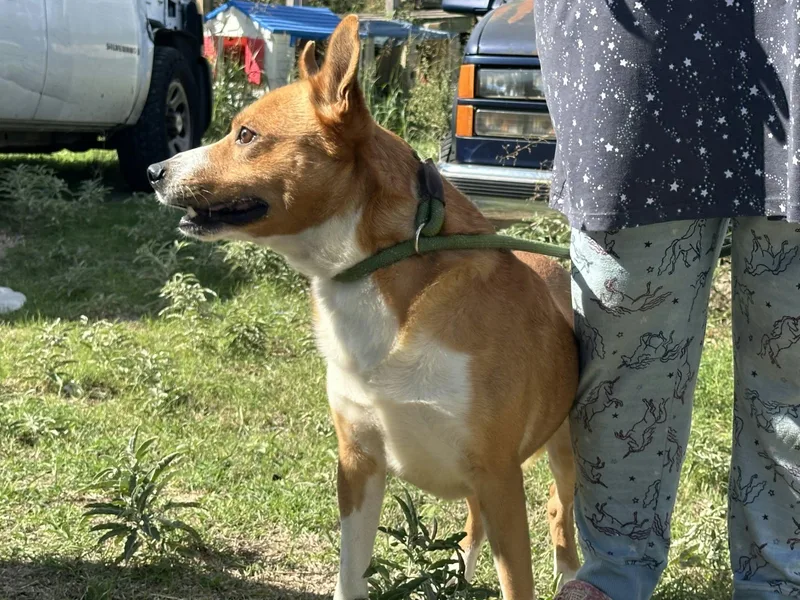
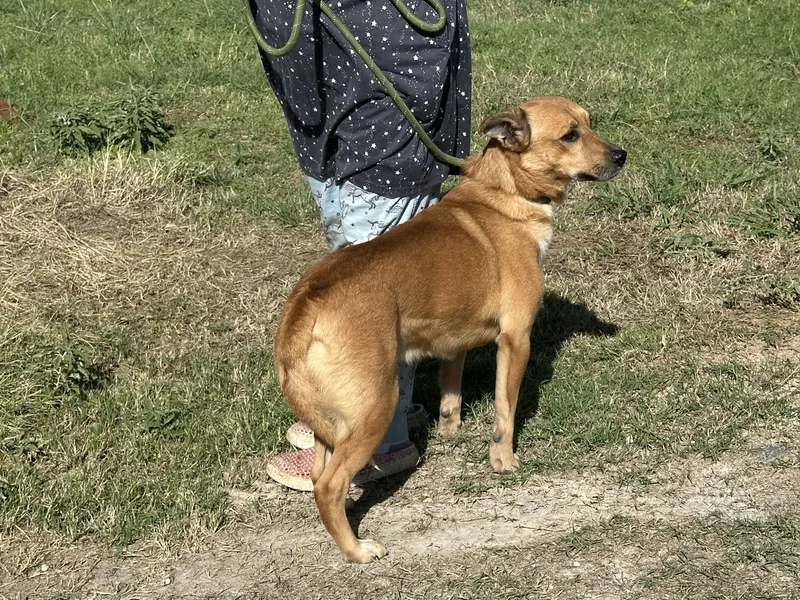
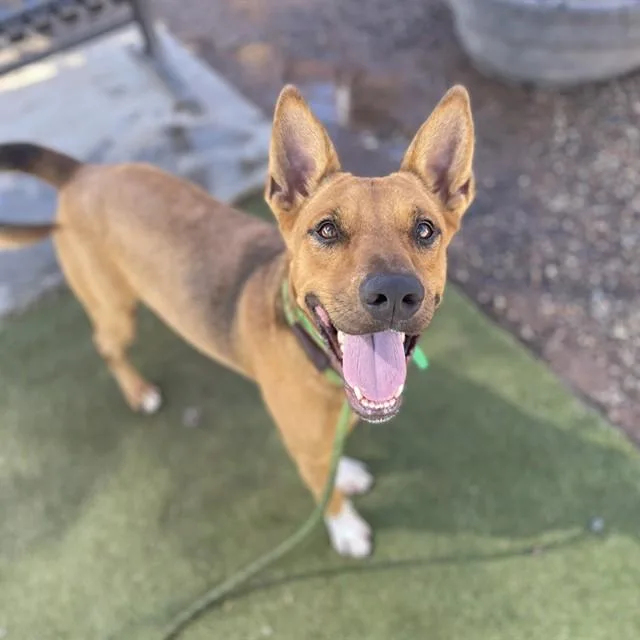
A Basenji looks like a small, athletic dog with a short, fine coat, upright pointed ears, a wrinkled forehead and a tail curled tightly over its back. Common colors are chestnut red, black, tricolor and brindle, always with white feet, chest and tail tip. It moves with a quick, springy trot often compared to a trotting racehorse.

We have 1 rescue with Basenjis available: Adorable Dog Rescue. You can see every rescue with Basenjis available in the list above these questions, or scroll to the top to see the Basenjis near Phoenix.

Budget roughly $20 to $45 a month for food, $40 to $85 a month for pet insurance, and $200 to $400 a year for routine vet care. Other costs run about $390 to $1,090 a year. Because Basenjis can inherit kidney and eye conditions, price insurance while the dog is young, and set aside room for surprise vet bills.