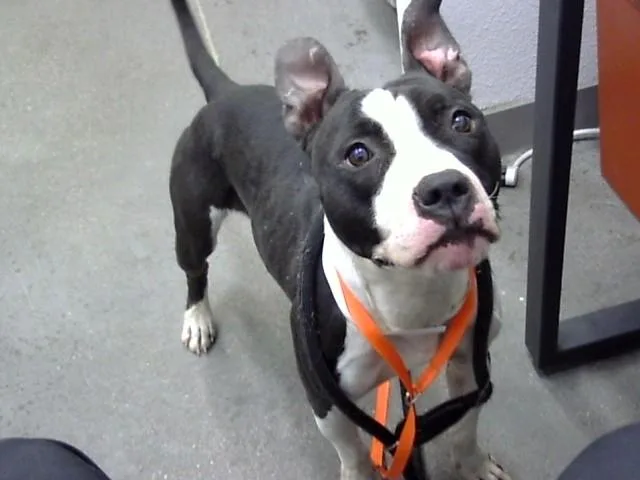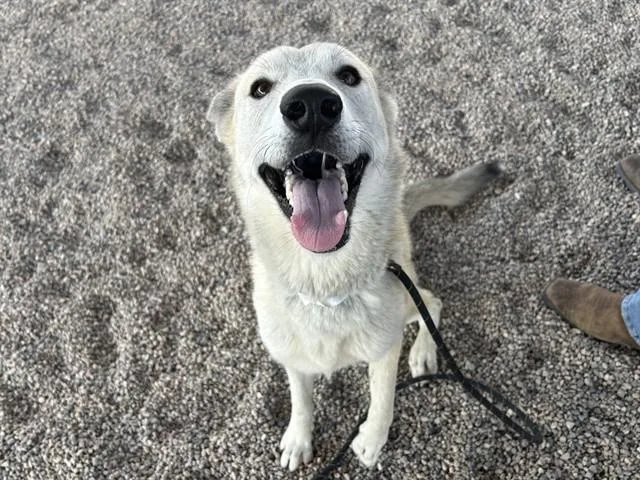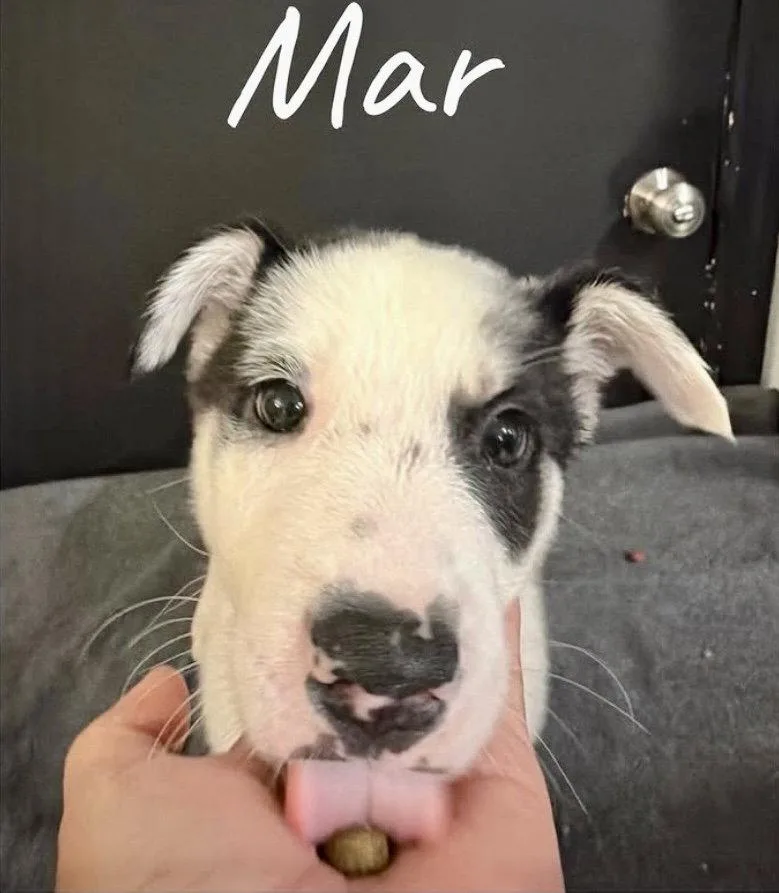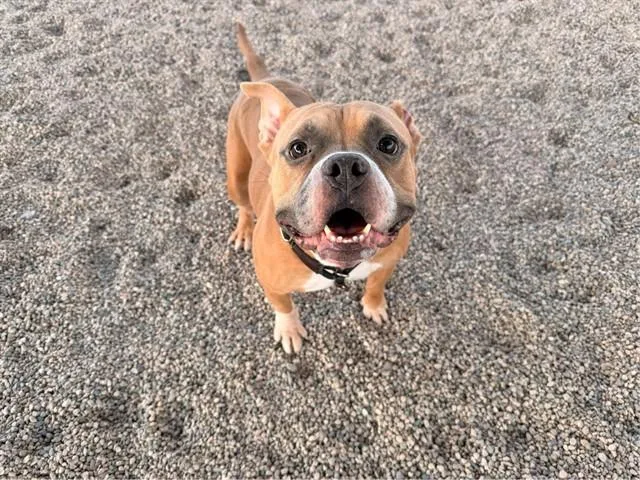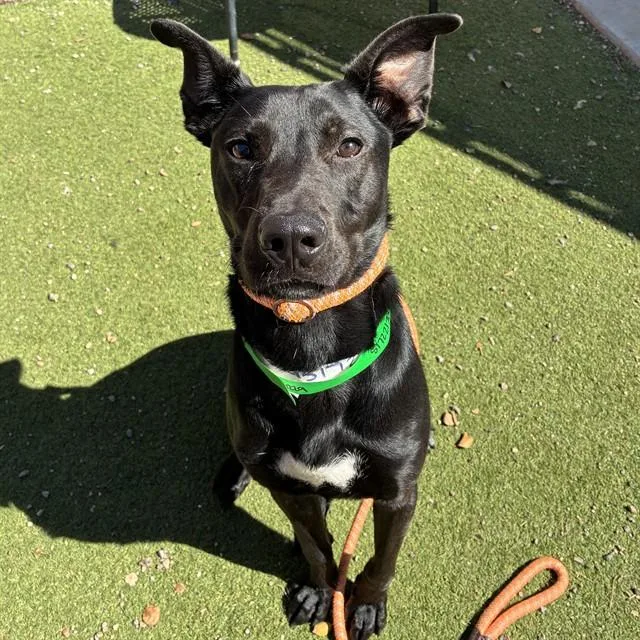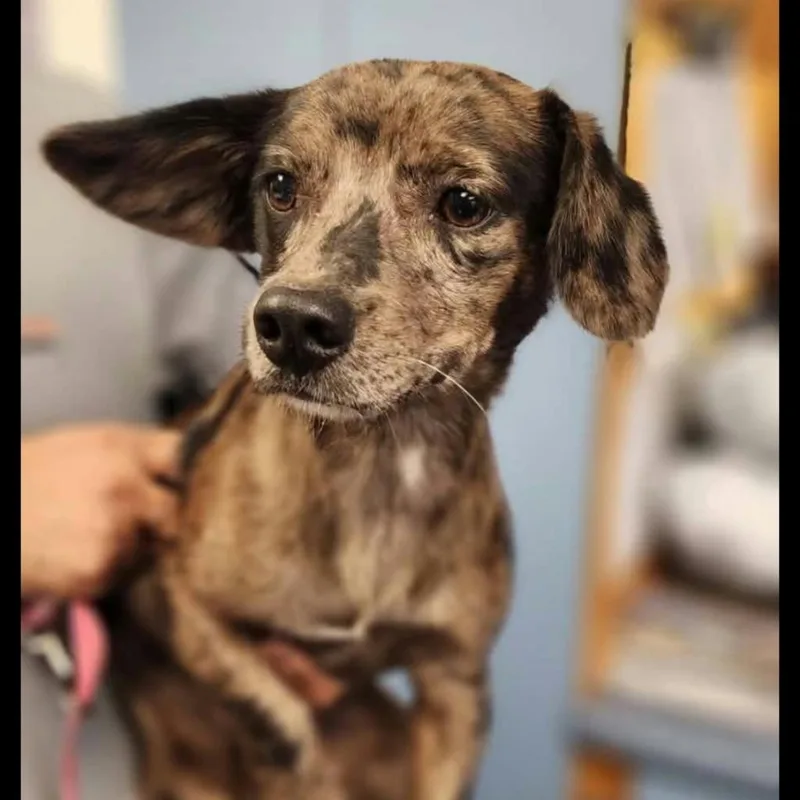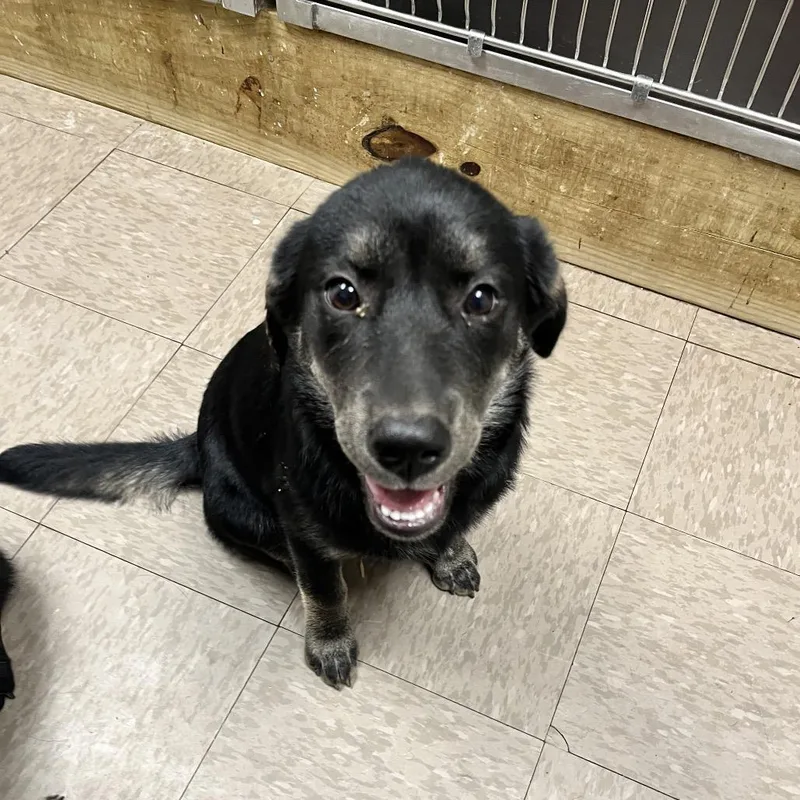
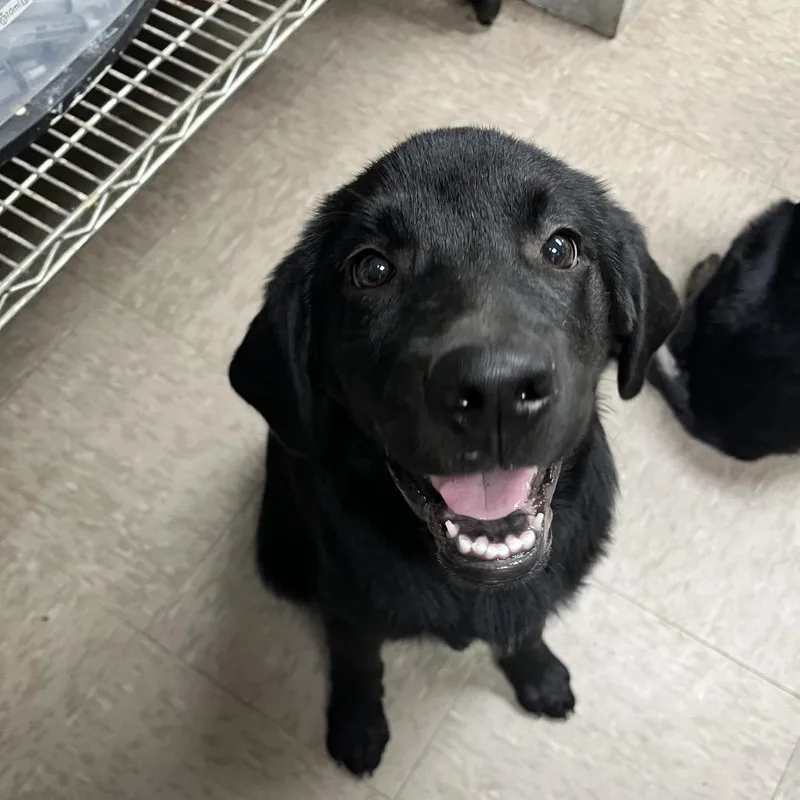
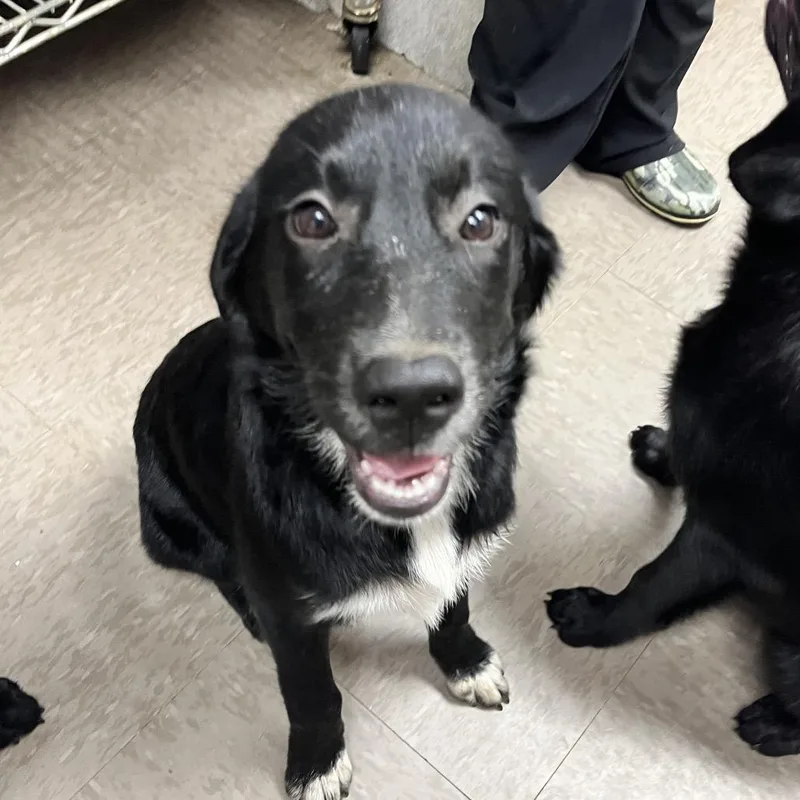


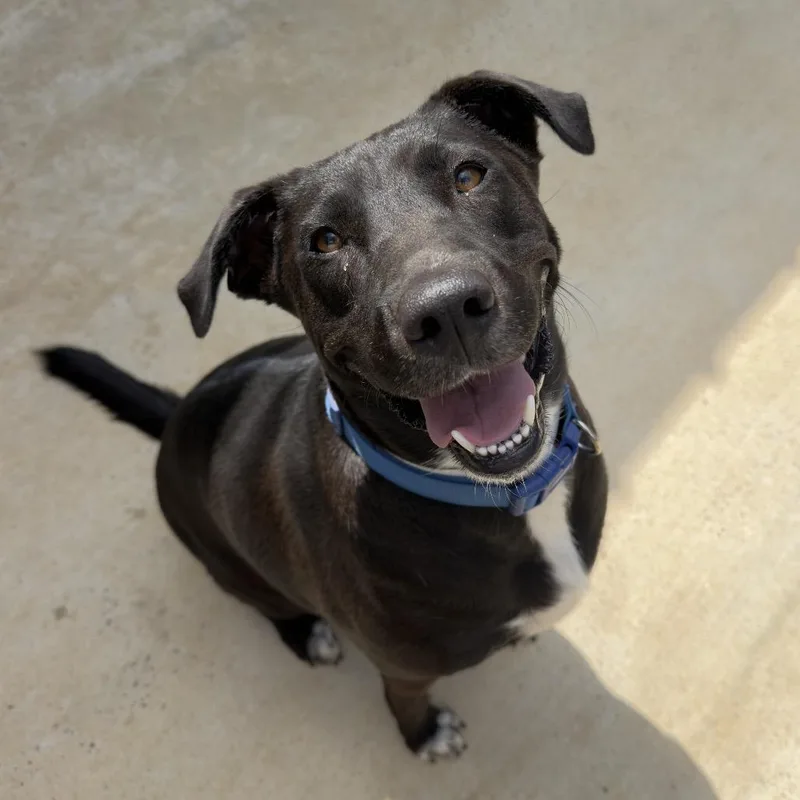
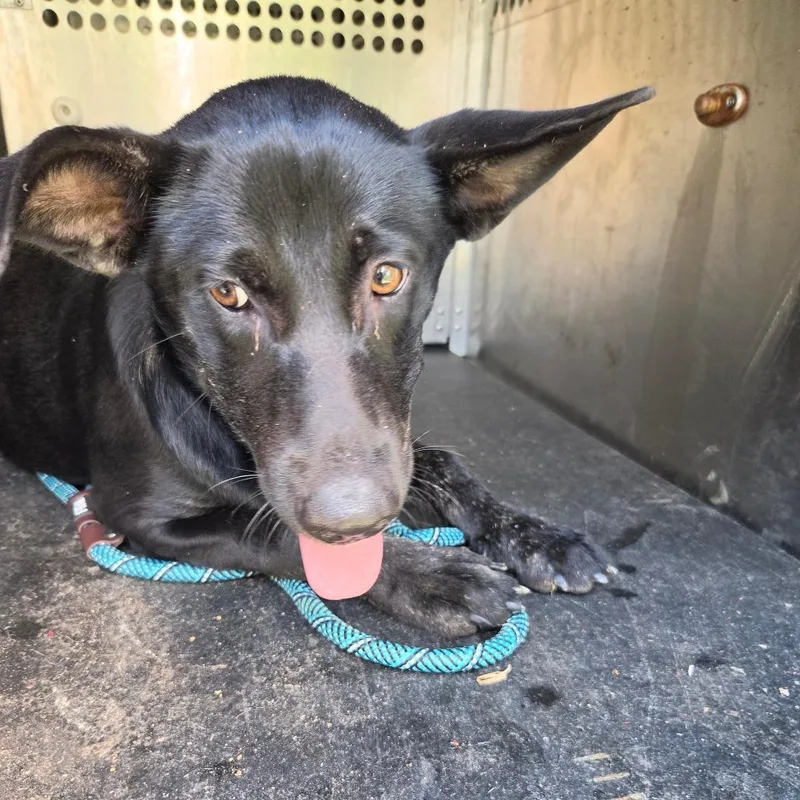
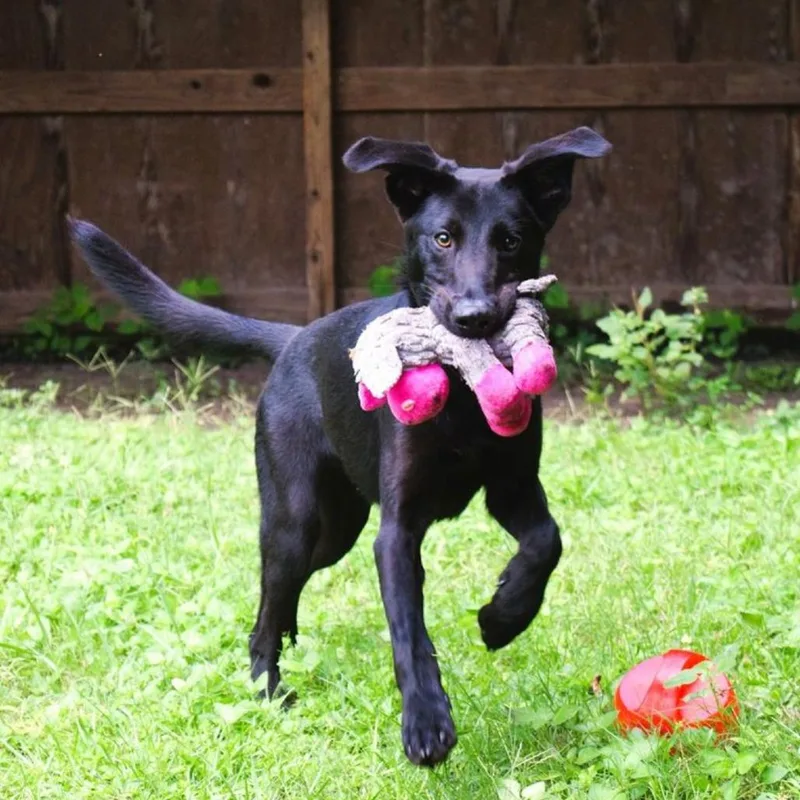

Black Labrador Retriever Dogs for Adoption in Mesa, AZ

Your guide to finding and caring for a Black Labrador Retriever in Mesa

A black Lab suits Mesa best when its owner is happy to walk at dawn. Dobson Ranch's flat, lake-dotted streets and the Rio Salado Pathway by Riverview Park give a Lab plenty of room to stretch its legs, and most Labs are glad to greet every neighbor along the way. The catch is a dark coat under a 105-degree summer sun, so the long outings happen early. If you're thinking of adopting one here, plan on a dog who wants company and a daily job.

3061 Black Labrador Retrievers available in Mesa and nationwide

Find your Black Labrador Retriever

Black Labrador Retrievers Available for Adoption Near Mesa

About the Black Labrador Retriever breed

The black Lab is the Labrador Retriever in its original color, a sporting dog descended from Newfoundland's St. John's water dogs and refined in Britain as a gun dog. It's a sturdy, athletic dog of roughly 55 to 80 pounds, with a dense, water-resistant double coat and a thick otter tail.

In Mesa, that coat and build shape daily care more than color does. Expect a social, food-motivated dog that matures slowly, sheds steadily and needs daily exercise timed around the heat. Some Labs are leaner and more driven than others, so a young dog's energy deserves a realistic look. Many Labs also love water, which makes pool safety a real concern in a city with so many backyard pools.

Weight
55–80 lbs
Height
21–25 in
Lifespan
10–14 yrs
Temperament
Friendly, Outgoing, Active
Group
Sporting
Shedding
Moderate to High

Owning a Black Labrador Retriever in Mesa

Having a Black Labrador Retriever in Mesa

Black Labs pair steady stamina with a sociable streak, so exercise, portion control and shedding care matter more than coat color. In Mesa, a dark coat adds a heat factor, which makes dawn and evening walks the biggest adjustment.

Temperament

Most black Labs are outgoing and affectionate with family, visitors and other dogs, and many are patient with respectful children. Young dogs can be mouthy and boisterous. Food motivation makes reward-based training work well, and they do best with steady company. A dog's history and socialization count for more than breed or color.
Exercise Needs

Plan on an hour or more of activity a day for a healthy adult: brisk walks, fetch, scent games and short training sessions. In Mesa, that means dawn or after-dark outings from late spring through September, with indoor games filling midday. Seniors and puppies need gentler, shorter sessions, and every dog's energy level differs.

Health Considerations

Labs can face hip and elbow dysplasia, cruciate tears, exercise-induced collapse, eye disease, ear infections and skin allergies, and weight gain is common. In Mesa, add valley fever, a dust-borne fungal illness: coughing, fever, low energy or weight loss deserve a vet visit. A veterinarian can check hips and elbows and track weight.

Living Space

A black Lab can live in a Mesa apartment or house if its exercise needs are met. A fenced yard helps, but it needs real shade and water, since dark coats absorb heat and metal bowls get hot. Expect shed hair, a sweeping tail and a dog that wants to be indoors with you.

What it costs to own a Black Labrador Retriever in Mesa

ExpenseTypical costPer year
Food$55 to $110 per month$660 to $1,320
Pet insurance$65 to $130 per month$780 to $1,560
Routine vet care$250 to $500 per year$250 to $500
Other*$590 to $1,490 per year$590 to $1,490
Estimated yearly total (after year one)$2,280 to $4,870

Other costs are estimates and vary with size, age and health.

* The $22 Maricopa County license for a spayed or neutered dog, flea, tick and heartworm prevention, a dental cleaning, toys and bedding, and brushing and baths for heavy shedding.

Adopt a Black Labrador Retriever in Mesa.

Now that you know more, let’s find you a new best friend. These rescues and shelters below currently have Black Labrador Retrievers available.

Frequently Asked Questions

Yes, with changes to the daily routine. Highs top 100°F from June through September, so skip midday walks, keep the house air-conditioned, and offer shade and fresh water all day. Dark coats absorb heat, so watch for heavy panting, drooling or red gums, and never leave a Lab in a parked car.

Yes. Arizona law bars cities from making breed-specific dog rules, so Mesa has no restrictions on Labs. There's no known Mesa cap on the number of pets, though five or more dogs falls under state kennel rules. Leases and HOAs can still set their own breed or weight limits, so read yours before applying.

Usery Mountain Regional Park, on Mesa's northeast edge, has desert trails with a six-foot leash rule, so bring your own water. The Phon D Sutton day-use area on the Lower Salt River allows leashed dogs and requires a Tonto Pass. Red Mountain Park suits shorter leashed walks. Go early, since most routes have little shade.

Yes, if its exercise gets met. A Lab can manage in an apartment with daily walks and play, but many buildings set weight limits that a 55-to-80-pound dog may exceed, so read the pet policy first. Plan indoor games for midday heat, walks at dawn and after sunset, and expect plenty of shedding.

Generally no. Valley Metro buses and light rail, which runs along Main Street, allow pets only in an enclosed carrier that fits on your lap, and a full-grown Lab won't fit. Only trained service animals ride otherwise. Plan to drive your Lab to parks and appointments, and never leave it in a parked car.

Only to patios that hold a Maricopa County Dog Friendly Patio Permit, and never indoors unless your dog is a service animal. Look for the posted county sign. Dogs must stay leashed and under your control and enter through the patio's own entrance. Choose evening visits, since midday patios get very hot.

Mostly brushing. A weekly brushing covers most of the year, and daily brushing helps during heavy seasonal shedding. Bathe only as needed, since frequent baths strip coat oils and Mesa's dry air can dry skin. Don't shave the double coat. Grooming is part of the yearly Other line in the cost table.

A Labrador Retriever is a large sporting dog developed to retrieve game for hunters, especially from water. Labs have a short, dense double coat, a thick otter tail and a broad head, and they come in black, yellow and chocolate. Many are friendly, food-motivated and eager to work, which makes them common family, guide and service dogs.

We have 1 rescue with Black Labrador Retrievers available: Pound Animals Worth Saving (P.A.W.S.) Fur the Cause. You can see every rescue with Black Labrador Retrievers available in the list above these questions, or scroll to the top to see the Black Labrador Retrievers near Mesa.

A black Lab typically costs about $2,300 to $4,900 a year in Mesa. Food runs $55 to $110 a month and insurance $65 to $130 a month, while routine vet care is $250 to $500 a year. Other costs, such as prevention, dental care and grooming, add $590 to $1,490. Valley fever treatment, if needed, would be extra.